Worth saving! 70 medical and health tips that everyone should read!
A few simple actions before bed can help detoxify the body and promote longevity!
Studies have shown a direct link between sleep and lifespan. 80% of people who sleep less than 4 hours per night have shorter lifespans. Furthermore, the National Sleep Disorders Association in the United States believes that in more than half of people over 65 years of age suffer from sleep disorders primarily characterized by insomnia.
To sleep soundly and maintain good health, it's important to pay attention to some preparations before bed. A few simple actions, done daily before sleep, can help detoxify and cleanse the body, promoting restful sleep and a longer life! Let's learn them together!
1. Combing your hair before bed: Regulating the body's meridians.
Traditional Chinese medicine believes that the head is the abode of the brain and the "seat of intelligence," connecting to all the body's meridians. Appropriate stimulation of acupoints on the head can improve brain function, regulate the body's meridians, and achieve the purpose of disease prevention and health maintenance.
Patients with hypertension, arteriosclerosis, and neurasthenia should especially insist on combing their hair. Stimulating acupoints on the head through combing can calm the liver, dispel wind, open the orifices, and soothe the mind, playing an auxiliary therapeutic role in the disease.
How to comb your hair?
You can use a comb or your fingers. When using your fingers as a comb, start from the hairline on your forehead and comb your hair from front to back to the nape of your neck, massaging your scalp as you comb. The movements should be slow and gentle, and each session should last about 10 minutes.

2. Stretch before bed: Stretching
is the simplest and most practical health exercise. There's a folk saying, "Regular stretching is an ancient practice, relieving fatigue, nourishing blood, and calming the mind."
From a Traditional Chinese Medicine perspective, the saying "A longer tendon adds ten years to one's life" means that proper stretching, such as doing a stretch, helps to unblock meridians, promote blood circulation, and balance the Yin and Yang of the internal organs, making it an excellent self-care method.
How to stretch?
When stretching, extend your body as much as possible, straighten your limbs, and engage all your muscles. Inhale deeply while stretching; exhale deeply while relaxing your muscles. This will enhance the exercise's effectiveness.
3. Abdominal massage before bed: Improves appetite and spleen function, nourishes kidneys and heart.
Abdominal massage is a simple technique that clears blockages in the meridians, thereby soothing the liver and regulating qi, improving appetite and strengthening the spleen, and nourishing the kidneys and heart. It is very effective for weight gain caused by emotional disorders.
Massaging your abdomen before bed can reduce fat in the abdomen and lower body because it brings fresh blood and energy to the area. Once the meridians are cleared, it can also help reduce fat and promote weight loss.
How to perform abdominal massage?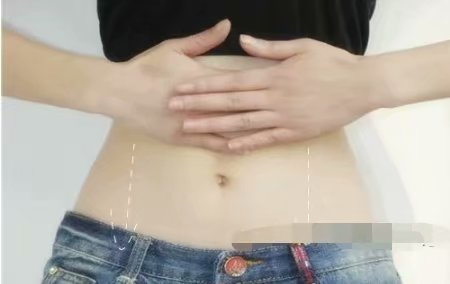
It's best to lie in bed and make fists with both hands (you can also use the heels of your palms). Push from the center of your chest down to below your navel, only in this direction, do not push in the opposite direction.
During the pushing process, the pressure should be moderate, and you should also feel for any abnormalities in your abdomen. Push like this 10-20 times. Pay special attention to pushing any hard lumps, as these may be areas where internal fat is being compressed.
4. Tapping the gallbladder meridian before bed: promotes blood circulation, detoxifies, and removes waste.
Massaging and tapping the gallbladder meridian can soothe the meridians, promote blood circulation, and detoxify. With faster blood circulation, the body will have enough energy to eliminate waste, and edema and toxins in the body will naturally be removed.
How to tap the gallbladder meridian?
The Gallbladder Meridian runs along the midline of the outer thigh and lower leg to the space between the little toe and the second toe. An easy way to find it is along the center line of your pants to the side of your knee, focusing on four acupoints: Huantiao, Fengshi, Zhongdu, and Xiyangguan.
Don't tap the gallbladder meridian if you go to bed too late (after 11 pm). Because the liver and gallbladder are internally and externally related organs, tapping the gallbladder meridian after 11 pm can easily cause liver fire.
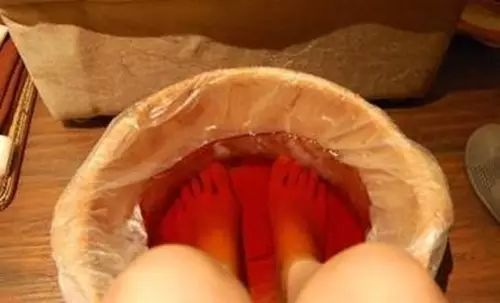
5. Soaking your feet before bed: Relieves fatigue and promotes sleep.
The feet are the part of the body furthest from the heart, greatly affecting blood flow, especially in the lower body. Soaking your feet in hot water before bed can relieve fatigue and promote sleep. Hot water foot baths can improve local blood circulation, dispel cold, and promote metabolism.
How to soak your feet?
1. The best water temperature for foot soaking is below 50℃. It should be warm but not scalding. Do not use your hands to measure the water temperature; it is best to use your feet to feel it.
2. The time should ideally be controlled within 15-20 minutes. If the time is too long, the local blood circulation in the feet will be too fast for an extended period, and more blood will flow to the lower limbs, causing cardiovascular overload.
3. It is not advisable to soak your feet within half an hour after meals, as it will affect the blood supply to the stomach and may lead to malnutrition in the long run.
4. Don't go to sleep immediately after soaking your feet. While your feet are still warm, massage the soles of your feet, put on socks to keep them warm, and wait until your body temperature gradually decreases before going to sleep for the best results.
6. Drink a glass of water before bed: prevents blood clots and protects the heart.
Developing a habit of drinking water before bed can reduce blood viscosity, maintain smooth blood flow, and to some extent prevent the formation of cerebral thrombosis.
In addition, when we sleep, we lose water through sweating, which reduces the water content in our blood and makes it more viscous. However, drinking a glass of water before bed can reduce blood viscosity and decrease the risk of a sudden heart attack.
How should you drink water?
Even if you're not thirsty, it's best to drink a small glass of water before bed, preferably plain water. Cardiovascular patients are advised to keep a glass of water by their bedside so they can take a sip if they wake up during the night. For diabetics, maintaining adequate hydration is also beneficial for blood sugar control.
Sleep is directly related to lifespan. Poor sleep ages you, while good sleep leads to a longer life!
Do these simple exercises every night before bed to detoxify your body, cleanse your system, and sleep your way to longevity!
Eat ginger correctly to nourish your body!
Should you peel ginger before eating it?
Actually, ginger peel is by no means optional. It is itself a traditional Chinese medicine. Whether to eat it peeled or with the peel depends on the specific circumstances.
Traditional Chinese medicine believes that ginger is pungent and warm in nature, and has the effects of inducing sweating to relieve exterior syndromes, stopping vomiting and detoxifying; while ginger peel is pungent and cool in nature, and has the effects of promoting diuresis and reducing swelling. Therefore, there is a saying that "keeping the ginger peel makes it cool, while removing the ginger peel makes it hot."
In this sense, the skin and flesh of a plant are a pair of yin and yang.
Once you understand this principle, you'll naturally know when to peel the food and when to eat it with the peel on.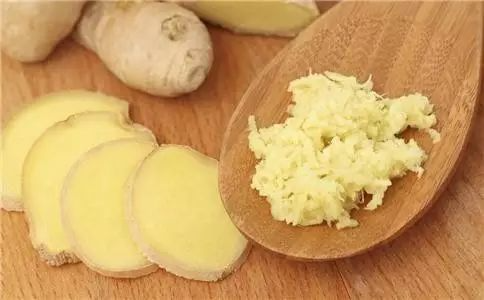
Peeling ginger
For those with weak spleen and stomach, it is best to peel the ginger.
If you are consuming cold foods such as bitter melon, celery, and crab, it is best to peel the crab and eat ginger, which can balance the cold nature of the crab.
When suffering from a cold, drinking ginger and brown sugar water can provide relief. It is best to peel the ginger before drinking it.
When using ginger to treat vomiting, stomach pain, and other discomforts caused by spleen and stomach deficiency and cold, the ginger peel should be removed.
Ginger without peeling
When cooking, ginger is usually eaten with the skin on, because this not only maintains the balance of ginger's medicinal properties but also prevents it from causing internal heat.
When experiencing edema, eat raw ginger without peeling it, as ginger peel has a diuretic effect;
If you have constipation, bad breath, or other symptoms, it is best to use ginger peel alone.

Now that we understand when to remove ginger peel and when not to, another question arises: what are the rules for eating ginger in the summer?
5 things to know about eating ginger
1. It's best to eat ginger in the morning and at noon.
Traditional Chinese medicine believes in the harmony between man and nature. During the day, when Yang energy is abundant, one should be more active. Consuming warming and nourishing medicines can help generate Yang energy. One can also consume appropriate Yang (warm) foods, such as ginger.
As yin energy gradually increases at night, yang energy should be restrained. If too much warm food or tonic is consumed at this time, it will affect sleep and the body's synthesis and metabolism, which will be harmful to the body.
Therefore, it is generally beneficial to eat ginger during the day, but not at night.
2. Eating ginger is not a case of the more the better.
Ginger is pungent and warm in nature, and should not be eaten in large quantities.
3. People with yin deficiency and excessive internal heat should not consume ginger for extended periods.
Those with yin deficiency and excessive internal heat, or those suffering from pneumonia, lung abscess, tuberculosis, gastric ulcer, cholecystitis, pyelonephritis, diabetes, hemorrhoids, or boils and prickly heat that are common in summer, should not consume ginger for extended periods.
4. Ginger is not suitable for colds caused by summer heat or wind-heat.
From a medical perspective, ginger and brown sugar water is only suitable for colds caused by wind and cold or chills and fever after being caught in the rain. It cannot be used for colds caused by summer heat or wind-heat, let alone for treating heatstroke.
Fresh ginger juice can help with vomiting caused by cold, but it is not suitable for other types of vomiting.
5. Never eat rotten ginger.
Rotten ginger produces a highly toxic organic compound called safrole, which can cause liver cell degeneration and induce cancer.
Therefore, the idea that rotten ginger is edible, or that "rotten ginger doesn't lose its flavor," is actually incorrect.
Recommended ways to enjoy ginger
1. Ginger tea
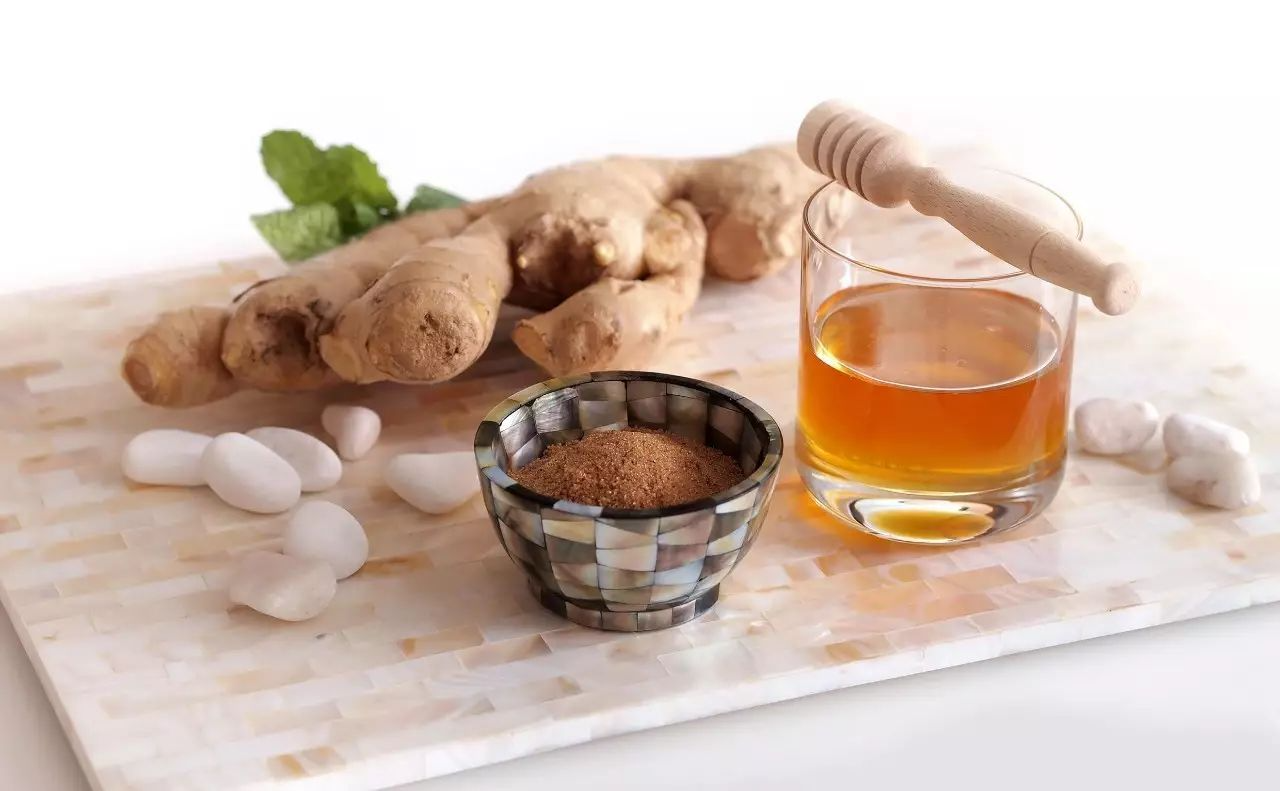
Ginger tea is made by simmering a small amount of tea leaves and a few peeled slices of ginger in water, and drinking it after meals. It can induce sweating to relieve exterior symptoms, warm the lungs and stop coughing, and has remarkable effects on influenza, typhoid fever, and coughs.
Ginger tea is actually a very popular drink among foreigners. Their method is slightly different from ours; they simply add a piece of fresh ginger and sugar when brewing the tea, then steep it for about 10 minutes.
2. Ginger + Avocado
Ginger can be juiced with many fruits and vegetables. Both ginger and avocado contain anti-aging components; simply combine them according to your preferred taste ratio.
3. Ginger + Brown Sugar
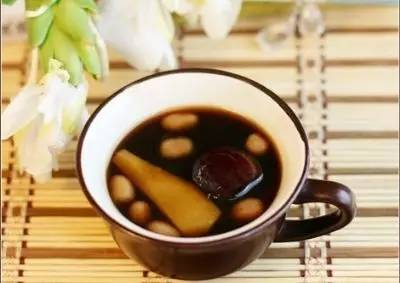
Ginger candy is typically made by simmering ginger and brown sugar, resulting in a sweet and spicy flavor. It is believed to dispel dampness and cold, making it ideal for consumption in humid climates.
4. Ginger juice + goji berries
Drinking goji berries soaked in ginger can not only improve eyesight and help reduce fine lines around the eyes, but also improve liver function.
5. Ginger + Pastries
Ginger cake was once presented as a tribute to the emperor. After tasting it, Empress Dowager Cixi praised it as "jade cake," saying, "It has oil but is not greasy, sugar but is not cloying, as clean as jade, and as soft as autumn clouds." It can be eaten directly, or fried, steamed, or stirred with boiling water.
After reading this article, everyone knows the correct way to eat ginger, right? Except for autumn when you should avoid or eat less ginger, summer is the best time to eat it, and it can also warm you up in winter.