[Women's Psychology] One improperly placed item in the home can bring lifelong misfortune.
Moving into a new home is a joyous occasion for any family. However, decorating a new home involves a lot of knowledge, and feng shui is something that Chinese people pay great attention to. Mirrors, in particular, have been the subject of many folk tales throughout history. The placement of mirrors is very important in feng shui. For example, what happens if a mirror faces the bed, or a mirror faces the door? Let's find out today.
Feng Shui Explanation: There are Rules for Placing Mirrors
According to some folk beliefs, in ancient times, people would fold a red cloth around their mirrors after looking in them. Some people believe that mirrors carry evil spirits, reflecting people's souls and illuminating demons. So, how should mirrors be placed for good fortune? Let's find out below.
1. Lobby
Mirrors are commonly found in modern life, mainly for people to check their appearance before going out. However, there are some rules to follow when placing mirrors in the entryway. In terms of location, the best placement is on the east or north wall; the other two directions are unsuitable. Furthermore, mirrors placed on the east or north wall should not be too large; the smaller the better. The most taboo thing is to place a mirror facing the main door, as this reflects the "door gods," affecting wealth and home peace. It is also taboo for mirrors to face the toilet or people, as this can cause instability in fortune and health problems.
2. Toilet
A mirror is an essential item in the bathroom, but it's important to note that the mirror should not face the door, nor should it face the toilet or shower area. Often, due to the reflective effect of the mirror, it can actually draw in an inauspicious energy field.
3. Bedroom
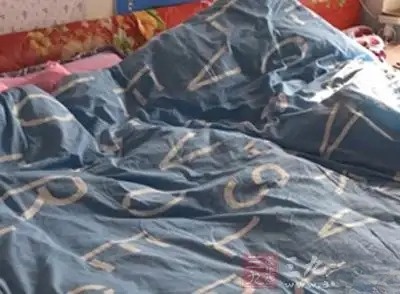
In the feng shui principles we follow, it is absolutely forbidden to place mirrors in the bedroom. Even a small women's dressing table should be placed in a certain way: it should not face the bed or the door, otherwise it will cause poor sleep and harm to health.
4. Living room
Mirrors are also strictly prohibited in the living room. Mirrors or reflective decorations in the living room can reflect the image of people sitting in the living room, or the reflection can disrupt the peaceful and stable atmosphere of the living room, leading to disharmony and quarrels among family members.
5. Restaurant
Many customers place mirrors in their restaurants, believing that the reflection of food on the table symbolizes abundance and wealth. However, placing mirrors in the restaurant or kitchen is a major taboo in Feng Shui. It often creates an inauspicious "Heavenly Fire" formation, leading to digestive problems, intestinal damage, injuries, and even bloodshed.
6. Study
From a Feng Shui perspective, it is acceptable to place mirrors in a study, as they can enhance a scholar's academic luck and serve as a mirror for self-reflection, promoting good posture and overcoming laziness. However, it is important to avoid placing mirrors facing the study's main door or windows.
Five Feng Shui Taboos for Living Room Windows
Windows are the main channels for air to enter a home, and the buildings outside the windows or the furnishings inside can affect the feng shui of the entire space. Therefore, it's necessary to learn some knowledge about the feng shui of living room windows. Let me introduce it to you.
1. Windows should not face a road directly.
Houses facing a road intersection are prone to accidents. If the road intersection is also directly opposite a window, the negative effects will be amplified, so it is best to avoid such houses.
2. Windows should not face water towers, utility poles, etc.
If a window faces a water tower or utility pole, the negative energy generated by the water tower or utility pole will enter through the window, affecting the family's fortune, especially in terms of wealth, career, and health, which are more likely to be severely damaged.
3. Windows should not face directly.
Having two windows facing each other in a room makes it difficult for the room to retain positive energy, almost like having doors and windows facing each other. This is not conducive to the accumulation of positive energy and wealth, and may lead to financial loss.
4. There should be no obstructions in front of the windows.
Windows allow sunlight and air into the room, serving as a connection between residents and the outside world. If windows are blocked by buildings, mountains, or other obstacles, they not only obstruct the residents' view but also impede the flow of life and wealth into the home.
5. Windows should not be damaged.
Windows are considered the "feng shui eyes" of a home, and broken or damaged windows can easily cause eye problems for residents. To ensure the health of residents, it is recommended that you repair any broken windows immediately.
Home Feng Shui Color Taboos
1. Girl Powder
Beware of those who are obsessed with romance and pink! In feng shui, bright pink is considered very unlucky: it may attract unwanted romantic attention and affect the relationship between husband and wife. In particular, avoid surrounding the entire bedroom with pink.
Anyone with a basic understanding of English knows that "blue" carries the connotation of "melancholy." In the Eastern world, blue is also believed to possess the same quality. A blue-toned room can create a gloomy and negative feeling, and in Feng Shui, it's considered unlucky for the home.
II. Versatile Black
Using black in a home is a rather unconventional choice. Black, associated with the element of water in Chinese astrology, is a rather somber color. If you truly want to stand out, be sure to control the proportion of black in your home décor. Many designers recommend using black in smaller spaces like bathrooms.
III. Chinese Red
The other side of bright red is that it can be visually overwhelming. Spending a long time in a bright red room can easily cause dizziness and headaches, and may even make people act impulsively and extremely. Therefore, using it as a home décor is most suitable; for example, small red furniture is a good choice.
IV. Green Grass and Gold
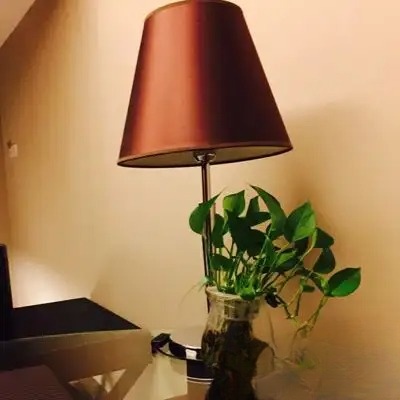
Everyone knows that green represents vitality and health, and many people decorate their homes with lots of green plants or use green as the main color scheme. However, too much green can actually make it difficult to concentrate, which is detrimental to career and studies; be careful!
Even if gold is the most noble color, no one with a modicum of taste would agree with a room full of gold armor. Besides being too dazzling, it can easily lead to nervous tension and emotional depression.
Six Taboos in Bedroom Decoration
Taboo 1: Too many electrical appliances, especially a television facing the foot of the bed.
In Feng Shui, having too many electrical appliances in the bedroom is considered a "fire house," negatively impacting health. Modern medical theory also points out that radiation from electrical appliances can indeed harm human health. The feet are considered the second heart of the body; if a television in standby mode is positioned directly opposite the foot of the bed, its radiation is more likely to affect the meridian flow and blood circulation in the feet.
Experts recommend
Minimize the number of electrical appliances in the bedroom, especially avoid placing the television directly opposite the foot of the bed, and unplug it when not in use.
Taboo 2: The bathroom door in the bedroom faces the bed.
Feng shui theory holds that bathrooms belong to the water element and have a heavy yin energy, which can easily cause discomfort in the lower back and kidneys.
The survey found that residents with ensuite bathrooms in their bedrooms, especially those with the bathroom directly facing the bed, often experienced lower back pain. This is because no matter how luxurious the bathroom is, it cannot change its fundamental function of waste disposal, resulting in poor air quality and increased humidity after showering. If the bathroom door faces the bed, it not only makes the bed damp but also affects the air quality in the bedroom. Over time, this can lead to lower back pain and increase the burden on the kidneys for detoxification.
Experts recommend
Place several potted foliage plants in the toilet, or add a screen between the toilet door and the plant bed as a partition.
Taboo 3: Area exceeding 20 square meters
Ancient Feng Shui theory states that "a large house with few people is an inauspicious house," believing that "a large house will absorb people's energy." Therefore, even the emperor's bedroom would not exceed 20 square meters in area.
In fact, the "human energy" mentioned in Feng Shui is what we later discovered as the "human energy field." The human body is an energy body, constantly radiating energy outwards, much like an air conditioner at work; the larger the room, the more energy it consumes. Therefore, an excessively large bedroom can lead to decreased immunity, lethargy, impaired judgment, poor decision-making, and even bad luck and illness due to excessive energy consumption.
Taboo 4: Having a balcony or floor-to-ceiling windows
If a bedroom has a balcony or floor-to-ceiling windows, it also increases energy consumption during sleep, making people more prone to fatigue and insomnia because the glass structure cannot retain body heat. This is similar to the reason why sleeping outdoors makes one more susceptible to illness.
Experts recommend
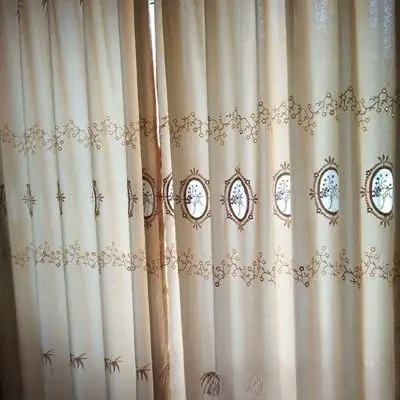
Choose a room without a balcony or floor-to-ceiling windows as your bedroom, or hang thick curtains to block out the balcony and floor-to-ceiling windows.
Taboo 5: Large windows, facing east or west
Feng shui masters point out that sleeping in a room with large windows facing east or west can easily lead to "bloodshed" due to "light pollution." This is because in rooms facing east or west, the intense sunlight in the morning or afternoon can cause excessive light in the bedroom, stimulating the nerves, affecting rest, causing insomnia, and making people irritable, impulsive, and easily angered.
Experts recommend
Choose a room with a small window that faces north or south as your bedroom. If you're already living in an east- or west-facing room and can't change it for the time being, then remember to draw the curtains when necessary.
Taboo Six: A chandelier is installed directly above the bed.
In Feng Shui, a chandelier directly above the bed is called "chandelier pressing the bed," considered to have "heavy negative energy" and be detrimental to health. Modern psychological research has found that a chandelier directly above the bed can indeed create a psychological suggestion, increasing psychological stress, affecting the endocrine system, and leading to a series of health problems such as insomnia, nightmares, and acute respiratory illnesses.
Experts recommend
Keep the ceiling directly above the bed clear, and use a floor lamp or table lamp with soft light next to the bed.
Feng Shui knowledge about bed placement in the bedroom
1. Mirrors and floor-to-ceiling windows face the bed.
Mirrors are used to ward off evil spirits by reflecting negative energy back, so they should not face the bed. Especially when people wake up from sleep and are not fully conscious, they are easily startled by their reflection in a mirror or floor-to-ceiling window.
2. The bed or headboard faces the bedroom door.
When sleeping, safety, quiet, and stability are paramount. Since the bedroom door is the only way in and out of the room, it should not face the bed or its headboard. Otherwise, the person sleeping in the bed may feel insecure and it could harm their health.
In conclusion, home feng shui is ultimately about the health and well-being of the whole family. Moving to a new home is a joyous occasion, and it's crucial to avoid feng shui issues that could cause trouble for everyone. Today, we discussed some important considerations in home feng shui, including mirror placement, color matching, and bedroom decoration. We hope this information is helpful.