Winter Furniture Care Tips and Building Material Maintenance: Don't Forget!
Introduction: Winter is also a peak season for home renovations, with many families hoping to complete their new home renovations during this time so they can move in in the new year. Furniture maintenance in winter requires special attention. Due to the unique environmental and climatic conditions, special care and maintenance of building materials are needed during winter renovations. Today, TuGou editors will introduce some furniture maintenance tips and building material care methods. Let's take a look.
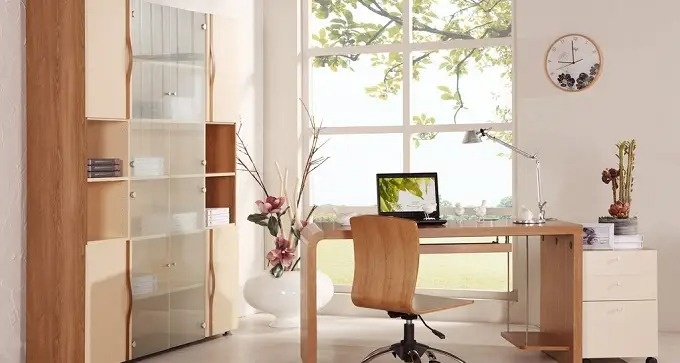
Furniture care for wooden furniture: Keep away from heat sources and air conditioning vents.
Most brand-name sofas undergo moisture content treatment when processing the wood. However, no matter how durable they are, furniture has a lifespan, and to extend their lifespan as much as possible, it's important to take good care of them. Experts recommend keeping furniture away from heat sources or air conditioning vents. Solid wood drawers and sliding doors may become difficult to open and close due to excessive expansion; applying wax or paraffin to the edges and bottom tracks of drawers and sliding doors can help.
Furniture care for leather sofas: Wipe the leather surface frequently with a cloth.
Extra care should be taken with leather sofas during winter. Improper care over a long period can lead to fading, dulling, and loss of luster, causing the leather to lose its elasticity and deform. For sofas accidentally stained with oil, use a cotton cloth dampened with a suitable concentration of soapy water or a mixture of ammonia and alcohol (1 part ammonia, 2 parts alcohol, 2 parts water) to remove the oil stains. Finally, wipe clean with water and dry with a clean cotton cloth. Regularly patting the seating area and edges of a leather sofa can extend its lifespan by 3 to 5 years, as this helps maintain the leather's elasticity.

Furniture Care: Rattan Furniture - Cleaning Starts Early
Because rattan furniture is porous, and various insects breed rampantly in spring, it needs to be cleaned regularly, and the cleaning should be thorough. First, check if the paint is peeling off. If not, use a sharpened willow twig or similar tool to remove dirt from the pores, then gently brush the pores with a toothbrush dipped in soapy water or vegetable oil. If the paint is peeling off, it needs to be repainted after cleaning.
Furniture care for synthetic leather: Maintain high humidity and avoid high temperatures
Because synthetic leather differs from wood, cotton, linen, and silk fabrics in nature, it is affected by high temperatures, high humidity, low temperatures, strong light, acidic solutions, and alkaline solutions. An industry insider advises two key points for maintenance: First, avoid placing it in high-temperature environments, as this can alter the appearance of the synthetic leather and cause it to stick together. When wiping, use a dry cloth, not a damp towel or cloth. Second, maintain moderate humidity. Excessive humidity can hydrolyze the leather and damage the surface film; insufficient humidity can easily lead to cracking and hardening.

Furniture maintenance for plywood furniture: Use beer to clean it.
Generally speaking, the highest grade of plywood is PVC-coated plywood furniture. It is originally a type of solid wood plywood, but due to the more precise manufacturing process, it has become widely used. To remove dirt from PVC-coated plywood, you can use beer to clean it, then wipe it with a damp cloth to keep it looking new.
If there are minor scratches on the surface, you can use a crayon that matches the color of the board to touch up the scratches, and then apply a colorless wax. Plywood is usually edge-sealed to prevent moisture penetration and protect the furniture's lifespan. If any peeling is found, you can quickly heat the affected area with an iron and a soft cloth to restore its original shape. Plywood furniture drawers mostly use sliding tracks; simply apply a layer of wax to the rollers with a candle to maintain smooth sliding. For regular cleaning, use a standard household cleaner; the only thing to avoid is using volatile oils.
Building material maintenance: Pay attention to waterproofing during transportation.
Winter's dry climate brings the wood's moisture content to its lowest point of the year, virtually eliminating the risk of cracking and warping during renovations. However, it's crucial to avoid transporting materials during rainy or snowy weather. Once decorative panels arrive at the site, wipe away any dust with a dry towel and apply two coats of clear varnish as a sealant. All decorative panels should be laid flat, with a plywood underneath and another on top; do not stand them upright to prevent cracking and warping. After purchasing materials, store them in a well-ventilated, dry indoor location, away from windows and water sources.
Acceptance: Pay attention to the weight of the finished product, and you can tap it to listen to the sound to see if it is crisp.

Building material maintenance: Pay attention to the expansion and contraction of joints due to thermal changes
For wooden projects, it's important to leave gaps between boards; the principle of thermal expansion and contraction must be fully considered to control the joints. In winter, due to lower temperatures, the boards are in a contracted state. If the joints are too tight, the expansion of the boards in spring and summer will cause the flooring, furniture, doors, and windows to bulge, warp, misalign, or even crack. When laying solid wood flooring, it's best to leave an expansion gap of about 3mm around the perimeter; otherwise, it may cause bulging and lifting.
Inspection: After the renovation is completed, the homeowner can place a basin of water in each room to increase the indoor humidity and prevent cracks from appearing on the walls, ceilings, furniture, etc. due to drying too quickly.
Building material maintenance: Pay attention to keeping warm during painting operations
Apply paint according to the temperature instructions provided. The ambient temperature for latex paint application should not be lower than 5℃. For commonly used mixed-color latex paints, the ambient temperature should be above 0℃, and for clear varnish application, the ambient temperature should not be lower than 8℃. It is important to ensure the indoor temperature is not lower than 5℃ during application, especially for painting work, where extra warmth is required. After the paint has fully dried, ensure proper ventilation by opening doors.
Inspection: For new houses without heating, pay attention to adding electric heating equipment.
A friendly reminder from the editor: Pay attention to the maintenance of building materials when decorating in winter. Good materials will result in better decoration effects.