Who says you need a yard to grow vegetables? Here are 16 types of vegetables perfect for potted cultivation to create your own vegetable garden.
If you have a small space, what a wonderful idea it would be to grow some small potted vegetables. Not only can you create a beautiful garden, but you can also harvest the freshest and most delicious fruits and vegetables.
Of course, you can also plant crops on balconies, rooftops, courtyards, corridors, or even indoors near windows.
Site observation and selection
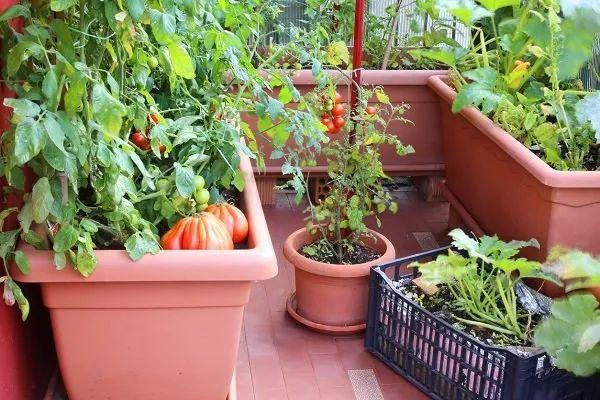
First, observe the space where you will be planting, and then begin creating your potted vegetable garden.
First, determine the location and orientation for sunlight; ideally, it should face south or east. If your space faces north, your planting options will be very limited.
Before you begin planting, carefully observe the area for one to two days to calculate the duration of sunlight and the time each corner receives maximum sunlight and shade. Also, check if the space is windy, damp, or cold.
And record it in a notebook at any time:
For example, does this space receive at least 6 hours of sunlight? Because sunlight is crucial for the success of growing potted vegetables.
If it's windy, your plants will dry out quickly; in this case, it would be great to have a watering can that automatically waters them.
Choose a basin
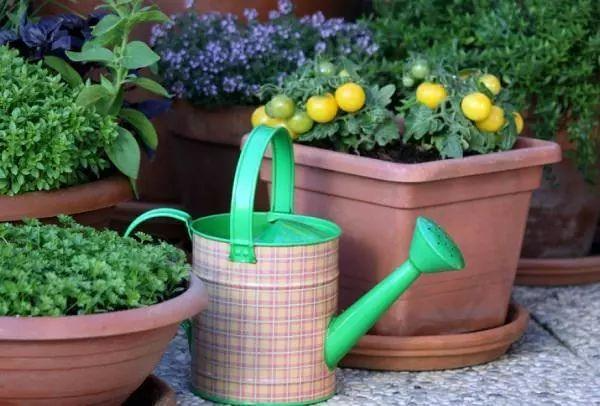
Once you've completed all the steps above, the next step is to collect pots and pans for the vegetable garden you're creating.
You will be faced with a wide variety of choices—standard terracotta pots, window sill planters, planter bags, water troughs, and half-buckets.
To encourage plants to grow vertically, you may need: stack planters, fence planters, hanging baskets, and some DIY planters.
The size of the pot depends on the type of vegetables you want to grow.
For example, tomatoes can be grown in small pots or large boxes, depending on the seedling variety.
If you're growing vegetables like herbs, salads, and spinach, you don't need a large pot; 15-20 centimeters deep is enough, and a window sill planter is perfect.
A pot with an average diameter of 30 cm is sufficient; most vegetables, such as bell peppers, radishes, eggplants, and okra, can be planted in them.
Choose vegetables
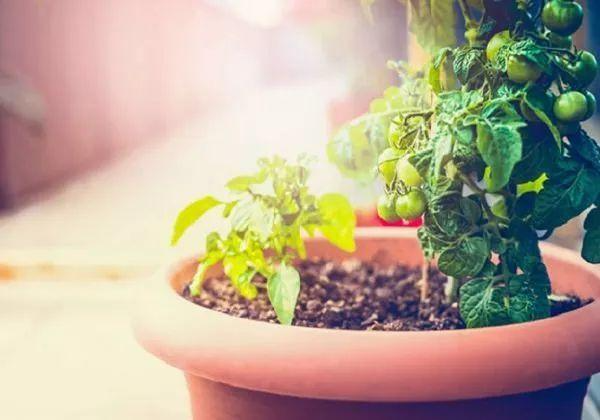
tomato:
If your potted garden gets plenty of sunshine, try growing tomatoes.
The choice of pot size depends on the variety of seedlings being cultivated.
Leguminosae:
Most legumes are climbing or leafy varieties, and they all grow upwards, making them not only productive but also easy to grow. You will need a terracotta pot that is at least 30 centimeters deep.
Bell peppers and chili peppers:
The terracotta pot needed for bell peppers should be at least 25-30 cm deep and wide. In such a pot, you can plant 2-3 small plants of the variety.
Salad vegetables:
Growing salads in a pot is an easy task.
You can choose a 15-20cm deep terracotta pot with a wide enough opening to grow lettuce, bok choy, mustard greens, and arugula.
You can also place these vegetables in a partially shady area.
Carrots and radishes :
Planting carrots and radishes in pots is the most suitable method. The pot for carrots needs to be 30cm deep, and the size may vary depending on the variety.
The container for small radishes needs to be 15-20cm deep.
Cauliflower and kale:
If you want to grow cauliflower in a pot, you need to choose a pot that is 30cm deep. You can also grow other green plants of this size, such as cabbage, in similarly sized pots.
beet:
This fast-growing vegetable requires a pot size of 25-30cm and should be placed in a location with full sun or partial shade.
squash:
Zucchini is a high-yield potted vegetable, and the pot should be at least 30cm deep.
vanilla:
In a potted garden, leave some space for herbs. Most herbs will grow very well in pots that are 15-30cm deep.
Planting principles of potted plants
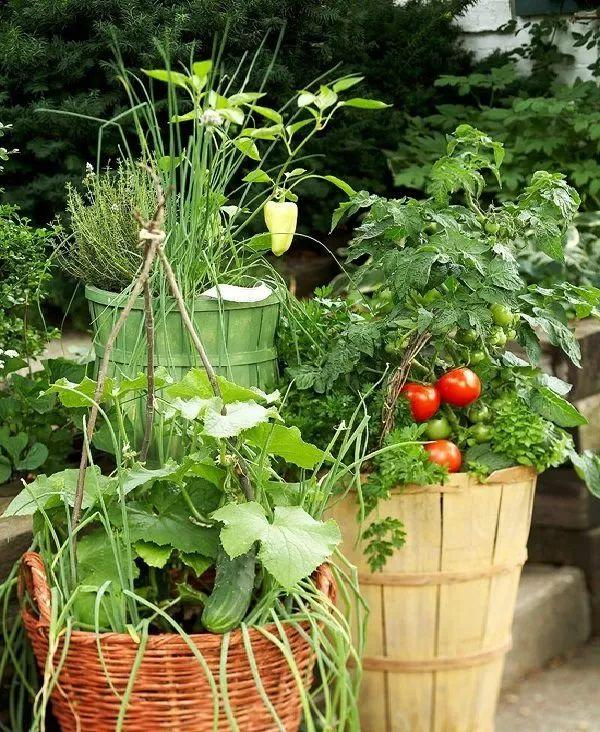
The growing season for vegetables is mainly from early spring to autumn, and may continue into winter. If you live in a warm climate zone, you can also move them indoors or into a greenhouse, which will save you some trouble.
For planting, you can either start with sowing seeds, or buy seedlings or transplant seedlings from a nearby nursery. If you lack gardening skills, buying seedlings is more straightforward.
soil
In the world of bonsai gardening, soil is the most important material. It's best to use potting mix or soil you make yourself.
Watering
Watering potted plants requires care, as their limited water retention capacity makes them prone to drying out, while overwatering can lead to waterlogging and death. The amount and frequency of watering depend on the variety of plant you are growing.
Tip: When the top 2cm of soil looks dry, it's time to water.
Useful Tips
Potted plants often suffer from nutrient deficiencies. Compost can be used to supplement nutrients.
Avoid applying too much nitrogen fertilizer to fruits and vegetables, such as tomatoes and peppers, as this can cause excessive vegetative growth.
If you are growing vegetables in a very cool climate, make sure your potted plants face south or the wall faces west.
Be mindful of insects and regularly check the area under the leaves to detect pests promptly.
16 Vegetables Best for Potting
1. Tomato
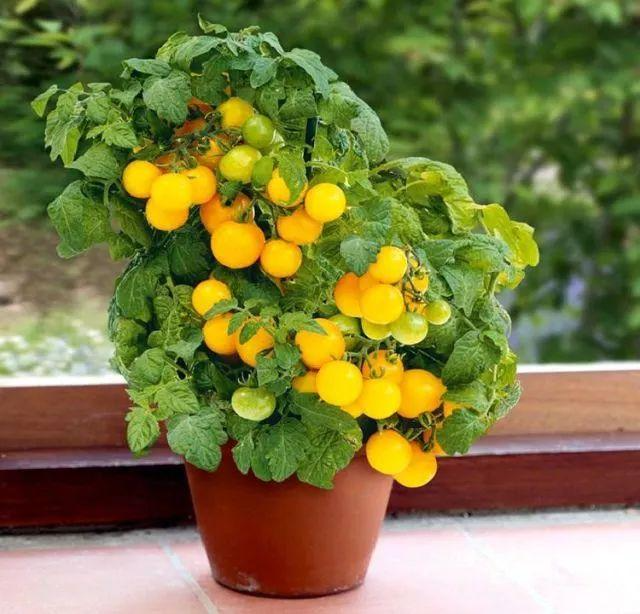
Without a doubt, tomatoes are the most productive potted vegetable. They need plenty of sunlight, at least 5-6 hours a day.
The size of the terracotta pot depends on the type of tomato you want to grow. For most potted tomatoes, dwarf varieties are best. For an even bigger harvest, you could also try growing cherry tomatoes.
2. Legumes
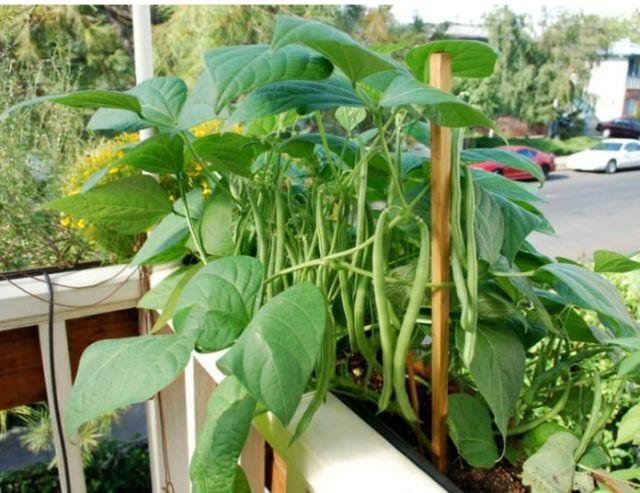
Most legumes are either climbing or leafy, growing upwards. They are very easy to grow in pots and produce a lot of fruit.
Build a trellis against the wall, and after a few weeks, you'll see green bean sprouts climbing all over the trellis.
Bean sprouts need a sunny location to grow, so the pot should be at least 30cm deep, and the larger the better. The trellis, as a supporting structure, should also be sturdy enough.
Because legumes can fix nitrogen, most vegetables that require a lot of nitrogen are very suitable for growing under legumes. If you have already planted legumes in a large pot, you can also plant some mint, kale, or parsley under the plants.
3. Lettuce
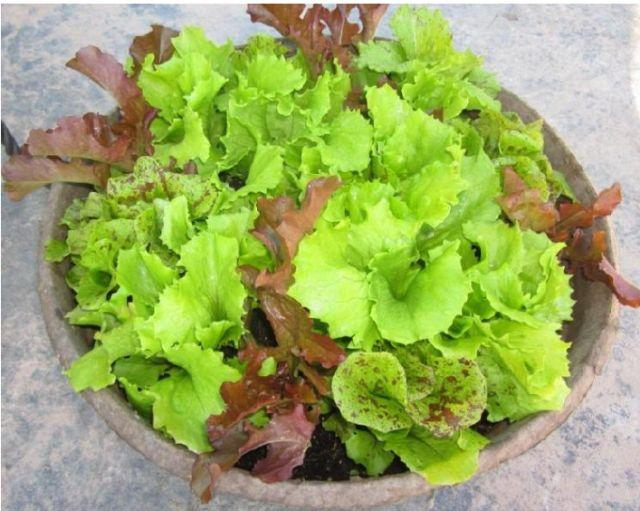
Lettuce grows very quickly, and you can harvest it multiple times throughout its growing season. As a cool-season crop, lettuce must be planted at the appropriate time of year, depending on the local climate.
Generally, seeds germinate around the Spring Festival. However, if you live in an area with a warm climate year-round, you can plant them even in winter.
When planting lettuce, choose a wider container rather than a deeper one; 12cm in depth is sufficient. Ensure the plants are spaced at least 10cm apart. Remember, loose-leaf lettuce will grow denser than head lettuce.
Ensure good drainage, provide adequate shade, and water frequently to keep the soil moderately moist.
4. Bell peppers and chili peppers
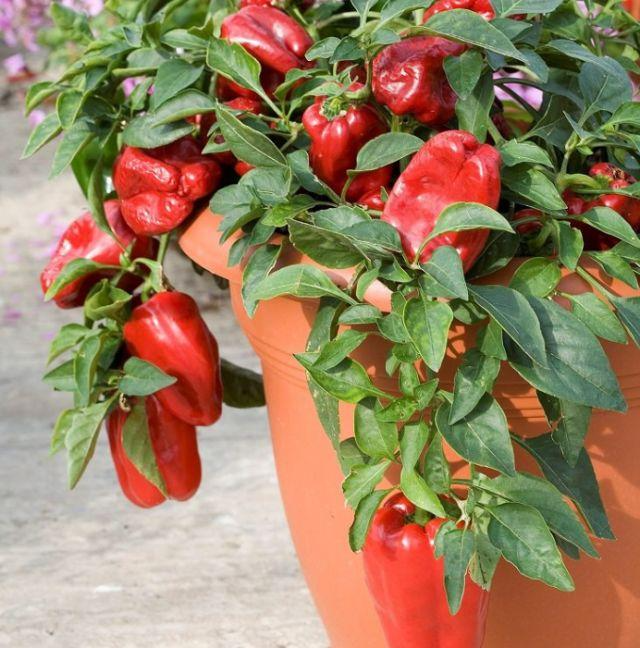
Bell peppers and chili peppers are both incredibly productive and extremely well-suited for potted cultivation. They grow upright in terracotta pots, creating a beautiful display. With ample sunlight, they thrive in warm locations. If you keep the potted plants in direct sunlight and occasionally add suitable soil and fertilizer, they will bear abundant fruit. For larger pots, a depth of at least 30cm is ideal.
5. Cherry radishes
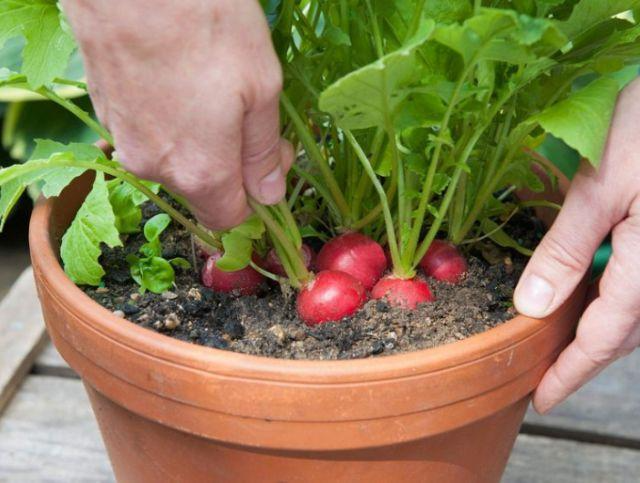
Cherry radishes are one of the fastest-growing vegetables and are well-suited for pot cultivation. You can also use various sizes of terracotta pots to create a mini garden. A planting pot 15cm deep is sufficient, but for larger varieties, a terracotta pot 20-25cm deep will be needed. Leave 7cm of space between plants.
6. Bok choy
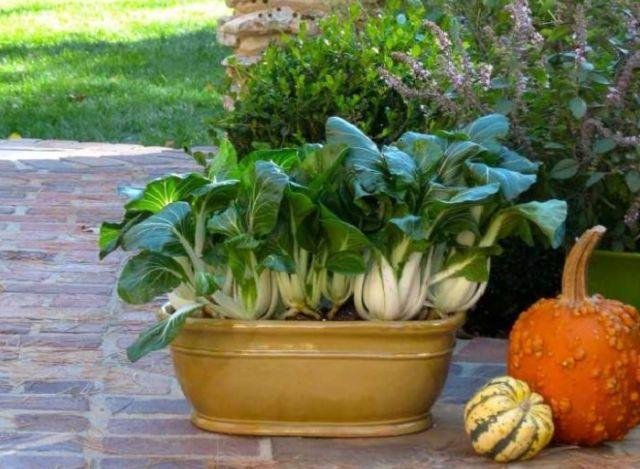
Bok choy is a great potted plant because it grows quickly and doesn't need much sunlight. You can place it in a shady spot where it can receive 3-4 hours of direct sunlight. Keep it moist and fertilized with organic fertilizer, and it will thrive.
7. Spinach
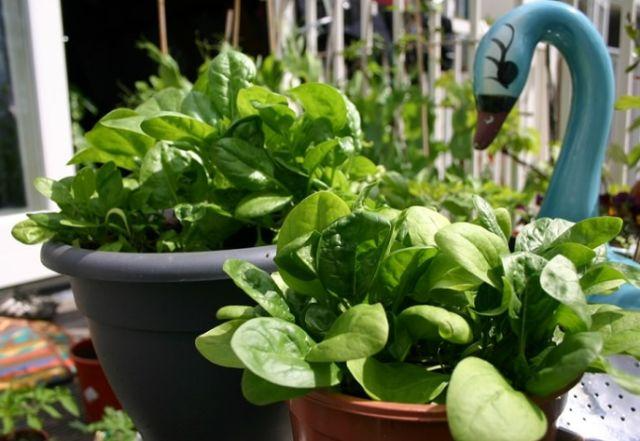
Spinach is one of the best container vegetables. It grows well in any space, even in a slightly shady spot.
Growing spinach in a shipping container is extremely easy; you can even grow it indoors near a window. If using terracotta pots, the pots should be at least 6-8 inches deep. If you have a wide-mouthed pot, you don't need a very deep one. Here's how to grow spinach in pots.
8. Peas
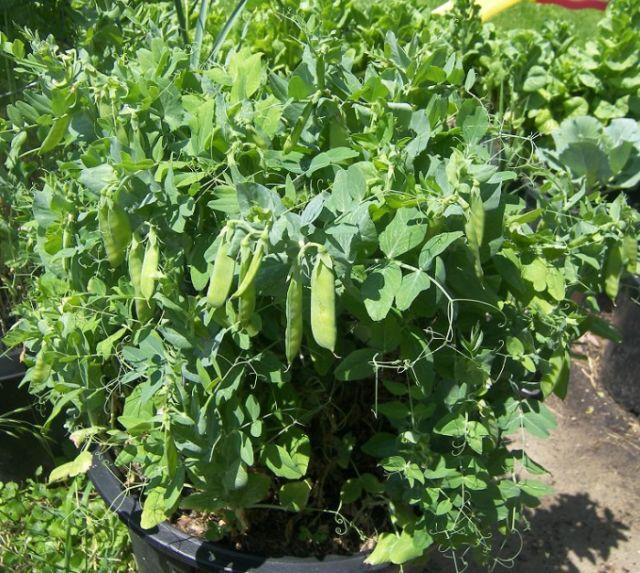
Peas thrive in humid environments. They are an excellent crop for potted gardening. They don't require much space and grow quickly with minimal care. You can even grow peas on a balcony. Choose dwarf or leafy varieties and water them regularly, as peas prefer moderately moist soil. Ensure the potted plants receive full sun and partial sun in warm weather.
9. Carrots
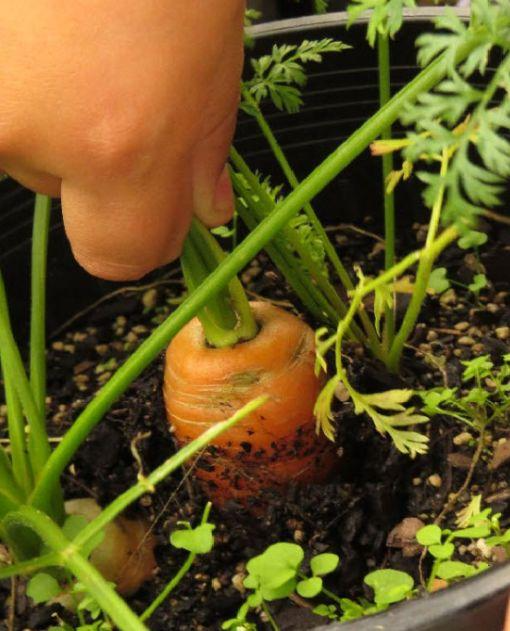
Carrots thrive best in cool weather. With regular watering, their roots won't dry out or break. Therefore, carrot seedlings grow very easily in pots and don't require much space.
10. Cucumber
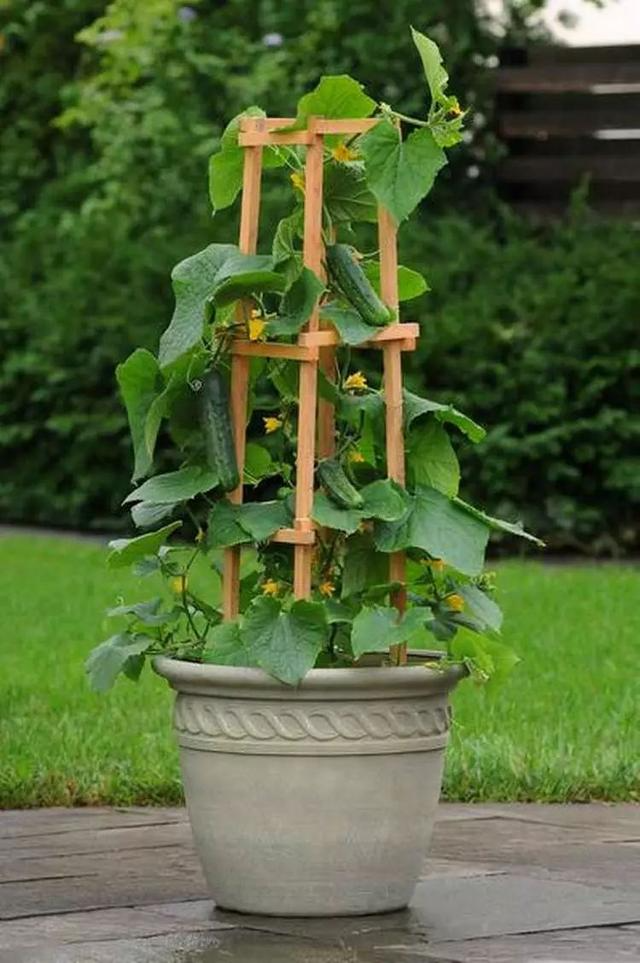
Growing cucumbers requires more care and regular watering. Depending on the variety, choose a medium or large pot for planting, and ensure they receive full sun.
11. Eggplant
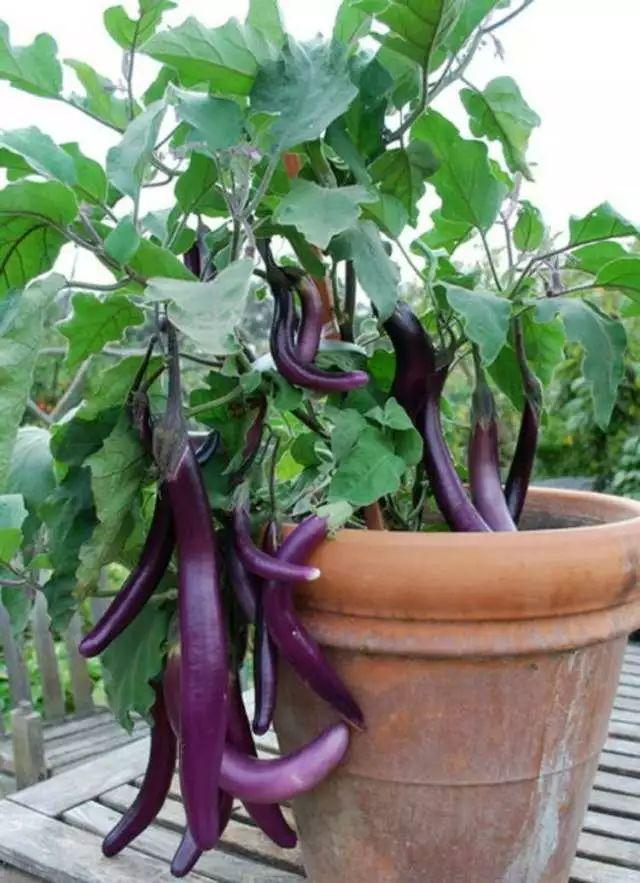
Although eggplants are very susceptible to various insect infestations, they are still easy to grow in pots.
Eggplants thrive in warm weather, requiring high temperatures both day and night, making them a suitable summer crop. However, if you live in a temperate region, you can grow them year-round. Similarly, growing eggplants in pots is easier than planting them in a large garden.
Eggplant plants must be placed in full sun and given sufficient fertilizer. Like other crops such as tomatoes, peppers, and potatoes, eggplants also require a large amount of nutrients.
12. Eat beets
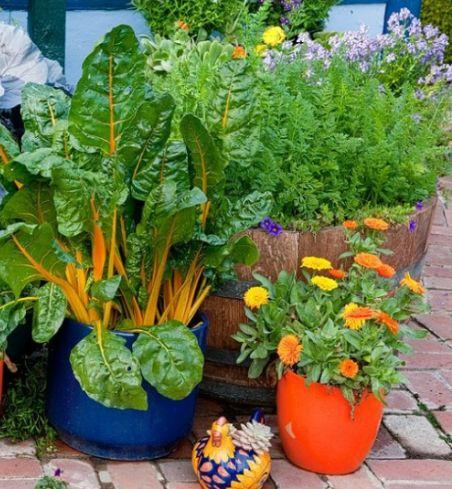
If you live in a temperate region, beets are more heat-tolerant than kale and are easier to grow. However, they are still cool-season crops. Both kale and beets can be grown in small pots. They both require a depth of at least 15cm.
13. Garlic
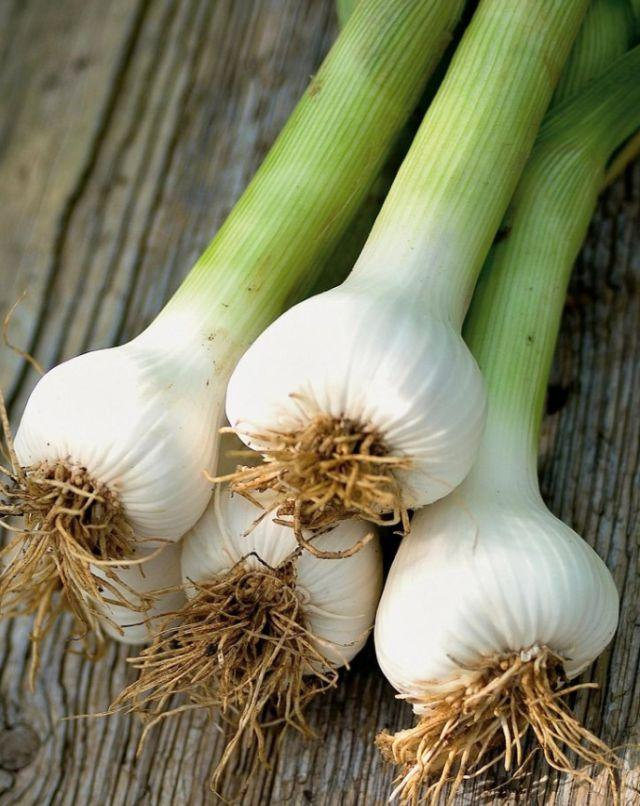
You can grow the best parts in pots at home. Garlic leaves are also edible and can be used in salads, sandwiches, and many other side dishes. When growing garlic in pots, choose a pot that is at least 15-20 cm deep and has as wide an opening as possible. Also, leave 12-15 cm of space between plants.
14. Bitter melon
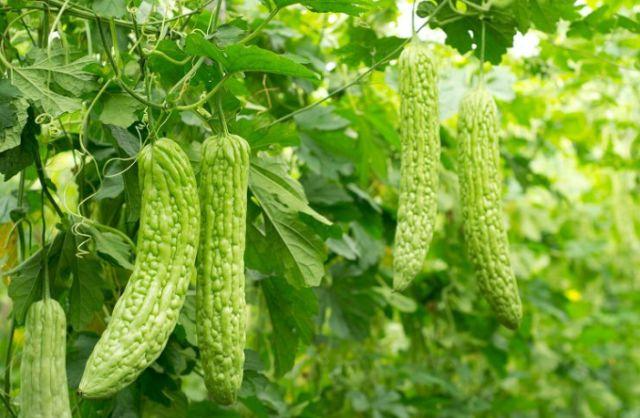
This healthy fruit and vegetable is perfect for potted plants. Bitter melon is a tropical climbing plant that can also be grown in warm places year-round. It grows in clusters, like cucumbers and melons. You'll need a 30cm deep terracotta pot and a sturdy trellis.
15. Okra
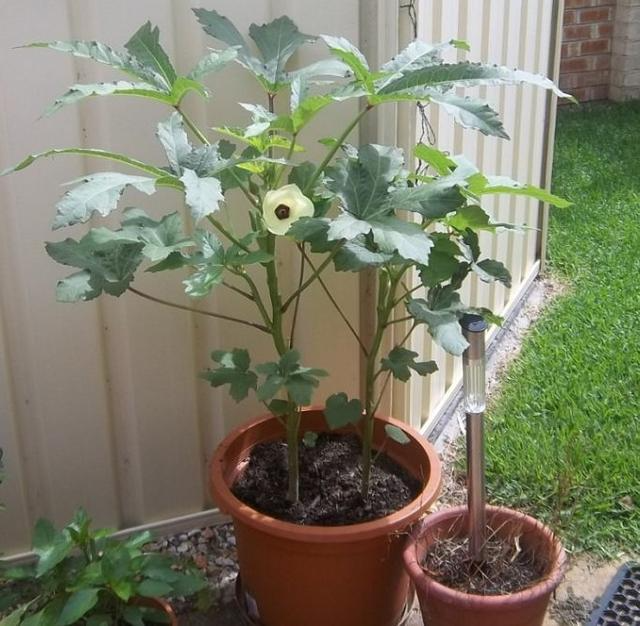
Okra is a warm-season crop. It is very easy to grow and does not require professional gardening skills. Provide it with warmth, sufficient sunlight, and ample fertilizer, and it will yield high yields. Dwarf okra is more suitable for pot cultivation.
16. Cabbage
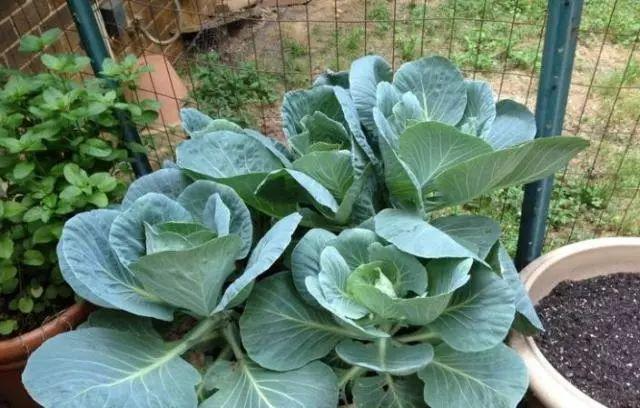
Besides spinach, cabbage is another leafy green option. It's a biennial, but grows very easily in pots, much like an annual. You can harvest it quickly, about 75 days after transplanting.
The tender green leaves can be picked first; after cutting the whole plant down, it will grow back. You can harvest regularly until the first frost occurs in your area. If you live in a warm, frost-free region, cabbage can also grow in winter.