What plants are suitable for planting in a garden?
Hello, almost everyone dreams of having their own garden, filled with their favorite plants, where flowers bloom year-round. Below are some flowering plants suitable for planting in the ground; planting them will surely enhance the beauty of your garden.
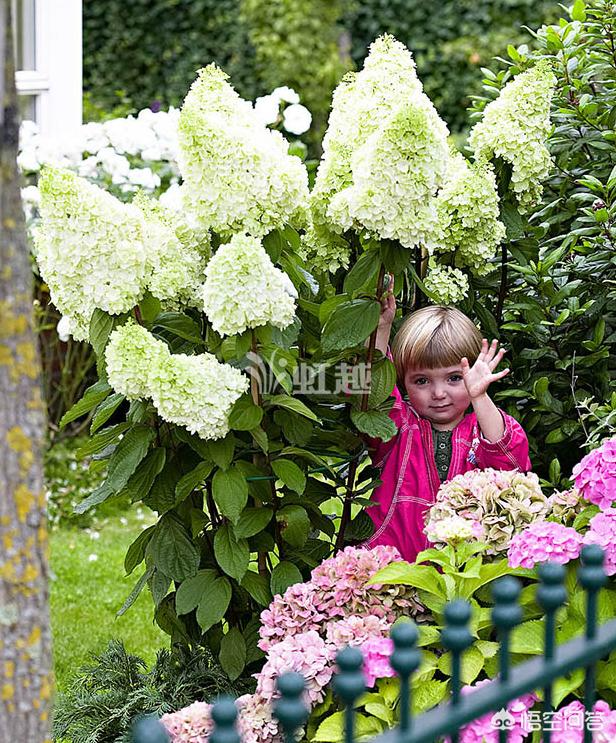
Hydrangea
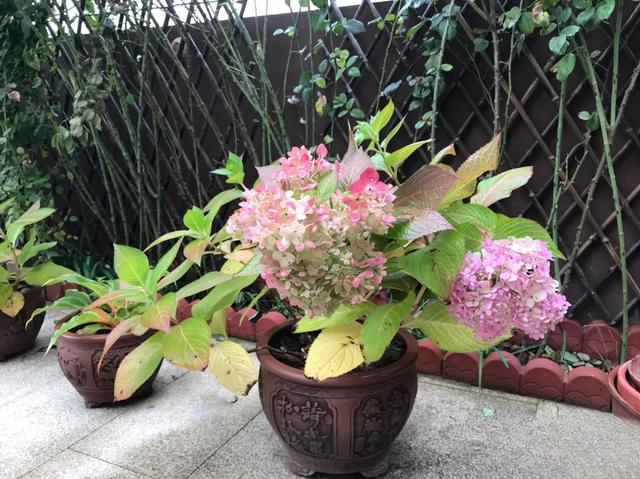
Hydrangeas consist of hundreds of small flowers (petaloid sepals) forming a large flower ball that hangs heavily on the branches. They come in a variety of colors, and when planted in large groups, they can create spectacular waves of flowers that are truly beautiful.
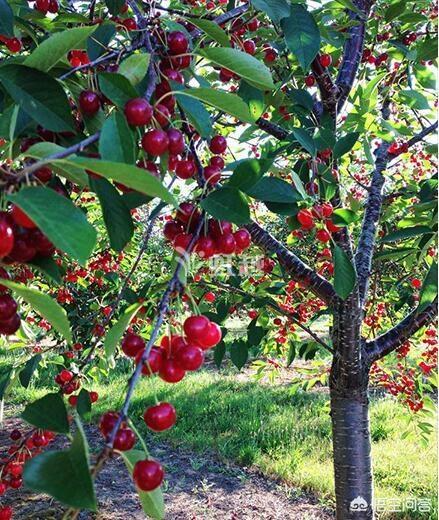
fruit trees
Planting a few fruit trees at home is a win-win situation. You can enjoy the flowers when they bloom and eat the fruit when they don't. For example, blueberry, feijoa, crisp kumquat, cherry, etc. These trees have elegant shapes and will not only not ruin the beauty of the garden, but will also add a lot of fun.
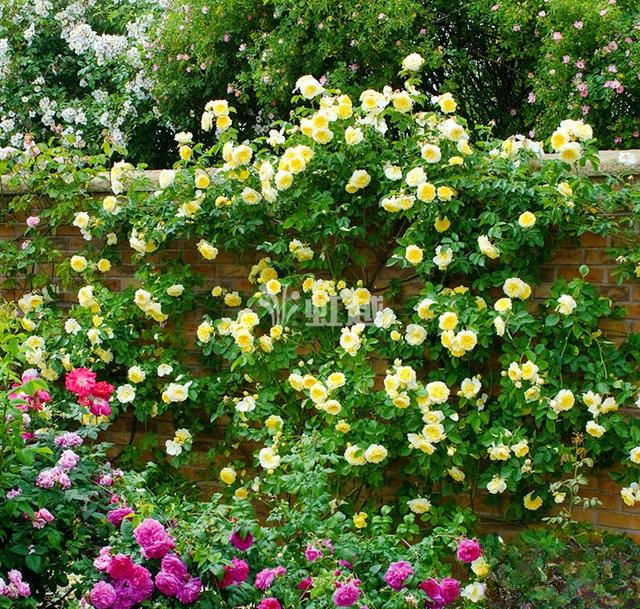
Rose
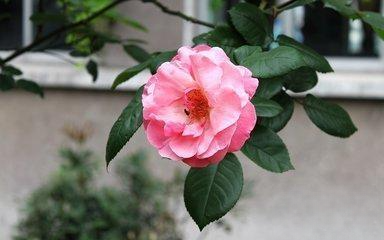
Roses come in various forms, including ground cover, shrubs, vines, potted plants, and trees. You can use them almost anywhere in the garden, and with proper arrangement, they can amaze your entire garden.
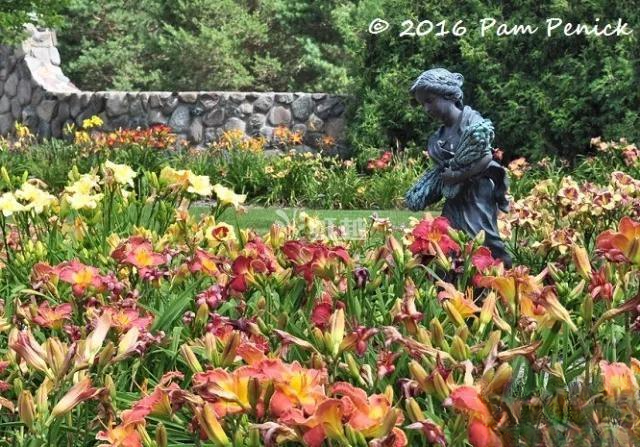
Daylily
With its rich variety and vibrant colors, the daylily is an excellent perennial plant suitable for flower borders, and it is on par with roses and clematis in foreign countries.
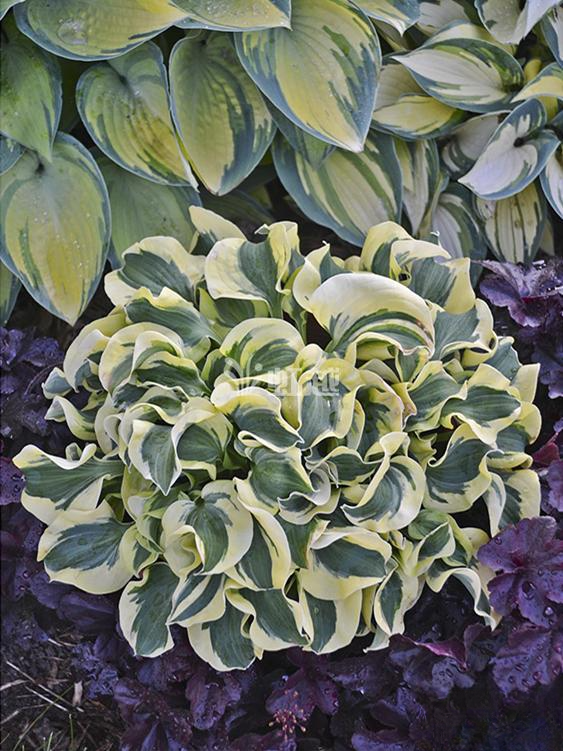
Jade hairpin
With its colorful leaves and jade-like flower buds, it is both foliage and flowers to admire. It is very shade-tolerant and makes a particularly striking effect when planted in clusters in the garden or combined with other flowers.
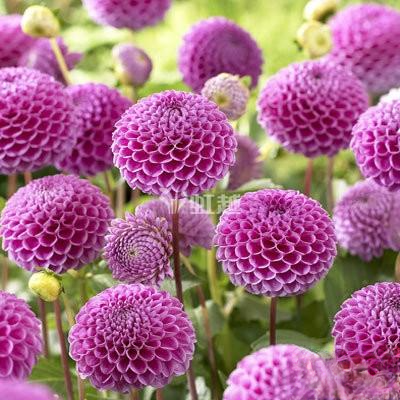
Dahlia
With countless flower shapes and colors, you're sure to find one you like. Dahlias are suitable for planting in flower beds, flower paths, or in front of gardens. You can choose the variety according to the specific conditions of your garden.
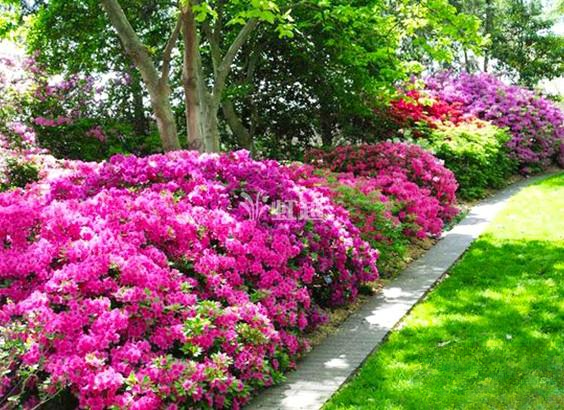
Anku Rhododendron
They bloom in multiple seasons, produce a large number of flowers with vibrant colors, are easy to care for, are rarely affected by pests or diseases, and come in varieties with varying heights, which greatly helps in creating a sense of depth and layering in garden shrubs.
Many other flowers are suitable for garden planting, such as tulips, hibiscus, heuchera, wisteria... I won't list them all here. Feel free to leave a message if you'd like to discuss them!
Do you want to see flowers every day? Do you want your garden to be filled with fragrance all year round? Below, I'll introduce some plants suitable for garden planting. If you can grow them well, I guarantee you'll live in a fairytale world every day.
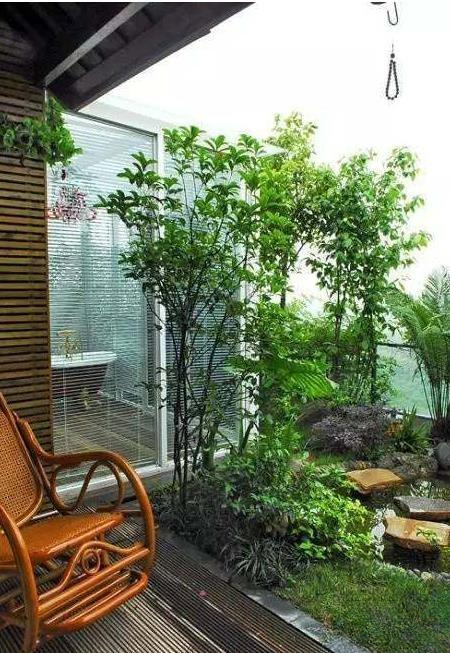
We've compiled a list of plants suitable for garden planting based on their characteristics. Let's clarify: the image below represents our ultimate goal.
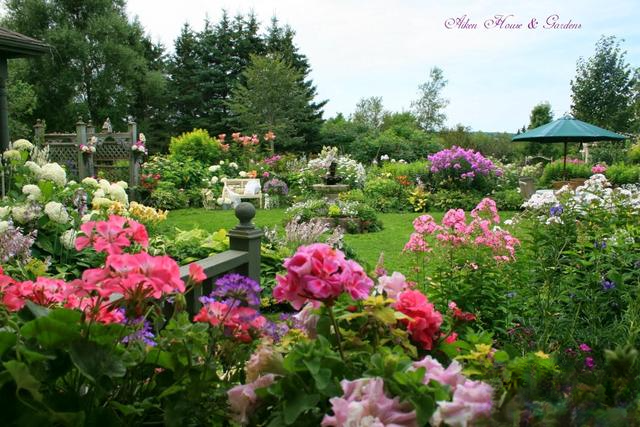
1. Shrubs : Shrubs can increase the height of the garden, making the whole garden look more varied and three-dimensional. Shrubs planted in the ground can also create a good effect.
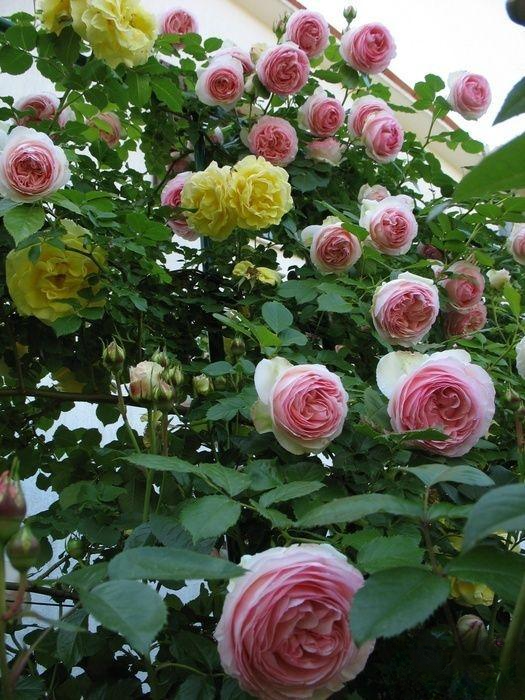
Rose
If you grow enough roses at home and take good care of them, you can enjoy flowers every day. Also, roses are a type of flower that's very pleasing to the eye over time.
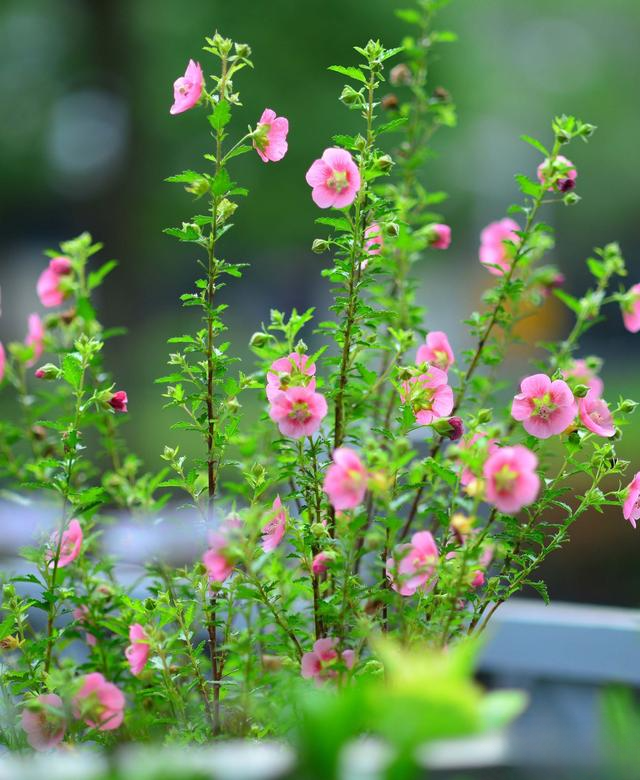
Hibiscus
The dwarf hibiscus is a prolific bloomer, flowering almost all year round except in winter, and its flowers are small and densely packed.
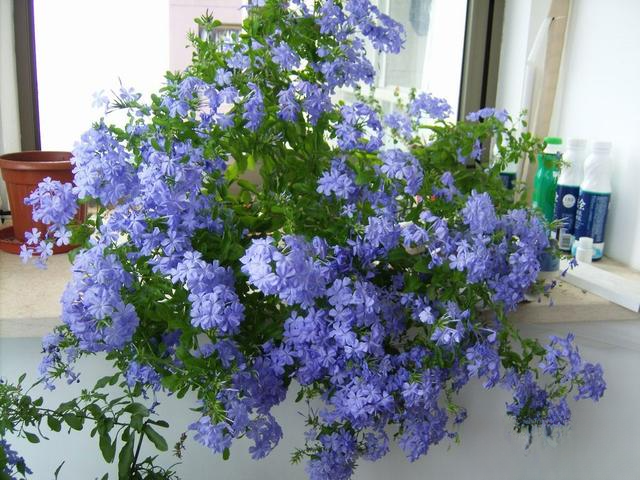
Blue Snowflake
The pure blue color is captivating; blue plumbago can bloom for a whole year, keeping your garden perpetually adorned with a dreamy blue hue.
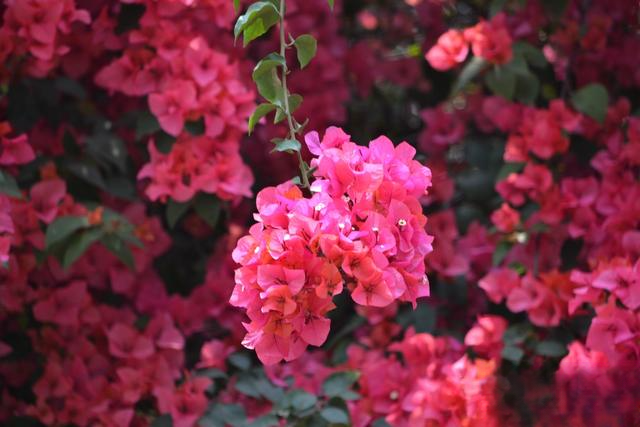
Bougainvillea
Bougainvillea is a fairly common plant, but some new varieties have really nice flower colors that you should definitely own.
2. Climbing plants : Climbing plants enhance the three-dimensionality of the garden and enclose it. Once the flower wall is built, your garden will appear as a three-dimensional sea of flowers no matter what angle you take the photo from.
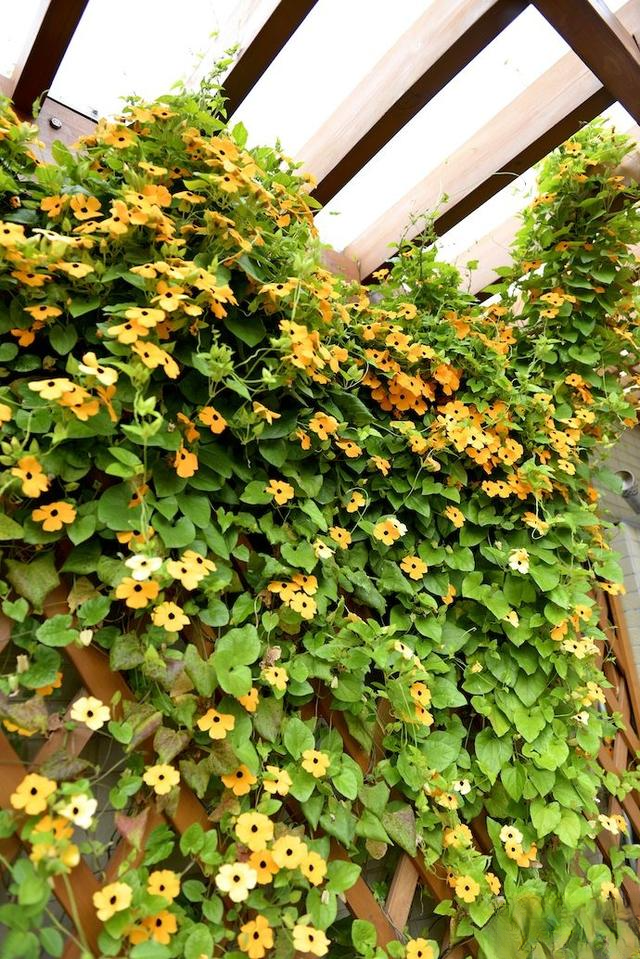
Black-eyed Susan
It has strong climbing and flowering capabilities, except that it doesn't bloom in winter. Also, most of the flowers of the Black-eyed Susan are contrasting.
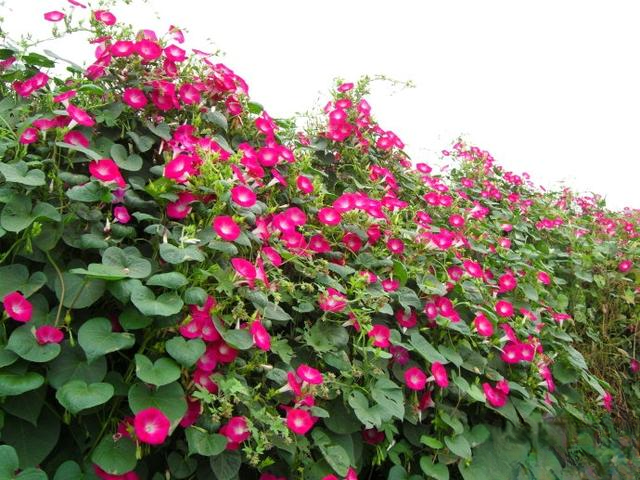
Cow
This is perfect for summer; planting petunias as climbing vines during the summer will make your garden bloom profusely every day.
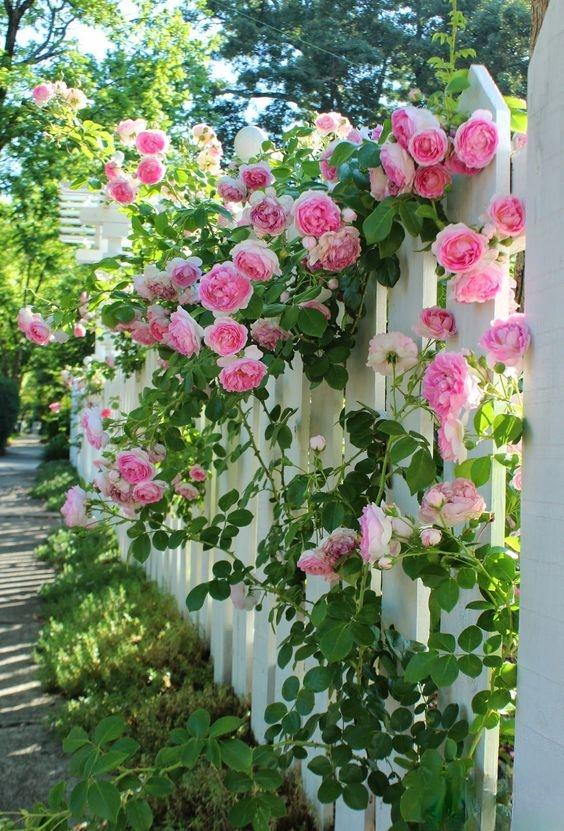
Fujimoto Tsuki
Climbing roses creating the most beautiful effect of growing over a wall of flowers are among all flowers. Of course, this takes time; generally, roses that are over a year old can achieve that sea of flowers effect.
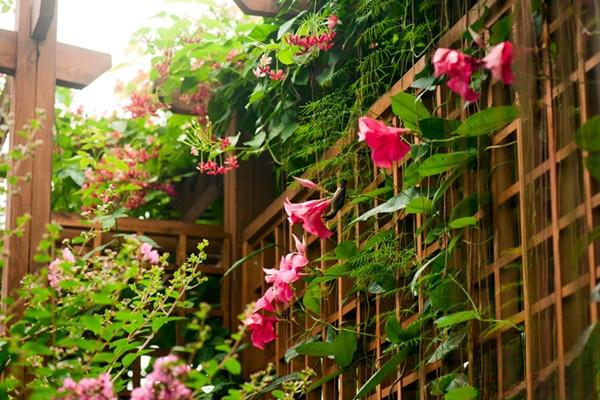
Fragrant Vine
Not only can it climb over the flower wall, but it also gives you a very elegant floral fragrance.
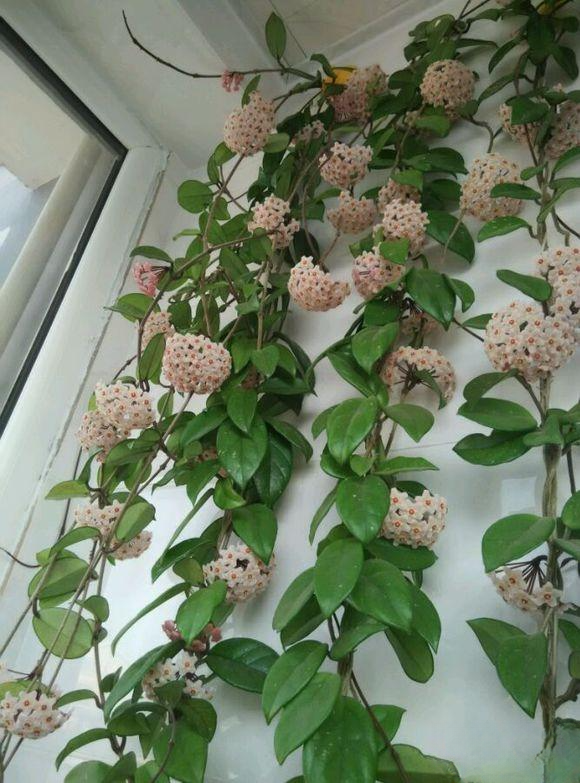
Hoya
The main appeal of hoya flowers is their exquisite beauty, so much so that you might mistake them for artificial flowers.
3. Wildflowers : Wildflowers are used to ensure that your garden has different seasonal flowers throughout the year, beautifying your garden.
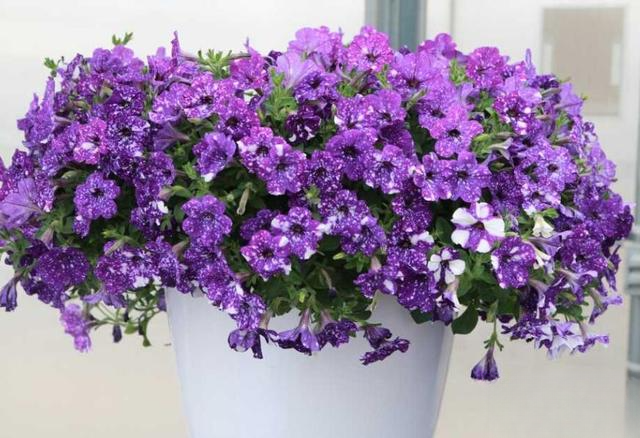
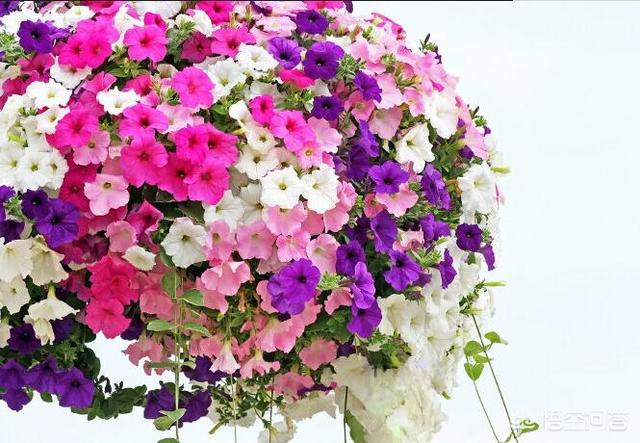
petite
Petunias grow so well that they overflow their pots, which is very effective. They are also relatively resistant to pests and diseases, so you only need to water and fertilize them.
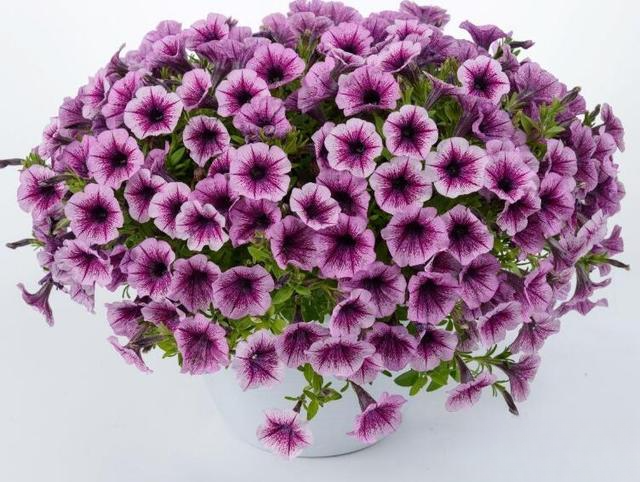
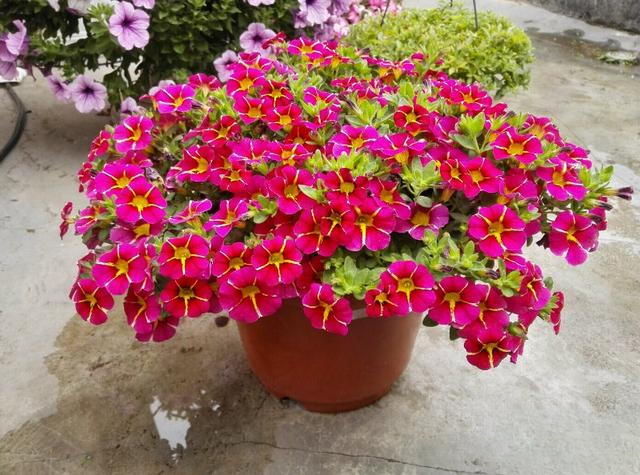
Million Xiaoling
You can think of Million Bells as a miniature petunia, but its flowers are smaller and more densely packed.
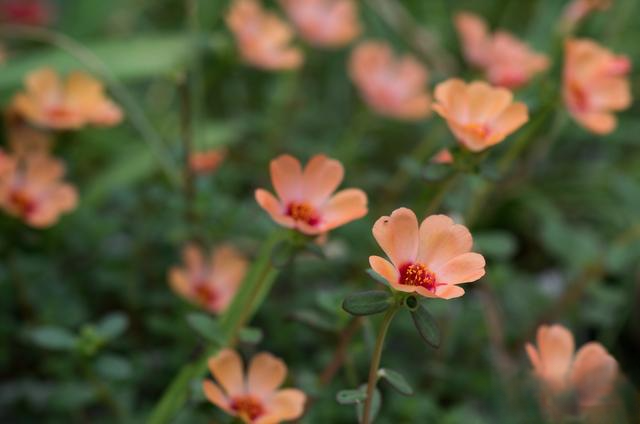
Sunflower
Sunflowers are very easy to grow and practically impossible to kill. Just a few cuttings in the garden can create a sea of flowers.
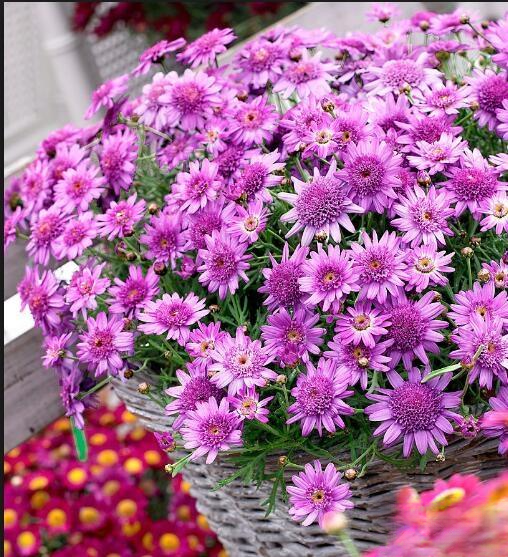
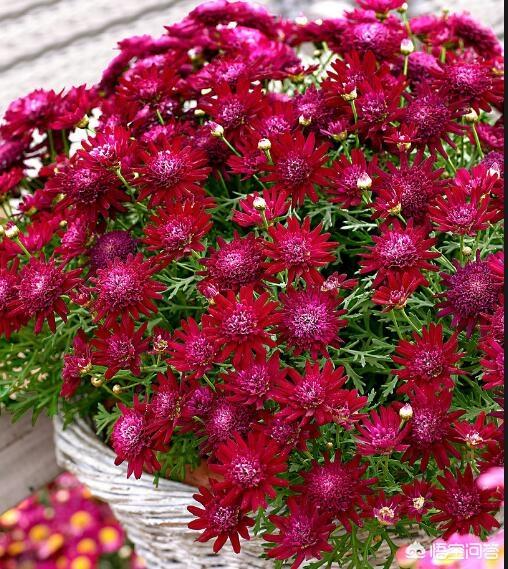
Margaret
It blooms all year round except in summer when it doesn't flower and is difficult to care for; and if well-cared for, it can create a sea of flowers.
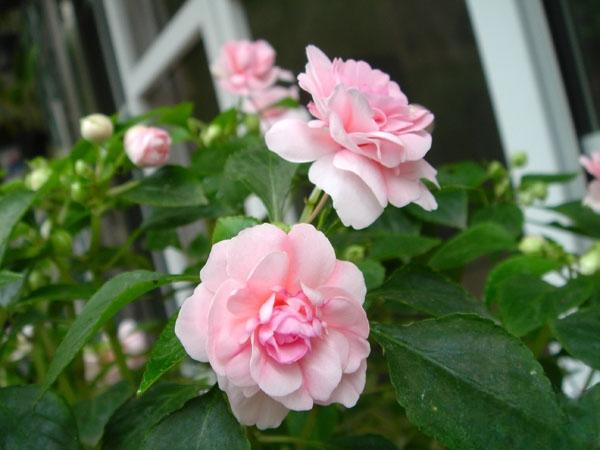
African Impatiens
Most of the African impatiens nowadays are double-flowered, and they bloom somewhat like miniature roses; the flowers are very attractive.
4. Bulbous Plants : To compensate for the lack of flowering plants and to provide stunning visuals in different seasons, bulbous plants are indispensable. Furthermore, bulbous plants are very easy to care for; they can be planted in the garden as grass most of the time, and will bring you pleasant surprises during their flowering season. Once planted, they require virtually no maintenance.
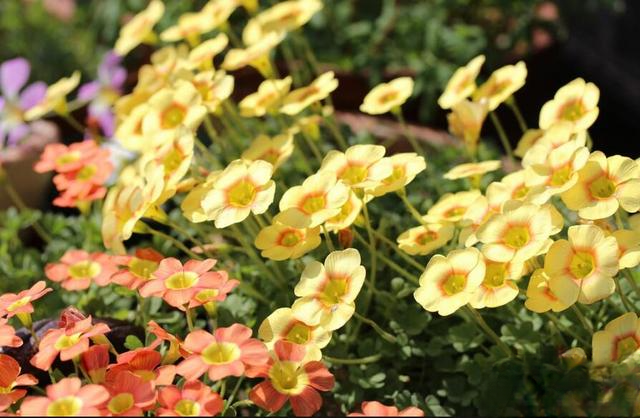
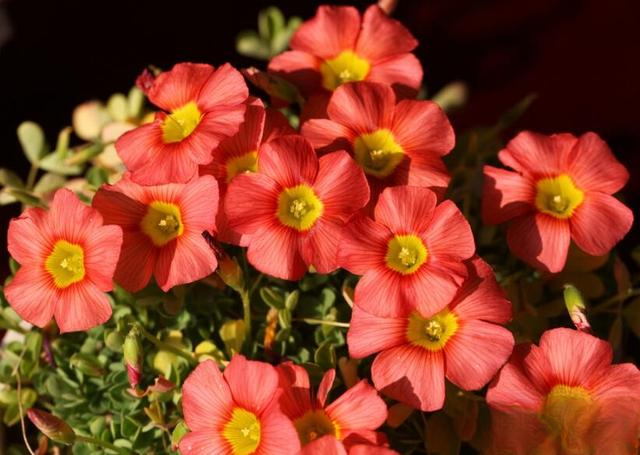
sorrel
This is absolutely the most stunning thing in winter; a field of oxalis can make your garden so beautiful it'll leave you speechless.
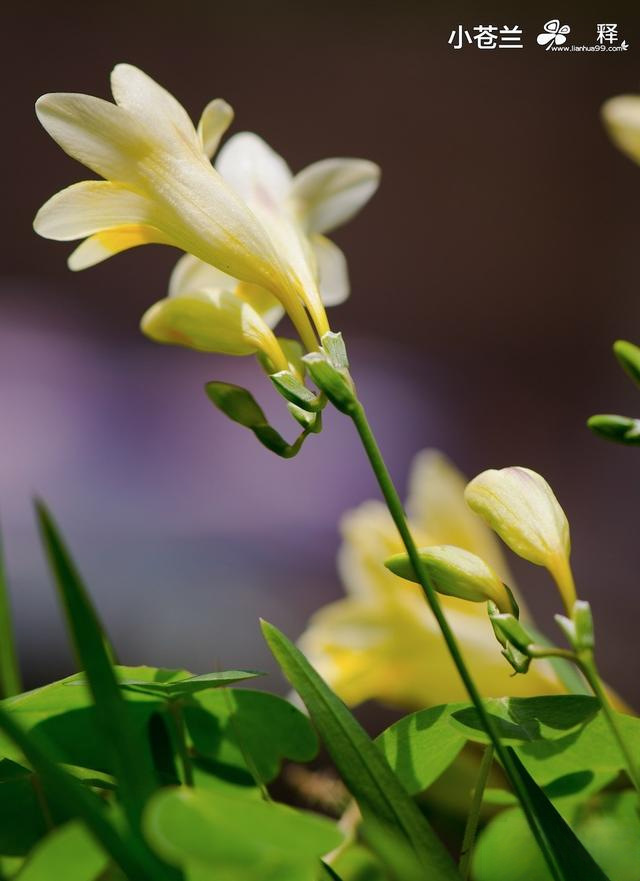
Freesia
Besides its beautiful flowers, freesia is also very fragrant; its fragrance is the best I've ever smelled.
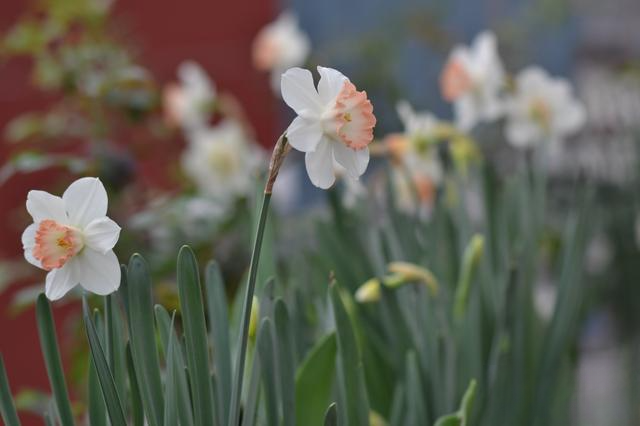
Daffodil
Unlike Chinese daffodils, Dutch daffodils can bloom again, but they are not fragrant; however, their flowers are very beautiful.
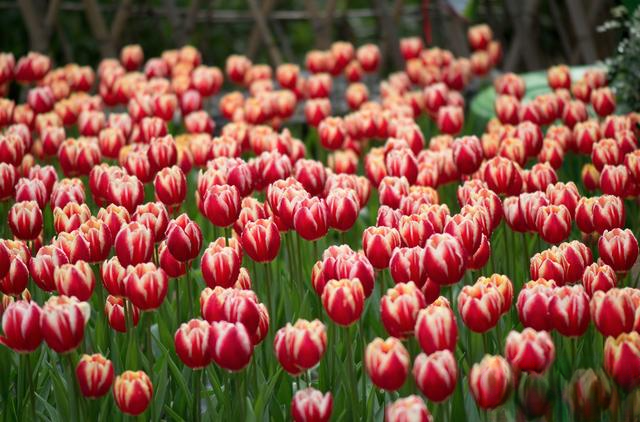
tulip
Tulips blooming in large patches create a stunning effect, making your garden so beautiful you'll question reality.
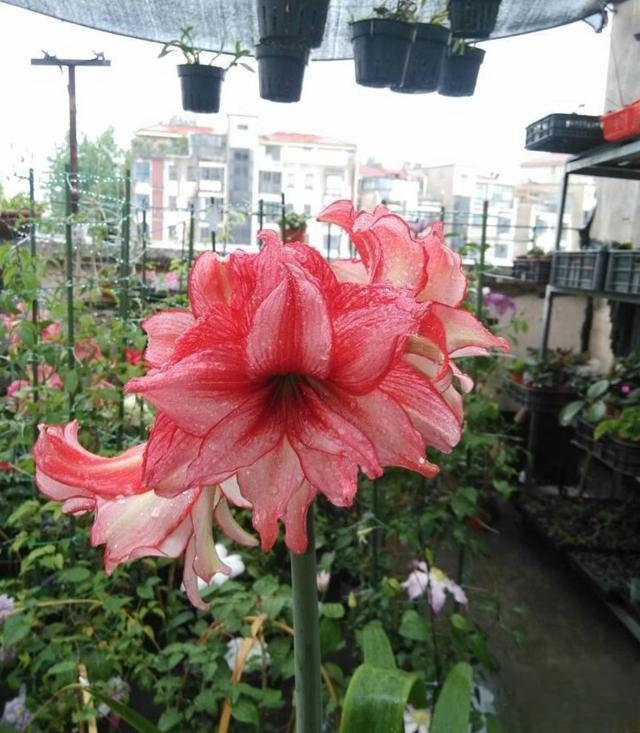
Amaryllis
Adding amaryllis can bring more color to a garden.
5. Aquatic plants : The purpose of aquatic plants is to add water to your garden. Chinese people pay attention to feng shui, so it is meaningful to make a small pond in the garden and plant some aquatic plants.
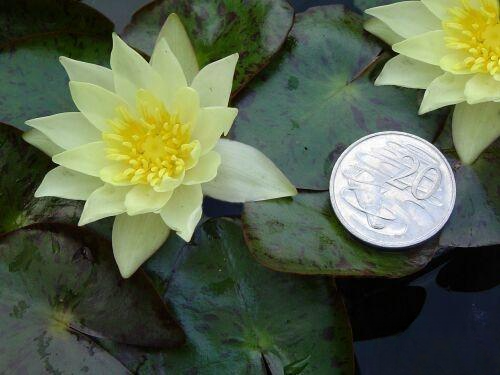
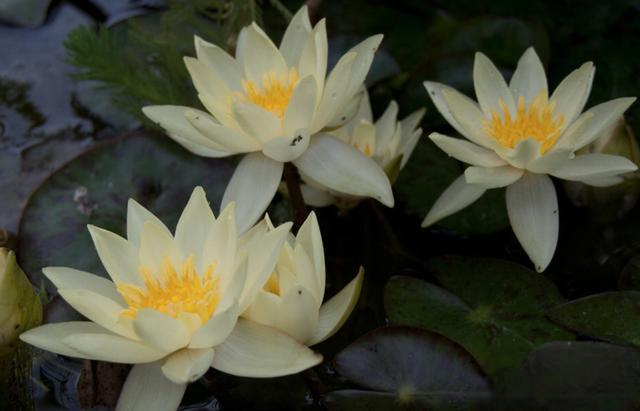
Helvella
Its flowers are only the size of a one-yuan coin, and a small flowerpot is enough for it to grow.
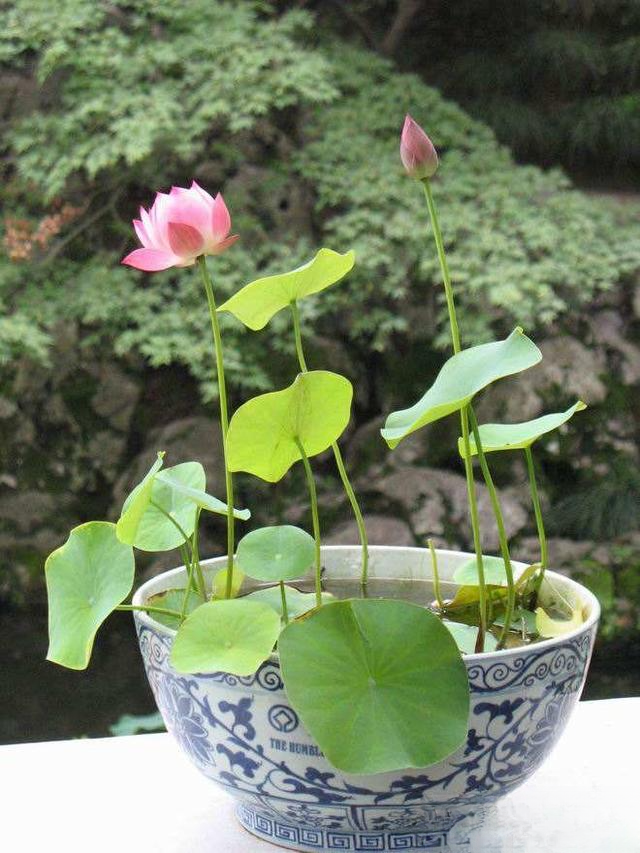
Bowl lotus
You can grow bowl lotus in a pot with a diameter of 20 centimeters or more, and it will bring you a vibrant and healthy summer.
Finally, welcome everyone to follow me. Feel free to send me a private message with any questions you have about gardening.
Growing plants can be a hobby, environmentally friendly, and relaxing, helping to relieve stress. So what flowers and plants are suitable for planting in a small courtyard? Here are some tips.
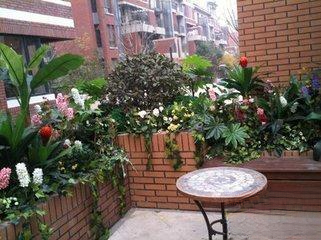
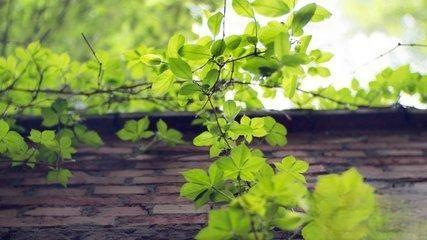
I. Cultivation in a Small Yard. Some houses have a small yard with ample sunlight and good air circulation, which is conducive to plant growth. Recommended plants include: ① Planting a row of French holly along the yard wall to form a natural screen. Alternatively, planting climbing vines or ivy against a corner to create a lush green barrier. ② Planting forsythia, pomegranate, roses, wintersweet, camellias, or kumquats, oranges, figs, loquats, etc., in the yard allows you to enjoy the flowers in spring and the fruit in autumn, satisfying both your eyes and your taste buds.
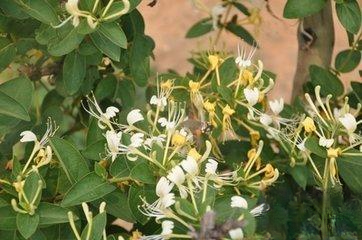
II. Planting in the small courtyard. Although it's not as large as a yard, it's a great place to cultivate flowers. ① Plant wisteria, hosta, or honeysuckle in one corner. ② Plant bamboo or banana trees in a suitable spot; watch the bamboo sway in the breeze and feel the rain pattering on the banana leaves—it's a beautiful sight. ③ Build a shelf with bricks or wood and place potted gardenias, forsythia, orchids, hydrangeas, etc. In this way, the small courtyard has everything you could want.
III. Balconies and Rooftops. Balconies and rooftop yards are very similar, with good sunlight and ventilation, making them ideal for potted plants. ① You can plant pine, cypress, fir, forsythia, roses, pomegranates, chrysanthemums, etc. If you want fragrant flowers, you can plant wintersweet, Murraya paniculata, jasmine, etc. Alternatively, kumquats, firethorn, and nandina, which are mainly grown for their fruit, can also be planted in the yard. Planting these plants will make your yard feel like spring all year round, with constant fragrance, flowers, and fruit, full of vitality.
② Alternatively, you can place potted azaleas, camellias, and Cymbidium orchids, but since these plants prefer partial shade, a large shade structure will be needed. Or, in a corner of the yard, plant a grapevine in a small water tank, allowing its vines to climb and form a net – this is also a shading method. Or, build a flower trellis, a flower bed, and a miniature rockery in a corner – this offers a unique and charming effect.
At the end of 2004, before the housing prices in my city had fully taken off, my partner and I gritted our teeth and bought this house with a garden of more than 100 square meters. The reason I say "gritted our teeth" is because we didn't have much money at the time. We planned to take out a 30-year loan to buy it. A few years later, we scraped together some money, did some simple renovations, and moved in.
So, my garden-building journey began gradually after 2010. From a gardening novice who had never done farm work to a gardening "veteran," I've taken many detours along the way. I'd like to share the hardships and joys with friends who share the same hobby. Here are a few simple, albeit immature, insights.
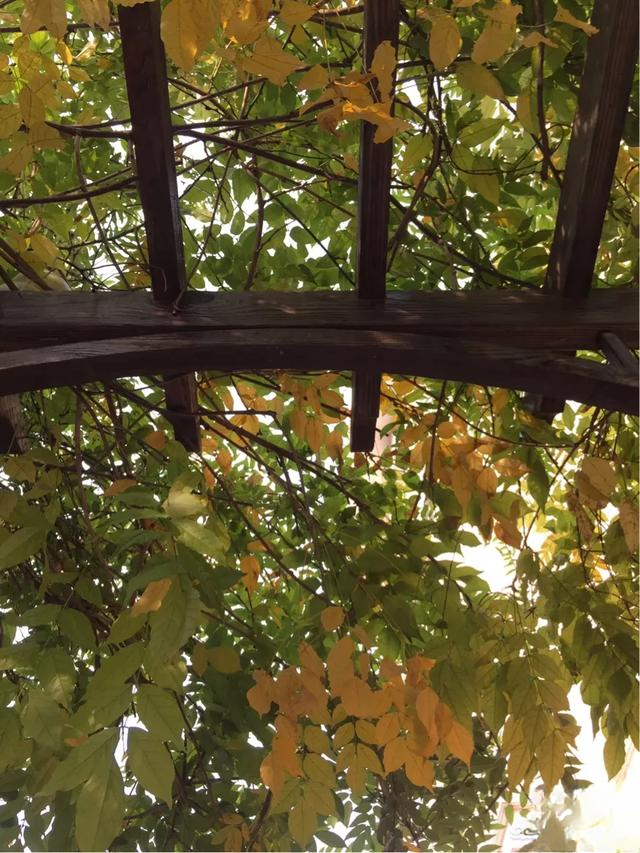
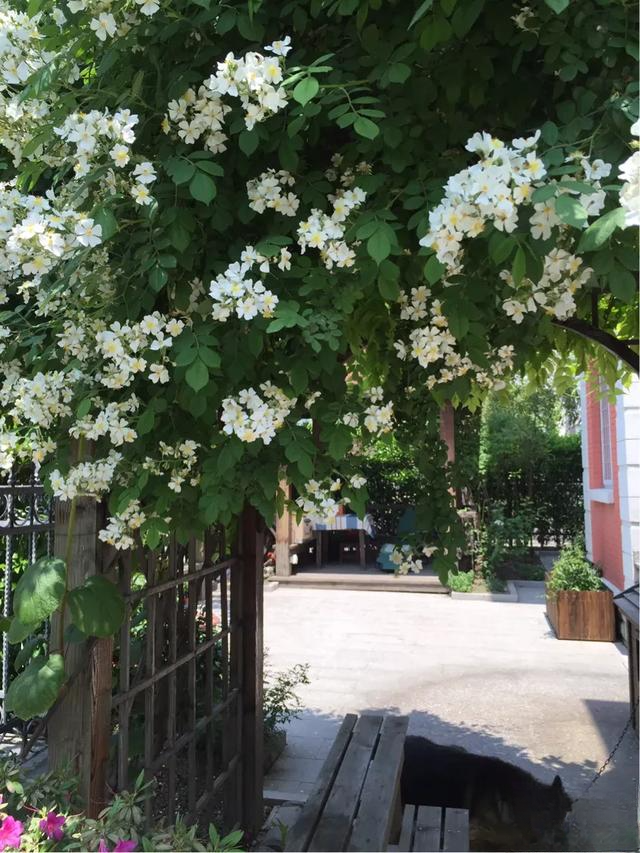
1. Use vines to create a three-dimensional space, making the garden more layered.
The vines I'm referring to are those plants that cannot grow upright on their own and must rely on other objects to climb upwards. They are divided into herbaceous vines and woody vines (I'd appreciate any feedback from biology experts here).
Some people might say, "How can you grow vines if there's no space?" In my opinion, the smaller the space, the more important it is to plant vertically, seeking space upwards to create a visual impact.
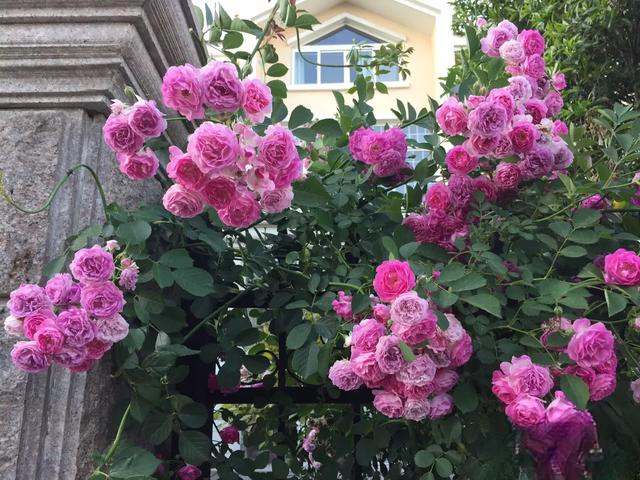
If you have a large space and the wall or shelf that the plant is attached to is sturdy and stable enough, you can choose some large climbing plants, such as wisteria, climbing roses, climbing vines, grapes, kiwis, etc.
Even on a small balcony, you can choose some herbaceous vines, such as morning glories, clematis, hyacinth bean flowers, or even the delicate and fragile cypress vine (Ipomoea quamoclit). When they bloom in clusters, they will instantly melt your heart. Attached are some vines that I've managed to cultivate to a fairly substantial size after several years of hard work:
Second, combining perennial and annual plants adds a touch of "warmth" to the garden.
As time passes and seasons change (using a few strong words to sound cultured), plants cycle through life and death, increasing the workload of garden maintenance. Pruning branches, transplanting flowers and grasses, and sweeping up fallen leaves—keeping a garden clean and aesthetically pleasing requires a significant amount of physical labor. Therefore, some families plant many evergreen plants, hoping the grass will remain green and the trees will stay evergreen.
Evergreen plants generally have leathery leaves and dark green color (my knowledge is limited, please feel free to correct me). If you plant only evergreen plants, I personally think it would be too orthodox and rigid, and the garden would lack a bit of "life" and "warmth".
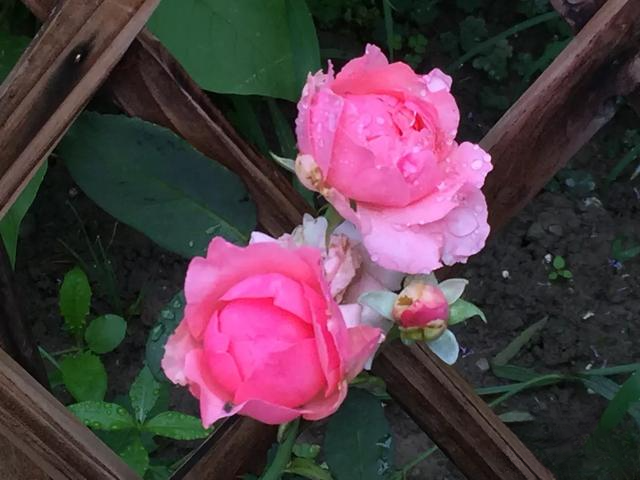
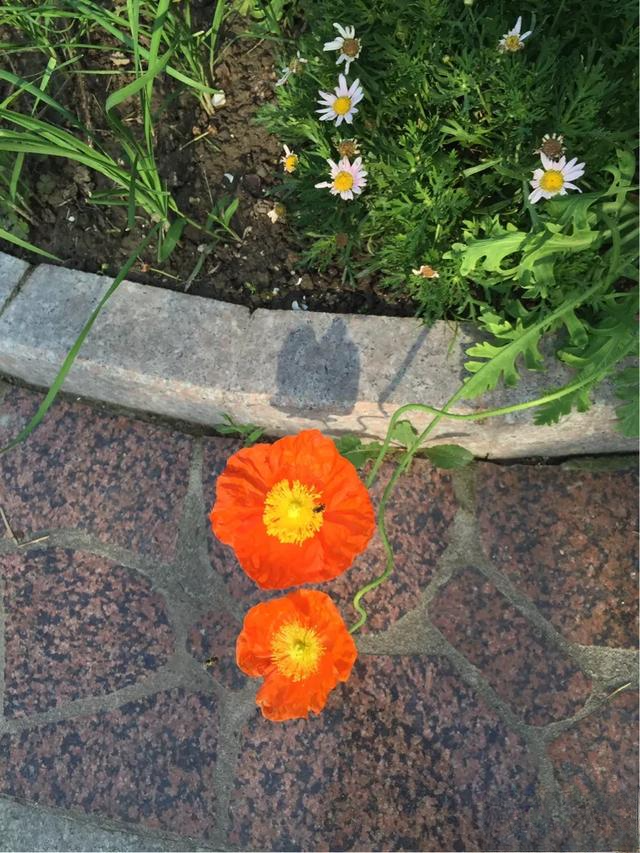
Adding a few annual or biennial herbs and rotating different varieties each year will bring your garden and memories to life. For example, on a cold winter day, you can hold a cup of hot tea and reminisce with your family about "the year the cosmos flowers bloomed" or "the day the morning glory climbed the wall" (the author has entered a self-indulgent state).
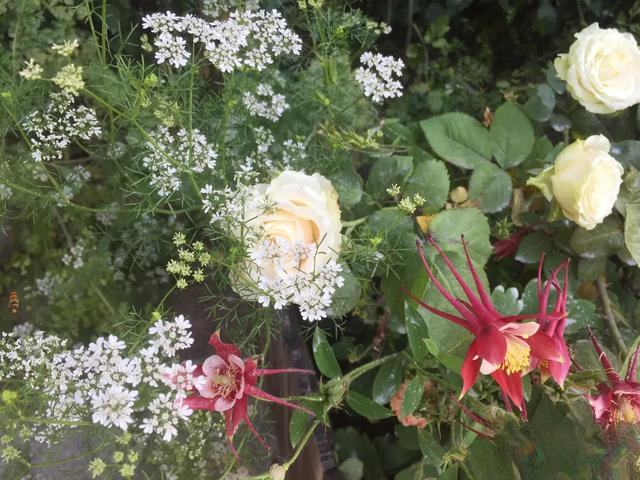
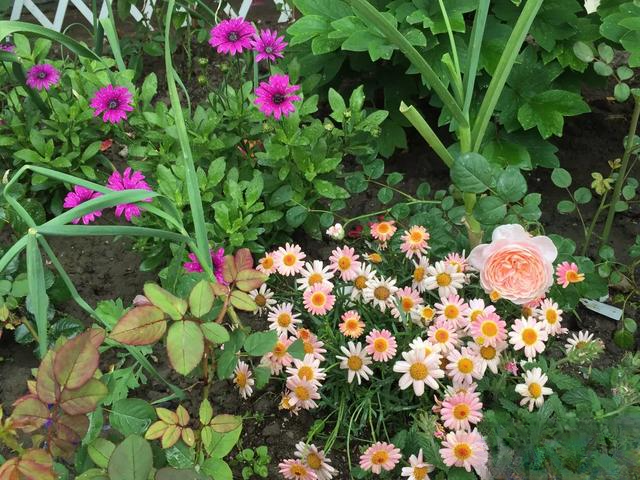
Third, create a food garden that combines practicality and aesthetics.
Besides providing beautiful scenery, you can also make the garden productive by introducing some attractive and delicious food plants in certain areas.
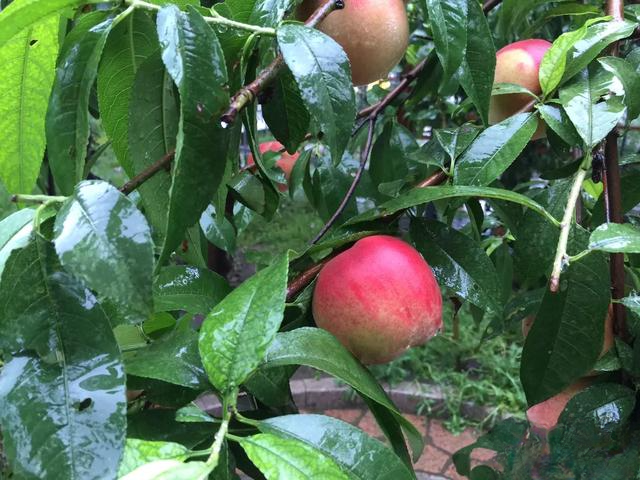
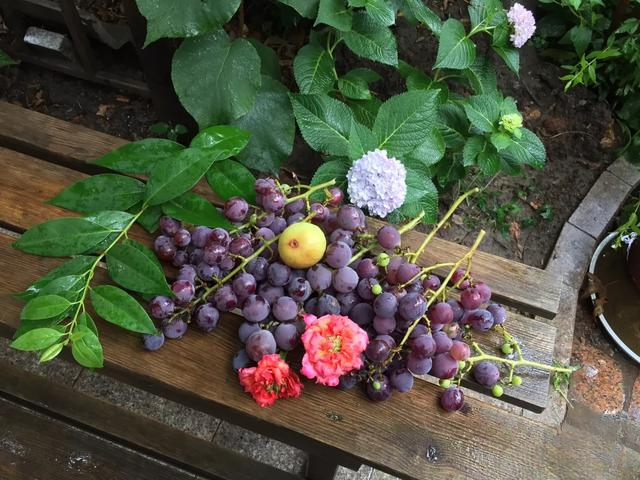
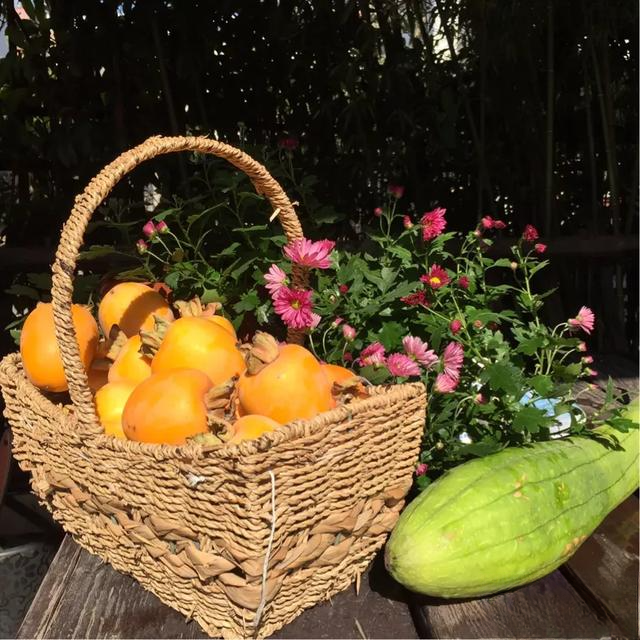
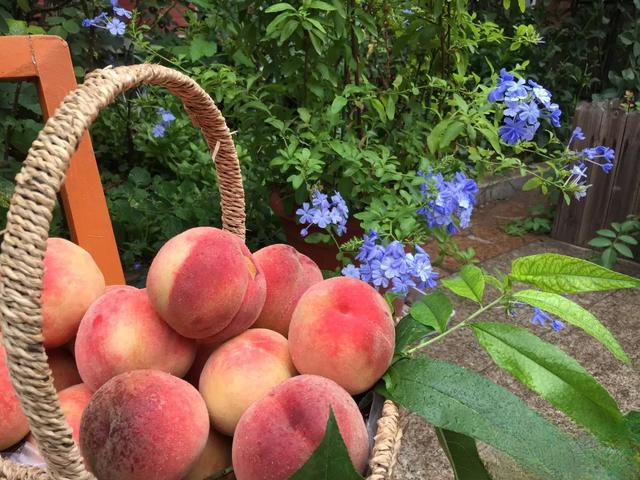
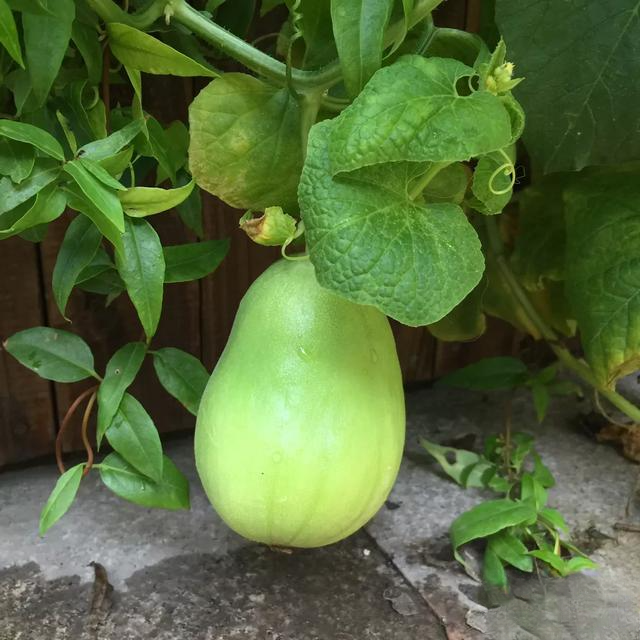
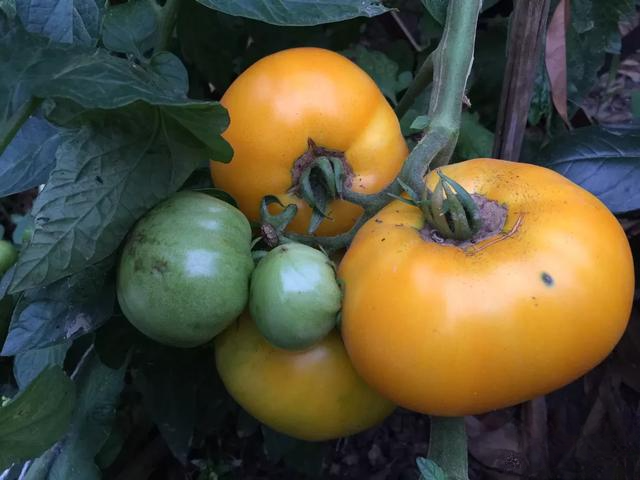
For example, you can plant some fruit trees and vegetables, finding varieties suitable for the local climate. In the central Jiangsu region where I live, we can grow fruit trees such as oranges, peaches, pomegranates, and grapes. Vegetables include basic ones like tomatoes, peppers, green beans, loofah, and zucchini, as well as various melons.
Although the harvest wasn't much each time, the anticipation in my loved ones' eyes and the sense of satisfaction when I shared the fruits of my own labor with them were truly intoxicating. Look at my garden's harvest!
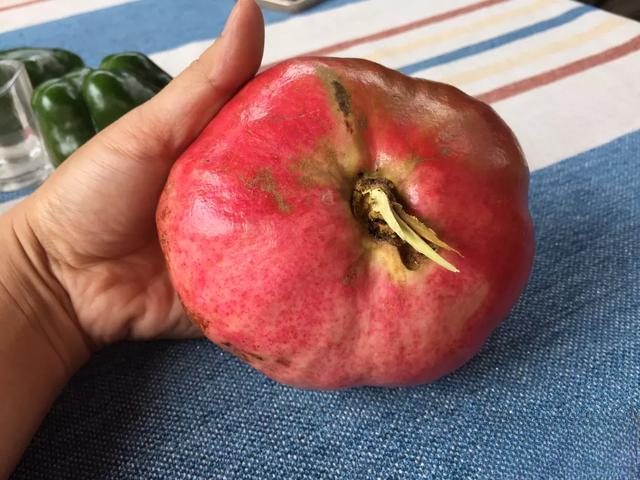
That's all for today. If you also enjoy gardening, please follow and share my WeChat official account – "Housewife in the Garden" – where I'll share more tips and joys in the future. Thank you for reading!
Thanks for the invitation. It's truly enviable that you have your own garden. For anyone who loves gardening, the happiest thing is having your own little garden where you can plant your favorite greenery. Although I don't have my own garden yet, I'd still like to take this opportunity to share some suggestions on which plants are suitable for a garden.
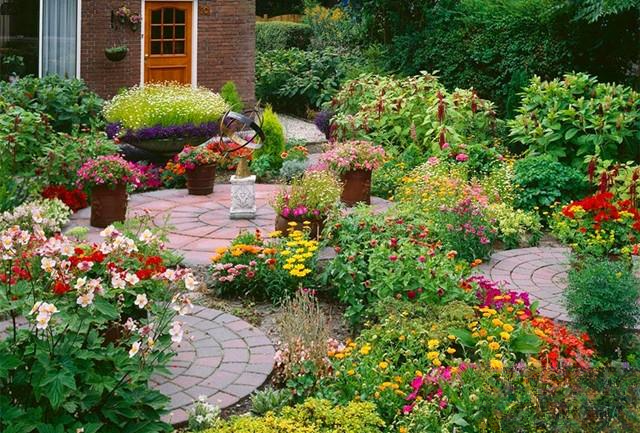
When planting greenery in the garden, I believe perennials should be the primary choice. This way, you won't have to replant them every year because they wither. Once planted, they'll likely remain in the same condition year after year. Therefore, I highly recommend perennial flowers. These flowers can be arranged according to their blooming season. For example, spring-blooming plants can include primroses, Christmas roses, carnations, and anemones. In summer, you can choose phlox, goldenrod, loosestrife, and blue plumbago to create a summer sea of flowers. Autumn-blooming plants can include cosmos, marigolds, and irises. Winter-blooming plants can include bulbous flowers such as crocuses, amaryllis, and hyacinths. You can also add some evergreen foliage plants, such as heuchera, coleus, and star-shaped clover.
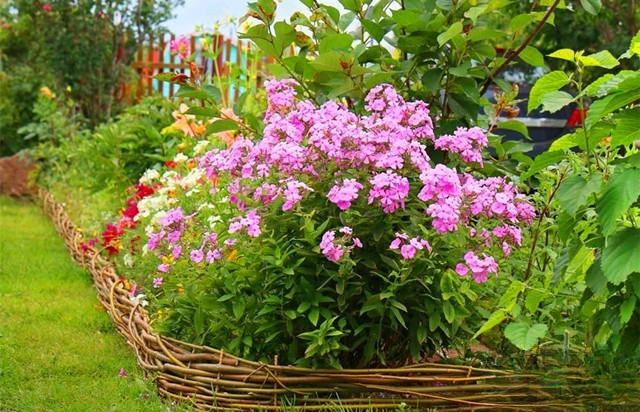
If you like the feeling of vines climbing all over the fence, you can choose some climbing plants, such as clematis, nasturtium, morning glory, rose, etc., to create a vertical sea of flowers, or decorate with some climbing foliage plants, such as Virginia creeper, grape, ivy, etc. These climbing plants can not only be used as a background for the fence to climb, but also can be built with dead branches or shrubs, so that they will become the focal plants in the garden.
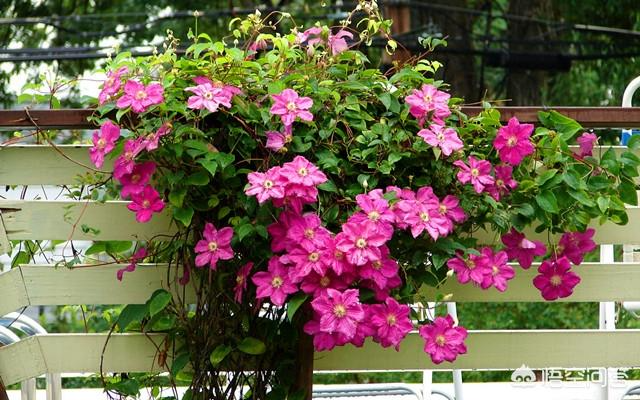
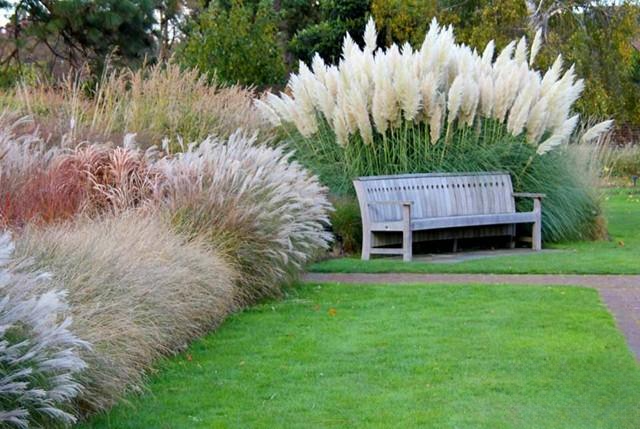
If you prefer wild grasses, you might as well bring these ornamental grasses back to your garden. These grasses are relatively easy to grow and hardy. Even if they don't bloom, they will still make a nice landscape. After planting them once, they will grow back on their own every year. These ornamental grasses include fine-leaved miscanthus, blue fescue, hairgrass, and pennisetum.
Thank you for the invitation. There are many plants suitable for garden planting, such as clematis in spring.
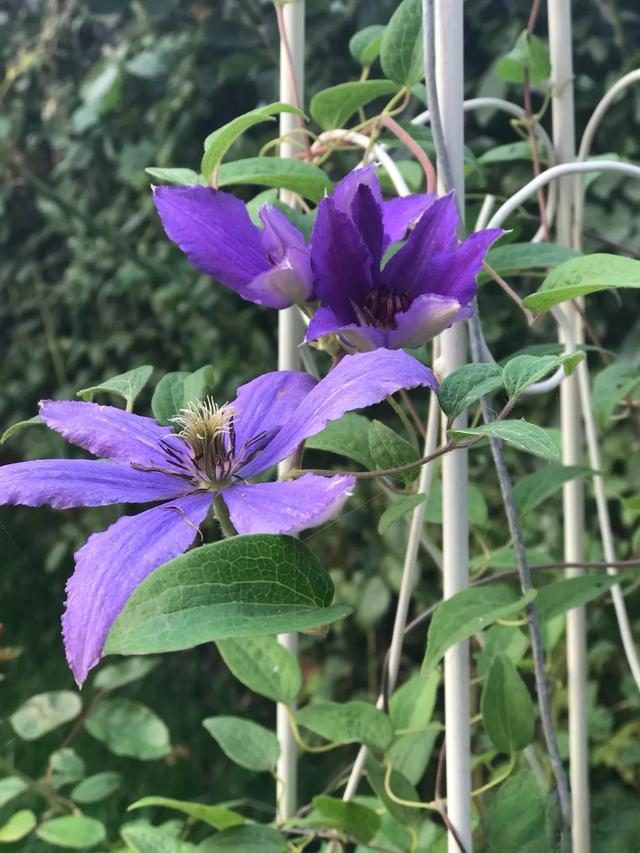
Some early-blooming varieties can open as early as March, while others, like Endless Summer, can bloom from approximately May until November.
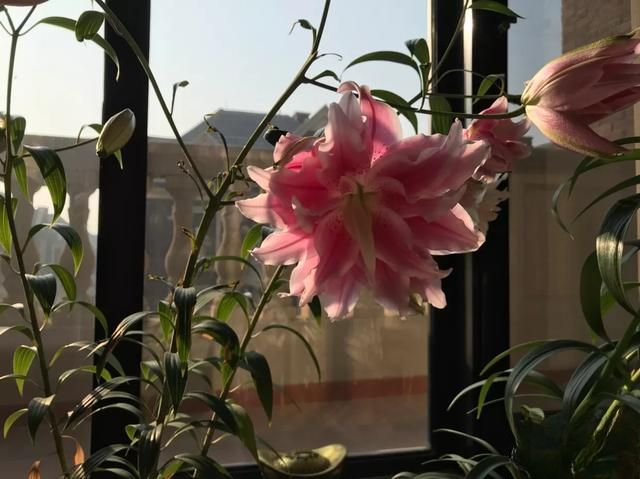
Lilies are also nice.
Roses, azaleas, peonies... these are some of the plants I have in my garden, for your reference only.
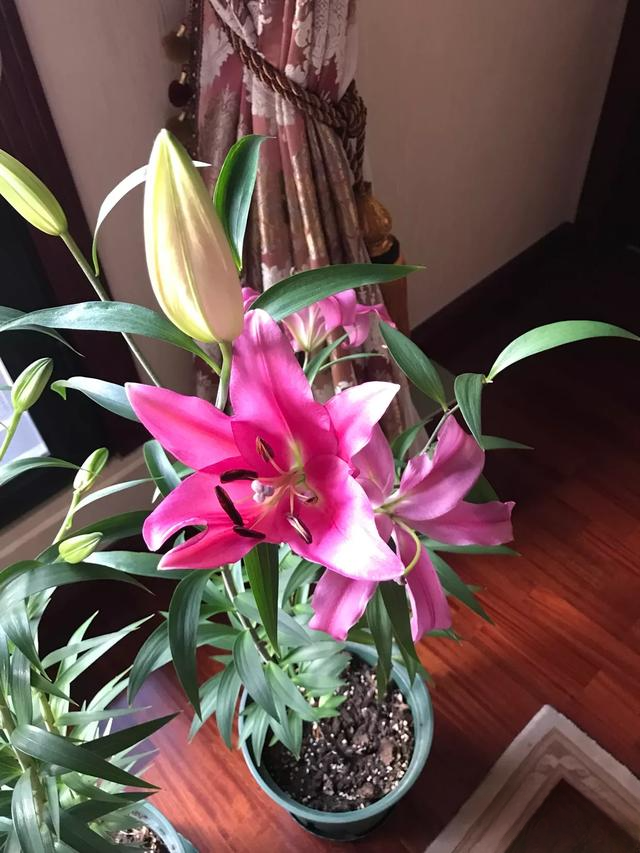
These are the lilies I potted this winter; I plan to plant them in the yard next spring.
My younger sister thinks it's fine to plant some of your favorite plants in the garden, but it's important to note that since it's an outdoor garden, the plants must be sun-tolerant. Ideally, you should have shade netting, which will also allow you to plant other plants. Here are some sun-tolerant flowering plants for your reference:
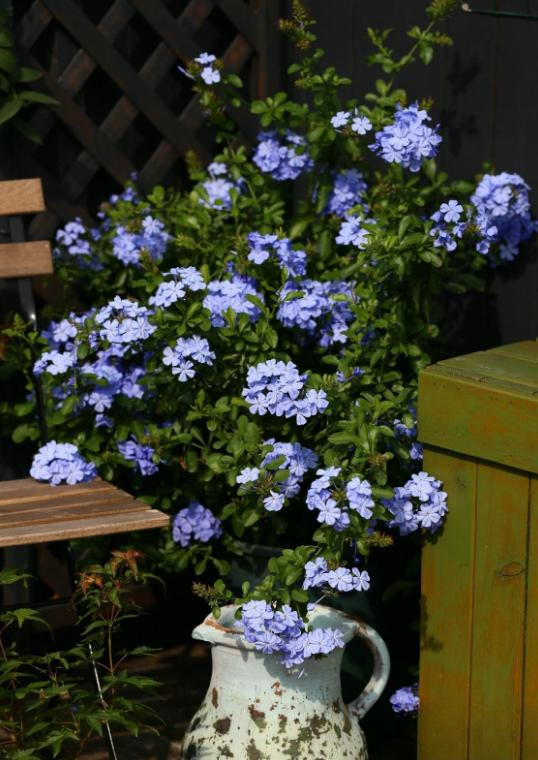
1. First, let me introduce you to a very refreshing blue plumbago. I have some on my balcony, and it's especially beautiful when it blooms. The flowering period is also relatively long. If you have a garden, that's even better! Blue plumbago needs to be placed in a sunny spot, but avoid direct sunlight.
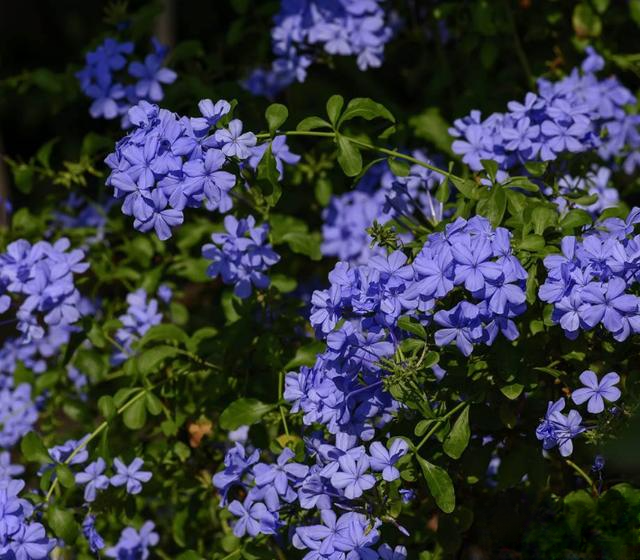
Therefore, having a shade net is the best option. Also, blue plumbago needs a lot of water, so keep the potting soil moist and spray water on the blue plumbago and the area around the pot frequently. Finally, blue plumbago needs to be fertilized with diluted fertilizer. You can buy special fertilizer from a specialty store.
2. Sunflowers are also a good choice. Sunflowers only bloom in sunlight, and there are many varieties and colors available. They also reproduce very easily. Imagine how beautiful it would be to plant them in the ground in your garden when they bloom! Water sunflowers regularly, but don't let the soil become too wet.
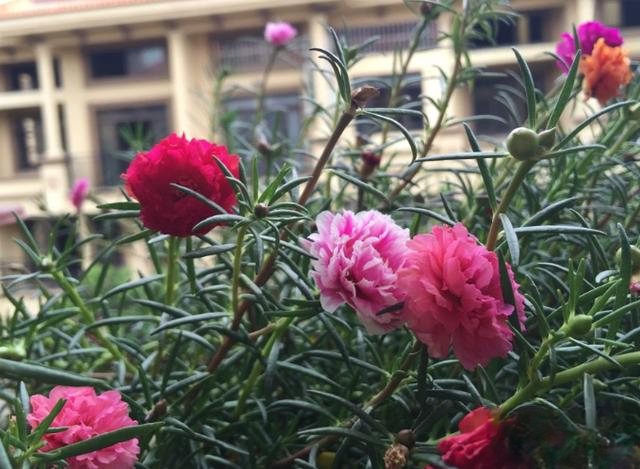
Also, it's best to apply some potassium dihydrogen phosphate to the sunflowers every two weeks or so. This will make the sunflowers bloom larger and brighter and bloom continuously. There are also double-petaled sunflowers, which you can also plant some of.
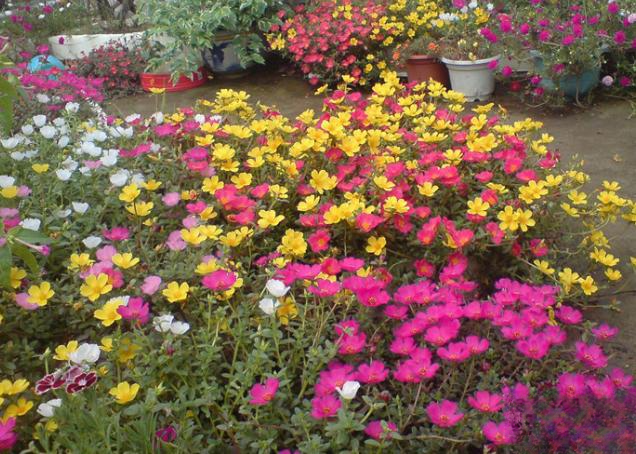
3. Bougainvillea is definitely a must-have. You can plant some bougainvillea along the garden fence. Bougainvillea is a plant that loves sunlight; insufficient sunlight will actually affect its flowering.
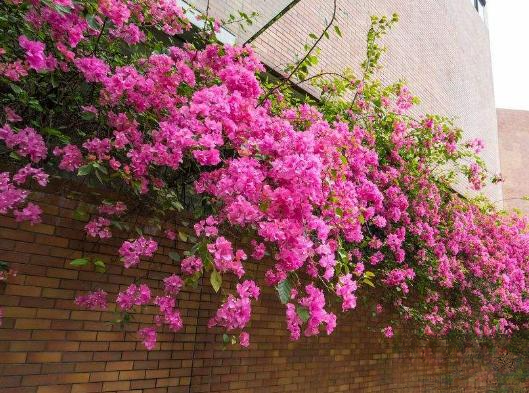
Bougainvillea needs more water in the summer, but at other times it's best to water it only after the soil has dried out. Bougainvillea also needs fertilizer; without any nutrients, its health will suffer. So, fertilize bougainvillea regularly, but remember not to give it too much fertilizer at once, or it will backfire. Also, bougainvillea needs to be pruned appropriately, removing diseased branches and denser branches.
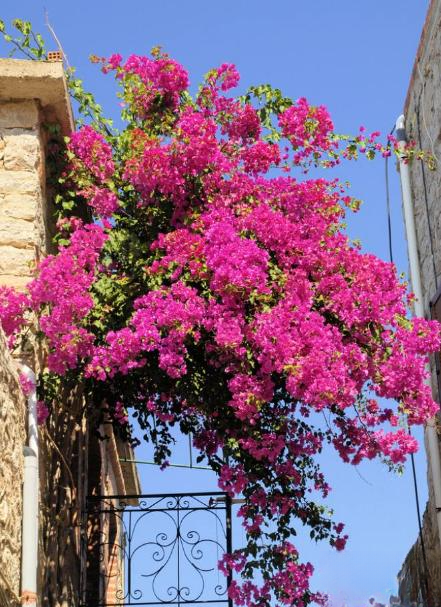
There are also petunias, sunflowers, and roses that can be planted in the garden. I won't introduce them one by one here. The most important thing is that they look good and that you like them.
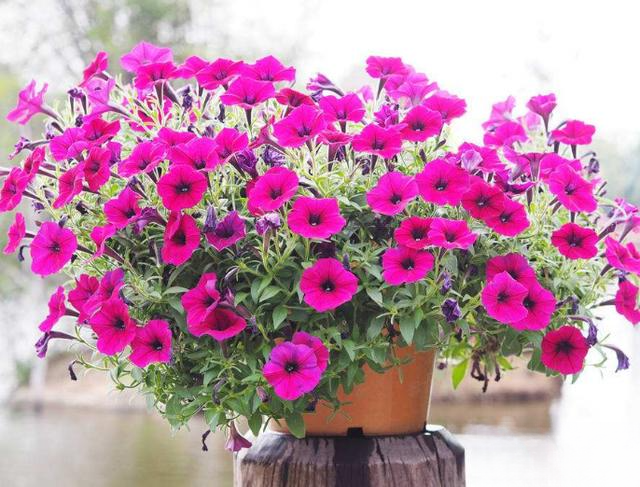
You can plant many flowering flowers in the garden, such as the recently popular clematis, the queen of vines, and the rose and hydrangea, the queen of flowers.
Clematis 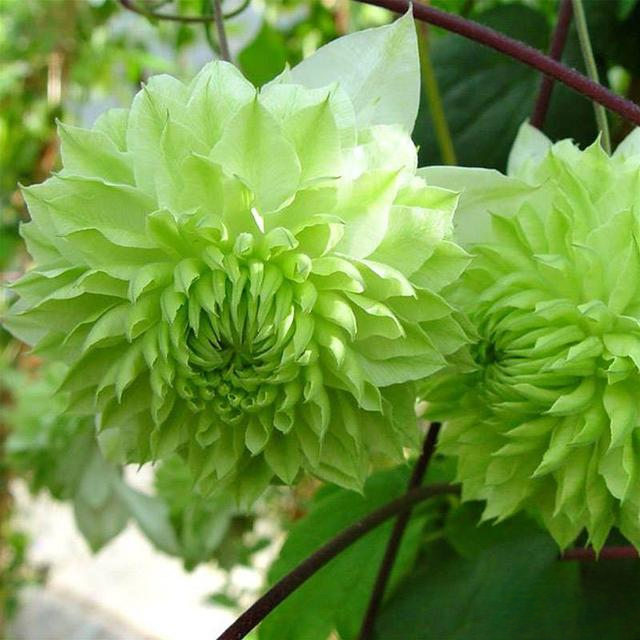
has become a popular plant in recent years. There are many varieties of horticultural clematis, with a wide range of colors, including single and double-petaled flowers.
The most classic rose 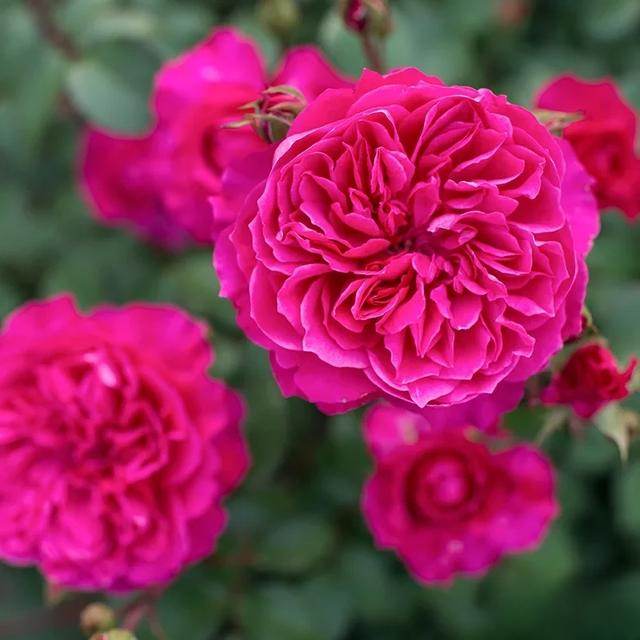
varieties are the pink and red Ponsa Rose, which are truly beautiful when in bloom.
Bougainvillea 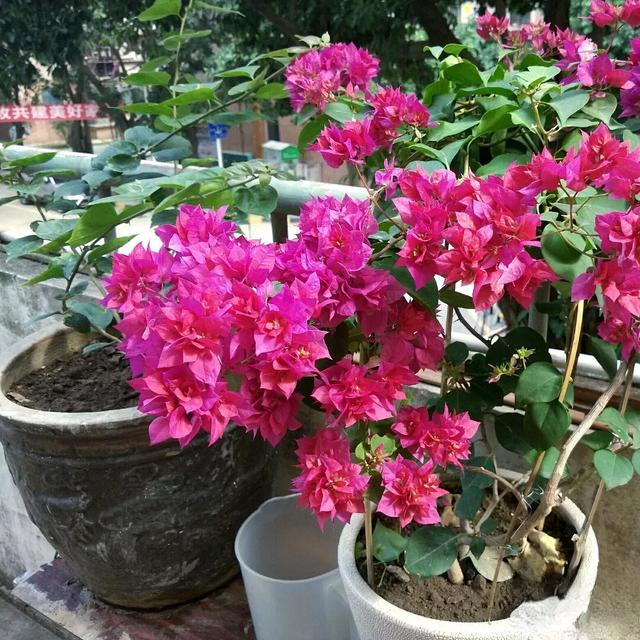 blooms profusely, almost overflowing its pot with numerous flowers. It also comes in many colors and varieties, making it ideal for garden planting.
This is truly a core question in garden design: What plants should I have in my garden?
Many beautiful gardens remain only on paper and in computer models because planting in practice places high demands on designers. They must consider aesthetics (shape, color, etc.), plant habits (shade or sun preference), the homeowner's preferences, and ease of maintenance. Without years of practical experience, it's impossible to create a successful garden.
Therefore, this question cannot be answered clearly in this way. Let me provide some examples from my real-life gardens.
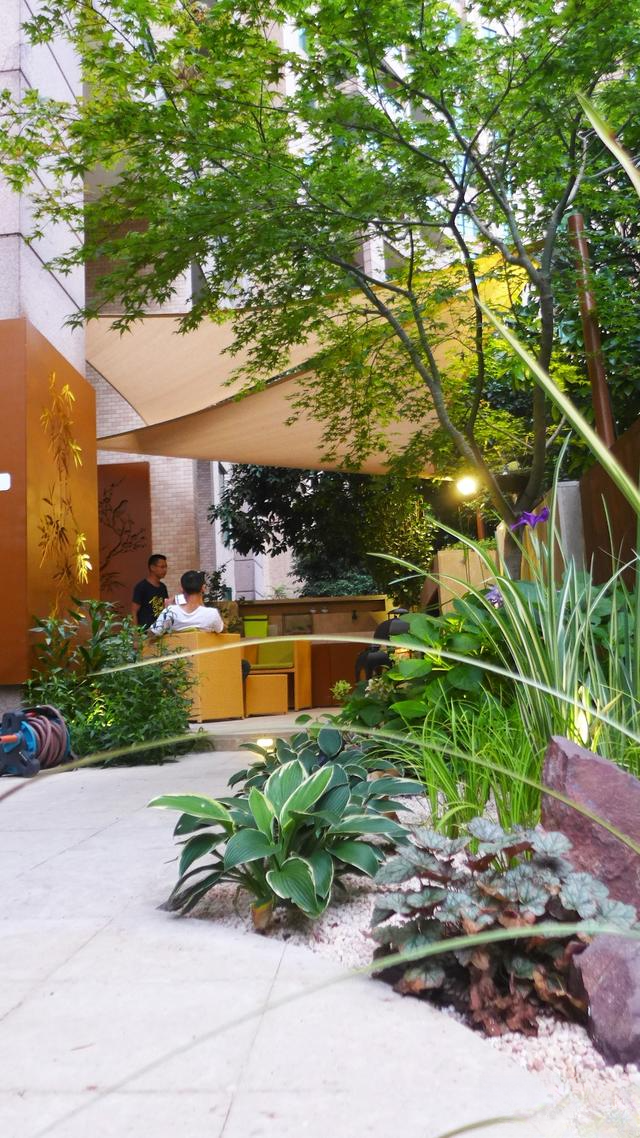
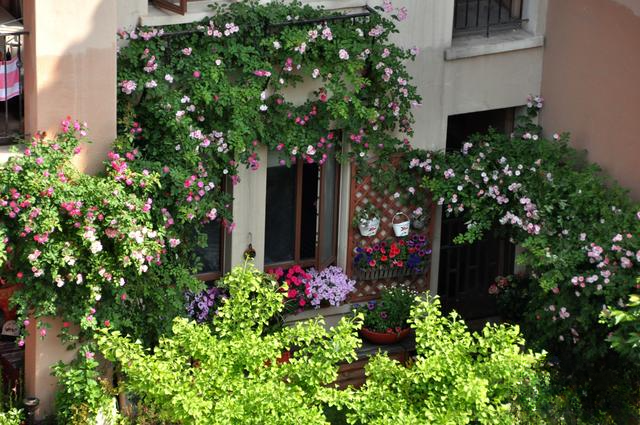
If you want to make your garden more beautiful and colorful, you can plant some flowers: begonias (they come in many colors, and their heart-shaped leaves are quite appealing), forsythia, roses, wintersweet, chrysanthemums, and camellias, etc. It mainly depends on which type you prefer. Generally speaking, the colors of flowers are pleasing to the eye!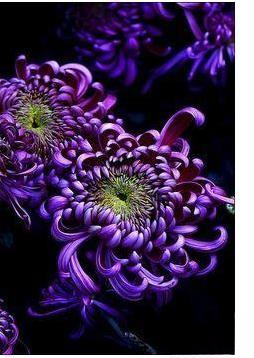
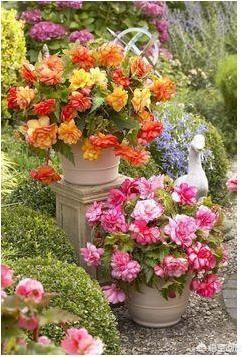
If you personally believe in Feng Shui, you can plant some auspicious plants if your garden is large enough. Examples include: palm trees (which are both ornamental and medicinal, and in Feng Shui are said to bring wealth and protect it), orange trees (symbolizing good fortune), bamboo (symbolizing elegance), ailanthus trees (symbolizing longevity and protecting the home), osmanthus trees (medicinal, dispelling evil spirits, and harmonizing the home), plum trees (nobility and good fortune), banyan trees (symbolizing spaciousness), jujube trees (symbolizing early birth of a son), pomegranate trees (symbolizing abundant blessings), peach trees, willow trees, ginkgo trees, and cypress trees, which are believed to ward off evil spirits.
In Feng Shui, there are also specific ways to plant trees: plant pomegranate trees on the east side, flowers and grasses on the west side, fruit trees on the south side, and tall trees on the north side!