Western Classical Furniture Collection: Ancient Furniture
Furniture originates from life and promotes life. Furniture is both a material product and an artistic creation, which is what people often call the dual characteristics of furniture. With the progress and development of human civilization, the types, functions, forms, quantities and materials of furniture have also been continuously developed: from simple stone benches and ceramic tables to complex carved hardwood furniture; from hard board chairs to soft-covered sofas; from pure natural materials to multiple complex materials; from handmade single-piece production to mechanized batch production; from classical and exquisite luxury furniture to simple and comfortable modern furniture. Their evolution process reflects the development imprint of history.
The development history of Western furniture condenses the cultural characteristics of different periods, is deeply marked by the times, and witnesses the development of history. Now, let us interpret the brief history of the development of Western classical furniture!
Let’s first look at Western classicalToolBrief introduction of development history:
1. Ancient furniture: Ancient Egyptian furniture → Assyrian furniture → Ancient Greek furniture → Ancient Roman furniture
2. Medieval furniture: Byzantine furniture → Roman-style furniture → Gothic furniture
3. Modern furniture: Renaissance furniture → Baroque furniture → Rococo furniture → Neoclassical furniture
1. Ancient Egyptian furniture
Ancient Egyptian furniture mainly refers to furniture from the ancient Egyptian civilization period, which is the origin of the development of Western furniture. Starting with ancient Egyptian furniture, Assyrian and early Greek furniture were influenced by ancient Egypt. In the 5th century BC, ancient Greek culture was highly developed, which influenced the furniture style of the later Roman Empire.
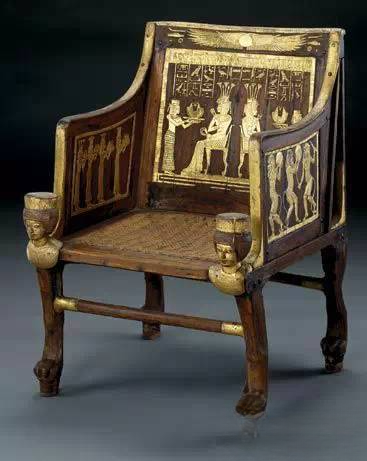
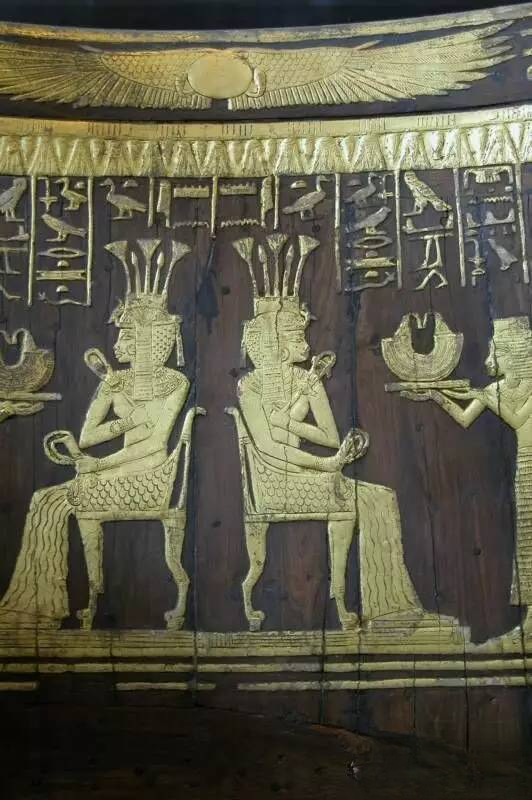
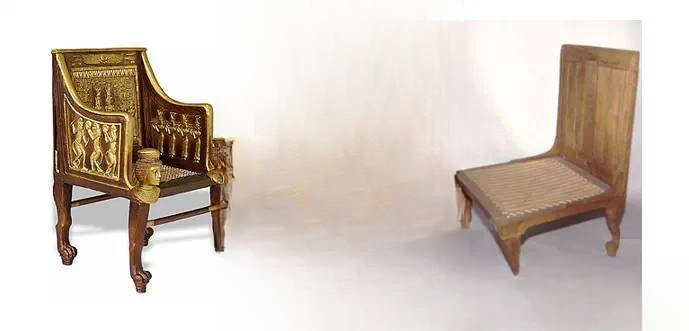
Ancient Egyptian throne
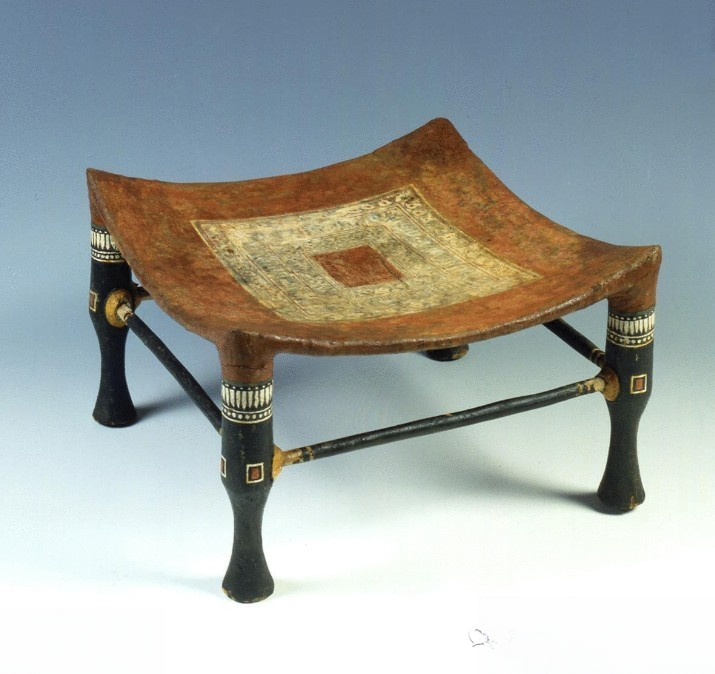 Ancient Egyptian Square Stool
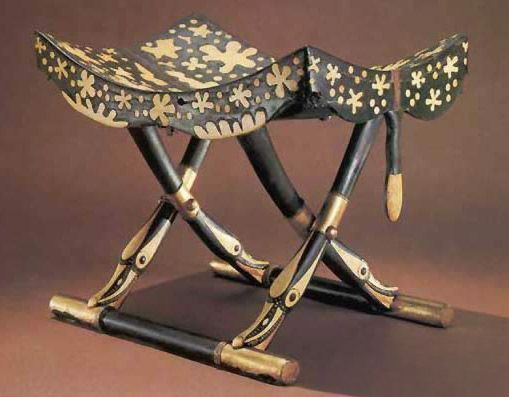
Ancient Egyptian Folding Stool
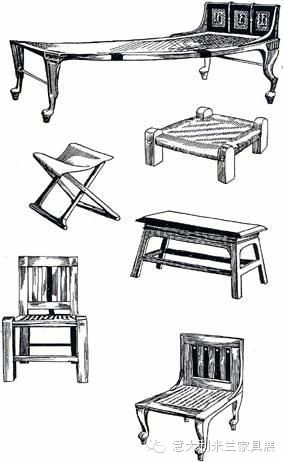
Furniture features:
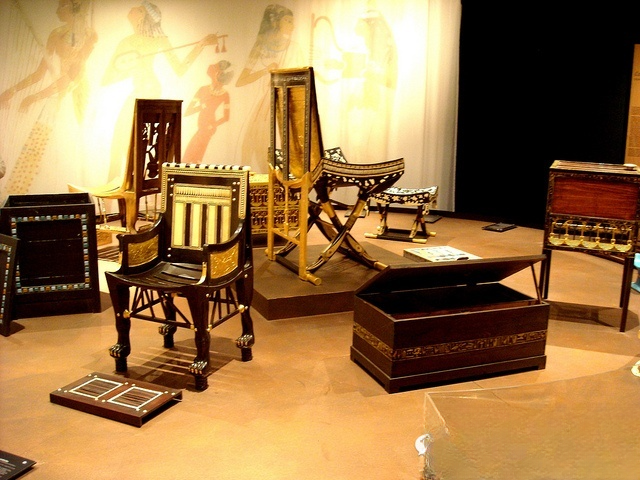
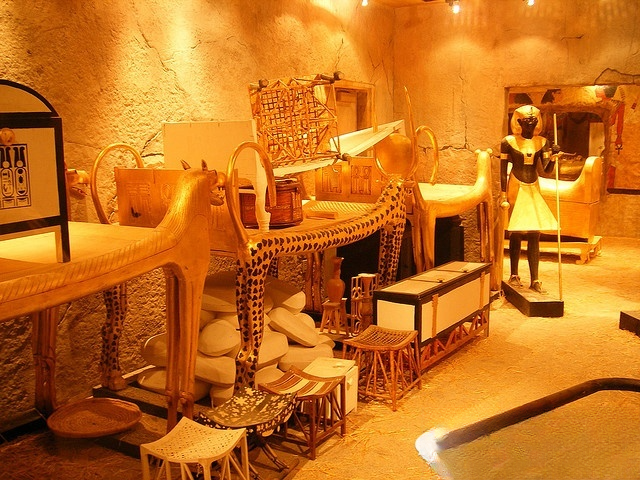
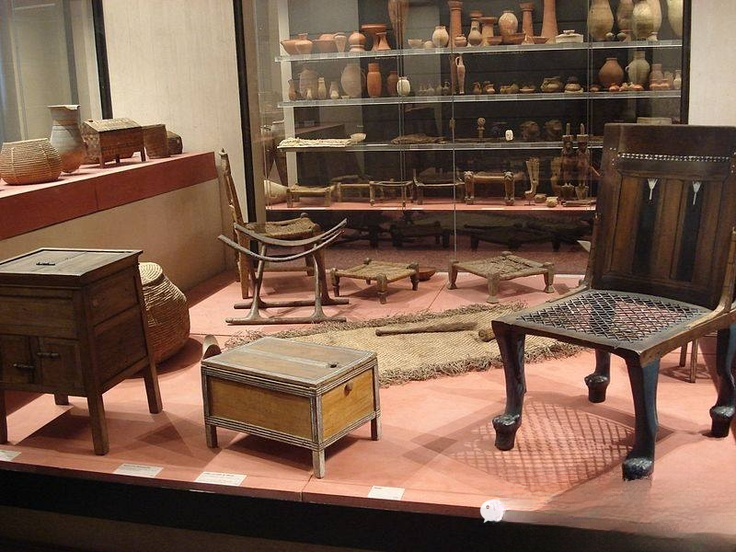
The history of furniture can be traced back to the Third Dynasty of Ancient Egypt (about 2686-2613 BC); in the tomb of Pharaoh Tutankhamun of the Eighteenth Dynasty of Ancient Egypt (about 1358-1348 BC), there were already very exquisite beds, chairs, gem boxes and other furniture. They have neat and rigorous appearance, and the bottom is carved and decorated in the form of imitation animal legs. The surface of the furniture is painted and painted, or decorated with stone pieces, shells, and ivory inlays, and the style is basically plant and geometric patterns. Ancient Egyptian furniture is mostly made of hardwood, linen, leather and other materials, with dovetail joints and bamboo nails as the structure.
Third Dynasty of Ancient Egypt
1. Precious materials
Egypt is located in a desert area, where wood is scarce. It needs to import a large amount of precious wood, such as ebony, cedar, acacia, Egyptian banyan, fir, fig, juniper, etc. Most ancient Egyptian furniture is made of fir, followed by ebony. In addition, ivory, hippopotamus teeth, various gems, stone pieces, gold, silver, porcelain pieces and other metal materials are also used, and painted.
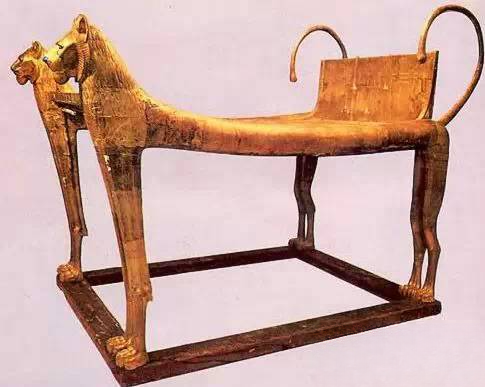
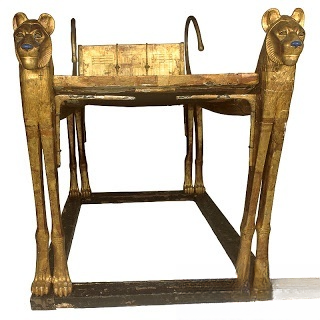
Ancient Egyptian Bed Support
2. Strong decorative effect
The decoration of ancient Egyptian furniture was related to the social status of the user, so the higher the status of the person, the more decorative the furniture he used. Most of the cabinets and treasure chests were decorated with bright geometric patterns. Some of them were inlaid with blue and white colored magnetic pieces and stone pieces of inexpensive texture. The more ornately decorated chairs were inlaid with ivory or mother-of-pearl. The style of its decorative patterns mostly used neat and solemn wooden lions, walking animal hoof legs, eagles, capitals and plant patterns.
3. Superb technology
In ancient Egypt, the gold and wood technology was very advanced, with six processing techniques: hammering and casting, decoration and craftsmanship, gold leaf manufacturing, gold plastering, coloring, and inlaying. The best gold leaf technology was first applied with animal oil and cypress plaster, then animal glue and resin glue, and finally gold leaf.
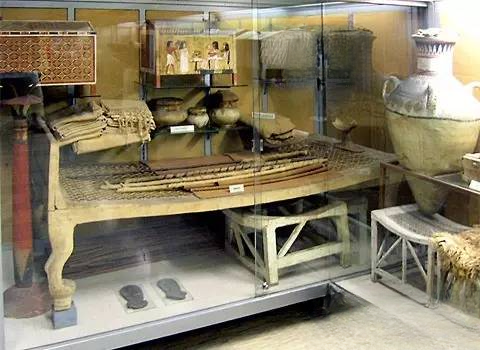
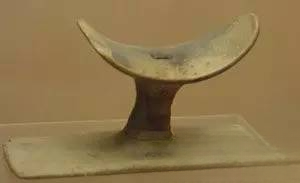
At the beginning of the article and in the two pictures above, there is a piece of furniture called a bracket. It is a head bracket, which is used when lying down.

People are still using the "evolved" head support
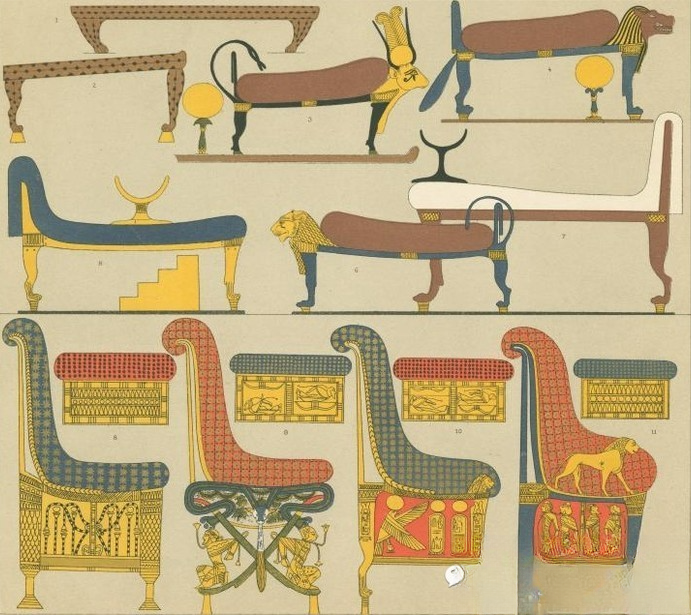
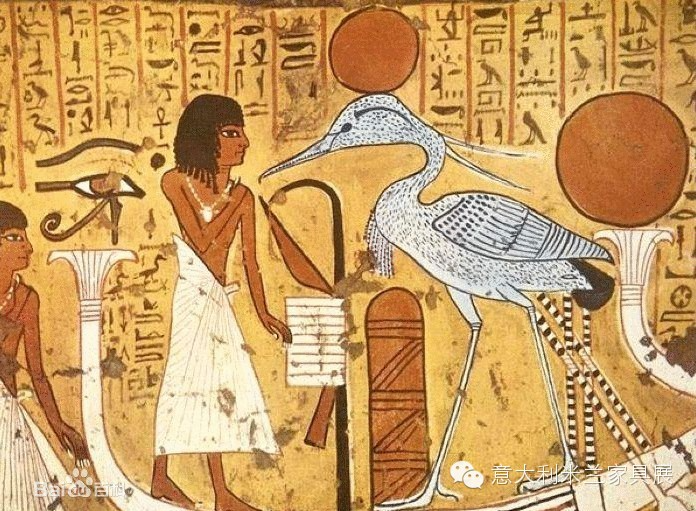
From the Egyptian murals below we can vaguely see the style of furniture:
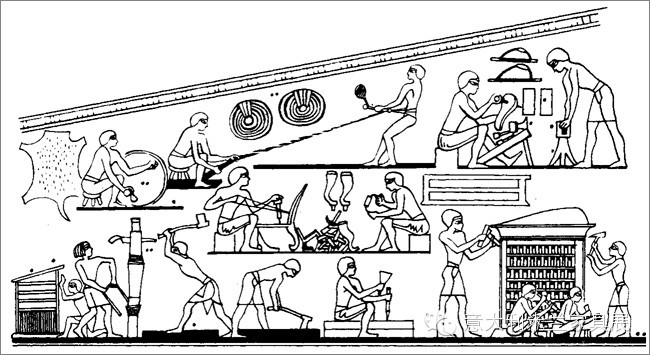
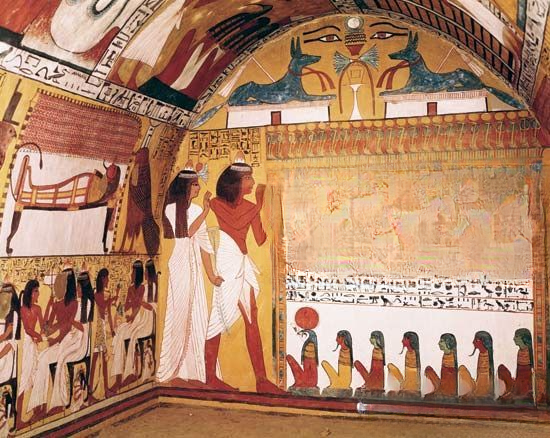
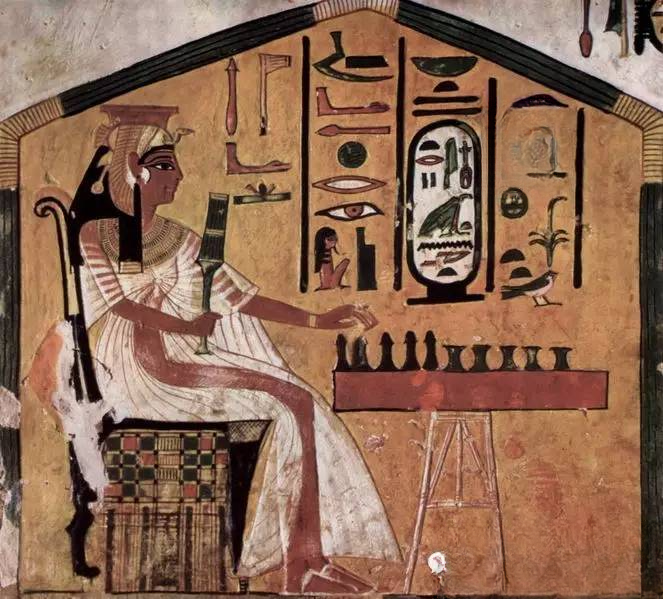
Representative works of ancient Egyptian furniture:
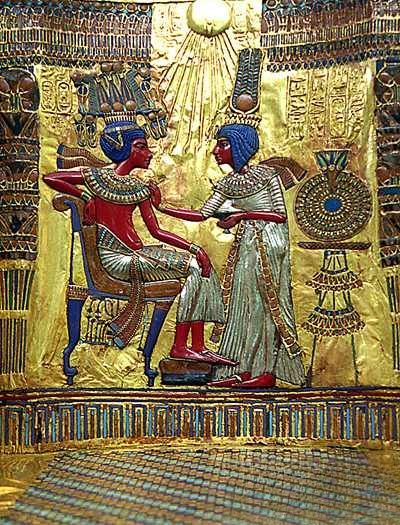
Among the ancient Egyptian furniture, the most exquisitely carved and decorated is Tutankhamun's golden throne. The seat is made of ebony , 138 cm high, and the backrest is 54 cm high. The outside is gilded, inlaid with ivory and gems. There are two lion heads on the front, and the legs are lion legs and feet. Lions symbolize authority in ancient Egypt. The armrests are two eagles. The eagle is the symbol of the Egyptian god Horus, and under the eagle is a snake, which is the protector of the sun god.
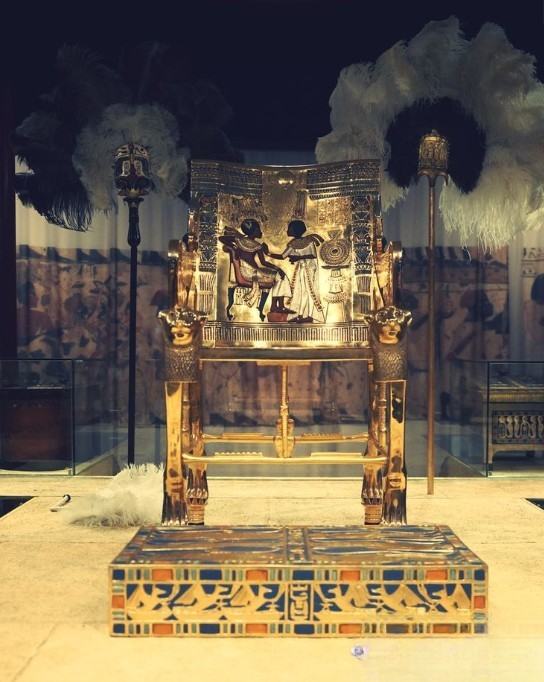
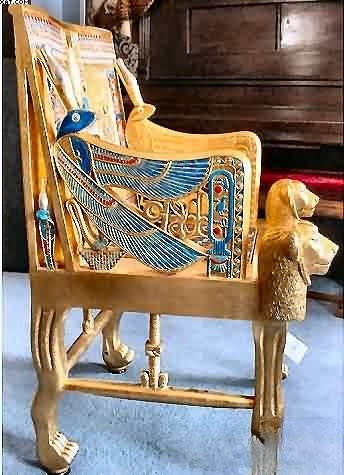
The most interesting thing is the chair back made of pure gold. On the front is an enamel painting with the sun on the top and columns with exquisite carvings on both sides. The pharaoh sits on the royal chair, wearing a huge crown and a five-layered flower-decorated collar around his neck. One hand is on the back of the chair and the other hand is on his knee. The queen stands on the side of the pharaoh, wearing a high crown with the sun god painted on it, a long robe, and multiple collars around her neck. One hand is holding a small jar of spices and applying holy oil to the king sitting on the throne, and the other hand is on the pharaoh's shoulder. Behind the queen, there is a shelf with a pair of collars on it. If you look more carefully, you can see that the pharaoh and the queen wear a pair of shoes together, showing the incomparable love between the couple. There is also a footrest in front of the chair, which is also covered with colorful paintings.
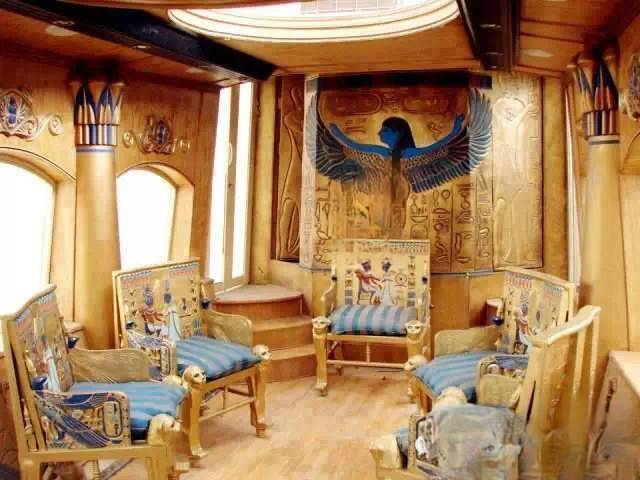
The picture above is a replica of the seat
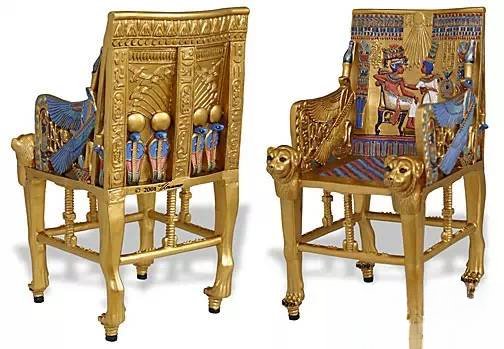
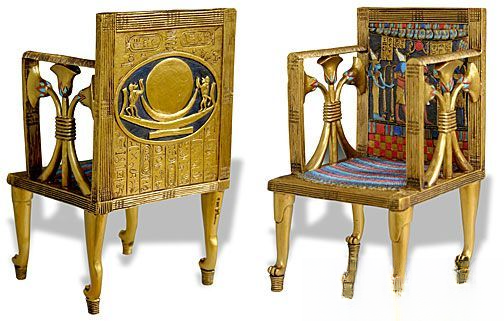 From the two pictures above, you can see that the front and back of all the throne chair backs are also carefully decorated.
2. Assyrian Furniture
Assyria is ancient West Asia, the birthplace of the culture of the Mesopotamian Valley, and it is almost the same period as the ancient Egyptian civilization. Ancient Egyptian furniture is mainly the cultural art of the pharaoh, while ancient West Asia is mainly the cultural art that expresses real life. The two are intertwined and merged.
Period: 1000 BC - 612 BC
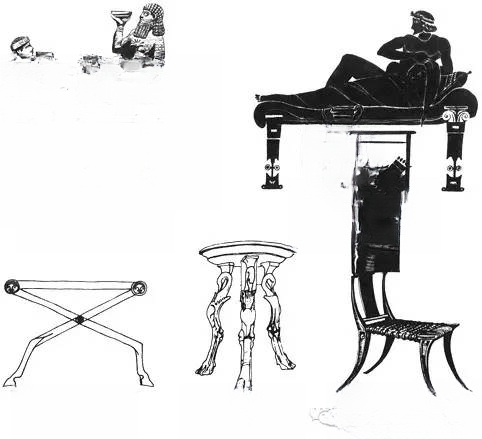
Assyria is located in the Mesopotamian Plain, which is well-connected, and its furniture is natural and simple, with intricate carvings and turned wood decorations. It is a cultural art that is the result of the alternation and integration of various tribes in West Asia.
Assyria has always been located in a hot and humid environment, so wooden furniture has not been preserved . We can only appreciate its furniture culture and art from architectural art and its sister arts such as murals, reliefs, bronze statues, round seals, etc. The shape and decoration of Assyrian furniture are both realistic. In Assyrian sculptures, we can see a large number of wheat ear carvings, which is a celebration of success and harvest, which is consistent with the Assyrians' emphasis on real life and not believing in future generations.
Assyrian furniture also focuses on the symbol of power, which is mainly manifested in two aspects: first, the height of the seat is relatively high, with a footrest at the bottom to symbolize the king's supreme status; second, the gorgeous inlaid decorations are used to show the luxury of the ruler.
Representative works of Assyrian furniture:
1. Morina Kaori Fabric Chair
The inspiration for furniture making in ancient Babylon and Assyria came mostly from the enlightenment of nature, and the decoration also imitated the characteristics of natural forms. There is a relief depicting Emperor Sennacherb attacking the enemy's castle. The chair shown in the relief is a representative of the throne of the Assyrian king. The chair legs are made of pine cones, captive figures are used as the frame and crossbars to support the chair, and there are high pedals and high seats. All of these are to show off the authority of the ruler through the chair.
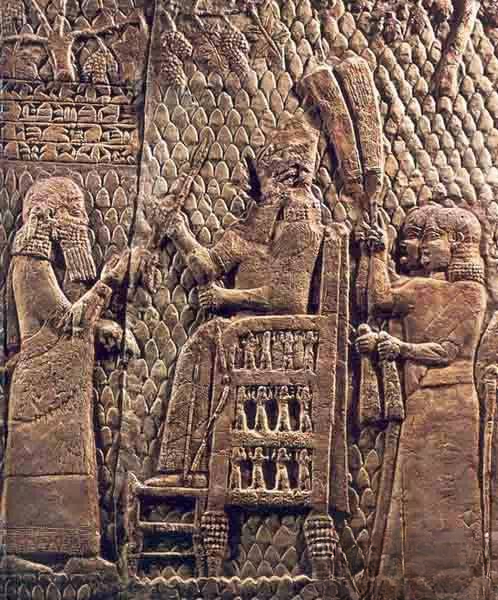
2. The Banquet of Ashibanipal
There is a stone carving showing King Assurbanipal and his queen dining, which truly depicts the style of ancient Assyrian furniture. The king half-lying on the bed at will proves that the ancient Assyrians had the habit of dining while reclining. The Assyrian rulers' lifestyle of dining and talking on the bed was inherited by the later Greeks and Romans and passed down as a more common lifestyle, especially during the Louis Dynasty in France.
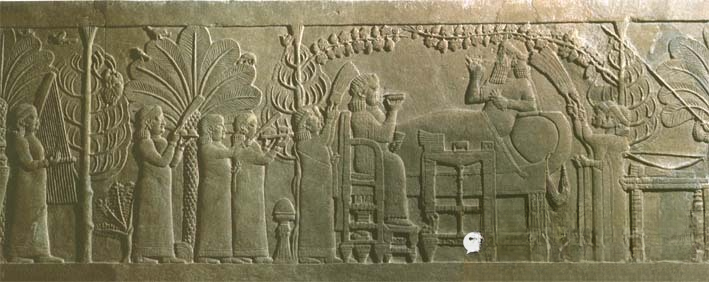
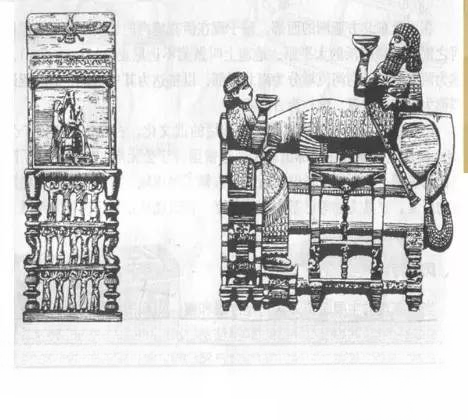
The oriental culture and art of ancient West Asia and ancient Egypt had a profound influence on the furniture culture of European countries. The mosaic art, relief art, wood-turning art, and many column styles and inscriptions created during this period provided a solid and important foundation for the cultural art, decorative methods, and craftsmanship of furniture in later periods such as ancient Greece, ancient Rome, the Renaissance, Baroque, Rococo, and even neoclassical periods.
3. Ancient Greek furniture
Ancient Greek furniture, as a model and foundation for Europe, is one of the two major sources of European classical furniture, along with ancient Egyptian furniture. Cultural research generally divides the Greek classical culture into the Archaic Age (8th century BC to 6th century BC), the Classical Age (after the 6th century BC until Macedonia conquered Greece), and the Hellenistic Age (after the Classical Age until Augustus defeated Antony). The most outstanding furniture in ancient Greece appeared in the Classical Age.
1. Furniture materials
Ancient Greek furniture was mainly made of wood, including oak, olive, cedar, beech, maple, ebony, ash, etc.; bronze, leather, linen, marble and other materials were also used; ivory, metal, tortoise shell and other materials were also used as decorative materials.
2. Furniture structure
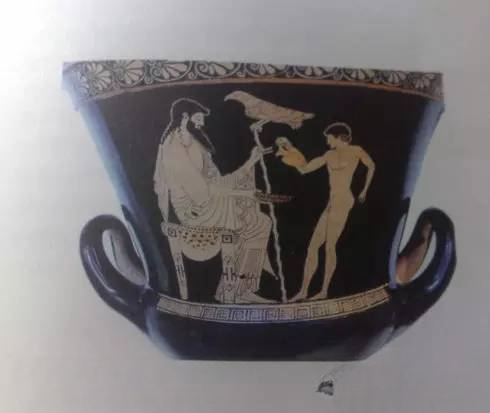
From the furniture in the vase paintings and relief patterns of ancient Greece, we can see that the joints between woods are made of wood tips (circular cross-section) and tenons (rectangular cross-section); the seats or backrests of chairs are often woven with leather strips or leather ropes. In the 7th century BC, the Greeks learned turning and made the legs of furniture into round shapes.
3. Furniture decoration
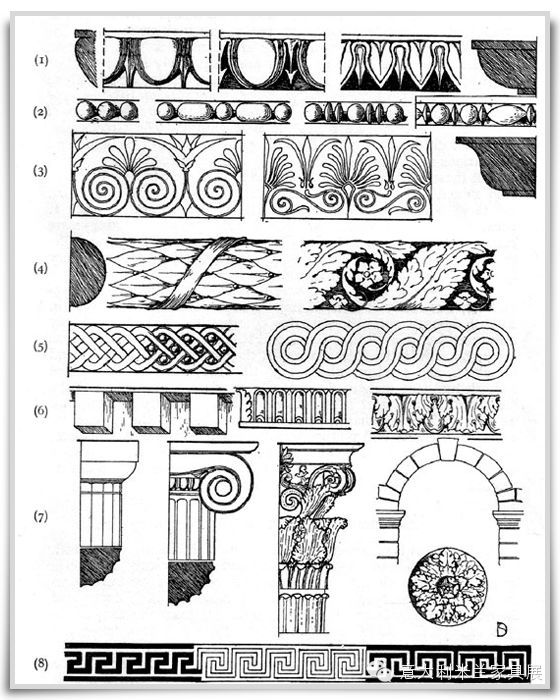
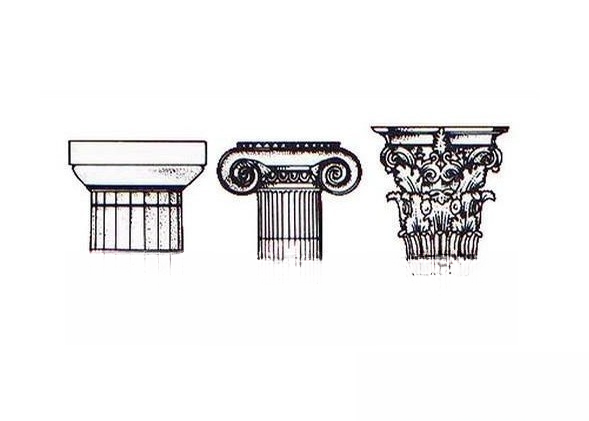
The origin of the decorative style of ancient Greek furniture was influenced by three column styles: Doric, Ionic and Corinthian. The legs are usually carved with rosettes and a pair of palm leaves, with the palm leaves cut away to create a "C" shaped spiral cut.
After the 5th century BC, new forms of ancient Greek furniture appeared, including seats, beds, boxes, cabinets and tables. The shape of ancient Greek furniture became more rational, and began to pay attention to the concept of "number", seeking to match the proportions, so that the furniture itself can be more suitable for the human body. Furniture was designed based on human scale, and the understanding of human proportions developed into the golden ratio system.
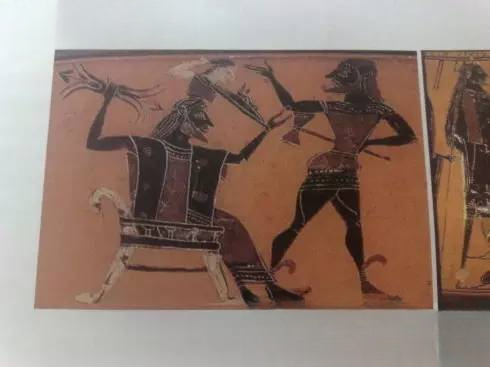
Representative works of ancient Greek furniture:
1. Christmas Chair
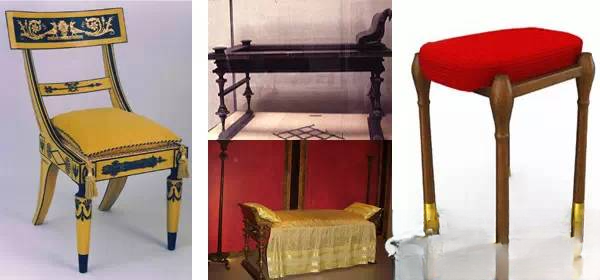
In ancient Greece, the most primitive chair was the Klismos chair for women, which fully demonstrated the wisdom and ingenuity of the ancient Greeks.
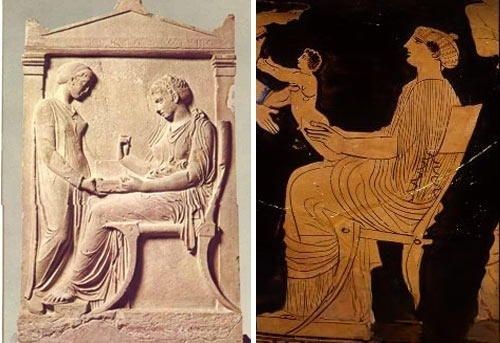
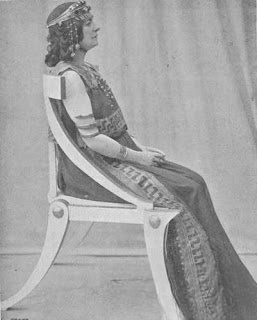
Although no physical object of Klismos has been preserved in later generations, its form, structure and appearance show that the craftsmen at that time had already possessed quite advanced skills. The three pictures above are the later reference pictures found by the editor.
This chair is composed of a backrest that fits the curve of the human back and outward curved knife-shaped legs. The seat is woven with leather strips and a silk cushion is placed on it. There is almost no other additional decoration on the surface. The lines of this chair are extremely beautiful, light and convenient. From a mechanical point of view, it is also very scientific. It forms a sharp contrast with the rigid lines of early Greek furniture and ancient Egyptian furniture.
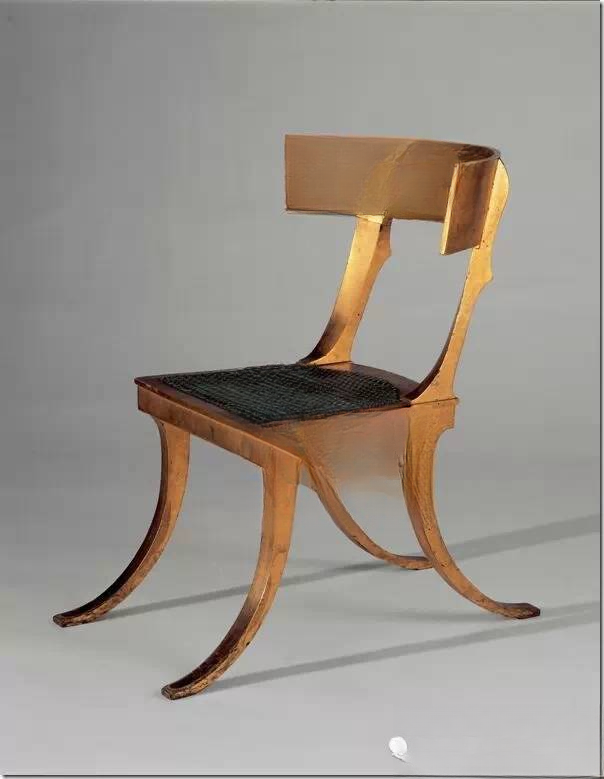
Chair based on the Christmas chair
Some people speculate that the legs of this chair may be bent by heating, because it is difficult to achieve the strength requirements of sawn bent parts. If this speculation is correct, it shows that the skilled craftsmen at that time had mastered very advanced technology. The Christmas chair has been used as a reference by many furniture designers in later generations. For example, Adam in the UK once designed a popular dining chair based on it.
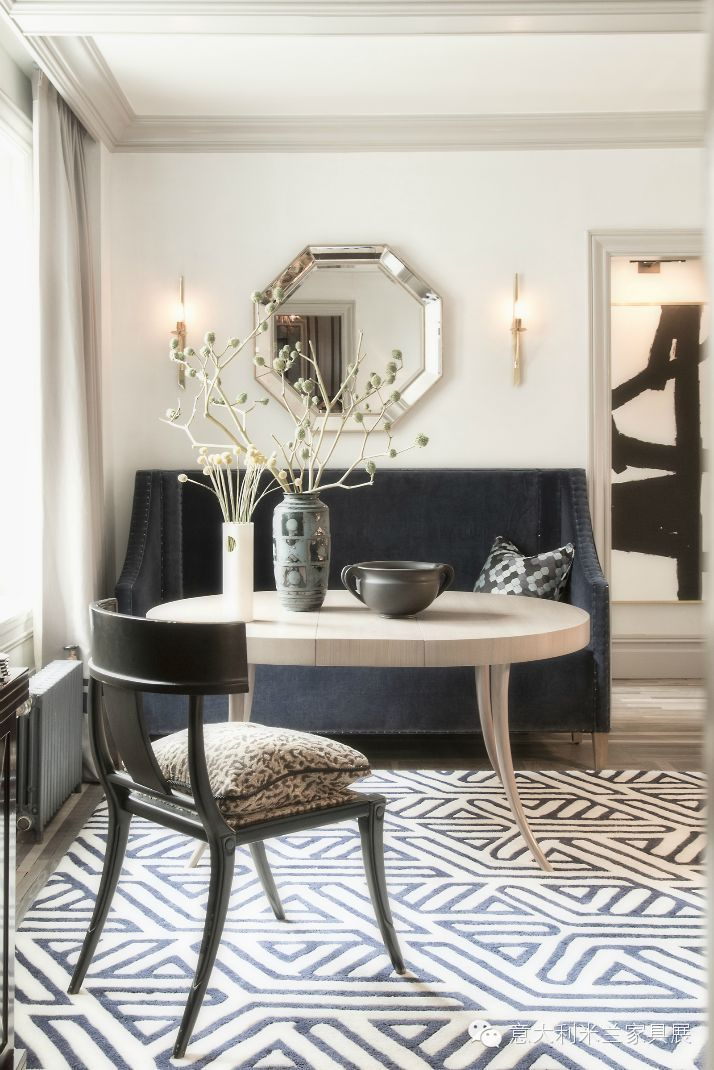
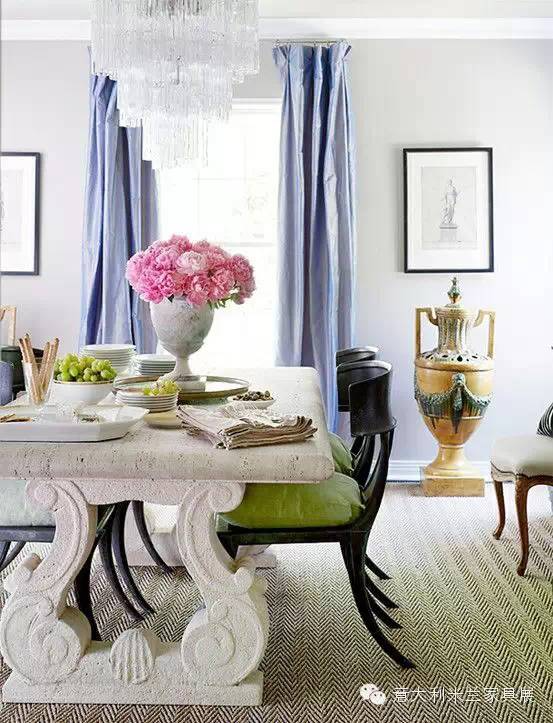
Various chairs based on the Christmas chair are still popular today.
2. Kleine Lounge Chair
The Greeks were very hospitable. In their dining rooms, they placed armchairs along the walls, called Klines. A small table was placed under the chair, which could be pulled out when needed and on which food and drinks could be placed. At that time, there were no large dining tables in Greece, and this small table played multiple roles at the same time. This chair evolved from the bed in ancient Egypt, but the footrest and bracket disappeared. Cushions and long pillows were placed on the part of the head where the front foot was higher than the bed to support the upper body. After eating, the table was placed under the bed, and then people would lie on the chair to talk or rest.
For men in ancient Greece, this reclining chair was the most important piece of furniture, serving as a dining chair, reclining chair and bed. The frame and legs of the reclining chair were often decorated with inlaid gems, ivory, metal, etc., and the bed surface was woven with leather belts.
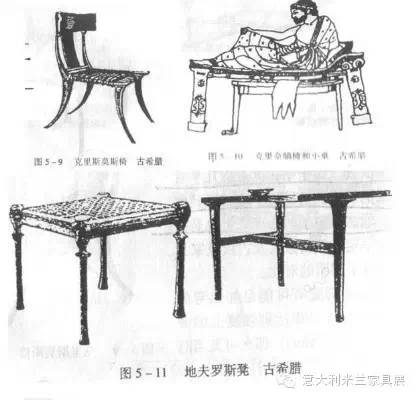
Above left: Christmas Chair
Above right: Kleine Lounge Chair
Bottom left: De Vros Stool
3. De Vros Stool
The most popular seat used by Greeks in homes and public places was the Diphms four-legged stool. Its seat was made of leather strips, and cushions were placed on it when in use. In addition, there was a folding stool called Diphros Okladias, whose legs imitated the legs of animals such as cows or lions and crossed in an "X" shape. Although the shape was simple, it was still a seat used by officials or parliamentarians in public places to show their authority.
4. Kibotos Box
The storage furniture of ancient Greece was the same as that of ancient Egypt, in that it did not have racks with doors or cabinets with drawers. This could be said to be a major feature of the furniture at that time.
The representative storage furniture of this period was a box with a lid, called a Gibtoss. In ancient Greek families, things that were not often used were hung on the walls of the dining room and living room, food was placed in pots and large boxes, valuables such as mirrors and gems were placed in small boxes, and textile materials and household items were placed in baskets woven with small branches.
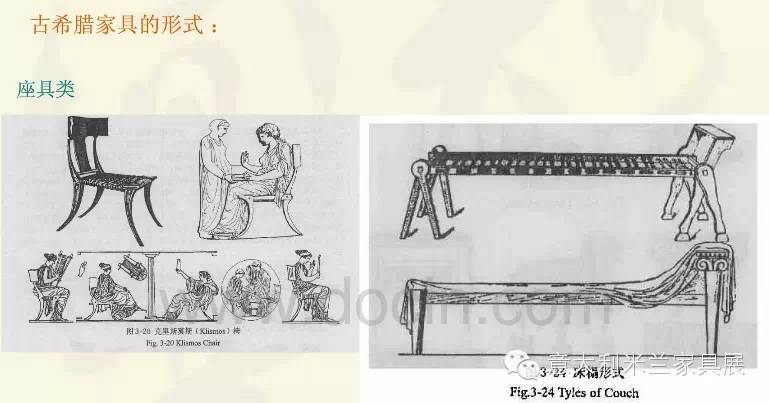
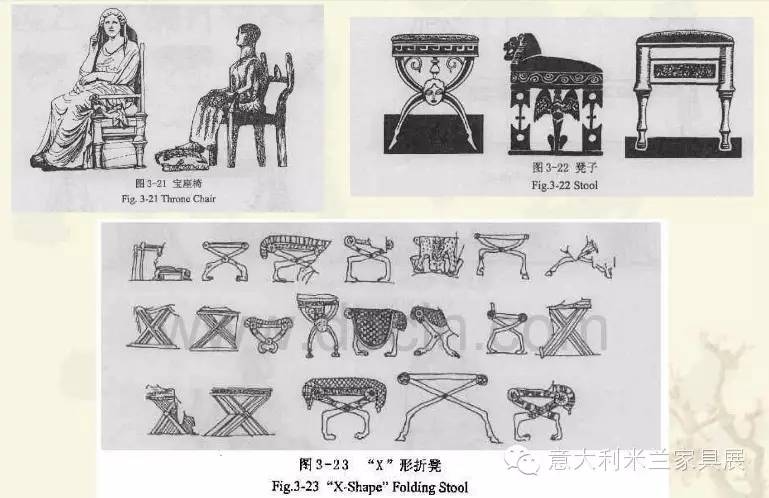
Sheraton, a furniture designer in London, England, also used ancient Greek furniture as a sample to create furniture that focused on functionality and had simple shapes to replace the Rococo furniture with complicated decorations. This was the Sheraton-style furniture that later became widely popular.
4. Ancient Roman Furniture
Ancient Roman furniture continued the style of ancient Greek furniture and took it a step further, fully embodying the national characteristics, that is, the heroism of the Roman Empire and the power and majesty of the rulers were revealed and displayed on the furniture.
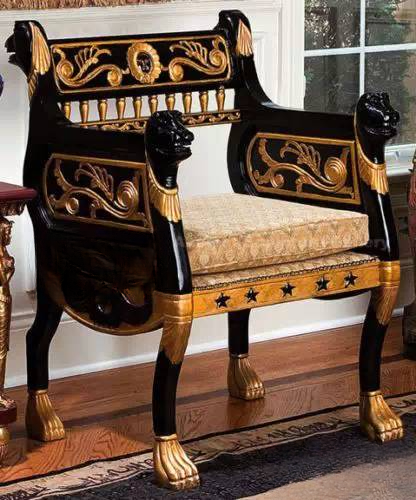
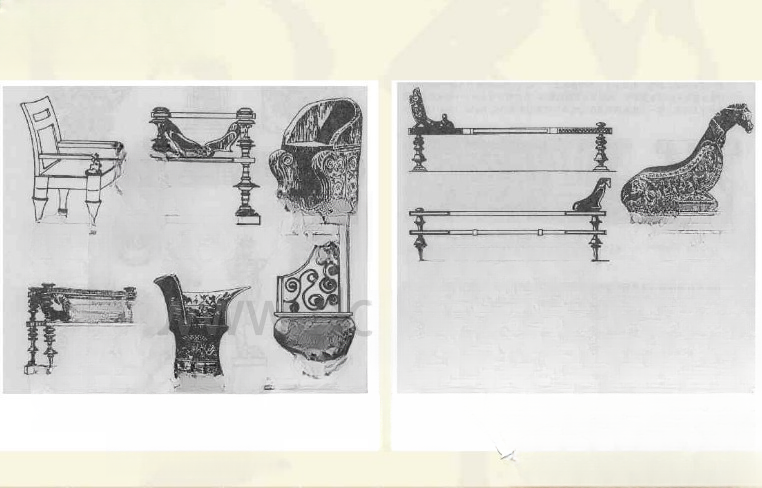
No wooden furniture from the Roman period has survived to this day, but among the objects unearthed from the ancient city of Pompeii, we can see some well-preserved furniture made of marble, iron or bronze.
Style features:
Ancient Roman furniture has a luxurious look. Although influenced by Greece in shape and decoration, it has the solid and solemn style of the ancient Roman Empire. Greece is known for its briskness and freshness, while Rome is known for its solidity and dullness. The furniture is finely carved, especially the molded figures and plant decorations. The animal-foot-shaped furniture legs are more solid than those of Egypt, and the characteristics of wood turning are clearly reflected in the repeated deep groove design. Common patterns include eagles, winged lions, goddesses of victory, laurel wreaths, curling grass, etc. The actual furniture such as chairs, tables, couches, etc. seen in the heyday are all made of bronze or marble.
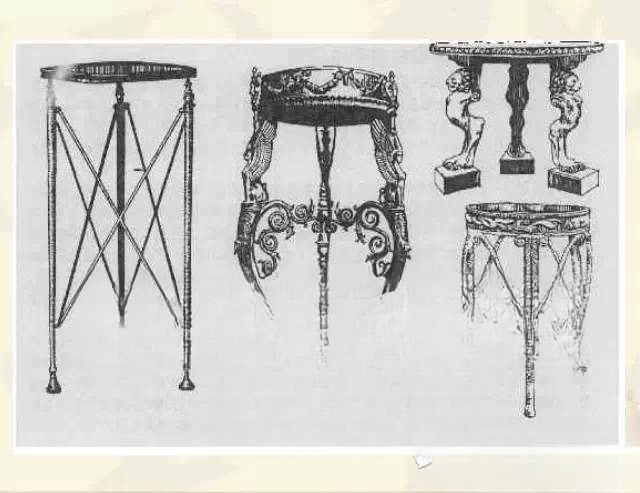
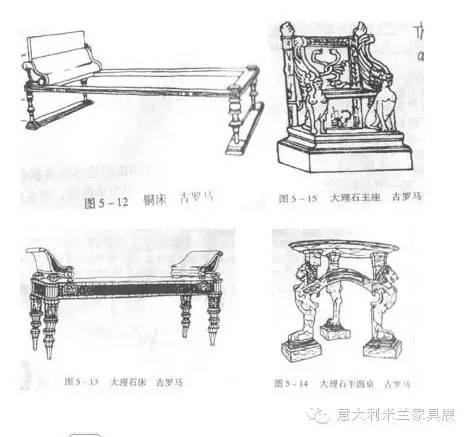
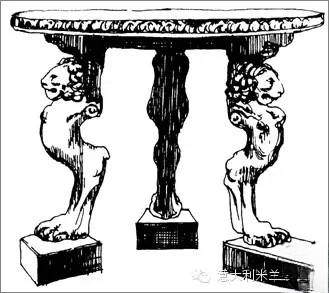
Representative works of ancient Roman furniture:
1. Lektas Lounge Chair
Influenced by the lifestyle of the ancient Greeks, the ancient Romans still had the habit of eating on reclining chairs. The reclining chairs used by the Romans were roughly the same as the Greek crenelis, called Lectus.
The recliner basically uses turned legs, and the head of the bed is equipped with "S"-shaped armrests and headrests. The Metropolitan Art Museum in New York, USA, has an ancient Roman marble bed, which uses exquisite inlay decoration and is matched with a step platform, becoming an outstanding work of high artistic quality.
2. Marble Table
The Romans also created many new types of tables, including three-legged tables for wall decoration. The tabletop is semicircular, the panel is thick, mostly made of marble, and the feet are in the shape of lion feet.
3. Throne
The marble throne from ancient Rome, housed in the Louvre Museum in Paris, has statues of the Sphinx from Greek mythology on its left and right, and a mythological relief on the backrest. It is a throne that symbolizes identity and status.
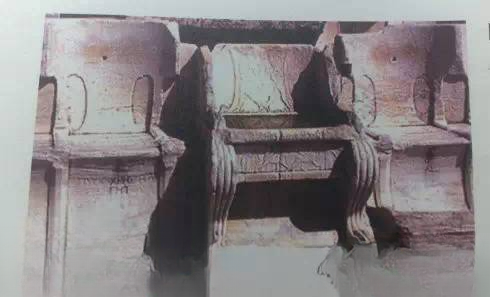
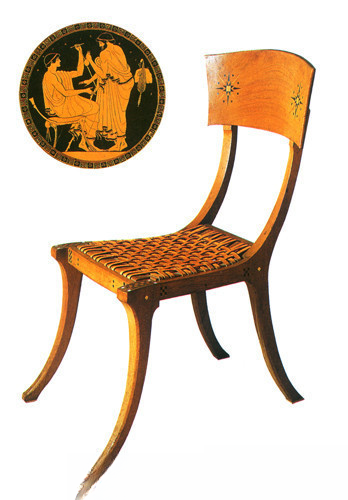
Women in the upper class of ancient Rome liked to use the ancient Greek Chrismos chair, but it has undergone some changes and lost its original elegance. Women in ancient Rome preferred to use a round armchair made of wicker with armrests and backrests integrated when dressing. Judging from the furniture shown in the relief carving on a tombstone, it is very close to the modern round chair. This chair is light and easy to move, has a woody feel, and is more popular than cold marble.