Useful Tips | Common Garden Pests Identification and Control Methods!
Pest and disease control is a lifelong battle for nursery workers. So, how well do you understand your enemy? As the saying goes, "Know yourself and know your enemy, and you will never be defeated." Here are 18 common garden pests and their control methods —you're welcome!
1. Aphids
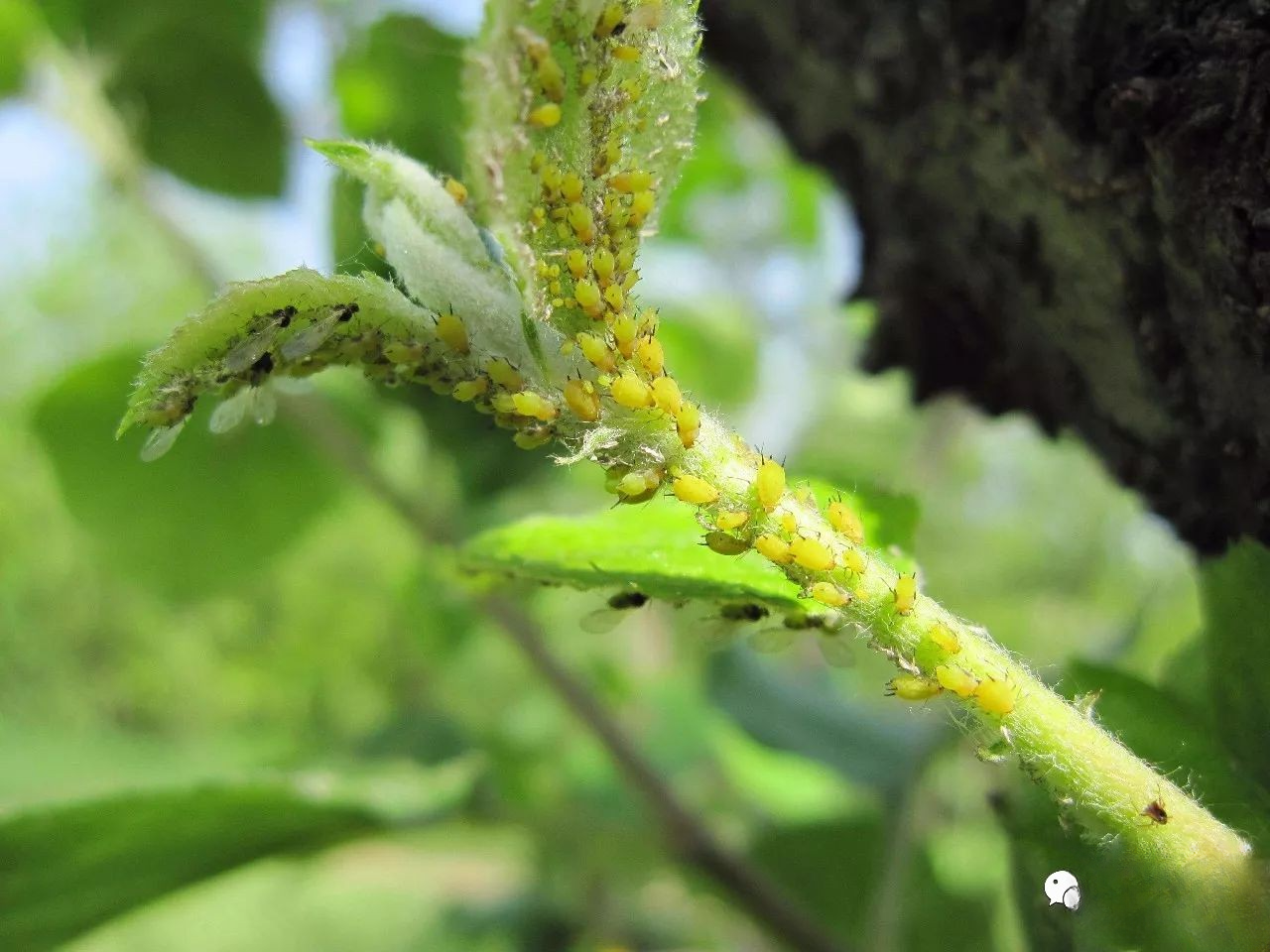
Peach aphid
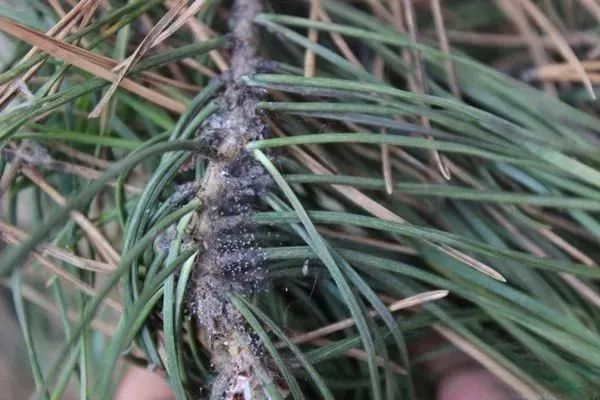
Peach aphid
Hibiscus, peach blossoms, roses, honeysuckle, and other plants are all susceptible to aphid infestations. As temperatures rise, the number of aphids also increases.
Prevention and control methods:
1. Spray with a dilution of 1000-1500 times.
2. For a small number of potted plants, you can also spray them with a 70-100 times diluted solution of neutral laundry detergent.
2. Red spider
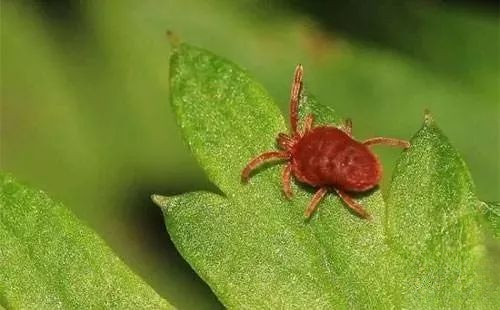
The damage to jasmine, hibiscus, asparagus fern, rose, dahlia, and other plants begins in early April.
Prevention and control methods:
1. You can spray "Tuer" at a dilution of 2000-4000 times.
2. For a small number of potted plants, frequently rinse the front and back of the leaves with tap water, or spray or dip them in a 100-150 times diluted paste of boiled and cooled water. Rinse them with clean water again after a day or two. This will produce noticeable results.
3. Scale insects
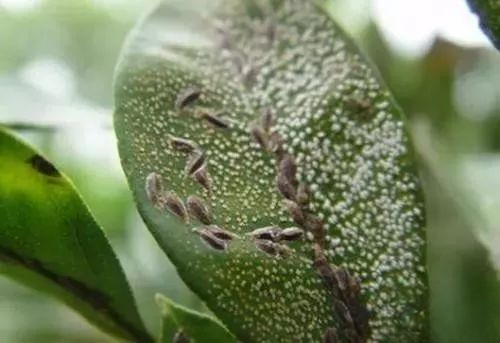
Scale insects on succulents, magnolias, roses, boxwoods, and pittosporum usually begin to hatch from mid-April to mid-to-late May.
Prevention and control methods:
1) Gently brush off the insects before they hatch.
2) Spray "Shield Scale" at a dilution of 600-1000 times during the larval hatching period.
3) Dilute white wine with water in a 1:2 ratio. Water the surface of the potting soil thoroughly when treating the pests. Scale insects begin to become active when the room temperature reaches 7℃ in spring. Water once in mid-April, and then once every two weeks thereafter, for a total of four treatments to see results.
4) Soak a small cotton ball in 50 ml of vinegar (rice vinegar), then gently wipe the affected stems and leaves of the plant with the damp cotton ball to remove and kill the scale insects. This method is convenient and safe, achieving both pest control and restoring the green and glossy appearance of the affected leaves.
5) Gently and repeatedly wiping the diseased plant with alcohol can remove scale insects very cleanly and thoroughly. When wiping diseased orchid leaves with alcohol, not only can scale insects be removed, but even larvae that are not visible to the naked eye are completely killed. Scale insect damage is rarely found the following year. This method is simple, safe, and effective.
6) Prepare a stock solution by mixing diesel oil, laundry detergent, and water in a ratio of 10:0.6:6. This stock solution will contain 60% oil and have a milky consistency. Dilute the oil-containing solution with water to a 30% concentration, then carefully spray it onto the scale insects on the plants (Aglaia odorata, Kumquat, and Cycas revoluta). After one week, most of the scale insects will have changed from their original fresh orange color to a shriveled state, indicating that this method has a good control effect on scale insects.
4. Chinese Scholar Tree Looper (Legoptera)
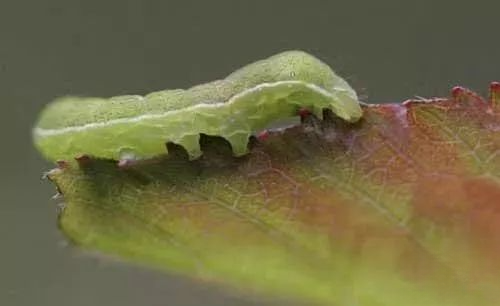
Damage: It mainly damages Chinese locust and weeping willow trees. The larvae feed on the leaves. In severe cases, they can eat all the leaves, excrete a lot of feces, and spin silk that hangs down, polluting the garden.
Life cycle: There are three generations per year. The larvae overwinter as pupae in the soil under trees. They emerge as adults in mid-April of the following year. Adults rest in shrubs and bushes during the day and are active at night to lay eggs. They are attracted to light. The first generation causes damage in mid-May, the second generation in late June, and the third generation in early August. After the larvae mature, they spin silk and descend into the soil to pupate.
Chemical control : ① Spray "Jieke" (20% flufenoxuron and phoxim) at 1000-1500 times dilution; ② Spray "Yewuyou" (3% abamectin and chlorpyrifos) at 1000-1500 times dilution; ③ Spray "Youta" (1.14% emamectin benzoate) at 2000-3000 times dilution; ④ Spray the latest generation of pyrethroid insecticide "Dike" microcapsule suspension at 1000-1500 times dilution.
5. Mulberry-winged Geometrid moth (Lepidoptera)
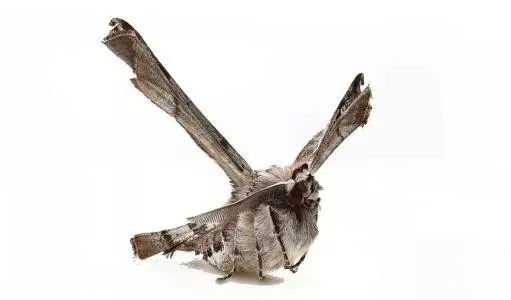
Damage affects: Poplar, willow, elm, goldenrain tree, ash, pomegranate, mulberry, crabapple, peach, lilac, honeysuckle, and Sophora japonica, etc.
Life cycle: One generation per year. It overwinters as a pupa in the soil, emerges as an adult in early April of the following year, causes damage in May, and pupates in the soil from late May to early June.
Integrated control methods: Prune branches carrying eggs in early April and apply pesticides. Alternatively, spray with ① "Jieke" (20% flufenoxuron-methyl + phoxim) at a dilution of 1000-1500 times; ② "Yewuyou" (3% abamectin + chlorpyrifos) at a dilution of 1000-1500 times; ③ "Youta" (1.14% emamectin benzoate) at a dilution of 2000-3000 times; ④ the latest generation of pyrethroid insecticide "Dike" microcapsule suspension at a dilution of 1000-1500 times.
6. Yellow-spotted moth (also known as the yellow-spotted moth, or the yellow-spotted caterpillar) (Lepidoptera)
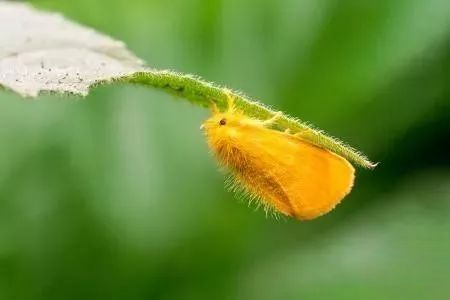
Damage situation: It damages more than 120 species of trees and flowers, such as poplar, willow, elm, black locust, cherry blossom, wintersweet, crabapple, rose, yellow rose, crape myrtle, lilac, peony, hibiscus, sycamore, etc.
Life cycle: One generation per year. Mature larvae pupate and overwinter in cocoons resembling sparrow eggs, which are brown and white striped and located on branches or rough bark. Adults emerge in May of the following year and lay eggs on the underside of leaves. From June to July, larvae gather on leaves to feed, disperse in August, and overwinter in cocoons on branches in September. Adults are attracted to light.
Integrated pest management methods: ① Remove cocoons from branches to reduce the source of insects; ② Remove and kill clustered larvae on leaves before the third instar; ③ Spray with "Jieke" (20% flufenoxuron + phoxim) at a dilution of 1000-1500 times; ④ Spray with "Yewuyou" (3% abamectin + chlorpyrifos) at a dilution of 1000-1500 times; ⑤ Spray with "Youta" (1.14% emamectin benzoate) at a dilution of 2000-3000 times; ⑥ Spray with the latest generation of pyrethroid insecticide "Dike" microcapsule suspension at a dilution of 1000-1500 times.
7. Brown tussock moth (also known as "Bazi"), Lepidoptera
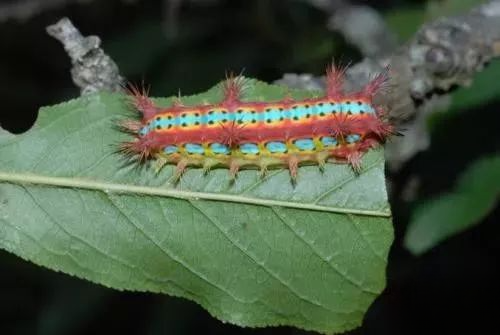
Damage situation: It damages more than 120 species of trees and flowers, such as poplar, willow, elm, black locust, cherry blossom, wintersweet, crabapple, rose, yellow rose, crape myrtle, lilac, peony, hibiscus, sycamore, etc.
Life cycle: One generation per year, with mature larvae burrowing into the soil to spin cocoons and pupate over the winter. Other aspects are the same as those of the yellow-spotted moth.
Integrated pest management methods: ① Remove cocoons from branches to reduce the source of insects; ② Remove and kill clustered larvae on leaves before the third instar; ③ Spray with "Jieke" (20% flufenoxuron and phoxim) at a dilution of 1000-1500 times; ④ Spray with "Yewuyou" at a dilution of 1000-1500 times; ⑤ Spray with "Youta" at a dilution of 2000-3000 times; ⑥ Spray with the latest generation of pyrethroid insecticide "Dike" microcapsule suspension at a dilution of 1000-1500 times.
8. Willow tussock moth, Lepidoptera (caterpillar)
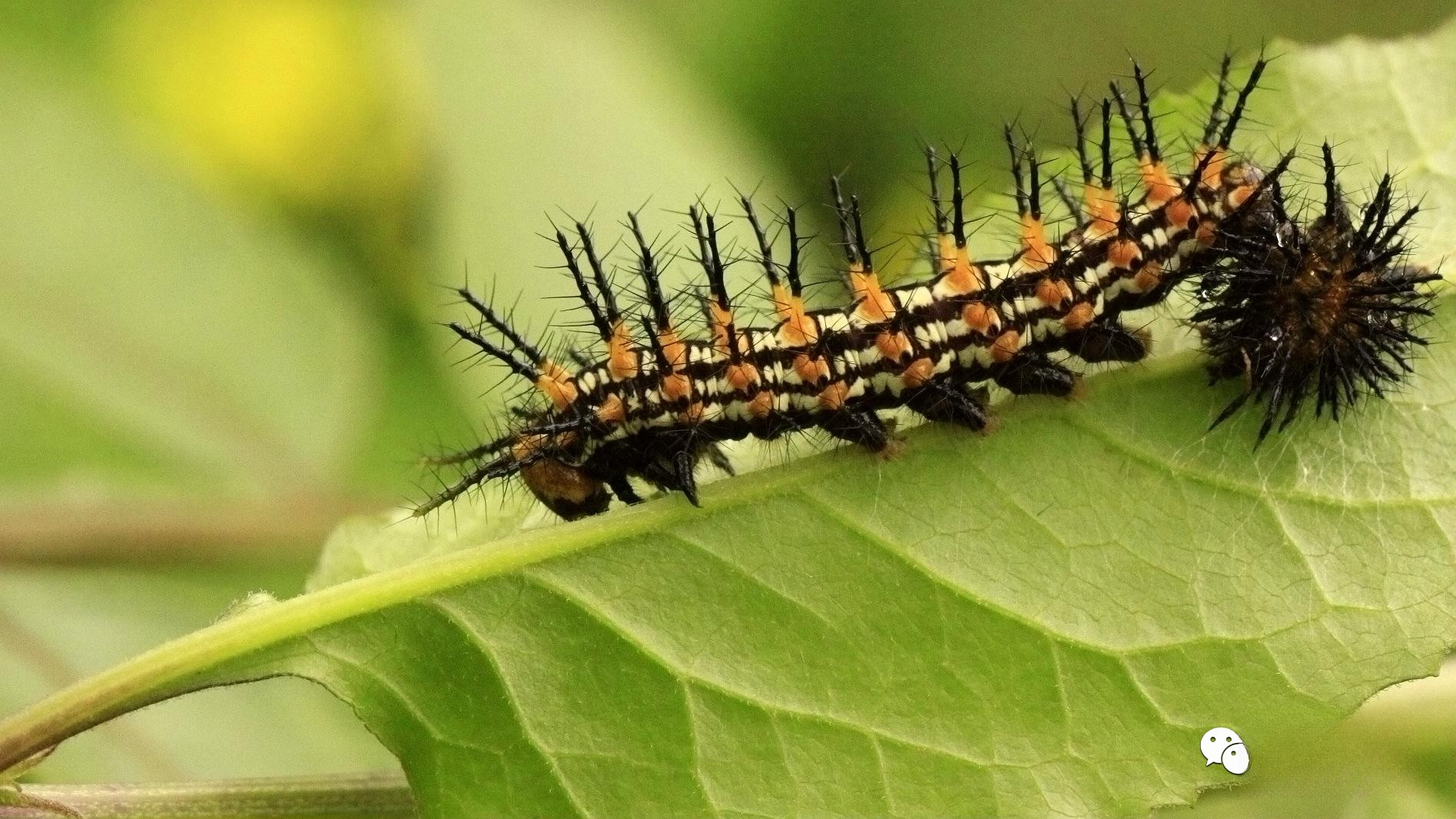
Damage: It mainly damages poplar, weeping willow, white poplar, drought-resistant willow, and bun-shaped willow, and in severe cases it can completely defoliate the trees.
Life cycle: Two generations per year. The larvae overwinter as second-instar larvae in tree crevices in September. The larvae emerge from their cocoons in April of the following year to cause damage. They pupate in mid-June, and adults emerge and lay eggs at the end of June. The first generation causes damage in July, and the second generation in mid-September. The larvae hide under the bark of the trunk during the day and emerge to feed in the evening.
Integrated control methods : ① Apply a 20-fold dilution of 80% dichlorvos to the tree trunk to kill larvae under the tree; ② Chemical control: Spray with "Youta" at a dilution of 2000-3000 times.
9. Ulmus tussock moth (Lepidoptera)
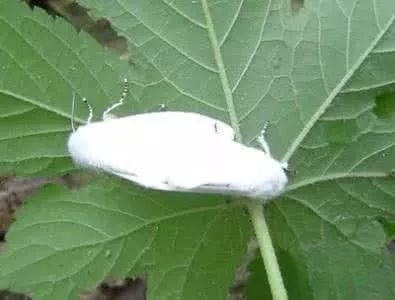
Damage: Primarily damages elm, peach, and crabapple trees.
Life cycle: Two generations per year, overwintering as larvae in bark crevices. Larvae are active and cause damage in April and May of the following year. They pupate and emerge as adults in mid-June. The first generation of larvae can be seen in late June, pupating and emerging in July and August. The second generation of larvae appears in September and October and begins to spin cocoons to overwinter. It often causes damage in combination with the elm leaf beetle, which can be used for both control.
Integrated control methods: ① Apply a 20-fold dilution of 80% dichlorvos to the tree trunk to kill larvae under the tree; ② Chemical control: Spray with "Youta" at a dilution of 2000-3000 times.
10. Tent caterpillar (Lepidoptera) (also known as the needle caterpillar)
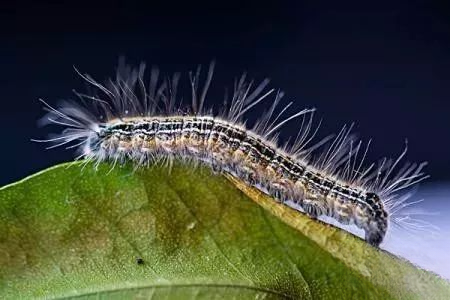
Damage: Primarily affects mountain peach, poplar, willow, elm, pear, crabapple, elm-leaf plum, purple-leaf plum, peach blossom, yellow rose, and boxwood.
Life cycle: One generation per year, overwintering as eggs, with egg masses laid in the shape of thimbles on twigs. The larvae hatch in April of the following year and gather in groups at the forks of branches, spinning webs and feeding at night. In May, the larvae spin cocoons inside the webs to pupate, and 15 days later, the adults that emerge lay eggs to overwinter.
Comprehensive control methods: ① Combine winter pruning to remove branches that are about to produce eggs; ② Chemical control: spray with "Youta" at a dilution of 2000-3000 times.
11. Armyworm
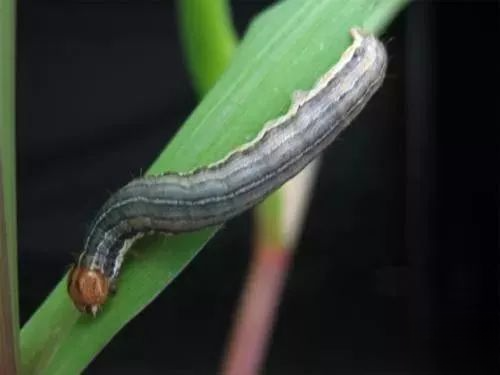
Damage situation: It seriously damages lawns in our city.
Life habits: Same as above. This insect cannot overwinter in this city. The adults are strong fliers and migrate from other places to lay eggs on lawns. The larvae cause damage in June.
Chemical control: ① Spray "Jieke" (20% flufenoxuron and phoxim) at 1000-1500 times dilution; ② Spray "Yewuyou" (3% abamectin and chlorpyrifos) at 1000-1500 times dilution; ③ Spray "Youta" (1.14% emamectin benzoate) at 2000-3000 times dilution; ④ Spray the latest generation of pyrethroid insecticide "Dike" microcapsule suspension at 1000-1500 times dilution.
12. Large bridge-building insect (Lepidoptera)
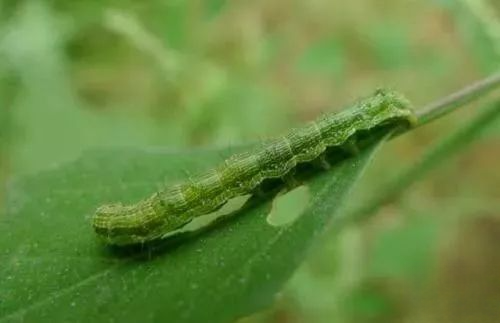
Damage: Damages mallow, rose, Chinese rose, hibiscus, and crabapple; larvae feed on leaves and tender stems.
Life cycle: 3-4 generations per year. It overwinters as a pupa in the soil. The period of damage is from June to September. In early October, the mature larvae enter the soil to overwinter.
Chemical control: ① Spray "Jieke" (20% flufenoxuron and phoxim) at 1000-1500 times dilution; ② Spray "Yewuyou" (3% abamectin and chlorpyrifos) at 1000-1500 times dilution; ③ Spray "Youta" (1.14% emamectin benzoate) at 2000-3000 times dilution; ④ Spray the latest generation of pyrethroid insecticide "Dike" microcapsule suspension at 1000-1500 times dilution.
13. Short-horned grasshopper (Orthoptera) (pointed-head grasshopper)
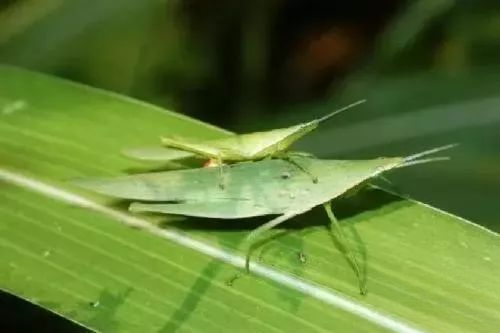
Damage: It damages roses, gardenias, Buddha's hand citrons, hibiscus, hibiscus syriacus, various flowering plants, lawns, and ground cover plants.
Life cycle: Two generations per year, overwintering as eggs in the soil, with the peak hatching period being May-June. The most severe period of damage is July-August, and eggs are laid in the soil embankments on both sides of irrigation canals in September.
Chemical control: ① Spray "Jieke" (20% flufenoxuron and phoxim) at 1000-1500 times dilution; ② Spray "Yewuyou" (3% abamectin and chlorpyrifos) at 1000-1500 times dilution; ③ Spray "Youta" (1.14% emamectin benzoate) at 2000-3000 times dilution; ④ Spray the latest generation of pyrethroid insecticide "Dike" microcapsule suspension at 1000-1500 times dilution.
14. Green-green scarab beetle (Coleoptera) (buzzing)
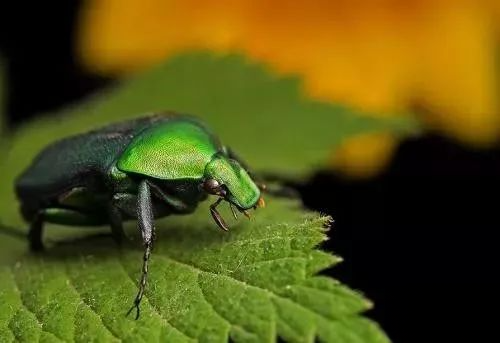
Damage: Adults damage the tender leaves and shoots of various seedlings and flower seedlings, while larvae prefer to feed on the roots of various trees, flowers, and lawns.
Life cycle: One generation per year, overwintering as larvae in the soil. The following year, from June to July, they pupate and emerge as adults. During the day, they burrow into the soil, feeding on leaf tips, and mate to lay eggs in the field. The larvae (white grubs) are underground pests. Adults exhibit feigning death and phototaxis.
Integrated pest management methods: ① Apply "Jiuban" granules at a depth of 3-6 grams per m²; ② Apply "Tulong" at a dilution of 500-1000 times by watering; ④ Spray with "Dike" microcapsule suspension, the latest generation of pyrethroid insecticides in the world, at a dilution of 1000-1500 times.
15. Grassland hawk
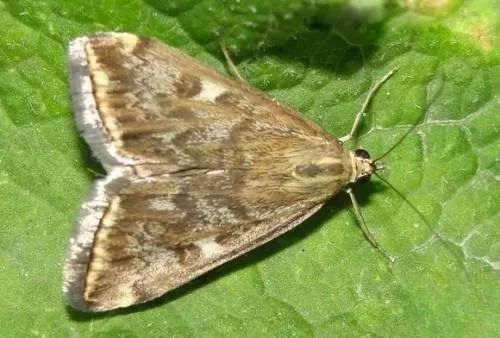
Damage: It damages various types of flowering plants and lawns.
Living habits: 3-4 generations per year, same as above.
Chemical control: ① Spray "Jieke" (20% flufenoxuron and phoxim) at 1000-1500 times dilution; ② Spray "Yewuyou" (3% abamectin and chlorpyrifos) at 1000-1500 times dilution; ③ Spray "Youta" (1.14% emamectin benzoate) at 2000-3000 times dilution; ④ Spray the latest generation of pyrethroid insecticide "Dike" microcapsule suspension at 1000-1500 times dilution.
16. Pale sword moth
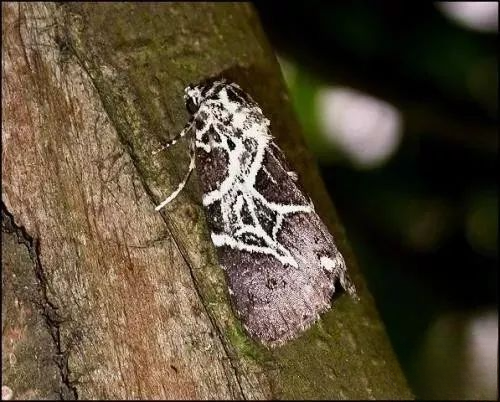
Damage: Damages lawn grasses.
Life cycle: There are 4-5 generations per year. The larvae are nocturnal and overwinter in the soil. The first generation of larvae cause damage in May.
Chemical control: ① Spray "Jieke" (20% flufenoxuron and phoxim) at 1000-1500 times dilution; ② Spray "Yewuyou" (3% abamectin and chlorpyrifos) at 1000-1500 times dilution; ③ Spray "Youta" (1.14% emamectin benzoate) at 2000-3000 times dilution; ④ Spray the latest generation of pyrethroid insecticide "Dike" microcapsule suspension at 1000-1500 times dilution.
17. Poplar Leaf Beetle
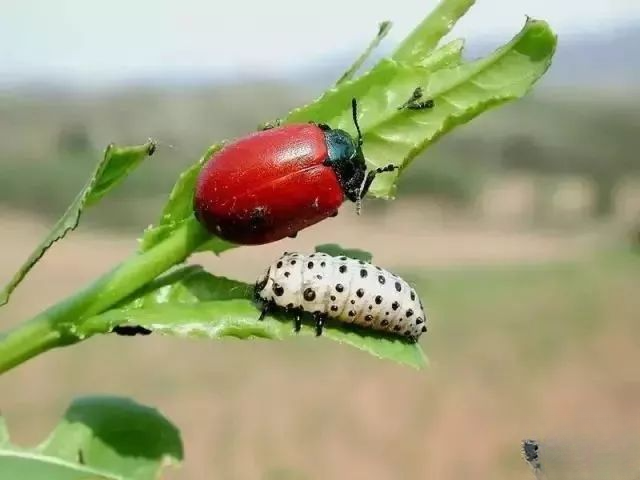
Damage: Primarily affects poplar trees, but also damages willow trees.
Life cycle: One generation per year. Larvae overwinter as eggs in the soil, hatching in May of the following year and emerging to cause damage. The larvae feed on the roots on the soil surface. Adults feed on tender leaves and shoots. Damage is most severe in June and July. Adults lay eggs in the soil to overwinter in August. Adults exhibit feigning death and phototaxis.
Integrated control methods: Refer to the control methods for green scarab beetles.
18. Purple Leaf Beetle of the Elm
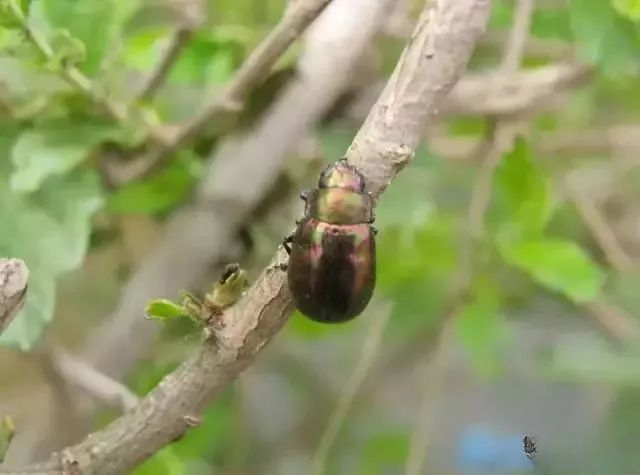
Damage: It damages elm trees.
Life cycle: Three generations per year. Adults overwinter in grass. Eggs are laid on the underside of leaves, with a maximum of 1500 eggs per batch. Larvae are gregarious and feed on leaf tissue. Third instar larvae disperse. The period of damage is from May to August. Mature larvae pupate on leaves for 3-5 days, then mate and lay eggs. Adults exhibit feigning death and phototaxis.
Integrated control methods: ① Remove and eliminate larvae when they cluster together; ② For other control methods, please refer to the methods for controlling green scarab beetles.