Ultimate Skills | Pruning Branches, Flowers, and Leaves: The Best Flower Pruning Guide for You!
Those who love gardening know the importance of pruning: proper pruning can conserve plant nutrients, promote healthy growth, and enhance the aesthetic appeal of plants.
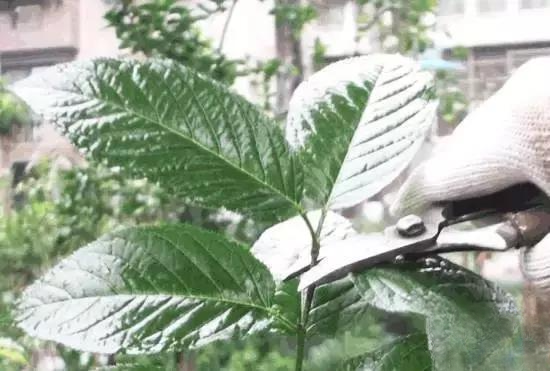
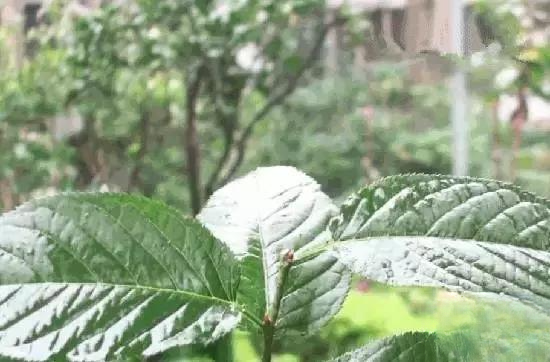
First move: Remove the heart
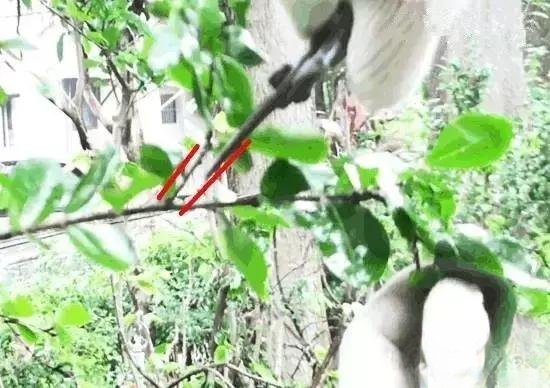
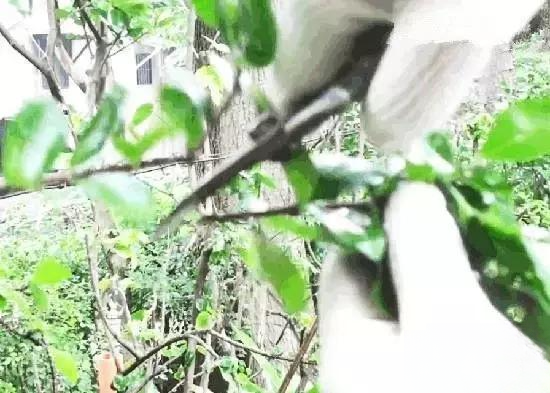
Removing the growing point of new buds at the central tip of a branch can temporarily suppress apical dominance. This method is suitable for flowers during their spring and autumn growing seasons.
Operating steps
1. The blade of the shearing clip should be parallel to the surface of the blade.
2. Simply cut it off to complete the core removal process.
2. Second trick: Plucking buds
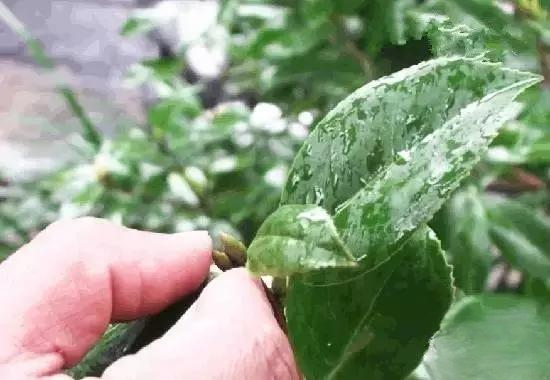
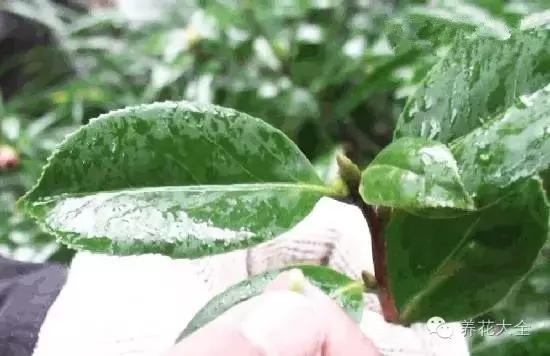
Removing lateral buds or terminal buds that sprout from the central tip of a branch can inhibit the continued extension and growth of that branch.
Operating steps
1. Pinch the new shoot with your fingers.
2. With a slight downward pull, the new shoot can be removed. This is called bud removal.
3. The third trick: picking leaves
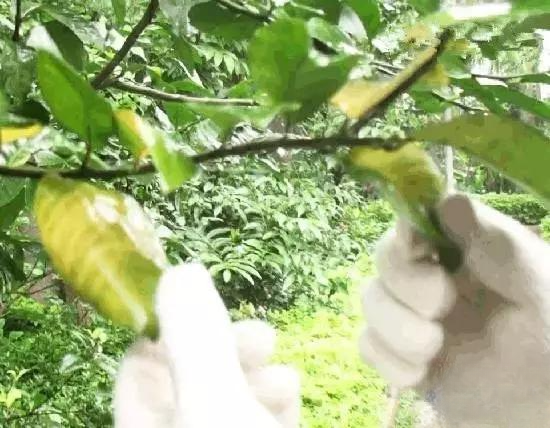
Removing or cutting off entire leaves can prevent the consumption of nutrients and water, and increase light and ventilation.
Operating steps
1. You can remove the leaves one by one by hand.
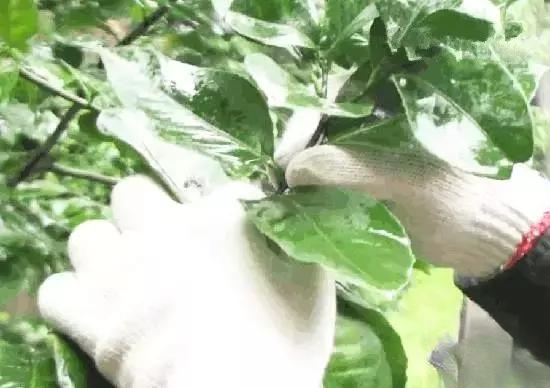
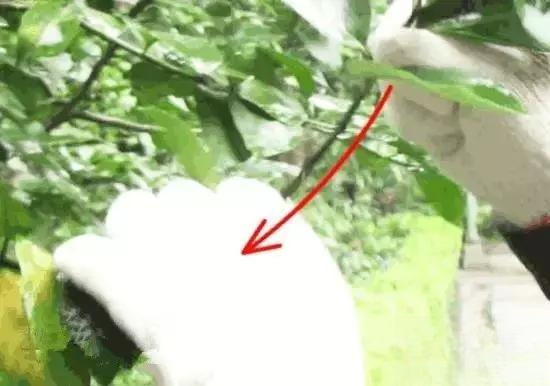
2. Alternatively, grasp the branch with your palm.
3. By forcefully pulling down along the branch, you can remove a lot of leaves at once.
4. Fourth move: Leaf trimming
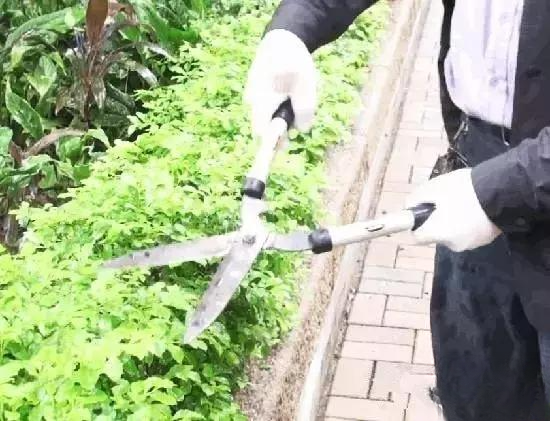
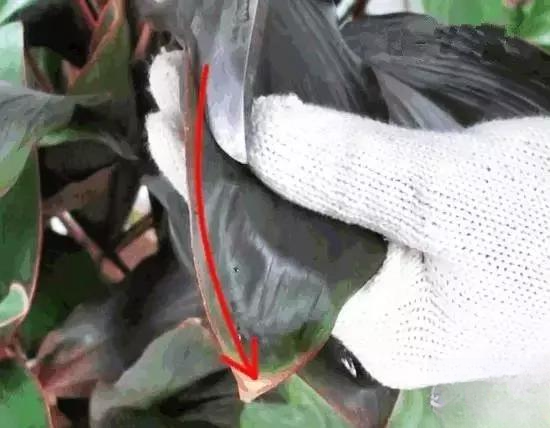
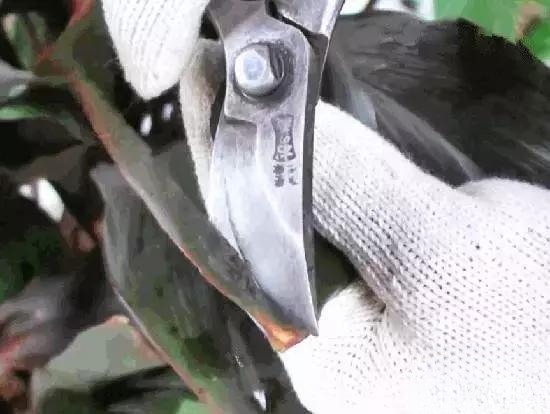
Leaf pruning refers to the act of trimming a portion of a leaf, primarily to preserve most of the leaf's tissue and only remove undesirable parts.
Operating steps
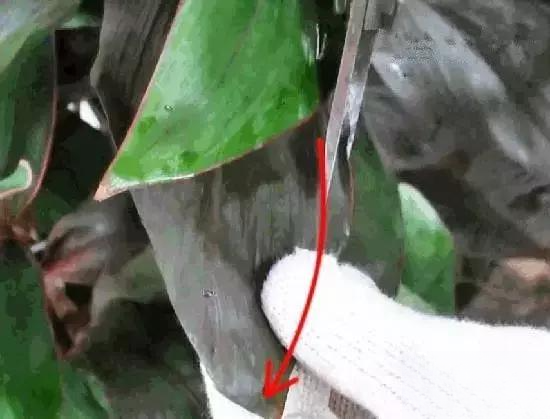
1. Trim the leaves slowly, following their shape.
2. It should have a curve; try not to cut straight lines.
3. Trim both sides of the leaves.
5. Fifth trick: Picking buds
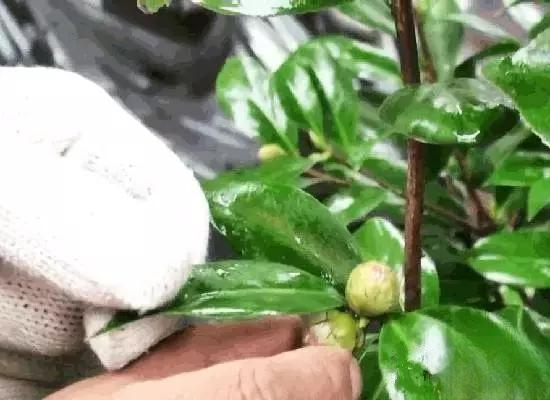
Removing immature flower buds can reduce the amount of nutrients needed for flowering. Here we take camellia as an example.
Operating steps
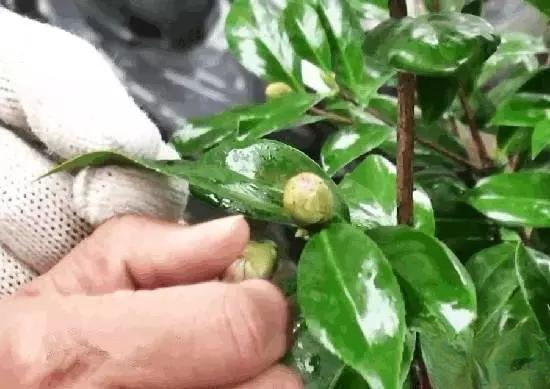
1. As shown in the picture, there are two flower buds growing side by side. Only one needs to be left on each branch. The flower bud facing away from the light doesn't have a good visual angle, so we choose to remove it. Simply pinch the flower bud with your thumb and forefinger.
2. Turn it clockwise and you can remove the flower bud.
6. Sixth trick: Picking flowers
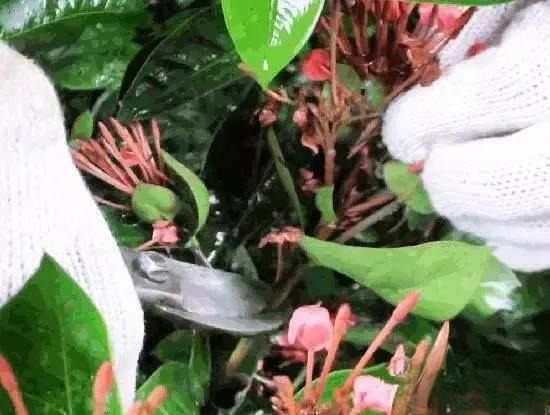
Remove mature flowers to prevent the plant from continuously consuming large amounts of nutrients due to flowering or fruiting.
Operating steps
1. To remove flowers, simply cut the part of the branch below the flower that has already begun to wither.
7. Seventh trick: Picking fruit
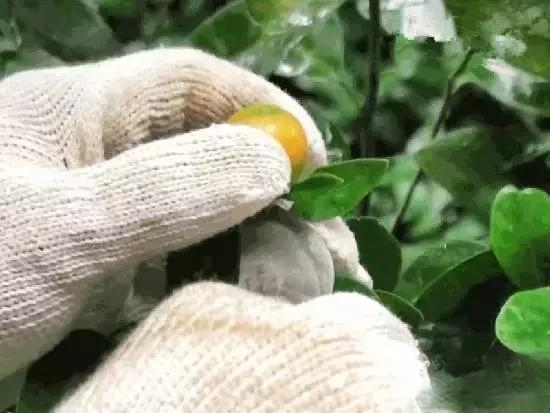
Remove ripe or unripe fruits to prevent the plant from consuming excessive nutrients and water due to a large number of fruits.
Operating steps
1. Place the scissors below the fruit stem, hold it with one hand, and cut it off with the other.
8. Eighth tip: Pruning
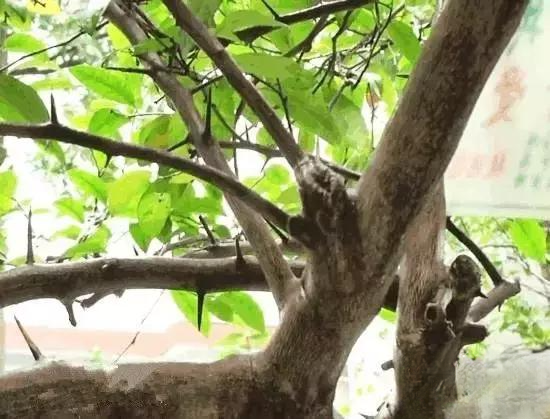
Removing the stems, branches, and trunk of a plant aims to temporarily halt its extension and growth, allowing nutrients and water to be retained.
Operation Step 1: Prune the branches with pruning shears.
1. Position the pruning shears parallel to the branch.
2. Simply cut it off.
Step 2: Prune the branches with pruning shears
1. The correct way to use pruning shears is to hold the plant in place with your left hand and move it with your right hand.
2. After pruning the branches, move them to one side so that the pruned branches and leaves fall to the side, so that they do not cover the top of the plant and affect light and ventilation.
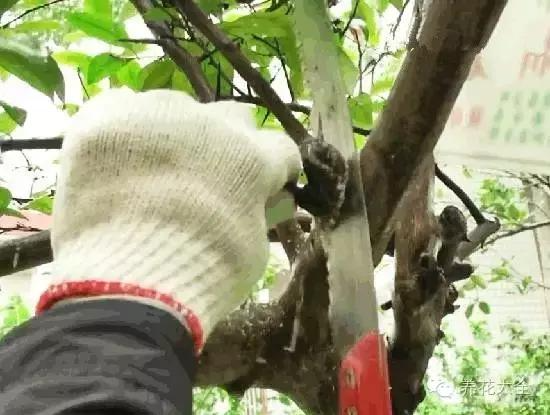
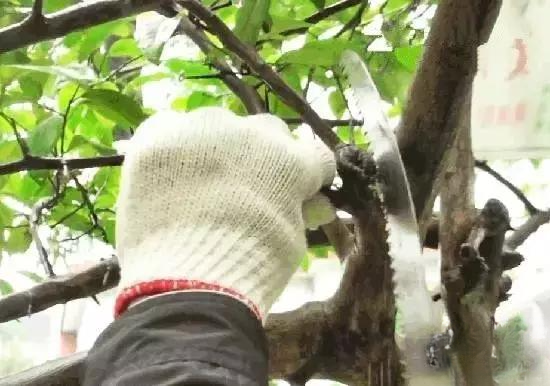
Step 3: Use a branch saw
1. Pay attention to the angle of the branches, and cut along the surface of the main branch.
2. Gently secure the branch with your hand. When using the saw, push forward lightly and pull back forcefully.
3. Saw off the branches.