To successfully grow orchids, you need to learn these five pest control methods.
To successfully cultivate orchids, it is crucial to prevent and control pests and diseases, especially after spring, when orchid pests are most likely to occur. For orchid diseases, prevention is better than cure. Even if some diseases are cured, the orchids are old, weak, or damaged, losing their ornamental and economic value. Therefore, we have summarized the prevention and control of common orchid pests for orchid enthusiasts!
1. Aphids: Aphids typically suck the sap and nutrients from tender leaves, buds, and flower buds, inhibiting plant growth and causing deformed and twisted leaves and flowers. The nectar they secrete attracts ants, leading to sooty mold or fungal diseases, and spreading these diseases to healthy orchid plants.
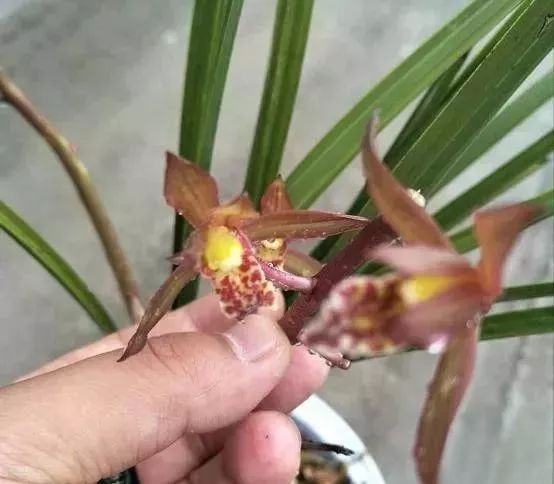
Control methods: When the amount is small, it can be brushed off by hand or brush, or rinsed with water. Spray with 2000 times diluted solution of aphid-killing agent or 2000 times diluted solution of 40% dimethoate EC once a week to increase ventilation and aeration. Apply honeydew or malachite to the pot for root absorption. This can control the disease for a long time.
2. Red spider mites: These often cluster on the undersides of leaves, sucking sap and causing silvery-white or white spots on the surface. In severe cases, webbing can be found on the undersides of leaves. Red spider mites are more likely to occur in hot and dry environments. When the temperature is above 24℃, they enter a rapid reproduction period and cannot be killed by general insecticides; acaricides must be used.
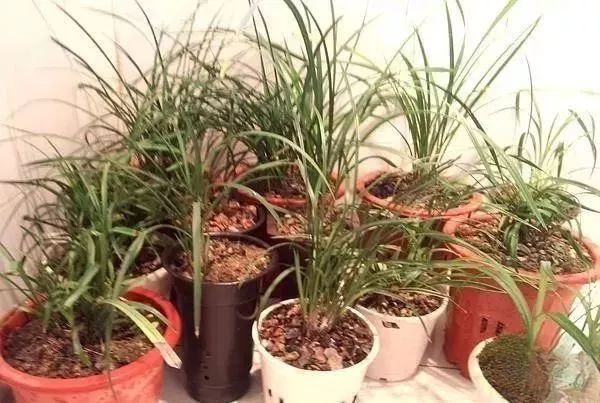
Control methods: Use trichlorfon at 1000 times dilution, abamectin at 2000 times dilution, and miticide at 1500 times dilution, spray once a week for 3-4 consecutive times. During the hot and dry summer and autumn seasons, frequently observe the undersides of orchid leaves and eliminate spider mites immediately if they are found.
3. Scale insects: The most common pests of orchids, divided into two main categories: one is a blackish-brown hard-shelled species, and the other is a white powdery species. They often attach themselves to the stems or the back of the leaves to suck sap, causing growth stagnation, destruction of chlorophyll, and the production of numerous slightly sunken pale yellow spots. In severe cases, they can lead to leaf drop and the death of the entire plant.
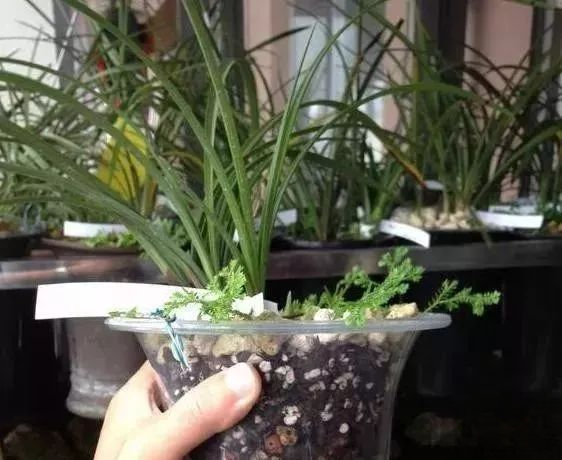
Prevention and control method: Dilute edible vinegar with water at a ratio of 1 part vinegar to 10 parts water and spray the affected area. Repeat this spraying every 7 days for a total of 3 times. This method is convenient and safe, and it not only effectively controls pests such as scale insects and aphids, but also helps affected leaves regain their green color and promotes the normal growth of orchids.
4. Ants: Ants often nest in the pot, damaging the roots. They also live in symbiosis with aphids and scale insects, spreading pests and diseases, and moving solid fertilizer, indirectly affecting the growth of orchids.
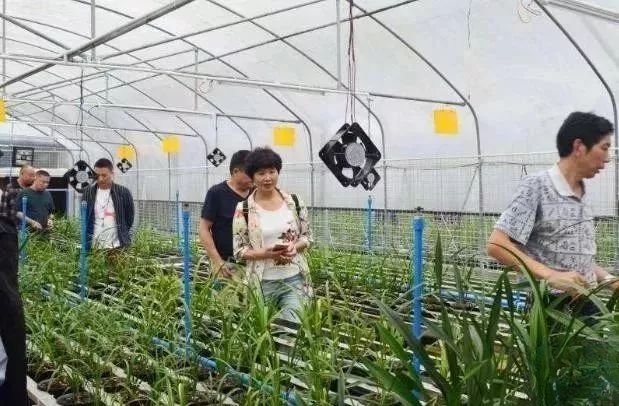
Prevention and control methods: Immerse the flowerpot in water to remove or drown the ants living in the pot. If there are only a few, kill them by hand or foot as soon as they are discovered. Spray the entire area with a 2000-fold dilution of the insecticide.
5. Snails: Snails have shells, while slugs do not; both are omnivorous mollusks. They prefer to feed on the tender tissues of orchid plants, such as young leaves, new shoots, root tips, flower buds, and petals, causing irregular wounds and burrows . Where both have crawled, shiny, transparent slime traces are usually left; timely prevention and control should be implemented upon discovery.
Control methods: Use snail powder or rotavirus to lure and kill snails, clean up the cultivation environment, remove accumulated materials such as weeds, brick debris, gravel, tree branches and leaves, reduce shade and humidity, eliminate growth and reproduction sites, and apply 6% polyacetaldehyde powder to the places where they appear. Snails will die if they crawl over or come into contact with it.