Tips for keeping your home spotless: Cleaning and maintaining sliding doors
Sliding doors are popular among many consumers in home decoration because they save space and are aesthetically pleasing. However, the cleaning and maintenance of sliding doors should not be neglected during routine home cleaning.
Part 1: Understanding and Selecting Sliding Windows to Ensure Quality
With the development of technology and the diversification of decoration methods, the materials and application range of sliding doors are constantly expanding, from traditional board surfaces to glass, fabric, rattan, and aluminum alloy profiles.
Classification of sliding doors | |
| Classified by opening method | Single sliding door, double sliding door, folding sliding door, recessed sliding door, hanging sliding door |
| Based on material | Frames are categorized into aluminum-titanium-magnesium alloy frames, PVC frames, wood structures, and other weldable profile frames. |
| Classified by orbital method | Divided into double push-pull rails, single push-pull rails, and folding push-pull rails that rotate towards the axis. |
Besides being most commonly used as partition doors, sliding doors are widely used in bookcases , wall cabinets, living rooms, showrooms, and sliding entrance doors.
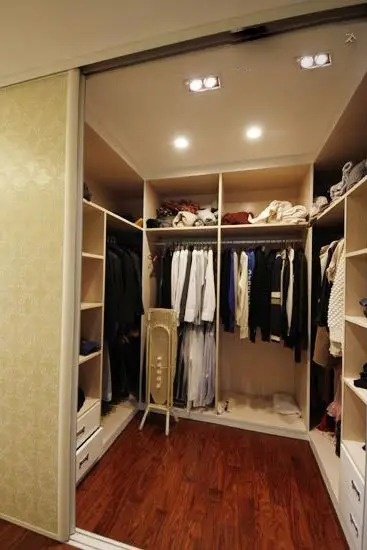
Sliding doors are becoming increasingly popular because they save space and enhance the aesthetics of home life.
The function of sliding doors | |
| From a usage perspective | Sliding doors greatly facilitate the division and utilization of living space, and their rational sliding design meets the demands of modern life for a compact order and rhythm. |
| From the perspective of interest | Sliding glass doors can make a room feel lighter; their ability to divide and conceal is simple yet versatile. |
In today's world, where getting closer to nature is encouraged, a smooth, quiet, and bright sliding door can be installed on the balcony to fully enjoy the sunshine and scenery. However, there are quite a few things to consider when purchasing a sliding door.
Points to note when purchasing sliding doors | |
| thickness | When using glass or silver mirror as the door core, a thickness of 5mm is generally recommended; when using wood as the door core, a thickness of 10mm is optimal. Thinner wood boards have poor stability and are prone to warping and deformation. |
| Board | The wood panels used to make sliding doors are all engineered wood. |
| shape | Aluminum door profiles and glass styles differ between northern and southern China. Northern styles are characterized by thicker aluminum and a more substantial, understated look, such as the Tang-style pattern. Southern styles are characterized by a wider variety of aluminum shapes and more lively designs, most notably patterned glass, including designs such as latticework, ice carving, shallow carving, and crystal shell patterns. |
| Material of pulleys | There are three types of pulleys on the market: plastic pulleys, metal pulleys, and fiberglass pulleys. |
| Warranty period | Consumers should fully understand the manufacturer's capabilities and warranty period before ordering, and obtain a product warranty card after installation. |
Choosing the right sliding door
Sliding doors are increasingly used in home decoration, and the market offers a wider variety of styles. However, the quality of these products varies greatly, causing inconvenience for consumers. Therefore, let's look at some purchasing tips.
Tips for choosing sliding doors | |
| Selection of frame profile | The frame material should generally be 1.2mm-1.5mm thick for better stability. |
| Pulley selection | Good sliding doors use imported light steel ball bearings, and the bearings are marked with the manufacturer and product model. The outer steel sleeve should also have the company's logo. |
| Brand Selection | When choosing products from authoritative certification bodies, be sure to request a test report from the seller. The report should bear the CMA national certification mark. |
Part 2: Cleaning Sliding Doors in One Go: Clever Methods
Sliding doors accumulate dirt over time and can corrode after absorbing moisture from the air. Therefore, regular cleaning is essential, typically every six months. Cleaning should remove surface dirt without damaging the oxide film, electrophoretic composite film, or powder coating. So, how do you clean sliding doors? Let's take a look.
Sliding door panel cleaning method

The door panel is crucial to the overall appearance of the interior doors; a clean and shiny door panel will make the interior doors of your home look vibrant. Therefore, cleaning the door panel is essential. For daily cleaning, use a soft, dry cotton cloth or silk to wipe the door panel, avoiding scratching the surface. If the interior door panel has severe stains, use a neutral detergent or a special cleaner to clean the stains first, then wipe it dry. To remove minor scratches on the surface, use a soft cloth dampened with a small amount of toothpaste to repeatedly wipe the surface.
Sliding door panel cleaning | |
| For glass door panels | For daily cleaning, simply wipe with a dry cloth. Every so often, use a diluted neutral detergent or glass cleaner, then wipe dry with a dry, lint-free cotton cloth. |
| For high-density boards | It is not advisable to use ordinary detergents to wash it. Simply wipe it with a dry, pure cotton cloth regularly. If you clean it with water, be sure to wipe it dry with a dry, pure cotton cloth. |
| wooden or painted boards | Wooden or lacquered door panels can maintain their bright and shiny appearance by regular waxing. |
Sliding door panels are mostly made of glass, high-density fiberboard, wood, or lacquered panels, and the cleaning methods vary depending on the type of door panel.
Sliding door frame cleaning method

Sliding door frames are mostly made of metal, and can be wiped with a dry, pure cotton cloth for daily cleaning. If using water, wring the cloth out as much as possible to avoid damaging the metal surface and affecting its appearance.
Sliding door track cleaning method
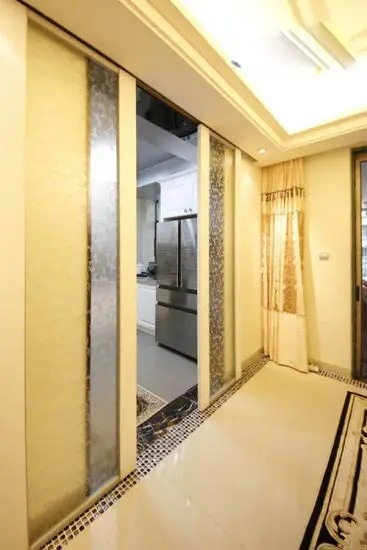
Dust easily accumulates on the bottom track, which directly affects the sliding of the bottom rollers and thus the lifespan of the sliding door. Therefore, it is important to regularly use a vacuum cleaner to remove dust from the bottom track, clean the corners with a damp cloth, and wipe them dry with a lint-free pure cotton cloth.
There are certain techniques involved in cleaning and maintaining any object. If you are not clear about the specific procedures and blindly carry out cleaning and maintenance, you will inevitably reduce the effectiveness of the door. Therefore, the cleaning of sliding doors should not be neglected.
Part 3: Maintaining a Long-Lasting Aesthetic Appearance: Pay Attention to the Maintenance of Sliding Doors
Keeping furniture looking shiny and new is like wanting a baby's skin; it requires regular care and maintenance from the homeowner. Sliding doors are an important part of a home's aesthetics, so how should they be maintained? Let's take a look.
Pulley maintenance methods
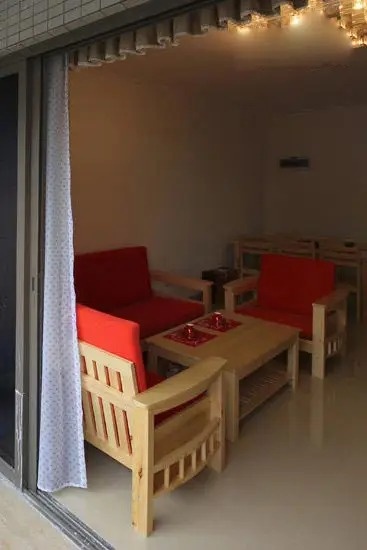
The pulley is the heart of the entire interior door; though small in size, it plays a crucial role. Applying one or two drops of lubricant every six months or so will keep it running smoothly. Sliding door pulleys consist of upper and lower rollers. If it's a brand-name pulley, both rollers use needle roller bearings and do not require lubrication; simply keep them clean of debris. Ordinary bearings or rubber wheels require lubrication of their sliding parts every six months.
Maintenance methods for sliding doors

Do not swing the sliding door too forcefully to avoid overloading it; prevent heavy impacts to the door body, and strictly prohibit sharp objects or heavy objects from damaging the sliding door and track, causing obstruction; if the door or frame is damaged, please contact the manufacturer or ask a professional repairman to repair it.
Maintain good operating performance of sliding doors

Sliding doors may seem simple, but they still have a lot of structure and accessories. In addition to the important protection of the track, the sealing strips and glass sealant are the key structures to ensure the sealing, heat preservation and sound insulation of the sliding door. If they fall off, they should be repaired or replaced in time to achieve the best effect of dust prevention, impact prevention, sound insulation and heat preservation.
Maintenance methods for sliding door tracks

Keep the tracks clean and prevent foreign objects from entering. Too much dust on the tracks will cause excessive noise during use and make the sliding doors difficult to operate. For debris and dust, use a brush to clean them; for accumulated dust in the tracks and door seal strips, use a vacuum cleaner. Preventing heavy objects from hitting the tracks is also a common method of track maintenance.