"Time Classroom" Potted Gardening How important is the planting soil?
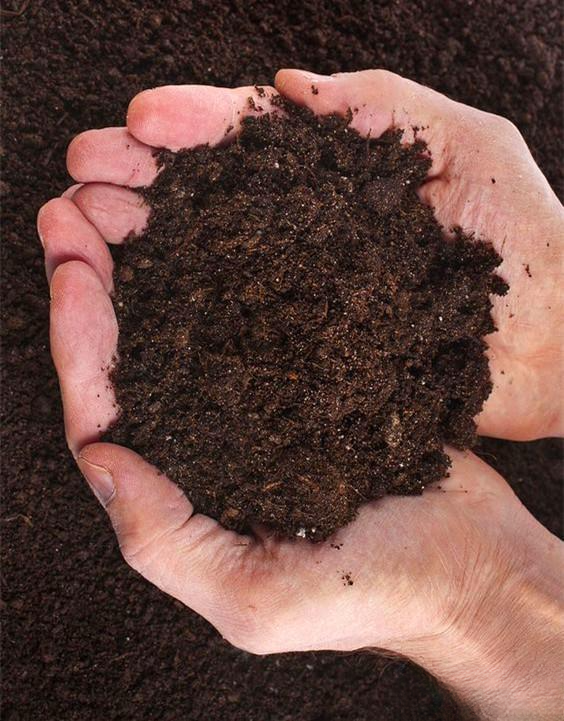
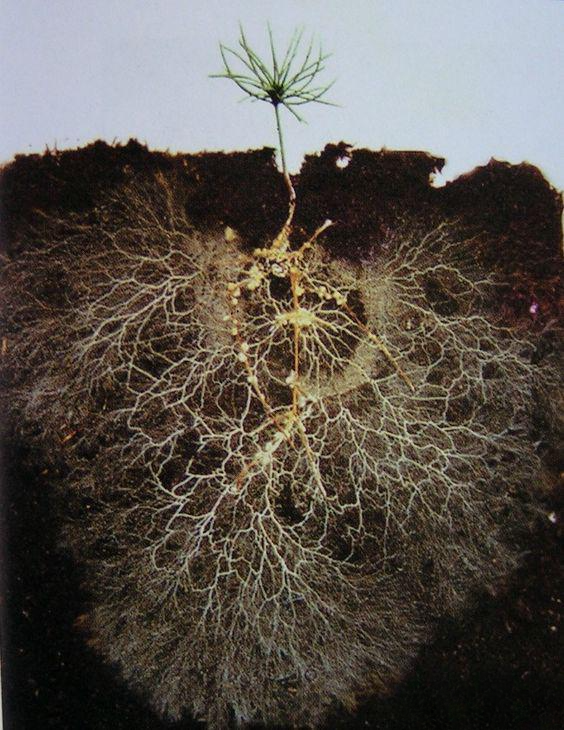
Many people don't understand what it means to "grow" plants. They keep asking about watering and sunlight, but these are superficial and not the key point. Growing plants is about nurturing the root system—the part buried in the soil that we can't see. A healthy root system means a healthy plant; without it, no amount of watering, fertilizing, or sunlight will help! Similarly, for people, food is paramount. Eating well ensures good health and a radiant complexion. Without a healthy diet, even the most expensive skincare products will have minimal effect.
The key to growing healthy plants lies in nurturing their roots, and nurturing roots naturally involves the quality of the potting soil. Today, Lily will talk to you about potting soil~~~ Understanding potting soil is half the battle won in growing healthy plants!
Today's discussion of planting soil is limited to basic knowledge needed for beginners in potted gardening; we won't go into further detail.
What kind of soil is good soil?
[Good aeration]: Effectively transports air and water to plant roots. (Soil aeration capacity is directly proportional to soil particle size.) High organic matter content and regular loosening of the soil can increase soil aeration.
[Good drainage]: If water cannot drain from the soil, the roots will be in a state of oxygen deficiency and are prone to rotting. (Drainage performance is related to soil porosity.) Adding granular media can improve drainage.
[Has some water retention capacity]: Soil with excessive drainage is prone to drying out, leading to root dehydration. (Some professional horticultural soils have inherent water retention properties, which will be discussed below.)
[Slightly acidic]: Most plants prefer a slightly acidic environment (you can add a medium that can improve the soil pH).
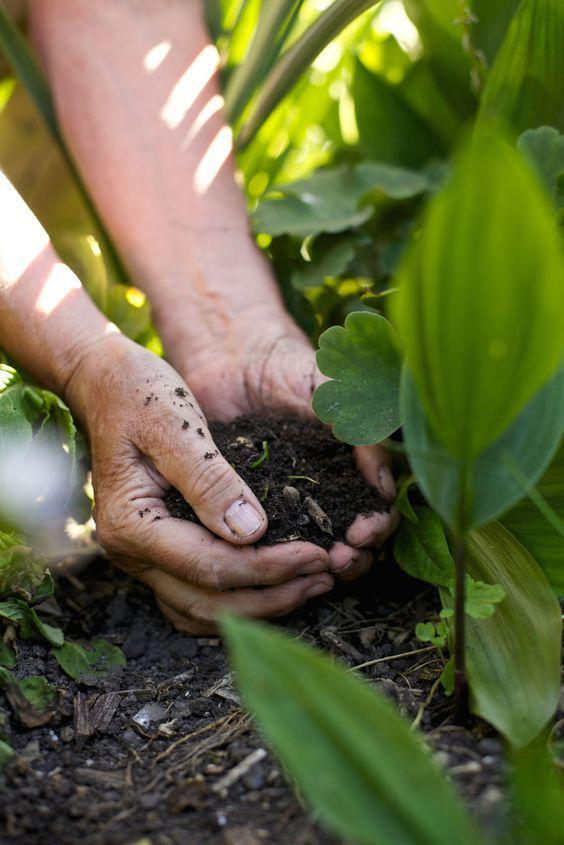
The potted plants we buy from the flower market, if they are from a reputable nursery, generally have relatively good soil quality (good moisture retention). However, they still need to be properly improved when repotting, such as adding a drainage layer (ceramsite, pumice, etc.) to the bottom of the pot. Alternatively, the flower market owner may have cultivated them themselves or planted them with soil. In order to save costs, they may not use professional garden soil, or even use locally sourced materials. In this case, the difference may not be noticeable in the short term, but problems will appear after one or two months.
For example, it's prone to root rot. (The soil wasn't sterilized or sieved, resulting in too many easily decomposable impurities.)
For example, the soil is prone to compaction, and all the water leaks out when watered. (The soil structure is too simple, resulting in poor water retention.)
For example, the plants are growing worse and worse. (The soil has no fertilizing effect and may even contain components that are not conducive to plant growth.)
"Cultivation soil" or "nutrient soil" refers to a pre-mixed planting soil mix that possesses the properties of good soil and can be used directly after purchase.
Commonly used foundation soil:
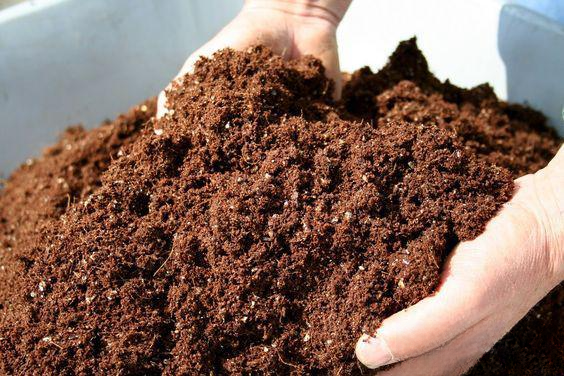
【Peat moss】: It retains water very well, has a light, loose and fine texture, and does not compact.
Mining peat moss can damage wetlands, so it can be replaced with other materials such as coconut coir or peat moss, which will have the same effect.
Because these soils are too light, have a dense structure, and lack fertility, meaning they are not breathable or well-drained, a medium needs to be added to balance them .
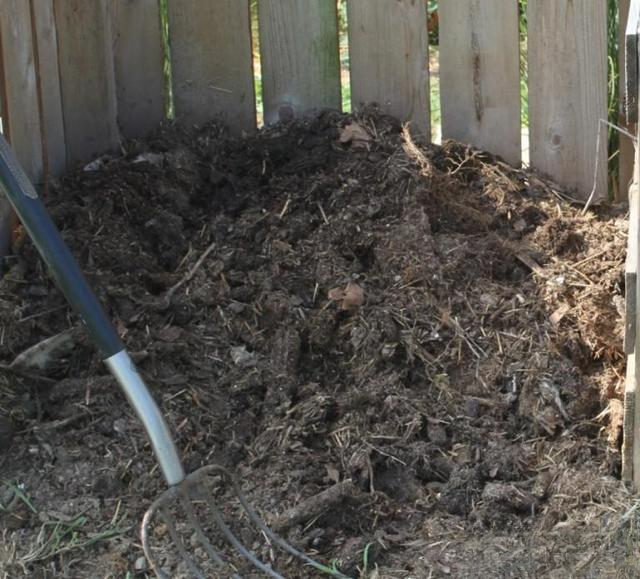
Leaf mold: Lightweight, with good aeration and water retention, and rich in nutrients. It needs to be mixed with other media to improve drainage.
Commonly used granular soil:
【Akadama Soil (Kanuma Soil)】: Derived from volcanic rock unique to Japan. It is granular and has excellent aeration, drainage, and water retention, making it suitable for use as a base soil. Other types include Kiryu Sand, Fuji Sand, Pine Wood, Hyuga Stone, and Pumice. In Japan, this type of medium is often mixed with other media for potted plants.
Commonly used media:
Vermiculite: Increases the aeration and water retention of planting soil, is rich in nutrients, and can regulate the pH value of the planting soil. (Seedling cultivation)
Perlite: It is very light and increases the aeration and drainage of the planting soil.
Wood ash: Adjusts the pH value of planting soil.
Other media:
【Clay pellets (light stone)】: Solid particles that increase drainage and can also be used as a drainage layer at the bottom of potted plants.
【Diatomaceous earth and maifan stone 】: They have good air permeability and drainage, and can improve soil quality. They are generally used in combination with other media. They are also used as paving materials because they have weight.
Decorative storefront:
White pebbles, rainbow stones, black gold sand, and other media mentioned earlier can also be used as paving materials, such as Akadama soil, Kanuma soil, Kiryu sand, Maifan stone, volcanic rock, etc.
After growing plants for a while, you can try making your own soil mix. Many specific recipes are available online. Here, I'll explain how to mix them:
Typical indoor potted plants: (Ensure good air permeability, water retention and drainage, and supplement with fertilizers)
6 parts peat moss (coconut extract) + 1 part vermiculite (perlite) + 3 parts leaf mold (compost)
6 parts Akadama soil (Kanuma soil) + 1 part vermiculite (perlite) + 3 parts leaf mold (compost)
Succulent plants: (preferably breathable and well-draining )
6 parts peat moss (coconut coke) + 2 parts river sand + 2 parts granules
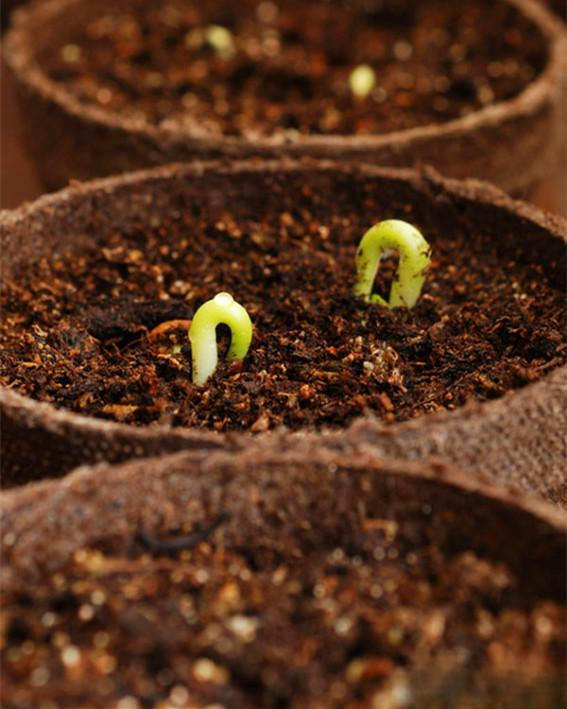
Seedling cultivation: (Seedlings prefer a well-ventilated and moisture-retentive environment) so a mixture of peat moss (coconut extract), vermiculite, and leaf mold is suitable.
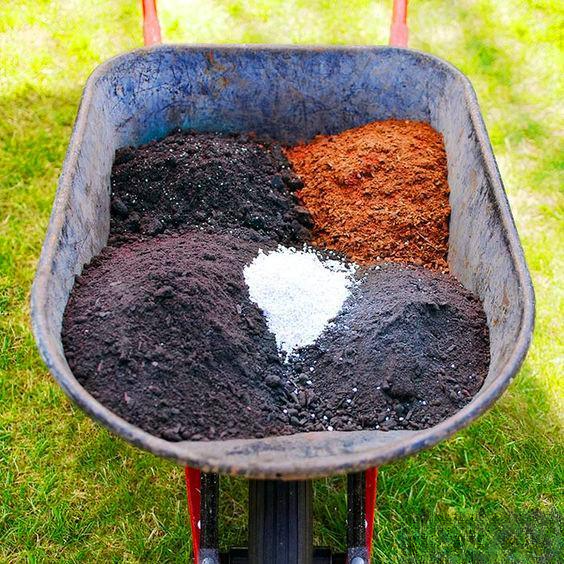
There are many ways to mix soils, so you don't have to stick to just one. You can add different media to improve the soil according to the specific needs of the plants, making it a suitable planting medium.
Here are some terms related to soil that I'd like to introduce:
Clay: This is a type of soil with very little sand and a sticky texture. Water does not easily pass through it, which gives it good plasticity. Characteristics: Poor aeration and drainage; prone to compaction when dry. It must be improved before it can be used as planting soil.
Sandy soil: High sand content, loose soil, poor water retention. Suitable for planting cacti or succulents, or for propagation by cuttings. It needs improvement as planting soil.
Pond mud: It has poor air permeability, contains rich organic matter, and can be mixed with basic soil for planting. In addition, pond mud is suitable for planting aquatic plants.
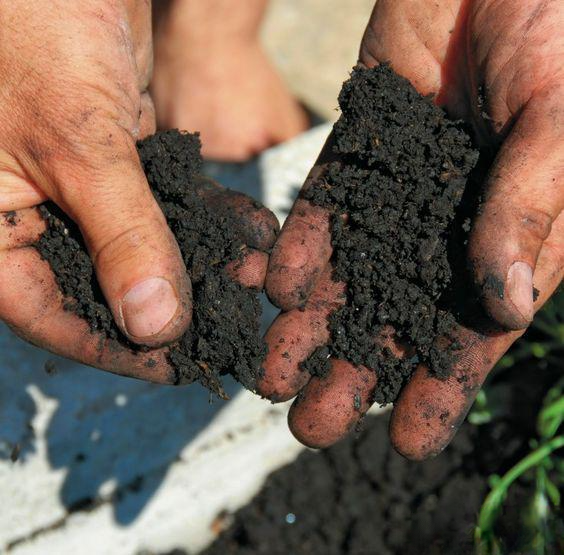
The media mentioned in this article can all be obtained online. As long as they meet the four essential elements of good soil, you can experiment with different combinations and improvements yourself.
Please leave a message if you have any comments or suggestions, and I will try my best to reply to each one. — Time Horticulture