Your mother might have told you that baking soda can help your bread rise and remove unpleasant odors from the refrigerator. But did you know that baking soda can also be used in beauty products?
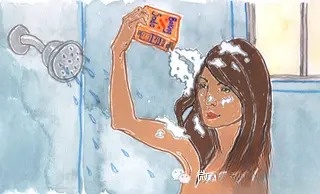
1. Brushing your teeth - can clean and whiten.
![]()
2. Face wash - refreshing and gentle, can also prevent acne.
![]()
3. Deodorant - Mix 4 tablespoons of baking soda with about 10 drops of your favorite essential oil and apply to your underarms. If you need to reapply while out, you can store the powder in a container and use it with a makeup brush.
![]()
4. Acne Treatment - In an emergency, apply a mixture of baking soda and a little water to the pimple to dry it immediately. This is not recommended for deep pimples; it's only suitable for surface-level pimples.
![]()
5. Shampooing - If you don't have shampoo, dissolve a tablespoon of baking soda in a cup of warm water. After wetting your hair, pour the mixture onto your hair, comb it carefully, and then rinse it clean.
![]()
6. For stomach acid and bloating: Dissolve a small spoonful of baking soda in a cup of warm water. Drink the solution.
![]()
7. Bathing - Baking soda can make your skin smooth.
![]()
-------------
[Cleaning the toilet]
1. Simple baking soda bathroom cleaner: Mix and use for daily cleaning.
Recipe 1: 3 tablespoons baking soda, 1/2 cup ammonia, 2 cups warm water. Always wear rubber gloves and ensure good ventilation when preparing this recipe.
Formula 2: This formula does not use ammonia. 1 box (about 450g) of baking soda, 4 tablespoons of dish soap, 1 cup of warm water. Mix well and place in an airtight container.
Using a damp sponge with baking soda for daily bathroom cleaning always yields surprisingly good results.
Mixing baking soda with appropriate ingredients allows you to easily remove mold stains from bathtubs and showers, leaving the bathroom smelling fresh and fixtures looking brand new.
2. Deodorizing:
Musty-smelling bath towels can be machine washed to remove the odor. Add 1/2 cup of baking soda during the rinse cycle.
3. To remove mildew and light stains from the shower curtain,
sprinkle baking soda on a sponge and scrub the shower curtain. This will remove mildew and light stains. Then rinse the shower curtain with water.
4. To clean countertops
, mix baking soda and white vinegar into a paste to clean the marble surfaces of countertops and bathroom vanities. Wipe the marble clean and then polish it with a soft cloth.
5. Clean the shower head with baking soda:
To remove accumulated minerals from your showerhead and make the water flow smoother, use this method.
Mix 1/2 cup baking soda and 1 cup vinegar in a sturdy plastic bag. Place the bag over the showerhead and secure it with a rubber band, immersing the showerhead in the solution. Let it soak for 1 hour. Remove the plastic bag and turn on hot water, allowing the showerhead to spray continuously for several minutes.
Sprinkle baking soda on a sponge cloth, hold the shower head and wipe it up and down, and the dark gray water pipe will become shiny.
6. Cleaning Fiberglass Bathtubs and Showers:
You can use these tools to clean fiberglass bathtubs and showers, but be careful as fiberglass is easily scratched. Gently scrub with a sponge dampened with a paste made of baking soda and dish soap.
7. Reduce bathtub stains:
Adding baking soda to bath water can reduce stains around the edge of the bathtub and also soften skin. Add 2 tablespoons of baking soda to a tub of water.
8. Removing Soap Scum from Bathtubs and Sinks:
For soap scum buildup in bathtubs and sinks, mix 1/4 cup baking soda, 1/2 cup vinegar, 1 cup ammonia, and about 3.8 liters of warm water. Apply the mixture generously to the scum. Rinse the bathtub or sink thoroughly.
Note: Wear rubber gloves during the cleaning process and ensure the area is well-ventilated.
9. To remove stains from bathtub anti-slip strips or inlaid areas
, wet the area to be cleaned, then sprinkle with baking soda. Let it sit for 20 minutes, then wipe it clean and rinse with water.
10. Routine Cleaning of Sink and Bathtub Drains:
For routine cleaning of sink and bathtub drains, pour in 1/2 cup baking soda, then add 1 cup vinegar. Wait 20 minutes, then rinse with hot water.
11. Odor Removal Method 1:
Place baking soda into the toe area of old pantyhose or stockings, tie them tightly, and cut off any excess. Hang them on the drainpipe under the sink to remove odors.
12. Odor Removal Method 2:
Place a pretty dish on the toilet tank filled with baking soda. This is equivalent to having a permanent air freshener in the toilet area. You can add your favorite scented bath salts. Replace it every 3 months.
13. To remove toilet bowl stains,
add 1/2 cup of baking soda to the toilet bowl to remove lighter stains. Soak for 30 minutes, then scrub.
14. Remove stubborn stains from the toilet.
To remove stubborn stains from the toilet, you can use a fine steel wool pad dipped in baking soda to scrub them away.
15. Sprinkling baking soda inside the bathroom trash can after each emptying will effectively deodorize the air. Sprinkling baking soda in any other place that might emit odors will also achieve the same effect.
17. Clean tile and unwaxed floors.
To clean tiles and unwaxed floors, add 1/2 cup of baking soda to a bucket of warm water. Soak a cloth or mop in the baking soda water, wring it out, and then wipe the floor. Rinse the mop with clean water and wipe the floor once or twice.
18. Remove stubborn water stains or rust stains from tiles.
Stubborn water stains or rust stains on tiles can be removed with just a baking soda paste. Wipe with a nylon scouring pad, then rinse thoroughly.
19. Remove mold stains from cement.
Use baking soda paste to remove mold stains from cement. Apply the baking soda paste to the stain, scrub with an old toothbrush, and then rinse with water.
20. Mirrors often get splashed with water when washing your face. Wipe the mirror with baking soda and it will become bright immediately.
[Clothing Care]
Baking soda's slightly alkaline properties make it an excellent detergent. It easily dissolves stains and grease while softening clothes. Baking soda is especially suitable for households using hard water, as it not only cleans clothes better but also prevents limescale buildup and softens the water.
1. Remove chemical residues from new clothes
Chemical residues on new clothes can cause allergic reactions in sensitive skin. You can soak the clothes in water with 1/2 to 2 cups of white vinegar. After rinsing, add 1/2 cup of baking soda to the wash water.
2. Baking soda stain remover 1:
Sometimes, a simple pre-treatment before washing can remove stubborn stains. Prepare a solution to pre-treat the stain as follows:
1/2 cup ammonia, 1/2 cup white vinegar, 1/4 cup baking soda, 2 tablespoons liquid soap, and 1.9 liters of water. Mix all ingredients in a spray bottle. Spray this mixture onto the stain and let it sit for a few minutes. Then wash as usual.
3. Baking Soda Stain Remover 2:
a. Add 1/2 cup of baking soda to your detergent. This will make your clothes look brand new and help the liquid detergent work better.
b. When adding laundry detergent, try adding 2/3 cup of baking soda powder. This can enhance the cleaning power, make clothes cleaner, and won't damage the fabric.
c. Before washing clothes, you can soak oil stains in baking soda water.
d. Use baking soda instead of fabric softener. Simply add 1/2 cup of baking soda during the rinse process.
4. Wash stained natural fibers
When washing stained natural fibers, use soap flakes and baking soda. Adding 1 tablespoon of white vinegar during rinsing can help maintain vibrant colors.
5. Remove dirt from collars and cuffs.
a. Dissolve an appropriate amount of baking soda in hot water at about 50-60 degrees Celsius (the same applies below), and at the same time rub some soap on it to wash the dirt on the collar and cuffs. The effect is definitely better and faster than any cleaning agent.
b. Mix 4 tablespoons of baking soda with 1/4 cup of water to form a paste, which can be used to treat stubborn sweat stains near the collar.
Rub the baking soda paste onto the collar, then add a little vinegar and wash.
c. Sprinkle baking soda on stained areas such as the collar and cuffs, spray with white vinegar water, let it sit for about 20-30 minutes, then scrub. Next, wash with regular laundry detergent using your normal laundry routine.
6. Enhance bleaching effect:
Adding 1/2 cup of baking soda (1/4 cup for front-loading washing machines) and the usual amount of bleach can enhance the bleaching effect.
7. Removing stains:
If white clothes are accidentally washed with colored clothes and the white clothes are stained, soak the white clothes in warm water with baking soda, salt and detergent to remove the stains.
8. To prevent nylon clothing from
yellowing, add baking soda to the washing and rinsing water.
9. To restore the color of yellowed linen clothing,
add 4 tablespoons of baking soda to the washing water to restore the bright color of yellowed linen clothing.
10. Removing crayon stains:
If you accidentally wash crayons with a pile of clothes, rewash the clothes in the hottest water possible, adding 1/2 to 1 whole box of baking soda to the water.
Repeat this process if necessary.
11.
To remove crayon stains from clothing, gently wipe with a damp cloth sprinkled with baking soda.
12. Removing sweat stains and secretions:
For sweat stains and secretions, mix baking soda and water into a paste and rub the affected area. Let it sit for 1 hour before washing.
13. Removing blood stains:
First, moisten the stain, then rub it with baking soda. Then gently wipe with hydrogen peroxide until the stain disappears. Please test for colorfastness first.
14. To remove stains left by alcohol-based colorants in perfume
, use a paste made of baking soda and ammonia.
Always wear rubber gloves and apply this mixture in a well-ventilated area.
Test for colorfastness first. Dry the fabric in the sun, then wash as usual.
15. Remove soy sauce and coffee stains
For those accidental spills of soy sauce or coffee while eating or drinking, baking soda and white vinegar can be used to clean them up.
16. To wash particularly dirty children's clothes after playing:
Soak the clothes in hot water with laundry detergent and baking soda for about 6 hours. Then wash them with regular detergent using your usual laundry routine.
17. Waterless cleaning:
To remove oil stains from polyester clothing, you can rub them dry with baking soda. After brushing off the baking soda, the oil stains will disappear.
18. To wash certain dry-clean-only garments,
add 4 tablespoons of baking soda to cold water. Test for colorfastness first.
Please test for color fading first.
19. Clean the suede.
Use a soft brush dipped in baking soda to clean the suede. Let it sit for a moment, then brush it off.
20. To remove ink stains from leather:
Lay the garment flat and spray baking soda onto the ink stain. After the baking soda absorbs the ink, brush it off.
Repeat the above steps if necessary.
21.
To remove chlorine from swimsuits, add 1 tablespoon of baking soda to a water tank filled with water.
22. To remove odors from clothes
, add 1/2 cup of baking soda during the rinsing process.
To remove the smell of smoke from clothes, soak them in a baking soda solution before washing.
23. To remove diaper odor and other residue,
soaking diapers in baking soda can remove odor and any other residue.
Simply soak diapers in baking soda before washing; they will remain white and new even after two years, without any yellowed urine stains.
However, be careful with the amount used and the rinsing process.
24. To remove the musty smell from hand-washed clothes
, for soft garments, soak them in a mixture of 4 tablespoons of baking soda and about 1 liter of water. Rinse thoroughly, wring out the solution, and then air dry.
Clothes washed with baking soda will have no musty smell at all! Even the washing tub will be exceptionally clean.
25. For laundry baskets with an odor:
Spray baking soda on the dirty clothes to be washed, and the laundry basket will look brand new.
26. Cleaning the washing machine tub
For monthly cleaning of the washing machine tub, add one packet of baking soda to the tub filled with water, start the washing machine and agitate for about 5 minutes, then turn it off and let it sit overnight. The next day, the dirt in the tub will be visible, and you can then run another washing cycle (washing and draining).
27. To suppress odor and foot sweat
, sprinkle some baking soda on your new socks before wearing them.
28. Sprinkling baking soda inside sneakers and casual shoes can suppress odor and foot sweat, keeping you away from the troubles of smelly feet.
Before wearing shoes, sprinkle some baking soda inside. This will not only prevent foot odor, but also make the inside of the shoes easier to clean when washing them in the future.
You can also wrap some baking soda in rice paper and put it in your shoes to deodorize them.
29. To clean the rubber on athletic shoes
, spray baking soda onto a sponge or cleaning cloth and wipe the rubber off.
30. To remove black scratches on shoes
, you can rub the scratches with a paste of baking soda, wipe off the baking soda, and then apply shoe polish.
[Clean the kitchen]
1. Solving the problem of chlorine poisoning in tap water:
Baking soda is sodium bicarbonate powder, with the chemical formula NaHCO3. Na is sodium, which carries a positive charge. When placed in tap water, it combines with the negatively charged chlorine in the water to form sodium chloride, which is salt. This solves the problem of chlorine poisoning in tap water.
2. Easy to preserve fruit:
Soaking fresh fruit in a 1% baking soda solution for 2-3 minutes makes it easier to preserve.
3.2 minutes to remove pesticides:
Dissolve a teaspoon of baking soda in water until the water turns slightly yellow. Then soak the fruits and vegetables in the solution for 2-3 minutes, followed by further rinsing. They are then safe to eat.
When positively charged hydrogen is added to water, it combines with negatively charged water molecules (O2) to form OH, a weak alkaline solution. Since most pesticides are acidic, the weak alkaline solution not only neutralizes the acidity but also accelerates the removal of pesticides adhering to fruits and vegetables.
4. To scrub fruit,
sprinkle baking soda on a damp sponge and scrub the fruit to remove dust, wax, and pesticide residue. Rinse the food thoroughly.
5. To prevent chlorophyll loss
, add a little baking soda before blanching vegetables. This will prevent chlorophyll loss and reduce the likelihood of the blanched vegetables turning yellow.
6. To make meat more tender:
Before stir-frying old beef, soak it in water with a small amount of baking soda, drain it, and then coat it with starch. The meat will become more tender after stir-frying.
7. To remove the fishy smell,
if you like to eat fish but don't like the fishy smell, you can soak the fish in baking soda water and then put it in the refrigerator for an hour.
8. To make light and fluffy
scrambled eggs, add half a spoonful of baking soda to 3 eggs.
9. To reduce the acidity of tomatoes,
a pinch of baking soda added to tomato dishes can help reduce the acidity.
10. Preventing gas production during roasting beans
: Adding a pinch of baking soda to the beans during roasting can prevent gas production.
11. Add a little baking soda when cooking kelp to make it soften faster.
12.
A baking ingredient used in neutralizing sourness in soda crackers and many European pastries. Its chemical name is sodium bicarbonate. When heated, it releases gas, causing it to rise.
Besides being used as a baking powder for cakes and pastries, if you accidentally add too much vinegar while cooking, you can add a little baking soda to the pot to neutralize the sourness.
13. Super Strong Stain Remover
Put orange or tangerine peels into a pot, add water to cover and bring to a boil. Then simmer over low heat for about 15 minutes. Next, add baking soda (water to baking soda ratio approximately 200:1). This mixture can then be used to wipe down dining tables, and even greasy range hoods or gas stoves. It cleans quickly and leaves a light fruity scent.
Plus, it helps us avoid toxic pollution while cleaning, and it's a great way to reuse waste – why not?
14. A general-purpose cleaner made with baking soda:
This homemade mixture can replace most of the cleaning products available on the shelf from stores.
1 teaspoon borax, 1 teaspoon baking soda, 2 teaspoons vinegar or lemon juice, 1/4 teaspoon dish soap, 2 cups hot water.
Always wear rubber gloves when preparing this mixture. Store it in a spray bottle after mixing.
15. Make a degreaser using baking soda:
This homemade solution can be used to remove grease buildup on stovetops, baffles, or smooth enamel surfaces.
1/4 cup baking soda, 1/2 cup white vinegar, 1 cup ammonia, and about 3.8 liters of hot water.
Remember to always wear rubber gloves and operate in a well-ventilated area.
16. Baking soda water preparation: Add 3 tablespoons of baking soda to 500cc of water.
Preparation of white vinegar water: The ratio of white vinegar to water is 1:2.
Cleaning uses:
Kitchen: stove, countertop, microwave, oven, sink, walls...
Bathroom: sink, washbasin, bathtub, toilet, walls...
Places such as refrigerators, laundry facilities, and cleaning tubs.
17. Boiling pots and jars in baking soda water can remove food stains.
When baking soda dissolves in water, it decomposes into Na+ and HCO3-, which attach to positively and negatively charged dirt, causing the dirt to detach.
18. Clean the tableware
Washing dishes and utensils with a baking soda solution using a dishcloth or vegetable sponge can quickly and effectively remove grease and is easy to rinse. It not only saves water but also eliminates concerns about detergent residue, as it is edible and completely non-toxic. Therefore, it doesn't matter if it's not rinsed thoroughly.
Add about 2 tablespoons of baking soda to warm water for washing dishes. Place the dishes and utensils in the water; the baking soda will help remove grease. Then wash them as usual. For stubborn food residue, apply some baking soda to a dishcloth and scrub.
19. Just like with laundry detergent, adding some baking soda to dish soap is also a good idea.
20. Adding a little baking soda when boiling baby bottles can make them cleaner.
21. Put baking soda in the salad dressing bottle and shake it to remove the oil, then rinse it with warm water.
22. Baking soda bleaching powder method for removing yellow stains from ivory chopsticks
When ivory chopsticks turn yellow, soak them in a 3% baking soda solution, then coat them with a paste-like bleaching powder. After 10 hours, wipe off the bleaching powder with a soft cloth, and the ivory chopsticks will be as white as jade again. This method can also be used for ivory artworks.
23. Apply baking soda to the burn marks on the placemat, then pour in hot water and soak for 10 minutes. Next, scrub with baking soda and a cleaning cloth.
24. Removing limescale
Adding some baking soda to the kettle and boiling it for a while can remove limescale.
Baking soda can also be used to clean limescale buildup inside thermos flasks. The method is to dissolve 50 grams of baking soda in a cup of hot water, then pour the solution into the flask and shake it. The limescale will then be removed.
25. Baking soda is weakly alkaline and is also very effective at cleaning teapots and removing tea stains.
a. To remove rust and mineral deposits from the teapot, fill it with water, add 2 tablespoons of baking soda and the juice of half a lemon. Simmer this solution over low heat for 15 minutes, then rinse the teapot thoroughly.
b. To clean teapots and coffee filters, fill them with water, add 2 to 3 tablespoons of baking soda, and boil for 10 to 15 minutes. After cooling, scrub and rinse them thoroughly.
c. Apply a small amount of baking soda to slightly damp fingers or a sponge and wipe the tea stains. This will easily remove the tea stains, and the effect is definitely faster than any other method or cleaning agent. It will not scratch the cups or teaware and saves water.
d. Stains on coffee and tea cups can also be removed with a damp sponge dipped in baking soda. For stubborn stains, a little salt may be needed.
e. Alternatively, soak it in baking soda water overnight before washing.
26. Cleaning jug, frying pan, and cookware
a. To remove dried-out food from a pot, boil water and baking soda in the pot over low heat. Once the dried-out food has loosened and the pot has cooled, wipe it clean.
b. To clean dried grease and food from a frying pan, wet the pan with hot water and then sprinkle with baking soda. Let the pan sit for 1 hour, then scrub it clean with a sponge.
c. Sprinkle some baking soda on a clean wok or frying pan, then sprinkle some vinegar. The baking soda and vinegar will react chemically to produce bubbles. After that, rinse the pan and dry it. The pan will become shiny, especially suitable for copper pans.
27. Easily clean burnt pots
a. Sprinkle a spoonful (about 10ml) of baking soda into the burnt pot, add water to cover the burnt area, heat it, then turn off the heat and let it sit for 20 minutes. You can then easily scrub the burnt pot clean.
b. Sprinkle some baking soda on the charred area, let it sit for about 15 to 20 minutes, then scrub with a brush.
c. For severely charred pots, place the charred pot in a large pot, add baking soda, boil briefly, and let it sit overnight (about 8 hours).
Principle: When baking soda is boiled, a chemical reaction occurs: 2NaHCO3 → Na2CO3 + H2O + CO2↑. Some of the grease and alkali in the pot react, allowing water to easily penetrate between the pot and the charred residue. Additionally, it softens the charred fibers.
28.
To remove stains from non-stick pans, add 1 cup of water, 2 tablespoons of baking soda, and 1/2 cup of liquid bleach to the pan and boil for several minutes. Wash the pan as usual, then polish it with cooking oil.
When cleaning charred areas on a non-stick (Teflon) pan with baking soda, be careful not to damage the coating.
29. Baking soda method for removing stains from enamelware
Do not use abrasive cleaners to clean enamel cookware. Instead, coat it with a baking soda paste, let it sit for 1 hour, then scrub it with a synthetic cleaning cloth and rinse it clean.
Yellow stains on enamelware can be removed by wiping with a damp cloth dipped in baking soda.
30. Baking soda can be used to clean stainless steel, copper, or iron pots. Do not use baking soda to clean aluminum pots, as it will cause them to turn black.
31. To remove stains from plastic storage containers
, you can mix lemon juice and baking soda into a paste and wipe the dirty plastic storage containers.
Plastic containers that have held food may still have an odor even after being washed. You can remove the odor by wiping them with a cloth dampened with baking soda.
For odors that are difficult to eliminate, soak the container in warm water with baking soda, or place the baking soda water in a plastic container and let it sit for a while to eliminate the remaining odor.
32. Remove stains from rubber, plastic, and wood.
Baking soda paste can be used to remove stains from plastic and rubber surfaces. Apply it to a scouring pad or sponge and scrub.
33. Clean the cutting board.
a. Sprinkle a layer of baking soda on the cutting board and then scrub it with a brush. This will not only remove stains from the cutting board but also deodorize it.
b. Scrubbing wooden cutting boards with baking soda paste can remove odors.
c. Sprinkle baking soda evenly on the cutting board to remove bacteria and odors. Spray vinegar water on it to create foam, let it sit for a moment, and then wipe it clean.
For stubborn stains, sprinkle baking soda, then spray with citric acid water. This will produce carbon dioxide. Wait a moment, then wipe. The effect is quite good.
34. Microwave Oven Maintenance
Microwave ovens often leave some food residue and odors after use. Since it's inconvenient to clean with too much water, it's difficult to completely remove the residue if you wipe it with dish soap. However, if you wipe the inside of the microwave oven with a cloth dampened with baking soda solution, wait for one or two minutes, and then wipe it again with a clean, damp cloth, you can not only clean the inside but also eliminate odors, and you don't have to worry about any cleaning residue.
35. Cleaning Microwave Ovens and Ovens:
a. Place 1 cup of water in a heat-resistant container, add 2 tablespoons of baking soda, microwave for 2-3 minutes, then remove and use the steam to wipe away stains with a damp cloth. After thoroughly cleaning, add 100cc of white vinegar and microwave for one minute. All food odors will disappear!
b. The same applies to ovens, but remember to use oven-safe containers such as baking trays and tins!
c. Alternatively, you can put a cup of baking soda in the microwave and let it sit overnight. The next day, it will also remove odors. The baking soda can be reused.
Wipe the inside of the microwave oven with a cloth dampened with baking soda solution. After wiping, wipe it again with clean water. If there are any stubborn stains, wipe them directly with a cloth dampened with baking soda, and then wipe it again with clean water.
Cleaning the inside of a microwave oven with baking soda can eliminate odors, and you don't have to worry about the harmful effects of residual cleaning agents.
d. Apply baking soda to the stove door and wipe it off with a cloth after a while. If it's not very dirty, spray baking soda water onto the stove door and wipe it with a dry cloth.
e. Cleaning oven dishes: To remove food residue from oven dishes after baking, rinse the dishes with water, sprinkle with baking soda and let sit for a while. Then wipe them clean with a damp cloth.
36. Induction Cooker Maintenance:
a. The surface of the induction cooker often gets splattered with food juices when heating food, as well as grease and dust grime that accumulates over time. Wipe it with a cloth dampened with baking soda solution, wait one or two minutes, and then wipe it again with a clean, damp cloth to keep it clean and shiny like new.
b. Baking soda solution can be used to clean the surface of the induction cooker and glass cooktop. Use a toothbrush to clean hard-to-reach corners. Then wipe the cooktop clean.
37. Simple and safe deodorizer:
a. Placing an open container of baking soda in the refrigerator can absorb odors for up to three months. The same applies to the freezer.
Label the container with the date and replace the baking soda approximately every three months.
To prevent cups from tipping over, cover them with a breathable material such as scrap cloth and secure them with a rubber band. Used baking soda can still be used for washing.
b. To remove the odor from ice cubes caused by an automatic ice maker, you can clean the removable parts of the ice maker with baking soda and water. This will reduce the need to frequently replace expensive refrigerator deodorizers. The baking soda powder can also be reused for washing clothes after it clumps together.
c. Placing baking soda in a jar in the refrigerator or car will completely eliminate all odors.
38. Cleaning the refrigerator
a. Clean the exterior of the refrigerator and most other surfaces in the kitchen using a general-purpose cleaner.
b. You can also clean the refrigerator weekly with baking soda mixed with warm water, and then disinfect it with white vinegar water for a final time.
39. To give the surface a glossy shine
Cleaning your sink with baking soda can make it shinier.
a. Stainless steel sinks and other surfaces can be cleaned with a baking soda paste, or by sprinkling baking soda directly onto a sponge or cleaning cloth and wiping the surface. Then rinse thoroughly and wipe dry with a soft cloth to polish.
b. Sprinkle baking soda directly onto the stainless steel surface, then clean with a damp sponge or a wet cloth.
The abrasive action of baking soda leaves the sink shiny without damaging it.
c. Abrasive action
Baking soda granules have a Mohs hardness of around 2.5, which is sufficient for grinding stainless steel and iron containers with high Mohs hardness. However, containers made of harder metals such as aluminum and copper, which have lower Mohs hardness, require careful handling.
d. Using a mixture of soap and baking soda provides stronger cleaning power. Besides being alkaline, it can also bind with grease and grime.
40. Kitchen sink treatment
Baking soda is a super useful natural deodorizer. If you often use baking soda solution as a cleaning agent to wash dishes and cookware, it can prevent the sink drain from producing odors. If the drain is clogged, pour in a cup of baking soda and then add hot water to solve the problem!
41. Mixing baking soda and vinegar creates foam that cleans drain pipes and helps prevent blockages.
Use 1/2 cup of baking soda, then add 1 cup of vinegar. When the foam subsides, flush the drain with hot water.
42. Preventing and eliminating blockages:
To prevent clogging, periodically pour 1/2 cup of baking soda into the kitchen sink, followed by hot water. You can also use the used baking soda from when you replaced the baking soda in the refrigerator.
43. Clean the range hood
a. Apply baking soda paste to the dirty areas of the range hood, wait a while, and even the most stubborn grease can be wiped clean.
b. Spray baking soda solution onto the dirty areas of the range hood, wait a few minutes, and then wipe the dirt off with a cloth.
For stubborn grease stains, wipe repeatedly several times. Alternatively, run the range hood fan to make the grease drip into the grease collection box.
c. Cleaning the range hood fan:
Remove the range hood fan, sprinkle some baking soda on it, let it sit for 15 minutes, and then wipe away the dirt with a dry cloth (a piece of old clothing that can be discarded after use). If this method doesn't work, mix soap and baking soda to make a paste, rub it a few times to create lather, let it sit for half an hour, and then wipe away the dirt.
First, lay a layer of old newspapers under the range hood to prevent wastewater from dripping onto the stovetop when spraying baking soda solution.
44. Remove stains from work surfaces
Abrasive cleaners may scratch Formica finishes. Use a general-purpose cleaner instead.
Use baking soda paste to remove stains from plywood countertops. Apply the baking soda paste, let it dry, then wipe it off and rinse the surface.
For work surfaces used in chemical resin processing, sprinkle some vinegar on the stains and let it sit for half an hour. Afterward, sprinkle some baking soda, wring out a damp cloth, and wipe dry.
45. Clean the countertop.
a. First, spray with baking soda powder, then wipe with a damp cloth or sponge. For stubborn stains, mix baking soda and water into a paste, apply it to the stain for a while, then remove. This method also works for stainless steel sinks, cutting boards, containers, refrigerators, oven tops, etc.
b. To deal with long-accumulated grease and grime, simply sprinkle baking soda on the baking soda, then spray white vinegar water on top of the baking soda. Let it sit for about 5 minutes, then wipe it off to remove the stubborn stains.
46. For kitchen stoves or countertops that are cleaned daily, simply spray with baking soda water, let it sit for about 5 minutes, and then wipe with a dry cloth to remove dirt. If they are very dirty, wash with soapy water first, then spray with baking soda water. With consistent daily cleaning, the kitchen will remain clean.
47. Cleaning grease stains from items around the stove.
Washing stove plates and racks: Add 4 tablespoons of baking soda to 1 liter of water and boil the stained stove plates and racks. Once the grime has softened, remove them and scrub off the grime with a brush. Rinse and let them air dry.
Sprinkle baking soda on the dirty areas of the kitchen stove and let it sit for about 5 minutes, then wipe it with a regular damp kitchen cloth to remove the grease.
48. For tile and cement countertops, a mixture of 1/2 cup vinegar, 1 cup pure ammonia, 1/4 cup baking soda, and about 3.8 liters of warm water can be used for cleaning.
Use a sponge soaked in the solution to scrub. Be sure to wear rubber gloves to protect your hands.
49. Rinse the soot and ash off the fireplace bricks with a baking soda solution. Clean the grout lines with a stiff brush dipped in baking soda.
50. To clean tile floors, add 1/2 cup of baking soda to a bucket of warm water. Mop the floor with this solution, then rinse with clean water.
51. To remove fish, onion, and garlic odors from your hands, mix three parts baking soda with one part water or soap. Rub your hands with the mixture and then rinse.
52. To clean old sponges, nylon brushes, and scrubbing brushes,
soak them in a solution made of 4 tablespoons of baking soda and about 1 liter of water and leave them overnight. They will look brand new.
53. Keep a box of baking soda within reach of the stove but out of the fire. You can extinguish a fire by sprinkling baking soda directly onto the flames.
Tips:
◎ Do not use baking soda to extinguish the fire in a deep frying pan, as the oil may splatter.
◎ Do not use baking soda to extinguish burning wood, paper, or other flammable materials. If you believe the fire is out of control, do not hesitate to call 119 immediately.
◎After the fire is extinguished, wait until the pot and its contents have cooled down before removing it and washing it.
54. Reducing Trash Can Odors
a. Adding a little baking soda to the trash can each time you throw away trash cans can reduce odors. Prepare a solution by adding 1 cup of baking soda to every 3.8 liters of water, and use this solution to clean the trash can regularly and eliminate odors.
b. Kitchen trash cans often have a bad smell. If you sprinkle some baking soda into the trash can, you can not only eliminate this annoying smell, but also inhibit the growth of the microorganisms that cause the smell.
[Home Cleaning]
1. Mix one quart of water with four tablespoons of baking soda in a spray bottle to make a general cleaning agent. Shake well before use, then scrub the surfaces.
To clean furniture, doors, and windows, add 3-4 tablespoons of baking soda to 1 liter of water. Alternatively, sprinkle some baking soda on a damp cloth and wipe the surface, depending on the object being cleaned.
2. When mixed with salt, it can make a great foam cleaner.
3. Clean gold and silver jewelry with a mixture of 3 parts baking soda and 1 part water. Gently rub with this mixture, then rinse thoroughly. Polish the jewelry with a soft cloth.
4. Use a soft cloth dampened with baking soda to polish platinum jewelry. Baking soda mixed with a small amount of water makes an excellent alloy cleaner.
5. Cleaning silverware
Add half a teaspoon of salt and 1 to 2 teaspoons of baking soda to water and boil for a simple silver cleaner. Place the tarnished silverware and a piece of aluminum foil in a pot and boil for 2 to 3 minutes. Remove the silverware, rinse it clean, and then wipe it dry with a soft cloth to polish it.
The reason silverware tarnishes is that trace amounts of hydrogen sulfide (H2S) in the air react with the silver to form silver sulfide (Ag2S). To restore the luster of silverware, line the bottom of a container with a thin aluminum film, add baking soda and boiling water, and then immerse the silverware in the container. Why use an aluminum film? Aluminum and silver have significantly different electrical properties. Baking soda is an electrolyte, and in the aqueous solution, it forms a battery-like state. Aluminum (Al) moves towards (Ag2S), and (Ag2S) releases (S) to become (Ag), thus restoring the silverware's original luster.
Other blackened metal cutlery can be polished with baking soda to make it shine like new.
6. Baking soda paste is the best cleaner for chrome-plated surfaces. Apply baking soda paste, then wipe the surface clean and polish with a soft cloth.
7. You can use a damp sponge dipped in baking soda to clean stained piano keys, then wipe them dry with a soft cloth.
8. Maintenance of computer keyboard and appliance opening covers:
After a period of time, a layer of black grime that is difficult to remove often forms on the opening covers of computer keyboards and appliances. If you soak a cloth in baking soda water, wring it out, and use it to wipe the opening covers of the computer keyboard and appliances, and then wipe them once or twice with a wrung-out clean damp cloth, they will easily look brand new.
Sprinkle a little baking soda on a damp cloth and use it to clean the plastic parts and casings of household appliances; it works quite well.
9. Baking soda paste can be used to remove wax drips onto hard surfaces, followed by wiping the surface with a nylon scouring pad.
10. Mixing baking soda with water to form a paste can remove stains from porcelain.
11. To clean a glass vase or other vessel,
fill the vessel with three-quarters hot water, add 1 teaspoon of baking soda, shake the vessel, let it sit for a while, and then rinse it clean.
12. Baking soda can be used to wipe glass and ceramic products.
Stubborn stains on the surface of porcelain lamps, vases and candlesticks can be removed by wiping with a damp cloth dipped in baking soda.
13. Clean the stuffed toys with baking soda, then let them air dry for a while. Shake them off, and you're all set!
14. Baking soda solution can be used to clean the two ends of a corroded battery.
15. Applying baking soda to a damp sponge can remove chalk drawings from a blackboard.
16. Baking soda solution can be used to remove odors and stains from wooden bowls and utensils.
17. Removing wine stains from tabletops and wooden furniture:
A paste made of baking soda and mineral oil, linseed oil, or lemon oil can remove wine stains from wooden tabletops:
Wipe the prepared baking soda paste along the grain of the wood, then wipe clean with linseed oil.
18. To remove white ring marks on a table,
a paste made of equal parts toothpaste and baking soda can be used.
15. Removing oil stains from fabric chairs:
Oil droplets and fresh oil stains from greasy food on fabric chairs can be absorbed and cleaned by mixing baking soda and equal parts salt. Sprinkle the mixture onto the chair, wipe gently, let it sit for several hours, and then absorb the residue.
16. Adding some toothpaste to baking soda can be used to clean water stains from wooden furniture.
17. Scrubbing rough handrails with baking soda water and tilting them can make them smoother, just like the feeling of your favorite moisturizer.
18. To clean furniture made of vinyl plastic, such as recliners or kitchen chairs, apply baking soda paste, let it dry, and then wipe it clean.
19. A paste made by mixing baking soda and white glue can permanently fill nail holes in a white wall.
20. Removing crayon stains from furniture: You can remove crayon marks from walls by using a damp sponge dipped in baking soda.
a. If you have young children at home, they love to scribble and draw everywhere with crayons, creating stains that cannot be removed with water. While paint remover can remove them, this method will peel off the paint and damage the surface.
Using baking soda is the best option. Simply rub the stains with a wrung-out damp cloth dampened with baking soda (or similar) to completely remove the crayon stains without damaging the furniture.
b. You can remove crayon marks from walls by using a damp sponge dipped in baking soda.
21. Baking Soda Wall Cleaner:
Prepare the following mixture for cleaning walls and other painted surfaces.
Mix 1 cup ammonia, 1 cup baking soda, and approximately 3.8 liters of water thoroughly. Then, using a sponge, gently wipe away stains without rinsing. Always
wear gloves to protect your hands from the corrosive effects of the ammonia.
22. Wipe windows with a sponge dipped in baking soda:
To prevent white fog from appearing on the windows after they dry, wipe them with a clean sponge, rinse them with plenty of water, and then let them air dry.
23. Place the dirty Venetian blinds in a large basin of warm water, add half a cup of baking soda, soak for half an hour, then scrub and rinse.
24. Sprinkle baking soda on the carpet once a month, let it sit overnight, and then vacuum it up to remove the odor.
25. Remove the accumulated dust and salt from the soil that has been stored for a season.
a. Tapping rugs: To clean rugs, drag them outside and tap them with a broom handle to remove dust and hair.
b. Fresh stains on the carpet must be dealt with immediately. First, wipe off the solid matter, then pour plenty of baking soda solution on top. Then blot it dry with an old cloth. The carbon dioxide in the baking soda solution will draw the dirt to the carpet surface, and the salt in the baking soda will remove the color.
26. For large-area slurry leakage:
Mix 1 cup baking soda, 1 cup cornstarch, and 15 drops of essential oil, then sprinkle the mixture on the carpet. Blot it clean after 10 to 20 minutes. Store the mixture in a glass jar or airtight container.
27. To make a fragrant carpet freshener using baking soda:
Use the following recipe: 1 cup of crushed dried herbs, such as rosemary, southern wormwood, lavender, etc.; 1 teaspoon of powdered cloves; 1 teaspoon of powdered cinnamon; 1 teaspoon of baking soda. Mix these ingredients and sprinkle them on the carpet. Let it sit for a few minutes, then blot it clean.
Other recipe: Add a few drops of your favorite essential oil to a small box of baking soda, mix well, and sprinkle it on the carpet as a carpet freshener. Let it sit for 10 to 20 minutes, then blot it clean.
31. Clean pet excrement or vomit with baking soda:
Gently wipe the carpet with warm water, then brush it clean. After the carpet dries, vacuum up the dust. After cleaning, you can sprinkle a thin layer of baking soda to remove the urine odor. After the carpet dries, vacuum up the dust.
If it's a cement floor, you can sprinkle baking soda on it, add a little vinegar, scrub the floor with a brush, and then rinse it with clean water.
Sprinkle some baking soda on your pet and then brush them to remove the odor. It's okay if your pet licks you (baking soda contains some salt, so it's not suitable for cats with kidney problems).
Sprinkle baking soda around the pet's bed and under the mat, and change it once a week.
32. A sponge soaked in a baking soda solution can remove water stains from wooden floors.
33. Dissolve 4 tablespoons of baking soda in about 3.8 liters of water, then soak mops and rags in the solution to remove residue and odors.
34. Black shoe heel marks on linoleum or vinyl flooring can be removed with a damp sponge or cleaning cloth dipped in baking soda.
35. Can be used to clean oil stains on garage floors.
36. Baking soda has dehumidifying and deodorizing properties.
Baking soda can deodorize acidic odors by neutralizing acids with its alkali properties.
You can place baking soda in a bowl or plate with a slightly larger opening to maximize its surface area exposed to air. To prevent the baking soda from spilling, scattering, or tipping over, seal the container opening with newspaper or non-woven fabric for ventilation and secure it with a rubber band. The deodorizing effect lasts approximately two months.
Placing prepared baking soda desiccants in damp places such as cabinets and room corners can dehumidify the air, and the effect usually lasts for three to six months.
You can also add a small amount of deodorizing essential oils or fragrances to the baking soda, place it in a wardrobe, or wrap it in a cloth and hang it up; this will dehumidify while also providing aromatherapy and insect repellent.
37. Removing household odors:
To make a blanket smell fresh after being stored for a while, sprinkle baking soda on it, roll it up and leave it for a few hours, and finally put it in the dryer to make it soft. Remember not to heat it.
36. Removing Musty Odor from Waterbed Mattresses:
If your waterbed mattress has a musty smell, you can rinse the inside and outside with a baking soda solution, then refill it with water, and finally gently wipe the outer surface of the mattress with a sponge dipped in the baking soda solution.
37. Preparations before and after storing suitcases or suitcases:
Before storing your suitcase or suitcase, place an open box of baking soda inside, close the box, and leave it overnight before storing it.
Repeat this process when taking out suitcases that have been stored for an extended period.
38. Place baking soda in the toe area of old pantyhose, cut off the excess, and tie it tightly. Hanging it in the room can remove musty smells.
39. Fill a pair of old socks with baking soda and place them in smelly shoes or in a child's closet.
40. Putting baking soda in the baby diaper container can remove the smell.
41. When the sweaty soccer players were driving home, they left a packet of baking soda in their car.
42. Adding baking soda to the dust bag of a vacuum cleaner can remove accumulated odors.
43. Environmental Cleaning
Dampen a cloth with baking soda solution, wring it out, and use it to wipe various items such as doors and windows, doorknobs, kitchens, refrigerators, kitchen countertops, bathroom fixtures, floors, washbasins, and metal faucets. Then wipe them with a clean, damp cloth that has been wrung out. This will keep your refrigerator, kitchen countertops, metal faucets, etc., looking brand new forever.
44. Baking soda can be used to fake snow on a Christmas tree.
45. To determine if the soil acidity is suitable for planting, add 1 part soil to a solution of 1.4°C baking soda and 2°C water. If you see bubbles forming, it indicates that the soil is acidic.
46. Simply spray baking soda water on the leaves and then wipe them with a damp cloth to make the leaves of potted plants shiny; watering the roots of hydrangeas with a diluted baking soda solution can make the flowers a deeper blue.
47. When flower buds are about to bloom, watering them with a 1/10,000 solution of baking soda will make the flowers bloom more brightly.
48. You can mix equal amounts of thin wood strips and baking soda and sprinkle the mixture on the areas where ants try to enter the house to drive them away.
48. Killing cockroaches:
Because cockroaches are covered in oil and are not afraid of water, baking soda works by disrupting the oil's barrier properties. Spraying baking soda solution in a slightly diffused jet (not a mist) onto the cockroach immediately blocks its respiratory pores on its abdomen, causing it to suffocate instantly. This method is very effective and non-toxic.
In contrast, conventional insecticides containing chemical solvents are not only extremely pungent and toxic, but cockroaches also scatter quickly after being sprayed, often hiding in hard-to-find corners where they struggle and die after a while, leaving behind a large amount of excrement, severely impacting environmental hygiene. Baking soda avoids these drawbacks, and the spray residue only needs to be wiped away once or twice with a wrung-out damp cloth, making it economical, hygienic, and environmentally friendly.
[Health and Beauty]
1. Make your own antacid using baking soda:
Adding half a teaspoon of baking soda to half a glass of water can relieve excessive stomach acid or heartburn. Before use, please read the antacid usage information on the baking soda packaging. Warning: People who must restrict their salt intake should not use baking soda as an antacid. Do not use for nausea, stomach pain, bloating, or abdominal distension caused by overeating.
Excessive stomach acid: If you feel a burning sensation in your stomach, or even pain, or experience acid reflux, you can take a small spoonful (about 0.5 grams) of baking soda, add it to a cup (about 200cc) of warm water, and drink it slowly (it will taste slightly salty). After a while, the carbon dioxide gas produced by the neutralization of stomach acid and baking soda will escape from your mouth, and all symptoms will be relieved immediately.
2. Gargling with baking soda water can prevent ulcers.
3. To make toothpaste:
Mix 3 parts baking soda with 1 part salt. Add 3 teaspoons of glycerin. Add 10 to 20 drops of seasoning (peppermint oil, wintergreen oil, star anise oil, or cinnamon oil) and enough water to form a paste. Scoop into refillable squeeze bottles. This can be used as a teeth whitening agent.
4. Baking soda is a traditional ingredient in old-fashioned toothpaste. You can still use it today. For example, sprinkle baking soda on your palm, dip a wet toothbrush in it, and then brush your teeth.
5. To get fresh breath, add 1 teaspoon of baking soda to 1/2 glass of water, rinse your mouth with the solution, and then rinse with water.
Baking soda is a mild abrasive cleaner. Adding a little baking soda to toothpaste can neutralize odors and act as a whitening agent, making teeth very clean and even removing some yellow stains.
6. Dentures and other oral appliances: Soak dentures in a warm water solution containing 2 teaspoons of baking soda.
7. Soak sports mouthguards, retainers and other oral appliances in a baking soda solution.
8. Use a toothbrush dipped in baking soda to clean dentures, mouthguards, or retainers.
9. Dirty combs and brushes will become clean if soaked in a baking soda solution.
Soak the toothbrush in a baking soda solution overnight.
Rinse the razor in a baking soda solution, and clean the finer parts with an old toothbrush.
10. To treat minor wounds:
Dissolve 4 tablespoons of baking soda in about 1 liter of water, soak a towel in the solution, and apply it to the affected area to relieve sunburn pain.
11. To relieve skin irritation
, mix 3 parts baking soda with 1 part water to form a paste. This can relieve skin irritation caused by excessive wind or poison ivy. Do not apply to broken skin.
12.
Bathing in baking soda water can treat viruses such as poison ivy, sumac, and sunburn.
13. Deodorizing:
Use baking soda as a deodorizer. Mix one cup of baking soda with two tablespoons of starch in a plastic container and apply it to the areas of your body that emit odor to eliminate body odor.
Alternatively, you can use a powder puff to first apply cornstarch to your armpits, and then apply baking soda.
14. Applying baking soda to insect bites can relieve pain;
If bitten by bees or mosquitoes, mix baking soda and vinegar into a paste and apply it to the affected area to relieve itching.
15. Mix baking soda with water to form a paste, then massage it onto your elbows to make rough skin smooth.
16. Mix 3 parts baking soda with 1 part water to form a paste and massage to remove rough and hardened calluses on the heels and other parts of the feet.
17. Adding 4 tablespoons of baking soda to about 1 liter of warm water and soaking for 10 minutes can relieve itchy feet.
18. If your feet are tired, soak them in warm water with 2-3 tablespoons of baking soda for a while to help relieve fatigue.
19. Soothing Bath:
Adding baking soda to the bathwater can soften the skin and relieve skin allergies. Add 1/2 cup to the entire tub of water.
20. To make bubble bath salts:
Combine 2 1/2 cups baking soda, 2 cups tartaric acid, and 1/2 cup cornstarch, and store in a covered container. Use 1/4 cup for each bath.
21. Adding 1 cup of baking soda and 1 1/4 cups of baby oil to bath water can relieve dry and itchy skin in winter.
22. Scrub bath:
Dissolve 4 tablespoons of baking soda in about 1 liter of water, soak a towel in the solution, and then scrub the skin for a clean and refreshing feeling.
23. Patting with a baking soda solution can quickly relieve discomfort after shaving.
24. Men with sensitive skin can make a solution of 1 tablespoon of baking soda and 1 cup of water for pre-shave treatment or aftershave.
25. When using baking soda, remember:
First, look for the very fine powder;
second, baking soda is alkaline, while skin is slightly acidic; also, residual water on the skin after washing is not good for the skin, so after washing and drying your face, it is best to sprinkle some pure distilled water on a cotton pad and wipe your skin thoroughly. This way, when you apply toner, your skin will absorb the toner very well.
26. Adding a little baking soda to your face wash, or mixing one part baking soda with two parts oatmeal, can make a face mask that can help improve your skin.
Mixing baking soda with oatmeal with a blender makes a great facial scrub.
27. Exfoliation:
Mix 3 parts baking soda with 1 part water to form a paste. After washing your face with soap and water, use it as a gentle exfoliating scrub. Rinse thoroughly with water.
28. When washing your face, add a little to your face wash. You will find that the foam becomes fine, rich and elastic. Your skin will feel clean and refreshed after washing, and the blackheads around your nose will also be cleaned up.
29. Baking soda method for removing blackheads!
5 cents + 15 minutes = no blackheads left! No damage to the dermis, no harm to pores, no enlargement of pores!!
(Buy cotton pads at a pharmacy, or use good quality cosmetic cotton pads.)
Pour a small amount of water into a clean container, add a small amount of baking soda, and stir well. Soak a cotton pad (about the size of your nose) in the baking soda solution and apply it to your nose or any area with blackheads for 10 minutes. Finally, gently (be very gentle!) rub your nose with a clean tissue. You'll find that almost all the blackheads have come out.
30. Sprinkling a little baking soda on the bed sheets can prevent rashes in children caused by heat and humidity.
31. Adding a quarter cup of baking soda to two cups of hot water will make your hair wash as effective as shampoo.
Adding a small amount of baking soda to your shampoo can help repair damaged hair.
32. Helps wash away residual chemicals:
Adding a teaspoon of baking soda to your usual shampoo bottle can help wash away residual conditioner, mousse, and styling products from your hair, and make your hair easier to comb.
33.
When in a hurry, you can use baking soda as a dry shampoo for oily hair. Sprinkle it on your hair, comb it thoroughly, and then blow-dry it.
34. Dechlorinator:
Add 1/2 teaspoon of baking soda to about 500 ml of water and rinse your hair to eliminate dryness, dullness, or fading caused by chlorine in swimming pool water.
35. Removing styling product or hair oil from combs
: a. To remove styling product or hair oil from combs or brushes, soak them in warm water with 3 tablespoons each of baking soda and bleach.
b. Soaking combs in hot baking soda water can remove the oil.
36. Applying baking soda to hand and toenail brushes can clean them and soften the cuticles.
[Children's Activities]
1. Jumping apple seeds:
Take a large glass, pour in 1/2 cup of water, and then dissolve 2/3 teaspoon of baking soda in the water. Add the seeds from an apple and 1 tablespoon of lemon juice, then stir the mixture. The foam will cause the apple seeds to swirl around.
2. Magic Beans:
Fill a vase with water, add food coloring and 1/4 cup of vinegar, then add 3 teaspoons of baking soda. Drop in buttons, rice grains, or dough and watch them float and sink as if by magic.
3. Make a volcano using baking soda:
Fold a piece of cardboard into a cone. Insert a 4-ounce cup into the top of the cone to represent the crater. Stand the cone upright on a baking sheet. Cover the cone with plaster, ensuring not a drop falls into the cup. Let the cone dry completely. Draw or decorate the cone to resemble a volcano.
To make the volcano erupt, mix 1/4 cup of vinegar with 1 teaspoon of dish soap and a pinch of red food coloring. Also, add 1 teaspoon of baking soda to the cup that will serve as the crater. Then pour the vinegar mixture into the crater.
4. Baking soda and other ingredients can be used to make play slime, a special kind of slime that can be played with for hours and used for a variety of projects.
Frame: Press the child's handprint into the wet play clay. After it dries, draw a picture and add the name and date on the back, then attach a hook.
Cut a square or rectangle from the clay, then cut out the frame according to the size of your favorite photo. Leave a 12.7mm border. Use another piece of clay as a support and attach it to the back. Decorate the frame.
Cut out the shapes of the letters and attach them to a rectangular piece of play clay as a background to create a nameplate for your child's room. Once it dries, paint and finish the artwork.
Jewelry: Shape the play clay into ovals or circles to make beads for necklaces. Pierce the clay with a toothpick to create holes for threading.
String the clay beads together using thin thread, shoelaces, yarn, kite string, or fishing line. Tie knots between the beads to secure them in place.
To make earrings or brooches, make small beads with flat backs and then glue them onto the backing of the earrings or pins.
Clay Holiday Ideas: Make a quirky napkin ring. Here's how: Roll out clay into a narrow, long rectangle, then join the ends together to form a ring. Use a cookie cutter to shape it into a decoration that can be hung on a tree. While it's still wet, punch a hole near the top for hanging. Add a decorative hook or ribbon and hang it up.
Final finishing touches on the playdough: After drying, paint with watercolors, poster paint, or acrylic paint. Use a felt-tip brush or waterproof marker to draw. Add glitter to the wet-on-wet paint. Smooth rough or cracked edges with a diamond sander. Spray with clean acrylic spray or clean nail polish to protect the finished playdough.
[The clever uses of baking soda]
1. When making beverages with sour ingredients such as strawberries, grapes, and oranges, adding a small amount of alkali and sugar will make the beverage delicious and have a perfect balance of sweet and sour.
2. During the dough rising process, microorganisms will produce acid, and the dough will become sour after rising. Baking soda (carbonate) must be added to react with the acid in order to make delicious pasta. However, too much baking soda should not be added, otherwise the steamed buns will turn yellow or crack and taste bitter.
3. Baking soda can release niacin that is not easily released in corn, so that people who eat corn for a long time will not suffer from pellagra due to niacin deficiency in corn.
4. Mix egg yolks, salt, and water to form a paste, spread it on the pork tenderloin slices that have been soaked in water, add a little alkali, and fry until golden brown, tender, elastic, and tastes like fish.
5. Soak the beef in lightly alkaline water for about 2 hours before cooking, then add seasonings and cook. The finished dish will be tender, expanded, thickened and enlarged.
6. When stewing mutton, adding a little baking soda will make it easier to stew until tender.
7. Before cooking mutton, marinate it with a little alkali, oil, water and seasonings for about 3 hours. When stir-frying, it will have no muttony smell and be very tender.
8. When stir-frying large intestines, add a little alkali and oil when coating them with starch, marinate for 3 hours before stir-frying, and the large intestines will be crisp and not tough.
9. Before frying pork skin, soak the raw pork skin in hot alkaline water, then use a scraper or stiff brush to remove the oil. Rinse it clean with warm water, and then air-dry or sun-dry it. When frying, first put cold oil in the pot. When the oil reaches two or three tenths of its maximum temperature, put the pork skin in. The pork skin will curl up on its own when heated. When white bubbles appear, remove it and let it cool slightly. After the oil temperature rises, put the pork skin back into the pot to fry again until it puffs up and expands. Pork skin fried in this way will have a soft texture and delicious flavor after cooking.
10. Baking soda can remove the rancid smell from oils. The method is to heat the rancid oil until it's very hot to the touch, then add baking soda...
Simply stir the measured amount of soda ash solution slowly with chopsticks until well mixed.
11. Soaking fresh eggs in a diluted alkaline solution will preserve them for 2-3 months without spoiling.
12. Baking soda can neutralize the organic acids or sulfides that adhere to dark green vegetables due to excessive pesticide spraying, thus preserving the original color of the vegetables and removing pesticide contamination.
13. Add a little baking soda to the water when blanching vegetables, rinse them with cold water immediately after cooking, and let them air dry. This will keep the vegetables bright green and vibrant.
14. Pour the dried broad beans into a basin, add an appropriate amount of alkali, pour in boiling water and simmer for 15 minutes. After soaking, the skins will be easy to peel off.
15. For quail eggs, the usual boiling method results in a very high rate of rotten eggs during the peeling process. Adding a little baking soda during the boiling process will greatly improve the yield of each egg.
Generally, the eggs are placed in boiling water and gently stirred a few times with a tool (to prevent the eggs from turning yellowish). Then, a little baking soda is added to the water, and the eggs are boiled for about fifteen minutes before being taken out of the pot. After being taken out of the pot, the eggs should be placed in cold water for a while (to increase the hardness of the egg white and make it easier to peel). Then, the eggs are peeled. At this time, the shell of the quail egg is very soft, and the egg white and shell will feel like they are separating from the bone, making it very easy to peel and greatly improving the yield of white eggs.
16. Baking soda has a strong degreasing effect and can remove excess oil from the raw materials of dried goods.
17. Baking soda is an inorganic substance and has no nutritional value, but its role in food cooking should not be underestimated. Aqueous solutions of baking soda are electrolytes, which can enhance the water absorption capacity of protein molecules in food ingredients (such as squid) and speed up the expansion of the ingredients. However, it is important to control the amount, method and time of use of baking soda to prevent the food ingredients from being over-expanded, overcooked or even spoiled.
18. For hard dried goods, such as squid and sea cucumber, soak them in water to soften them before soaking in concentrated alkaline water for 4 to 8 hours. Rinse them with clean water to make them expand, become soft and crisp, and have a bright color.
19. After cutting various meat ingredients with little odor (meaning they have not spoiled), soak them in lightly alkaline water for about 2 hours, wash them with clean water, pat them dry, and cook them into dishes by frying and braising. The finished products are equally delicious.
20. When cleaning and processing pig intestines, pig stomach and other offal, adding an appropriate amount of salt and alkali can remove the odor.
21. After being processed by cutting, the tough pork tripe and beef tripe are soaked in concentrated alkaline water for 2-4 hours, then rinsed with clean water to remove the alkaline taste. Whether stir-fried, poached, or boiled, they are especially crisp and tender.
22. Blanch the ribbonfish in hot alkaline water at around 80℃ for 10 seconds, then immediately transfer it to cold water. Use a brush or your hands to scrub it to quickly remove the powdery scales.
23. The disadvantage of baking soda is that it has a strong destructive effect on vitamins B1, B2 and vitamin C in food, and it also affects the body's absorption and utilization of certain minerals. Therefore, it should not be used indiscriminately.
24. Never soak food in alkaline solution, as this will cause the raw materials to rot. Simply wash the raw materials repeatedly with alkaline water of appropriate concentration several times.
25. White towels tend to yellow and stiffen over time, making them uncomfortable to use. To fix this, place the towel in a pot or basin with some water and a handful of baking soda, and boil for a few minutes. Once the water is cool enough, rub the towel a few times and then rinse it thoroughly with hot water. This will largely remove the yellow stains and leave the towel much softer.
26. Old mildew stains on fabrics can be removed by rubbing with a mild alkaline solution.
27. To remove smoke stains from fabrics, first brush with 50°C glycerin, then rub with alkaline water.
28. To remove plaster stains from fabrics, place baking soda on the stain, add a little warm water, and rub several times.
29. If aluminum pots, pans, and thermos bottles have accumulated grime, they can be cleaned by wiping them with a little baking soda.
30. To remove grease from kitchen window screens, soak the screen in hot alkaline water (or wet it with hot alkaline water), then repeatedly wipe it with a lint-free cloth. Finally, rinse the screen with clean hot water, and it will be as clean as new.