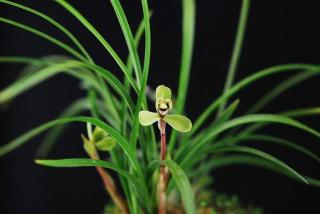
This article summarizes several core technical experiences in orchid cultivation and pest control.
For orchid diseases and pests, prevention is key. Key points for prevention include: 1. Ensure good ventilation; 2. Control watering and avoid prolonged periods of excessive moisture in the potting soil; 3. Protect from rain and prevent rain from irrigating the orchid (especially for precious varieties); 4. Disinfect the potting soil and pots before planting; 5. Select orchids free from diseases; 6. Regularly spray with fungicides such as carbendazim, thiophanate-methyl, and wood ash solution.
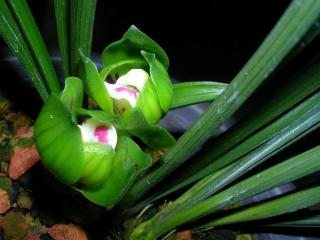
Common diseases and pests affecting orchids include rot, black spot, and scale insects. The main causes are persistently overly wet potting soil with poor ventilation; sudden or repeated exposure to rain during hot weather; fertilizer burn; and infection from diseased (fungal) plants. Once these diseases and pests are discovered, ventilation must be immediately improved, fertilization stopped, watering controlled, and the affected plants isolated.
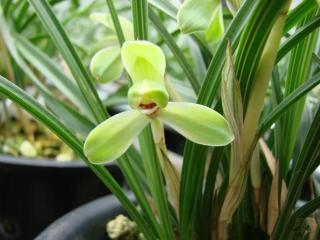
For rot disease, spray with fungicides such as carbendazim for disinfection. In severe cases, immediately repot the plant, uproot it, wash it with clean water, disinfect it thoroughly, and after drying, replant it.
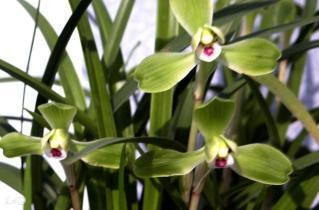
For black spot disease, apply a saturated potassium permanganate solution to the black spots on the leaves. The application area should be slightly larger than the black spot. One application should stop the spots from spreading. In severe cases, diseased leaves should be pruned.
For scale insects, during the hatching (egg-laying) period, use insecticides such as chlorpyrifos, dimethoate, or lime sulfur. Outside the hatching period, carefully brush them off before spraying.