These 30 health tips are something doctors from various departments have actually wanted to tell you a long time ago!
Doctors in various specialties are the most knowledgeable and authoritative experts on the body and diseases. In fact, doctors have a lot of health tips that they've always wanted to share with everyone.
Today, we're sharing the health truths they most want you to know, helping you extinguish the "small flames" of disease in time.

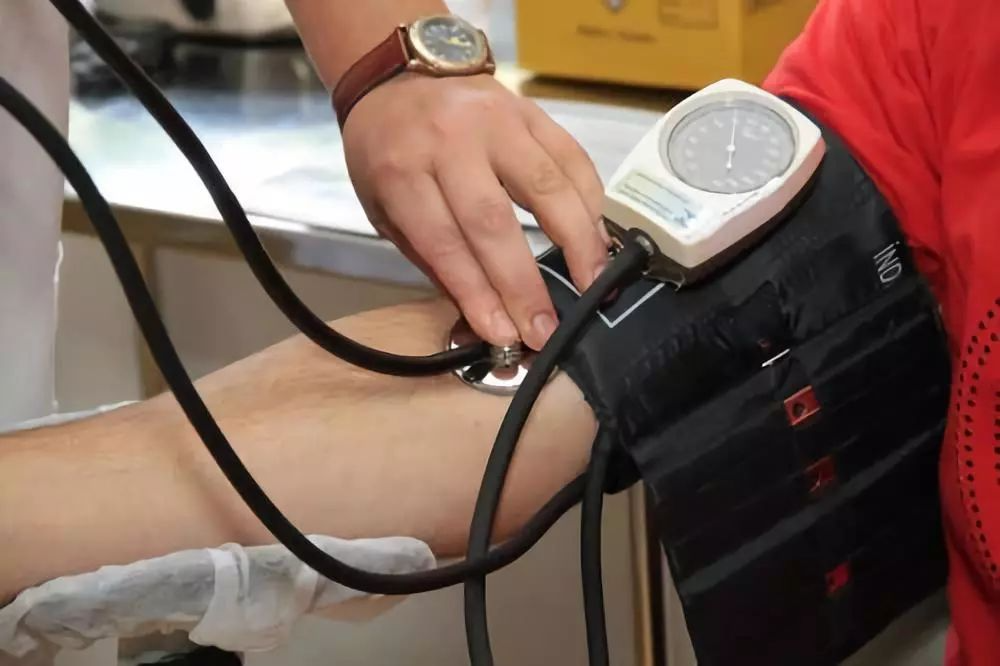
1. A single instance of high blood pressure does not necessarily indicate hypertension.
A diagnosis of hypertension requires at least three blood pressure measurements taken on different days. In other words, blood pressure must be measured above 140/90 mmHg on three consecutive or non-consecutive days to be diagnosed with hypertension.
2. Eating fruit is worse than drinking fruit juice.
Fruit juice contains all the sugar from the fruit but lacks dietary fiber and some vitamins, causing a rapid rise in blood sugar. It's easy to overeat fruit juice; one apple might make you feel full, but you could drink several glasses of fruit juice, whereas an apple or pear would only yield about half a glass of juice at most.
3. The claim that hangover cures are just a gimmick.
With current medical technology, it's virtually impossible to quickly reduce the blood alcohol level once it's in the bloodstream. Most hangover remedies contain sedatives, amino acids, and vitamins, which only relieve headaches and dizziness. It's best to drink alcohol in moderation...
4. Don't drink water when taking cough syrup.
Cough syrup is an exception to the usual medication list. Do not take it with water, and do not drink water immediately afterward, as water will dilute the syrup and weaken its cough-suppressing effect. If taking multiple medications simultaneously, take the cough syrup last.
5. Mild fatty liver does not mean mild liver damage.
Mild fatty liver doesn't necessarily mean mild liver damage, so it's crucial to take it seriously! Ultrasound and CT scans can classify fatty liver into mild, moderate, and severe levels, but they cannot determine the degree of liver inflammation. Obesity, malnutrition, and excessive alcohol consumption can all lead to fatty liver, and lifestyle changes can reverse early-stage mild fatty liver.
6. Eating a lot of sugar does not cause diabetes.
The amount of sugar you eat is not directly related to diabetes. The root cause of diabetes is insufficient insulin to process sugar. However, eating too much sugar can lead to weight gain! Obesity or being overweight increases the risk of developing diabetes.
7. There is no such thing as "impacted feces" in the human body.
Our rectum is usually empty and does not accumulate stool. Only a small amount of feces usually accumulates at the end of the colon in preparation for excretion. Therefore, there is no such thing as "impacted stool," let alone "intestinal cleansing to remove impacted stool." Improper intestinal cleansing will only worsen constipation.
8. Squatting on the toilet for too long can cause a false urge to defecate.
Squatting and straining can increase pressure in the abdomen, making the rectal mucosa loose and sagging, resulting in a "false urge to defecate." Hemorrhoids and local inflammation can also cause the intestines to send incorrect signals. Therefore, don't squat on the toilet for more than 10 minutes; if you do, it may not actually be an urge to defecate.
9. Bananas are not as effective as apples and pears at relieving constipation.
Bananas can help with bowel movements? Only ripe bananas have this effect; unripe bananas can actually worsen constipation. Ripe bananas are not a top choice for preventing constipation either; high-fiber fruits are the real "weapon" for relieving constipation, such as apples and long-stemmed pears.
10. Don't pinch the philtrum if the person is unconscious.
Pinching the philtrum (the area between the nose and upper lip) will produce a painful stimulus, which can help determine if someone is conscious, but it is not a first-aid measure. For a person who is unresponsive and not breathing, pinching the philtrum instead of performing CPR or chest compressions will actually delay treatment. So, just enjoy seeing people pinching the philtrum in movies and TV shows.
11. Babies under 1 year old do not need to eat salt.
For babies under 1 year old, the sodium naturally present in their food is sufficient to meet their needs, so there is no need to add extra salt.
The good habit of eating less salt should be instilled in babies from a young age.
12. Xiao Chai Hu Injection: Contraindicated in children.
Bupleurum injection, used as an "antipyretic injection," is widely used in the treatment of fever in children.
However, the National Medical Products Administration discovered that it has enormous potential harm, and could even lead to death, and announced in May of this year that it is banned for use in children.
Babies under 13.1 years old do not need to use a pillow.
Babies under 1 year old do not have a fully developed cervical spine and do not need to use a pillow when sleeping.
Using the wrong pillow can actually increase the risk of Sudden Infant Death Syndrome (SIDS).
Compound cold medicines are not recommended for children under 14.4 years old.
Compound cold medicines generally contain multiple active ingredients and lack dosage standards for children, which can easily lead to overdose in babies.
It is not recommended, especially for children under 4 years old.
15. Don't "sweat it out" when your baby has a fever.
When a baby has a fever, covering them too much can hinder heat dissipation and cooling down, and their body temperature may rise even higher, potentially even triggering seizures.
The temperature should be comfortable; don't try to make yourself sweat unnecessarily.

16. You don't actually need to remove earwax.
Earwax is carried to the outside of the ear canal by the "migration" of cells inside the ear. Moreover, fresh earwax dries and will fall out of the body on its own during activities such as chewing, talking, and singing. Under normal circumstances, there is no need to clean your ears.
17. Nosebleeds cannot be stopped by tilting the head back or raising the arms.
This action is completely unnecessary. Tilting your head back won't stop the bleeding; it will only cause blood to flow into your esophagus and stomach, causing discomfort. Raising your arm is also unnecessary; do you think it will stop the bleeding?
If you have a nosebleed, sit down immediately with your head tilted forward, and apply a cold compress to your head or neck. You can also put cotton balls in your nostrils and then pinch your nostrils closed.
18. Taking medication three times a day does not necessarily mean after breakfast, lunch, or dinner.
Generally, "three times a day" on a medication's instructions means taking it every 8 hours . For example, antibiotics, painkillers, and hormone medications are usually taken every 8 hours ; while hypoglycemic agents, lipid-lowering agents, and stomach medications should be taken at mealtimes . Of course, the timing isn't so rigid, and it's best to carefully read the medication's instructions and take it as prescribed by your doctor.
19. Light yellow teeth are healthier.
Whiter teeth are not necessarily healthier. Healthy dentin is yellow or pale yellow, and the enamel of normally calcified adult teeth is translucent . Therefore, the color of dentin appears as a pale yellow translucent color when it is visible through the enamel.
20. Ovarian massage was ineffective.
The ovaries are located deep in the lower abdomen. A normal-sized ovary cannot be felt from the outside of the abdomen, so it is impossible to improve ovarian function.
The "technicians" at the beauty salon were just pretending to massage my stomach.
21. The vagina is not healthier just by washing it.
Using various gynecological washes, especially vaginal douches, can disrupt the vaginal flora balance, making things worse. If you must wash, plain water is sufficient.
广告里的「洗洗更健康」,不要信。
22. Menstruation is not necessarily "menstrual".
The average menstrual cycle is 28 days, but if it occurs regularly every 21 to 35 days, it is also considered normal. Don't worry if your menstrual cycle is a little longer.
23. Women should begin regular cervical cancer screenings from the age of 21.
Most cervical cancers can be diagnosed early through screening. The main screening methods are cervical smears and HPV testing.
The cervical cancer vaccine does not cover all HPV subtypes, so screening is still necessary even after vaccination.

24. Don't use face masks every day.
Using too many face masks or leaving them on for too long can cause excessive hydration of the stratum corneum, leading to damage to the stratum corneum, thinning of the skin, and impaired barrier function, which is actually bad for the skin.
Using the same products that celebrities use every day not only doesn't help with skincare, but it also wastes your money.
25. Don't forget sunscreen on cloudy or rainy days.
On seemingly cloudy or rainy days without sunshine, the ultraviolet radiation intensity can actually reach about 70% of that on sunny days.
Don't be lazy just because it's cloudy or rainy and there's no sunshine. Always keep sun protection in mind.
26. Eating more collagen won't make you more beautiful.
Collagen is ingested and broken down before it can be absorbed; it cannot be directly converted into collagen in the skin.
To improve your skin, cleansing, moisturizing, and sun protection are the foundation.
27. Avoid using skincare products that promise rapid whitening.
No legitimate product can "whiten skin quickly".
Some unregulated skincare products often illegally add substances such as hormones and mercury to achieve rapid whitening effects. However, prolonged use can easily lead to problems such as hormone-dependent dermatitis or heavy metal poisoning.
28. Don't use cotton pads to apply toner.
Using cotton pads to apply toner is not only wasteful, but the constant rubbing of cotton pads on the face can also damage the normal stratum corneum.
For toner, simply apply it evenly with your hands.
29. The number of lunulae (half-moons) on fingernails is unrelated to health.
The number of lunulae (half-moons) on fingernails is related to genetics and does not fully reflect health issues. However, if the lunulae have recently undergone drastic changes, such as appearing or disappearing, special attention should be paid to thyroid and nutritional problems.
30. It's better to have a thicker skin.
Over-cleansing can thin the skin, damage the skin barrier, and make it more prone to allergies and redness. Exfoliation is generally recommended only once every two weeks.
All the above images are from: pexels.co m