There are techniques to pruning flower branches. Remember these 4 steps for healthy growth.
Timing: Pruning can be done during the growing season and dormancy period. During the growing season, the main tasks are pinching and removing buds, while during the dormancy period, the main tasks are shortening and thinning.
Pinching: During the growing season, prune the top branches and leaves, and do this several times to encourage the growth of more lateral branches, thereby increasing the number of flowers.
Heavy pruning: Retain the main stem and branches of the plant, and cut off new branches 5-6cm above the stem substrate.
Heading back: Cut off the part of the main stem 10-20cm or more from the base to promote the growth of new branches.
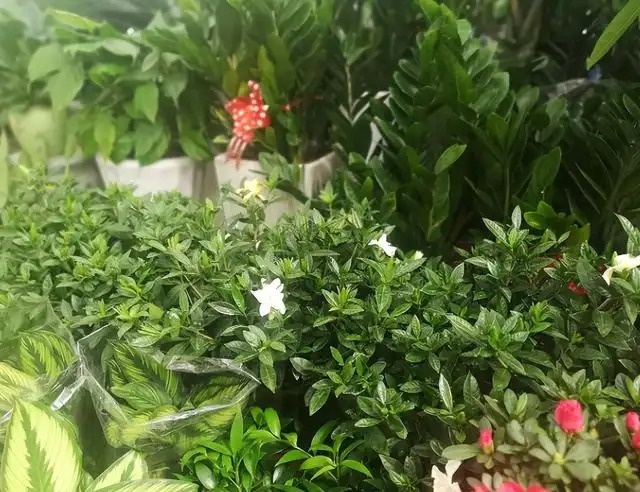
I. Time
Pruning is mainly done during the growing season and dormancy period. Pruning during the growing season can regulate the plant's vegetative growth, including pinching and bud removal. Pruning during the dormancy period mainly involves shortening and thinning, usually done in early spring. Do not prune too early, otherwise it will be detrimental to wound healing and the branches may be damaged by frost. If you prune too late, the new shoots on the plant will have already begun to sprout, and pruning will waste nutrients.
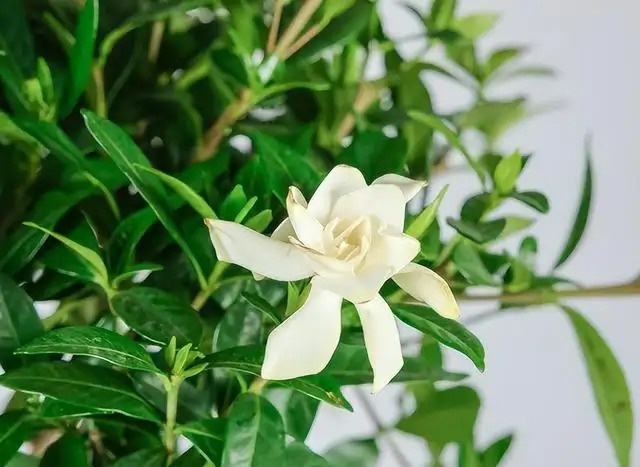
II. Pinching
During the growing season, pinching is necessary. Use a knife to prune the top branches and leaves of the plant. This encourages the growth of more lateral branches, resulting in more flower buds and a greater number of blooms. Generally, pinching is needed several times during the plant's growth to maintain a better plant shape.
III. Re-cut
For plants that flower on new shoots in the current year, heavy pruning requires retaining the main stem and branches to allow the plant to grow in a clump. The pruning location should be carefully chosen, on new shoots 5-6cm above the stem substrate. This pruning method is suitable for flowers such as jasmine, rose, and hibiscus.
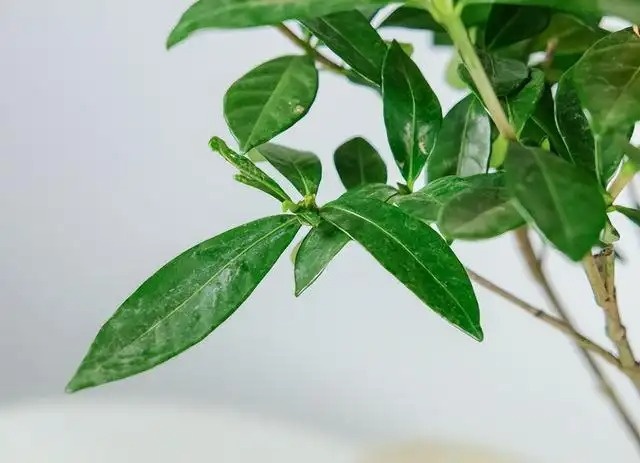
IV. Short Cut
Shortening is suitable for vines, such as ivy and clematis, as well as herbaceous flowering plants, such as kalanchoe and begonia. The pruning point is 10-20cm above the base of the main stem. Shortening can encourage new buds to sprout from the base of the main stem. When the flowers grow too tall or are weak, shortening can help them recover their vitality more quickly.