There are 6 types of flowers that should not be pruned in autumn and winter. Pruning requires choosing the right "time," otherwise, you won't see any flowers.
Whether you're a novice or an experienced gardener, anyone who loves flowers will inevitably grow some flowering plants. Flowering plants are incredibly beautiful when they bloom, especially some that burst into bloom, creating a spectacular sight. However, some flowering plants come with flowers when we buy them, but fail to bloom when their flowering season arrives at home. What causes this? Actually, some plants won't flower if not pruned properly. For example, these six plants will not produce any flower buds if pruned in autumn or winter. Avoid pruning them in autumn and winter; choose the right time to prune them so you can enjoy their blooms later.
1. Camellia
Camellias are relatively expensive and difficult to care for. Many people enjoy seeing them bloom but struggle to cultivate them successfully. Even if someone's camellia has lush, green leaves, it may not produce flowers during its flowering season. This is due to improper pruning. Camellias typically produce flower buds from the tips of branches, a characteristic of most camellia varieties. Of course, some evergreen camellias bloom from the main stem or branch tips, but these are exceptions. If you prune your camellia in autumn or winter, it will prevent the formation of any flower buds, and you won't see it bloom in spring. Furthermore, if the winter temperature is high indoors, it also won't flower.
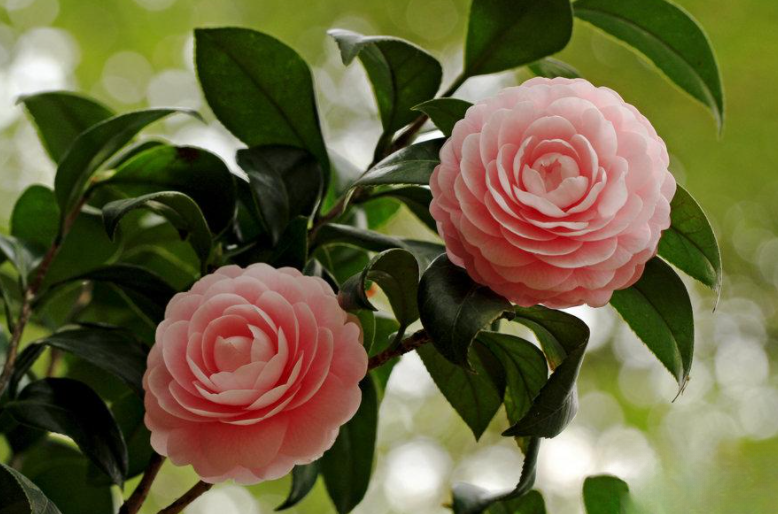
When growing camellias, it's crucial to remember that new shoots stop growing at the top and the branches gradually age before flower buds emerge from the tips. Flower bud differentiation occurs in autumn. The best time to prune camellias is after they finish flowering in spring. Give them a strong pruning, removing thin and weak branches and shortening long branches. This will encourage rapid new growth, which will continue until autumn, becoming longer and thicker. In autumn, the new branches will stop growing and directly age to differentiate into flower buds. Therefore, avoid pruning camellias starting in autumn to ensure rapid flower bud differentiation.
2. Daphne
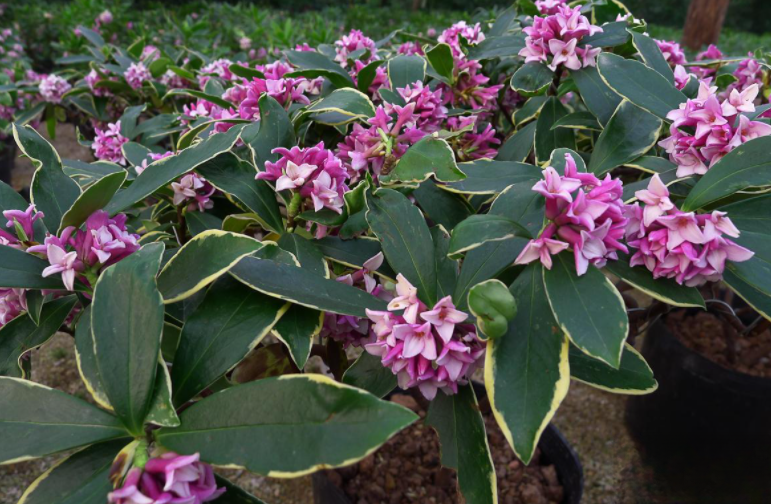
Daphne odora is an auspicious flower with a wonderful fragrance when it blooms; a single flower can fill a room with its aroma. It blooms in spring, and if kept indoors during the winter due to warmer temperatures, it can also bloom in winter, but it won't flower again in spring. If your daphne odora has vigorous leaves and is healthy, but doesn't bloom in season, it's likely due to improper pruning. Daphne odora should not be pruned in autumn and winter. Pruning should only be done after flowering, with a strong pruning to remove thin and weak branches, and shorten dead and long branches. This will encourage the rapid growth of multiple lateral buds. These lateral buds begin to grow in spring, thickening and growing until autumn, when they gradually stop growing, the tops seal off, and flower buds slowly form. It will then bloom directly in winter or spring.
3. Azalea
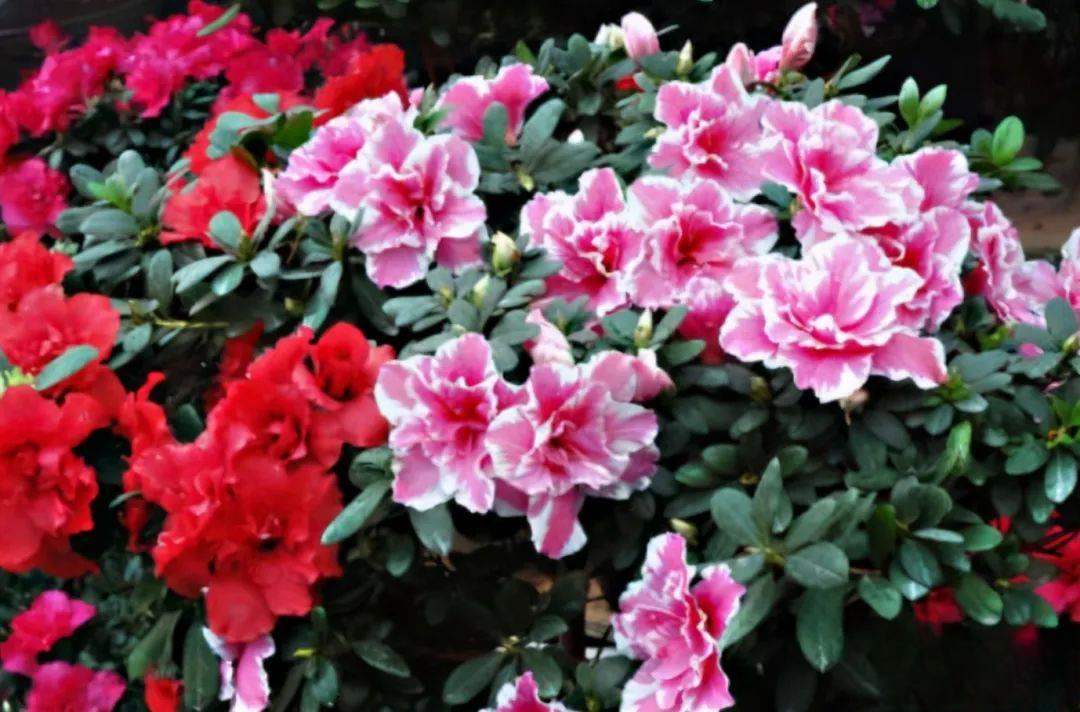
Azaleas are a popular New Year's flower, and many people buy several pots during the Lunar New Year. They are relatively difficult to care for, but with the right techniques and proper humidity, temperature, and light, they will thrive. However, some people find their azaleas have very lush green leaves and healthy plants, but the flower buds fail to differentiate in autumn, preventing them from blooming in winter. This is often due to improper pruning. Azaleas' flowering period ends in spring. After flowering, timely pruning is crucial, removing excess thin and weak branches. This will encourage rapid sprouting of new buds and multiple side shoots.
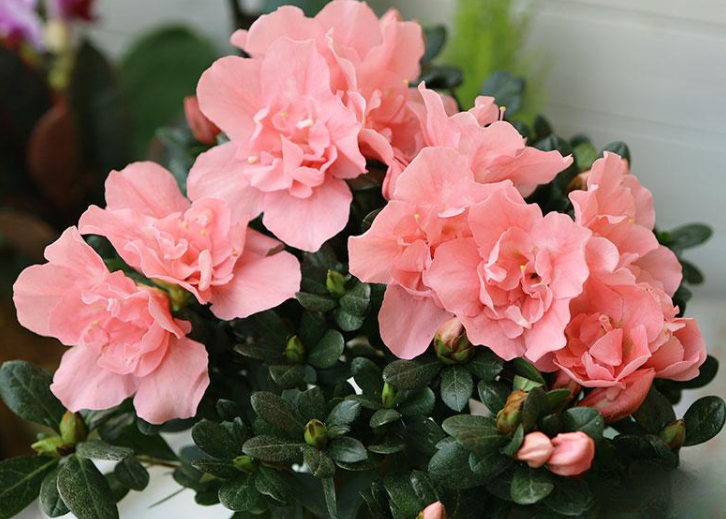
These lateral buds will grow very thick and strong if they receive sufficient sunlight. We can prune them appropriately in the summer. However, do not prune them in the fall, because these branches will gradually stop growing and become old and hard. In the fall, flower buds will slowly grow from the top, and in the winter, the flower buds will gradually grow and bloom. If you prune them directly in the fall, all the flower buds will be cut off, and you will never see it bloom. Even if the temperature is suitable during the flowering season, it will only produce buds.
4. Hydrangea
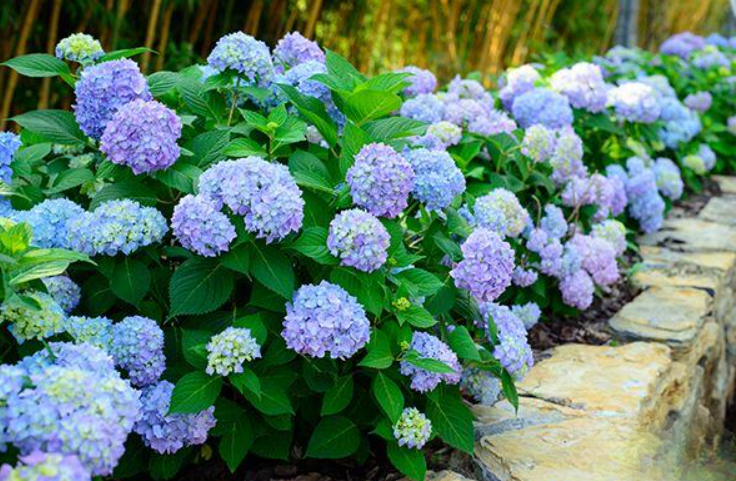
Hydrangeas come in a wide variety of colors and are popular houseplants. However, most large-flowered hydrangeas bloom in spring, and their flower buds develop from the tips of older branches. Therefore, if you want to prune your hydrangea, do so after flowering in spring and stop pruning in autumn. This is because the branches harden and age rapidly in autumn, stopping growth at the tips. In winter, when temperatures drop, the leaves wither and fall off. Then, in spring, the buds at the tips quickly open, producing flower buds. So, except for large-flowered hydrangeas like Endless Summer, panicle hydrangeas, and woody hydrangeas, you should never prune them in autumn. Supplementing them with ample phosphorus and potassium fertilizer will help them differentiate flower buds, allowing them to bloom profusely in spring.
5. Gardenia
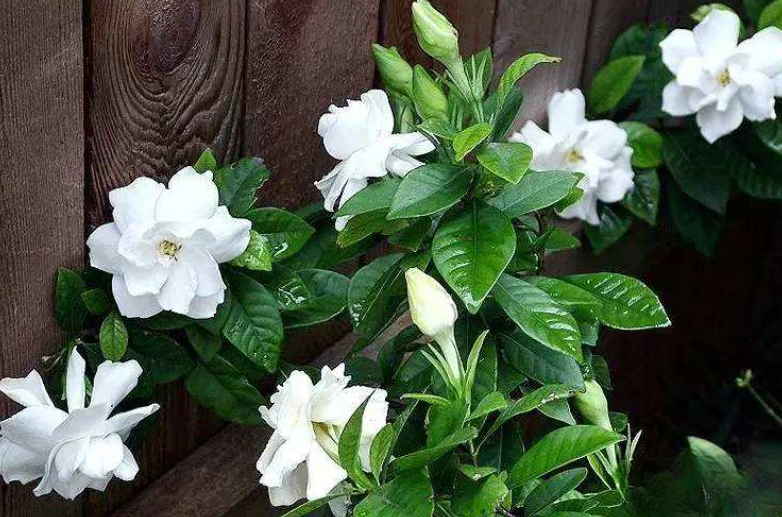
Gardenias are fragrant flowering plants with a very strong scent, blooming in spring. It's important to know that their flower buds differentiate gradually in autumn, and then emerge and open as winter or spring temperatures rise. Therefore, if you have gardenias at home, do not prune them in autumn. Prune sparingly in summer as well. What you should do is prune them heavily after flowering to encourage the growth of many new branches. These new branches stop growing in autumn, gradually hardening and maturing. Only then can flower buds grow at the top, allowing you to see them bloom the following spring.
6. Chrysanthemum
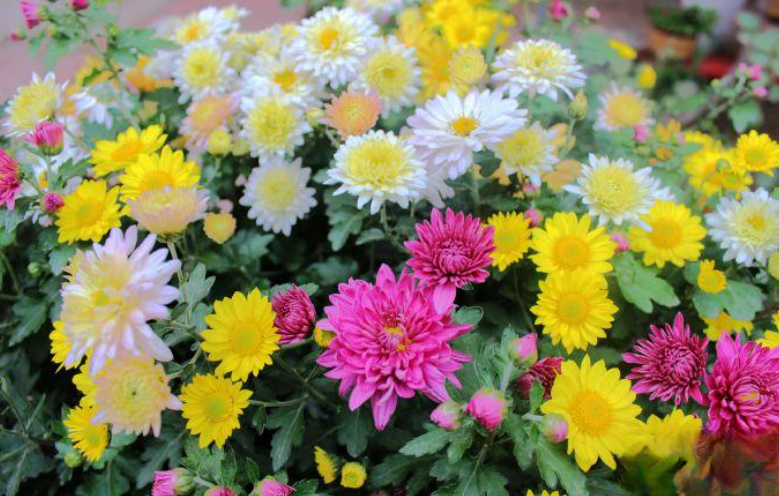
Chrysanthemums are very beautiful flowering plants that bloom profusely and grow very quickly. When growing chrysanthemums, it's crucial to remember that their flowering season is autumn. Therefore, avoid pruning them during autumn and winter. Only prune them after the entire flowering period has ended. This strong pruning will encourage the rapid growth of new shoots from the base. Once these new shoots emerge, retain two to three pairs of leaves and pinch off the top. This will allow the remaining stem to harden and age quickly, producing multiple lateral buds. Pinch off the tips of these lateral buds as well.
Continue this cycle until autumn is approaching and then stop pruning. During this process, many side shoots will grow. After pruning stops, these side shoots will gradually form flower buds from the top and bloom in autumn. If you pinch off the top of the plant when it grows in autumn and winter, it will have no growth point and will not be able to bloom.
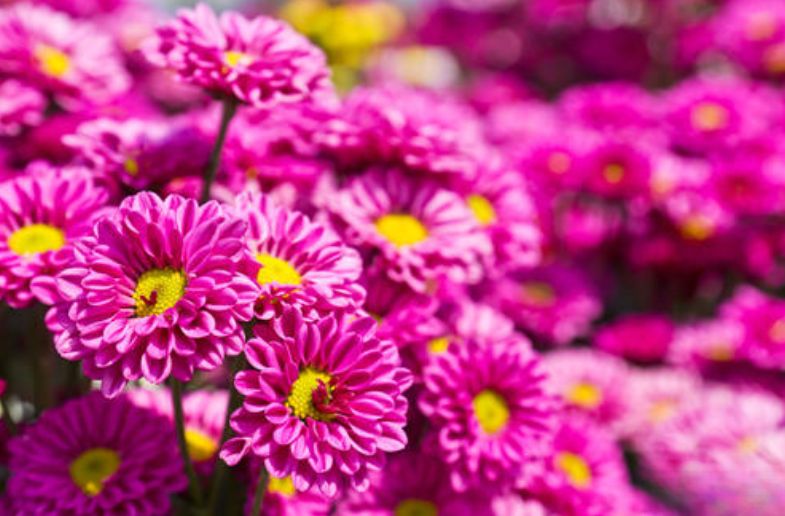
These six plants are quite common in homes, and many people like to grow them. They are very beautiful when they bloom, so if you have these six plants, try not to prune them in autumn and winter. Follow Xiao Qi's advice to find the right time to prune, and you'll be able to see them bloom profusely. Pruning them incorrectly will ruin their appearance.