The seventh of seven key points for growing orchids well: Pest control
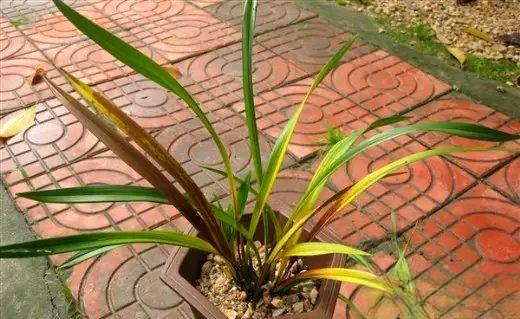
The main pests affecting Cymbidium orchids are insects with piercing-sucking mouthparts. These insects feed on the orchid's sweet sap, causing the leaves to curl, yellow, and dry out. They also spread harmful viruses, ultimately destroying the orchid. The main pests threatening Cymbidium orchids and their control methods are as follows:
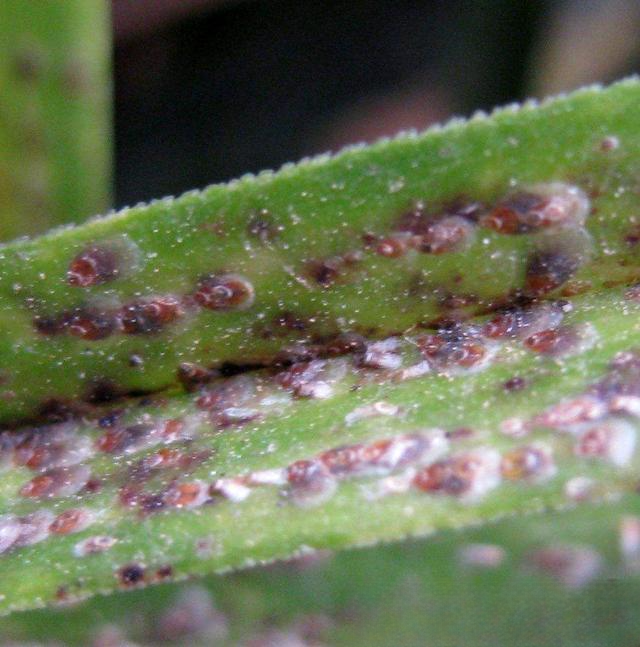
Scale insects
Commonly known as orchid scale insects or orchid louses, the main types include shield scale, brown round scale, and red scale. Because scale insects are protected by a waterproof waxy shell, they are easily identifiable. The appearance of scale insects is mostly due to poor ventilation. If found, a small number can be wiped off with a soft cloth dampened with a little soapy water or dish soap. For larger infestations, a mixture of 1000 times diluted dimethoate or 1000 times diluted trichlorfon with a small amount of laundry detergent can be sprayed to kill them. For a small number of orchids kept at home, a 600-800 times diluted solution of medical medicated oil or a 3-5 times diluted solution of white vinegar can be sprayed on the orchid plants every 5 days for 3 consecutive times. This can effectively kill the insects and prevent them from further harming the orchids. I have personally used a medication called "Scale Insecticide" with very good results.
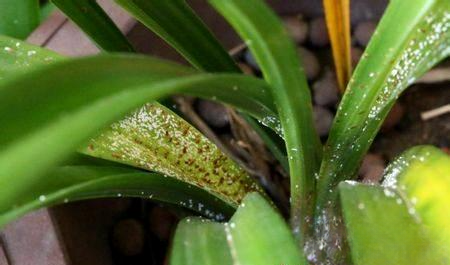
Yellowing and dehydration of orchid leaves are caused by powdery mildew and white powdery mildew that attach to the leaves and suck sap. If you find moving white powdery mildew on the leaves, it means that there is powdery mildew infestation. In this case, you should immediately spray with a 1000-fold dilution of dimethoate. Generally, 1 to 2 sprays can completely kill them.
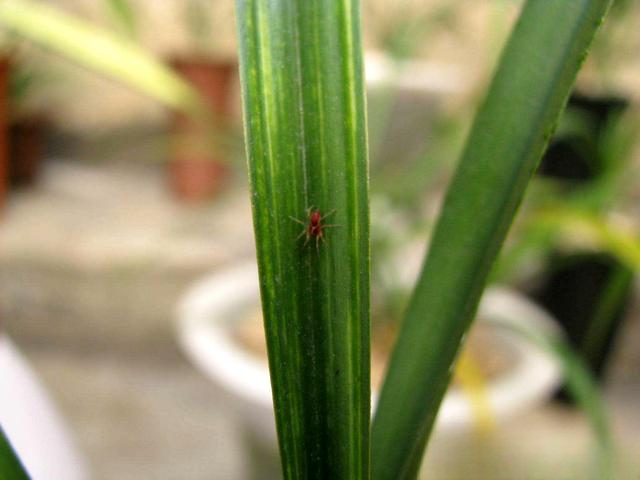
Spider mites are tiny mites, barely visible to the naked eye. They typically live on the undersides of orchid leaves, sucking sap and causing numerous grayish-brown spots to appear on the leaves, directly impacting the orchid's growth. When many small, moving red dots appear on the underside of orchid leaves, entwined with tiny threads, it indicates a spider mite infestation. At this time, spray with a 1000-fold dilution of dimethoate or dichlorvos; one to two sprays should kill the mites. While spraying, improve ventilation, as poorly ventilated environments are ideal for spider mite growth.
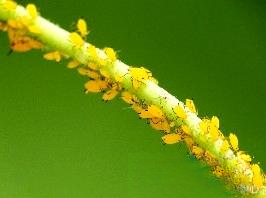
Common aphids that harm Cymbidium orchids include the peach aphid and the cotton aphid. These aphids often lurk in the sap-rich parts of the young buds or inflorescences, feeding on the sap. This causes the leaves and flowers of affected orchids to become twisted, deformed, and brittle, hindering normal growth and development. Control methods include spraying with a 1000-fold dilution of dimethoate or trichlorfon. If the number of aphids is small and they have just appeared, they can be wiped away directly with a soft cloth.
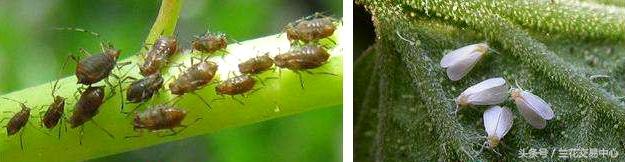
Thrips are pests that feed by hiding inside leaf and flower buds and sucking sap, whether as larvae or adults. Affected orchids suffer from deformed young buds and flower buds, causing them to bend, curl, and dry out. Control methods include spraying with a 1000-fold dilution of dichlorvos or dimethoate. During peak infestations, spray every 10 days to prevent thrips infestation.
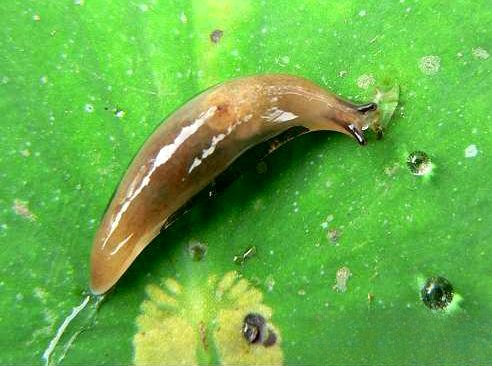
These mollusks are nocturnal, specifically feeding on the juicy tender shoots and flower buds of orchids. If you're not careful, they can devour all the new shoots or flower buds you've painstakingly cultivated over the past year in a single night, which is incredibly frustrating. Control methods include using a flashlight to remove a small number at night, or using a mixture of dead and live snail bait mixed with vegetable leaves to trap and kill larger infestations. To prevent snails and slugs from entering, you can sprinkle quicklime around the orchid pots or stands.
Points to note when using pesticides to control pests and diseases:
① First, the cause of the disease must be accurately identified, and medication should be prescribed accordingly;
② Always read the instructions or precautions before using any medication;
③ Prepare solutions according to the concentrations specified in the instructions; some may require a trial run first. After using one drug 2-3 times, rotate the medications.
④ If you have many kinds of orchids at home, be careful not to use the wrong one;
⑤ After using any pesticide, proper follow-up work should be done, such as washing hands and feet and cleaning the site, to avoid future problems.