The Secrets of WorldRenowned Magician David Copperfield Revealed
1. David Crossing the Great Wall
This magic trick, performed by American super magician Francis Ford Copperfield, involves crossing the Great Wall. The Great Wall is a testament to the wisdom of the Chinese people. Magicians cannot achieve such a magical effect by drilling or digging into the wall; they must use sleight of hand. Let me describe the performance process, and perhaps you'll understand. The magician climbs a wooden ladder onto a stage against a wall. Immediately, a white cloth is placed around the stage. The lights come on, and the magician's silhouette appears on the cloth. Then, the wooden ladder is quietly moved away and hoisted to the other side of the Great Wall by a large crane. After the magician emerges from the Great Wall, the ladder is moved back up, and the magician descends. Notice how much I describe the wooden ladder? The secret lies in the ladder itself; it's specially designed to perfectly accommodate the magician. I won't say more; do you understand?
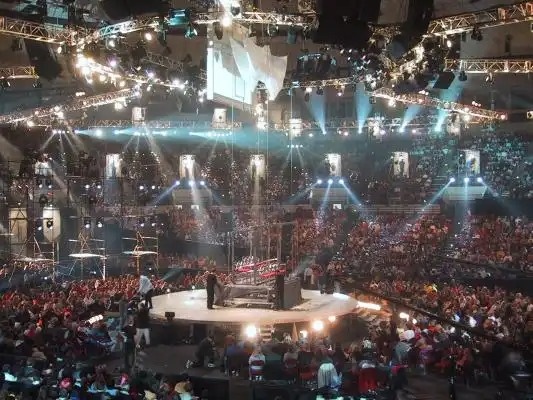
This magic trick, performed by American super magician Francis Ford Copperfield, involves crossing the Great Wall. The Great Wall is a testament to the wisdom of the Chinese people. Magicians cannot achieve such a magical effect by drilling or digging into the wall; they must use sleight of hand. Let me describe the performance process, and perhaps you'll understand. The magician climbs a wooden ladder onto a stage against a wall. Immediately, a white cloth is placed around the stage. The lights come on, and the magician's silhouette appears on the cloth. Then, the wooden ladder is quietly moved away and hoisted to the other side of the Great Wall by a large crane. After the magician emerges from the Great Wall, the ladder is moved back up, and the magician descends. Notice how much I describe the wooden ladder? The secret lies in the ladder itself; it's specially designed to perfectly accommodate the magician. I won't say more; do you understand?
2. The Vanishing Truck
Super magician David Copperfield drives a huge truck onto stage X, covers it with a massive iron cage, and after the audience can see clearly, covers the cage with a white curtain. Then, he asks the audience to form a large circle, completely surrounding the white curtain. Soon, the white curtain falls down, and the truck disappears! It vanishes before the audience's eyes! It turns out the truck was carrying many people. As the curtain fell, audience members went on stage. While the audience was forming a circle, the people on the truck got off, facing the audience. The lights cast their shadows, which the audience mistook for the shadows of the people on stage—when in fact, they were the shadows of the people inside. The remaining people on the truck quickly connected the iron cage to the truck. The iron cage was movable; as the curtain fell, the lighting changed, and the iron cage and the people inside were all pulled back into the truck. The truck was then lifted above the stage by a huge crane. The audience only saw the audience members on stage holding hands in a circle; the truck had disappeared. This magic trick is very similar to the tricks involving the Great Wall, the Statue of Liberty, and airplanes. However, it cannot be performed without money; it requires a huge amount of money to build the stage and make the props.
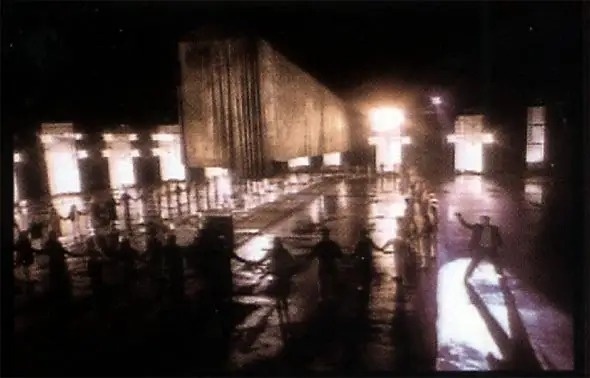
Super magician David Copperfield drives a huge truck onto stage X, covers it with a massive iron cage, and after the audience can see clearly, covers the cage with a white curtain. Then, he asks the audience to form a large circle, completely surrounding the white curtain. Soon, the white curtain falls down, and the truck disappears! It vanishes before the audience's eyes! It turns out the truck was carrying many people. As the curtain fell, audience members went on stage. While the audience was forming a circle, the people on the truck got off, facing the audience. The lights cast their shadows, which the audience mistook for the shadows of the people on stage—when in fact, they were the shadows of the people inside. The remaining people on the truck quickly connected the iron cage to the truck. The iron cage was movable; as the curtain fell, the lighting changed, and the iron cage and the people inside were all pulled back into the truck. The truck was then lifted above the stage by a huge crane. The audience only saw the audience members on stage holding hands in a circle; the truck had disappeared. This magic trick is very similar to the tricks involving the Great Wall, the Statue of Liberty, and airplanes. However, it cannot be performed without money; it requires a huge amount of money to build the stage and make the props.
3. Sawing a Man
David Copperfield's "sawing a man" trick is one of the most astonishing traditional acts in magic history. During the performance, his assistants carry a rectangular wooden box onto a table. The box can be opened on the top and sides. After showing this to the audience, a female assistant lies inside the box, with her head and feet sticking out of small holes at both ends. The performer then takes a saw and cuts the box, along with the assistant, in two, inserting two boards into the slit. Now the two parts of the box separate, and the audience sees the assistant's feet moving and her face smiling. "It's not surprising at all." It turns out there are two female assistants involved in the performance; the second assistant had been lying inside the table beforehand. This unseen assistant could use a flap at the bottom of the box to extend her legs inside, leaving her feet sticking out. However, the assistant who entered the box in front of the audience had her legs bent.
There's another sawing trick, a modified version by David, because he couldn't keep performing tricks that had been exposed. This time, it involved a female assistant! However, this box can be recessed. After the female assistant lay down, her buttocks sank in, and her waist sank in as well. When the magician closed the wooden board, he inserted a steel plate into the female assistant's waist, and then he took a chainsaw and started sawing. He stopped when he sawed the steel plate, and her head and body were sawed apart, but he didn't actually saw it!
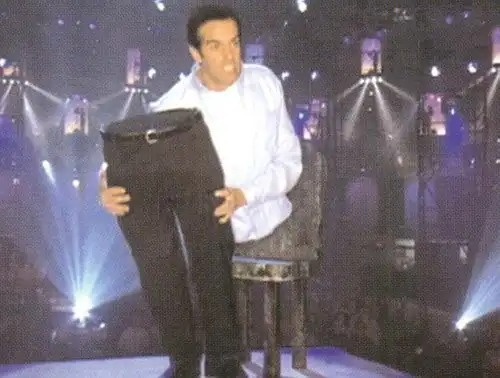
David Copperfield's "sawing a man" trick is one of the most astonishing traditional acts in magic history. During the performance, his assistants carry a rectangular wooden box onto a table. The box can be opened on the top and sides. After showing this to the audience, a female assistant lies inside the box, with her head and feet sticking out of small holes at both ends. The performer then takes a saw and cuts the box, along with the assistant, in two, inserting two boards into the slit. Now the two parts of the box separate, and the audience sees the assistant's feet moving and her face smiling. "It's not surprising at all." It turns out there are two female assistants involved in the performance; the second assistant had been lying inside the table beforehand. This unseen assistant could use a flap at the bottom of the box to extend her legs inside, leaving her feet sticking out. However, the assistant who entered the box in front of the audience had her legs bent.
There's another sawing trick, a modified version by David, because he couldn't keep performing tricks that had been exposed. This time, it involved a female assistant! However, this box can be recessed. After the female assistant lay down, her buttocks sank in, and her waist sank in as well. When the magician closed the wooden board, he inserted a steel plate into the female assistant's waist, and then he took a chainsaw and started sawing. He stopped when he sawed the steel plate, and her head and body were sawed apart, but he didn't actually saw it!
4. Suspended in Mid-Air
The super magician David can fly. He can suspend a female assistant in mid-air, bobbing up and down without any support. He can even make her legs disappear. Can he do it? Of course! Here's how he does it: He himself will always wear all black clothes and black gloves—a great magician can't help but dress like this. Why? To conceal his identity. The magician places his assistant (wearing a white dress) flat in the air, supported by several tripods. He removes the tripods one by one until only one pillar remains. In fact, the other tripods are completely useless; only this pillar is attached to the assistant's body. The assistant has a steel plate on her back for easy fixation. At this point, it's not surprising that the magician makes the assistant bob up and down. But what's more, even after the other assistants remove the last pillar, the female assistant is still floating in the air! How is this possible? Qiaoqiao would definitely ask this! It turns out that while his assistants were dismantling the last pillar (sometimes he used a broom instead of a steel pillar, though it actually contained steel—otherwise, how could it hold up?), the magician had a steel bar in each of his arms, which he inserted into a mechanism on his female assistant's back. Using his arm strength, he supported her, leaving the audience stunned. Hehe! If you're not strong enough, you can levitate your doll! Try it, it's fun! You can make your doll fly too!
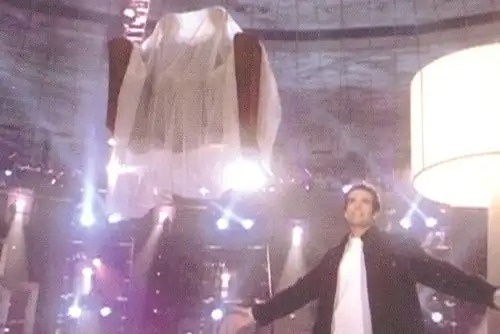
The super magician David can fly. He can suspend a female assistant in mid-air, bobbing up and down without any support. He can even make her legs disappear. Can he do it? Of course! Here's how he does it: He himself will always wear all black clothes and black gloves—a great magician can't help but dress like this. Why? To conceal his identity. The magician places his assistant (wearing a white dress) flat in the air, supported by several tripods. He removes the tripods one by one until only one pillar remains. In fact, the other tripods are completely useless; only this pillar is attached to the assistant's body. The assistant has a steel plate on her back for easy fixation. At this point, it's not surprising that the magician makes the assistant bob up and down. But what's more, even after the other assistants remove the last pillar, the female assistant is still floating in the air! How is this possible? Qiaoqiao would definitely ask this! It turns out that while his assistants were dismantling the last pillar (sometimes he used a broom instead of a steel pillar, though it actually contained steel—otherwise, how could it hold up?), the magician had a steel bar in each of his arms, which he inserted into a mechanism on his female assistant's back. Using his arm strength, he supported her, leaving the audience stunned. Hehe! If you're not strong enough, you can levitate your doll! Try it, it's fun! You can make your doll fly too!
5. The Mysteriously Appearing and Disappearing Cup of Water
The performer picks up a paper cup and pours water from a large glass into it, then pours some water back into the glass to demonstrate that it's all real. He then places the paper cup into a hat, as previously indicated. Suddenly, the performer remembers something; he takes a fruit bag from his breast pocket, explains the bag, carefully takes the paper cup from the hat, puts it inside, lifts the bag by the top, and slowly crumples it into a ball with both hands without spilling a drop of water. He then stuffs the crumpled paper ball into his trouser pocket. The performer tells the audience that he will recreate the crumpled paper cup and the vanished water in the hat, and as he does so, he takes the crumpled paper bag from his trouser pocket and throws it into the hat. At this point, the performer pretends to look into the hat and tells the audience what they see—how the paper cup is being restored—then slowly removes the restored paper cup and water from the hat using their index finger and thumb, pouring the water back into the large glass. Holding the brim of the hat with their fingers, they turn it upside down, revealing only a crumpled paper bag. The hat is empty; it's worth showing the paper bag. The hat, as a prop, can be borrowed from the audience, since hats are not used for doorways. However, the paper cups have been modified; there are actually two cups, one with its bottom cut off. This bottomless cup is placed in another compartment. Two more identical fruit paper bags are prepared, and one is crumpled beforehand and placed in a pocket. A large glass with a handle is prepared, filled with water. The water is poured into the two stacked paper cups, and the paper bag is placed into the hat. At this point, the bottomless cup is not immediately removed, otherwise the audience will be suspicious; if it's going to be taken out, why put it back in? Therefore, the performer pretends to remember a paper bag, takes it out and shows it to the audience, then takes out a bottomless cup, carefully places it into the paper bag, deflates the bag, and puts it in their pocket. Similarly, the performer shouldn't immediately take out the pre-placed paper bag; instead, they should say a few words to the audience, then take out the empty paper bag and throw it into their hat. The rest is self-evident and needs no further explanation.
The performer picks up a paper cup and pours water from a large glass into it, then pours some water back into the glass to demonstrate that it's all real. He then places the paper cup into a hat, as previously indicated. Suddenly, the performer remembers something; he takes a fruit bag from his breast pocket, explains the bag, carefully takes the paper cup from the hat, puts it inside, lifts the bag by the top, and slowly crumples it into a ball with both hands without spilling a drop of water. He then stuffs the crumpled paper ball into his trouser pocket. The performer tells the audience that he will recreate the crumpled paper cup and the vanished water in the hat, and as he does so, he takes the crumpled paper bag from his trouser pocket and throws it into the hat. At this point, the performer pretends to look into the hat and tells the audience what they see—how the paper cup is being restored—then slowly removes the restored paper cup and water from the hat using their index finger and thumb, pouring the water back into the large glass. Holding the brim of the hat with their fingers, they turn it upside down, revealing only a crumpled paper bag. The hat is empty; it's worth showing the paper bag. The hat, as a prop, can be borrowed from the audience, since hats are not used for doorways. However, the paper cups have been modified; there are actually two cups, one with its bottom cut off. This bottomless cup is placed in another compartment. Two more identical fruit paper bags are prepared, and one is crumpled beforehand and placed in a pocket. A large glass with a handle is prepared, filled with water. The water is poured into the two stacked paper cups, and the paper bag is placed into the hat. At this point, the bottomless cup is not immediately removed, otherwise the audience will be suspicious; if it's going to be taken out, why put it back in? Therefore, the performer pretends to remember a paper bag, takes it out and shows it to the audience, then takes out a bottomless cup, carefully places it into the paper bag, deflates the bag, and puts it in their pocket. Similarly, the performer shouldn't immediately take out the pre-placed paper bag; instead, they should say a few words to the audience, then take out the empty paper bag and throw it into their hat. The rest is self-evident and needs no further explanation.
6. Aerial Trapeze
1. Place two chairs on stage X. 2. A person lies on chair X, with their head and feet resting on the chair. 3. The performer takes a sheet and covers the lying person, leaving only their head and feet exposed. 4. While chanting a spell, the performer moves the chair covering the lying person's feet away with their foot, but the lying person remains motionless! Then, the chair covering their head is also removed. However, the lying person is completely unaffected and can still rise and fall with the chant. It turns out the sleeping person's legs are fake; they are actually squatting. Do you understand now?

1. Place two chairs on stage X. 2. A person lies on chair X, with their head and feet resting on the chair. 3. The performer takes a sheet and covers the lying person, leaving only their head and feet exposed. 4. While chanting a spell, the performer moves the chair covering the lying person's feet away with their foot, but the lying person remains motionless! Then, the chair covering their head is also removed. However, the lying person is completely unaffected and can still rise and fall with the chant. It turns out the sleeping person's legs are fake; they are actually squatting. Do you understand now?
7. The Human Body Divided into Three Sections
On stage, a cabinet is placed with a roughly drawn outline of a figure on the door, with holes for the head, hands, and left foot. The performer opens the cabinet door, invites an actress inside, and closes the door behind her. The actress's face is now facing the head hole, with her hands and left foot protruding from each hole. The performer points to the actress's hands and feet, which wag, confirming her presence. Next, the performer takes two thin steel knives and inserts them into the middle of the cabinet. Then, pushing to the right, the cabinet is split in three sections, with enough space in the middle for the performer to wave a handkerchief, demonstrating that the sections have indeed been removed. The actress is clearly divided into three parts. Although her head, hands, and feet are in three separate locations, surprisingly, they can still move freely! Finally, the performer pushes the cabinet back into place, removes the steel knives, opens the door, and the actress emerges from the cabinet, still smiling. "The Human Body in Three Parts" is a modern, large-scale foreign magic trick. French magician Jean Rogar gave a brilliant performance at the World Magic Championships in Paris, France in 1982. Besides the ingenious design of the props, the key to "The Human Body in Three Parts" lies in the application of color theory to the props, creating an optical illusion for the audience. After pushing open the middle section of the cabinet, the connecting part between the middle and upper sections appears very narrow, seemingly impossible for a human to pass through, but in fact, it has a certain width. As long as the female magician is slender and has basic flexibility, turning sideways through the middle section of the cabinet is not a problem.
On stage, a cabinet is placed with a roughly drawn outline of a figure on the door, with holes for the head, hands, and left foot. The performer opens the cabinet door, invites an actress inside, and closes the door behind her. The actress's face is now facing the head hole, with her hands and left foot protruding from each hole. The performer points to the actress's hands and feet, which wag, confirming her presence. Next, the performer takes two thin steel knives and inserts them into the middle of the cabinet. Then, pushing to the right, the cabinet is split in three sections, with enough space in the middle for the performer to wave a handkerchief, demonstrating that the sections have indeed been removed. The actress is clearly divided into three parts. Although her head, hands, and feet are in three separate locations, surprisingly, they can still move freely! Finally, the performer pushes the cabinet back into place, removes the steel knives, opens the door, and the actress emerges from the cabinet, still smiling. "The Human Body in Three Parts" is a modern, large-scale foreign magic trick. French magician Jean Rogar gave a brilliant performance at the World Magic Championships in Paris, France in 1982. Besides the ingenious design of the props, the key to "The Human Body in Three Parts" lies in the application of color theory to the props, creating an optical illusion for the audience. After pushing open the middle section of the cabinet, the connecting part between the middle and upper sections appears very narrow, seemingly impossible for a human to pass through, but in fact, it has a certain width. As long as the female magician is slender and has basic flexibility, turning sideways through the middle section of the cabinet is not a problem.

8. The Disappearance of the Statue of Liberty
The magic trick performed by American super magician David Copperfield—the disappearance of the Statue of Liberty—truly astonished the world. The mystery of this magic trick remains unsolved to this day. The Chinese magic community has conducted professional research and has finally gained some understanding, but it is still not fully cracked. Everyone understands that the Statue of Liberty cannot disappear; what disappears is only our fleeting memory. I cannot teach you how to perform this magic trick step-by-step here, as it cost millions of dollars and no magician in China can perform it. I will only offer a hint: the giant floor used as the audience seating is movable. It can form a certain angle with the Statue of Liberty. Since the audience is far from the Statue of Liberty, even a small tilt is enough to make the Statue of Liberty disappear. At the same time as the floor tilts, the black cloth covering the Statue of Liberty is also rising. All movements are slowly controlled by a computer, imperceptible to the audience. When the black cloth falls, the audience can only see the empty sky above the Statue of Liberty, and the Statue of Liberty magically disappears.
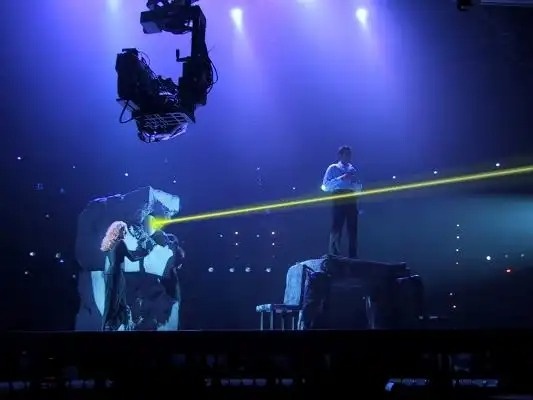
The magic trick performed by American super magician David Copperfield—the disappearance of the Statue of Liberty—truly astonished the world. The mystery of this magic trick remains unsolved to this day. The Chinese magic community has conducted professional research and has finally gained some understanding, but it is still not fully cracked. Everyone understands that the Statue of Liberty cannot disappear; what disappears is only our fleeting memory. I cannot teach you how to perform this magic trick step-by-step here, as it cost millions of dollars and no magician in China can perform it. I will only offer a hint: the giant floor used as the audience seating is movable. It can form a certain angle with the Statue of Liberty. Since the audience is far from the Statue of Liberty, even a small tilt is enough to make the Statue of Liberty disappear. At the same time as the floor tilts, the black cloth covering the Statue of Liberty is also rising. All movements are slowly controlled by a computer, imperceptible to the audience. When the black cloth falls, the audience can only see the empty sky above the Statue of Liberty, and the Statue of Liberty magically disappears.
9. The Immortal Magician
Super magician David Locked himself in an ice cave for days and nights without food or water. After the ice was removed, he was unharmed. The ice cave was made of huge blocks of ice, and the entire process was monitored by cameras. The magician had a medical monitor on him, allowing the outside world to see his heartbeat and breathing. It turned out that there was a switch under the floor of the ice cave, just big enough for one person to climb in and out. Below was a comfortable little room. The magician found someone his own height to sleep below, eating and drinking heartily. When the magician couldn't stand the cold anymore, the person would climb up and stand behind him. The magician would switch places with him, like a cicada shedding its shell. This was repeated several times. The audience saw that the shadows didn't change, but the people inside had been switched. How could he not be freezing? The monitoring equipment could also see the heartbeat of the person inside. The real magician was drinking in the cellar!
Super magician David Locked himself in an ice cave for days and nights without food or water. After the ice was removed, he was unharmed. The ice cave was made of huge blocks of ice, and the entire process was monitored by cameras. The magician had a medical monitor on him, allowing the outside world to see his heartbeat and breathing. It turned out that there was a switch under the floor of the ice cave, just big enough for one person to climb in and out. Below was a comfortable little room. The magician found someone his own height to sleep below, eating and drinking heartily. When the magician couldn't stand the cold anymore, the person would climb up and stand behind him. The magician would switch places with him, like a cicada shedding its shell. This was repeated several times. The audience saw that the shadows didn't change, but the people inside had been switched. How could he not be freezing? The monitoring equipment could also see the heartbeat of the person inside. The real magician was drinking in the cellar!

10. Card Magic
The magician asks a spectator to draw a card and tear off a corner from any part of it, keeping the corner safe. The magician then tears the card to shreds, burns it to ashes, and mixes it with gunpowder. Another spectator takes a nail, and the magician asks him to load the gunpowder and nail into a gun barrel. He then takes the gun and shoots it at a wall. The nail fired from the gun pins the torn card to the wall, missing the corner torn off by the spectator. The torn corner is then checked and found to fit perfectly. The secret of this amazing trick lies in the fact that when the magician receives the card with the corner torn off by the spectator, he simultaneously places another card on top, also tearing off a similar corner, and continues the performance with this card, while the original card is taken backstage by an assistant. The gun is modified so that the magician can secretly remove the nail from the gun. The assistant backstage nails the card to a small wooden board covered with the same wallpaper as the back wall of the stage. There was a hole in the wall, and a small wooden board was driven through the back of this hole. A piece of wallpaper, connected by a string, hung in front of the hole. When the magician fired the gun, his assistant pulled the string, and the wallpaper fell to the ground, revealing the small wooden board. It appeared as if the nails and playing cards had been shot there.

The magician asks a spectator to draw a card and tear off a corner from any part of it, keeping the corner safe. The magician then tears the card to shreds, burns it to ashes, and mixes it with gunpowder. Another spectator takes a nail, and the magician asks him to load the gunpowder and nail into a gun barrel. He then takes the gun and shoots it at a wall. The nail fired from the gun pins the torn card to the wall, missing the corner torn off by the spectator. The torn corner is then checked and found to fit perfectly. The secret of this amazing trick lies in the fact that when the magician receives the card with the corner torn off by the spectator, he simultaneously places another card on top, also tearing off a similar corner, and continues the performance with this card, while the original card is taken backstage by an assistant. The gun is modified so that the magician can secretly remove the nail from the gun. The assistant backstage nails the card to a small wooden board covered with the same wallpaper as the back wall of the stage. There was a hole in the wall, and a small wooden board was driven through the back of this hole. A piece of wallpaper, connected by a string, hung in front of the hole. When the magician fired the gun, his assistant pulled the string, and the wallpaper fell to the ground, revealing the small wooden board. It appeared as if the nails and playing cards had been shot there.
11. The Unpoppable Balloon
How can a balloon be unpoppable? Yet, a magician punctures a balloon with a metal needle in front of the audience, and the balloon doesn't burst. The performer has pre-treated the balloon as follows: slightly deflate a fully inflated balloon, then attach a 3-centimeter-long strip of transparent tape to each opposite end. Holding the needle in his right hand, the performer inserts it into the balloon from top to bottom through the tape, exiting through the other end. The tape prevents the "wound" from widening, so the gas leaks out very slowly. The performer then removes the needle, gently flicks the balloon, and lets it float in the air for a moment, making it appear "unharmed" to the audience. When the performer inserts the needle again, there's a "pop"—the balloon bursts! This time, the needle wasn't inserted through the tape. This second puncture is crucial; with the balloon now "wounded," the gas is slowly escaping, causing the balloon to shrink, so it must burst to "suppress" the leak.
You can also wrap a long, thin balloon in a paper tube, blow it up, and then try to puncture it with a knitting needle. It won't pop because the balloon won't be fully inflated inside the paper tube. Give it a try!
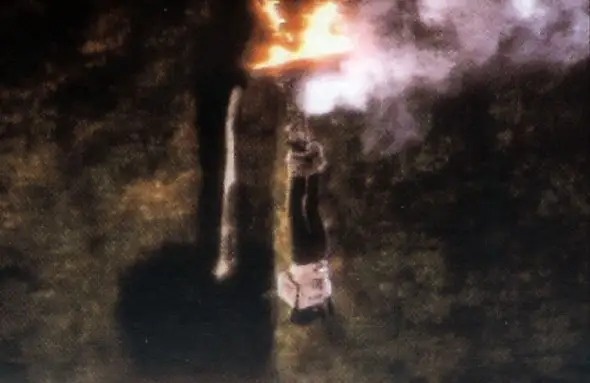
How can a balloon be unpoppable? Yet, a magician punctures a balloon with a metal needle in front of the audience, and the balloon doesn't burst. The performer has pre-treated the balloon as follows: slightly deflate a fully inflated balloon, then attach a 3-centimeter-long strip of transparent tape to each opposite end. Holding the needle in his right hand, the performer inserts it into the balloon from top to bottom through the tape, exiting through the other end. The tape prevents the "wound" from widening, so the gas leaks out very slowly. The performer then removes the needle, gently flicks the balloon, and lets it float in the air for a moment, making it appear "unharmed" to the audience. When the performer inserts the needle again, there's a "pop"—the balloon bursts! This time, the needle wasn't inserted through the tape. This second puncture is crucial; with the balloon now "wounded," the gas is slowly escaping, causing the balloon to shrink, so it must burst to "suppress" the leak.
You can also wrap a long, thin balloon in a paper tube, blow it up, and then try to puncture it with a knitting needle. It won't pop because the balloon won't be fully inflated inside the paper tube. Give it a try!
12. The Magic Cylinder Retrieval
On the table in front of the performer is a square cylinder with a lattice window on the front, through which another cylinder can be seen inside. The performer picks up the outer cylinder and shows it to the audience from various angles, then puts it back over the inner cylinder. Reaching in to take the inner cylinder, the performer's hand is visible to the audience through the lattice window. The performer then picks up the inner cylinder, demonstrating to the audience that it is also empty. Once the inner cylinder is inserted into the outer cylinder, the performer's hand reaches into the inner cylinder and takes out numerous handkerchiefs and flowers. Finally, the outer cylinder is removed and set aside, and the inner cylinder is picked up again. A potted plant appears on the table. The audience will never discover the secret, because inside the inner cylinder is a tube made of black cardboard. Because the inner wall of the outer cylinder is coated with non-reflective black, even when the inner cylinder is taken out for the audience to see, the black tube inside is not visible through the lattice window. Of course, the outer and inner cylinders cannot be shown simultaneously; they can only be shown alternately. Both tubes are made of thin wood chipboard, with a sealed bottom for the black tube. The tubes and tubes can be placed directly on a table, or a small platform can be added; this further avoids suspicion and prevents the audience from suspecting any secrets hidden in the table. If a flowerpot is to be produced at the end, the black tube should not have a bottom. It is crucial that no light shines into the tubes from above during the performance, otherwise the black tubes will be easily detected. The lighting should be tested from the audience's perspective before the performance. If a metal plate is glued to the inner wall of the top of the black tube, and a small piece of confetti is fixed to this plate, the confetti can be ignited with a cigarette butt or candle at the beginning of the performance, creating fireworks. This is both visually appealing and convincing (showing that even if there is something inside, it has been burned). Furthermore, silk handkerchiefs and compressed cylindrical newspaper lanterns can be produced. Moreover, miniature batteries and bulbs can be installed at the bottom of the lantern, with their circuits pre-connected but separated by insulating paper, which is then connected to the handle at the top of the lantern. In this way, once the lantern is lifted, the insulating paper is removed, and the lantern lights up.

On the table in front of the performer is a square cylinder with a lattice window on the front, through which another cylinder can be seen inside. The performer picks up the outer cylinder and shows it to the audience from various angles, then puts it back over the inner cylinder. Reaching in to take the inner cylinder, the performer's hand is visible to the audience through the lattice window. The performer then picks up the inner cylinder, demonstrating to the audience that it is also empty. Once the inner cylinder is inserted into the outer cylinder, the performer's hand reaches into the inner cylinder and takes out numerous handkerchiefs and flowers. Finally, the outer cylinder is removed and set aside, and the inner cylinder is picked up again. A potted plant appears on the table. The audience will never discover the secret, because inside the inner cylinder is a tube made of black cardboard. Because the inner wall of the outer cylinder is coated with non-reflective black, even when the inner cylinder is taken out for the audience to see, the black tube inside is not visible through the lattice window. Of course, the outer and inner cylinders cannot be shown simultaneously; they can only be shown alternately. Both tubes are made of thin wood chipboard, with a sealed bottom for the black tube. The tubes and tubes can be placed directly on a table, or a small platform can be added; this further avoids suspicion and prevents the audience from suspecting any secrets hidden in the table. If a flowerpot is to be produced at the end, the black tube should not have a bottom. It is crucial that no light shines into the tubes from above during the performance, otherwise the black tubes will be easily detected. The lighting should be tested from the audience's perspective before the performance. If a metal plate is glued to the inner wall of the top of the black tube, and a small piece of confetti is fixed to this plate, the confetti can be ignited with a cigarette butt or candle at the beginning of the performance, creating fireworks. This is both visually appealing and convincing (showing that even if there is something inside, it has been burned). Furthermore, silk handkerchiefs and compressed cylindrical newspaper lanterns can be produced. Moreover, miniature batteries and bulbs can be installed at the bottom of the lantern, with their circuits pre-connected but separated by insulating paper, which is then connected to the handle at the top of the lantern. In this way, once the lantern is lifted, the insulating paper is removed, and the lantern lights up.
13. The Vanishing Birdcage
The magician holds a square birdcage in his hand, without any concealment, and suddenly the birdcage disappears. The birdcage consists of two metal frames connected by metal rods, making it appear very sturdy. In reality, these metal rods are flexible, allowing the birdcage to quickly tip over and lie flat. Behind the performer's right wrist is a stiff leather cuff, secured with a strong elastic band; the other end of the elastic band passes through the sleeve, around the back, and emerges from the left sleeve, held in the hand. During the performance, the end of the elastic band is attached to the birdcage, and while holding the birdcage with both hands, the magician presses down on the narrow end of the cage, spreading the elbows at an angle, thus tightening the elastic band. If the magician quickly presses forward, pushing the cage over, the elastic band immediately pulls the disassembled birdcage into the left sleeve, reaching the magician's back. Faced with this sudden disappearance, the human eye cannot detect it in time. Later, the objects that disappeared became increasingly larger, such as radios broadcasting programs, lit lamps, potted plants, and kerosene lamps. In these cases, a handkerchief was used to cover them beforehand to conceal their disappearance. Large birdcages obviously couldn't disappear through a sleeve; they had to be hidden elsewhere, such as inside a tray or a base like a small magic table. However, these bases often appeared quite small, and people would never imagine they could hold such large items as radios and lamps. In reality, these items quickly disintegrated and disappeared into the base. However, during the performance, the audience and performers needed to maintain a certain distance. If they were too close, the audience would not only see clearly but also hear the sounds made by the props, easily revealing the secret.
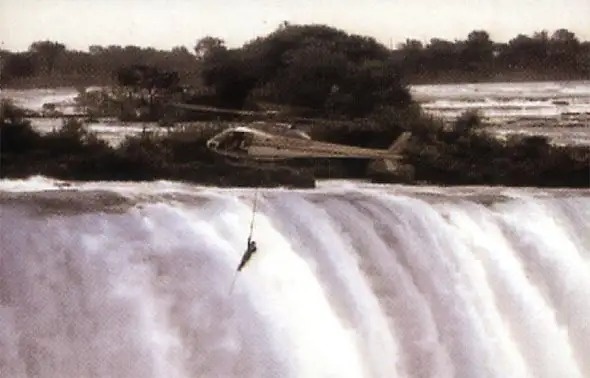
The magician holds a square birdcage in his hand, without any concealment, and suddenly the birdcage disappears. The birdcage consists of two metal frames connected by metal rods, making it appear very sturdy. In reality, these metal rods are flexible, allowing the birdcage to quickly tip over and lie flat. Behind the performer's right wrist is a stiff leather cuff, secured with a strong elastic band; the other end of the elastic band passes through the sleeve, around the back, and emerges from the left sleeve, held in the hand. During the performance, the end of the elastic band is attached to the birdcage, and while holding the birdcage with both hands, the magician presses down on the narrow end of the cage, spreading the elbows at an angle, thus tightening the elastic band. If the magician quickly presses forward, pushing the cage over, the elastic band immediately pulls the disassembled birdcage into the left sleeve, reaching the magician's back. Faced with this sudden disappearance, the human eye cannot detect it in time. Later, the objects that disappeared became increasingly larger, such as radios broadcasting programs, lit lamps, potted plants, and kerosene lamps. In these cases, a handkerchief was used to cover them beforehand to conceal their disappearance. Large birdcages obviously couldn't disappear through a sleeve; they had to be hidden elsewhere, such as inside a tray or a base like a small magic table. However, these bases often appeared quite small, and people would never imagine they could hold such large items as radios and lamps. In reality, these items quickly disintegrated and disappeared into the base. However, during the performance, the audience and performers needed to maintain a certain distance. If they were too close, the audience would not only see clearly but also hear the sounds made by the props, easily revealing the secret.