The Origin of Magic
The exact origin of magic is unknown, but it's speculated that it has existed since the dawn of human activity. The origins of magic lie in religion and belief. In ancient times, people believed that all things in nature were manipulated by spirits or gods . Therefore, wizards or priests exploited this superstitious mentality, using principles unknown to people to create miracles, leading them to believe these were performed by spirits or gods. Magic thus reinforced religious rituals, further solidifying the believers' faith.
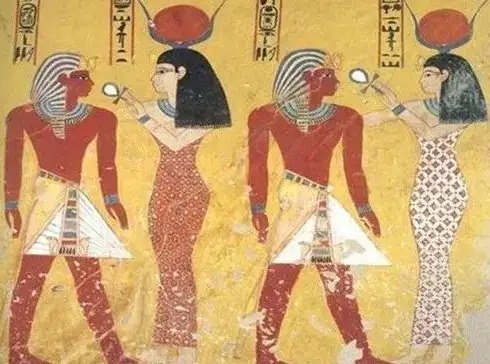
The earliest recorded magic tricks in history are found in ancient Egypt, around 2600 BC, more than four thousand years ago. The Wieska Manuscript, discovered in 1823, records a magician named Dedi who was summoned to perform for the Pharaoh. He could decapitate a goose, and the headless goose would continue to walk, eventually having its head reattached. The record describes the magician performing the same trick on pelicans and bulls. However, when the Pharaoh demanded that he perform the same trick on prisoners, he refused. Ancient Greek temples also utilized the principles of magic. For example, when priests opened temple doors, bellows would blow towards the ground, causing flames to appear on the altar. There were also talking idols made using bellows.
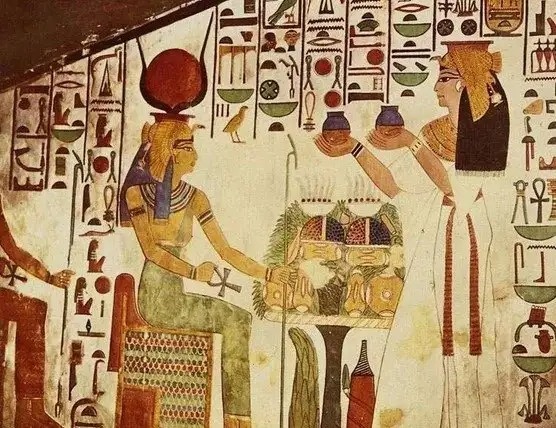
The earliest recorded magic trick is the Cups and Balls trick, which is the oldest known trick. It is also depicted in an Egyptian mural (Tomb of Baqt III at Beni Hassan BC 2500), as shown in the attached image. However, the actual historical record of its performance dates back to the first century AD. This trick was very popular in the Middle Ages and was widely performed by magicians in marketplaces. Magicians at that time were called jugglers. These traveling performers, along with musicians, poets, and acrobats, entertained villagers with simple tricks in village open spaces. Towards the end of the Middle Ages, the magicians' plight began. European magicians faced strong opposition from the church. Because people at that time strongly believed in witchcraft and the supernatural, in this superstitious era, any magic not recognized by the church was considered black magic. If even one person testified against a magician, the magician would face trial. Magicians were accused of allying with the devil.

Despite persecution, magic remained a dangerous yet sought-after profession. Some magicians enjoyed the favor and protection of wealthy landowners and nobles. Traveling magicians of this period had only a limited repertoire of tricks to perform. Playing cards were not yet widespread, and tricks requiring large props were expensive. Therefore, magicians relied on skillful manipulation and storytelling. Tricks using birds and animals were particularly popular. Nearly three centuries ago, religious persecution of magic intensified. During the reign of King Henry VIII of England, the punishment for performing magic was death. By the late 16th century, the persecution of witches had reached the point of massacres. Due to these acts of madness, many magicians faced death threats; they risked execution if they did not share their secrets. This led to the creation of the first English book on magic, *The Discovery of Witchcraft* in 1584. The author, Reginald Scott, aimed to save magicians' lives and distinguish magicians' skills from the evil powers of witches. He revealed many secrets of magic in the book, proving that these seemingly miraculous feats were actually achieved through natural techniques, not through evil forces. His work indeed prevented many magicians from being burned at the stake. Historically, wherever people gathered, magicians' performances were always packed. In the 18th century, the most common gathering places were the annual markets. Various circus performances and acrobatic shows took place there. But in this competition, the only star was the magician. The greatest magician of the 18th century was Isaac Fox. He rose to fame in the 1720s and could be seen in the main markets of every town. Isaac's classic magic trick was the Egg Bag, continuously producing eggs and small items from an empty bag. To watch Fox's performance, one had to pay a shilling. He was the pioneer of this technique, thus becoming a high-income earner and even having a loyal following. When he died in 1731, newspapers reported that he left behind an estate of £10,000, equivalent to $1 million today, demonstrating his immense popularity. In the 19th century, with the rise of theaters, magicians found a new stage. The first magician to bring magic to the theater and make a name for himself there was John Henry Anderson (1814-1874), a Scottish magician known as "The Great Wizard of the North." His innovative performance style influenced countless magicians after him. Magicians combined skillful manipulation with lighting and stage effects, ushering in a new era for magic. Magicians reached the pinnacle of their art, with many magic tricks created specifically for the theater.
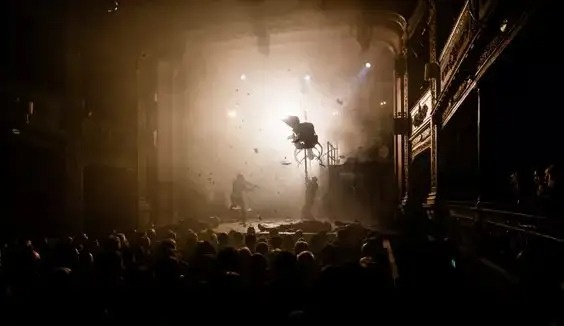
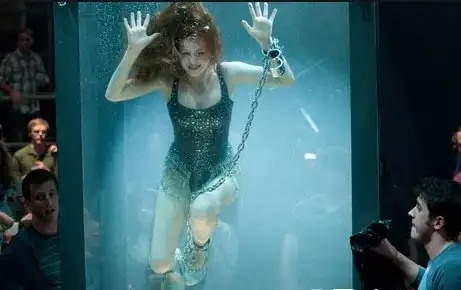
The late 19th century was the golden age of magic performances, with theaters packed to capacity. Magicians wore formal tailcoats, much like theatergoers, marking the origin of the trend of magicians wearing tuxedos. Some magicians even became household names. The most famous magician of the early 20th century was Harry Houdini (1874-1926), a legendary figure in America. Houdini was renowned for his escape acts, including those involving handcuffs, a tight-fitting suit, milk jugs, a Chinese water dungeon, and most famously, an underwater escape. Houdini was also a pioneer in exposing so-called psychics who used magic to deceive the public. His deeds are still remembered today.
However, the rise of the film industry in the 1930s led to a rapid decline in the magic performance market. Because in movies, any kind of magic could happen. Only true magicians could captivate audiences. Today, the demand for magic has risen again. The neon lights of Las Vegas have replaced the ancient campfires. The development of entertainment cities like Las Vegas, combined with the allure of television, has created a new generation of magic superstars. These magicians charge exorbitant fees and have supporters all over the world, something unimaginable for magicians of the past. Today, magic still satisfies people's need for wonder and entertainment.
Magic tells us that life is full of wonder and dreams; it also tells us that things may not be as they appear on the surface. And the history of believing in magic will continue to develop along with the history of humankind into the more distant future.