The most comprehensive home cleaning guide
A thorough cleaning is a major undertaking, requiring you to clean every nook and cranny of the house – it takes more than a day or two. With the year drawing to a close, it's time to use the weekend for a deep clean! From top to bottom, ceilings, walls, furniture, floor tiles… different areas require different cleaning methods, so let's learn them!
upper part
1
ceiling
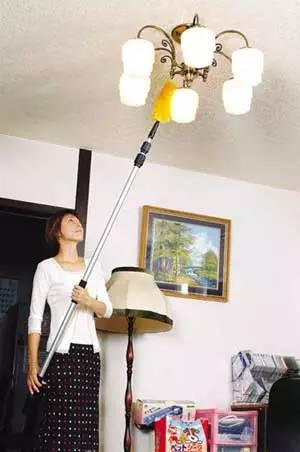
Generally, wiping a painted ceiling with a dry, soft cloth to remove surface dust is sufficient. Pay special attention to the wall moldings and corners, where dust tends to accumulate. You can tie a small piece of dry cloth to a wooden stick to wipe each corner.
Tip: For heavily soiled aluminum ceiling panels in kitchens and bathrooms, spray a small amount of dish soap on the surface first, then wipe with a soft, absorbent cloth dampened with water. After wiping, dry with a clean cloth and open windows for ventilation to keep the room dry and prevent rusting.
2
wall
The walls are mainly painted with latex paint and wallpaper. Dirty shoe prints or dust on the latex paint can be wiped with a slightly damp cloth. Dirty handprints on the wall can be gently rubbed with a crumpled piece of bread or an eraser. Be careful not to rub too hard to avoid scratching the wall.
Black stains, fingerprints, tape marks, and cigarette stains are easily left on walls near air conditioners, heaters, and appliances. If the stains are light, you can gently wipe them with a damp cloth and then try rubbing them with sandpaper.
Tip: If there is wallpaper, posters or tape stuck to the wall, you can gently iron it with an iron. The back of the adhesive will become soft and easy to remove without damaging the coating or wallpaper.
4
Lighting fixtures
Since the light fixtures are all hung high up, making disassembly inconvenient, and the lampshades and bulbs are easily broken, you can use a light-colored cotton sock or a double-layered bath towel turned inside out to gently wipe them. Cleaning light fixtures in high places should be done by two people, taking safety precautions. Ordinary light bulbs can be wiped with a diluted salt water solution.
Note: For particularly complex light fixtures, installation and disassembly are very troublesome. It is best to have a professional handle the work. Otherwise, a lack of understanding of the installation process could easily lead to accidental injury. Always turn off the main power switch before wiping or removing light fixtures to prevent electric shock.
Central
1
Tile gaps
Since bathroom and kitchen walls are mostly tiled, a lot of dirt can get trapped in the grout lines. A multi-purpose stain remover can keep tiles clean and shiny. For the grout lines, first use a toothbrush with a small amount of stain remover to clean the dirt, then apply a waterproofing agent to the grout lines with a brush. This will not only prevent seepage but also prevent mold growth.
Tip: After cleaning the tile grout, apply candle wax to the joints, first vertically and then horizontally, making the wax layer level with the tile thickness. This will make it much harder for oil stains to adhere to the grout.
2
furniture
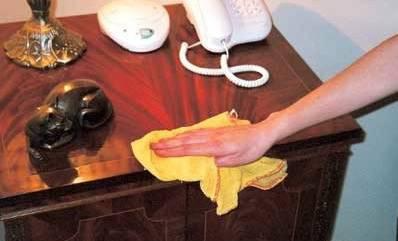
For solid wood and leather furniture, wipe with a soft cloth dampened with mild soapy water, then dry with a clean, soft cloth. Avoid using solvent-based liquids. For fabric furniture, such as cushions and sofa covers, which are difficult to wash, use a soft eraser first, then gently rub the stained area with a damp cloth. If white furniture surfaces are dirty, squeeze toothpaste onto a clean cloth and wipe gently to remove the stains.
Tip: Stains on the dining table can be easily removed by sprinkling some salt and adding a few drops of salad oil. Burn marks on furniture can be gently wiped with a cloth dampened with alcohol, cologne, iodine, or strong tea; alternatively, apply a layer of petroleum jelly to the burn mark, wait two days, and then wipe it off with a cloth to remove it.
3
kitchen countertop
To clean grease stains on kitchen furniture, add a suitable amount of vinegar to water and then wipe. Grease stains on stovetops can be cleaned directly with rice water or noodle water. For kitchen sinks, sprinkle a little salt on the greasy areas, then scrub with old plastic wrap. Rinse several times with warm water afterward to make them shine like new. For the corners and drain areas of the sink, use a small brush or toothbrush with fine salt, soapy water, and detergent to scrub. It's also best to soak the drain cover in warm soapy water for 20-30 minutes.
Tip: Range hoods are the most difficult kitchen appliances to clean. First, empty the grease from the grease tray, then soak it in warm water mixed with soap or neutral detergent for about 20 minutes. If the grease is stubborn, soak it for 40 minutes. If the grease filter is heavily soiled, it can be soaked along with the grease tray.
lower part
1
floor
Solid wood floors can be wiped with a damp cotton mop. For stubborn stains, use a neutral cleaning solvent to wipe them and then wipe them with a damp mop.
Tip: For shallow scratches and abrasions on the floor, you can repair them with a special polish after cleaning the floor surface.
2
floor tiles
For tile floors, simply mop and use detergent. For stubborn stains like paint, use a thin blade to peel off the surface first, then clean with detergent. Small amounts of oil on kitchen floors can be removed by wiping with a mop soaked in vinegar.
Tip: When brushing floor tiles, always use a soft brush and never use a steel wool pad, otherwise you may damage the glaze on the tiles.
3
Furniture bottom
Dust and hair tend to accumulate under cabinets and sofas. When cleaning during the Lunar New Year, you can move small pieces of furniture aside for cleaning. For large cabinets that are difficult to move, you can put an old pair of pantyhose over a broom and reach under the cabinet. The static electricity will attract hair and dust to the pantyhose.
In addition, the baseboards in the corners of walls, the complicated wires behind appliances, the treadmill belts, the doormat, and the floor sealing strips are all corners that cannot be ignored.
Tip: Mold and mildew tend to accumulate in corners around the room or in the seams between carpets and walls. Try cleaning them with an old toothbrush. For stubborn stains, use a toothbrush dipped in detergent to scrub them away, then wipe them clean with water and keep them dry.
4
floor drain
When showering or combing your hair in the bathroom, loose hair often accumulates in the drain opening. To clean it, open the drain cover, insert a small brush into the drain opening, and brush around the inner circle in the same direction. The hair will be caught by the brush and pulled out together.
Note: Floor drains harbor a lot of bacteria, so always wear gloves and a mask when cleaning them. Odor-proof floor drains must always have water running through them.
5
Doormat
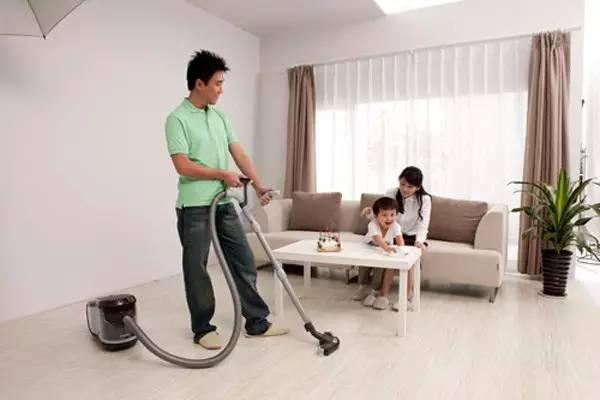
Doormats in the entryway get dirty most easily. If it's a pure wool doormat, since there's a lot of dust inside, you can use a vacuum cleaner to vacuum in the direction of the pile. If there are stains, you can use a special carpet spray and then vacuum them up.
Tip: Anti-slip door mats in bathrooms are prone to mold growth. After washing with water, it is best to disinfect them with diluted disinfectant.
Toolbox
Protective equipment: face masks, plastic gloves, aprons
Cleaning items: brooms, vacuum cleaners, feather dusters, mops, dustpans
Cleaning agents: laundry detergent, various cleaning agents, salt, vinegar, lemon peel, etc.
Wiping tools: cloths, mops, double-sided window brushes, metal cleaning balls
Cleaning items: hot water, steam cleaner, water basin
Small tools: brush, toothbrush, pantyhose, tape
Protective products: floor wax, furniture wax