The most comprehensive furniture and appliance maintenance guide ever!
We usually only do the "surface work" when maintaining home appliances, rarely going into the deep internal cleaning. However, for appliances like water dispensers and air conditioners, if the inside is not thoroughly cleaned, it will affect not only the appearance, but also health.
As a primary decorative element in a home, furniture, like home décor, is constantly evolving and upgrading. Today's market offers a wide variety of furniture, whose function has shifted from simple practicality to a perfect combination of decoration and personalization. While there are similarities in the maintenance methods for different types of furniture, their differences are also significant. So, what are the most suitable maintenance methods for leather furniture, solid wood furniture, polyester furniture, rattan furniture, and metal furniture, which are the mainstays of the furniture market for different consumer groups in the Year of the Tiger? Here's a brief introduction.
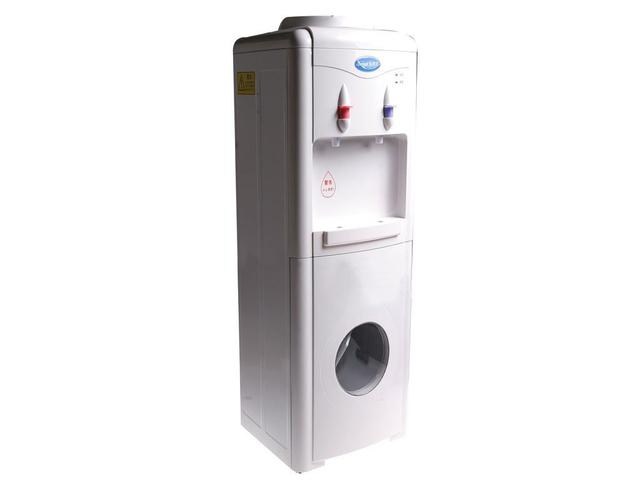
Water dispenser maintenance and cleaning
Over time, water dispensers can develop limescale inside, which may also breed bacteria. The health effects of drinking such water are self-evident.
● Unplug the water dispenser, remove the water bottle, and open the drain valve at the back of the dispenser (usually a white plastic knob) to drain the remaining water. Then, turn on the hot and cold water switches to release water.
● Remove the "smart seat" (the part inside the water dispenser that contacts the mineral water bottle), and carefully wipe the inside and outside of the water dispenser's inner tank and lid with an alcohol swab to prepare for the next step of disinfection.
● Prepare disinfectant solution according to the instructions for the effervescent cleaning tablets or disinfectant, pour it into the water dispenser, ensuring the entire cavity is filled with disinfectant solution, and let it sit for 10-15 minutes. However, it is recommended to pour a little white vinegar or freshly squeezed lemon juice into the water inlet, then fill the dispenser with water and let it sit for two hours. This way, you don't have to worry about cleaning agent residue causing harm to your health.
● Turn on all switches of the water dispenser, including the drain pipe and the water dispenser switch, to drain the disinfectant or vinegar water.
● Rinse the entire cavity of the water dispenser continuously with clean water. It is recommended to move the water dispenser to the bathroom to rinse it, ensuring a sufficient water flow, and turn on all switches to drain the rinsing liquid.
● Clean the water dispenser casing with a cotton ball soaked in alcohol, or you can wipe it with diluted white vinegar.
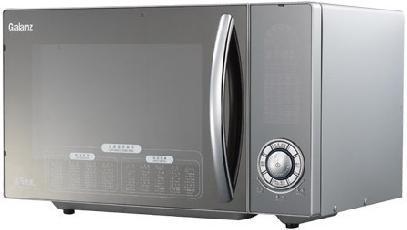
Microwave Oven Maintenance and Cleaning
Microwave ovens are the easiest places for dirt to accumulate. Oil droplets or food residue that splatter at high temperatures easily stick to the "ceiling" of the oven cavity. This not only affects the hygiene of subsequent food but may also cause sparks or smoke, increasing electromagnetic radiation. Therefore, regular cleaning is necessary.
● Unplug the power cord. Use a soft cloth dampened with warm water containing neutral detergent to wipe the interior surfaces of the microwave oven, the front and back of the door, and the door opening. Do not use a metal brush to clean it, as this may scratch the surface.
● If there is too much grime, you can heat lemon water in a microwave-safe container for a few minutes to moisten the inside of the oven with the evaporated water. Then, wipe the stains with coarse tissue paper, followed by a double-sided scouring pad with dish soap to thoroughly clean the grease. It's important to note that afterwards, you must wipe the oven several times with a damp sponge to ensure no cleaning agent residue remains. Otherwise, when heating food later, the residue will condense and adhere to the food. Finally, wipe it dry with a clean sponge. To prevent damage to internal components, do not allow water to seep into the vents.
● Remove the cooled turntable and turntable support, wash them with warm soapy water, then rinse them with clean water and dry them. After cleaning the turntable and collar, remember to put them back in their original positions to avoid noise.
● To clean the microwave oven door seal, simply use a slightly damp, soft cloth. If sand or dust is embedded in the rubber seal, you can use a dry, soft-bristled children's toothbrush to clean it.
● To remove odors from a microwave oven, place orange or lemon peels inside and heat for 15-30 seconds.
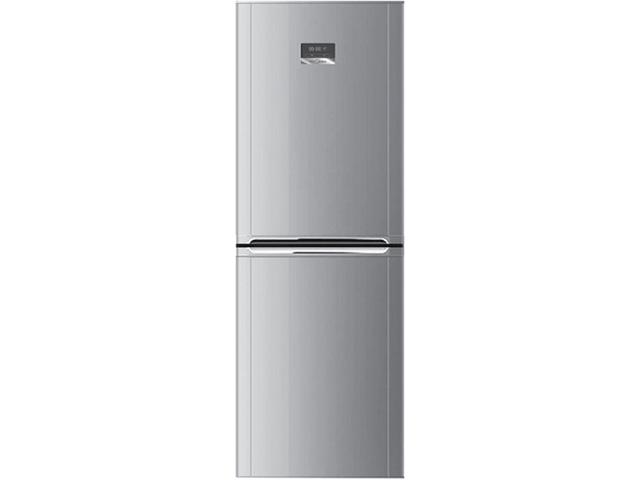
Five essential tips for refrigerator maintenance:
Since the beginning of summer, the usage rate of refrigerators has increased significantly, and there are many things to consider to improve the preservation effect of refrigerators.
Tip 1: The refrigerator should be placed in a well-ventilated area, at least 10 centimeters away from the surrounding walls, to facilitate heat dissipation and increase the refrigerator's cooling capacity.
Tip 2: Food placed in the refrigerator should be as fresh and clean as possible. High-quality food has a low initial microbial count, which can reduce the total number of microorganisms after they multiply.
It is also less likely to contaminate other foods stored in the refrigerator.
Tip 3: Ready-to-eat foods such as cold drinks should be placed on the upper shelf of the freezer, while frozen fish and meat should be placed on the lower shelf to prevent cross-contamination. The temperature in the refrigerator is lower at the top and higher at the bottom, so animal products such as fish and meat should be placed on the top, while fruits and vegetables should be placed on the bottom, allowing them to be in their appropriate temperature environments.
Tip 4: All food stored in the refrigerator should be properly packaged (including covered with plastic wrap). This prevents food from drying out during freezing, absorbing odors, and contaminating each other, and also reduces the frequency of defrosting. Fish and meat that need to be frozen should be packaged in portions suitable for one-time family consumption to prevent large pieces of food from being repeatedly thawed and refrozen, which can affect their nutritional value and freshness, and also saves electricity.
Tip 5: Regularly defrost ordinary refrigerators (except for automatic defrosting refrigerators), wipe them clean, and it is best to wipe them again with chlorine dioxide disinfectant.
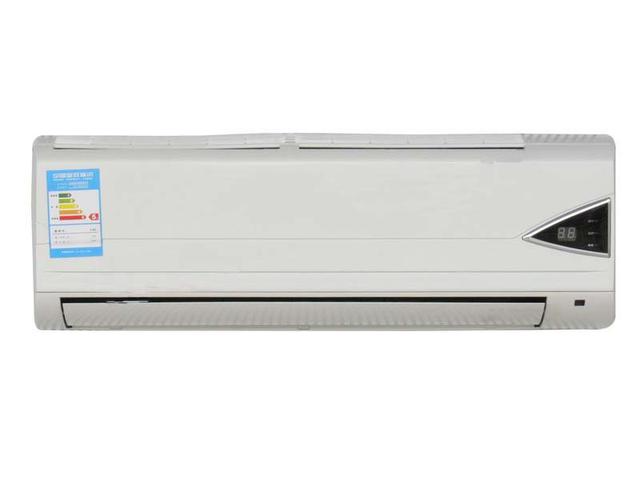
What are the benefits of air conditioner maintenance?
1. Preventing air conditioning sickness
People who work and live in air-conditioned environments for extended periods may experience symptoms such as nasal congestion, dizziness, sneezing, tinnitus, fatigue, and memory loss due to poor air circulation and lack of environmental improvement. It can even lead to symptoms related to skin allergies, such as tight, dry skin, increased susceptibility to allergies, and overall skin deterioration. This phenomenon is known in modern medicine as "air conditioning syndrome" or "air conditioning sickness."
2. Extend the service life of the air conditioner
After a period of use, static electricity and repeated air circulation cause a large amount of dust and dirt to accumulate on the filter, radiator, and evaporator fins of an air conditioner, resulting in airflow blockage and a decrease in cooling and heating efficiency. This increases power consumption, noise, and in severe cases, can even damage the compressor, increasing the failure rate and shortening the air conditioner's lifespan. Furthermore, it can produce unpleasant odors and breed bacteria and mites, harming people's health.
3. Conserve electricity resources
During repeated operation, air conditioners accumulate layers of dust and liquid fumes in the air, which coat the heat exchange fins and severely clog the tiny gaps between them. This hinders heat dissipation, leading to increased condenser pressure, higher compressor motor current, significantly longer operating times, and a substantial increase in power consumption. (When the heat exchange fins are clean, heat dissipation is excellent, the room temperature quickly drops to the set temperature, and the compressor automatically stops working. Experiments show that when the dirt on the heat exchange fins reaches a thickness of 0.30 mm, the compressor's operating time doubles, and the air conditioner's power consumption increases by approximately 2.4 times. For example, if a room takes ten minutes to reach the set temperature before cleaning, it only takes seven minutes after cleaning, meaning the compressor works three minutes less, saving 30% of electricity. Currently in my country, many air conditioners have poor cooling performance, leading to prolonged compression times and wasted electricity. Cleaning can restore normal cooling performance, shorten compression time, and save 10-30% of electricity.)
Panel furniture maintenance
Furniture boards mainly come in two types: solid wood and engineered wood. Solid wood can be divided into hardwood and softwood, while engineered wood includes particleboard, medium-density fiberboard (MDF), blockboard (plywood), laminated board, and composite board, and currently there are also engineered wood products made from sorghum stalks and paper. These engineered wood products, which undergo high-temperature and high-pressure treatment, are less prone to deformation and are widely used in modern furniture. Because wood has grain, it will inevitably crack, warp, and deform when there are large changes in temperature and humidity. Solid wood furniture, regardless of the type of wood used or how exquisite the workmanship, cannot avoid these problems. Engineered wood, on the other hand, is made by breaking down wood into wood chips or pulp and then remaking them into boards. Because the original physical structure of the wood is broken, engineered wood deforms much less than solid wood when there are large changes in temperature and humidity. Therefore, it can be said that the quality of engineered wood is more stable than that of solid wood. For example, bentwood furniture is made by splitting wood into narrow chips, then gluing and rolling them together. Bentwood can be bent into any angle and is very durable. In kitchen and bathroom furniture, moisture-resistant engineered wood panels are used, and with careful edge banding and other processes, it can last a long time without deforming.
Furniture made from engineered wood products is also known as panel furniture. While panel furniture is characterized by its resistance to deformation and variety of styles, the potential pollution it can cause to the indoor environment should not be ignored. Recently, the State Environmental Protection Administration issued environmental protection technical requirements for engineered wood products. Addressing the issue of formaldehyde emissions from engineered wood products, the Environmental Standards Institute of the Chinese Academy of Environmental Sciences and the National Engineered Wood Products Quality Supervision and Inspection Center jointly drafted the "Technical Requirements for Environmental Labeling Products of Low-Formaldehyde Engineered Wood Products." This document sets limits on pollutant emissions from manufacturers and products, requiring that pollutant emissions from enterprises comply with national or local pollutant emission standards. In addition to meeting their respective product quality standards, engineered wood products are required to have adhesives containing less than 2000 mg/kg of halogenated hydrocarbons and benzene compounds, and formaldehyde emissions less than 0.2 parts per million. This requirement applies to engineered wood products such as particleboard, plywood, blockboard, and composite boards.
To ensure an environmentally friendly living environment, consumers should pay attention to whether panel furniture has been properly sealed at the edges when purchasing it, and all six sides of the panel furniture should be well sealed.

Sofa maintenance:
Sofas can be categorized by material, including leather sofas, fabric sofas, wooden sofas, and rattan sofas. The methods for maintaining a sofa vary depending on the material.
I. Leather Sofa Maintenance
1. Leather is highly absorbent, so be careful to prevent stains. It's best to use a leather conditioner once in spring or autumn. When wiping the sofa, do not rub it vigorously to avoid damaging the surface.
2. Wipe the sofa lightly with a clean, damp towel once a week. If there are stains on the leather, wipe them with a clean, damp sponge dipped in detergent, or wash them with a cloth dampened with a suitable concentration of soapy water, then let it air dry.
3. If holes, damage, or burns are found, please have a professional clean it.
4. Genuine leather sofas should be placed in a well-ventilated and dry place. Do not wipe or wash them with water to avoid dampness, mold, and insect infestation.
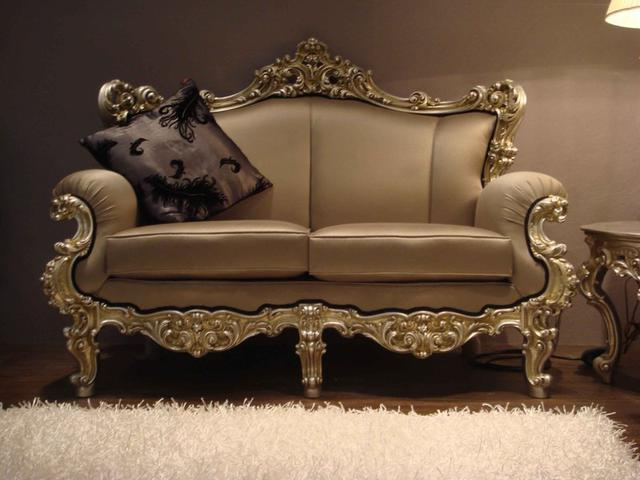
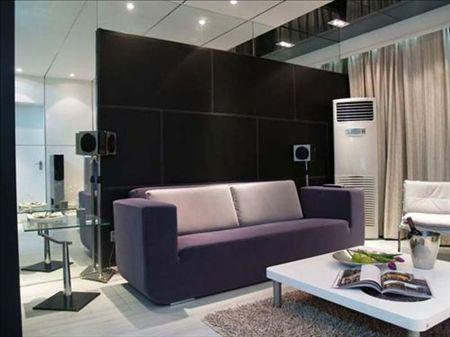
II. Fabric Sofa Maintenance
1. Vacuum at least once a week, paying attention to removing dust from corners and between fabric fibers.
2. If the cushions are reversible, they should be flipped weekly to distribute wear evenly. You can also regularly take the cushions outdoors and beat them to loosen the internal fibers and maintain the sofa's elasticity.
3. If stains appear, wipe them away with a clean, damp cloth. To avoid leaving marks, it's best to wipe from the outside of the stain inwards. Velvet furniture should not get wet; use a dry cleaning agent instead.
4. All fabric covers and linings should be dry cleaned, not washed with water, and bleaching is prohibited.
5. If you find any loose threads, do not pull them off by hand. Instead, trim them neatly with scissors.
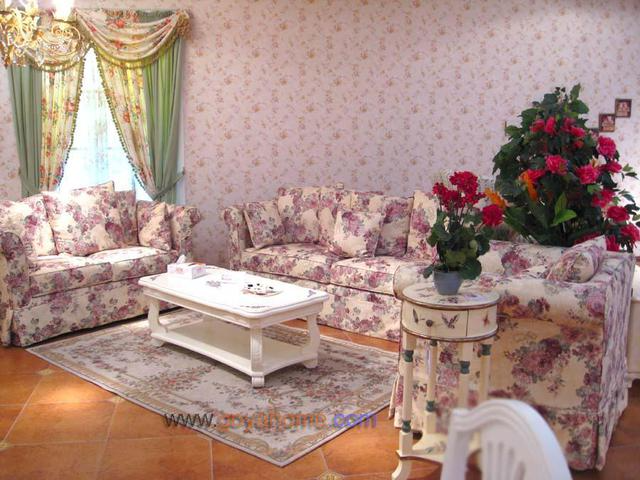
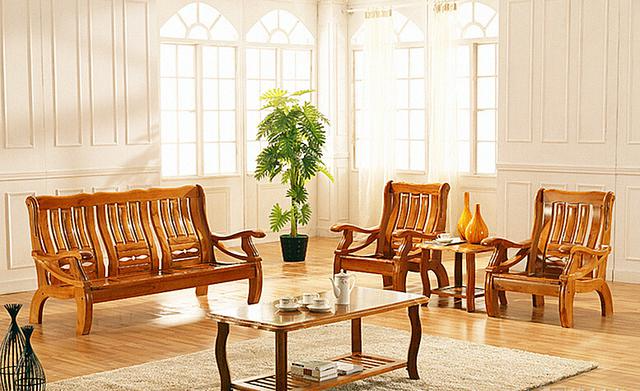
III. Wooden Sofa Maintenance
1. Wooden sofas should not be exposed to moisture or direct sunlight. If placed near a window, curtains should be used.
2. After wiping with a damp cloth, wipe with a dry cloth immediately. Because different furniture surfaces have different paint finishes, different maintenance methods should be used; waxing is a good maintenance method.
3. To clean a wooden sofa, mix neutral soap flakes with warm water (approximately a 1:20 ratio) and wipe the surface. Then wipe it clean with water and dry with a cloth. This will reduce the chance of stains getting stuck on the wooden furniture surface. Alternatively, you can purchase wood furniture conditioner spray, which offers some protection.