The most commonly used "planting soil" in home gardening that you may not have paid attention to.
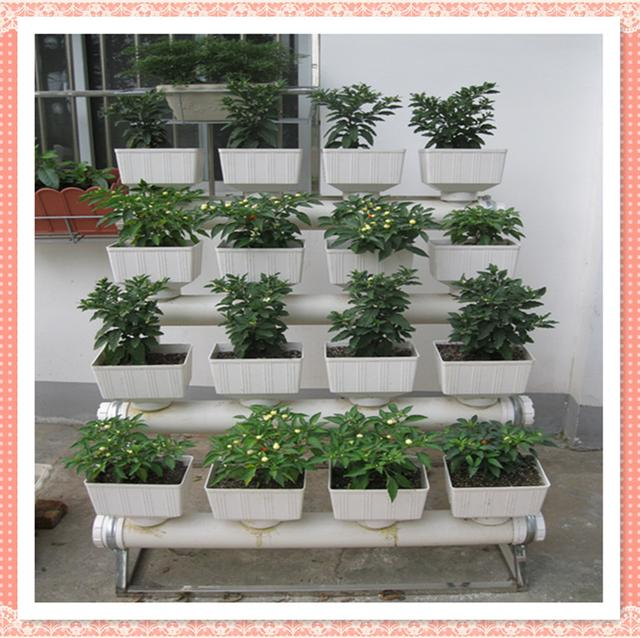
Nowadays, more and more people enjoy home gardening and own their own small gardens, both outdoor and indoor.

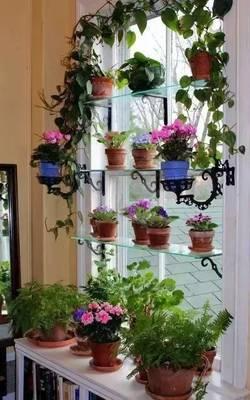
The prerequisite for having a small garden is to solve the problem of "soil". If the "soil" is not used properly, the grass will wither and the flowers will die; if the "soil" is used properly, not only will you not have to worry about waterlogging, but the flowers will also be bright and the grass will be green.
Let's learn about some of the most common types of "planting soil"!
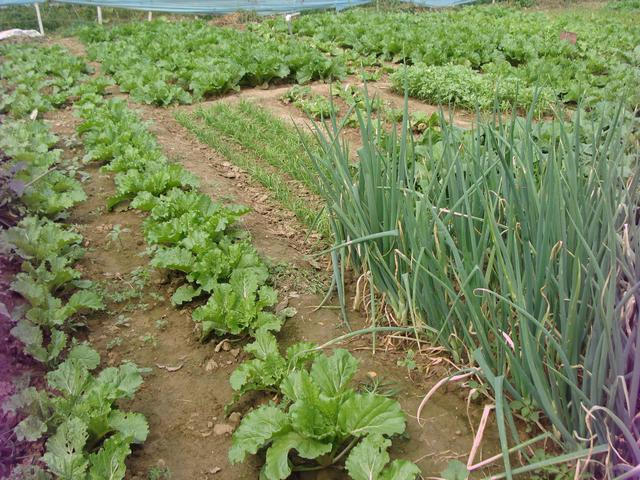
1. Vegetable garden soil
Garden soil needs to be mixed with fine sand and leaf mold to avoid it becoming too sticky and to achieve the best results.
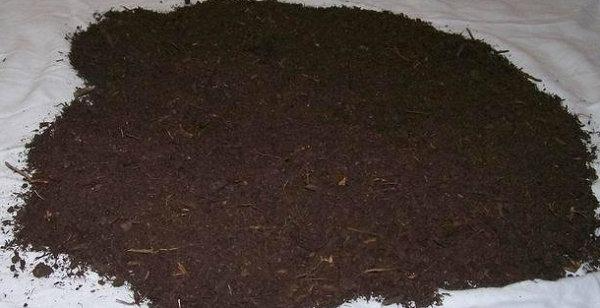
2. Grass soil
Peat moss is rich in nutrients and has good water permeability and aeration. It can be mixed with river sand and perlite.
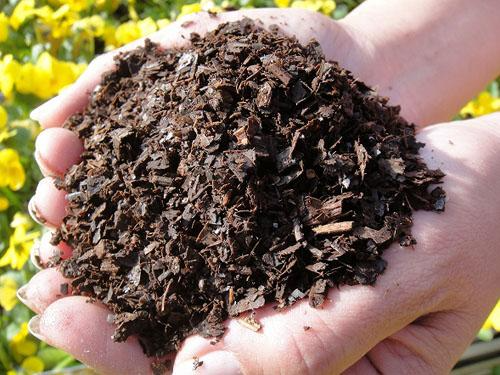
3. Leaf mold
Leaf mold is fertile, loose and well-drained, with a slightly acidic pH, making it particularly suitable for a variety of flowering plants. It is also suitable to mix with some garden soil and river sand.
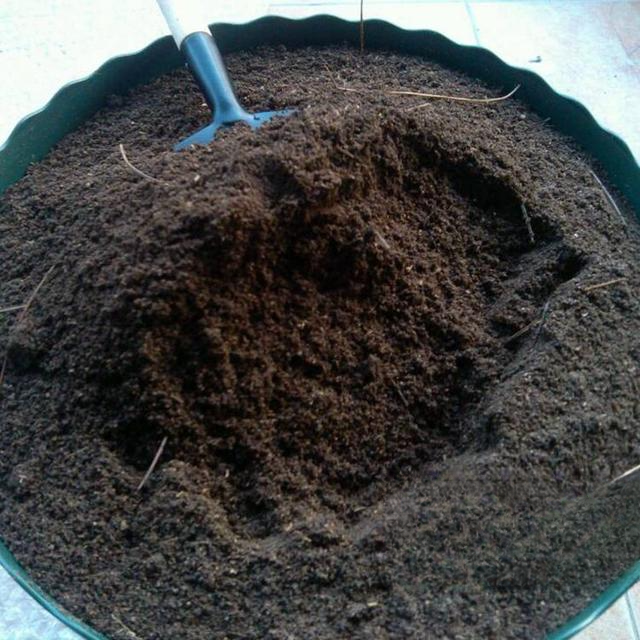
4. Humus
It is rich in organic matter and has good drainage and water retention properties.
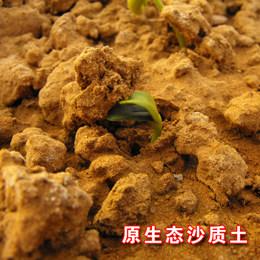
5. Sandy soil
Sandy soil has good drainage but poor water retention, so it needs to be mixed with humus, garden soil, etc.
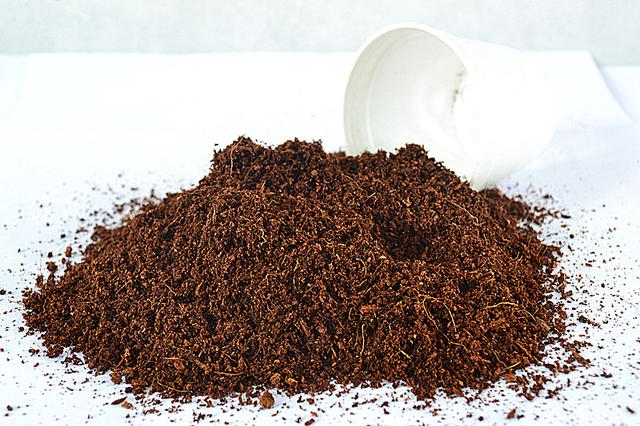
6. Coconut coir
Coconut coir has good water retention and air permeability, making it suitable for mixing with perlite, vermiculite, etc.