The mortise and tenon joints are perfectly matched, and the hearts and hands work together harmoniously.
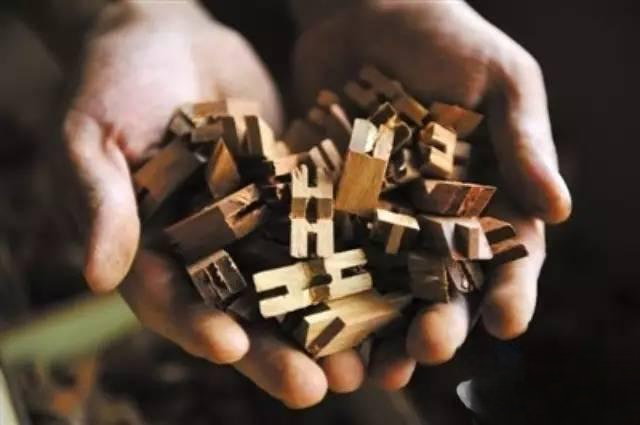
Many people's understanding of classical furniture begins with "mortise and tenon joints." Mortise and tenon joints have a history of thousands of years and hundreds of structural variations. They are the most amazing to ordinary people and also the most demanding test of a craftsman's skills.
A Preliminary Exploration of the Background of Mortise and Tenon Joints
Archaeological evidence shows that the mortise and tenon structure in China appeared as early as 7,000 years ago in the wooden houses of the Hemudu Culture site, even predating the history of Chinese characters. Mortise and tenon joints are widely used in wooden architecture and furniture. In his book "A Study of Ming Furniture," Mr. Wang Shixiang mentioned: "The structural tradition of Chinese furniture matured further in the Song Dynasty. From the Song to the Ming Dynasty, it underwent continuous improvement and development, resulting in simple and clear organic combinations of various parts, conforming to the principles of mechanics, while also placing great emphasis on practicality and aesthetics."
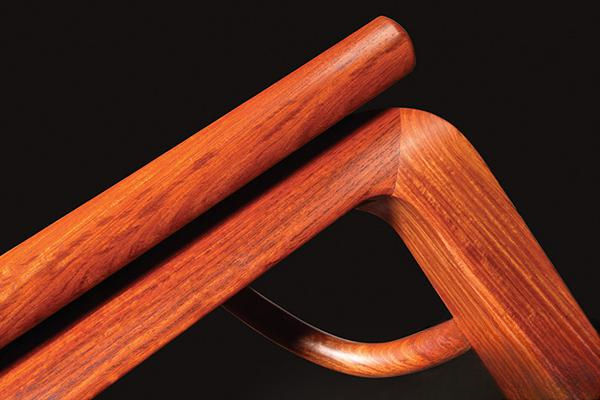
In his book, Mr. Wang Shixiang categorizes furniture joints into four types: basic joints, the connection between legs and upper components, the connection between legs and lower components, and additional tenons and mortises, from which various mortise and tenon techniques are derived. These techniques are complex and diverse. He also mentions that "old craftsmen from the Luban Museum, such as Shi Hui, Li Jianyuan, and Zu Lianpeng, have all mentioned that even after decades of furniture repair work, they would occasionally discover a particular mortise and tenon joint or a specific part of its construction that they had never seen before."
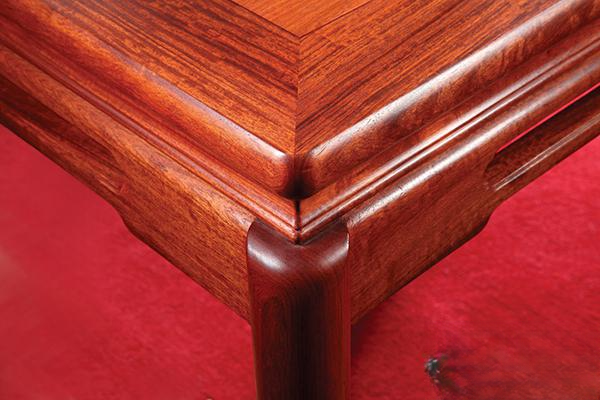
The use of mortise and tenon joints in traditional furniture is somewhat of a necessity. In the past, limited by mining and metal smelting technology, nails were a luxury, so even ordinary wooden furniture used mortise and tenon joints. However, times have changed, and nails, with their cheapness and convenience, have replaced mortise and tenon joints, making the more labor-intensive and time-consuming mortise and tenon joints less common. Compared to nails, mortise and tenon structures are more robust and durable, and when used in mahogany furniture, they can last for centuries without cracking or warping. Nails, on the other hand, are not only prone to rust but also easily cause the wood to split.
Structural Analysis of Mortise and Tenon
Mortise and tenon joints use a convex-concave connection method. The protruding part is called the tenon (or tenon head), and the recessed part is called the mortise (or mortise eye, mortise groove). The part of the tenon that extends into the mortise is called the tenon tongue, and the rest is called the tenon shoulder. There are nearly a hundred types of mortise and tenon joints in Ming and Qing furniture, the most common of which are corner tenon, supporting corner tenon, zongzi corner tenon, dovetail tenon, clamp tenon, shoulder tenon, dragon and phoenix tenon, wedge tenon, insert shoulder tenon, fence tenon, nested tenon, hanging tenon, half tenon, and mortise and tenon joint, etc.
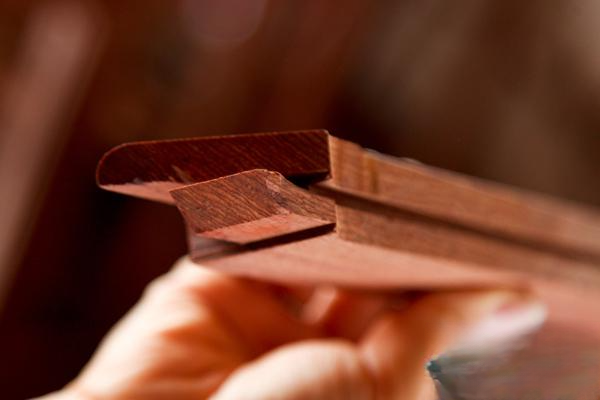
The mortise and tenon structure is not always immediately apparent. Some tenons are visible on the surface of furniture and are called "exposed tenons," while those not visible are called concealed tenons, also known as hidden tenons. Exposed and concealed tenons are used in different locations. Exposed tenons are often used on the four frames of tabletops and cabinet door frames. Concealed tenons are commonly used at the corners of the backrests and armrests of Ming-style chairs and armchairs. Concealed tenons come in various forms; for straight-angle joints, they can be divided into single concealed tenons and double concealed tenons.
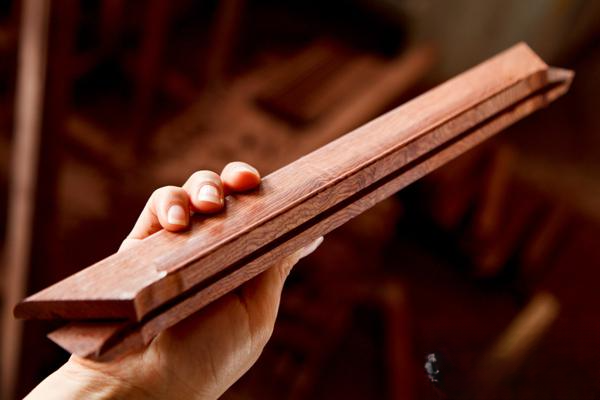
The complex internal structure of mortise and tenon joints is essential; only in this way can the connection become increasingly tight over the years. In practical applications, mortise and tenon structures require a high level of technical skill and meet stringent requirements. For example, the "circle" on a round-backed chair typically uses a wedge tenon joint. If the tenon is too small, it's called a "missing tenon," which doesn't meet precision standards; if the tenon is too large, it's called a "stretching tenon," which will crack if too tight. Since it's installed as a concealed tenon, whether or not it cracks is not visible externally, but it affects the lifespan of the furniture. Therefore, mortise and tenon craftsmanship is considered the soul of furniture and is a crucial aspect of its production.
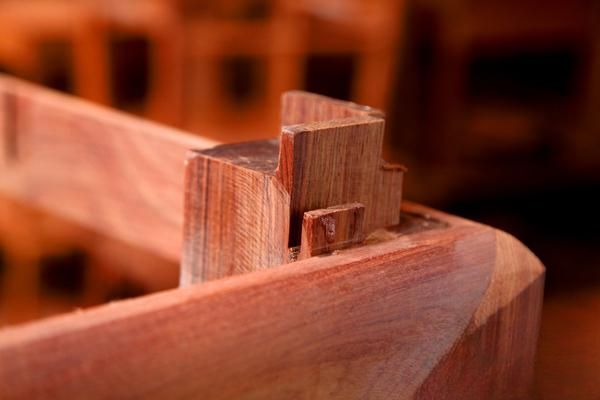 Some unscrupulous manufacturers simplify or omit the internal tenon joints, simply inserting a stick into the drilled hole as a decoy, or even using only two when four mortise and tenon joints are required. This cost-cutting practice naturally lowers costs and enhances price competitiveness, but it causes invisible harm to consumers. Rosewood furniture is meant to last for centuries, but poorly made pieces can only serve as decorations, quickly developing various problems – these are industry secrets.
Factory site visit
As times have changed, so too have the techniques of mortise and tenon joints. For example, in ancient times, fish glue was often used as an auxiliary means of bonding mortise and tenon components, which could be melted by heating when disassembly was needed. In modern technology, however, fish glue has been replaced by 101 glue. Some people question whether this is a departure from tradition, but in fact, chemical agents are more stable than biological agents and are less likely to come apart when heated during use.
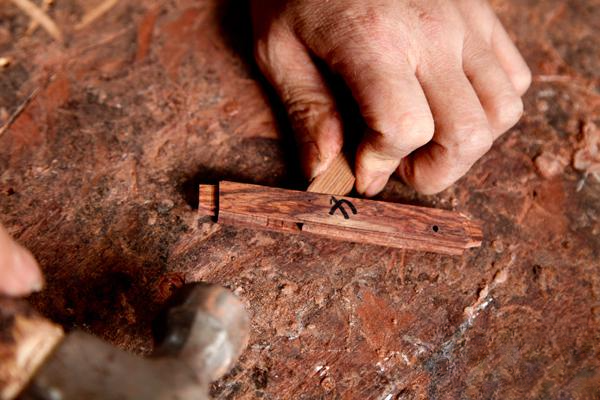
According to the craftsmen at Xuanmingdianju factory, even without glue, mortise and tenon joints can achieve reasonable connections in all directions, including vertical, horizontal, thick, and diagonal/straight sections. In certain intricate and delicate structures, such as the slots where panels meet, glue is not used.
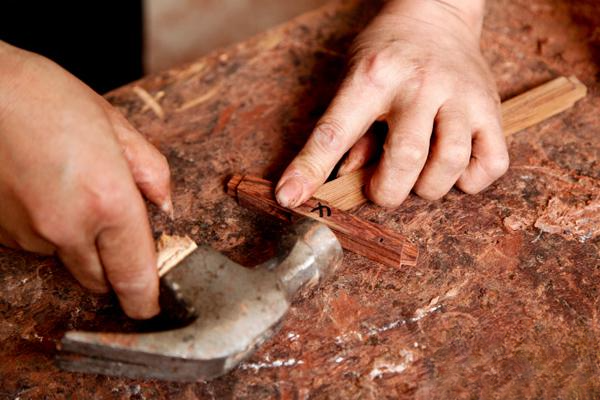
Nowadays, mortise and tenon joints are mostly machine-polished, which improves production efficiency and ensures dimensional consistency. Only a few parts with incorrect dimensions are manually polished.
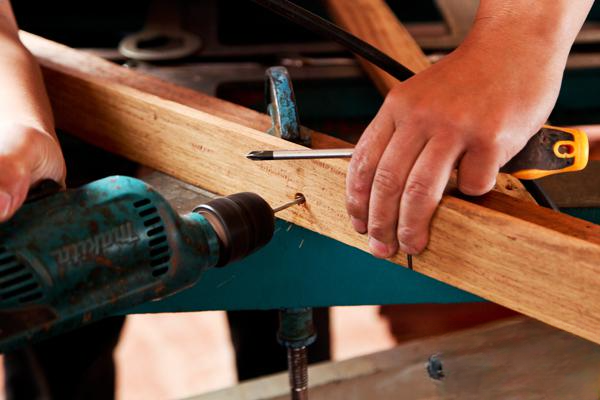
At the production site, a row of machines with different functions were on display. Workers skillfully combined and disassembled these machines, drawing lines, cutting grooves, drilling holes, and making tenons to create intricate structural components. For mass production, each component was individually labeled with a number to facilitate assembly and furniture making.
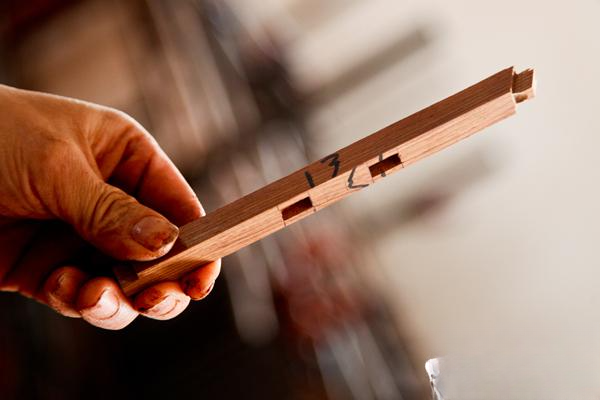
Xuanming Dianju has also created new mortise and tenon structures in practice. Chairman Fu Junmin believes that, under the premise of mastering the principles of mechanics and the properties of wood, one should flexibly apply techniques and avoid rigid dogmatism. Research on craftsmanship must keep pace with the times and evolve, rather than blindly adhering to conventions and following old ways. Rosewood enterprises must have a sense of responsibility and historical mission, innovating on the shoulders of "classics," so that rosewood furniture that combines functionality and artistry can withstand the test of the market.
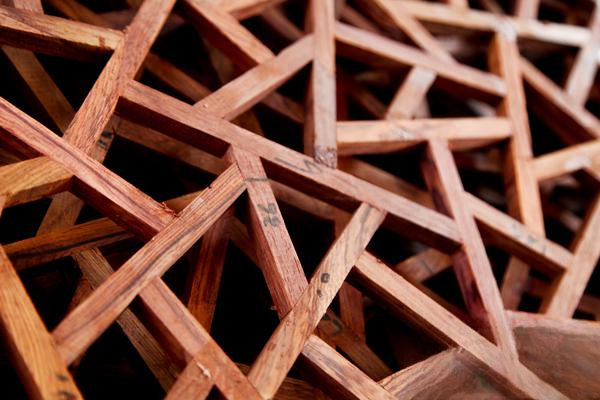
Some plain furniture pieces that don't require carving are basically formed after a series of preliminary steps, including material selection, cutting, planing, tenoning, and assembly. Of course, they still need to be polished and waxed later.
Huanghuali, known as the "golden wood":
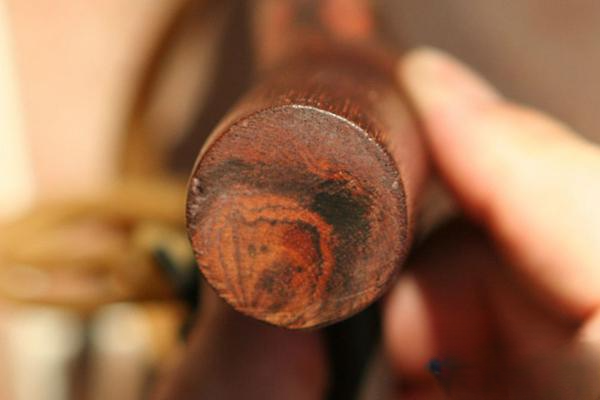
Looking at the classical furniture market, the most sought-after and precious material is undoubtedly huanghuali (rosewood). There are several reasons for this. First, huanghuali wood is scarce, especially large pieces of Hainan huanghuali. Second, there is a large following for Ming-style furniture, and huanghuali is a classic example of Ming-style furniture, making it highly sought after in the market. Of course, the fundamental reason lies in the superior quality of huanghuali wood itself. Its moderate hardness and weight, high toughness, and resistance to deformation make it the first choice for crafting mortise and tenon furniture.
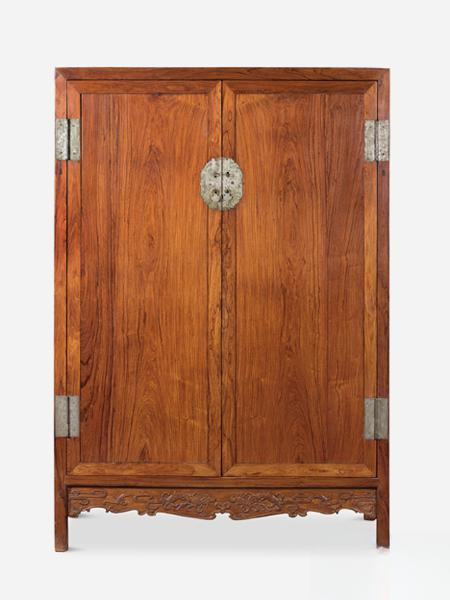
A large square corner cabinet made of huanghuali wood from the late Ming Dynasty.
Historical mists
In ancient times, there was no term "huanghuali" (黄花梨), but rather "huali" (花梨), "huali" (花狸), or "hualu" (花璐). Historical records from the 31st year of the Qianlong Emperor's reign state: "Every year, huanghuali and agarwood were routinely presented as tribute, and officials would travel to Li (Lijiang) to purchase them..." The mid-Qing dynasty text *Nanyue Notes*, Volume 13, states: "Hualu is purplish-red in color and has a slight fragrance. Its grain resembles a ghost's face or leopard spots, hence the name 'huali' (花狸). Older specimens have crooked grain, while younger specimens have straight grain. The knots have round, coin-like patterns; those with varying sizes are considered the best."
Late Ming Dynasty Huanghuali High-Backed Southern Official's Hat Chair
Different types of rosewood were used in different historical periods, and even within the same historical period, rosewood from different regions existed. Given this diversity, the identification of huanghuali (a type of rosewood) becomes more uncertain. For example, rosewood from the Ming Dynasty came from various sources, including tribute from Champa and Siam, as well as rosewood from Hainan, Guangdong, Guangxi, and their ethnic minority regions. In terms of value, rosewood and huanghuali differ significantly.
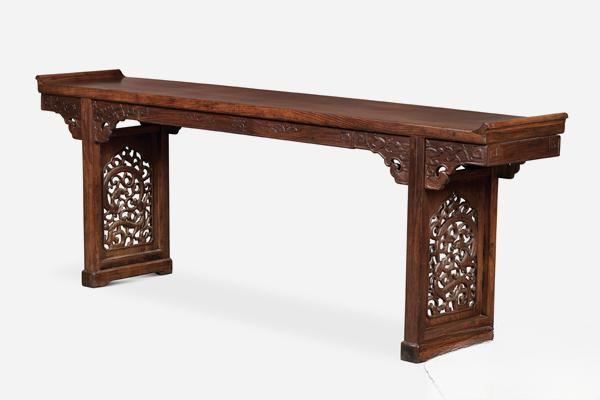
A late Ming/early Qing dynasty huanghuali (Chinese rosewood) table with mortise and tenon joints, brackets, and upturned dragon motifs.
Rosewood is mainly produced in Hainan Province, China. The *Qiongzhou Zhi* (Records of Qiongzhou) states, "Rosewood is produced in Yazhou, Changhua, and Lingshui," all referring to Hainan. The *Qiongzhou Fuzhi* (Records of Qiongzhou Prefecture) describes rosewood as "purplish-red, similar to sandalwood, with a slight fragrance, produced in the pear-growing mountains." The *Yazhou Zhi* (Records of Yazhou) records under "Prefecture Timber": "Rosewood, purplish-red, similar to sandalwood. It has a very strong, spicy fragrance and a firm texture, with two types: oily and dry. The oily type is extremely rare." Because it is "similar to sandalwood," it is also called "fragrant rosewood," and "oily and dry" refers to the "oily rosewood" and "dry rosewood" of Hainan rosewood.
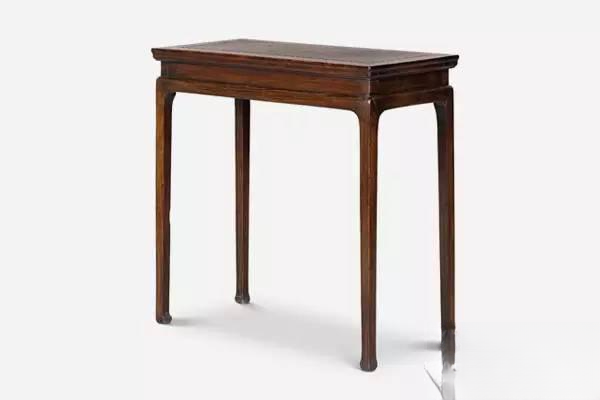
A huanghuali incense table with a high waist and hoof-shaped feet from the late Ming to early Qing dynasty.
Horizontal and vertical comparison
Regarding the comparison between huanghuali and zitan, huanghuali is second only to zitan in terms of rarity and value. Huanghuali wood is extremely stable, remaining undeformed, cracked, and warped regardless of temperature, and possesses a certain degree of toughness, making it suitable for crafting various irregularly shaped furniture pieces , such as three-curved legs, which require a high degree of curvature and can only be made with huanghuali; other woods are less capable of achieving this. In terms of price, due to its scarcity, huanghuali has surpassed zitan in recent years.
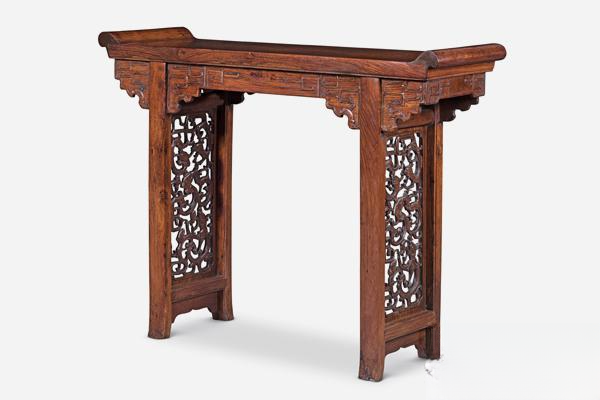
Early Qing Dynasty Huanghuali Small Table with Single-Plank Mortise and Tenon Joints and Dragon-Patterned Stretchers
High-end furniture from the Ming Dynasty and early Qing Dynasty was mostly made of huanghuali wood. However, due to excessive logging in previous dynasties, huanghuali wood became drastically scarce, even nearing extinction, leading to the later use of rosewood as a substitute. Published materials on Ming and Qing furniture show that large pieces of huanghuali wood were common, with single-plank flat-topped tables measuring half a meter wide and two meters long. However, large pieces of Hainan huanghuali are now very rare. After its period of prosperity, by the mid-Qing Dynasty, it was gradually replaced by darker materials such as zitan and red sandalwood.
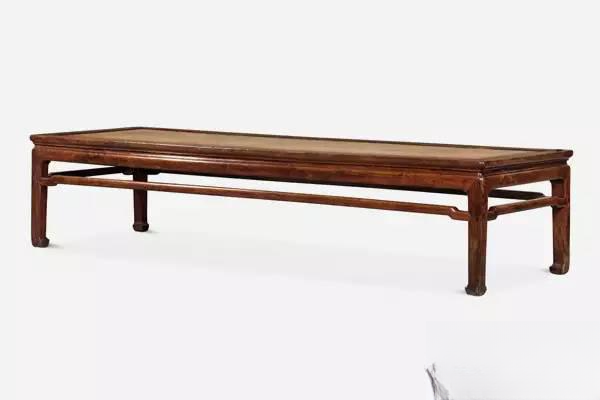
A late Ming/early Qing dynasty huanghuali (Chinese rosewood) long couch with a waisted, curved stretcher and hoof-shaped feet.
The most easily confused types of rosewood today are Hainan rosewood and Vietnamese rosewood, with Hainan rosewood being much more valuable. The main color of Hainan rosewood is golden yellow, while the overall color of Vietnamese rosewood is more yellowish-orange. The color of Hainan rosewood is also slightly more subdued than that of Vietnamese rosewood.
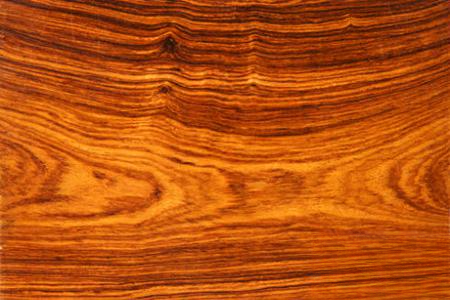
Hainan rosewood
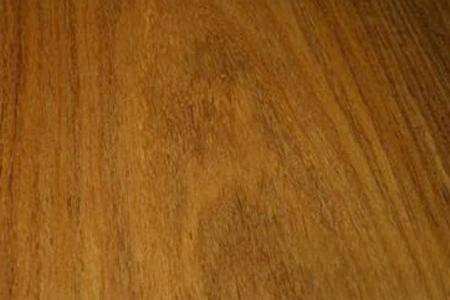
Vietnamese rosewood
Hainan Huanghuali has a fine and dense texture, with clear, dark ink lines, often resembling crab claw, wheat ear, or ox hair patterns. Although irregular, it is never chaotic, and the flowing patterns give it a sense of dynamic beauty. In contrast, Vietnamese Huanghuali is somewhat rougher, with more black ink lines and halos, and landscape patterns are more common.
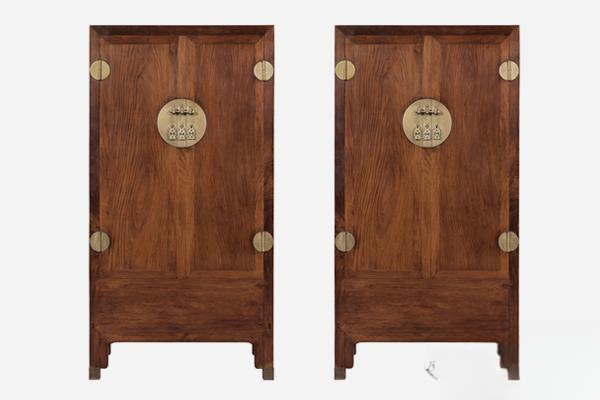
A square-cornered cabinet made of huanghuali wood from the late Ming Dynasty.
Today's Legend
Huanghuali wood possesses a unique beauty, often featuring numerous knots within its grain. These knots are remarkably smooth and crack-free, displaying patterns resembling fox heads or old men's heads—commonly known as "ghost faces." Ghost faces were rare in Ming dynasty huanghuali furniture, typically hidden in shadows; this characteristic persisted until the mid-Qing dynasty. Huanghuali furniture from the mid-Qing dynasty onwards is characterized by more black streaks and deep stripes, a greater number of ghost faces, a brownish-purple or coffee color, a fine texture with few pores, and a tendency for the grain to exhibit fluorescent patterns—characteristics that remain to this day.
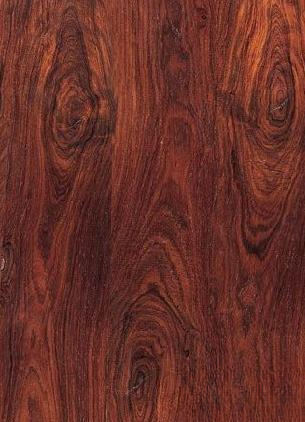
Huanghuali Ghost Face
After the liberation, during the restoration of the Forbidden City, most of the huanghuali wood used for furniture was purchased from Hainan. Following the reform and opening up, especially from the late 1990s onwards, with the resurgence of huanghuali culture, huanghuali from Vietnam, Laos, and Myanmar began to be used extensively and became increasingly scarce. Large pieces and complete works are now more commonly found in antique furniture. Currently, huanghuali prices are approaching historical highs, and the current surge in collecting has further elevated the huanghuali culture.
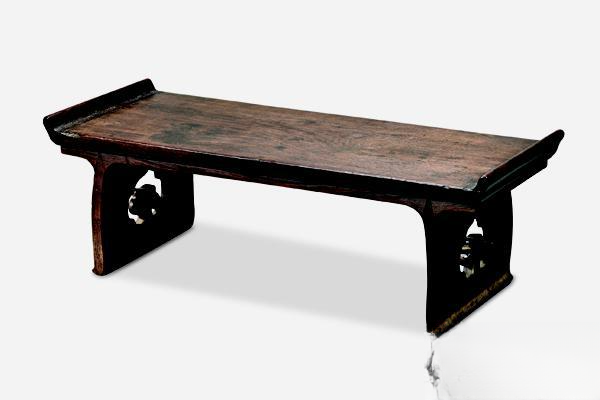
Early Qing Dynasty Huanghuali Table with Single-Plank Tenon and Gross Joint and Small Upturned Ends
As the price of huanghuali wood continues to rise, it is repeatedly setting new records at auctions. In the classical furniture section of the 2015 China Guardian Spring Auction, there were many huanghuali tables, couches, cabinets, and chairs. Most of these pieces were made in the late Ming and early Qing dynasties, and their natural and elegant appearance perfectly embodies the style of the classical furniture era.
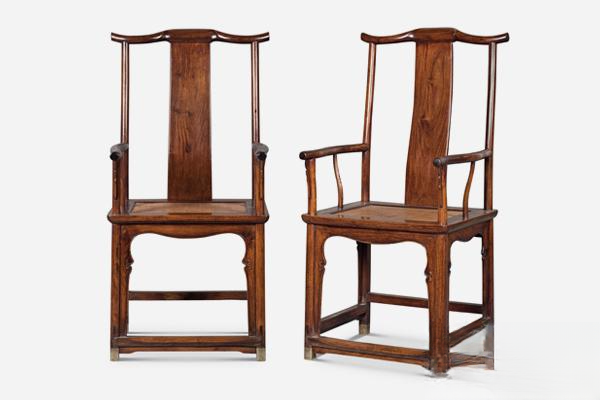
Early Qing Dynasty Huanghuali Wood "Four-Out-of-the-Head Curved Wood Official Hat Chair"
Antique furniture better reflects the enduring beauty of huanghuali wood, having survived hundreds of years and preserved intact to this day, radiating a simple and warm beauty.