The correct way to water, fertilize, and handle pests and diseases when growing flowers!
❷ Inorganic fertilizer
Inorganic fertilizers are chemically synthesized or processed from natural minerals, such as urea, superphosphate, and potassium dihydrogen phosphate. Inorganic fertilizers have a rapid effect, but their nutrients are simple and their effects are not long-lasting. Because of their single nutrient composition, long-term use alone can cause soil compaction; therefore, it is best to use them in combination with organic fertilizers.
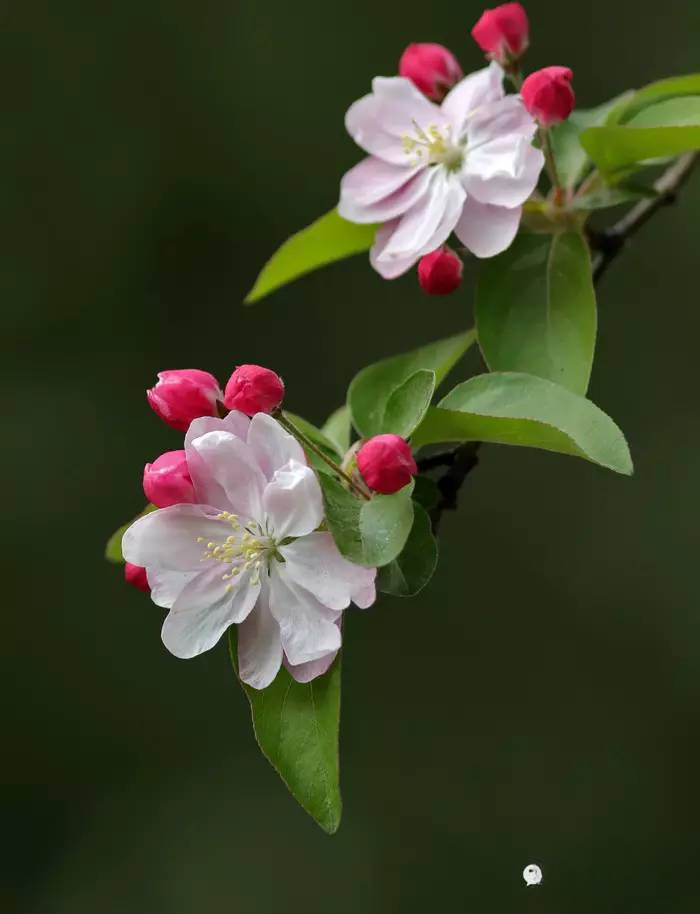
① The principle of fertilization is timely and appropriate amount . Timely means applying fertilizer only when the flowers need it, such as when the leaves of the flowers become pale or the plants grow weak.
Always apply fertilizer in moderation; excessive fertilization can negatively impact the growth and development of flowers.
Excessive nitrogen fertilizer can cause plants to grow excessively tall, with weak stems and leaves, which can affect flowering and fruiting and make them more susceptible to pests and diseases.
Excessive phosphorus fertilizer can hinder flower growth and affect flowering and fruiting.
Excessive potassium fertilizer will result in stunted plants, wrinkled and brown leaves, and even wilting.
❷ Adjust fertilization according to the growth stage of the seedlings
Seedlings grow rapidly and should be fertilized with plenty of nitrogen and potassium fertilizer to promote robust stems and branches and a well-developed root system.
Apply more phosphorus fertilizer before flowering and when buds appear to promote larger, more beautiful flowers and fuller buds.
Spraying potassium dihydrogen phosphate after the flowers have faded and the flowers have withered can prevent flower and bud drop; during the flowering period and the early fruit setting stage, fertilizer and water should be controlled, otherwise flower and fruit drop is likely.
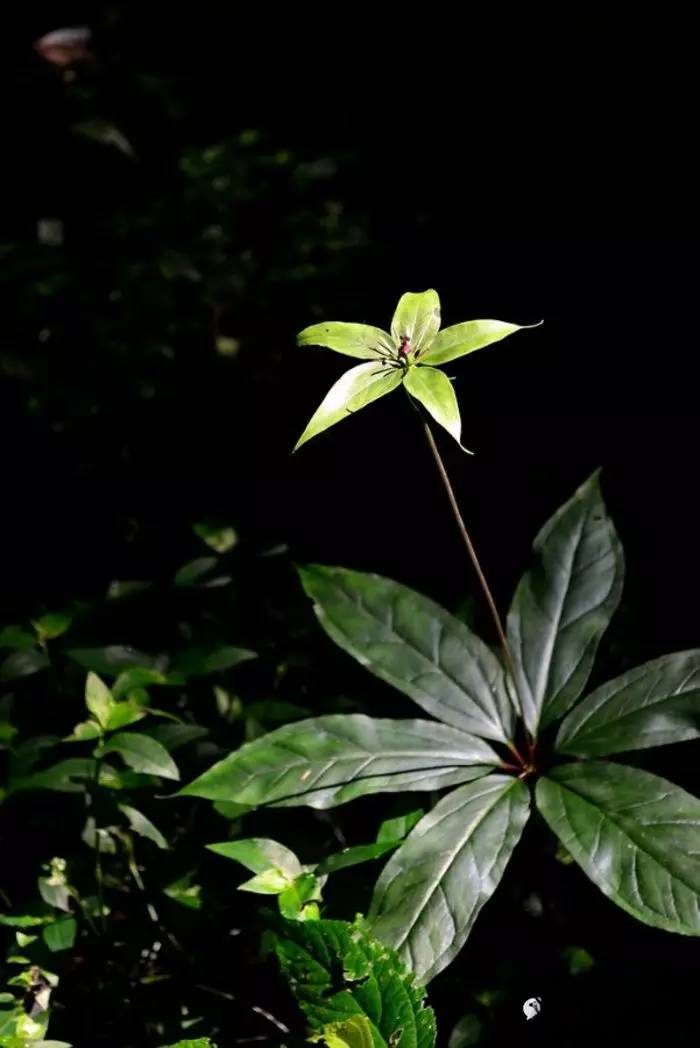
❸ Adjust fertilizer concentration according to seasonal changes.
Winter temperatures are low, plant growth slows, and most flowers are in a dormant or semi-dormant state, generally requiring no fertilization. Spring and autumn are the peak growing seasons, and more frequent fertilization is appropriate. Summer temperatures are high, water evaporates quickly, and flowers grow vigorously; adhere to the principle of applying diluted fertilizer frequently. Organic fertilizers must be fully decomposed before application. Chemical fertilizer concentrations should not be too high to prevent burning the flowers.
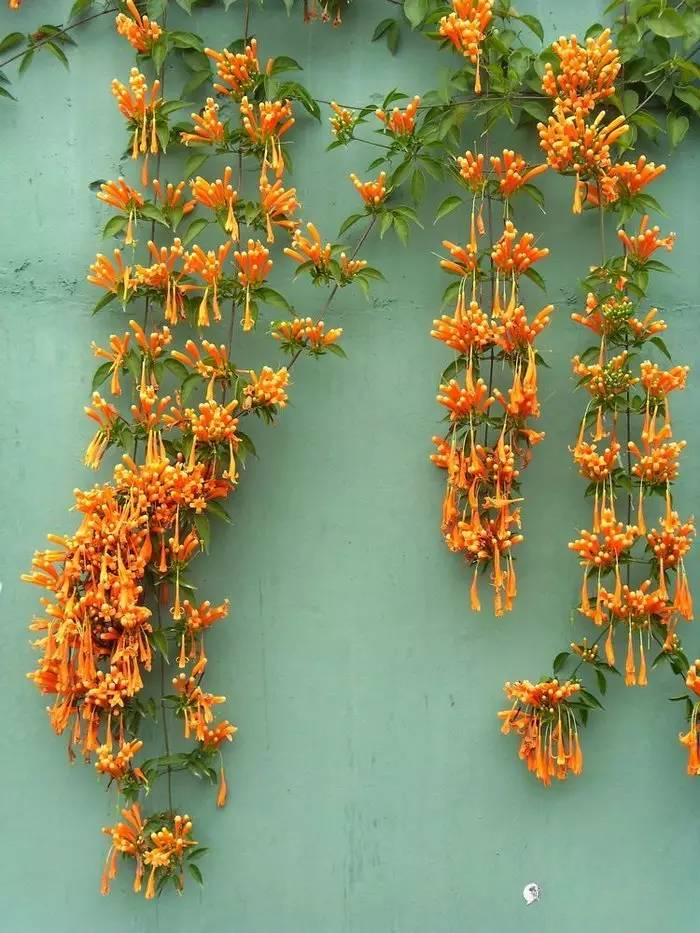
❹ The timing of fertilization varies depending on the season.
In summer, it is generally advisable to fertilize in the evening, while in winter, it is advisable to fertilize around noon. Fertilizer can generally be applied on sunny, dry days or before rain; avoid fertilizing after rain or on prolonged periods of overcast or rainy weather.
Apply more fertilizer when the climate is warm and suitable for growth, and do not apply fertilizer when the climate is hot or cold and the plant is in a semi-dormant or dormant state.
Apply when the potting soil is dry, and do not apply when it is wet;
Apply more soil to old potting soil and less soil to newly potted soil; apply less soil if there is sufficient base fertilizer, and apply more soil if there is no base fertilizer or insufficient base fertilizer.
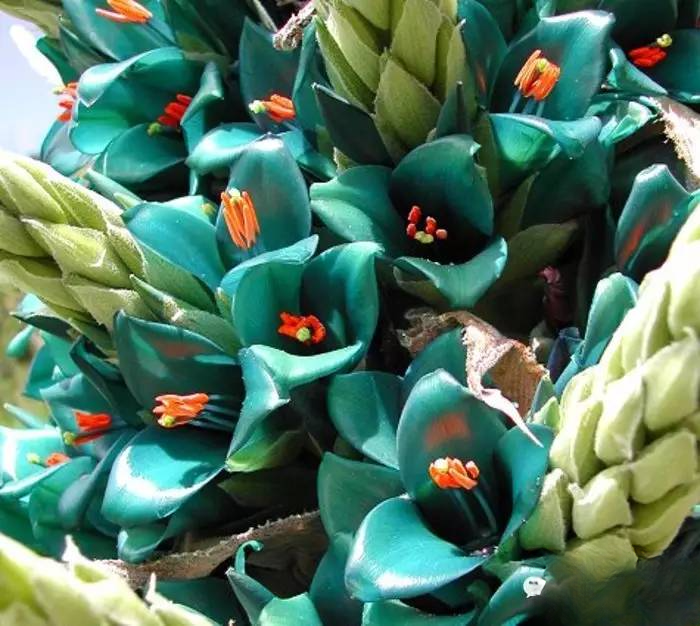
5. Fertilize according to the characteristics of the flowers.
For foliage plants such as pine, bamboo, and spider plants, nitrogen fertilizer is recommended to promote leaf growth and a deep green color.
Flowers that are mainly grown for their flowers and fruits require more fertilizer. When the branches and leaves are growing, apply nitrogen-based fertilizer 1-2 times.
During the growth stages of flower bud differentiation, bud formation, and pre-flowering, fertilizers rich in phosphorus should be applied to promote abundant flowering and fruiting. Generally, newly transplanted or diseased plants should not be fertilized temporarily.
It is best not to fertilize flowers during their flowering period to avoid causing buds and flowers to wither.
❶ Base fertilizer
There are generally two methods for applying base fertilizer:
One method is to mix fertilizer with potting soil in a certain ratio (about 1:9) before planting flowers. This can improve the physical properties of the soil and provide the nutritional needs of the flowers throughout their growth period.
Secondly, place a small amount of fertilizer at the bottom of the pot when potting, repotting, or turning over the soil. Generally, this should not exceed 1/10 of the potting soil, and cover it with a layer of soil before planting the flowers.
❷ Topdressing
Topdressing is generally done in two ways:
One method is soil application, which involves directly applying fertilizer into the soil. For liquid fertilizer, dilute it and spray it into the potting soil first; for solid fertilizer, sprinkle it evenly on the surface of the potting soil and then cover it with a layer of soil. Remember to water after fertilizing to facilitate absorption.
Secondly, foliar spraying, also known as external fertilization, has the advantages of saving fertilizer and quick results. It is usually used during the vigorous growth period of flowers or when a certain element is lacking. Generally, inorganic fertilizers are prepared at a concentration of 0.1% to 0.5% and sprayed in the morning or evening when there is no wind, so as to moisten the leaves. The most commonly used fertilizers are urea, potassium dihydrogen phosphate, superphosphate, and ferrous sulfate.
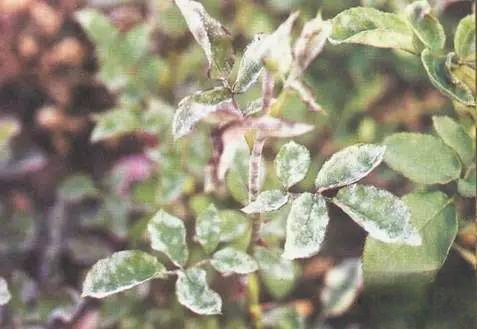
① Powdery mildew diagnosis: Small yellow transparent spots appear on the leaf surface, which gradually spread to the entire leaf, forming powdery mildew spots. Later, the spots turn gray.
It mainly harms a variety of flowers, including roses, dahlias, chrysanthemums, peonies, cinerarias, impatiens, and climbing roses.
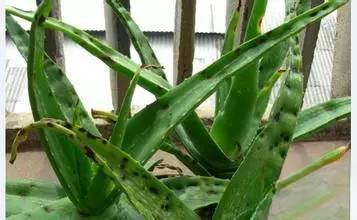
② Anthracnose diagnosis: Yellowish-brown sunken spots appear on the leaves, spreading outwards to become dark brown round spots, or irregular patches appear on the leaves. The leaf tips dry out and continue to spread downwards. In later stages, small black dots appear on the lesions, often arranged in concentric rings. When the disease is severe, the leaves wither and die.
It mainly harms a variety of flowers, including orchids, rubber trees, roses, cacti, peonies, jasmine, carnations, and fishtail palms.
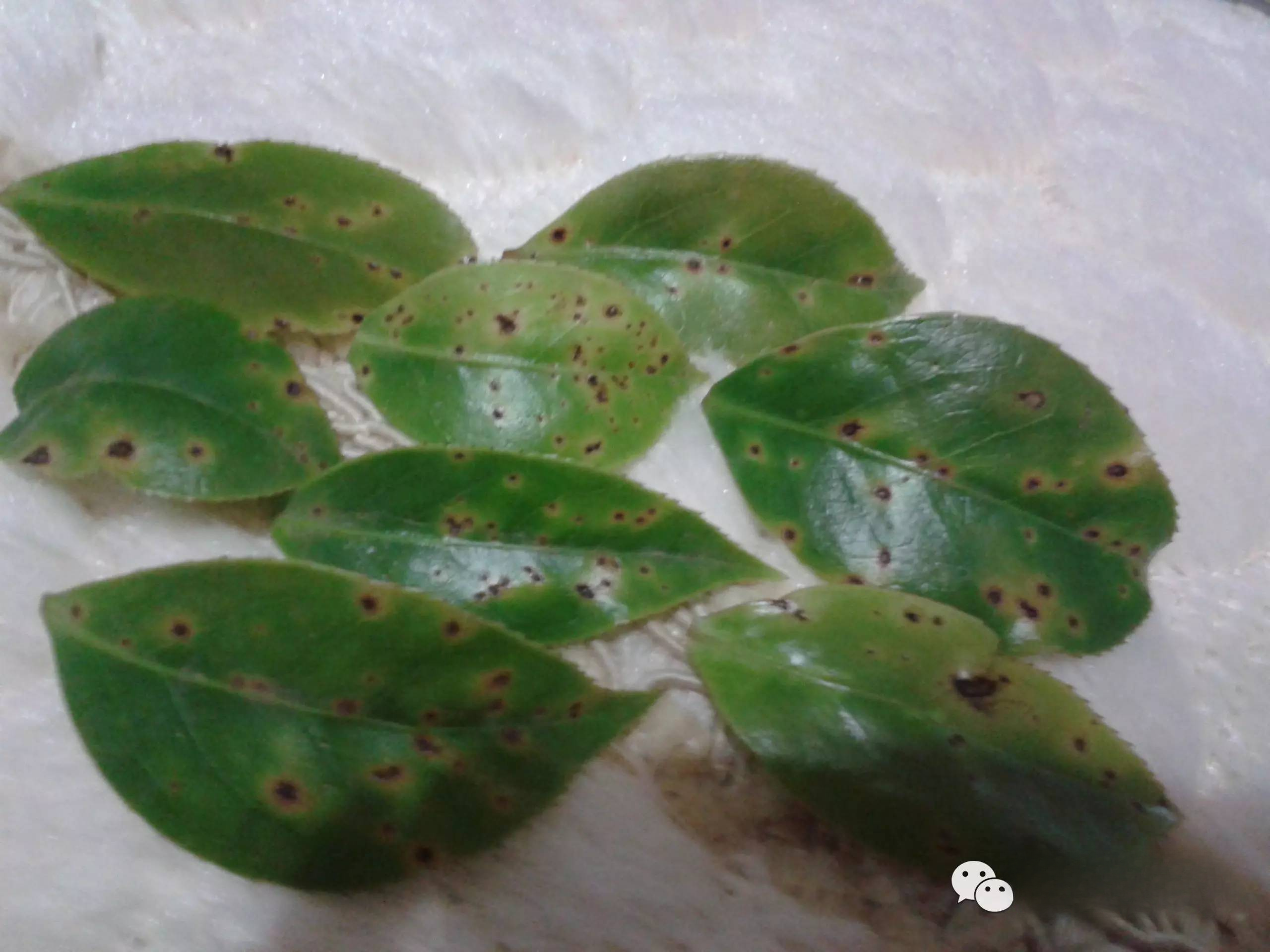
③ Diagnosis of Black Spot Disease: Nearly circular or irregular black spots appear on the affected leaves, gradually enlarging. In severe cases, the leaves turn yellow and fall off, even leading to the death of the plant. It mainly affects roses, azaleas, camellias, cherries, and flowering plums.
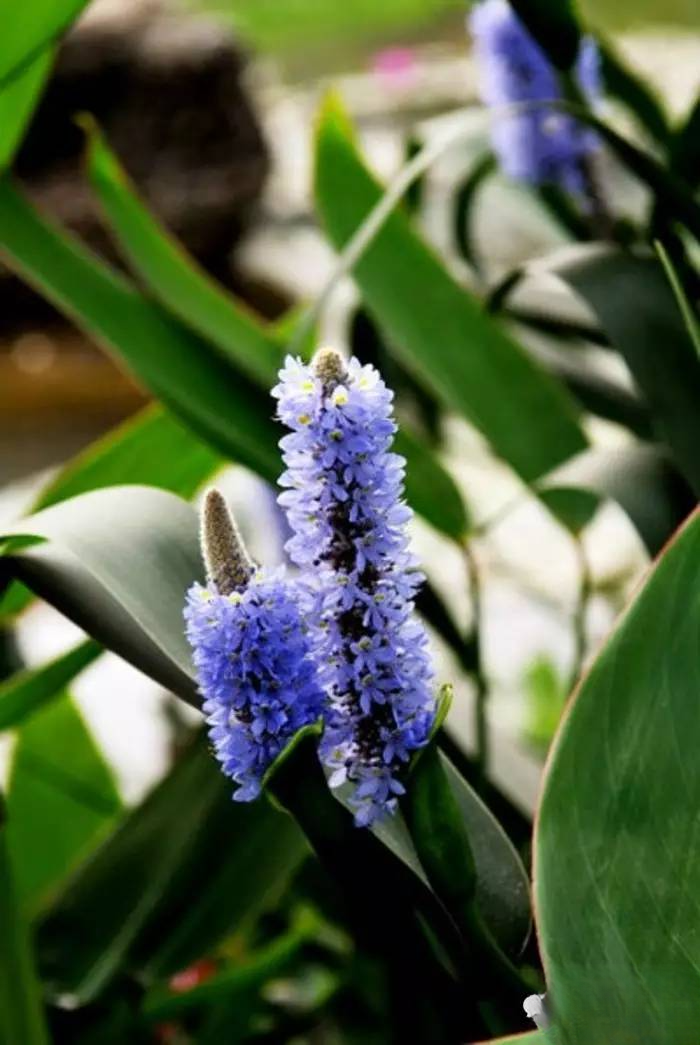
① Fertilizer control
Strengthen cultivation management, apply appropriate amounts of phosphorus and potassium fertilizers to enhance the plant's disease resistance, and promptly remove and burn diseased and fallen leaves to clean the environment and reduce transmission vectors; pay attention to ventilation and light penetration.
② Chemical control
In the early stages of the disease, spray with a 1:1:100 Bordeaux mixture for protection to prevent the occurrence and development of the disease; in the early stages of the disease, spray with antibacterial agents such as 50% carbendazim, 50% thiophanate-methyl, 65% zineb, 75% chlorothalonil, 50% thiophanate-methyl at 500 times dilution, and 50% benomyl at 1000 times dilution.
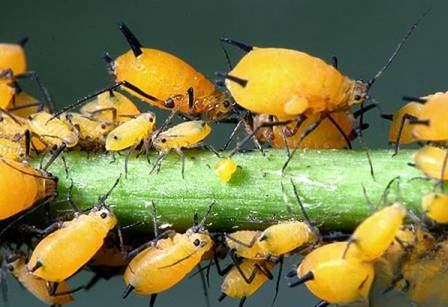
① Aphids
Aphids, also known as plant lice, can occur year-round and mainly damage plants such as bougainvillea, chrysanthemums, and pomegranates. Affected plants exhibit curled leaves, yellowing branches and leaves, and significant leaf and flower drop, which can lead to rapid plant death in severe cases.
Prevention and control methods: Soak 50g of red chili peppers in 30-50g of water for 24 hours, and spray the affected plants with the filtrate. The control effect is very good.
If these methods are ineffective, medication is the only option. You can spray with 40% dimethoate EC at a dilution of 2000-3000 times, 50% methamidophos EC at a dilution of 1000-1500 times, or 80% dichlorvos EC at a dilution of 3000 times.
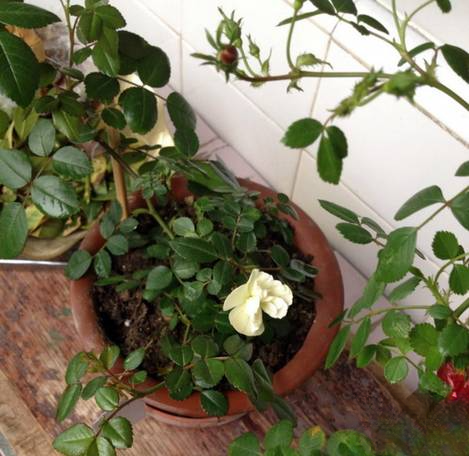
②Red spiders
Spider mites, also known as fire dragon mites, have multiple generations per year. They mainly damage the leaves and petals of wild elm, Chinese privet, and five-needle pine. The spider mites are about the size of a pinhead, deep red or purple, and can only be seen as tiny red dots with the naked eye. Affected plants lose their green color in the leaves, the leaf edges curl upwards, eventually leading to scorching and falling off, causing premature withering of flower buds, and in severe cases, death of the plant.
Control methods: Soak 50g of citrus peel in 0.5kg of water for 24 hours, filter, and spray the plants. Alternatively, spray with a 1500-fold dilution of trichlorfon or a 2000-fold dilution of 40% dimethoate. For better results, spray both the upper and lower surfaces of the leaves.