The 42 most awesome shrimps in the world, how many have you eaten?
Australian lobster
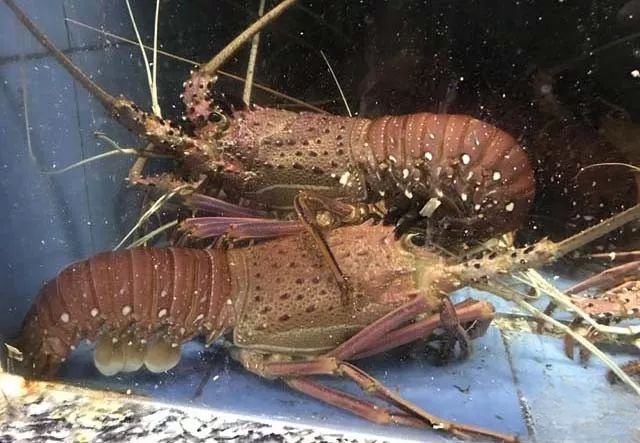
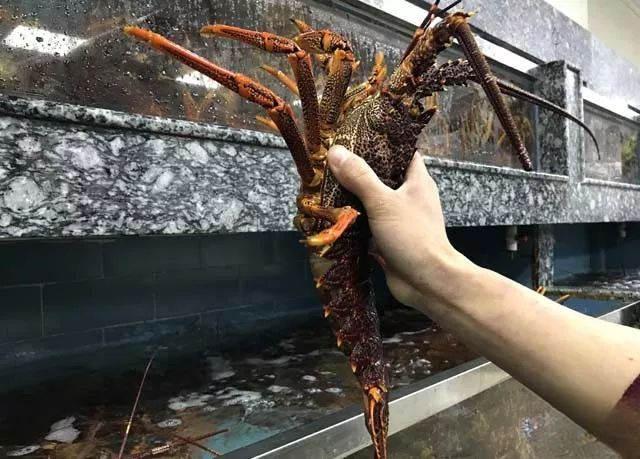
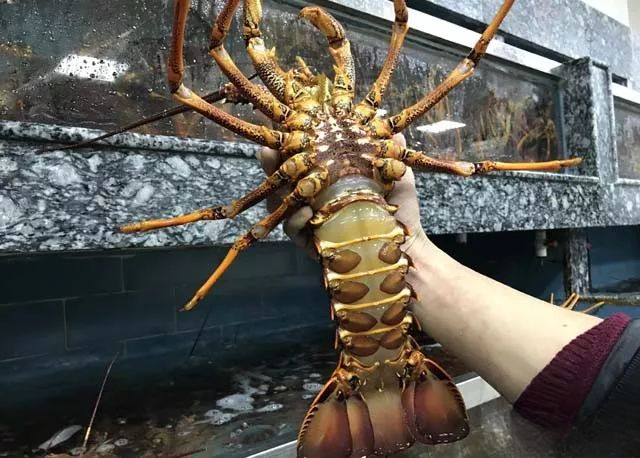
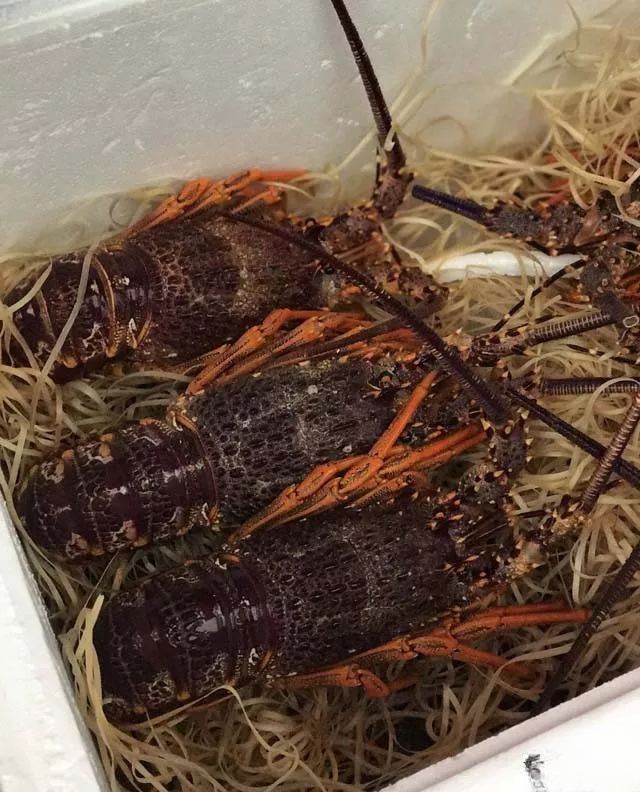
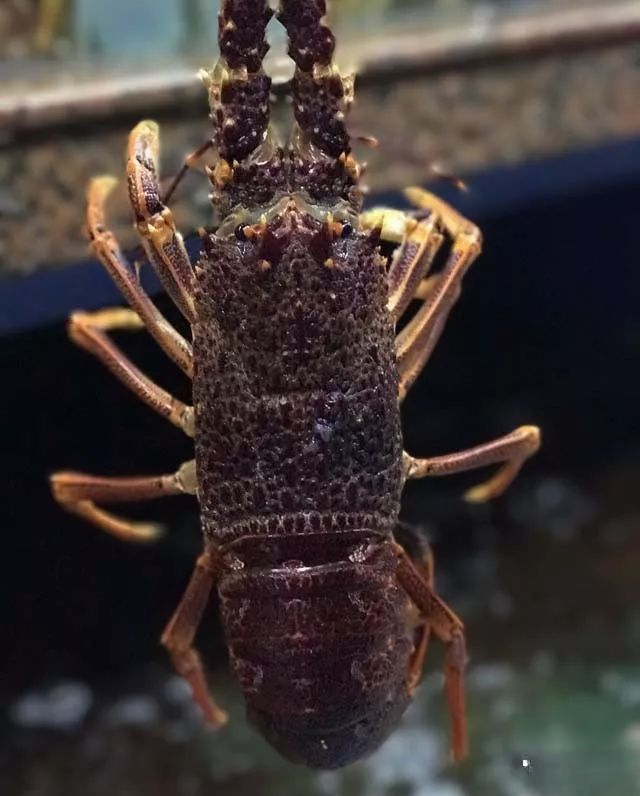
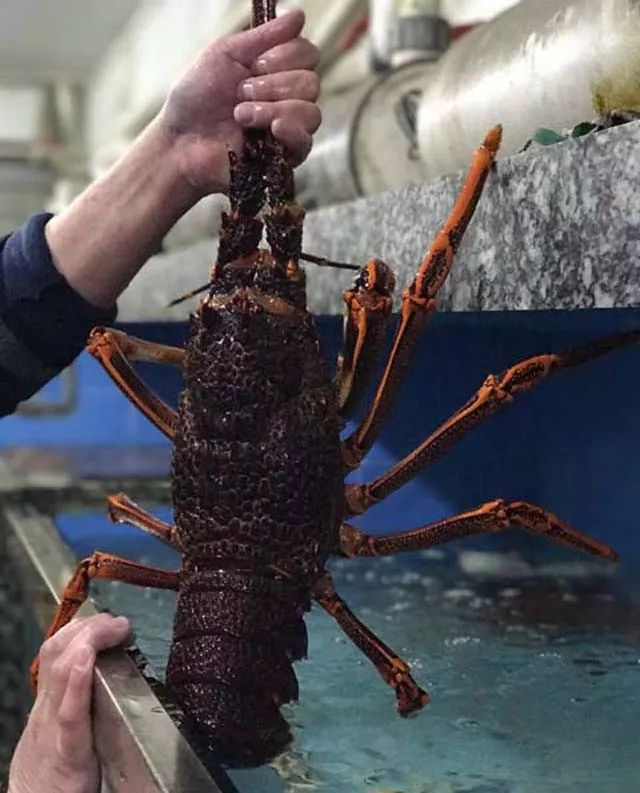
The scientific name for "South Australian lobster" is Crassostrea australis, marketed simply as "Aolong." This species is recognized by food lovers as the ultimate lobster, setting it apart from other lobsters. The large South Australian lobster is a fiery red, with crystal-clear, plump flesh. When peeled, it has a translucent color, but after cooking, the flesh turns opaque white, with a firm, smooth, elastic texture and a rich flavor. Fresh "Aolong" can be used to make sashimi, with its smooth, crispy, and tender meat, offering an excellent taste. Chinese chefs often steam or bake it in broth to preserve the lobster's original flavor, ensuring every bite is incredibly delicious. As for the massive lobster head, don't waste it; it can be used to make lobster porridge, a rich flavor that will make you want to swallow your tongue.

Australian lobsters range in size from 1 to 3 jin (approximately 100 catties), with some exceeding 5 jin (approximately 100 catties). In Australia, lobsters are produced in the southern and northern regions, with the southern region being located in cold waters and the northern region in temperate waters. As a result, southern lobsters have thicker shells, firmer flesh, and excellent durability, making them suitable for long-distance transportation. Fresh prawns are highly sought after by consumers both domestically and internationally.
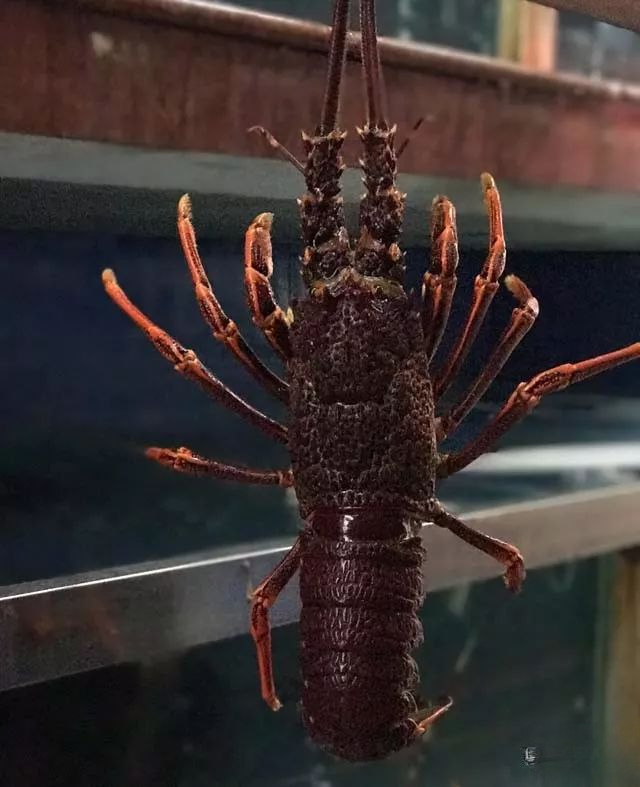
South Australian lobsters originate from Tasmania, Australia, a state rich in lobsters. The lobster industry is one of the mainstays of the state's economy. Located south of the Australian mainland and comprised of numerous islands, Tasmania is Australia's smallest state and is often nicknamed "The End of the World." It has become a pillar of Australia's economy, with lobster, sea cucumber, and king crab accounting for three-quarters of Australia's fishery production. Almost all of the top-quality lobster, abalone, and king crab are produced in Tasmania, with 90% of lobster being exported. However, due to overwhelming demand, prices have skyrocketed, making local Tasmanians unable to afford locally produced lobster. John Sansom of the Tasmanian Lobster Fishermen's Association stated that fishing is a matter of business. Fishermen are small businesses and must sell to the highest bidder.
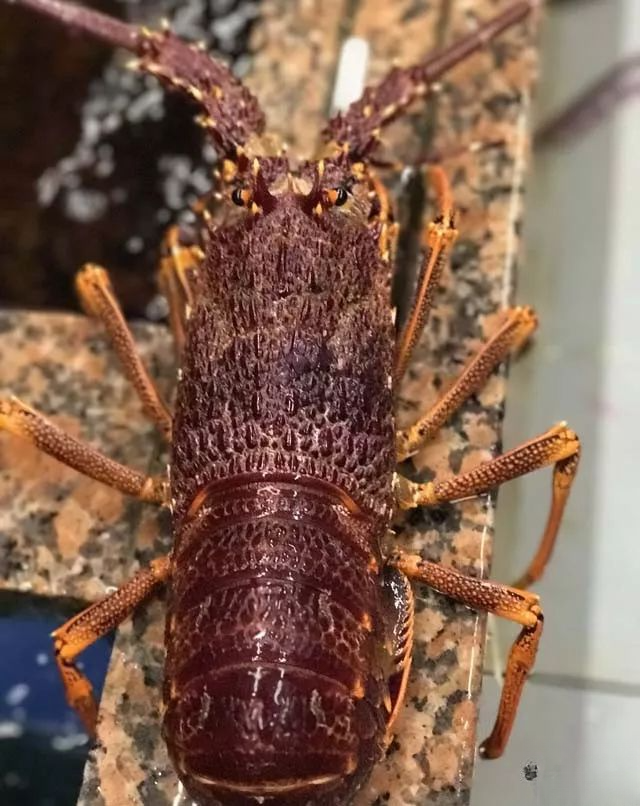
The demand for Australian lobster varies in different regions. For example, in Wenzhou, the most common demand is around 1-1.2 jins. In places like Shanghai, Ningbo, Hangzhou, and Guangzhou, 1.5-2 jins is the most popular.
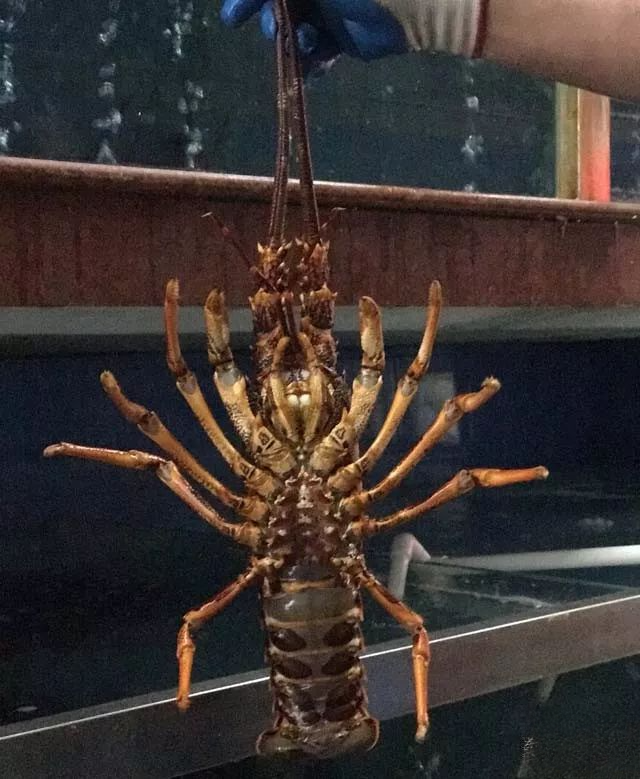
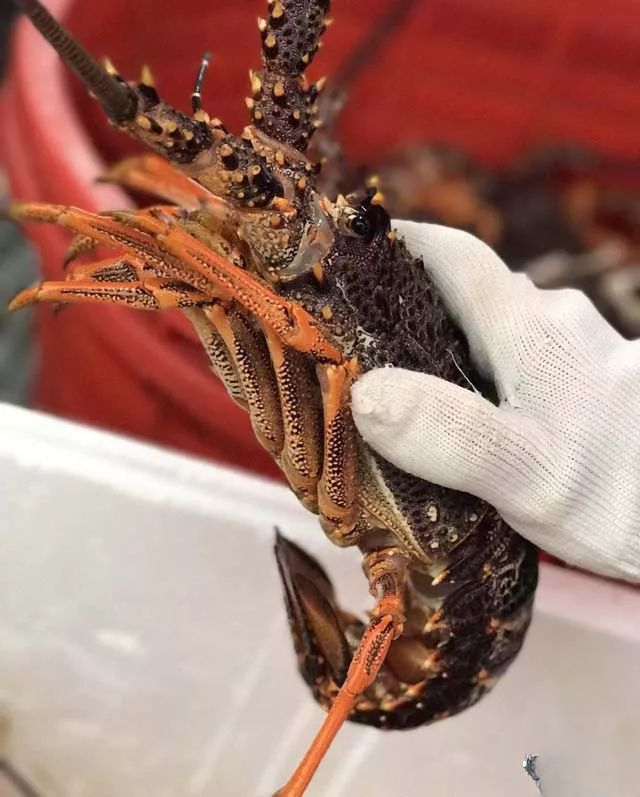
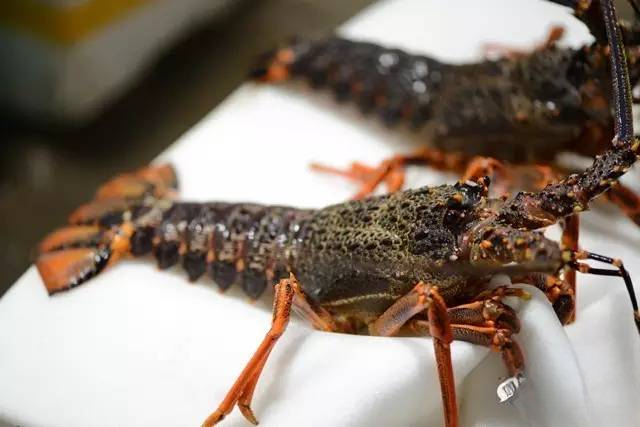
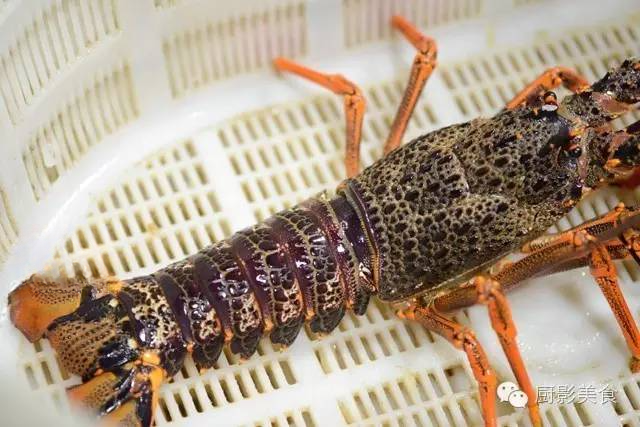
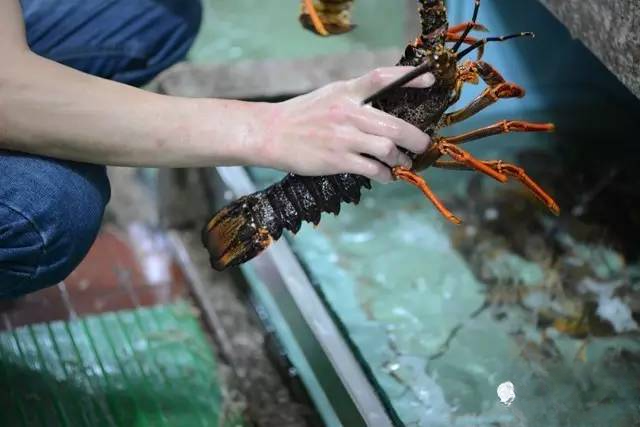
Australian dragon
Australian lobster is a small Australian lobster, weighing about 5-6 taels. It can be sliced and steamed with garlic or steamed plain. The price is around 150 yuan.
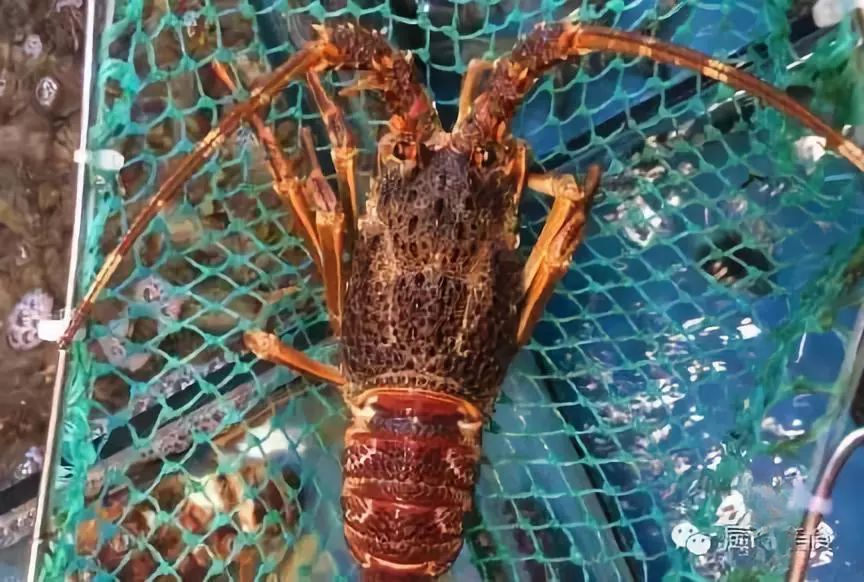
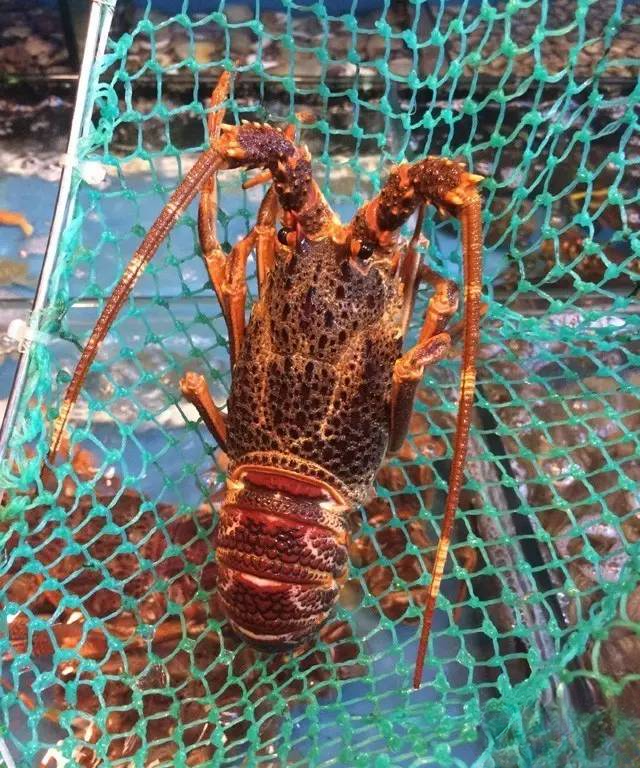
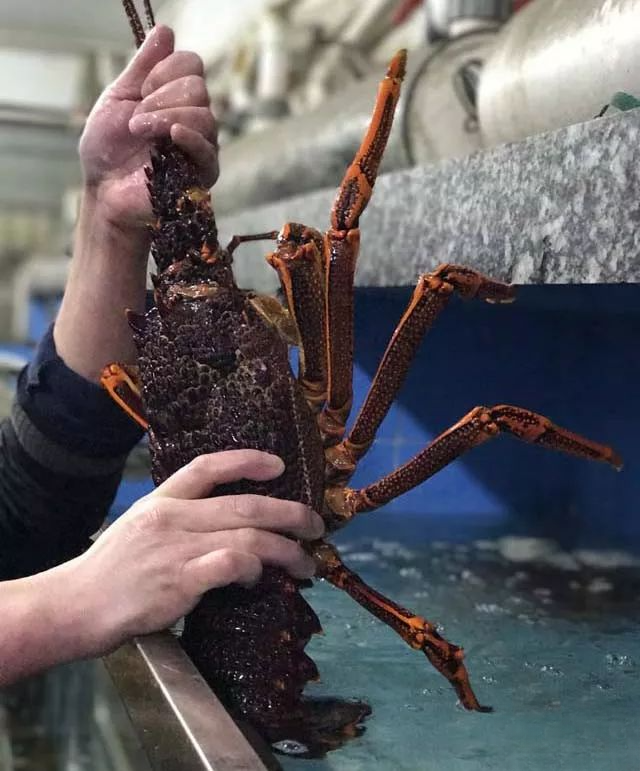
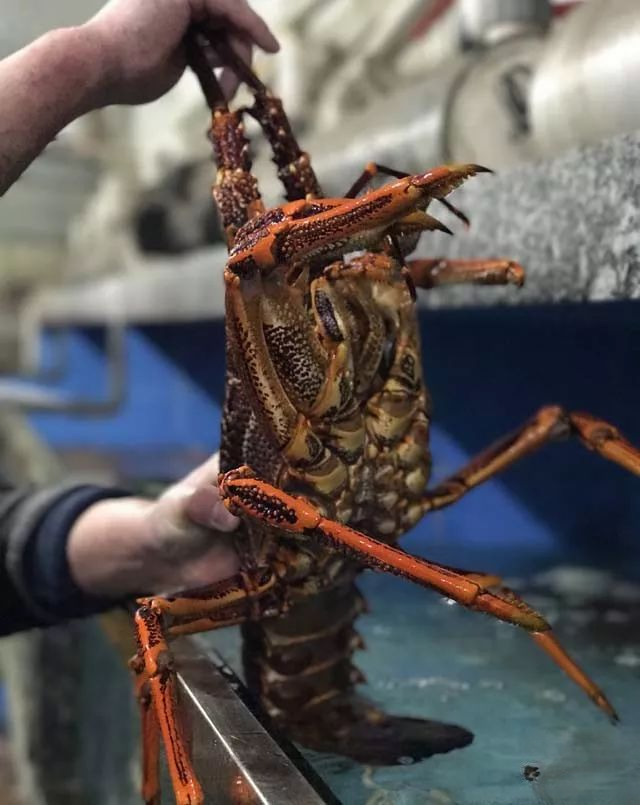
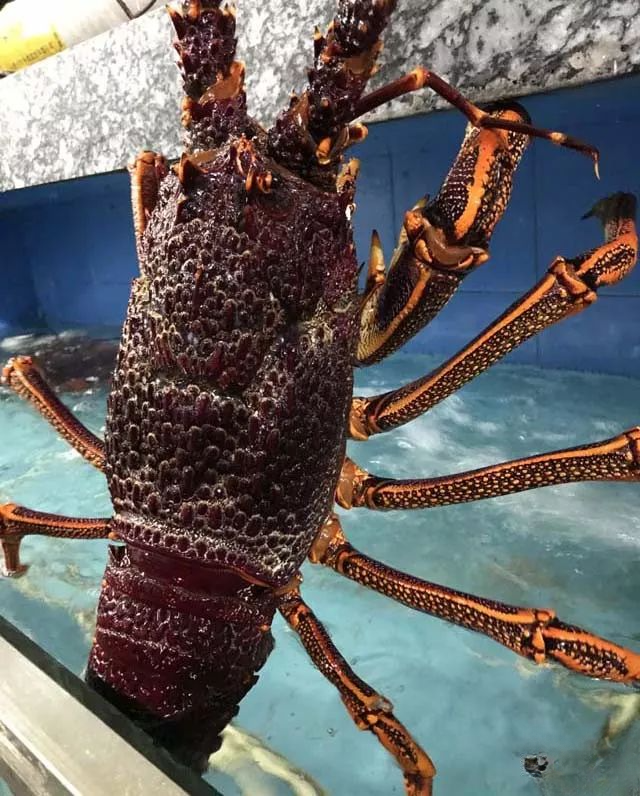
Large Australian lobster ( over 8 jin )
Australian lobster has become a remarkably resilient mainstream food ingredient, even stronger than gold. Even in today's climate of high consumption, Australian lobster remains undiminished, remaining unwavering in its pursuit of excellence and maintaining a commanding position in the complex and volatile seafood market. Its success demonstrates a simple truth: maintaining high product quality is the ultimate value.
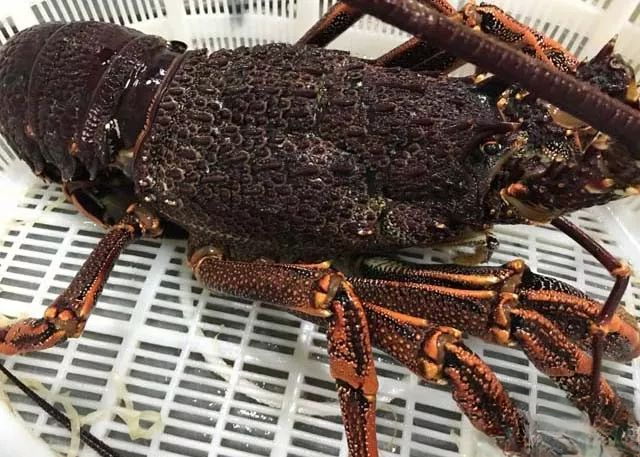
The price of large Australian lobsters typically hovers between 300 and 500 yuan per catty, with prices rising significantly during holidays. Don't assume these are reserved for big hotels in major cities. Some exceptional rural banquets demand over 8 catties of Australian lobster. And each banquet, catering to over 200 tables, demands one per table! These rural banquets have officially entered the realm of high-end banquets.
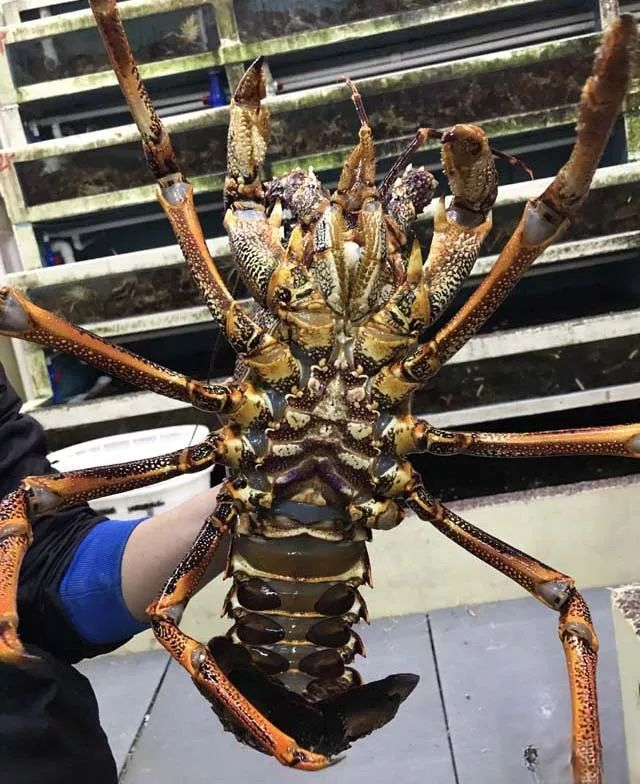
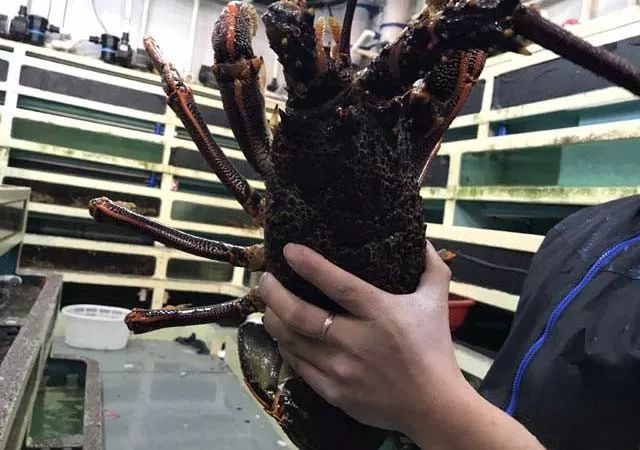
This is a large Australian lobster weighing 8 kilograms, and the selling price in the seafood market is 400 yuan per kilogram.
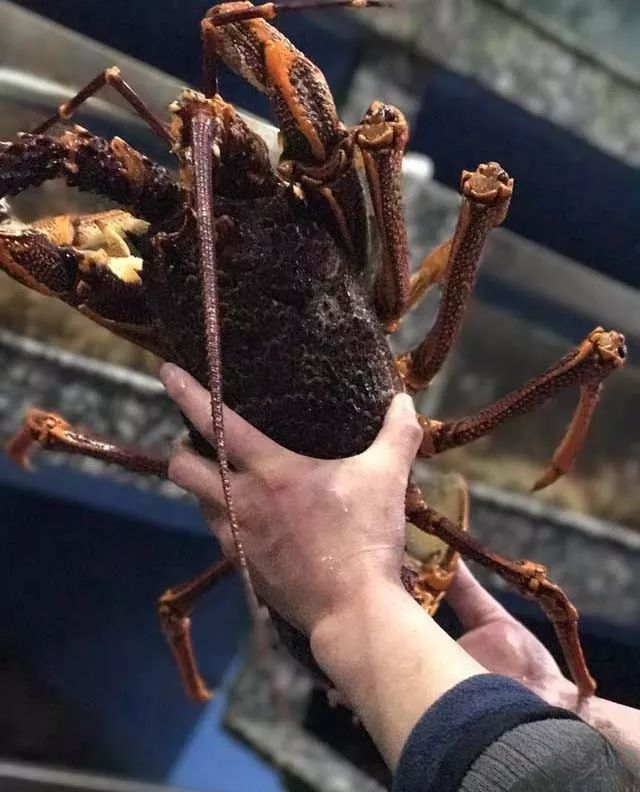
Mexican Red Dragon
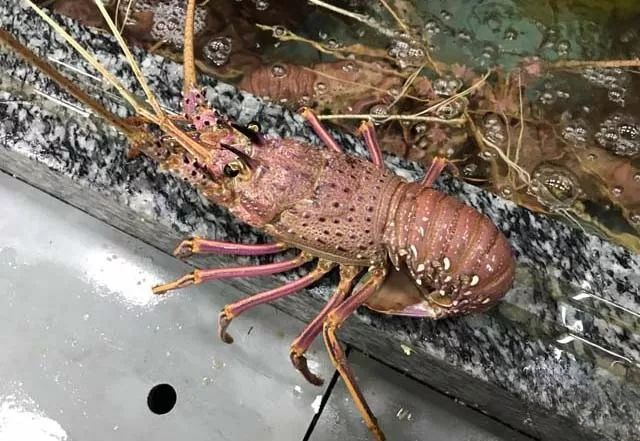
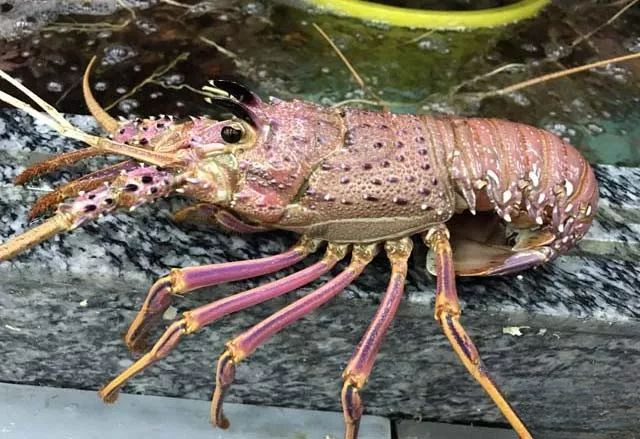
Mexican red lobster, native to Mexico in North America, is pink in color, with long whiskers, no claws, and bright red stripes on its legs. It is a vibrant, plump, and deliciously nutritious lobster. Welcome to join our Chuying Foodie Group to discuss delicious food and enjoy life! For more exciting content, please follow our WeChat official account: Chuying Food. Red lobster is a Mexican specialty and a highly prized seafood, priced around 100 yuan per jin (approximately 100 kilograms) lower than Australian lobster.
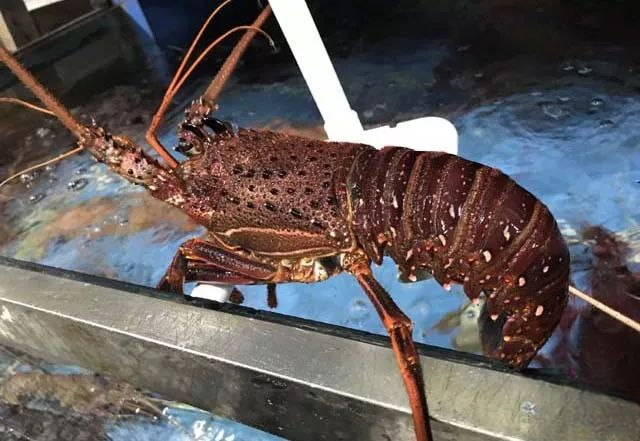
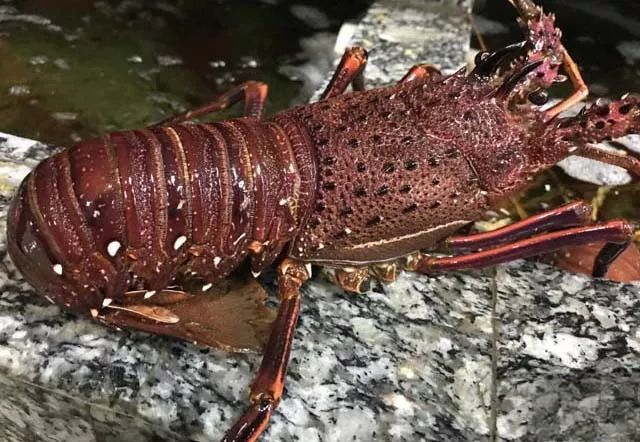
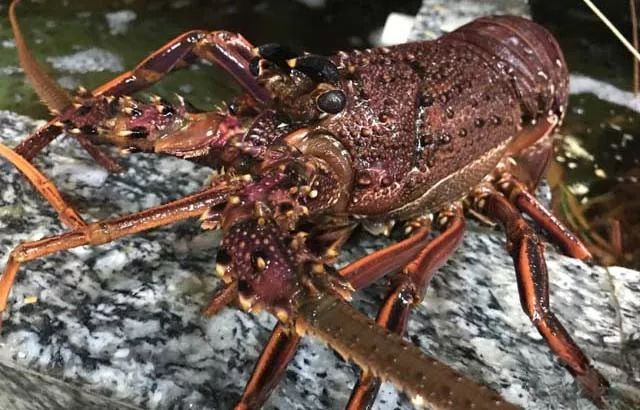
Flower Dragon
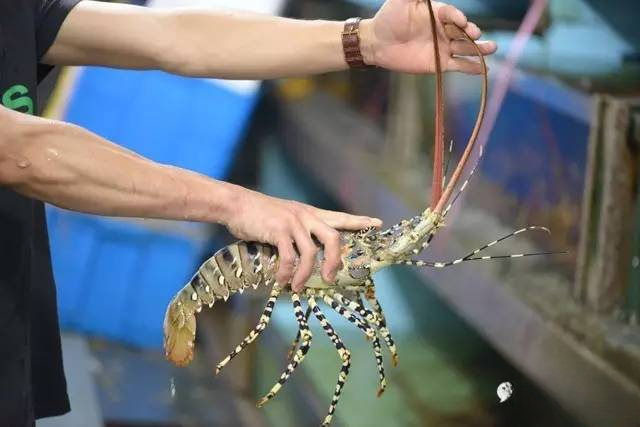
Large flower lobsters have a fresh and sweet taste. If prepared for sashimi, thinly slice the lobster meat and chill it. Showing it head and tail together creates a spectacular display. Flower lobsters, also known as colorful lobsters, are native to Vietnam, Indonesia, and are also farmed in large quantities along the coast of Guangdong. They are also known as flower lobsters, embroidered lobsters, and spotted blue lobsters, among other names. They have an elegant appearance and attractive color.

Vietnamese wild white shrimp
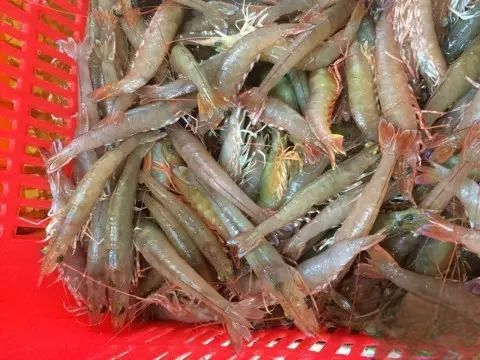
Vietnamese wild white shrimp originate from Vietnam. They are high quality, priced between 60 and 80 yuan per 500 grams. They are large and tender, making them ideal for classic dishes like teppanyaki and cheese and butter gratin.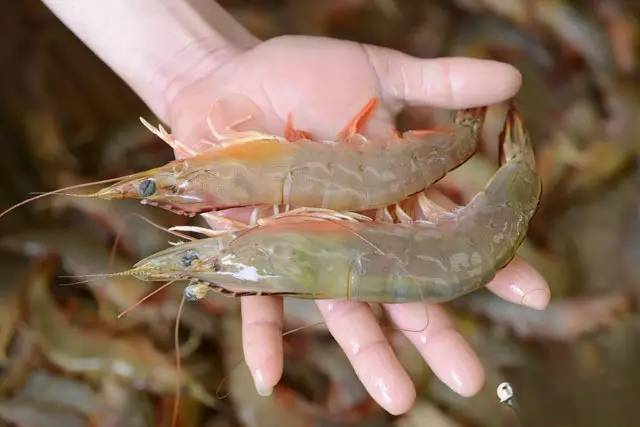
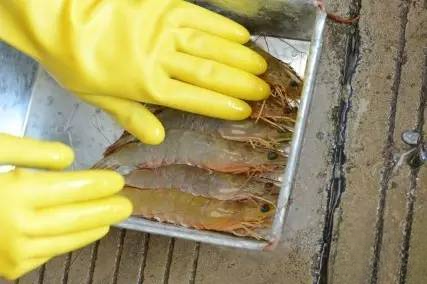
South African dragon
Known in the market as South African lobsters, they are resilient and suitable for restaurant storage, typically living for over a week. If fed appropriately with small shrimp, they will cannibalize their own kind. South African lobsters are found around the Cape of Good Hope in Cape Town, South Africa. They are not very large, only slightly larger than prawns. However, because they thrive in the pristine, warm waters of Cape Town, their meat is exceptionally delicious, displaying a vibrant red color when cooked, making them highly appetizing.
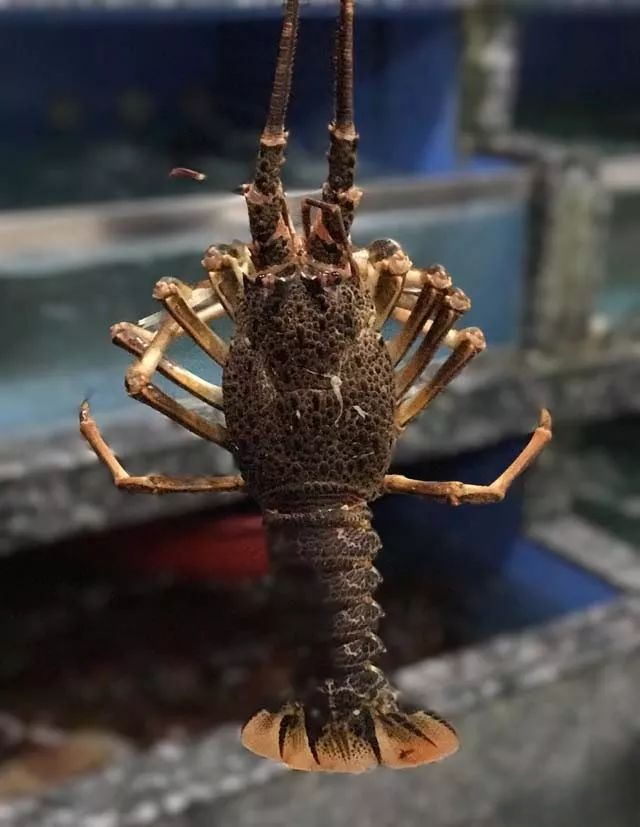
Live South African lobsters usually weigh between 250g and 450g each. They have a fresh and tender taste and, like Australian lobsters, are one of the more popular mainstream ingredients.
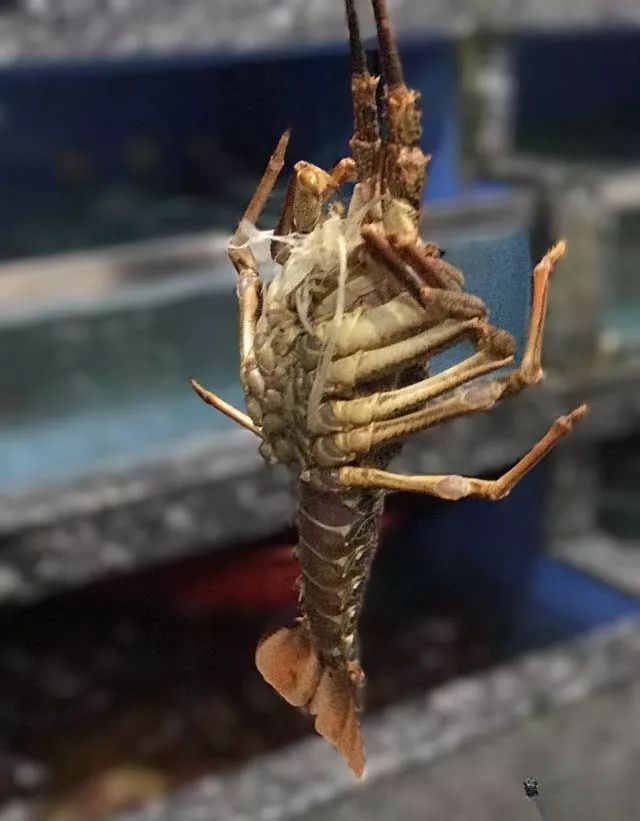
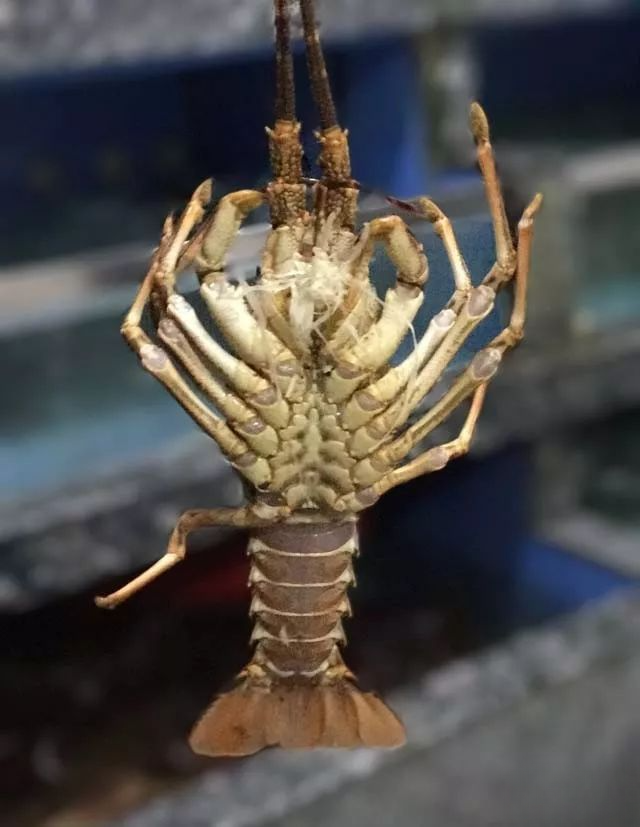
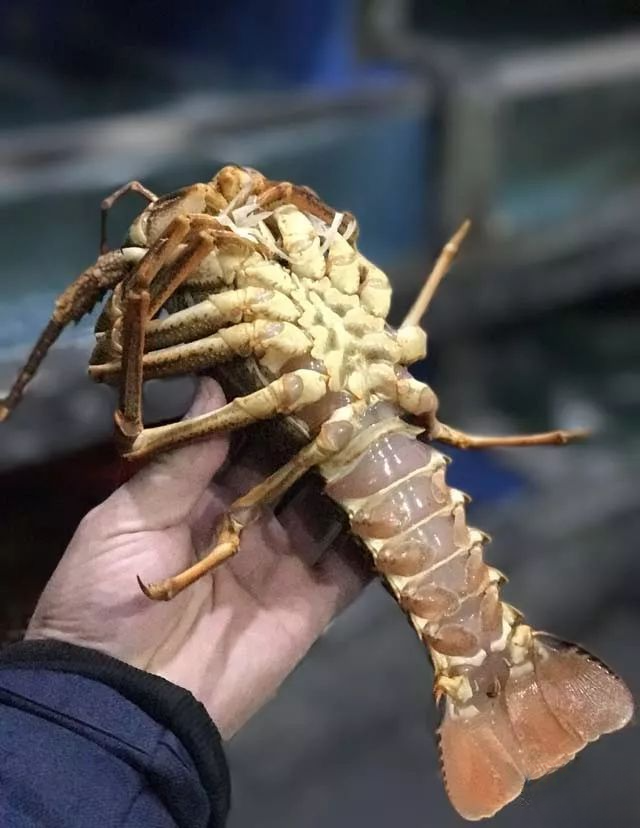
Blue Lobster
Blue lobsters are native to Brittany , a region of France located on the Brittany Peninsula in northwestern France, between the English Channel and the Bay of Biscay. "Breton" is a frequent word in French cuisine, often associated with seafood. Brittany is home to an extremely rare marine creature: the blue lobster. With an average of only one in a million lobsters, the blue lobster is a rare marine creature comparable to a living fossil.
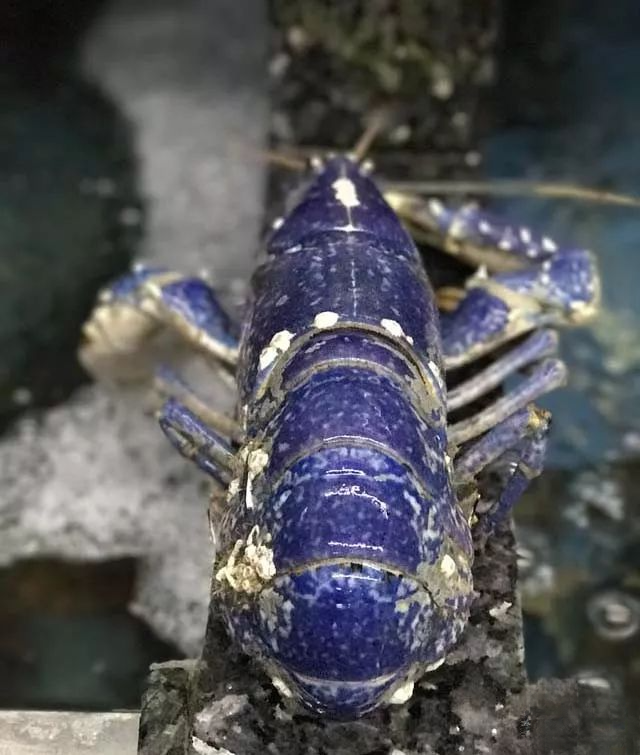
Compared to other lobsters, blue lobsters grow more slowly, taking an average of seven years and molting 30 to 35 times to reach their two-pound size. However, the quality of a blue lobster's meat is unrelated to its age or size. Regardless of size, the meat is exceptionally tender and sweet, offering a rich, rich lobster flavor.
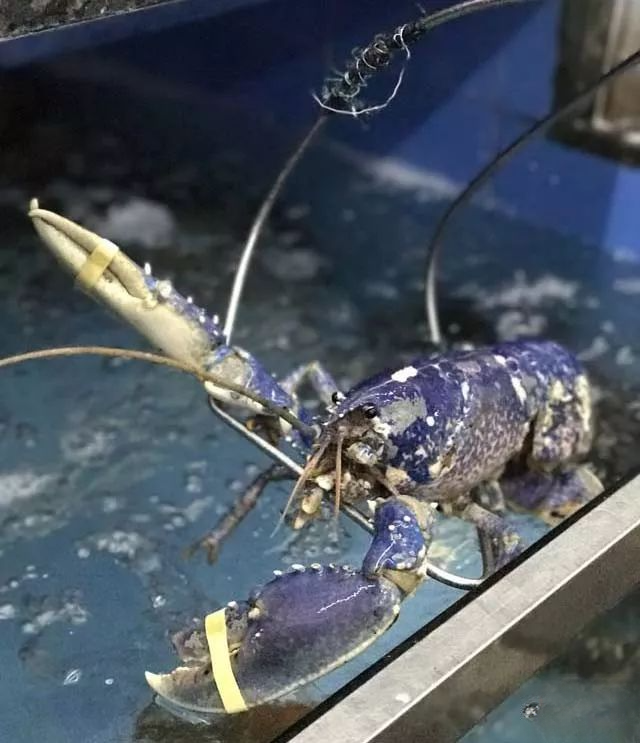
Rare things are always particularly valuable. Blue lobster production is so limited, and most of the harvest is reserved for French consumption, making it extremely rare for them to be exported. Currently, genuine wild French blue lobsters are no longer available in the market; almost all of the seafood sold in the market is farmed blue lobster from the UK. Farmed blue lobsters are more expensive than Boston lobsters, but significantly cheaper than Australian lobsters, typically fetching between 140 and 190 yuan per jin (approximately 500 grams).
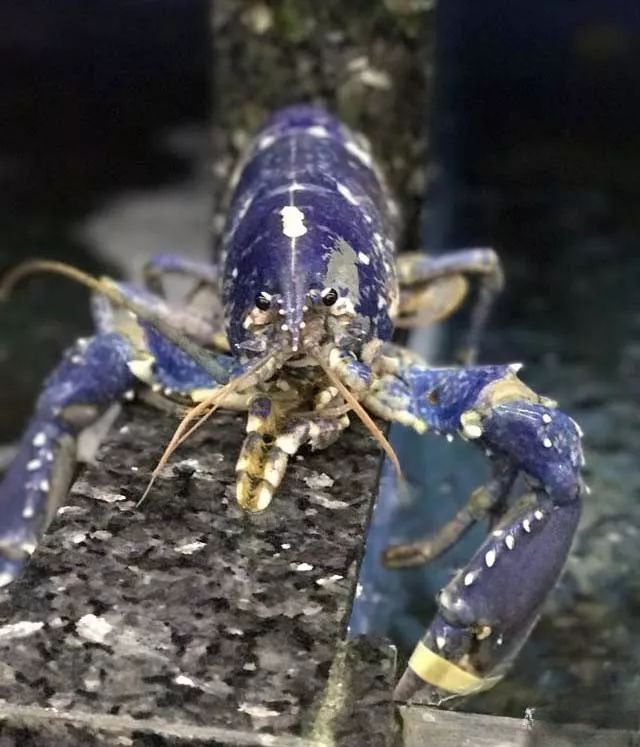
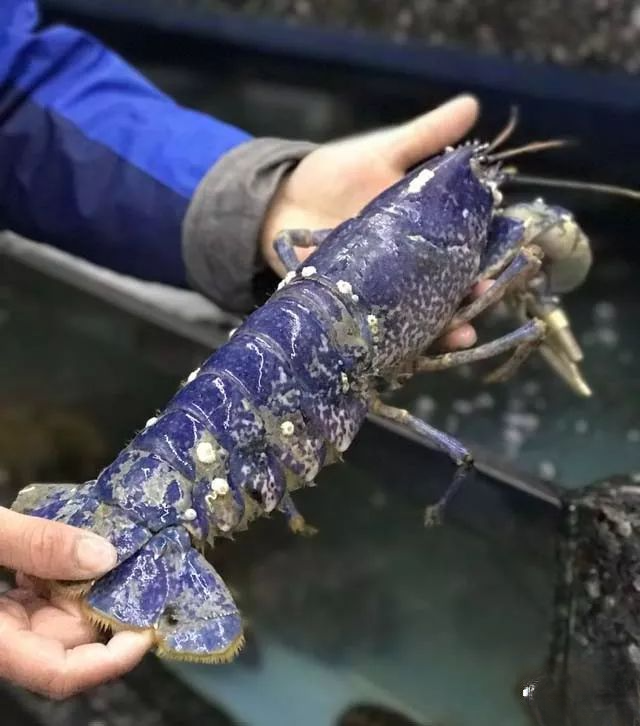
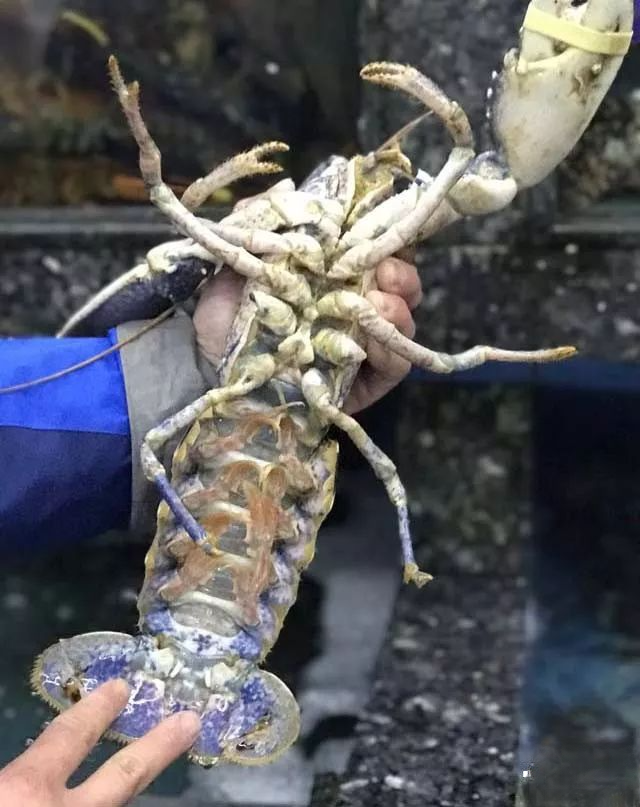
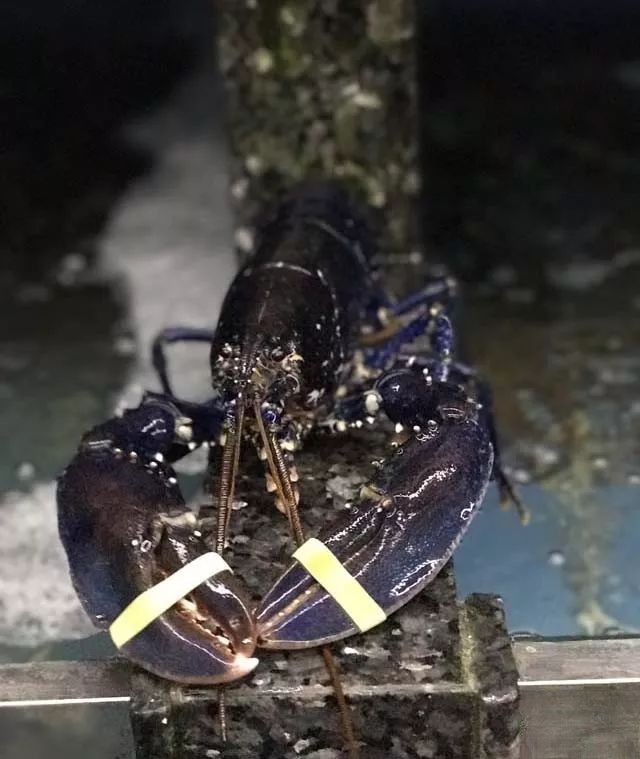
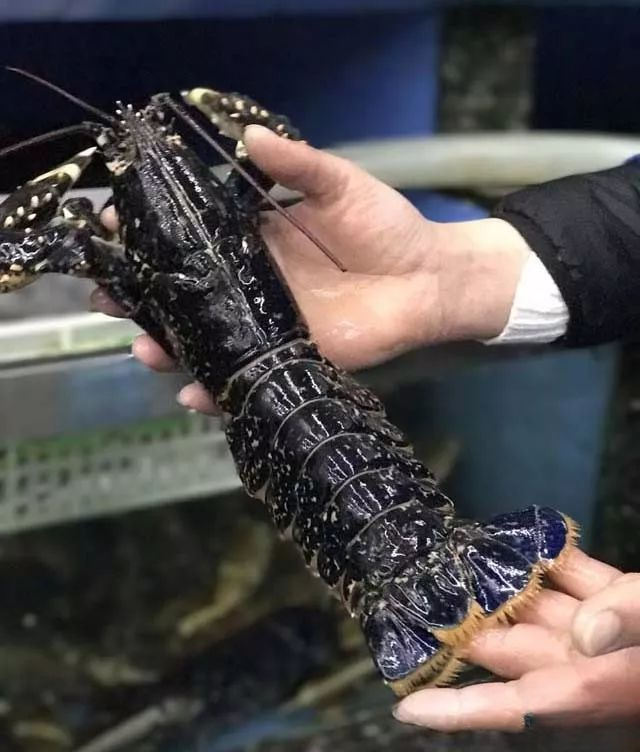

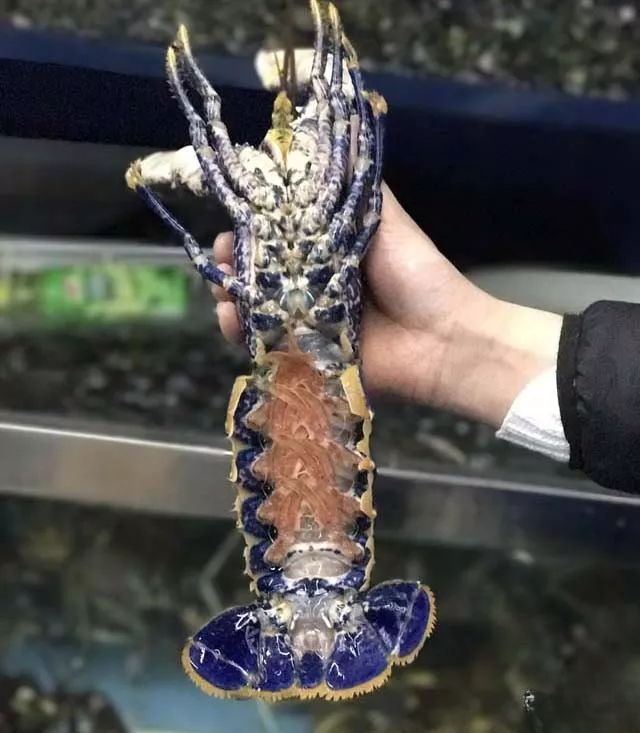
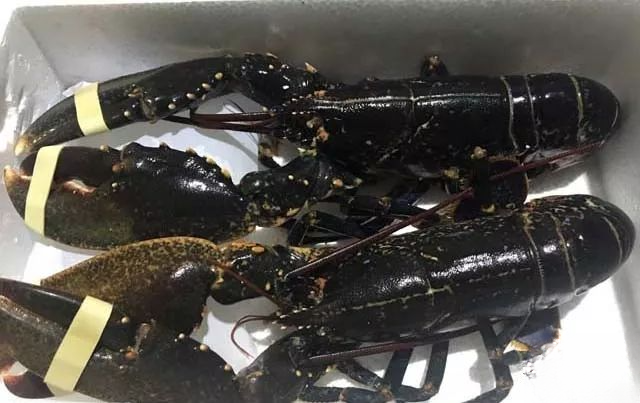
In the world of lobsters, no matter what their natural color is, they will almost always turn red or orange after being cooked. The picture below shows what a blue lobster looks like after being cooked.
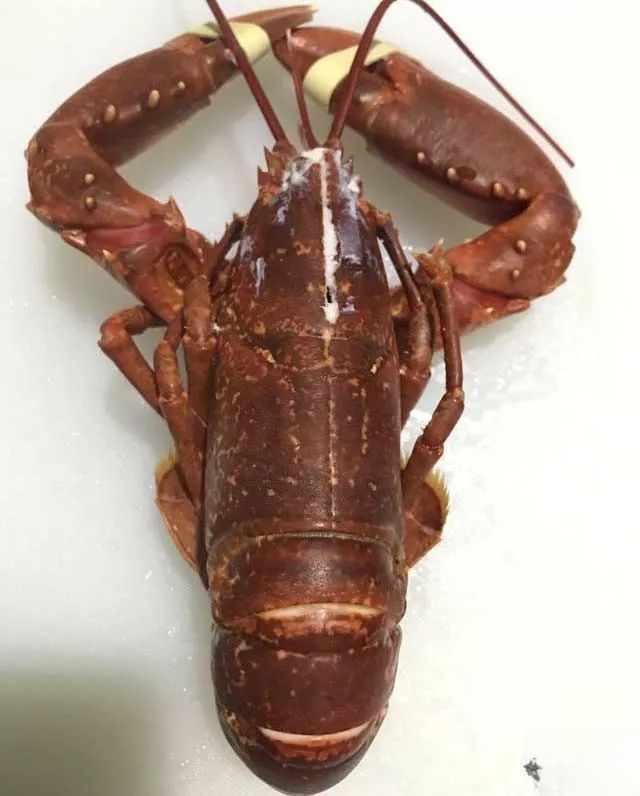
Boston lobster
The Boston lobster is actually called the Maine lobster and isn't native to Boston. Originally known as the North American lobster, this large-clawed lobster is found throughout northeastern North America and along the eastern coast of Canada. Due to its high production in Maine and the fact that it was the first state to commercially harvest it, it was given the name Maine lobster in the 19th century.
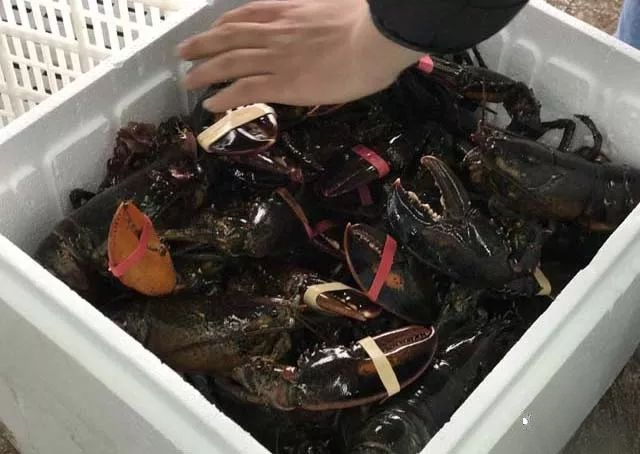
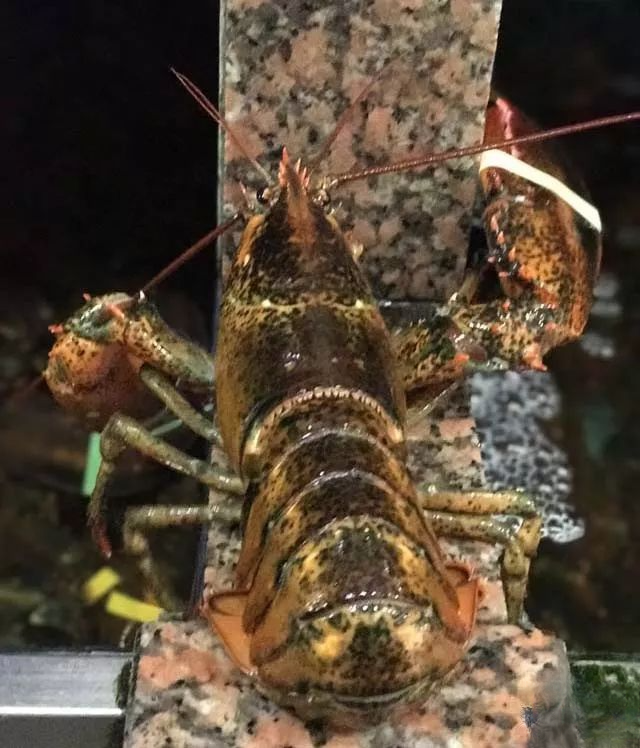
Boston lobsters are known for their tender, smooth, and delicate meat, and they also boast a distinctive pair of large claws. These claws, due to their increased mobility, are more coarse, yet still retain their flavor. Join the Chuying Foodie Group to discuss delicious food and enjoy life! For more exciting content, follow our WeChat official account: Chuying Food. Due to the succulent texture of Boston lobsters, many chefs prefer to cook them with blanching and cheese gratin to enhance their savory flavor.
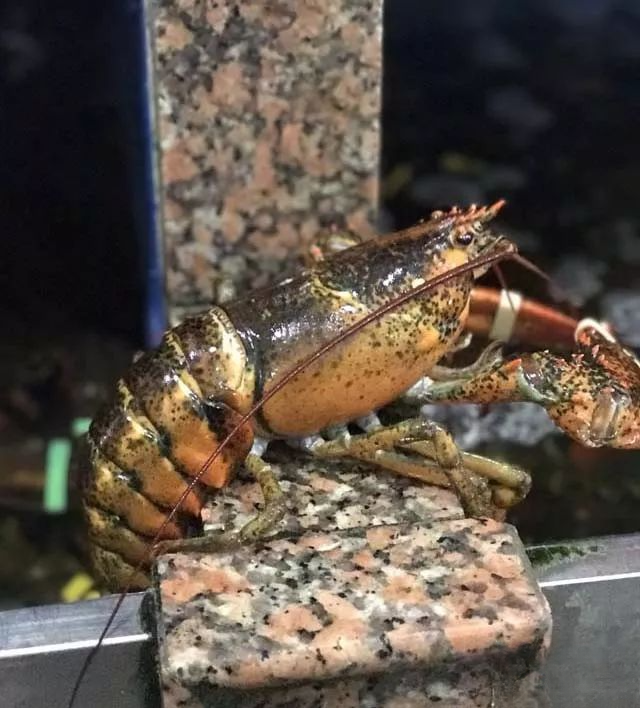
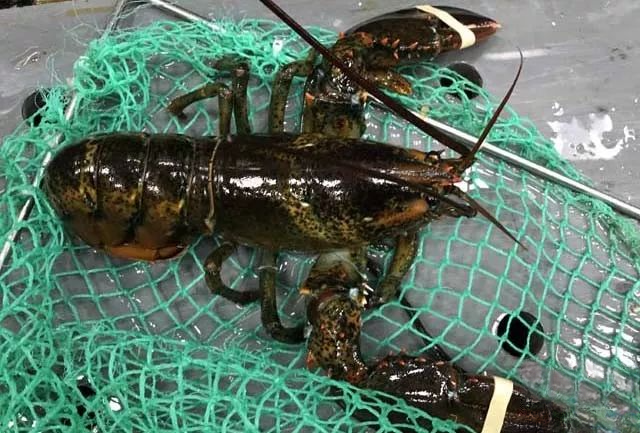
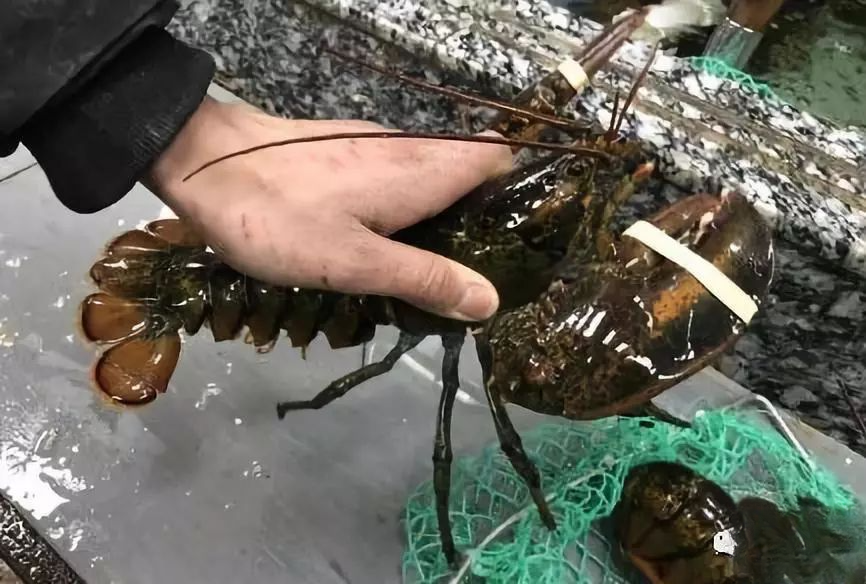
It's worth noting that, from a species perspective , the Boston lobster, with its two large claws , actually belongs to the family Crayfishidae and isn't a true lobster. This is because true lobsters lack large claws; only Australian lobsters, for example, are considered authentic lobsters. Worldwide, it's only known as the Boston lobster, and in the market, it's simply called "Bolong." This is precisely the shrewdness of marketers: their goal is to trick you into eating something that's not a lobster, and then take a photo and post it on social media to show off!
Canadian lobster
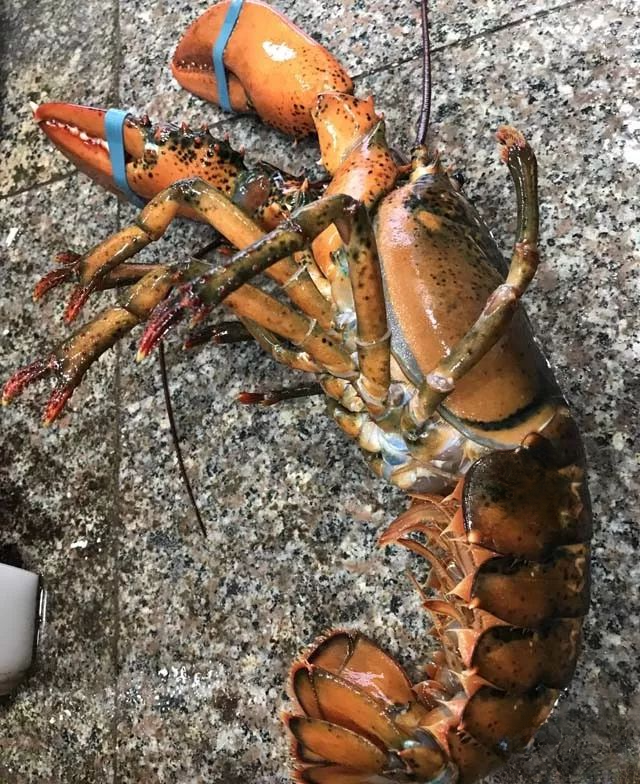
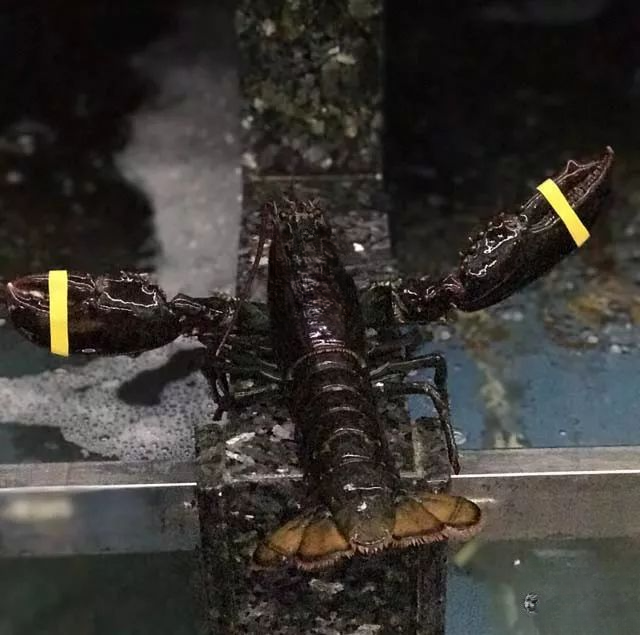
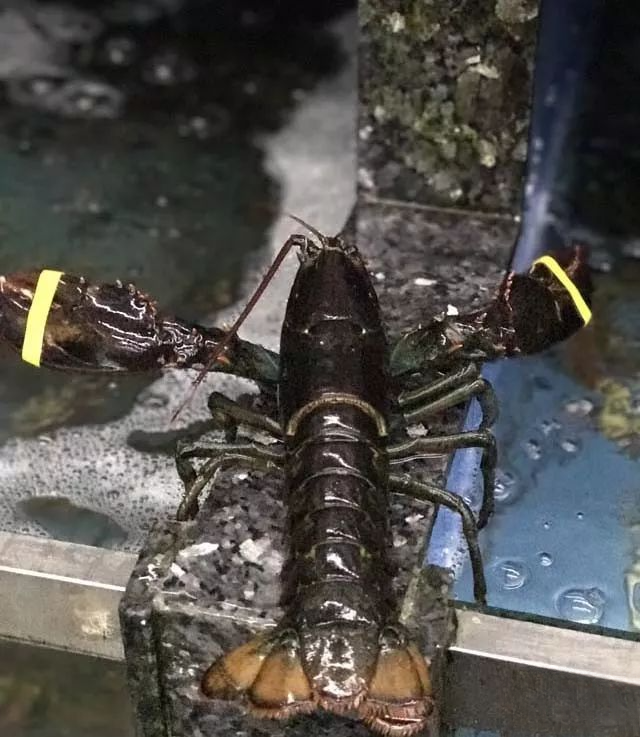
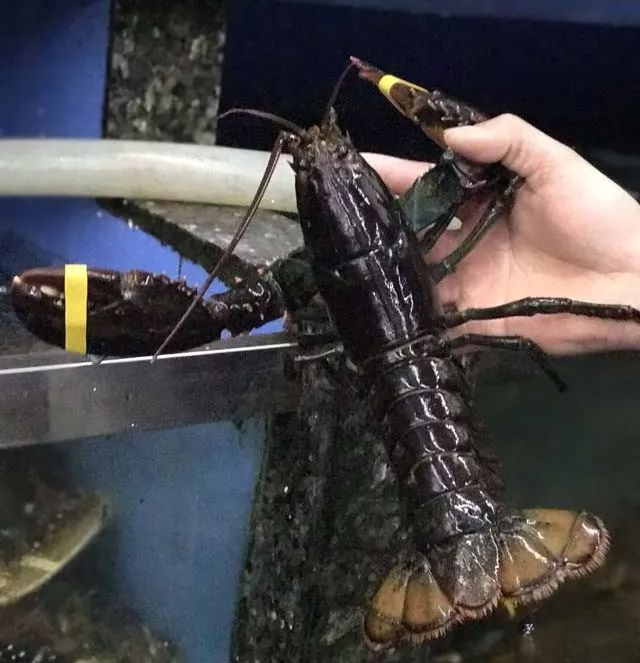
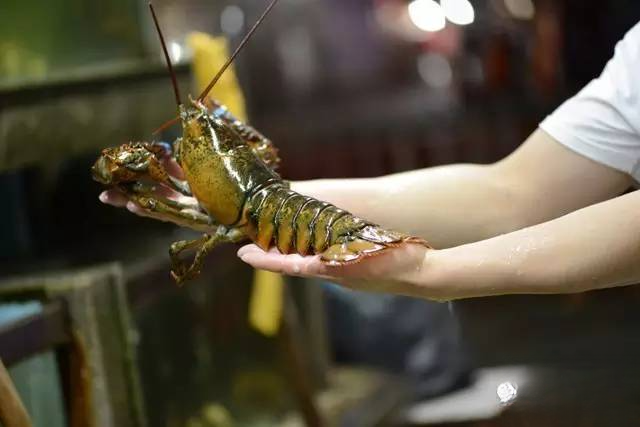
Whether it's the American lobster, the American lobster, the Canadian lobster, the Maine lobster, or the Boston lobster, they're all actually the same species, belonging to the family Crayfish, and none of them are true lobsters. The difference is that Canadian lobsters have cold-water hard shells, while Boston lobsters have softer shells. Canadian Atlantic lobsters thrive in the cold, pristine waters of Canada's rugged Atlantic coast. Canadian fishermen have used the same traps for generations, tied to ropes, and each trap can only catch one lobster at a time. This method is less harmful to the ecosystem and tastes delicious. Although sometimes referred to as Boston lobsters in the market, they are more expensive due to their richer meat and thicker shells.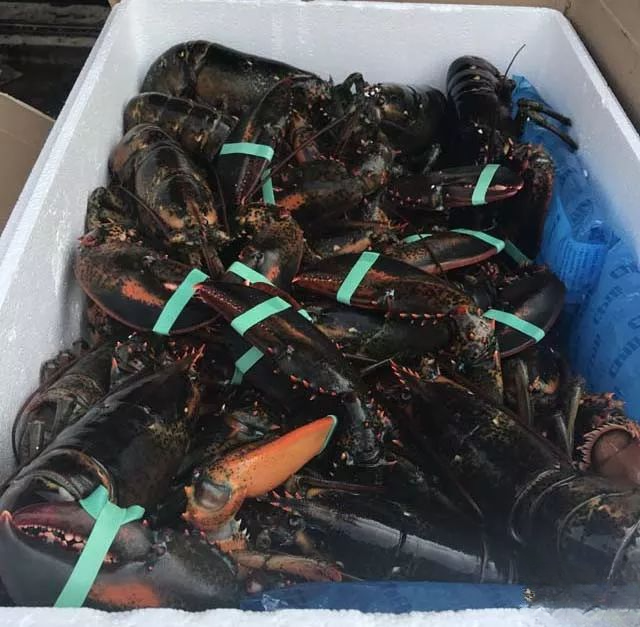
From the appearance, the shell of Canadian lobster is dark brown, the meat is plump, and the claws are strong and powerful.

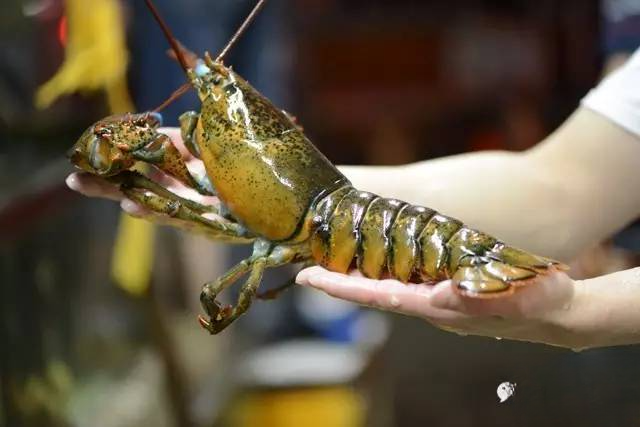
Rose lobster (Mozambique lobster)
Rose lobsters are Mozambique lobsters. Scientifically known as Mozambique lobsters, they are also commonly known as Mozambique red dragons or small red dragons. They are found in the Mozambique Channel (between Madagascar and the African continent). They have a thin shell and a rich, tender, and delicious meat. Grilling them on a teppanyaki plate creates a delightful burst of delicious juices.
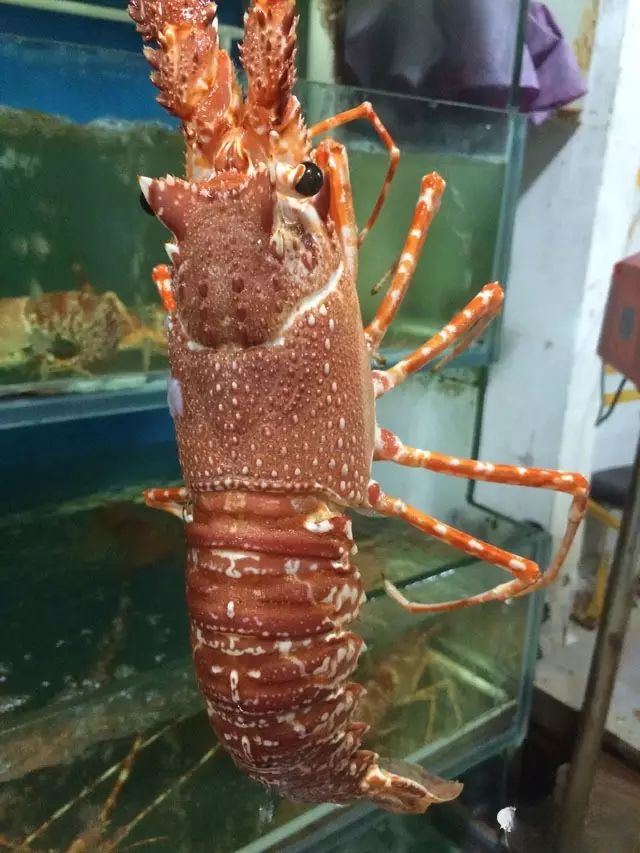
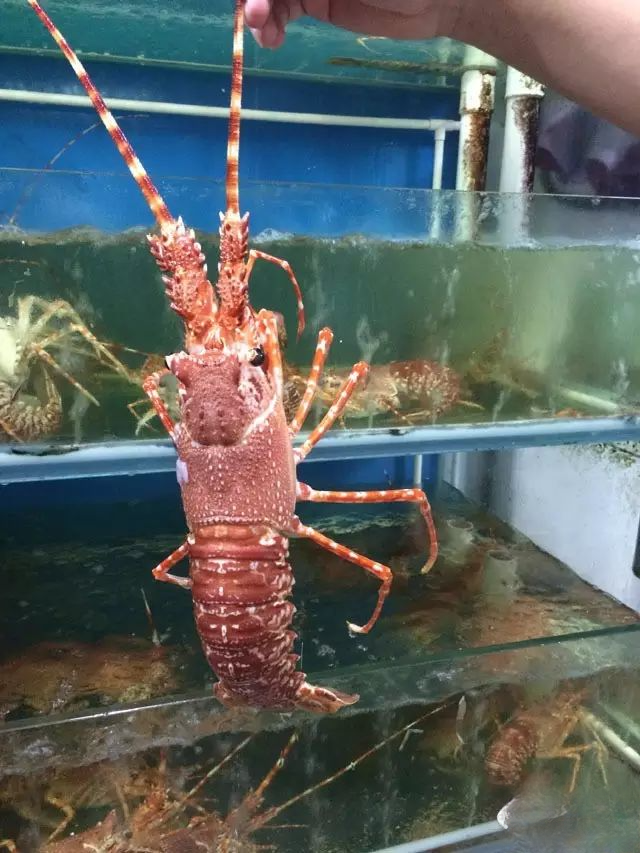
Cuban lobster
If you ask Cuba what it's most famous for, most people might answer "music, cigars, or rum," but few would mention its food. However, Cuba is a major producer of lobster worldwide. Cuban lobster, scientifically known as the eye-spotted lobster, is a distant relative of the renowned Australian lobster. Because it thrives in pristine deep sea waters, its meat is white, plump, and fresh, sweet, and refreshing. Lobster is a crucial source of foreign exchange for Cuba, and its low price and excellent value for money have quickly captured the market.
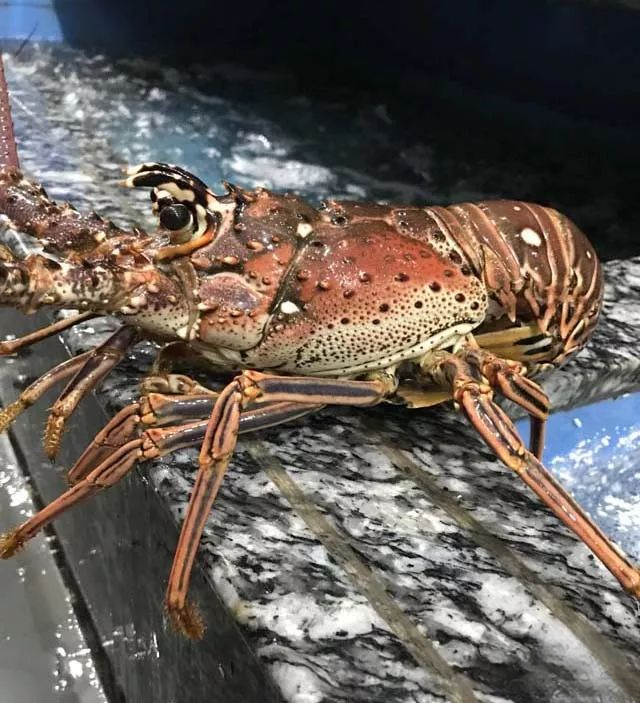
When Cuban lobsters first entered the market, they were packaged frozen. Their competitive price made them a popular choice in the food service market. Once the market opened up, fresh Cuban lobsters were introduced to China, where their price was second only to Australian and red lobsters.
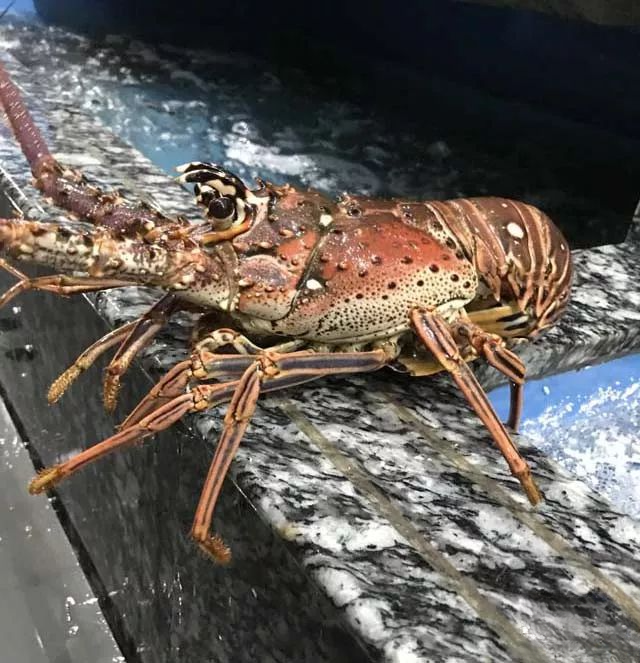
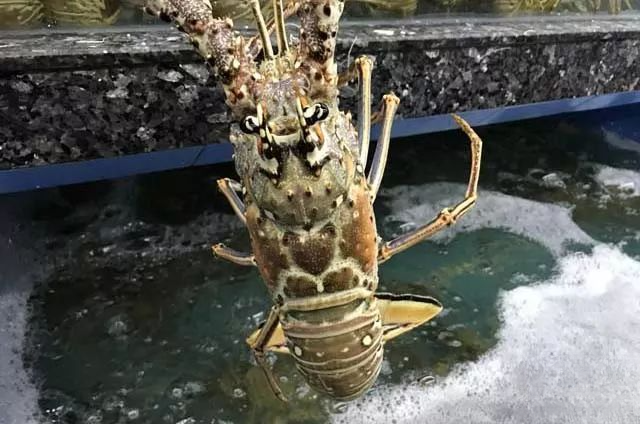
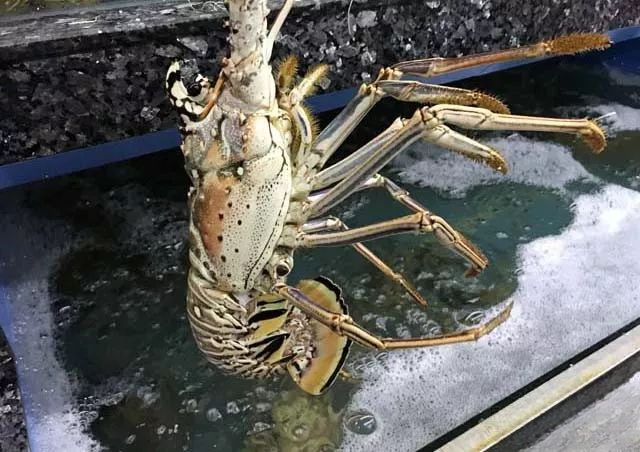

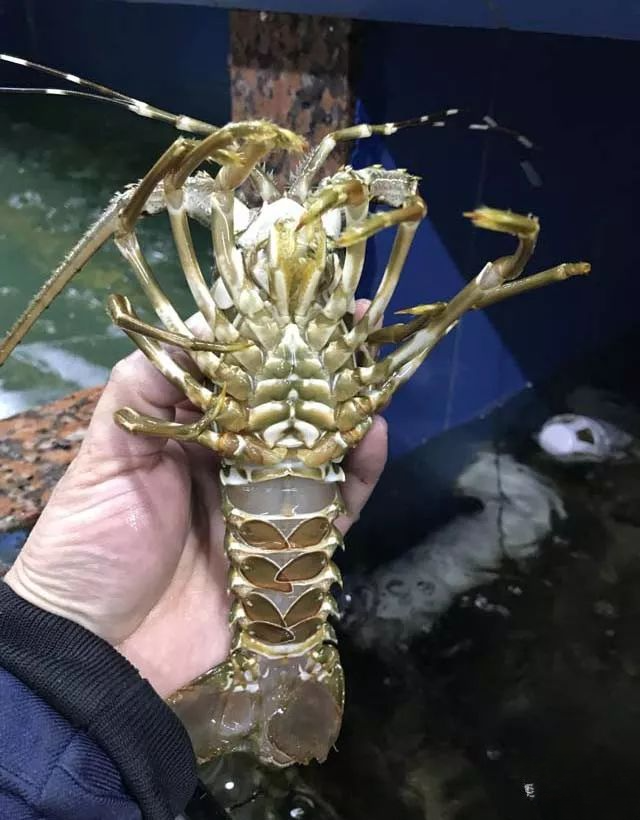
Xiaoqinglong
Xiao Qing Long (small blue dragon) is primarily produced in Vietnam. It is also found in India, West Africa, Ghana, Mauritania, and other regions. Sizes range from as small as 100 grams to as large as 500 grams or more. It's ideal for steaming with garlic, resulting in incredibly tender meat and a beautiful presentation. Xiao Qing Long is a popular dish at various banquets.
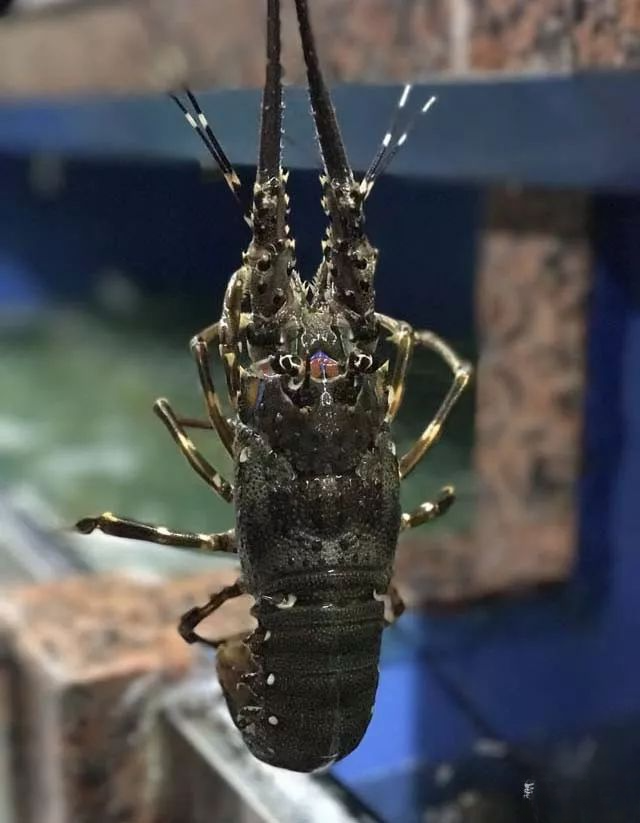

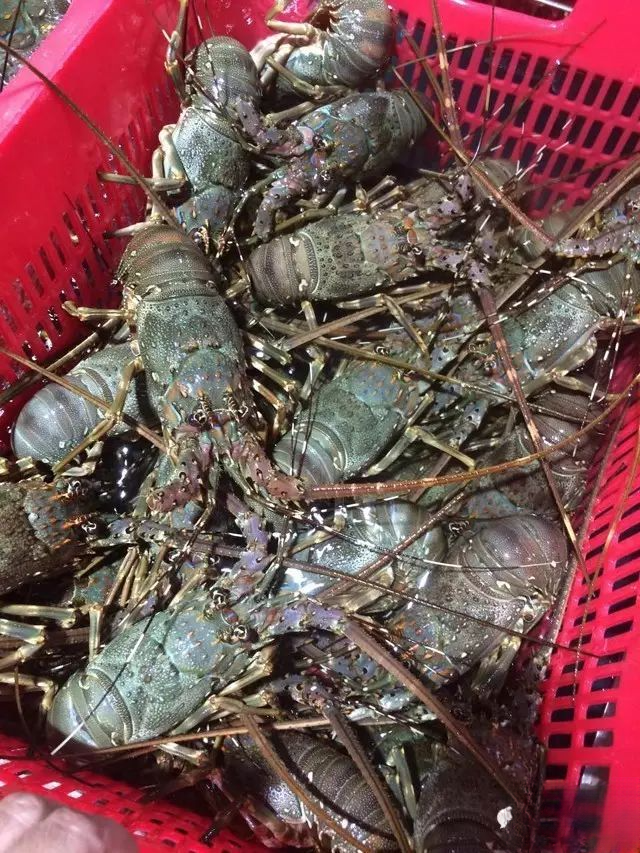
Zhongqinglong
This is a medium-sized blue dragon, about 5 taels each, priced at 160 yuan per catty. It's fresh and lively, with firm and plump flesh, making it perfect for steaming with garlic. For Hong Kong, this price is quite good.
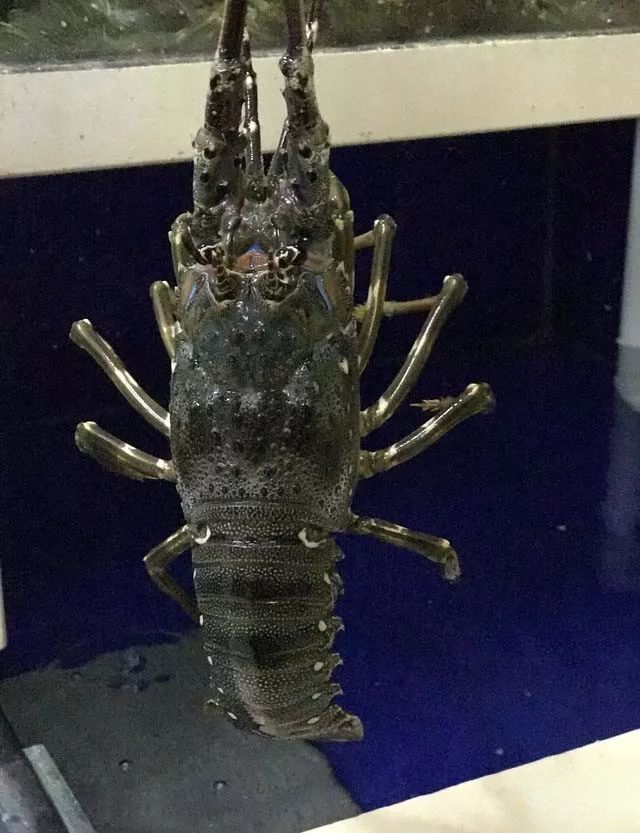
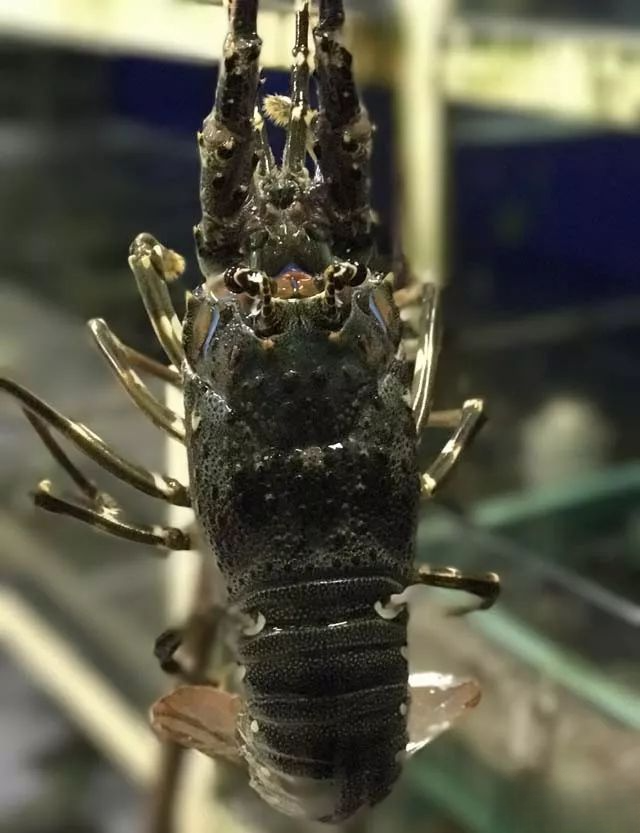
Daqinglong
The larger size of Xiaoqinglong is called Daqinglong in the market. Each one weighs between 400g and 500g.
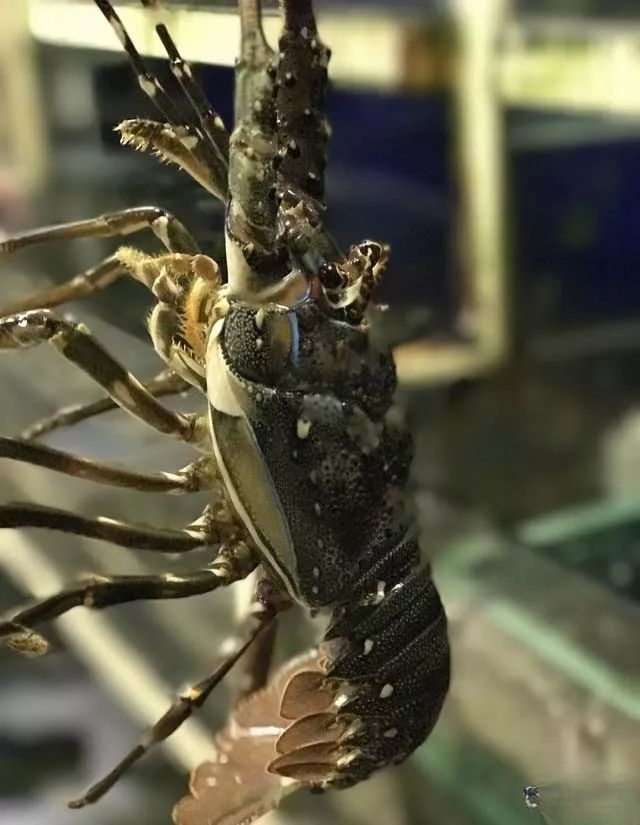
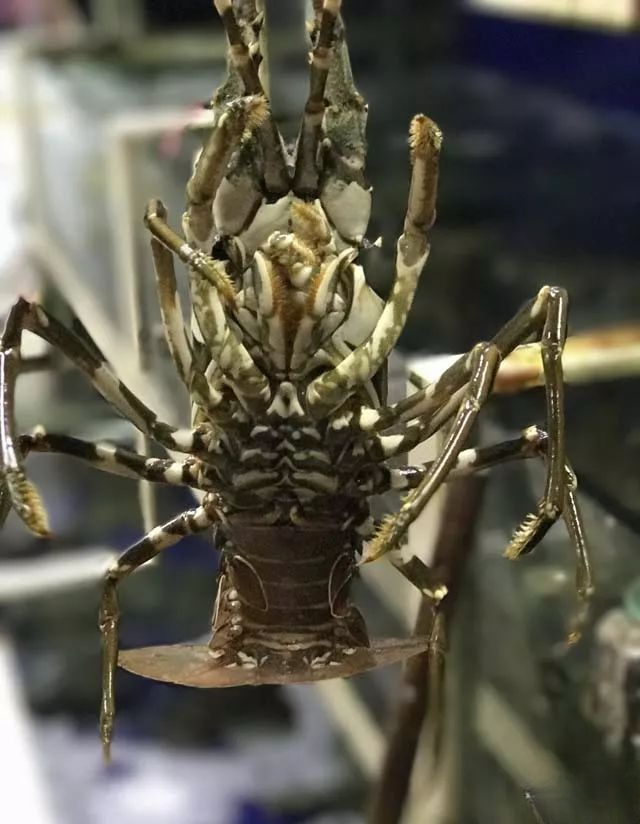
Macrobrachium rosenbergii
Macrobrachium rosenbergii, also known as white-legged shrimp, Malaysian prawns, golden coin shrimp, and giant prawns, is known as the king of freshwater shrimp. Concentrated along the coast of Ecuador, it is currently one of the three most farmed shrimp species in the world. Its thin shell and plump body create tender, delicious, and nutritious meat. In addition to the typical freshwater shrimp flavor, mature Macrobrachium rosenbergii possesses a rich roe-like flavor within its carapace, resulting in a unique and delicious flavor similar to crab roe. Macrobrachium rosenbergii is known as the king of freshwater shrimp.
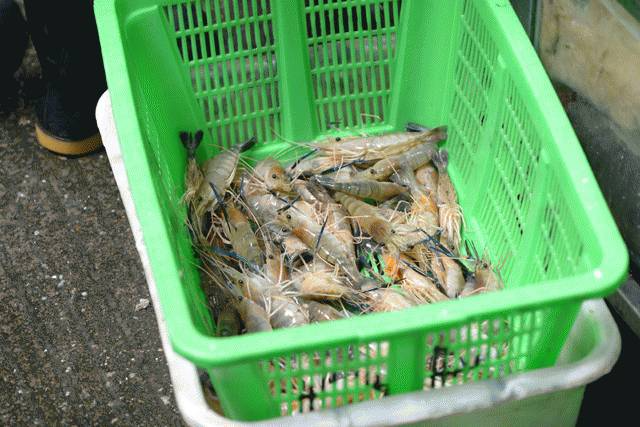
Madagascar lobster
Fresh Madagascar lobsters weigh approximately 5 taels each. The market price is 150 yuan per jin (approximately 100 grams). They are primarily used at banquets and are also widely used in buffets.
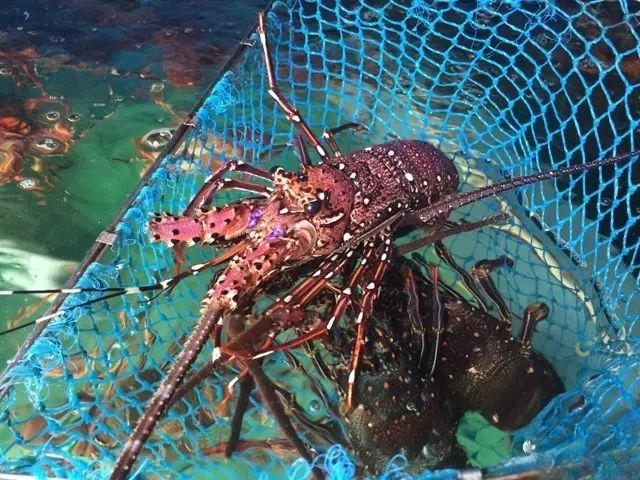
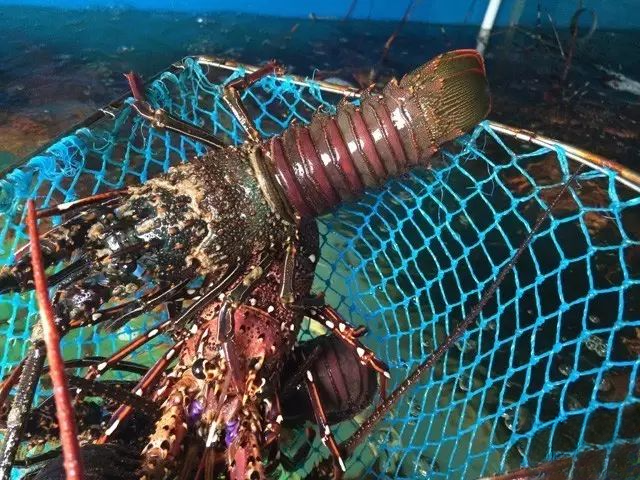
American Fire Dragon
The American Fire Dragon is a recently introduced lobster species. Its natural color is dark green, but it turns fiery red when cooked, hence its name. Its tender flesh makes it a great choice for sashimi, boasting a fresh, sweet flavor. Its price is lower than that of both Australian and red lobsters, making it a highly cost-effective lobster. It's a great choice for banquets.

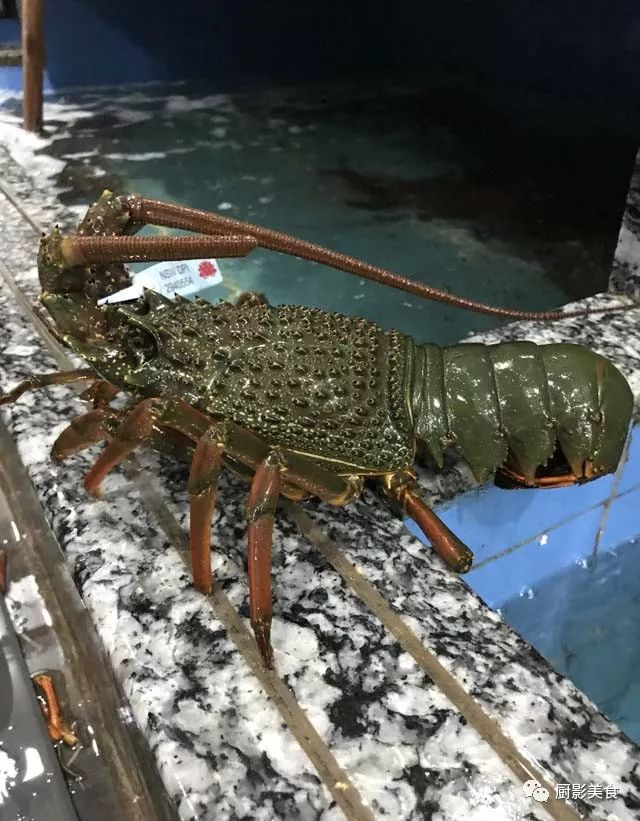
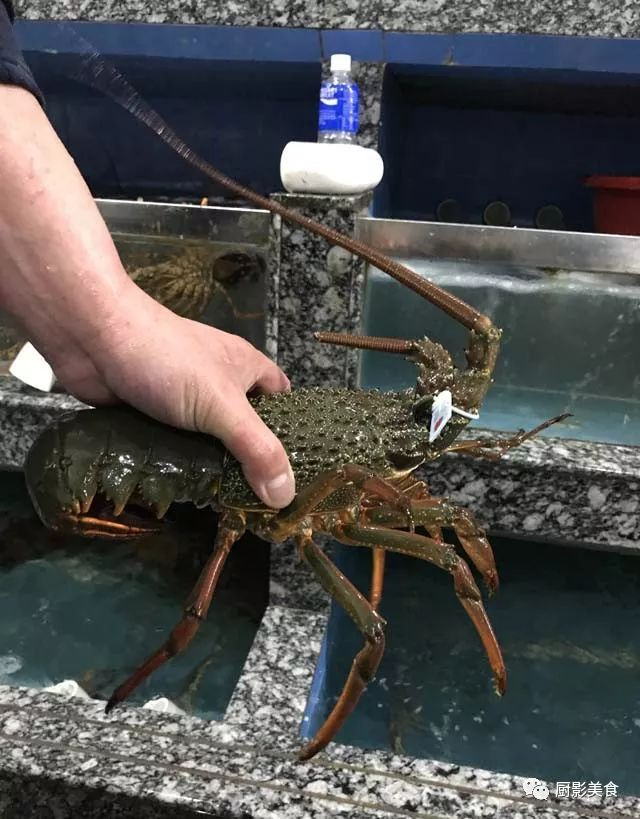
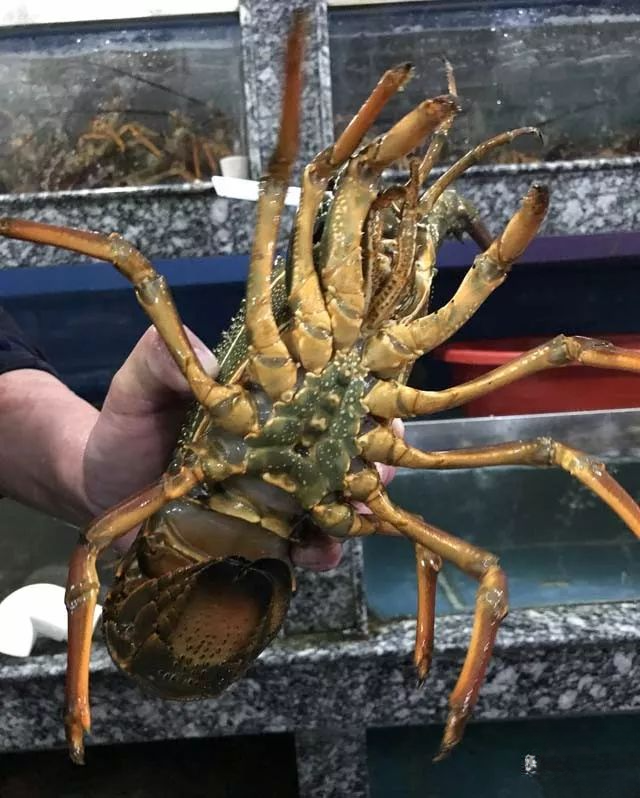
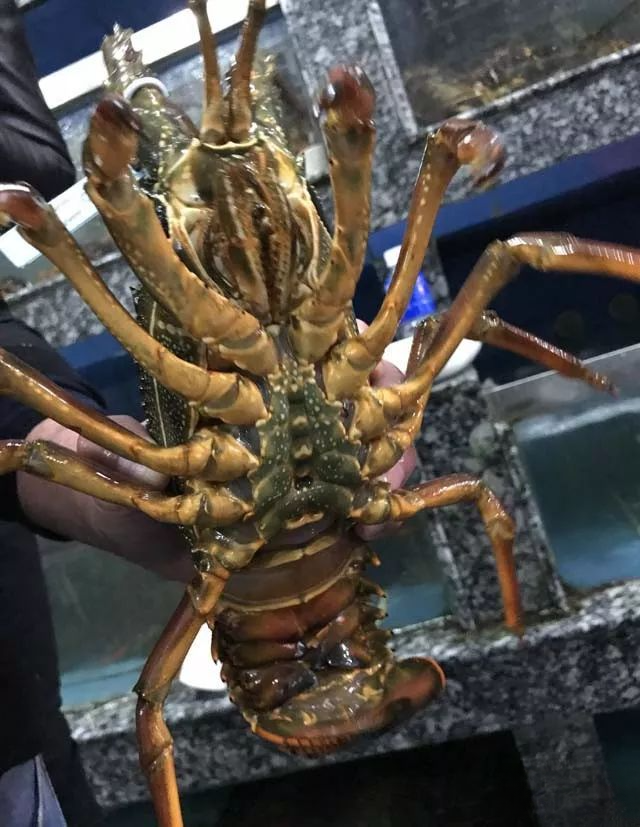
Spanish crimson prawns (red devil prawns)
A world-class ingredient. Spanish crimson prawns (also known as red devil prawns, Spanish red prawns, devil prawns, tribute prawns, and many other names) are the best shrimp I've ever tasted, bar none. The prawn brain is incredibly sweet, and the meat is incredibly tender. Fresh varieties are currently unavailable on the market, so maintaining the correct temperature during transportation is crucial. Due to their high price, they're not readily available to the average consumer.

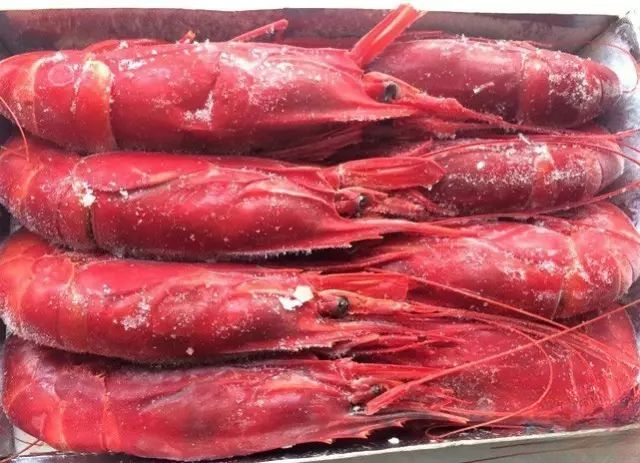
Sea cicadas and sea shrimps
Also known as cicada shrimp or giant mantis shrimp, each one weighs 400-600 grams and has a delicate, fresh texture . Production is low, making it rare in the market. It is typically caught by diving, though occasionally by bottom gillnets or trawls. It is an extremely rare deep-sea shrimp. It is only occasionally found in the market (mostly alive), and its rarity makes it valuable. It is primarily found in the Sea of Japan, with small numbers also found in Australia and Vietnam.
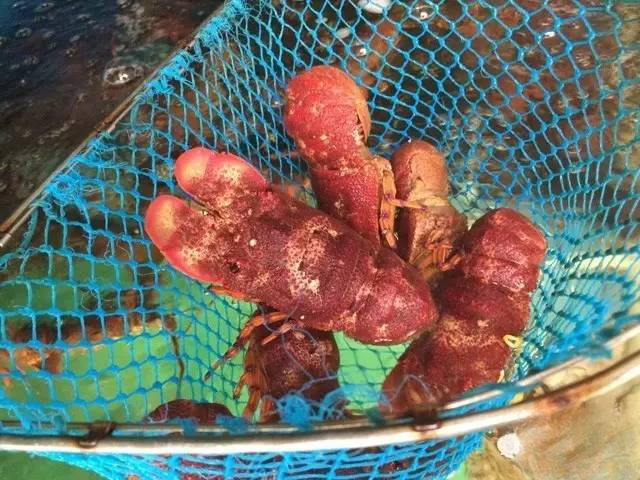
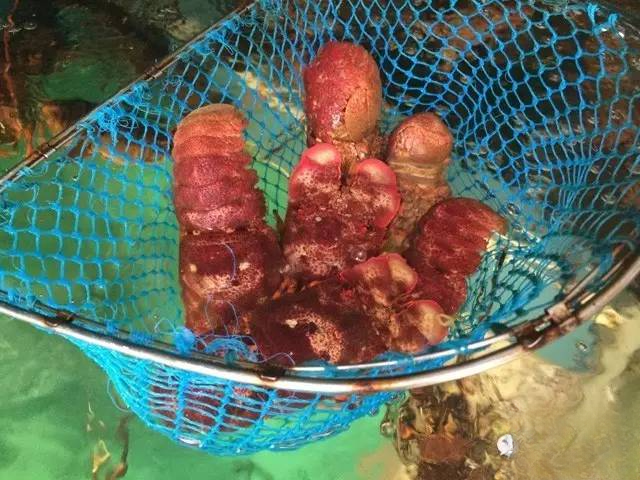
Canadian Prawns
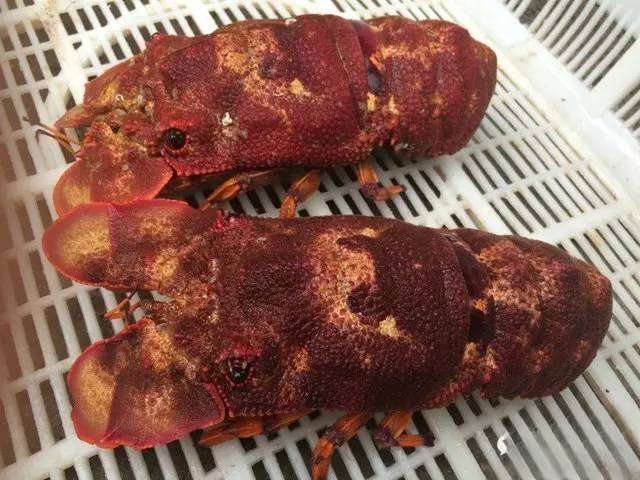
Canadian prawns are considered the world's finest marine shrimp, known in Chinese communities as "peony shrimp" for their vibrant red color. Their bodies are reddish-brown, with white stripes along the sides of their heads and polka-dotted white spots on their bodies. They can reach over 20 meters in length. They are abundant in the deepwaters of British Columbia in western Canada. Canadian prawns are currently available live and fresh. They are primarily used as sashimi.
Mantis shrimp
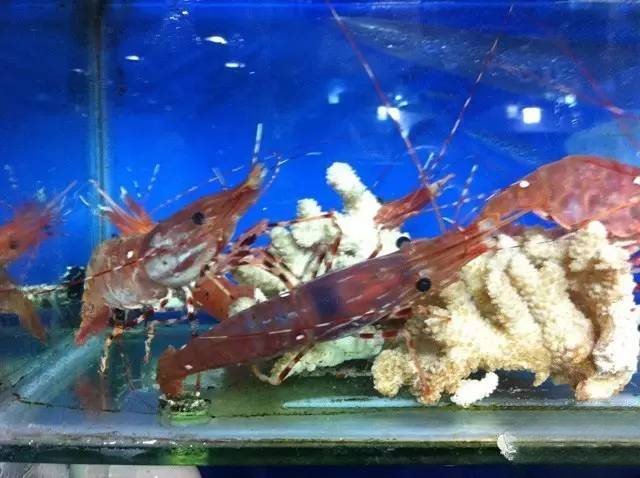
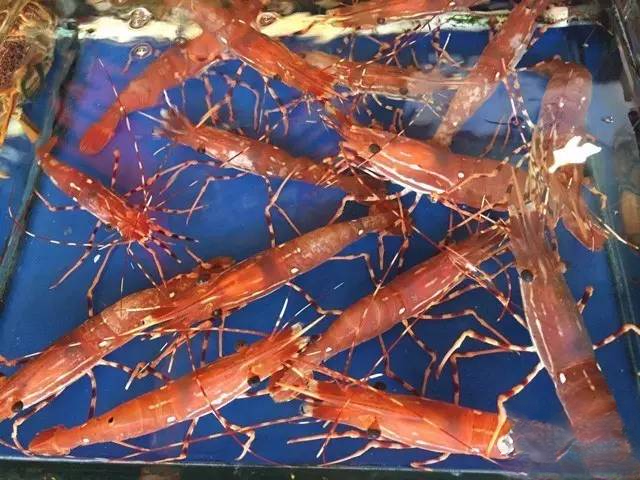
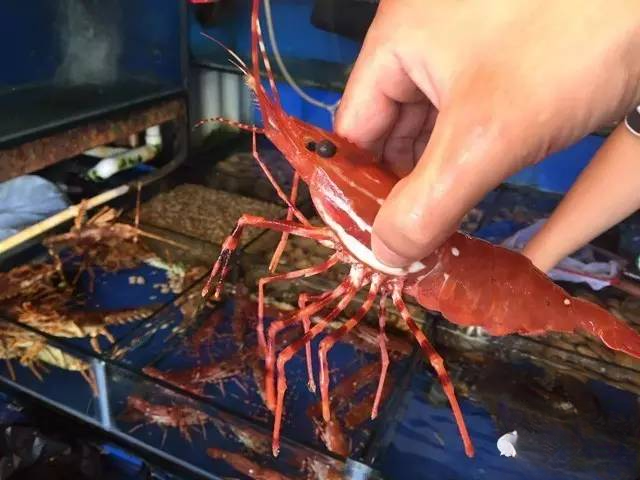
Spring is mantis shrimp season. Around the Qingming Festival (Tomb-Sweeping Day), mantis shrimp are in season in large quantities. During this time, they are plump and delicious, making them one of spring's most delicious seafood. Mantis shrimp, officially known in Chinese as mantis shrimp, are abundant along coastal areas and are known by different names, including "crawler shrimp," "crawling shrimp," "goby shrimp," "belt shrimp," "mantis shrimp," "peeing shrimp," "fortune shrimp," and "slipper shrimp." Fresh mantis shrimp are best enjoyed by boiling or steaming them, offering a truly authentic and delicious flavor. Female mantis shrimp are especially delicious, as rows of purple roe cover their bodies from head to tail, making them incredibly delicious.
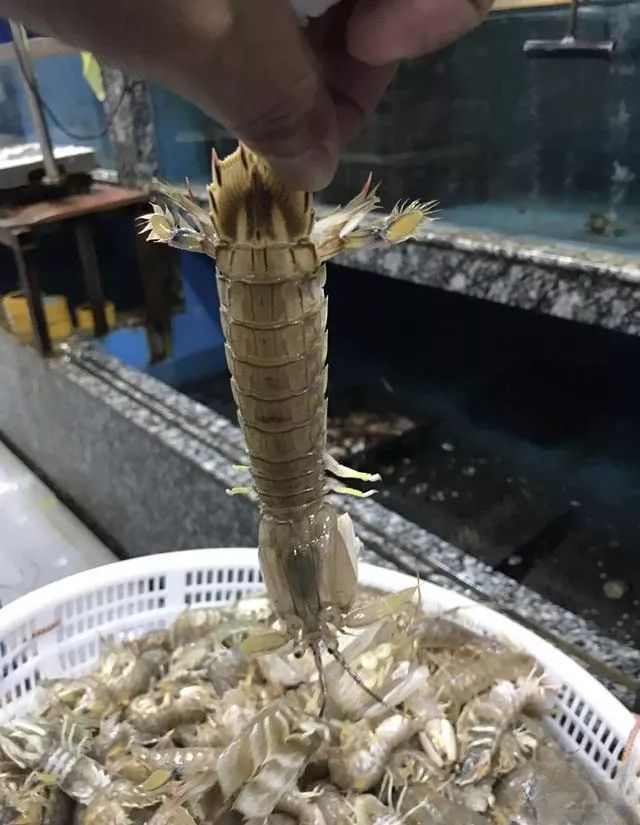
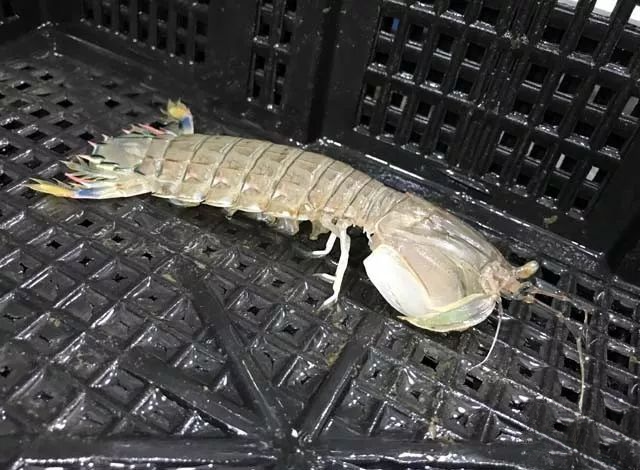
Mantis shrimp once set off a craze on the Internet with its extremely charming appearance and incomparably delicious taste, and became a shrimp Internet celebrity. Countless netizens have said this: "Mantis shrimp, let's go!"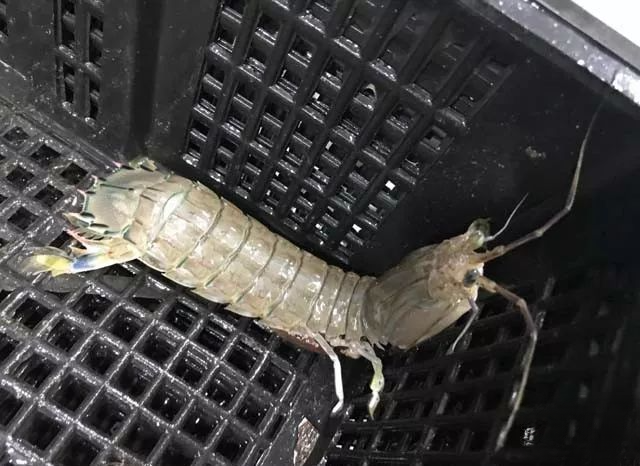
Freshwater river shrimp
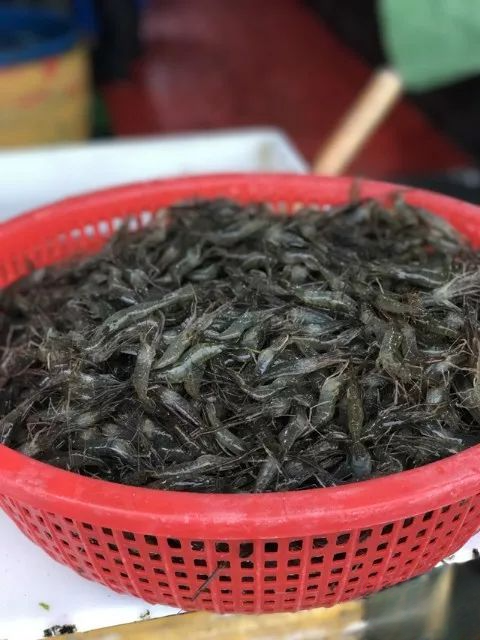
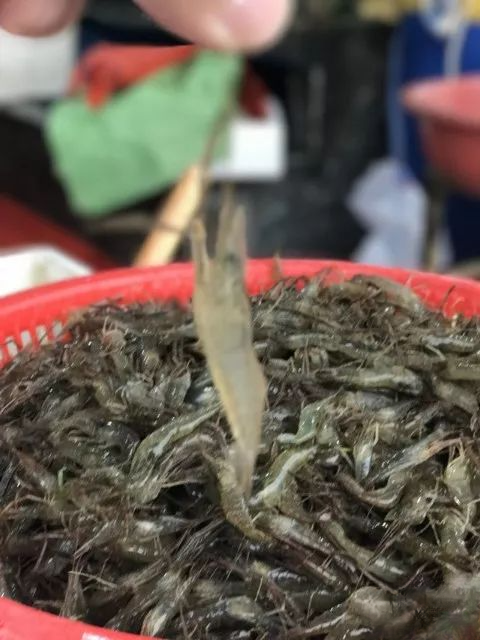
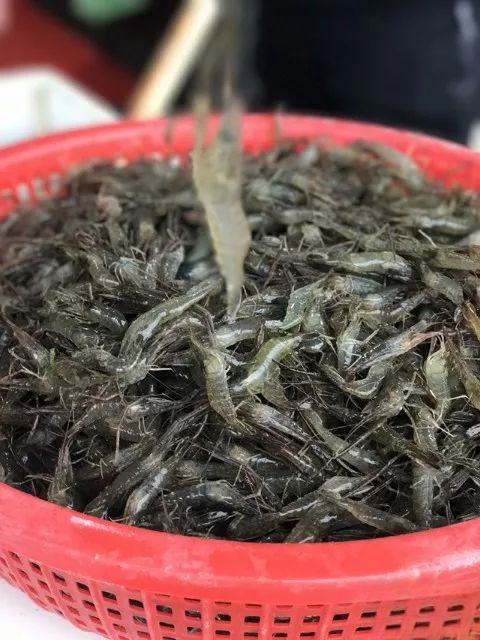
Bigger shrimp isn't always better; small river shrimp are the most nutritious. River shrimp have a thin, soft shell, making them a great calcium supplement when eaten with their skin on. Despite their smaller size, river shrimp boast just as much protein as marine shrimp and even higher calcium levels. Because the highest calcium content is in the skin, eating small river shrimp with their skin on is an excellent calcium supplement. Shrimp are rich in protein, calcium, phosphorus, iron, and other minerals. Their finer fibers and higher water content compared to other meats give them a delicate texture and make them easy to digest, making them particularly suitable for the elderly and children. Fresh, small river shrimp are often used in delicious drunken shrimp dishes.
Tiger shrimp
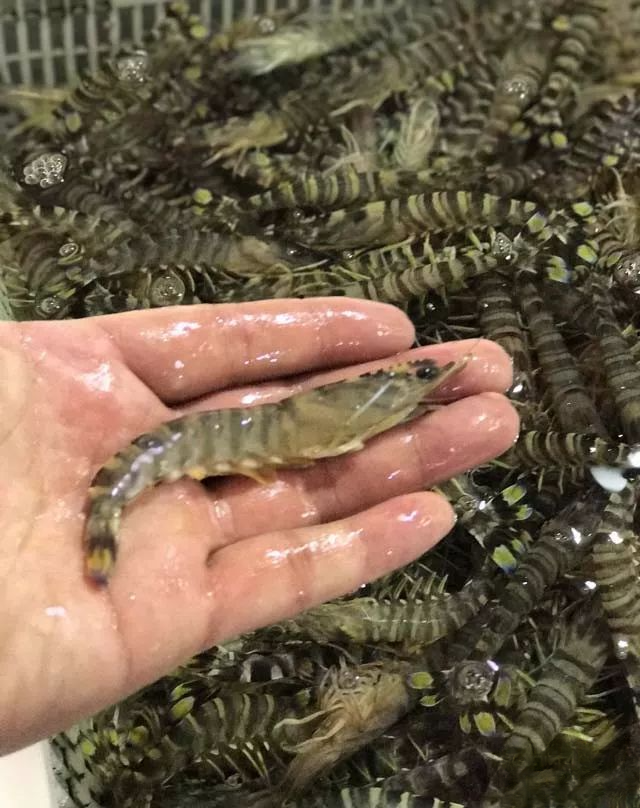
In addition to being similar to regular shrimp, its astaxanthin content is approximately 20% higher, leading to its higher price during the Spring Festival. Tiger shrimp have distinct black-brown and khaki horizontal stripes on their bodies. They are widely distributed, ranging from southern Japan, South Korea, coastal areas, the Philippines, Indonesia, Australia, Thailand, India, and the eastern coast of Africa. Along the coast, they have two spawning seasons each year: February to April and August to November.
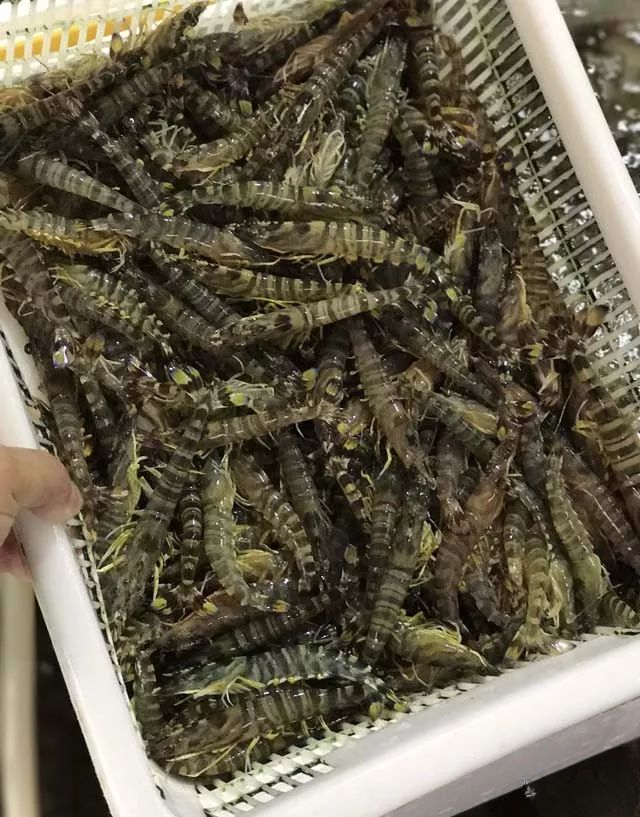
There are about 30-50 tiger prawns per pound, and the market price is 100-120 yuan per pound.
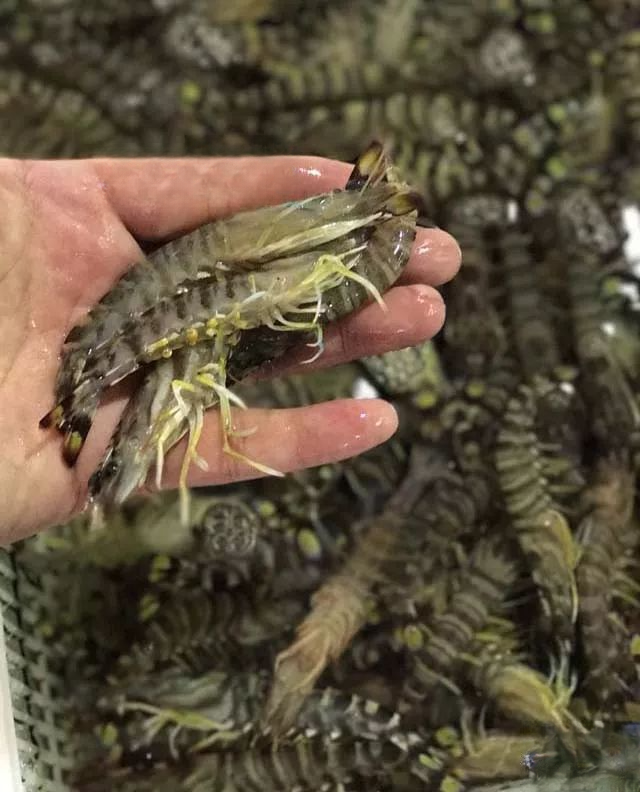
Rich shrimp ( male shrimp )
The "Pearl Prawn" is a large, fleshy mantis shrimp, best enjoyed in salt and pepper or brine. It 's the undisputed king of shrimp, and comes in both male and female varieties. Each weighing around 3 taels (approximately 100 grams), it commands a hefty price tag in the seafood market, with males fetching around 300 yuan per catty.


Each prawn has an extremely sharp stinger on its head. If you are accidentally stung by it when catching it, the venom will be released into the wound, causing redness, swelling and severe pain. Therefore, seafood guys are very cautious and dare not play with this prawn casually.
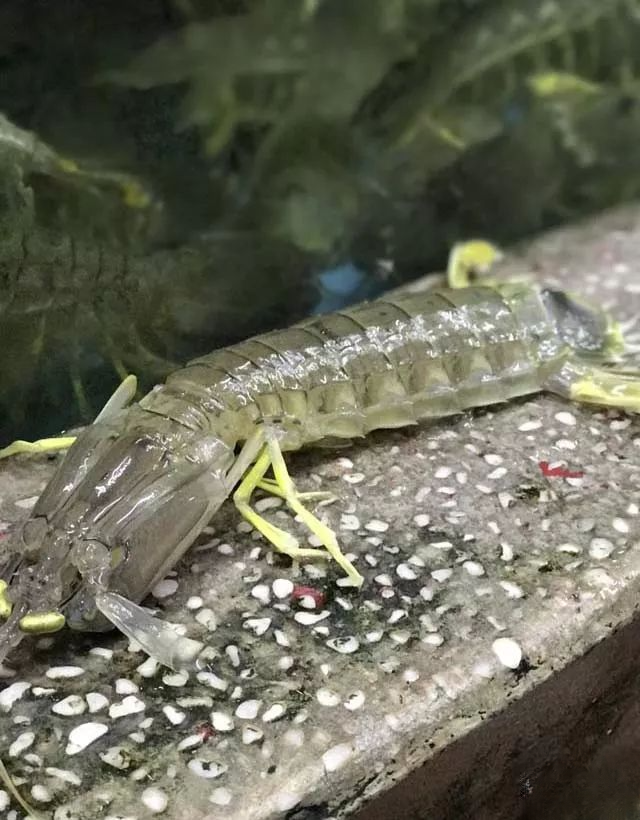
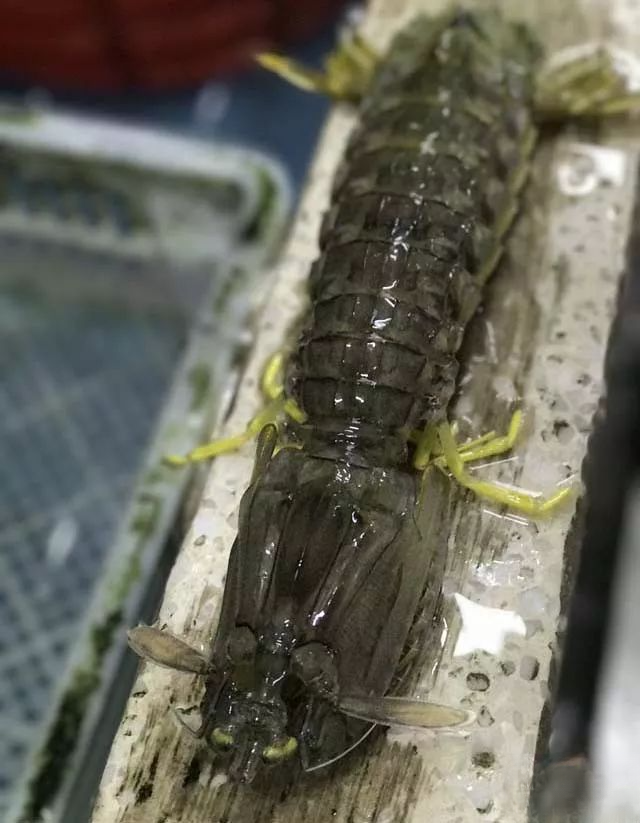
Rich shrimp (female shrimp )
Among the prawns, females are more expensive, known in the market as "lamb shrimp," and have a deep black body . Females are even more valuable because they carry eggs. The market price for females is around 400 yuan per catty, always 100 yuan higher than for males. The picture below shows a 4-liang (approximately 100 grams) lamb shrimp.
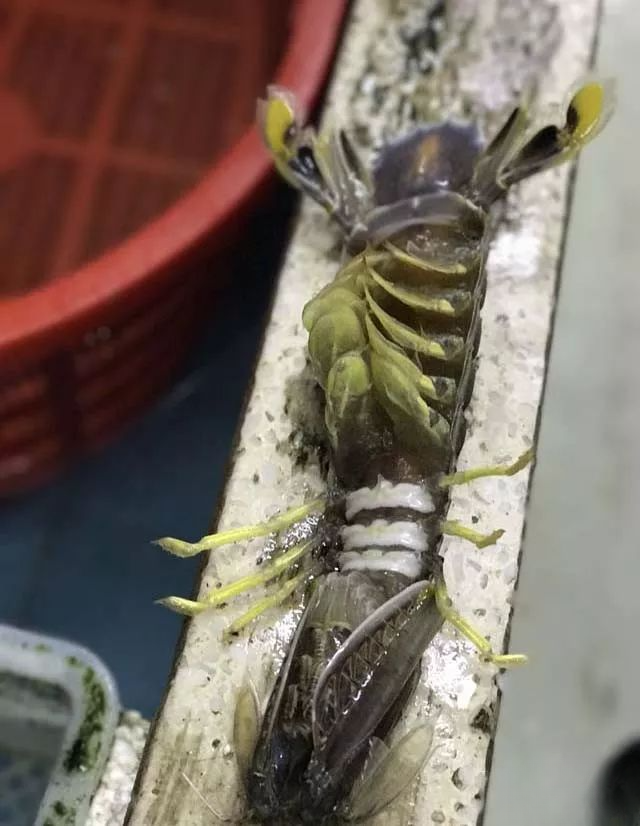
If you turn the female shrimp over, you can see that its abdomen is full of shrimp paste!
Prawns
It's the most economical and affordable shrimp dish. There are three common ways to prepare it: First, boil the shrimp in water, then mix a sauce with soy sauce, sugar, shredded ginger, and other seasonings. Dip the cooked shrimp in this sauce, preserving the shrimp's flavor from cooking and making it both convenient and delicious. Second, eat it raw. This is the simplest way to enjoy it: peel the live shrimp, dip them in green mustard, and eat them raw. They're smooth and have a sweet aftertaste. Third, fry them, which is the typical way to fry shrimp. You'll find out once you try it at a restaurant; most seafood restaurants offer this dish called "Two Ways to Eat Shrimp."
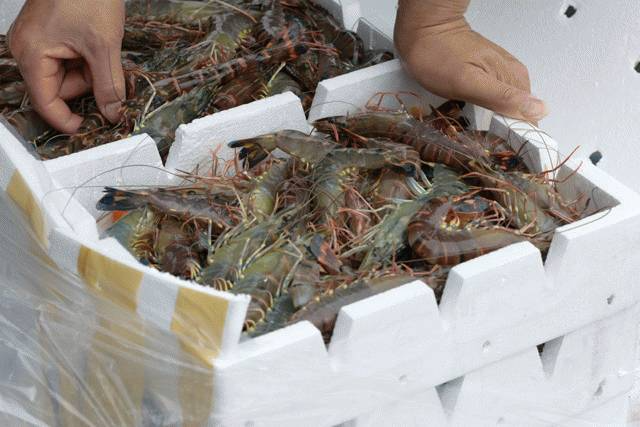
Wild Yangtze River white shrimp
Yangtze white shrimp are native to the lower Yangtze River, spawning around the Dragon Boat Festival each year. They have thin, soft shells and a pale green body color. They are 4-8 cm long, with whiskers on their heads, a pair of claws on their chests, prominent eyes, and a forked tail. They are tender, thin-shelled, and delicious. Welcome to join our Chuying Foodie Group to discuss delicious food and enjoy life! For more exciting content, please follow our WeChat official account: Chuying Food. There are six known species of white shrimp, all found in warm waters or freshwater areas of the Indo-Western Pacific. Most species live in shallow coastal waters or brackish waters near estuaries, with a few species found in pure freshwater rivers and lakes. Cooking methods: blanching or salt and pepper.

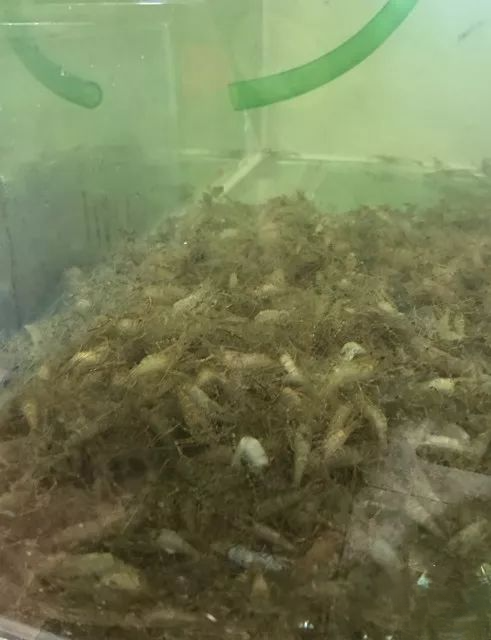
Black Tiger Shrimp
Black tiger prawns are primarily found in Vietnam, Thailand, and Myanmar. The most delicious and sweet black tiger prawns are from Thailand , with a plump, springy texture. Black tiger prawns are typically sold frozen. The black tiger prawns we eat in restaurants are frozen, thawed, and then cooked.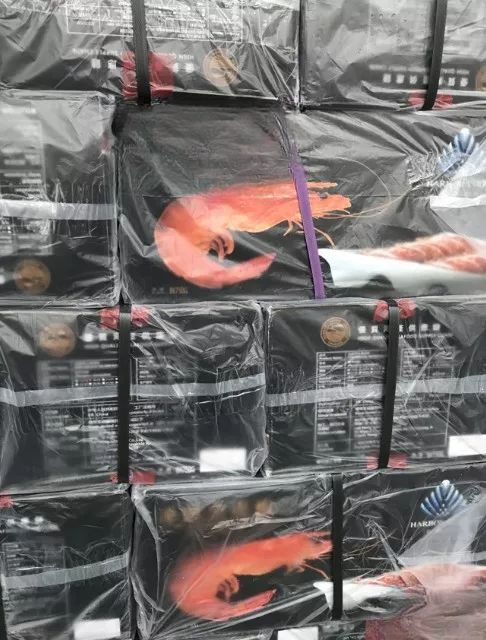
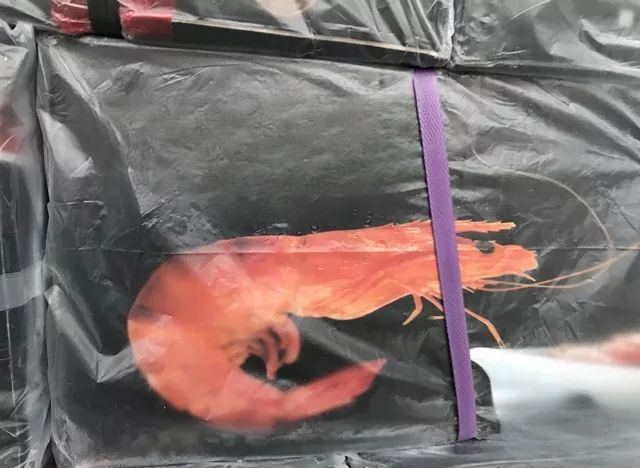
Zebra shrimp
Native to the pristine waters of Sabah, Malaysia, and also found in Thailand, these shrimp are incredibly robust, with black markings all over their bodies, giving them a striking appearance. Each one weighs over a pound, and their bodies are as long as a forearm, giving you a clear idea of their size. The flesh is snow-white, thick, tender, and incredibly chewy.
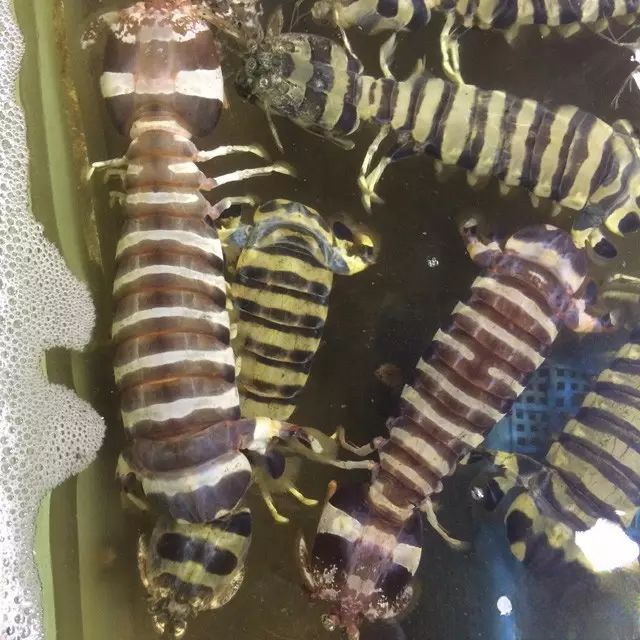
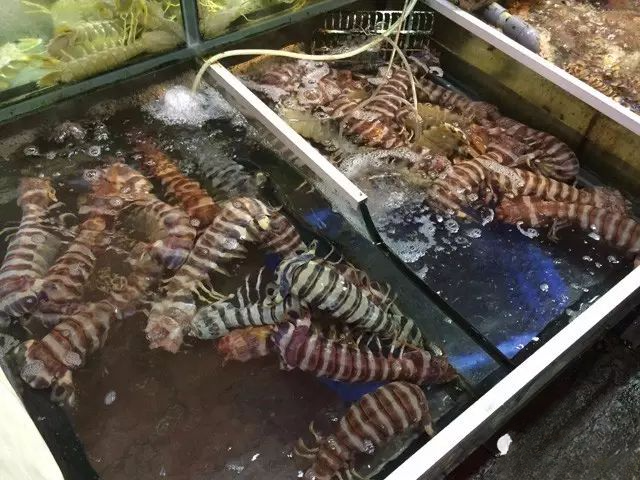
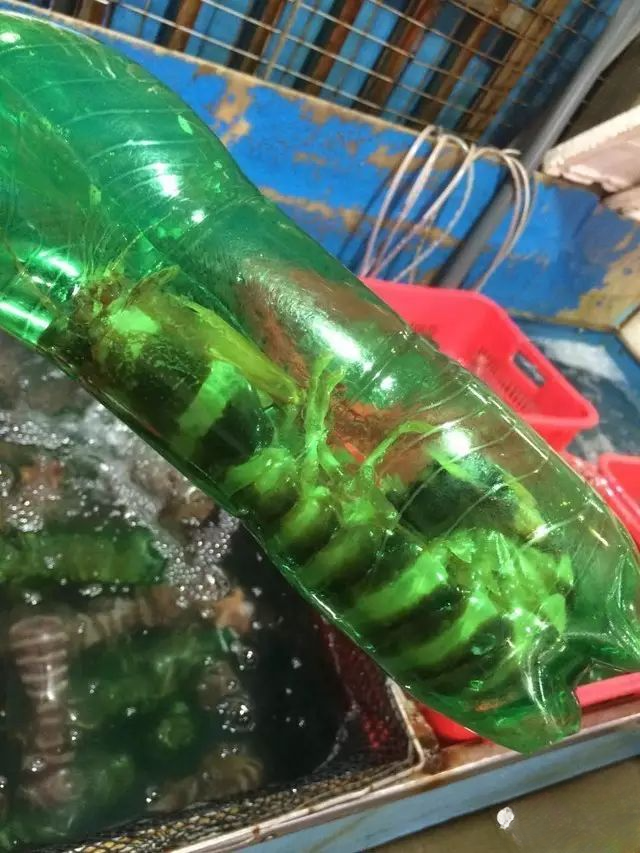

Sea shrimp
Sea shrimp are white in color and small in size. Their meat is elastic and sweet . They are delicious when simply blanched with a little soy sauce. They are abundant in Taiwan and the South China Sea .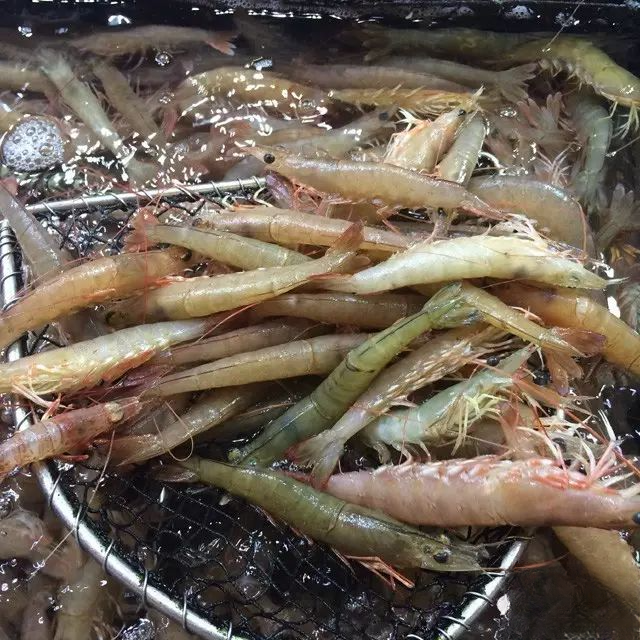
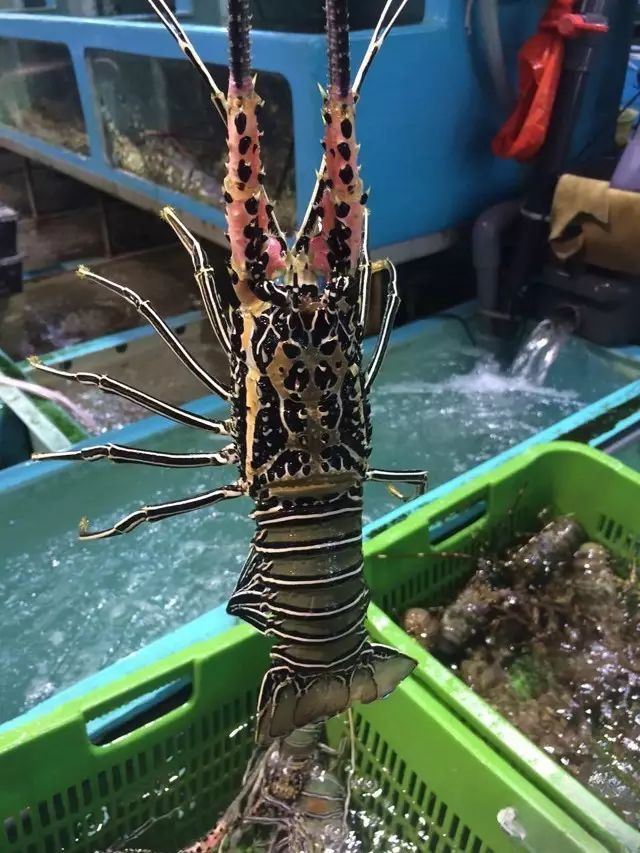
Shanlong
The spruce lobster, also known as the black-and-white lobster, is primarily found in East Asia, the Taiwan Strait, and southern Taiwan. Its back and legs are covered in black and white stripes, giving it a distinctive appearance. Its flesh is white and plump, and it can be sliced and eaten as sashimi, or simply steamed or baked in soup.


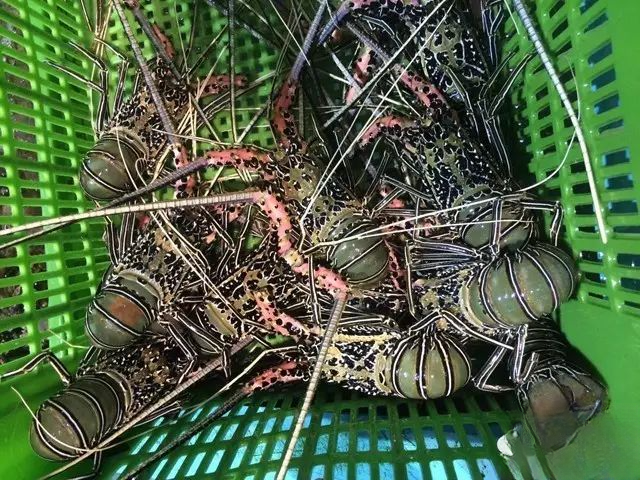
Rhino Lobster
Because of its resemblance to a rhino, it's called the Rhino Lobster ! Its vibrant color, speckled shell, and delicious meat are perfect for sashimi, steaming, baking with cheese, or stir-frying with scallions and ginger. These prawns can weigh over two pounds and possess incredibly tender flesh. They're also known in the industry as Pearl Lobsters.
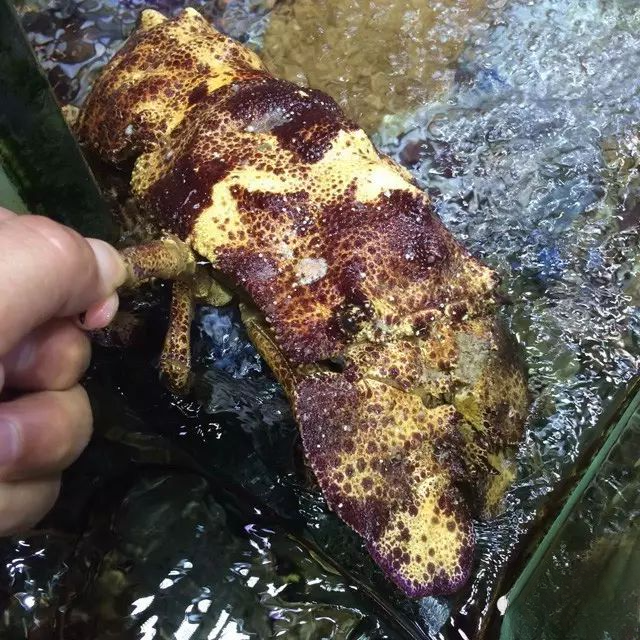
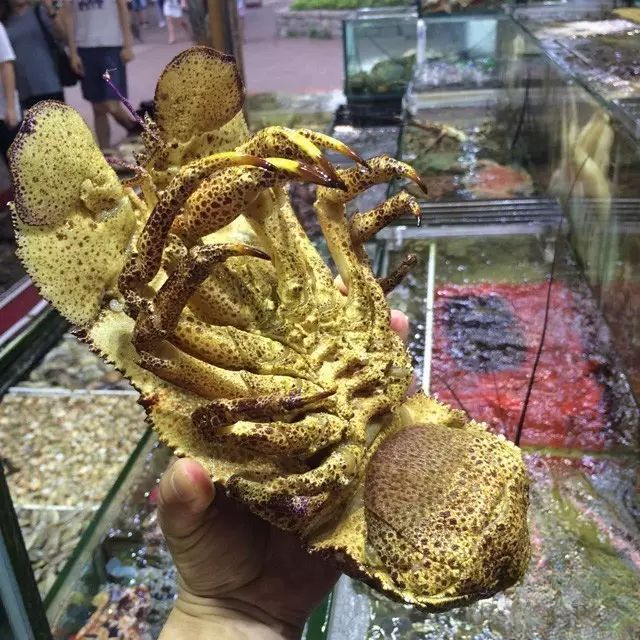
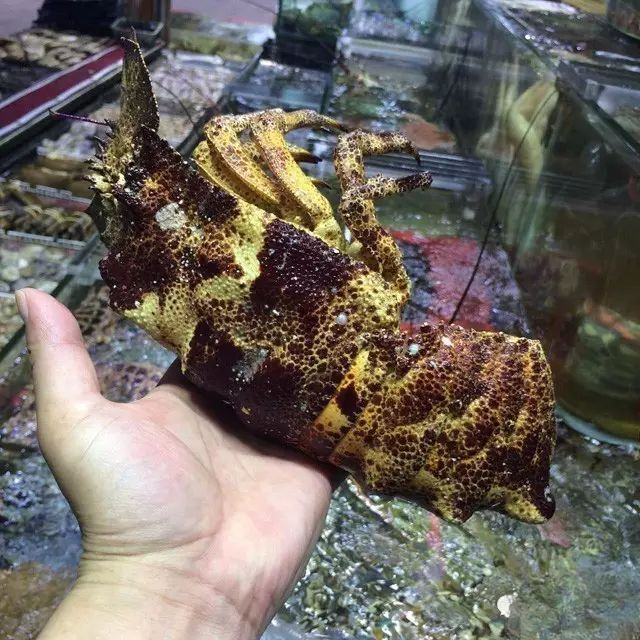
Philippine silver lobster
Wild silver dragonfish, a seafood buffet ingredient. High quality and affordable, elegant yet affordable. Serving methods: Steamed with garlic, stir-fried with pepper and salt, or stir-fried in a typhoon shelter.
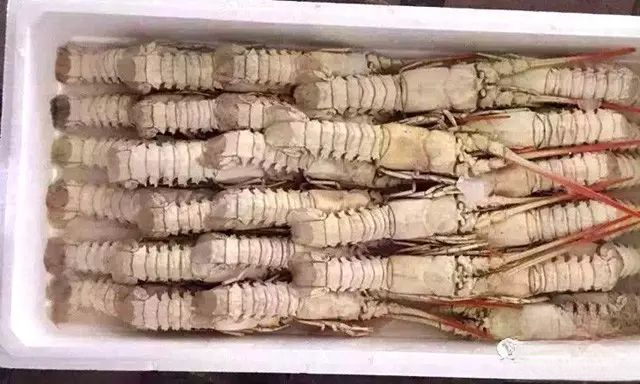
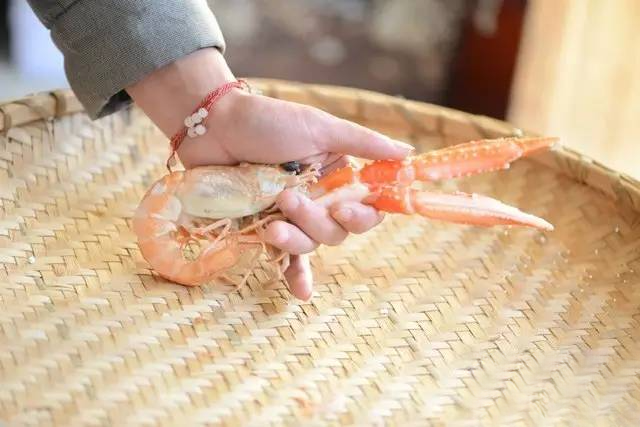
Norwegian crayfish
It is said to be a level higher than the New Zealand lobster! It looks similar to the New Zealand lobster, but they are actually not related to each other!
Philippine Red Lobster
Red lobster, a local specialty of the Philippines, was even featured on the menu for the state banquet hosted by the Philippine Presidential Palace for Barack Obama. While not as famous as Australian lobster, its meat is equally as good, and even more so, it's surprisingly affordable, making it both delicious and affordable.
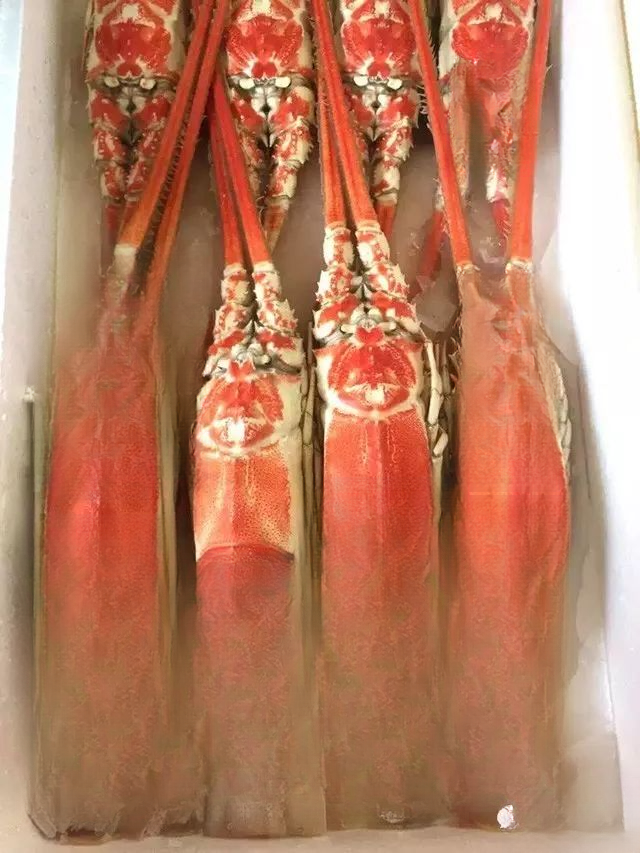
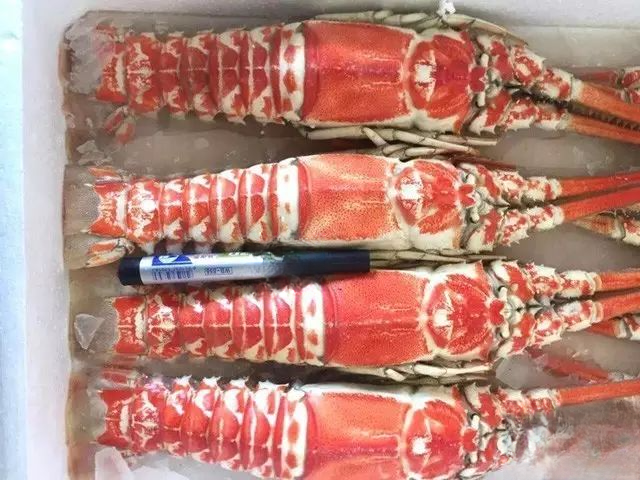
slipper lobster
Very fresh and plump mantis shrimp, each weighing 7-8 taels, the market price is 160 yuan per catty.
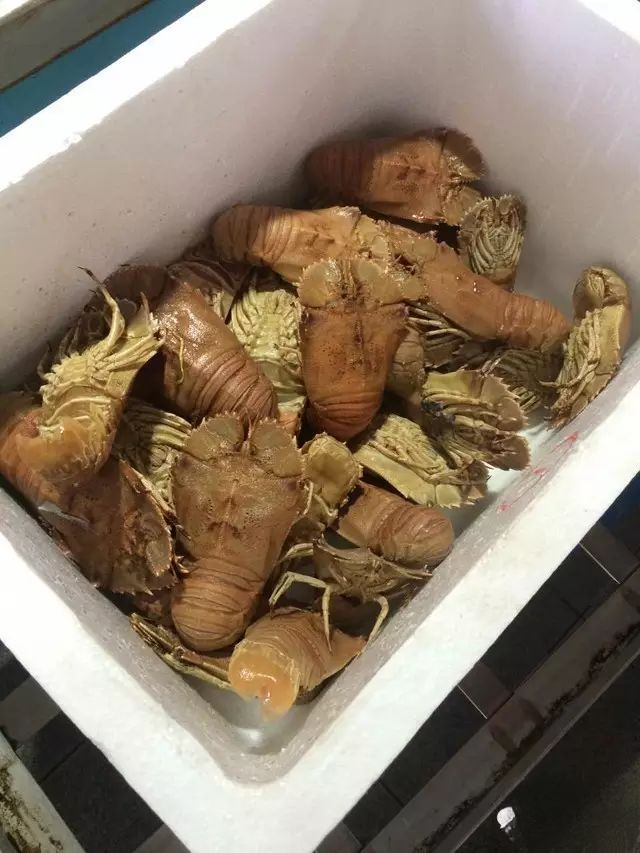
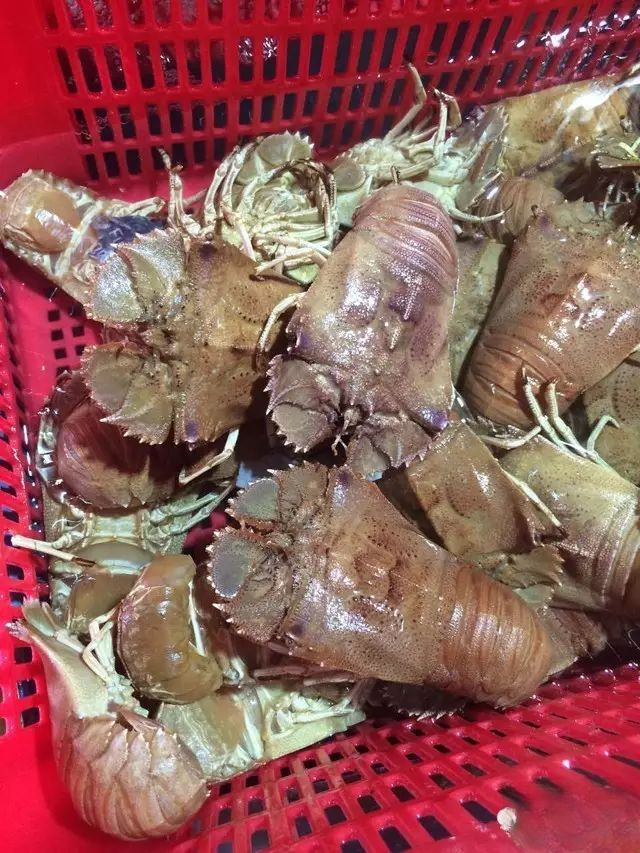
Slippery Shrimp
Zhoushan's specialty, slippery shrimp, are wild, fresh shrimp from the East China Sea. They get their name from their incredibly smooth surface. Slippery shrimp come in either roe-free or roe-free varieties, with the roe-free varieties being more expensive. At Donghe Market, they're currently priced at 30 yuan per jin (40 yuan per jin for those with roe). They're incredibly fresh. This is a roe-free slippery shrimp!
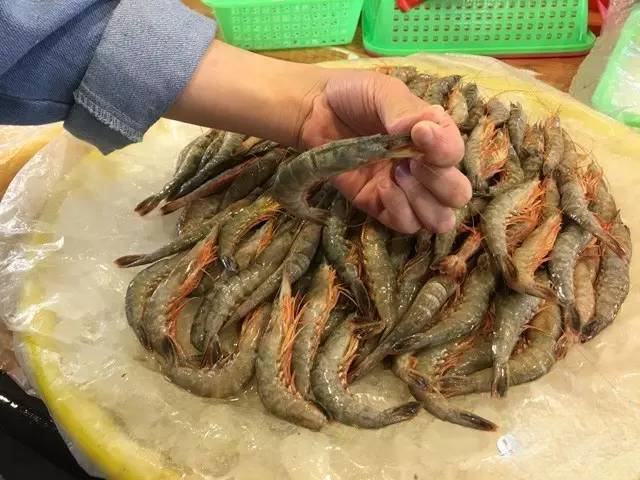
Wild bamboo shoots
Flower shrimp, known as "Kuro-ebi" in Japan, are believed to be native to Malaysia, but due to their low production, they are rarely exported. Japanese people prefer to use these shrimp as sashimi, as their flesh is crystal white, sweet, and rich, offering an excellent flavor. Japanese people also prefer to steam them with garlic, resulting in a firm, chewy texture that's equally delicious. These shrimp are large and incredibly rich.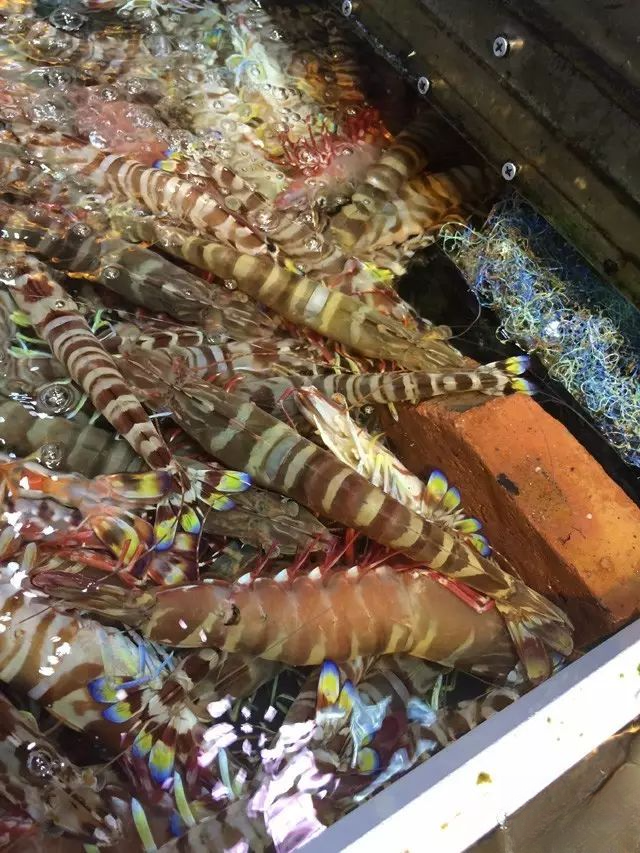
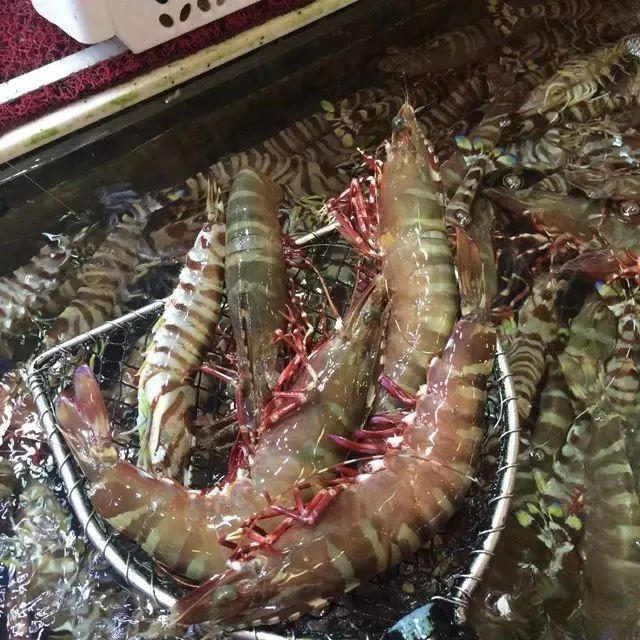
Grass shrimp
Farmed shrimp are divided into fresh and frozen products, and are also divided into different sizes and prices. Grass shrimp are 50 yuan per catty, which contains about 30 pieces.
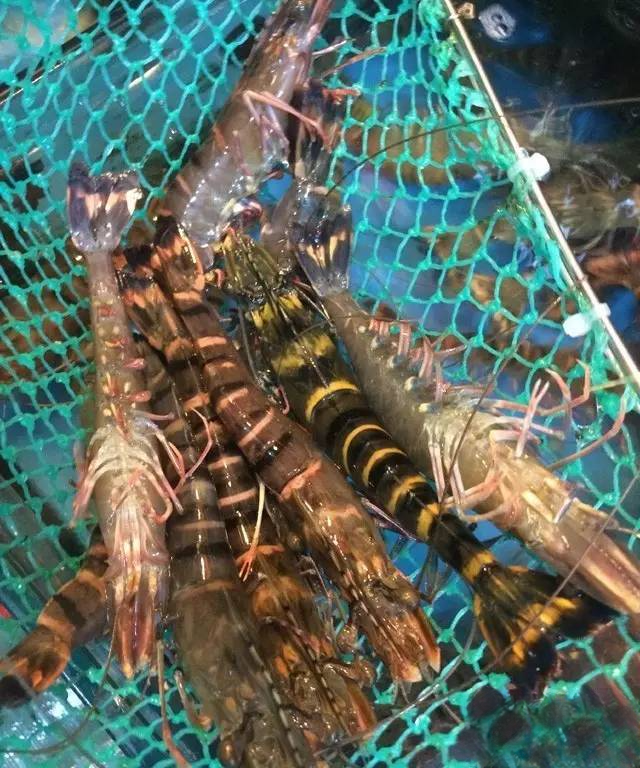
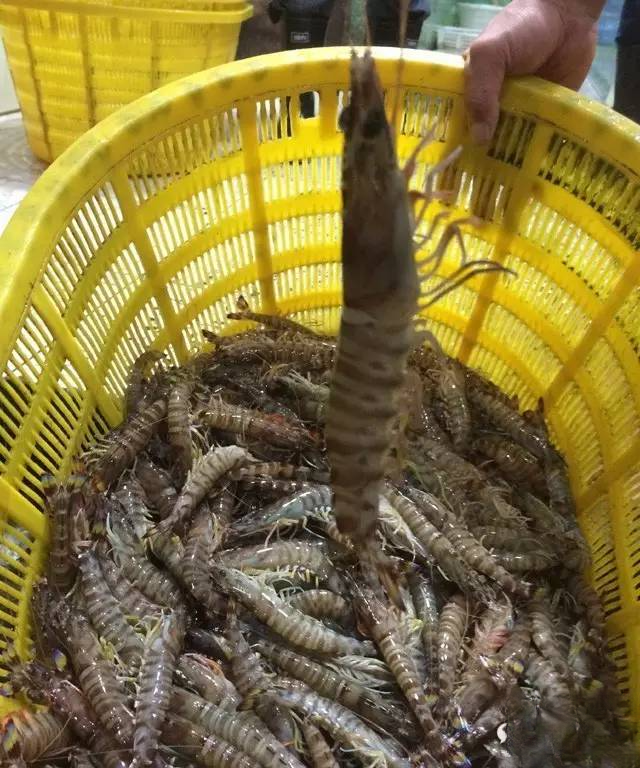
Stone Dragon
Commonly known in the market as "Shilong," this is a type of lobster native to Indonesia. It's considered a lower-end lobster, typically priced around 100 yuan. It's primarily used in restaurant buffets.
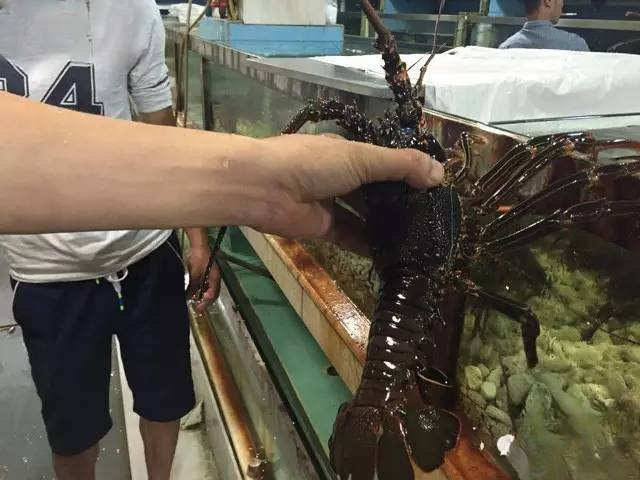
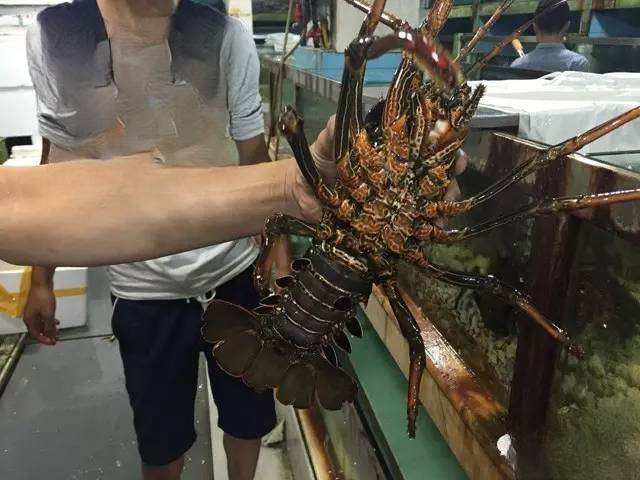
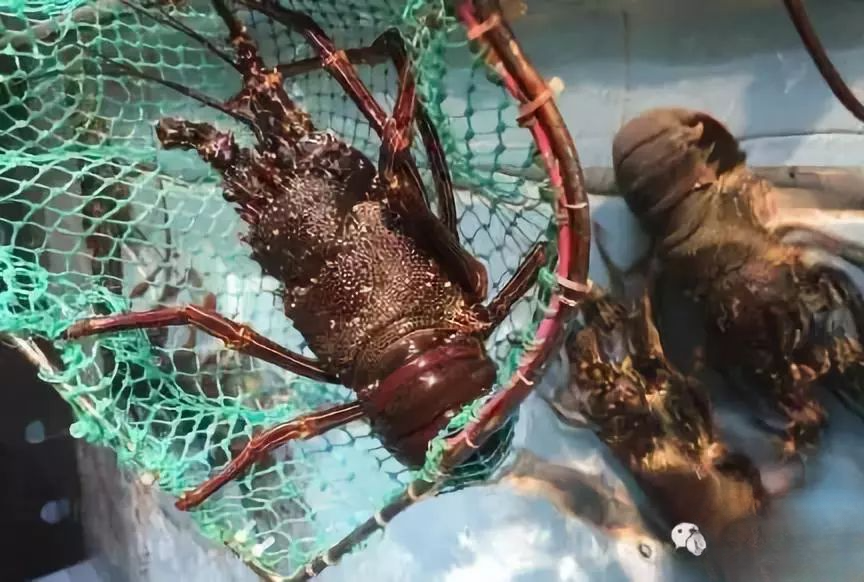
Chilean lobster
Chile's vast coastline provides exceptional conditions for lobster growth. Chilean lobsters are a type of rock lobster (spiny lobster), slightly lighter in color than Australian lobsters, but still vibrant. Strict catch limits prevent them from being easily captured, making them difficult to raise, making them highly prized. Thanks to the cool, clear waters, the lobsters' flesh is soft, tender, and sweet, making them a premium food.

Chilean lobster also has a certain share in the market because its price is lower than New Zealand lobster and Australian lobster.
Miscellaneous Dragon
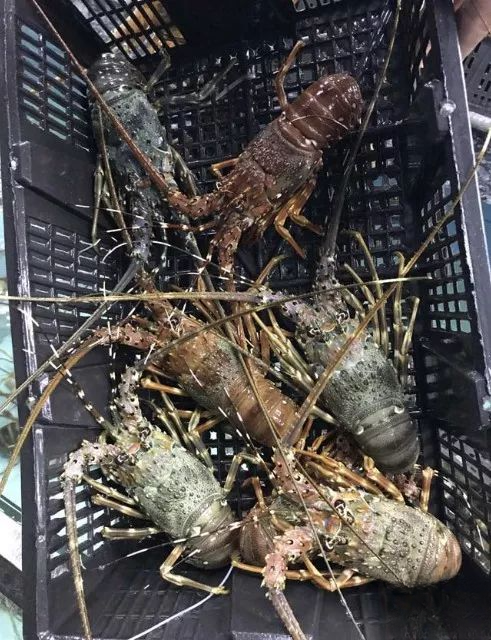
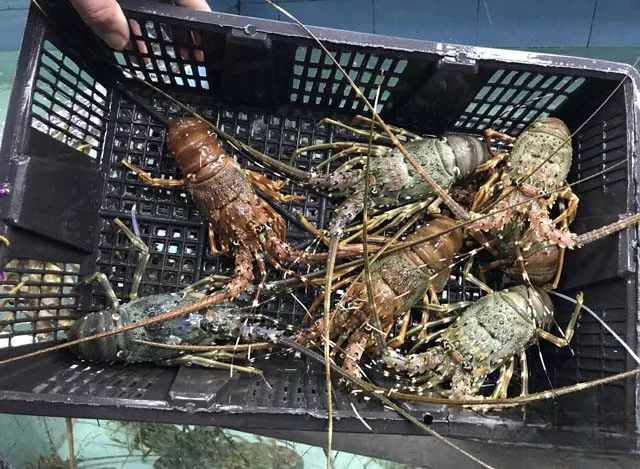
Variety lobsters are primarily found in Southeast Asian countries and regions. As the name suggests, they have a variety of colors. Individual lobsters typically weigh between 250g and 500g. They are very inexpensive in seafood markets and are typically found in lower-end buffets. However, they still enjoy a strong market.
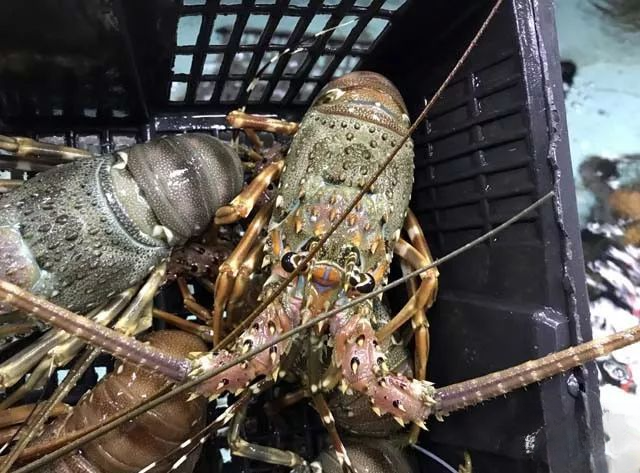
Western Australian Red Dragon
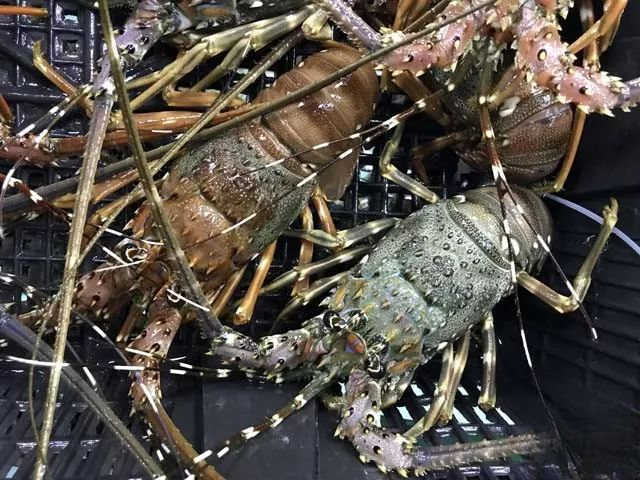
Western Australian lobster, also known as American Red Dragon , is a high-quality and affordable lobster. American waters are among the cleanest in the world, making them free from pollution. Their meat is tender, firm, and delicious, making them a popular choice for banquets.