Ten types of flowers that are perfect for pruning in July and August. The more you prune them, the more they will bloom. If you miss this opportunity, you'll have to wait until next year!
The weather has been very hot lately, but some of the flowers and plants we grow need pruning. In fact, they will bloom more after pruning. If you miss it, you will have to wait until next year. Here are 10 types of flowers. Do you have any of them at home?
1. Hydrangea
Hydrangeas have a long blooming period, lasting for several months. The longer the blooming period, the more vibrant the colors become, much like a girl blossoming into a beautiful young woman. However, even so, towards the end of the blooming season, the colors of hydrangeas will fade and they will become less attractive, at which point pruning is necessary.
Besides becoming uglier as it grows, pruning too late will also affect the hydrangea's flowering the following year. This is because hydrangeas consume a lot of nutrients when they bloom, and if these withered flowers are not pruned in time, they will deplete the hydrangea's energy, leading to fewer flowers or even no flowers the following year.
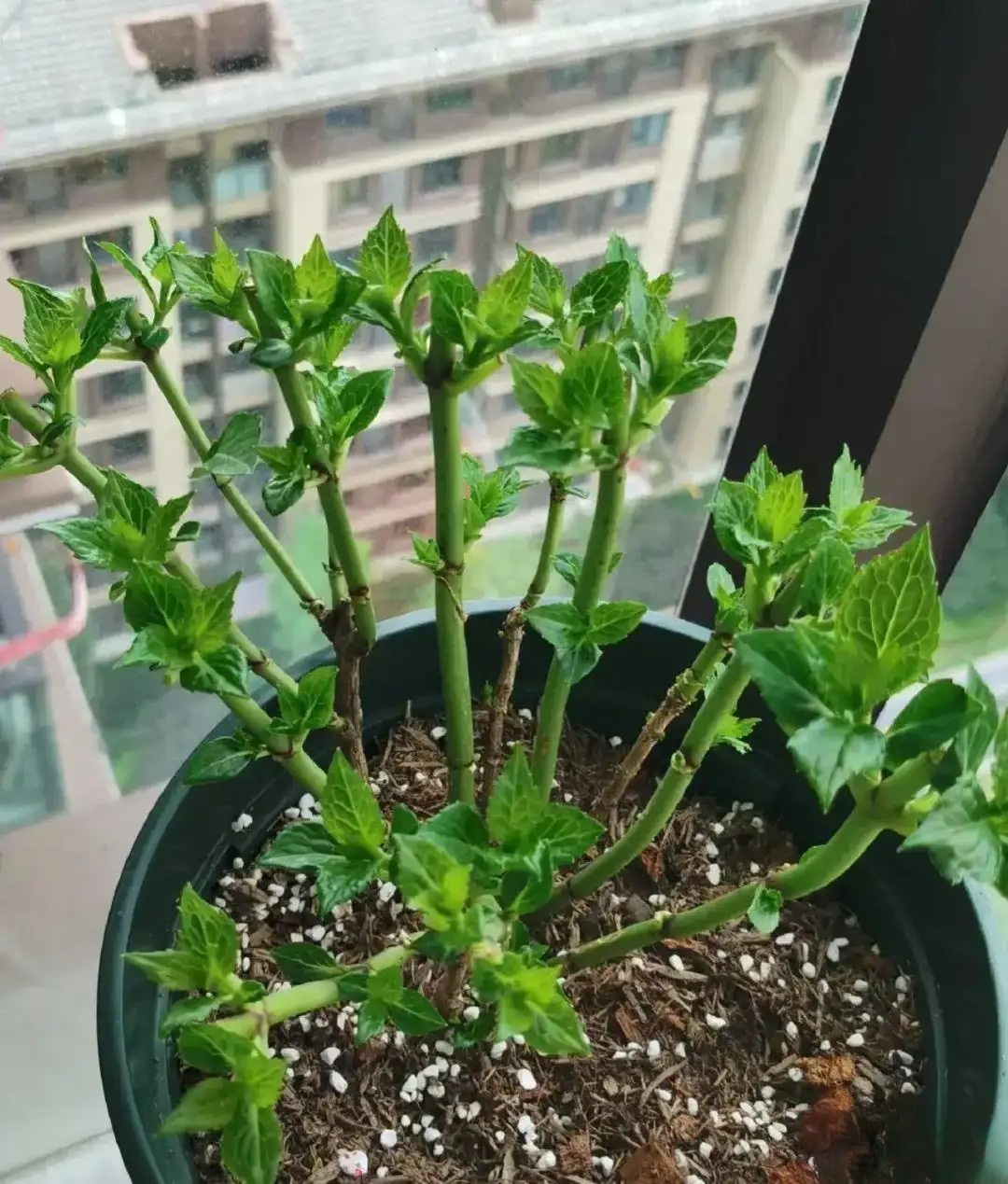
Hydrangea pruning methods
When pruning hydrangeas, thin and weak branches should be cut off at ground level, while thick branches should be left with 1/3 remaining, with the rest removed. For stronger hydrangeas, pruning should be more drastic, leaving two buds on each branch and removing all the branches above them.
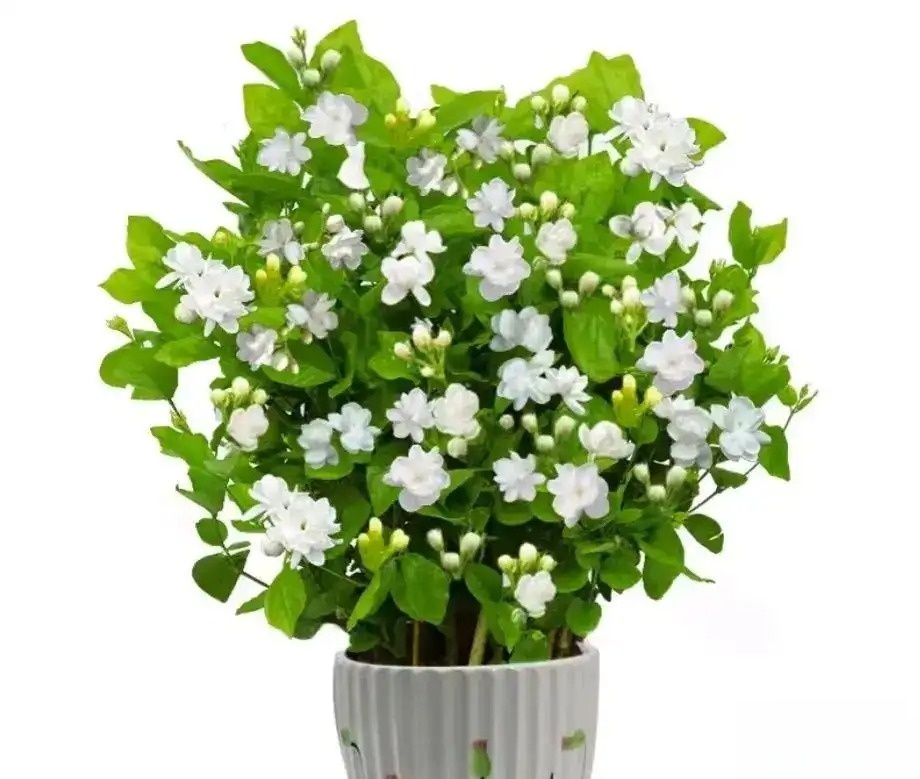
2. Jasmine flowers bloom more when cut.
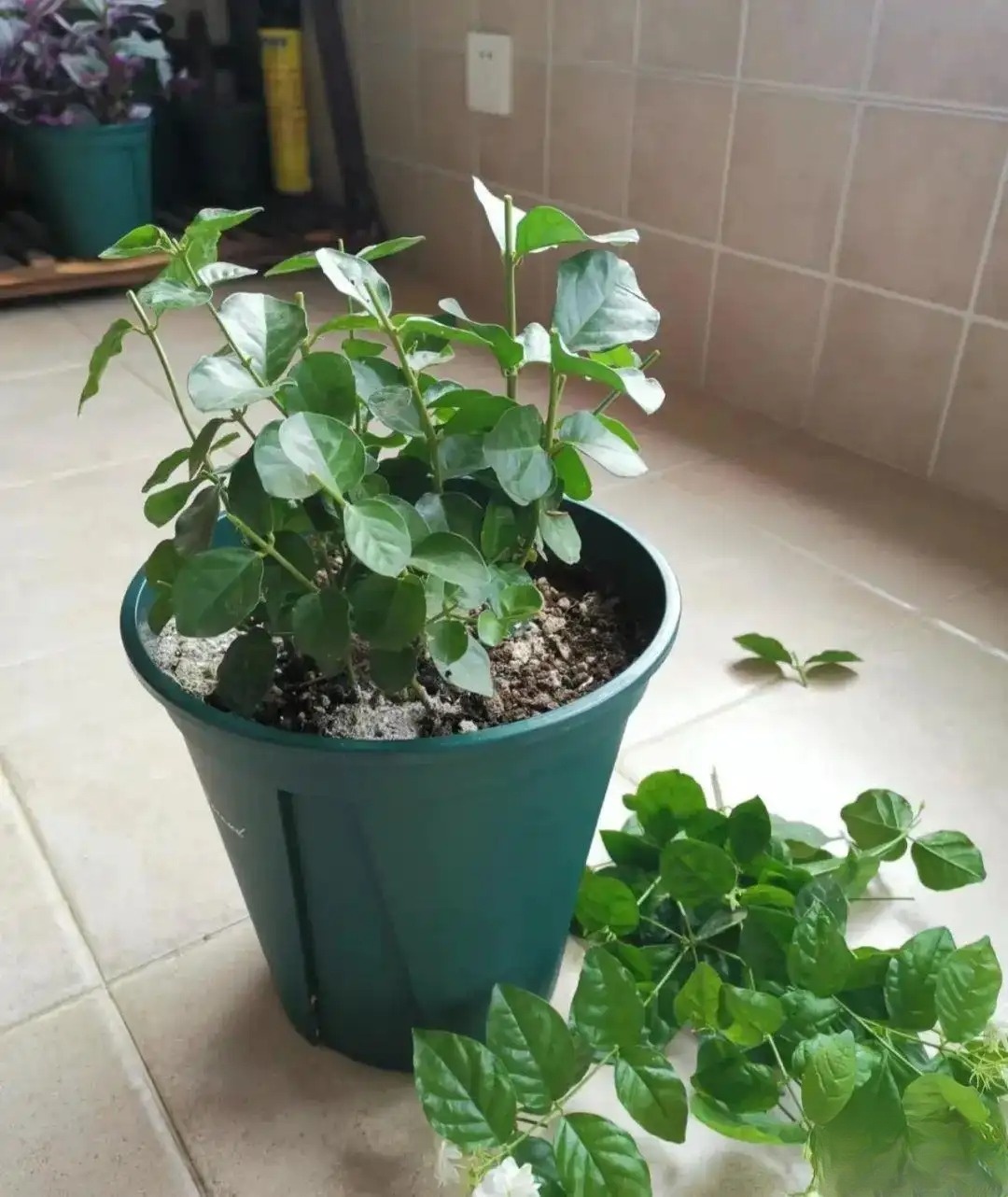
Jasmine flowers are fragrant and beautiful, blooming profusely in July and August, and growing very vigorously. Furthermore, since its flowers grow at the tips of new branches, pruning them produces more new shoots and more flowers.
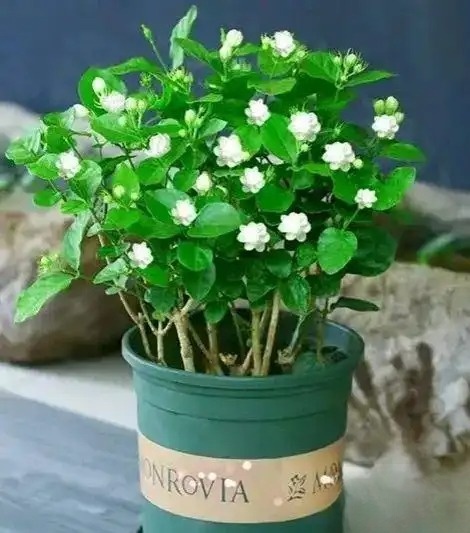
If pruning is done late, jasmine will still grow new branches, but the plant will become more messy, and the branches will be very thin and weak, making it prone to falling over in the wind. Therefore, jasmine needs to be pruned promptly after flowering.
Jasmine pruning method
When pruning jasmine, leave two full leaves on each branch and cut off everything above them, including both flowering and non-flowering branches. This complete pruning will result in twice as many new branches growing, and twice as many flowers.
3. Rose
Most rose growers find their roses grow very slowly during the hottest days of summer, producing smaller flowers and appearing weak and listless. This is because roses enter a semi-dormant state in hot weather.
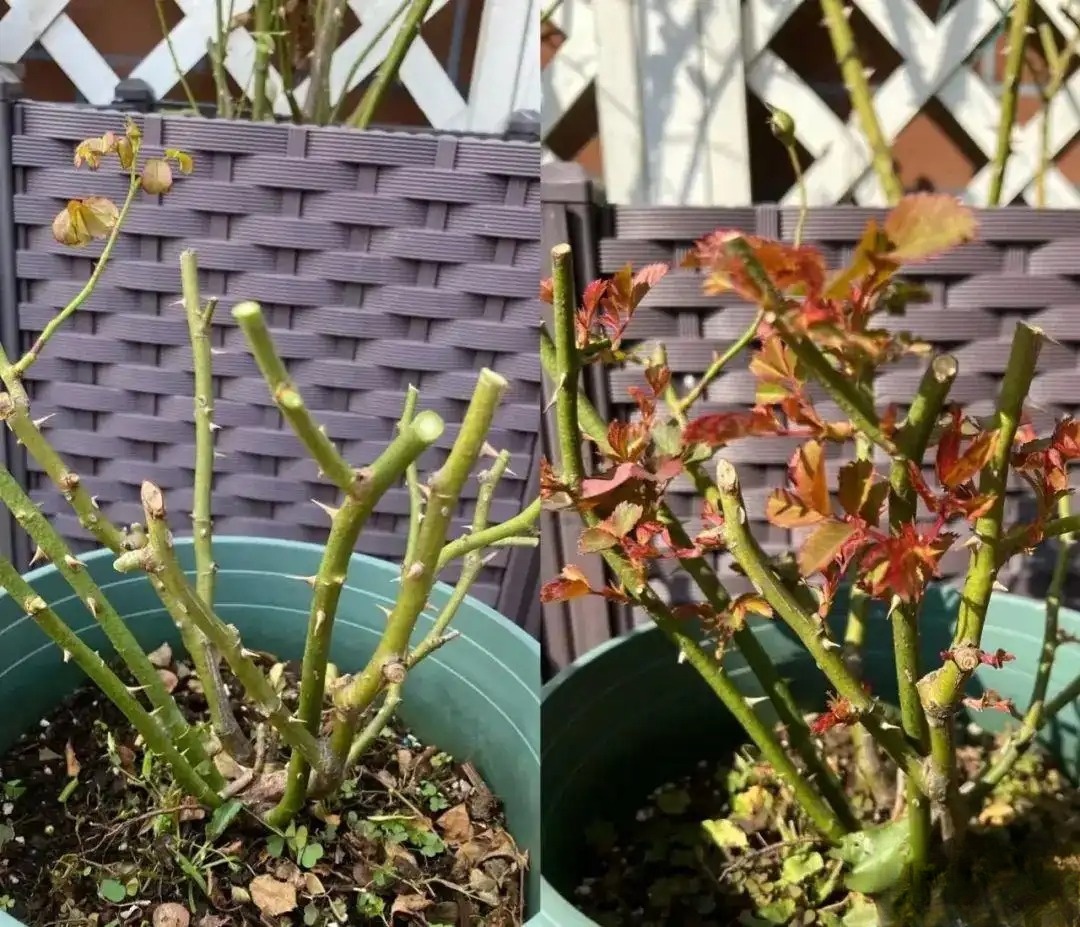
At this time, the rose needs to be pruned, and a heavy pruning can be done. Although it will not grow or bloom for a short period of time, it will help the rose to nourish its roots. When the weather cools down a bit, it will grow strong new shoots and bloom with large and beautiful flowers.
Rose pruning methods
Pruning roses can be done heavily or lightly. Heavy pruning involves leaving 3 to 5 centimeters of stem and cutting off everything above that. Light pruning involves removing all diseased leaves, shortening the branches, removing spent blooms, and then spraying the roses with a fungicide and insecticide. This will prevent pests and diseases and promote regrowth and flowering.
4. Kalanchoe
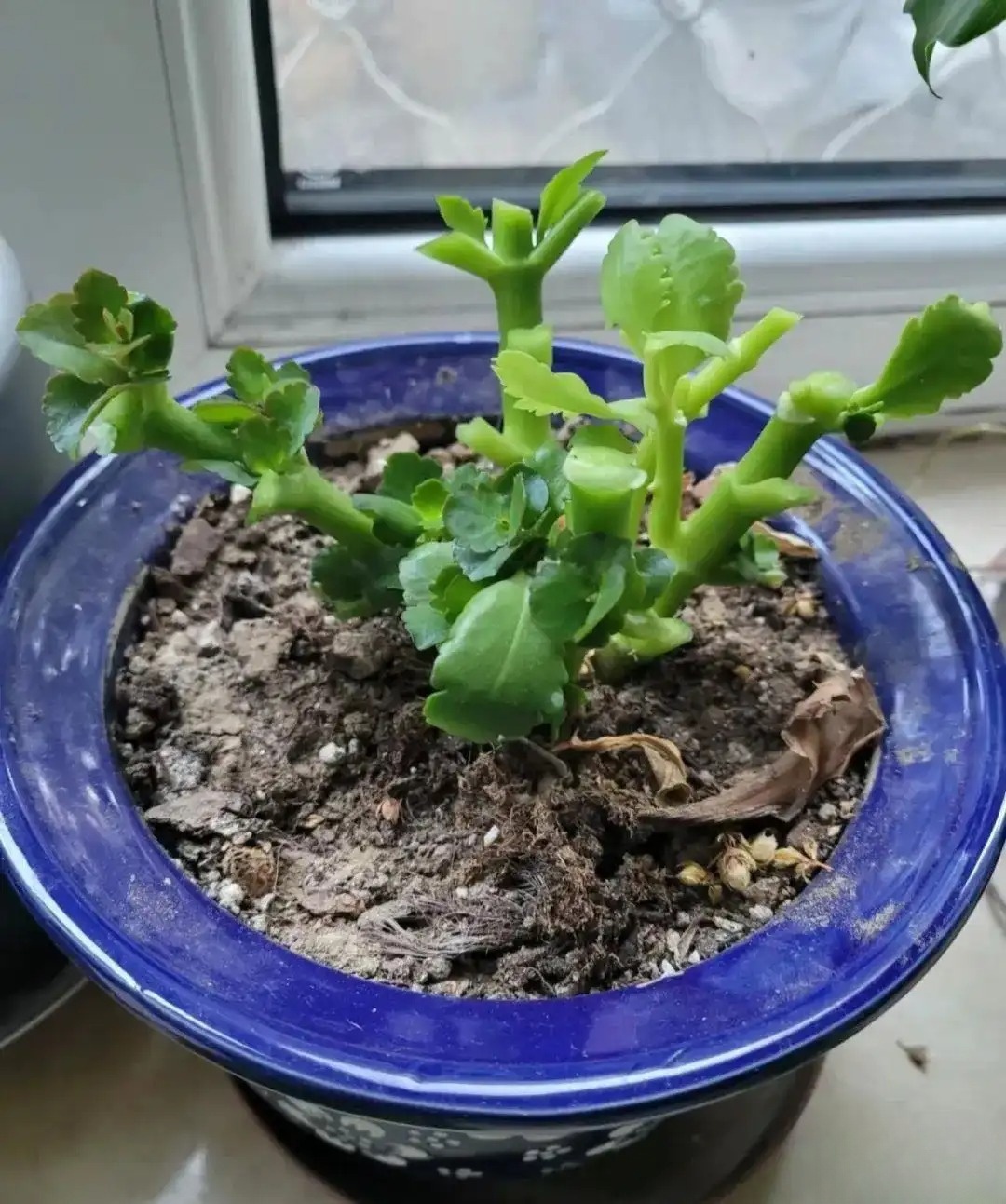
Although kalanchoe grows particularly slowly in July and August, it still needs pruning. Because kalanchoe resumes growth after the hottest days of summer, pruning in August is crucial, as it affects the amount of flowering and the shape of the plant during autumn and winter.
Kalanchoe pruning method
When pruning a kalanchoe, cut off about two-thirds of its length to encourage the growth of new shoots. Also, remove any overly dense leaves at the base and any exceptionally large leaves. This allows the soil to dry out faster, preventing root rot caused by high temperature and humidity, and also reduces nutrient loss.
5. Bougainvillea
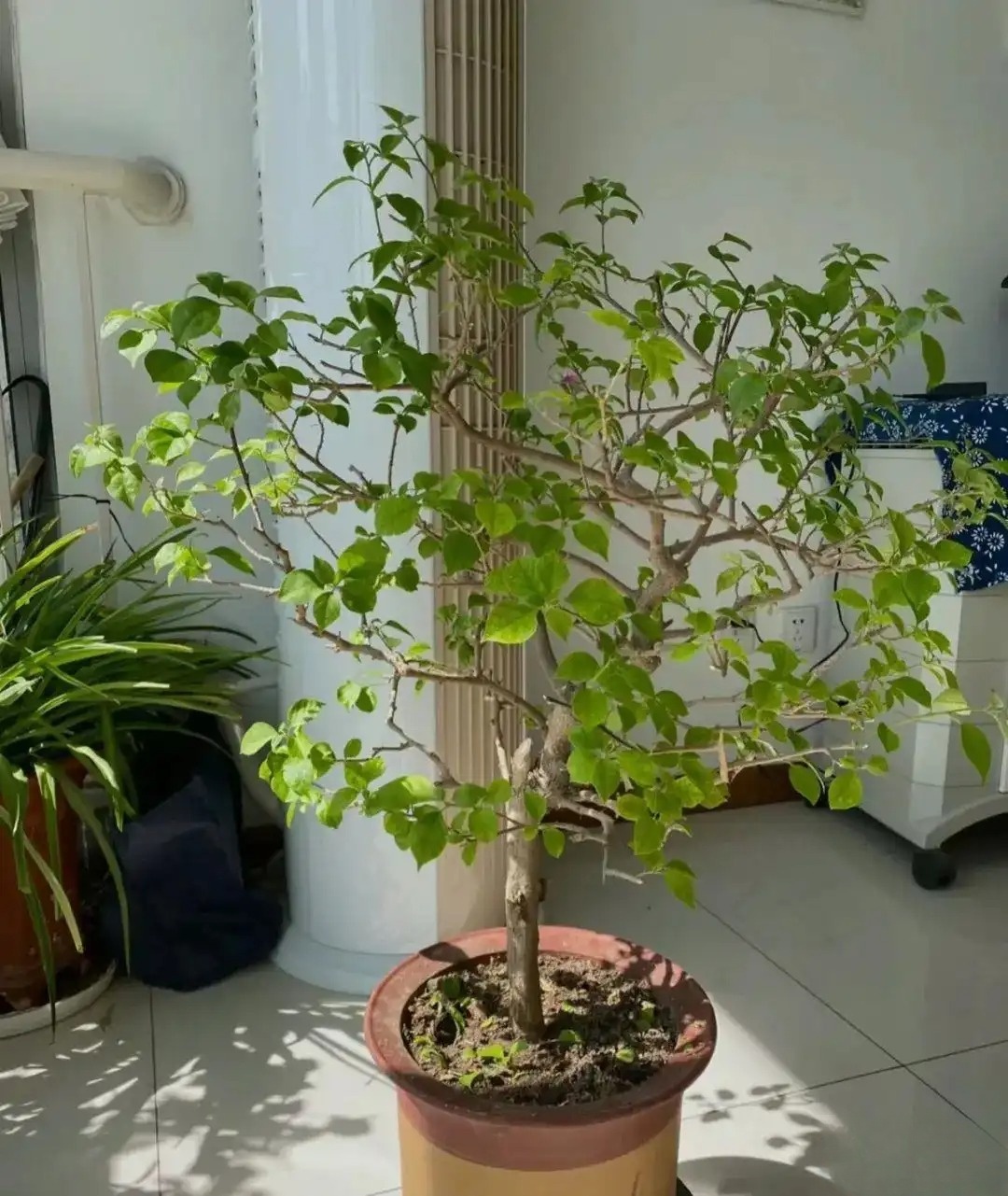
Bougainvillea also has a summer-dependent habit, especially during the hottest days of summer, when it will stop blooming because it enters a short dormant period. During this time, bougainvillea needs pruning; otherwise, it will only grow leaves and not bloom, resulting in a bushy appearance. The leaves will also become yellow and weak, making it look listless.
Bougainvillea pruning methods
This is pruning bougainvillea. You only need to shorten the branches in the soil, and also cut off crossing, diseased, weak, and withered branches. This is to ensure that every branch of the bougainvillea can get sunlight, and to improve ventilation and light penetration, reduce the occurrence of pests and diseases, and promote flowering.
6. Blue Plumbago
Blue plumbago, if left unpruned for a long time, will grow into a messy, octopus-like shape due to its thin and weak branches. Furthermore, if spent blooms are not removed promptly, nutrient loss will occur, hindering the growth and flowering of the blue plumbago. Therefore, timely pruning is essential at this stage.
Blue plumbago trimming method
When pruning blue plumbago, it's best to use a top-cutting method, leaving about 5 to 10 centimeters of stem and cutting off everything above that. This pruning method helps encourage nutrients to return to the roots, allowing them to grow stronger and more robust. Only with healthy roots will the blue plumbago grow more vigorously and produce more flowers.
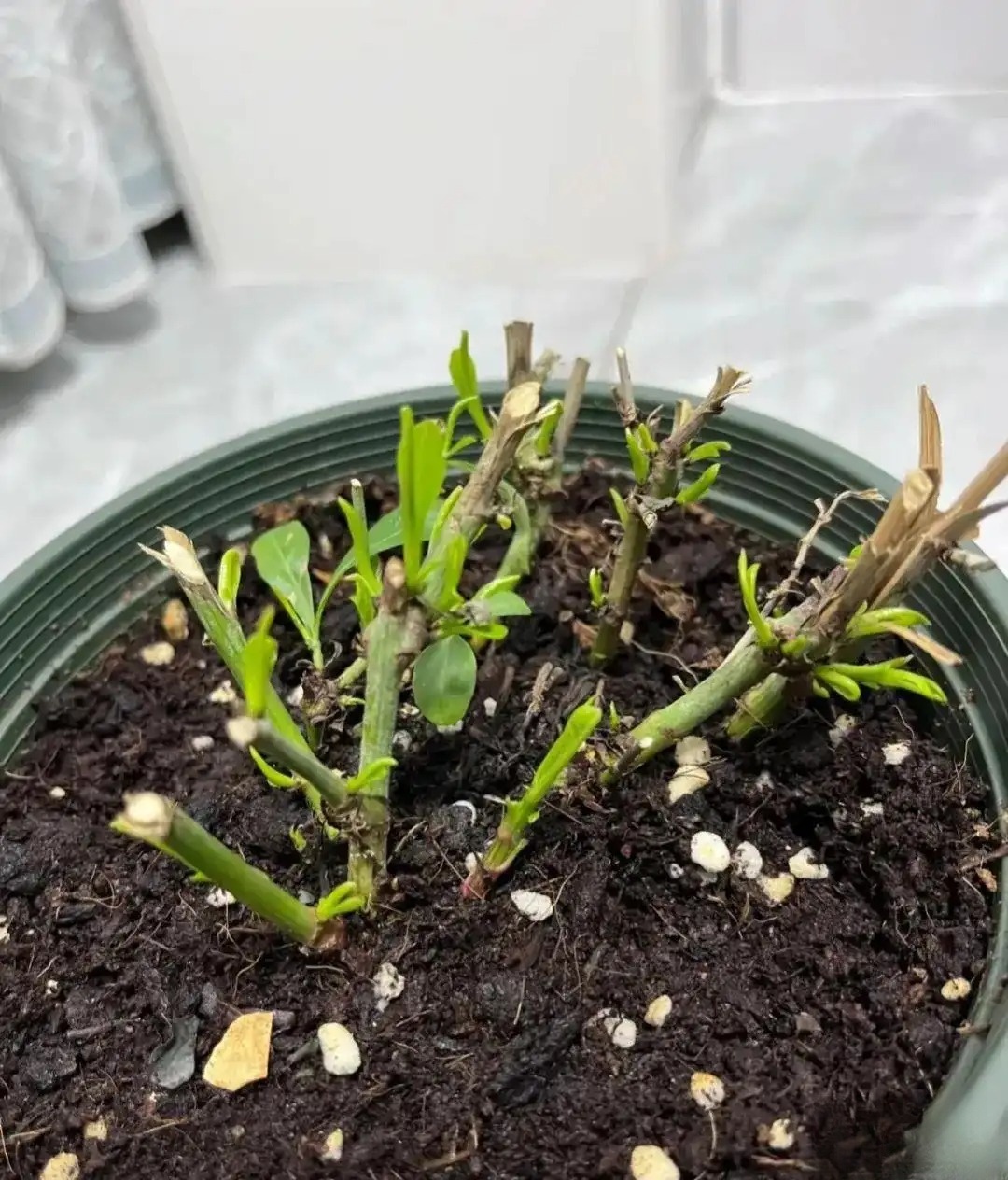
7. Copper Coin Grass
July and August are the peak growing season for pennywort. During this time, it's particularly prone to lodging and yellowing leaves if it's even slightly dehydrated, making it look increasingly unsightly. Seeing pennywort like this makes me want to give it a good shave and let it grow back.
How to prune pennywort
The simplest and most direct way to prune pennywort is to shave it completely, leaving 3 to 5 centimeters of its height and cutting off everything above it. After pruning, apply a multi-element fertilizer once, and keep watering it regularly; it will quickly grow back and fill its pot.
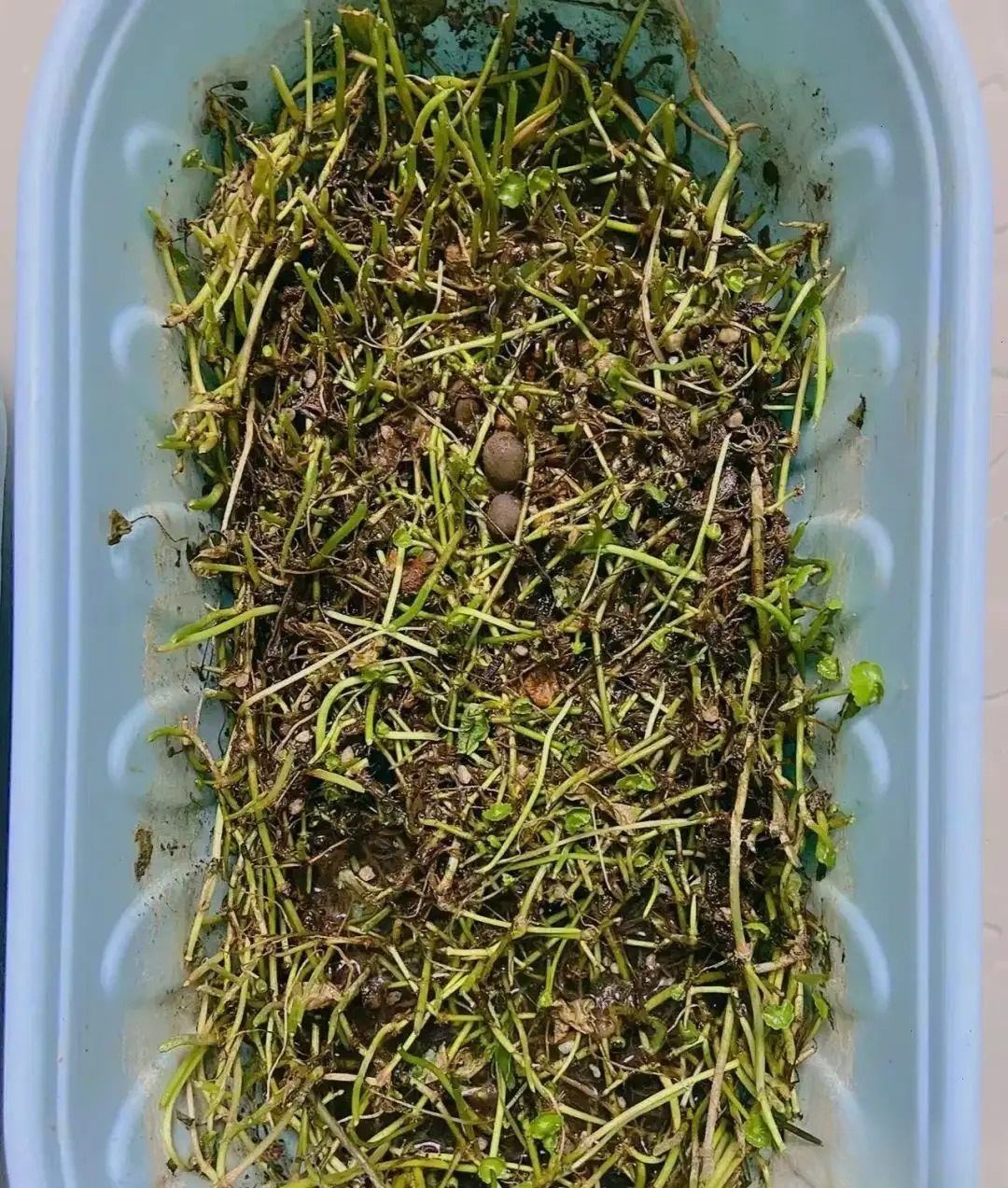
8. Milan flower
Milan flowers thrive in hot environments, blooming profusely and growing vigorously in July and August. This is precisely why this period is ideal for pruning them. Pruning followed by fertilization will encourage vigorous growth and produce even more fragrant and abundant blooms.
Milan flower pruning method
Pruning a Milan flower involves shortening the main branches that have grown too long to encourage the growth of new shoots. It also involves removing withered, diseased, weak, and dead branches and leaves. This reduces nutrient loss and improves air circulation and light penetration, promoting better growth.
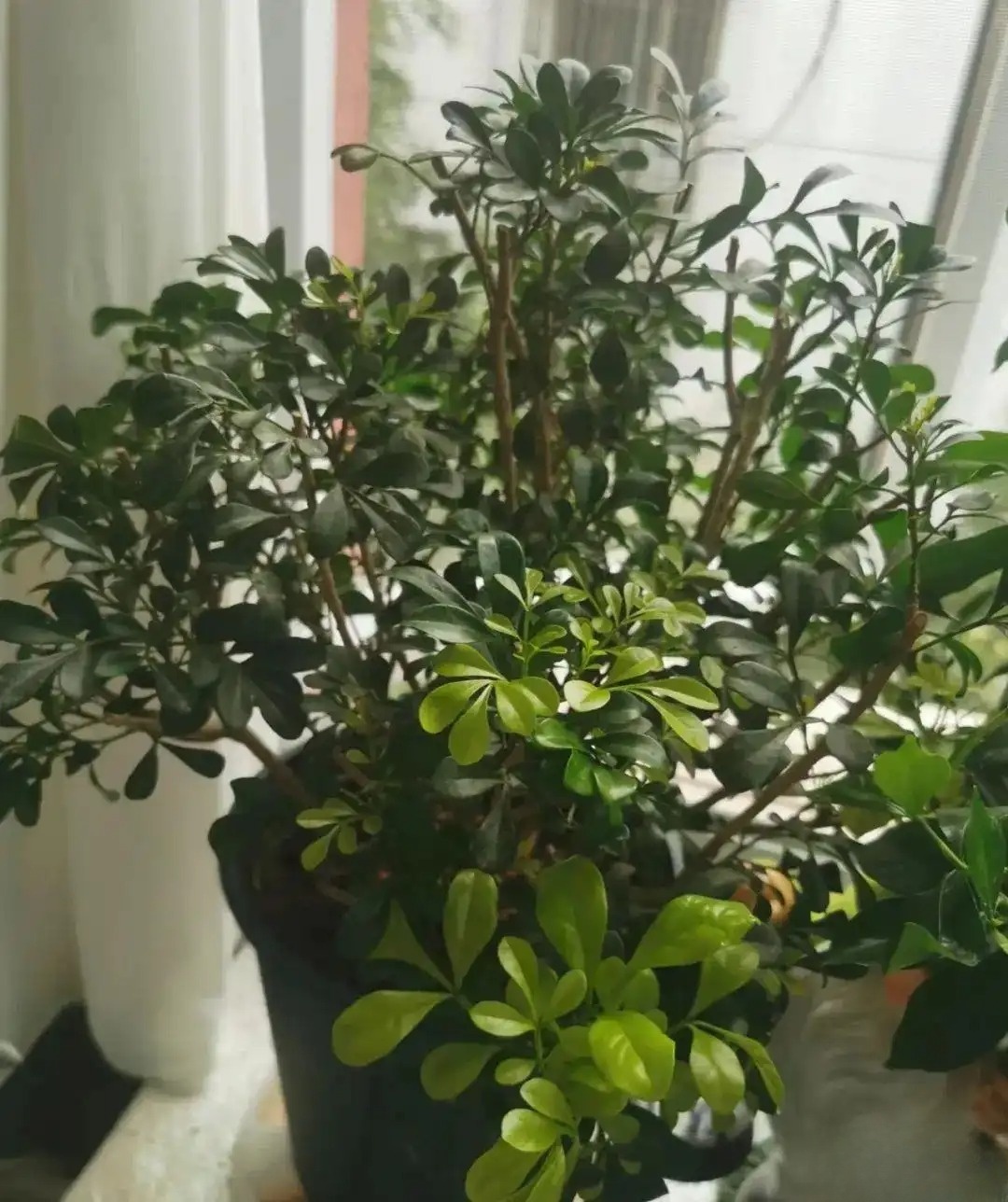
9. Gardenia
In July, gardenias have just finished blooming, so they need to be pruned. This involves cutting off the spent flowers and pruning the branches appropriately to encourage growth and promote vigorous growth so that they can bloom again.
Gardenia pruning method
When pruning gardenias, in addition to removing spent flowers, you should also cut off overly long and messy branches, as well as thin, weak, and crossing branches that are too dense. This is to promote ventilation and light penetration, reduce the occurrence of pests and diseases, reduce some nutrient loss, and encourage the growth of strong branches and flowering.
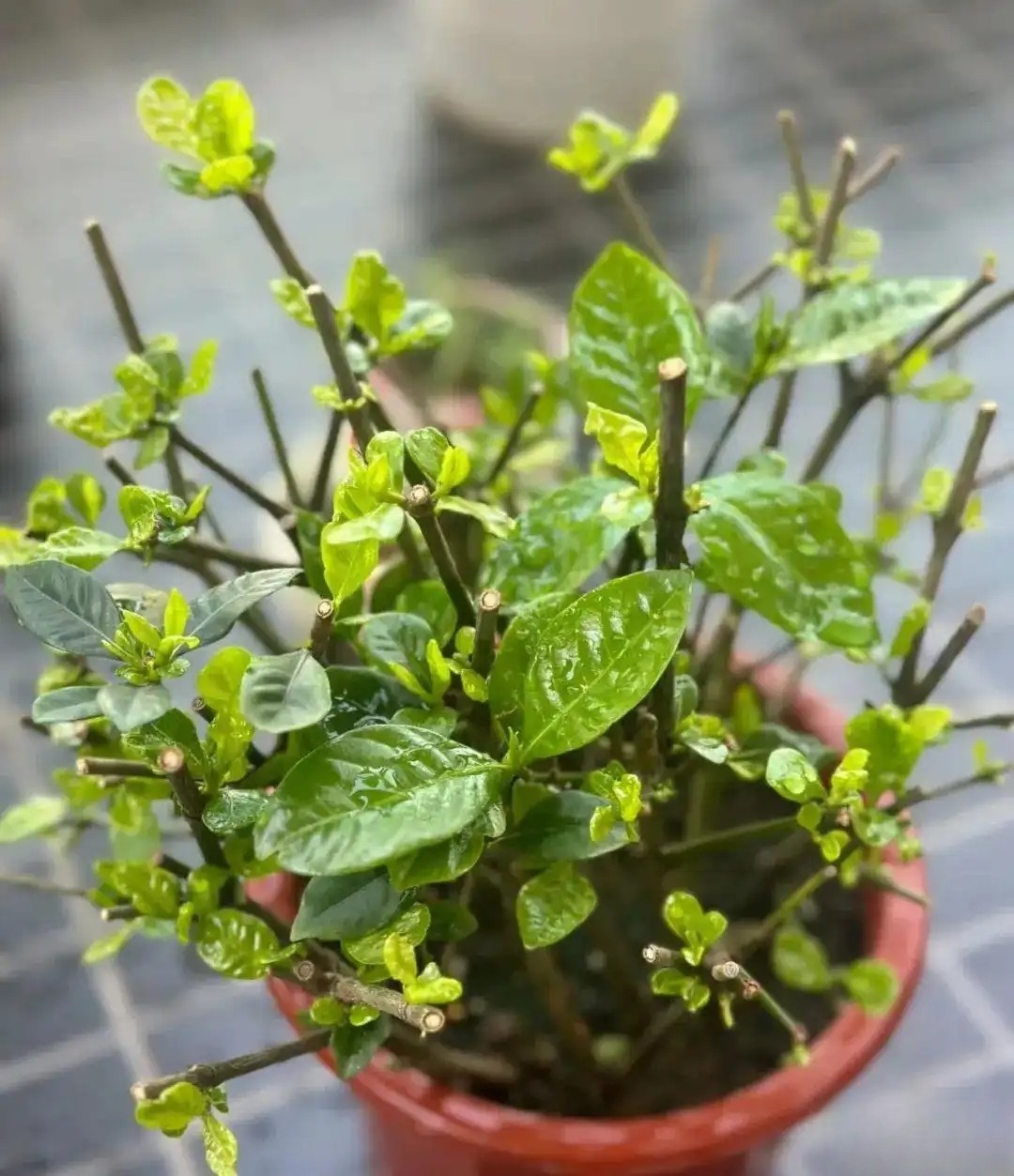
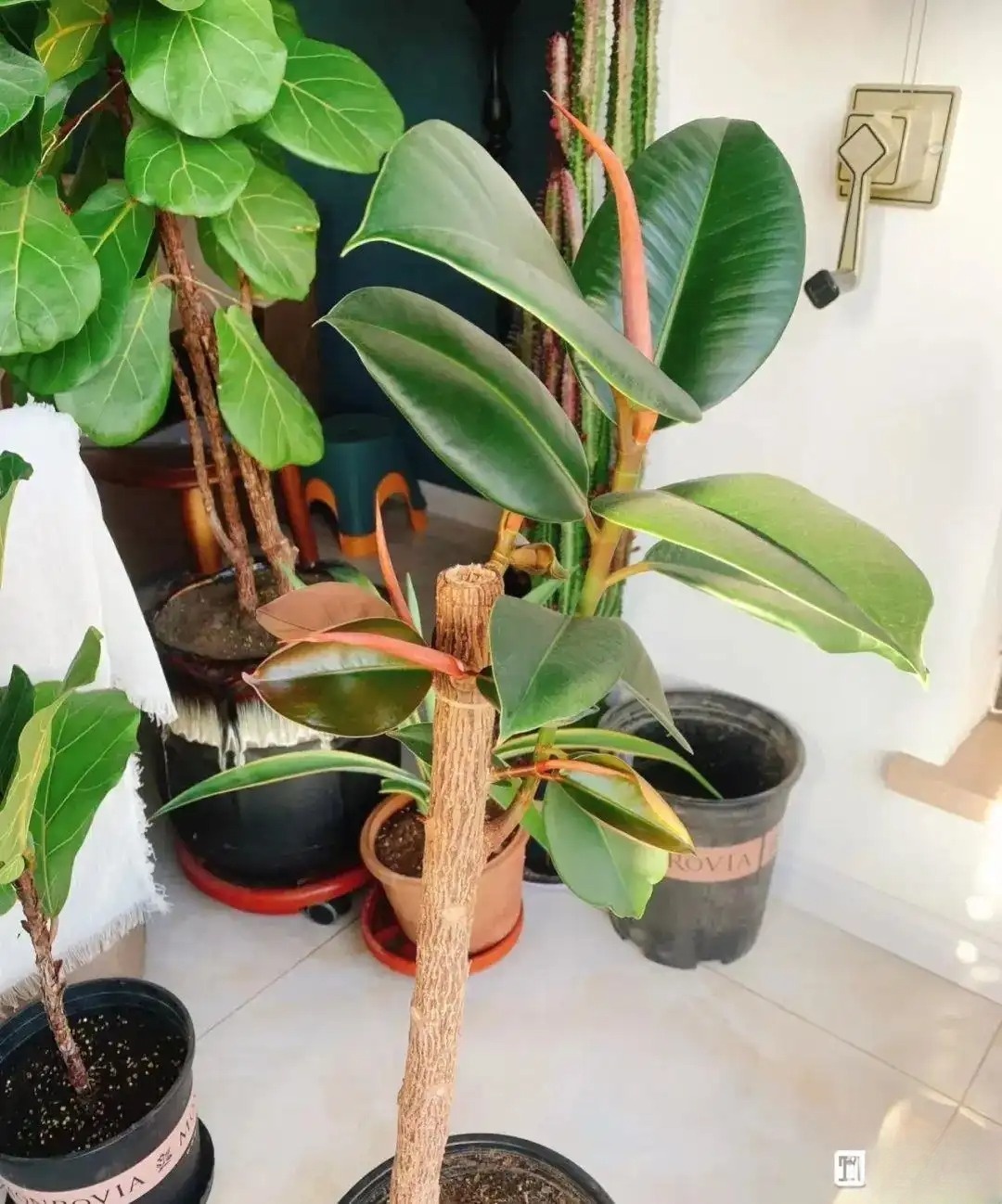
10. Rubber tree
July and August are the peak growing season for rubber trees. During this period, rubber trees that are not growing well need to be pruned in time, because the more they are pruned, the more vigorously they will grow.
Rubber tree pruning methods
Pruning a rubber tree involves cutting off the excessively tall main trunk to encourage the growth of lateral branches, resulting in a more rounded and full shape. Additionally, depending on the tree's shape, the top leaf buds should be pruned (pinching back the tips) to promote the growth of new branches, lateral shoots, and forks, making the rubber tree grow increasingly beautiful.