Ten littleknown geographical facts about the world; you'll likely know more than five of them!
Today, let's take a look at ten little-known geographical facts from around the world. Very few people know more than five of them, and even fewer know the last one!
Tenth, Iceland only has 4-5 hours of daylight.
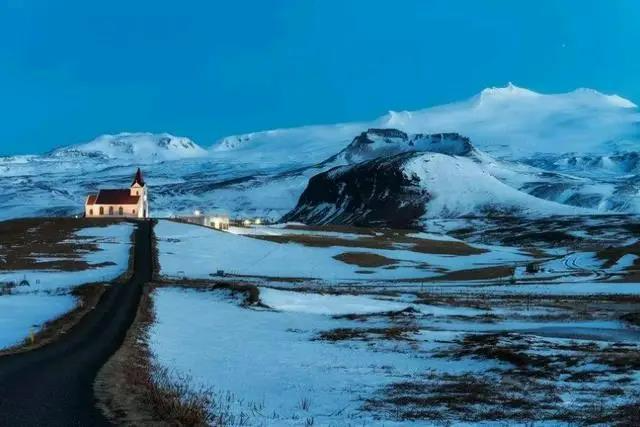
In winter, Iceland experiences only four to five hours of daylight each day, with the rest of the time being darkness. Located at the confluence of the Atlantic and Arctic Oceans, Iceland has a land area of approximately 103,000 square kilometers and a population of about 340,000. Iceland experiences diverse climates throughout the year. From June to August, Iceland experiences the midnight sun, with almost no night. In winter, from December to January, Iceland experiences its darkest two months, with only about four to five hours of daylight each day.
Ninth, Washington, D.C., USA

Actually, there's more than one place called Washington in the United States. There are 88 places in the US with the name Washington, including the City of Washington, Washington County, Washington Town, and many more.
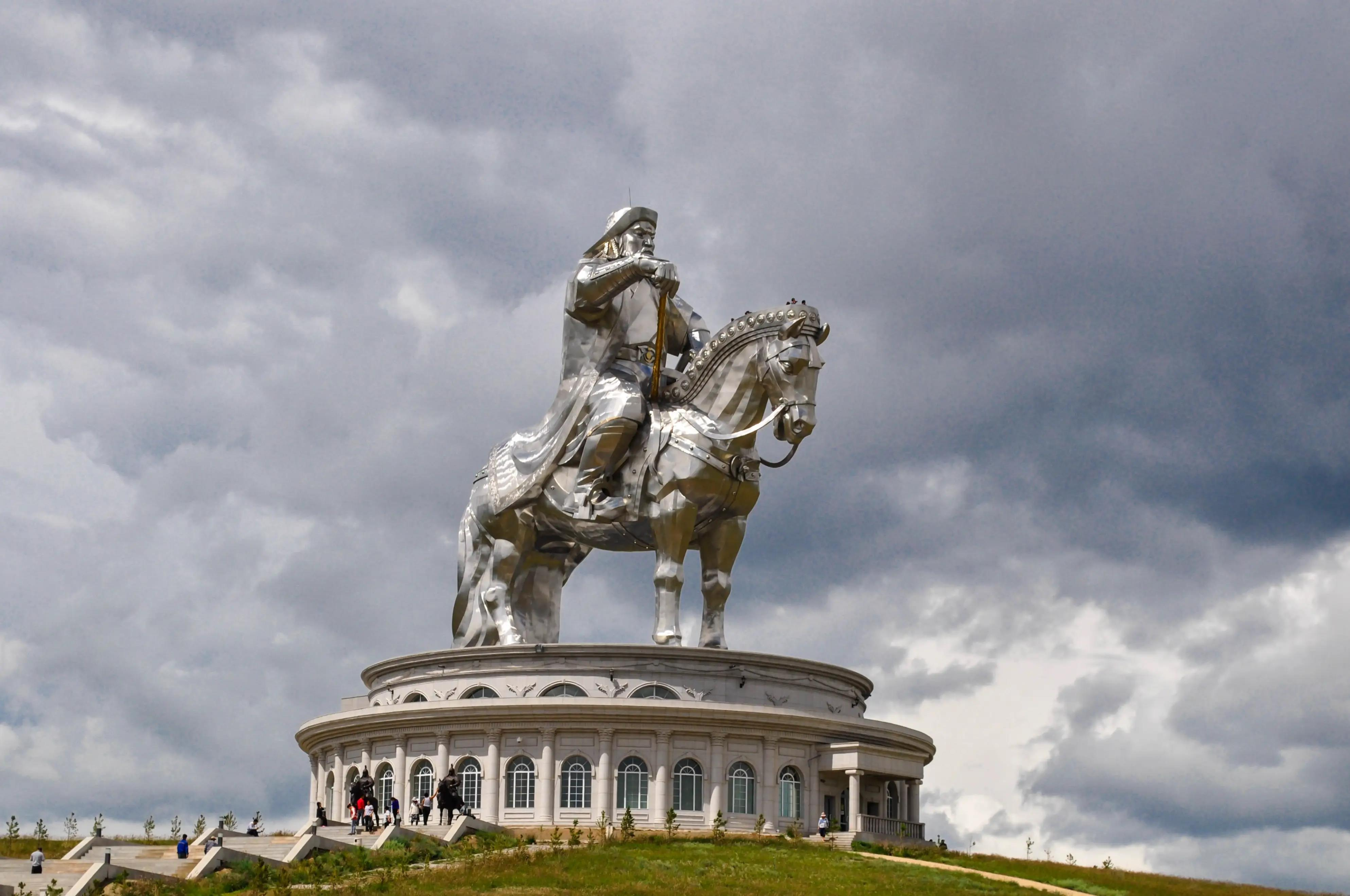
Eighth, Mongolia really does have a navy.
Seventh, Japan has no capital.
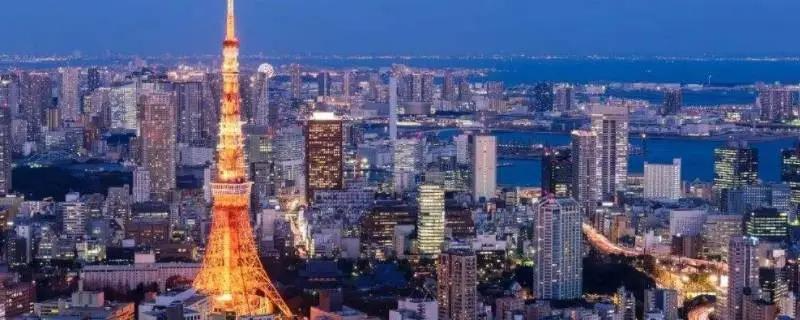
Many people believe that Tokyo is the capital of Japan, but this is not actually the case. Japanese law does not designate any city as the capital, but people generally consider Tokyo to be the capital because it is Japan's largest city and its political, economic, and cultural center. However, Tokyo is not Japan's legally designated capital.
Sixth, the city in the world farthest from the ocean is Urumqi, China.
Urumqi, located in central Xinjiang, north of the Tianshan Mountains, is one of my country's westernmost cities and also the place in the world farthest from the ocean. The nearest ocean is the Indian Ocean, approximately 2,250 kilometers away, making it the city farthest from the sea globally.
Fifth, the closest distance between the United States and Russia is less than four kilometers.
It's surprising how close the US and Russia are, isn't it? Many people imagine the US to be very far from Russia. While the continental US is indeed quite far, Alaska is actually very close to Russia, only 3.8 kilometers away. In fact, Alaska originally belonged to Russia. In 1867, Russia sold it to the US for $7.2 million. Between Russia and Alaska are two small islands; the one on the left belongs to Russia, and the one on the right belongs to the US. These two islands are only 3.8 kilometers apart, meaning the distance between Russia and the US is less than four kilometers.
Fourth, Indonesia is not the country with the most islands in the world.
Although Indonesia is the world's largest archipelagic nation, consisting of over 17,000 islands, which might sound like the country with the most islands in the world, it is not. The country with the most islands in the world is Norway, which boasts a coastline of over 26,000 kilometers, dotted with as many as 150,000 islands of varying sizes, making it the country with the most islands in the world.
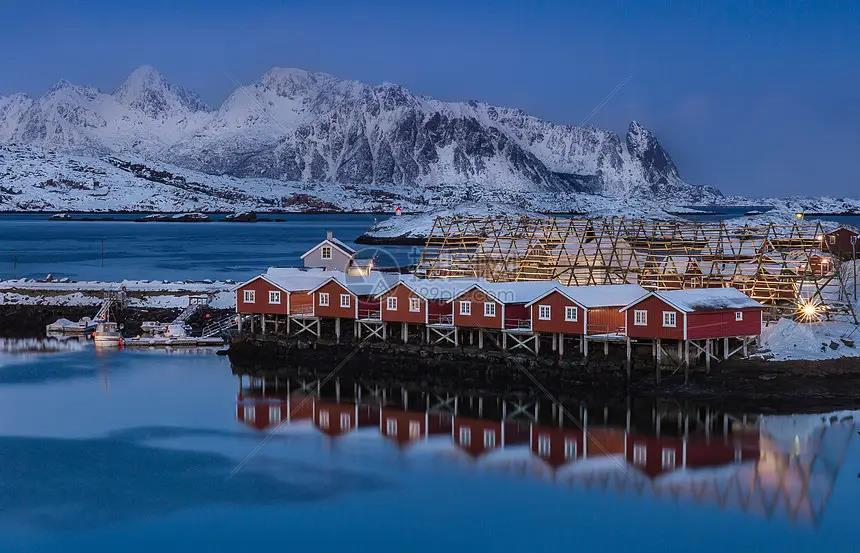
Third, the most remote and inhabited place on Earth is Tristan Island.
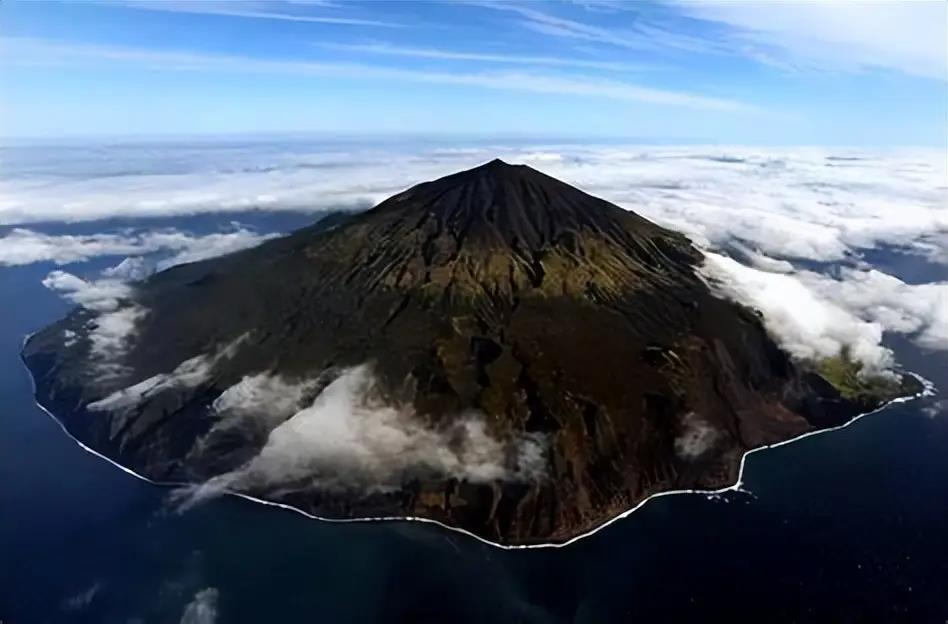
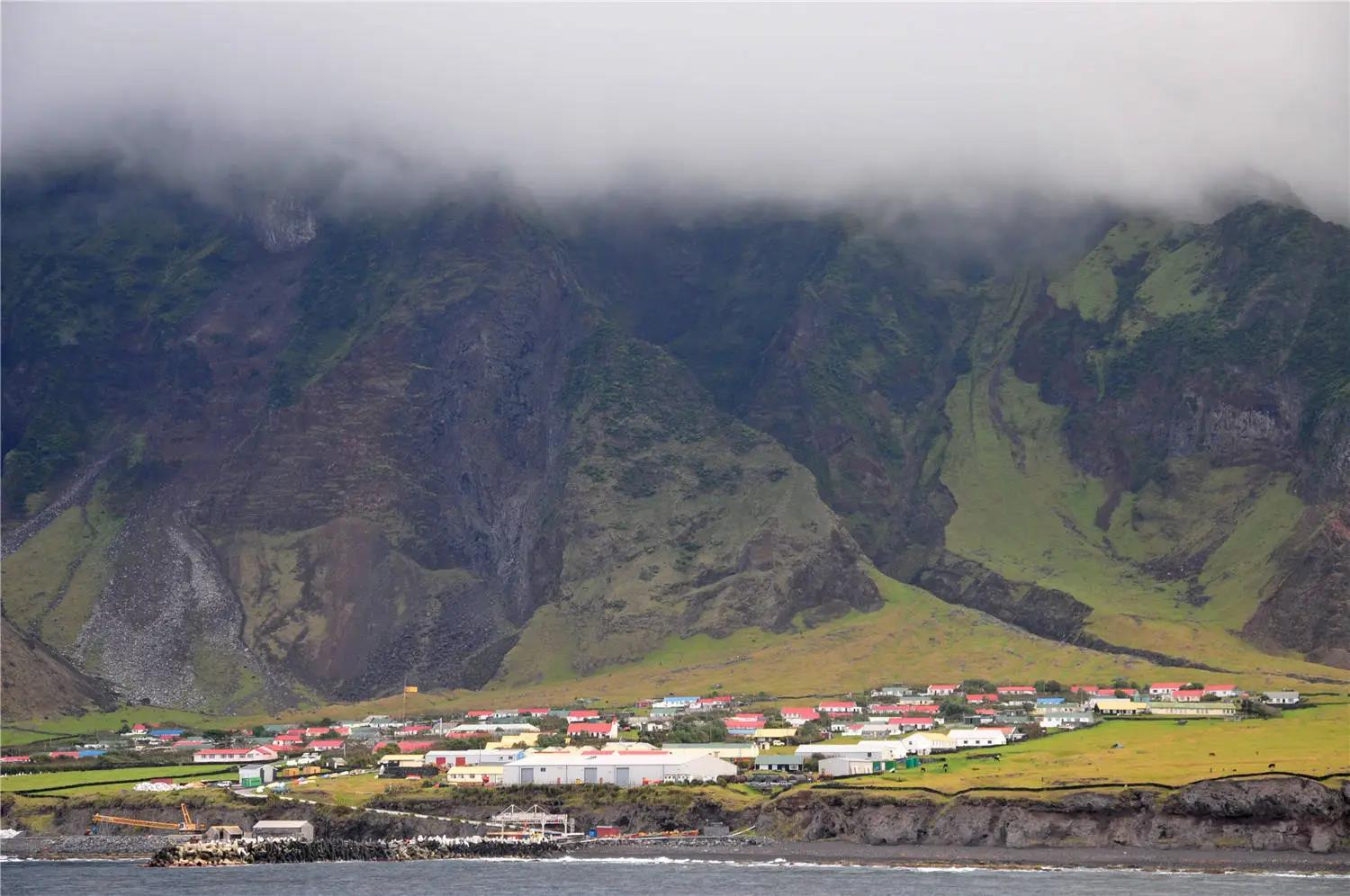
Tristan da Cunha, a British Overseas Territory, is isolated in the middle of the Atlantic Ocean, spanning over 2,000 square kilometers and completely uninhabited. Reaching the island requires a journey to the Cape of Good Hope in Africa, followed by a transfer, making it extremely inconvenient. Despite this, surprisingly, over 300 residents still live on the island, making it one of the most remote and inhabited islands on Earth.
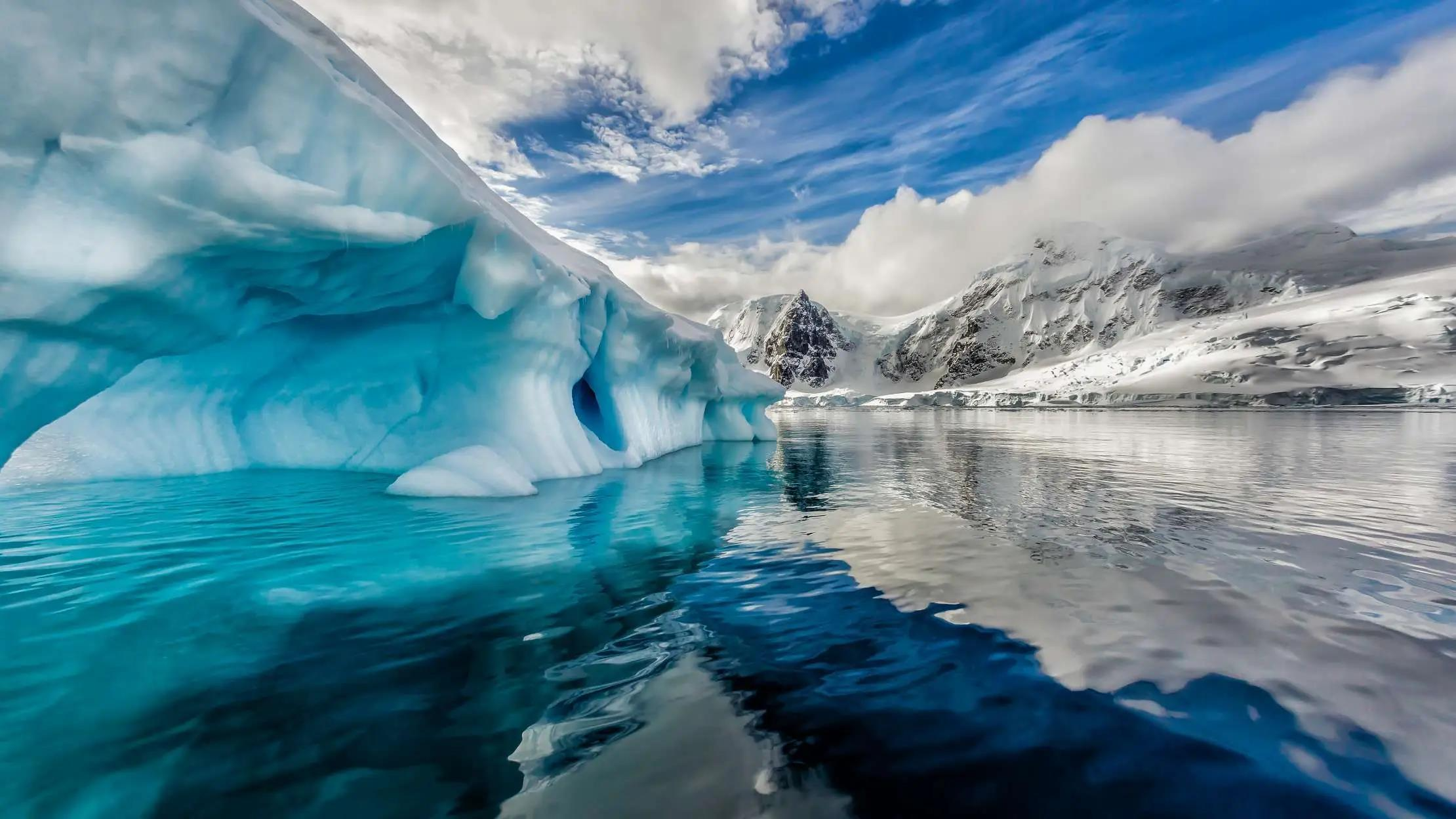
Secondly, Antarctica has the richest freshwater resources in the world.
As we all know, freshwater is an essential resource for humankind. However, the largest freshwater reserves are not located in places where humans have long-term habitation, but rather the majority of freshwater is stored under the Antarctic ice sheet, covering an area of more than 14 million square kilometers, which contains approximately 72% of the world's usable freshwater.
First, Mount Everest is not the highest peak in the world.
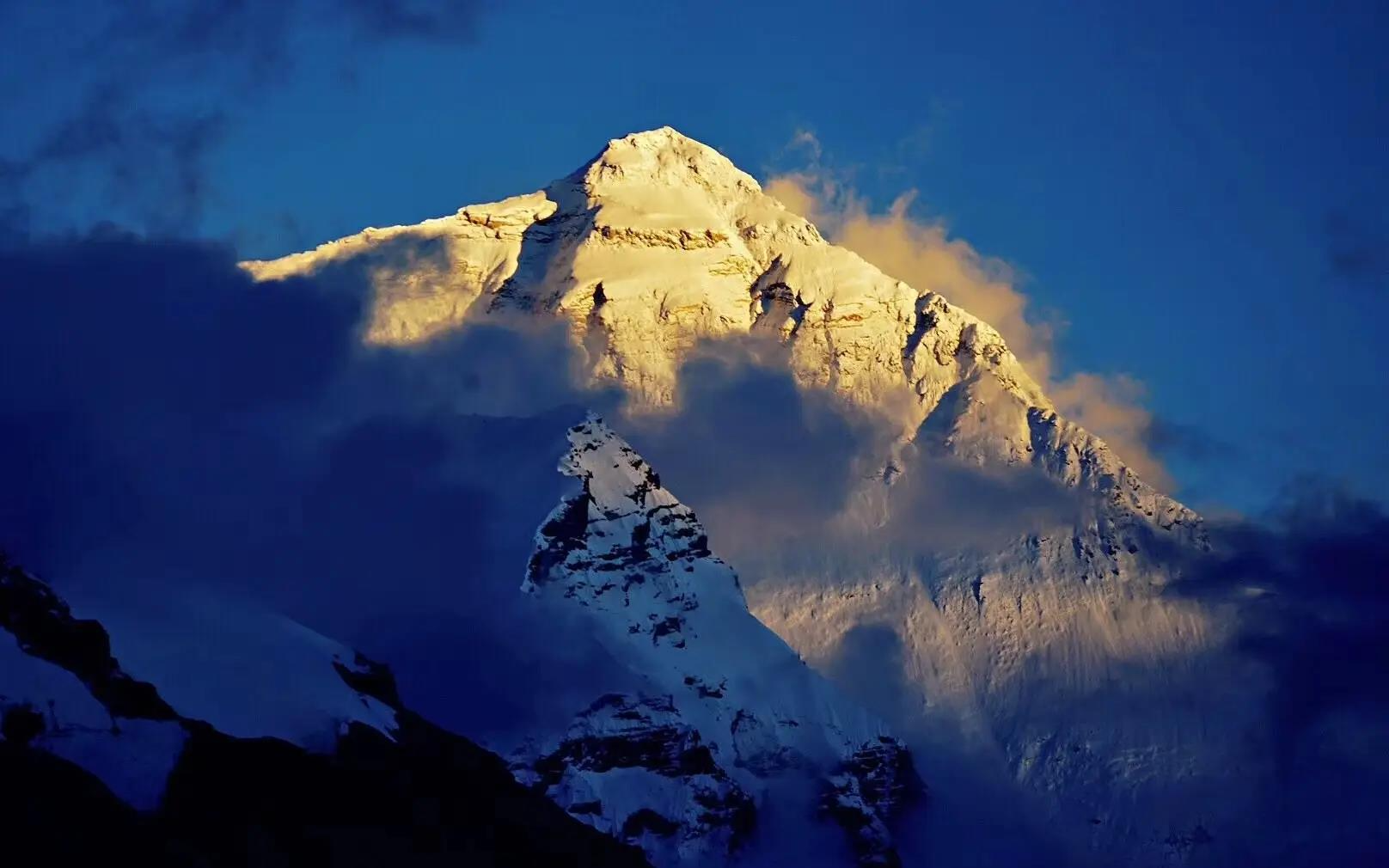
If we compare height by the distance from the summit to the base, Mount Everest is not the world's highest peak. Although many people associate Mount Everest with the world's highest peak, it is actually not the highest mountain in the world from its base to its summit. The highest peak is Mauna Kea, located in the Hawaiian Islands. A large portion of Mauna Kea is submerged by seawater. Experts have measured the height difference between its summit and its base at the seabed to be 10,203 meters, making it the highest mountain in the world from its base to its summit.
What other little-known geographical facts do you know?