Surface treatment and maintenance of rosewood furniture
As we all know, most solid wood furniture undergoes surface treatment before use to protect it. Today, we'll introduce several traditional and environmentally friendly surface treatment and maintenance materials for solid wood furniture.

The Forbidden City—A Model of Solid Wood Palaces
Southern lacquer and northern wax
It has strong adhesion to furniture surfaces, a hard film, and good gloss. Traditional wisdom describes it as "good lacquer is like clear oil, bright and dazzling, revealing tiger stripes when shaken, and like a fishing hook when lifted," meaning good raw lacquer has a cool, fragrant aroma, and after color change, it is as bright as a mirror, with distinct shades when shaken. However, it is not resistant to strong alkalis or strong oxidizing agents, and it must dry to form a film under conditions of 20℃-40℃ and relative humidity above 75%.
Similar to the varnishing process, the waxing of rosewood furniture also places high demands on the materials used. It must be natural, pure beeswax, secreted by the wax glands of bees. The palmitic acid myrrhizate (approximately 80%, the main component of beeswax) in beeswax has a binding effect on the wood fibers, while the aromatic, coloring substances ceramide and volatile oils have a preservative effect on the wood. Paraffin wax and beeswax-paraffin mixtures must never be used, as paraffin wax is mainly composed of carbohydrates, which oxidize and decompose into water and carbon when exposed to air for a long time, causing its surface color to gradually darken.
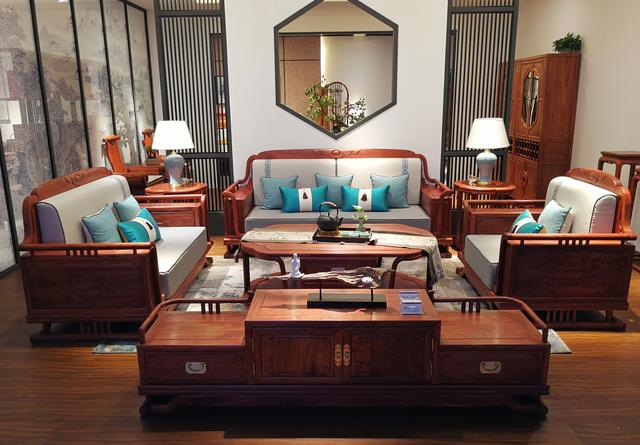
mahogany furniture
Due to the different climates between the north and south, the final step in the surface treatment of rosewood furniture differs between the north and south in terms of the type of wax used. Both are the final protective layer for the wood, and whether it's lacquer or wax, both require sanding the already sanded wood again along the grain before application. Furthermore, there's a unique requirement: "lacquer must be raw lacquer, and wax must be beeswax." Besides meticulously completing each finishing step, it also requires time to allow the rosewood to be adorned with a final, warm, and soft "garment" like jade.
1. Large lacquer
The Compendium of Materia Medica records: "When testing lacquer, only the thinnest kind can be dipped in something and lifted; if it is fine and unbroken, and then quickly retracts after breaking." Lacquer, also known as raw lacquer, is the milky-white liquid naturally secreted by the lacquer tree, which forms a black film after being exposed to sunlight. Lacquer can be produced from lacquer trees that are eight years old or older, and the lacquer harvested during the hottest days of summer is of the best quality.
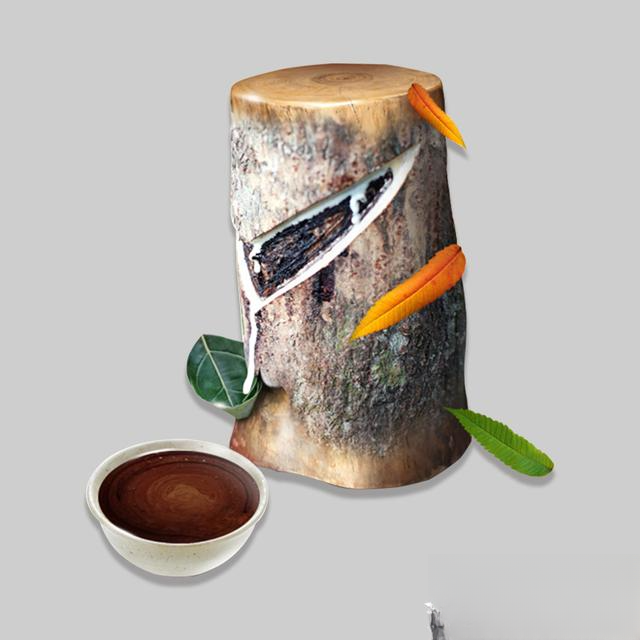
lacquer/raw lacquer
II. Beeswax
The *Bielu* states: White wax grows in the valleys of Wudu, nestled among trees and rocks in secluded rooms. Beeswax was anciently known as Huangzhan or honey wax. Beeswax is made by boiling, filtering, and cooling honeycomb. Traditional furniture finishing methods say "southern lacquer, northern wax," as beeswax best preserves the natural beauty of wood.
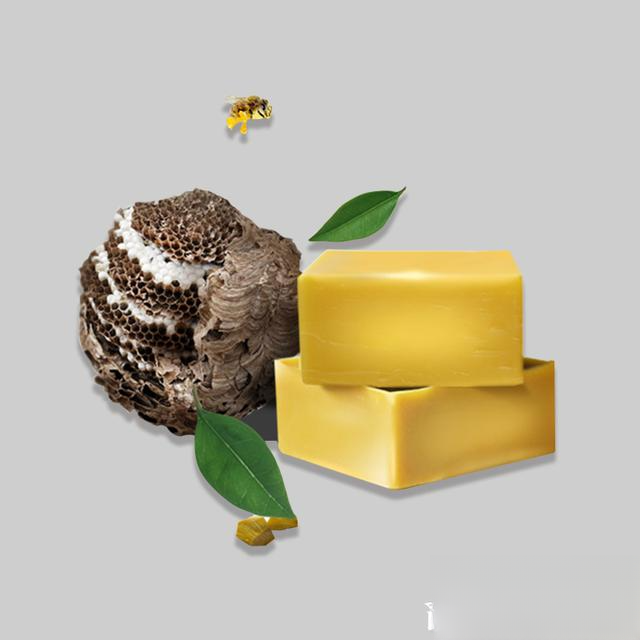
beeswax
III. Walnut Oil
It is a drying oil and is best used in early spring and early autumn. In ancient times, to maintain woodenware, one would wrap walnut kernel fragments in a cloth and wipe the surface to protect the wood's color.
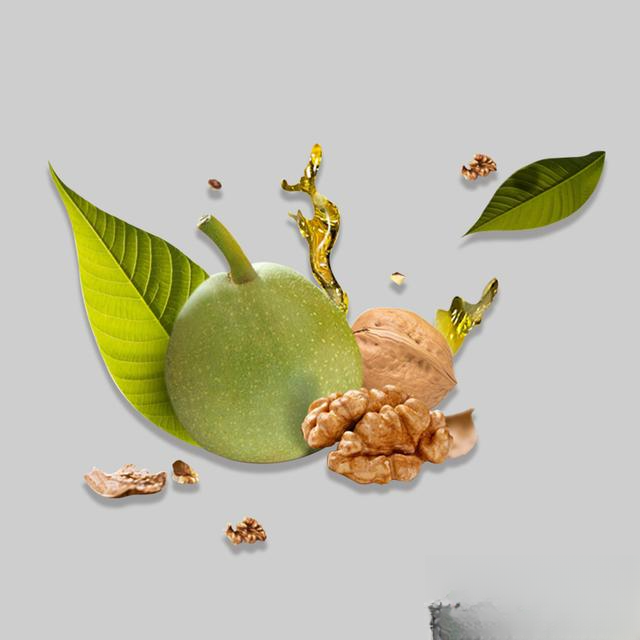
Walnut oil
IV. Tung Oil
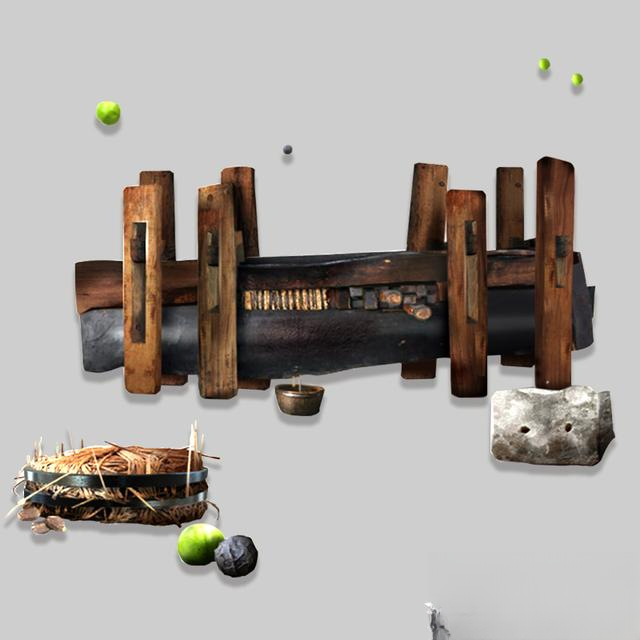
The Compendium of Materia Medica states: Tung oil is sweet and slightly pungent, cold in nature, and highly toxic. There are two types of tung oil: raw and refined. Raw tung oil is obtained by pressing tung seeds; it is pale yellow in appearance and commonly used in pharmaceuticals and chemicals. Refined tung oil is obtained by high-temperature processing of raw tung oil. A mixture of raw and refined tung oils exhibits good stability and is suitable for use as a wood coating. Tung oil is abundant in Yunnan and Sichuan provinces.
Tung oil