Super detailed handdrawn illustrations of flower pruning methods – you'll learn it in no time!
1. [Pinching/Removing the Top]
Function: Turns into a flower ball
Suitable for: petunias, geraniums, baby's breath...
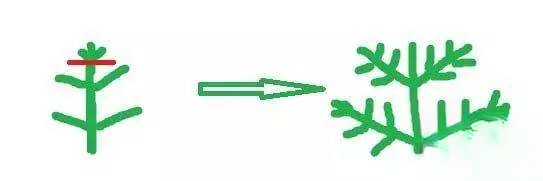
2. Remove the basal buds.
Function: Turns into a lollipop shape
Suitable for: tree roses, crape myrtle, Chinese juniper...
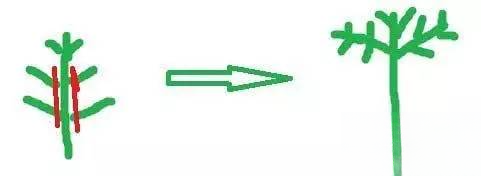
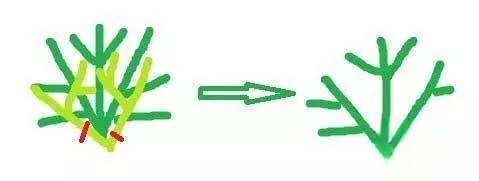
3. [Pruning]
Functions: Promotes ventilation, concentrates nutrients, and results in a more attractive shape.
Suitable for: diseased or weak branches, overly vigorous branches, overly dense branches, any branches you don't like.
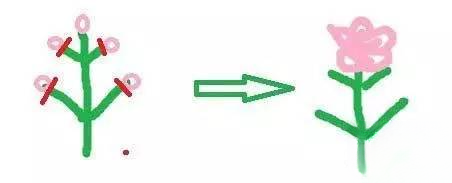
4. [Sparse buds]
Function: Removes side buds and weak buds, allowing nutrients to be concentrated for larger blooms.
Suitable for: Peony, specimen chrysanthemum...
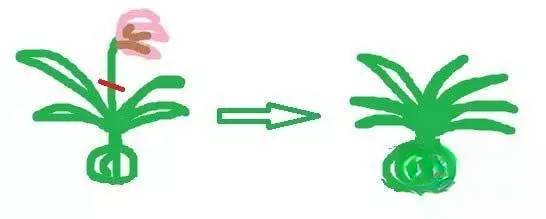
5. [Prune withered flowers]
Benefits: Promotes faster re-flowering, encourages larger bulbs, and keeps the plant neat and tidy.
Suitable for: All flowers for which you do not need to save seeds
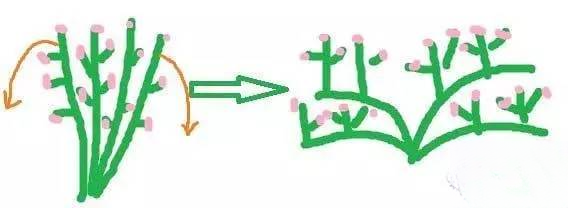
6. [Bridging]
Function: To suppress the main branches, promote the growth of lateral buds, and increase the number of flowers.
Suitable for: Climbing roses, clematis...
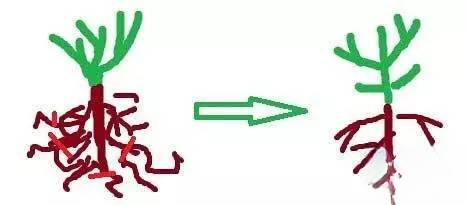
7. [Curing the roots]
Function: To suppress the main branches, promote the growth of lateral buds, and increase the number of flowers.
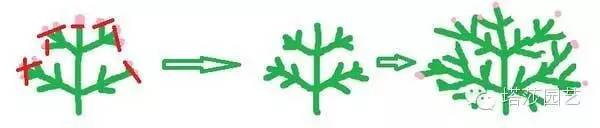
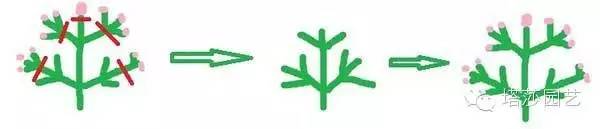
1. [Lightly cut]
Cut off 1-3 nodes for general post-flowering pruning.
2. [Medium Cut]
Cut off 1/3 to 1/2 of the length, shorten the plant to its original shape after flowering, and perform general pruning during the autumn and winter dormancy period.
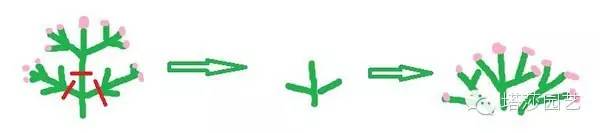
3. [Re-cut]
Cut off 2/3 to 3/4 of the plant, or even all of the above-ground portion if necessary. This is used for rejuvenation, promoting new shoots, and shaping the plant. It is generally done during the autumn and winter dormancy period.
Before pruning, use a search engine to make sure your plants can be pruned... For example, if you prune the top of a lily, you'll regret it ╮(╯▽╰)╭
