Summer pruning, fertilization, and pest and disease control strategies for roses, including keeping spider mites and black spot disease at bay.
It's now the hottest time of summer, with extremely high temperatures and intense sunlight. Most of the roses we're cultivating are almost finished blooming, and the spring flowers are nearly gone. At this time, it's crucial to take timely measures, such as removing the spent blooms and supplementing the fertilizer.

Today, I'll mainly share some post-flowering pruning techniques for roses, as well as summer pest and disease control, and water and fertilizer management to promote better blooming next time.
I. Post-flowering pruning techniques for roses
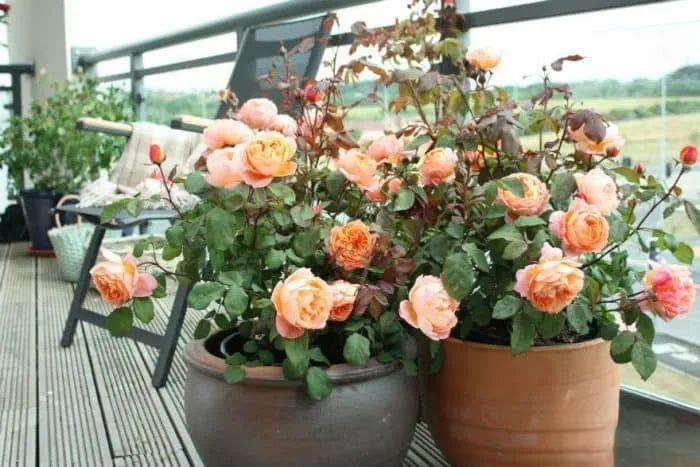
The rosebuds have already faded, so it's important to prune them promptly. This is to prevent nutrient depletion and the breeding of pests and diseases. Additionally, if the roses are grown outdoors, they may produce seeds, which will consume a lot of nutrients, making it difficult for them to bloom again.
It is crucial to prune roses in time when the temperature is not too high, as the flowers that bloom in late spring are not suitable for pruning. When the temperature is particularly high (above 35 degrees Celsius), or when the weather is hot or humid, it is not advisable to prune roses.
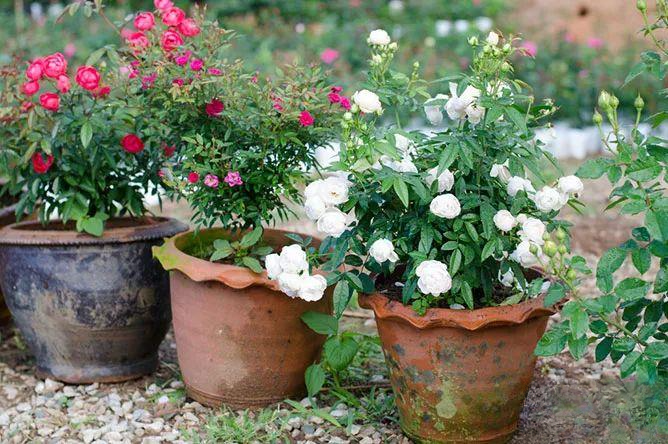
In summer, pruning faded rosebuds helps promote better blooming in the next season . However, pruning in summer shouldn't be as harsh as in winter; generally, prune just two leaves below the flower, specifically below the second leaf down from the bloom.
Summer pruning of roses basically involves removing all spent blooms. The pruning point is above the third leaf, making a clean, flat cut. After removing all spent blooms, prune away any weak, thin, or overgrown branches at the base of the plant.
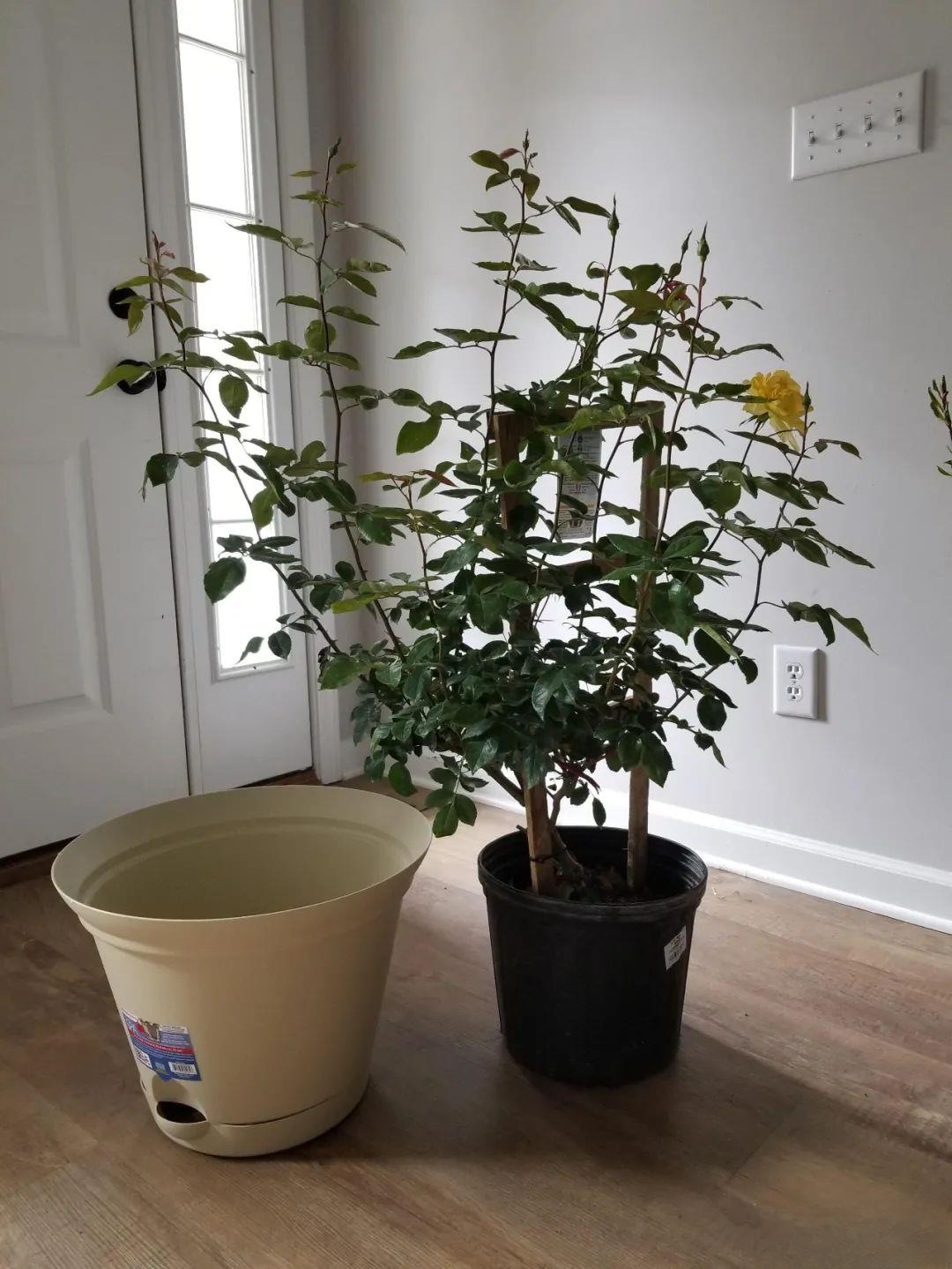
In addition, some overly dense branches and leaves inside the plant should be removed appropriately. Blind shoots, which are branches that only grow leaves and do not produce branches or flowers, should also be pruned promptly . To achieve good pruning results and ensure good ventilation and light penetration at the base of the plant, some leaves at the bottom should also be removed. This allows for better air circulation at the base, reducing the likelihood of pests and diseases.
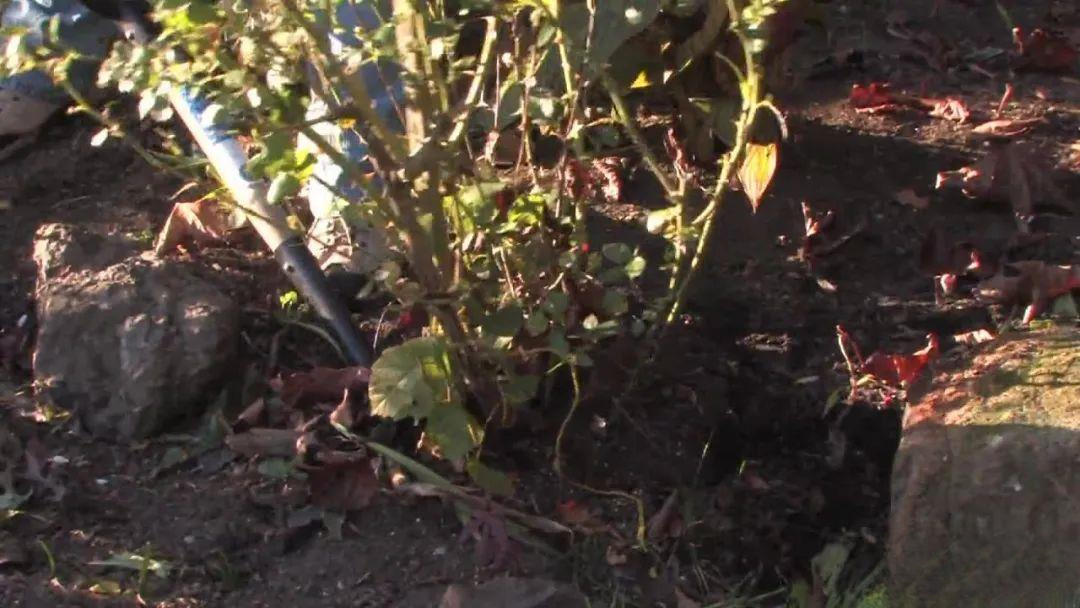
When some people grow potted or ground-planted roses, there are too many branches, leaves, or blind shoots at the bottom. These should be removed in time. Too many leaves and branches at the bottom can easily cause some germs and insects in the soil to splash onto the leaves, making it easier for diseases and pests to grow, including spider mites, black spot, and powdery mildew. This is a point that many people overlook.
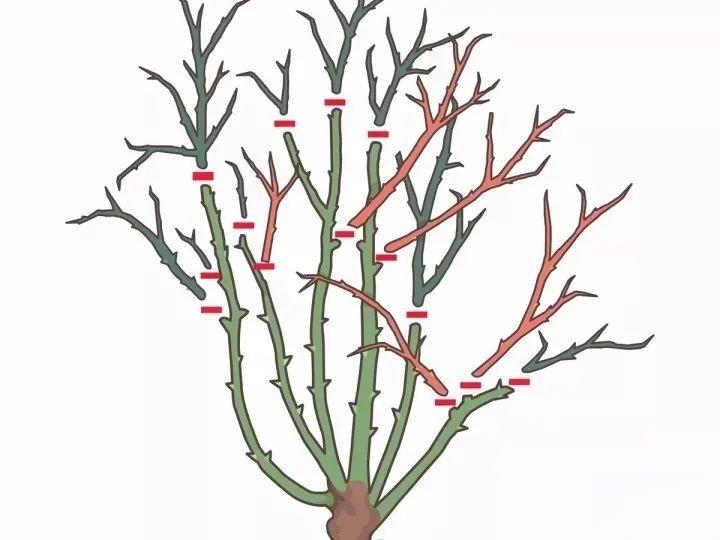
If the base of the rose plant has poor ventilation and light penetration, or if there are too many blind branches or small offshoots at the base, it will affect the growth of the rose. This is not only to avoid the breeding of pests and diseases, but also to ensure that the rose plant grows more evenly and vigorously, with stronger resistance to pests and diseases, making later maintenance easier. It is also key to promoting the growth of more roses, especially in areas with more rain in summer. If this step is not done well, roses grown at home are particularly prone to problems.
II. Pest and Disease Prevention
In summer, roses are most susceptible to spider mites, powdery mildew, and black spot. When there is a lot of rain, if a rose is infected with black spot, unsightly black spots will appear on the leaves, causing the leaves to fall off continuously. It can even make the entire plant bare. This disease is very difficult to cure and will only make the rose plant grow weaker and weaker, making it difficult to save it later.
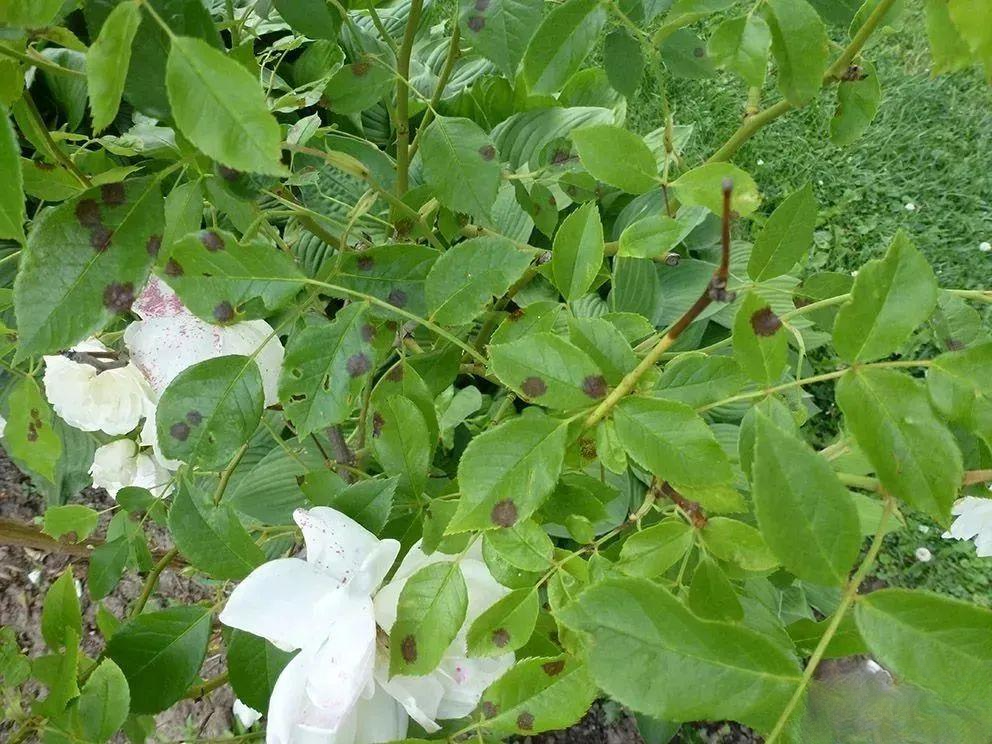
The above is black spot disease.
Some roses grown on balconies are particularly susceptible to spider mite infestation, and small spider webs may even appear all over the plant. These roses will grow very weak and thin, and although they may occasionally produce one or two small flowers, they will basically stop blooming later on, and the whole plant will look very unsightly.
Therefore, when caring for roses, you must prepare some insecticides in advance, such as insecticides for dealing with spider mites, including Acaricide and Golden Mist , which are specifically designed to deal with spider mites ; Imidacloprid (to deal with aphids and thrips); Bizhi (to eliminate scale insects); and Bacillus thuringiensis (to eliminate caterpillars and stem sawflies) .
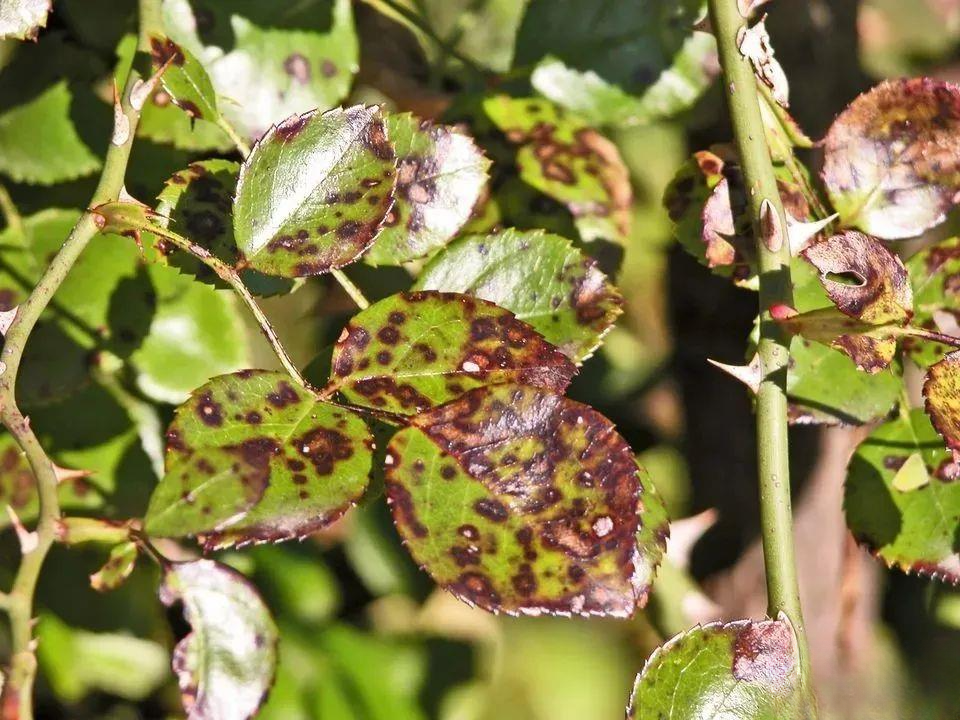
The above is black spot disease on roses.
In addition, you should also prepare some commonly used fungicides, such as agents used to prevent the growth of fungal diseases, including azoxystrobin, triadimefon (to eliminate powdery mildew), thiophanate-methyl, chlorothalonil, mancozeb, and the upgraded version of carbendazim.
These insecticides and fungicides must be used in advance, not after they are already infected with pests or diseases. If you don't take preventative measures and spray fungicides or insecticides after they are infected, the effect will definitely be halved.
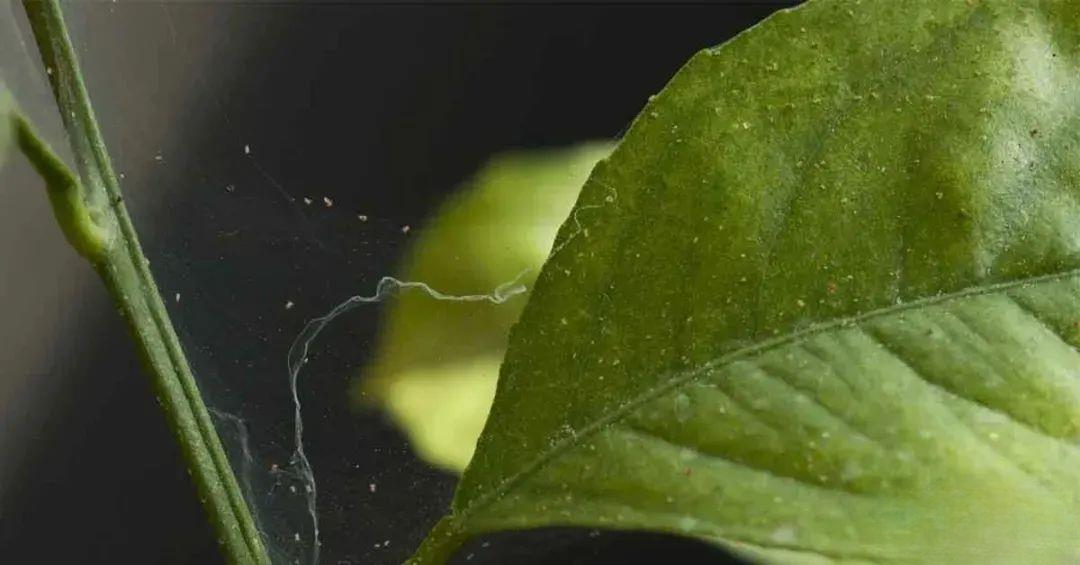
The image above is a red spider.
Preventative measures are very simple. For example, you can use a fungicide like Jinmanzhi to spray the rose plant and soil directly, and then water the potted soil once. Of course, you must pay attention to using the appropriate dosage and not use too high a concentration. The spraying frequency is generally once every one or two weeks.
When growing roses, special attention should be paid to preventing the growth of black spot disease. It is essential to spray in advance during the rainy season. Roses also need to be protected in advance. Regularly check the weather forecast and spray some fungicide in advance when the rainy season is about to arrive.
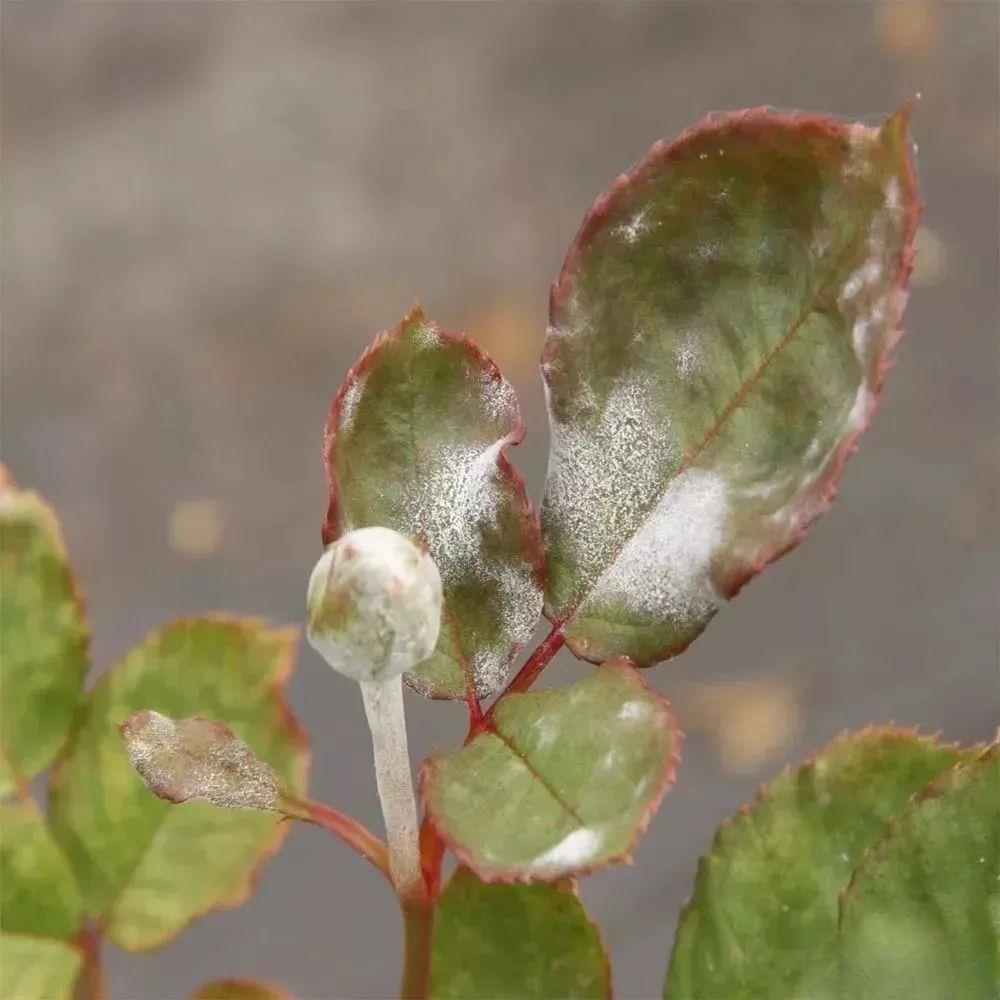
The above is powdery mildew.
If you only have carbendazim at home, its effect on disease prevention will be very poor. It is recommended to use some more effective fungicides. Carbendazim is relatively ineffective. You can use common fungicides such as Topco, Green Queen, and Kinda , which are all relatively good fungicides.
3. Apply fertilizer after flowering
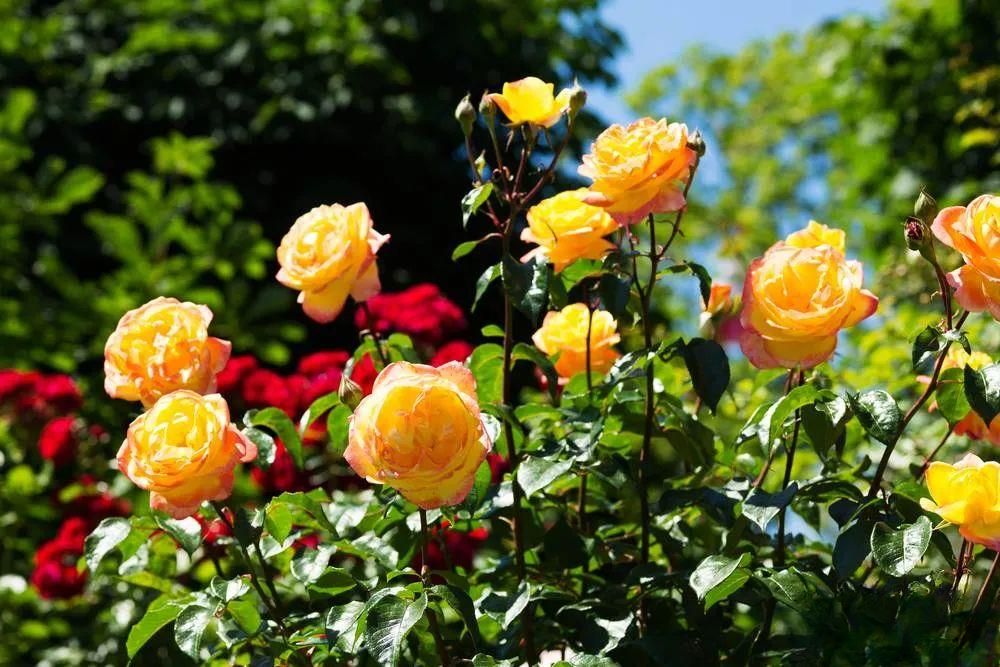
After the rose's flowers have faded, it's essential to replenish its fertilizer promptly. Flowering depletes a significant amount of nutrients, and the plant's nutrient reserves are depleted very quickly. Therefore, it's crucial to provide it with fast-acting fertilizers, such as common water-soluble fertilizers like Flower More No. 1. Generally, spray it once a week. After two or three consecutive applications, you can start supplementing it with phosphorus and potassium fertilizers, at which point it will begin to develop flower buds.
Once you notice that some of the newly grown branches of your rose bush are starting to grow longer, you can start supplementing them with some phosphorus and potassium fertilizer. Generally, you can use Flower More No. 2 or potassium dihydrogen phosphate solution. These promote the formation of flower buds, which can make the flowers bloom more vigorously and ensure that the flowers continue to bloom, thus avoiding the situation of "bud drop".

If summer temperatures have risen above 37 degrees Celsius, you should stop fertilizing. Roses enter a state of growth stagnation when temperatures are too high, and fertilizing them at this time will definitely cause fertilizer burn. Roses also need a proper rest during periods of excessive heat. Once the temperature drops below 33 degrees Celsius, you can resume fertilizing.
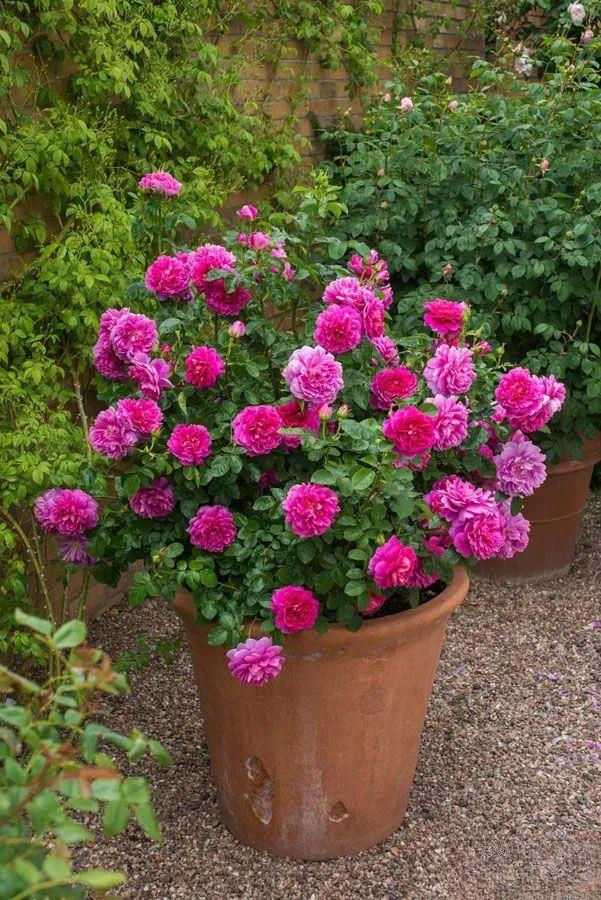
Summarize:
The most crucial factor in growing roses is the environment. No matter how you care for them, a poor environment won't help, especially in enclosed spaces like balconies or windowsills. Good ventilation and ample sunlight are essential for rose cultivation. If these two points are addressed, along with proper fertilization and watering, and occasional pruning, your roses will bloom more profusely.