Summer Home Care: Methods for Maintaining Glass in Hot Weather
Summer Home Care: Methods for Maintaining Glass in Hot Weather
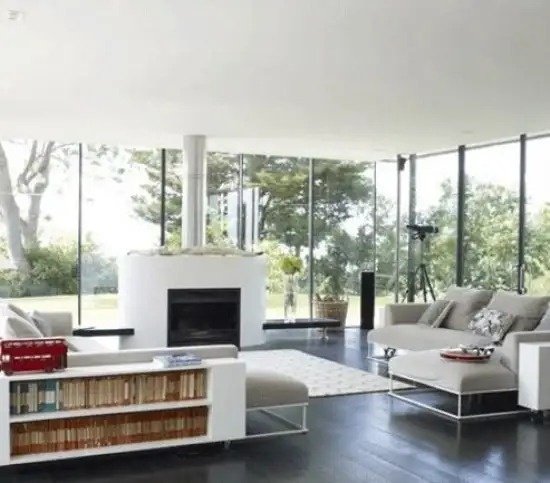
1. Glass furniture is best placed in a relatively fixed location and should not be moved around casually. Objects should be placed stably, and heavy objects should be placed at the bottom of the glass furniture to prevent it from tipping over due to instability. Additionally, it should be kept away from moisture, stoves, and acidic or alkaline chemicals to prevent corrosion and deterioration.
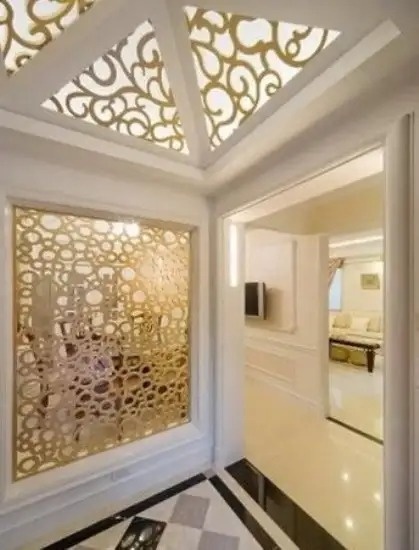
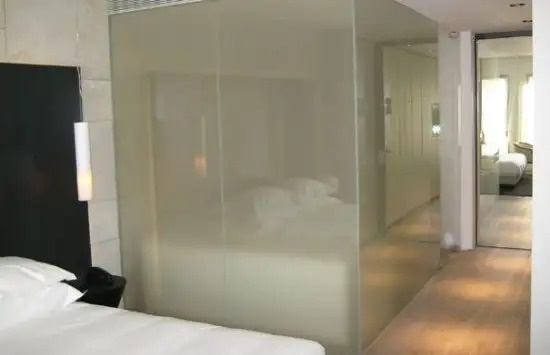
2. If patterned frosted glass gets dirty, you can use a toothbrush dipped in detergent to scrub in circular motions along the pattern to remove the dirt. Alternatively, you can drip some kerosene on the glass or apply a mixture of chalk dust and plaster powder with water to the glass, let it dry, and then wipe it with a clean cloth or cotton. This will make the glass clean and bright.
3. Avoid hitting the glass surface forcefully. To prevent scratches, it's best to cover it with a tablecloth. When placing items on glass furniture, handle them gently and avoid collisions. 4. For daily cleaning, simply wipe with a damp towel or newspaper. For stains, use a towel dampened with beer or warm vinegar. Alternatively, you can use commercially available glass cleaners. Avoid using strong acidic or alkaline solutions. In winter, frost easily forms on the glass surface; wiping with a cloth dampened with concentrated salt water or white wine is very effective. 5. First, spray the glass thoroughly with cleaner, then cover it with plastic wrap to soften the solidified grease. After ten minutes, remove the plastic wrap and wipe it with a damp cloth. Related reading: Clean and tidy for easy move-in: How to handle post-construction cleaning of a new house;
In the sweltering summer heat, the outdoor sun beats down relentlessly. Many top-floor residents might feel a little better if they have existing insulation, but it's not enough; without it, the entire room feels like a giant oven, causing considerable discomfort. However, we can use some simple interior design and decoration techniques to create a cooler environment. This article introduces some summer interior design tips.
In terms of building structure, under the scorching sun, the surface temperature of the roof of the top floor can generally reach over 65℃, which is not as good as the insulation effect of the middle floors. Due to direct sunlight all day long, the temperature of the west-facing rooms is 1℃ to 2℃ higher than that of the east-facing rooms. In addition, the exterior walls are not thick enough and the insulation materials have poor thermal insulation properties, which will make the top floor rooms even more stuffy.
Building on this, a little clever embellishment can also add a touch of coolness to summer. For example, installing a sunshade and rainproof awning outside the window can block direct sunlight and reduce indoor radiant heat by about 75%. This type of awning can be retracted when not in use, without affecting the room's lighting or increasing the load on the walls, making it a very effective method of heat prevention.
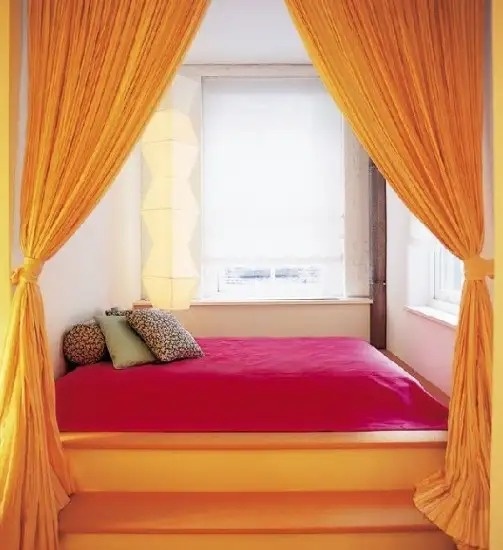
Indoors, bamboo blinds, sheer blinds, and Venetian blinds can also provide shade. Among these, bamboo blinds and Venetian blinds are the most effective, reducing radiant heat by about 35%. You can also plant flowers and trees on the rooftop, which reduces sun exposure and beautifies the environment; or plant some potted plants with broad leaves or climbing vines on your balcony, creating a vibrant "natural bar" for you and your family while blocking sunlight. You can also keep a goldfish tank or place a bonsai with a flowing water feature indoors, which can effectively lower the room temperature and beautify the home environment.
For homeowners who have already moved in, consider some design tweaks: install black shade netting on the rooftop; create good ventilation to avoid drafts, as rooms with cross breezes will be cooler; install double-glazed or vacuum-sealed windows for better insulation; choose light or cool colors for the rooms; and partially use floor tiles instead of covering the entire floor with wood flooring. It's important to note that you should avoid damaging the exterior insulation walls during renovation, as this will affect the wall's insulation properties. |