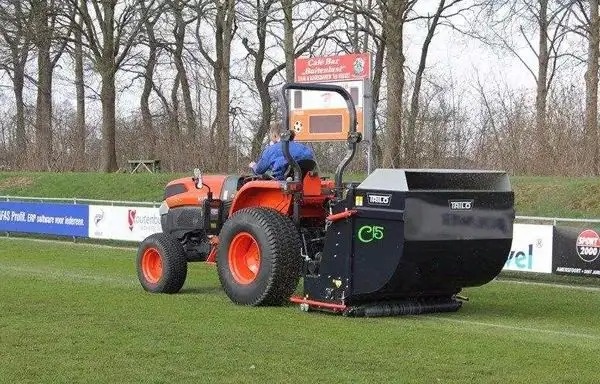
Spring pruning will promote better growth of seedlings.
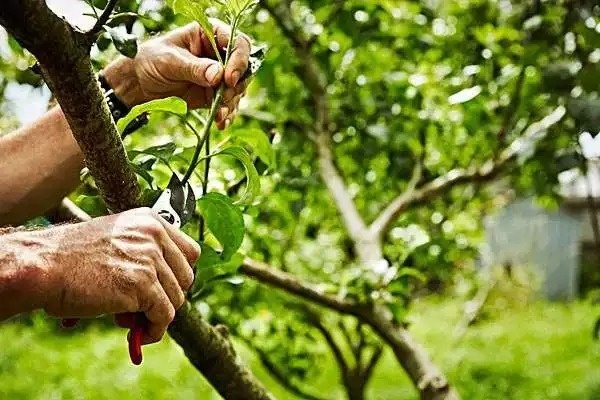
1. Pruning of deciduous trees
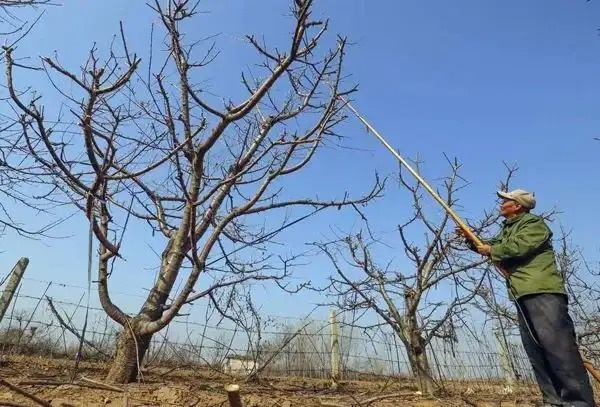
The upper, centrally located branch should be selected as the leader branch. Lateral branches should be retained symmetrically to prevent the tree from having an unbalanced crown. Competing branches, parallel branches, and diseased or insect-infested branches should be removed to encourage the early formation of a tall trunk and a full crown. The ratio of trunk to crown should be adjusted annually to ensure a reasonable balance. In forests of the same age and variety, the branching point height should be roughly consistent. Ginkgo pruning should only involve thinning, not shortening. Whorled branches can be removed in stages.
2. Pruning of evergreen trees
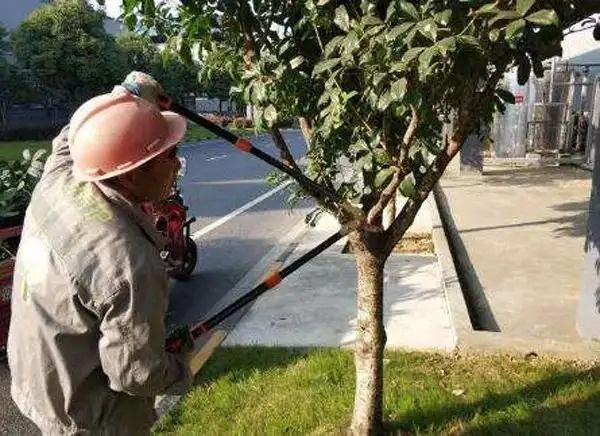
The best time to prune evergreen trees is in late spring, just before they begin to sprout. When shaping and pruning evergreen trees, their natural shape should be maintained, with main branches arranged in layers along the trunk. For solitary evergreen trees, the lower branches of the crown should be retained, allowing them to lie naturally close together; weak branches can be removed from the base of the trunk. Excess branches between layers can be thinned out in stages. When the main extension branch of any evergreen tree weakens or breaks, a vigorous adjacent lateral branch should be selected and straightened to replace the original main extension branch. The lower lateral buds should be removed, and upright branches should sprout to replace it, preventing the formation of multiple heads.
3. Pruning of solitary ornamental trees
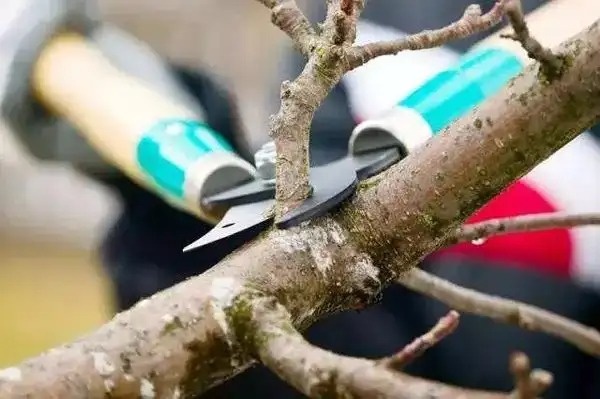
For mature trees, such as deciduous and coniferous trees, heavy pruning is not recommended. Instead, the tree vigor can be adjusted according to its existing shape and ecological characteristics, primarily through thinning and shortening to achieve the best balance. For evergreen broad-leaved trees, diseased, insect-infested, and overly dense or crossing branches should be removed first.
4. Pruning of flowering shrubs
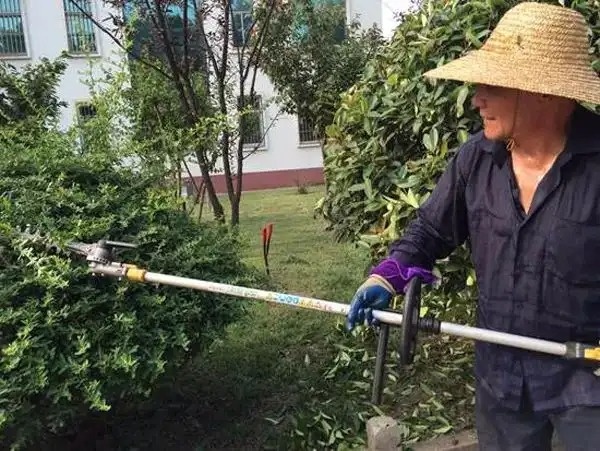
For shrubs that flower in the current year, remove crossing branches, drooping branches, diseased and insect-infested branches, inner branches, and dead branches. Also, shorten some longer flowering branches. Two-year-old branches that affect the tree shape or are not intended to be flowering branches should also be removed to ensure that the large, bushy branches grow evenly and that the plant maintains a naturally full, round shape with the inner side higher than the outer side. For shrubs that have been planted for a long time, if there are too many old branches in the shrub, the old branches should be removed in batches in a planned manner to cultivate new branches. Shrubs that flower in early spring should be pruned promptly after flowering.
5. Spring pruning of hedges
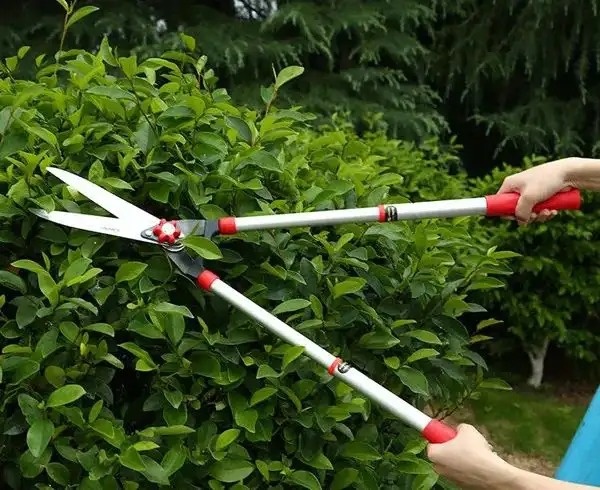
Light pruning is necessary. When new leaves grow to 5 to 10 centimeters, perform horizontal and vertical pruning and shaping. When pruning surface branches and leaves, ensure that the hedge surface (top and sides) is flat, the pruning height is consistent, and the hedge surface and four walls are flat with sharp edges. Prune in a timely manner to ensure a full hedge shape.
6. Lawn mowing