Spring pruning tutorial for roses. Prune immediately in these 5 situations for more blooms, stronger plants, and larger flowers.
■ Hello everyone, I'm Mumu. In the past two days, many flower enthusiasts have been asking me how to prune roses in the spring. In fact, roses hardly need pruning in the spring, provided that they were properly pruned last winter.
However, considering that many rose enthusiasts did not prune their roses properly in winter, and although drastic pruning is not necessary in spring, some light pruning is still required. Below, Mumu will tell you about several situations where you need to use pruning shears in spring.

1. Make up for winter pruning in early spring
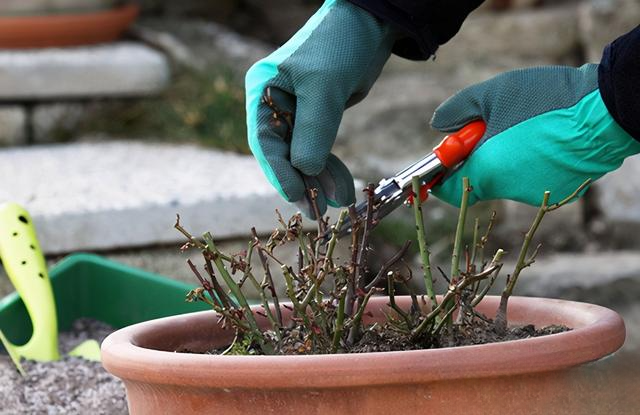
Roses generally require no pruning from the time they sprout in early spring until their flowering season. However, if you didn't prune them in the previous winter, you must remember to remedy the situation when they first sprout in early spring. Otherwise, although the plant may appear vibrant and produce numerous new buds, the branches will be too thin, weak, and numerous. These new buds will only consume a large amount of the plant's nutrients, resulting in weak growth, thin branches, small and few flowers in the new year. Therefore, if you forgot to prune in winter, it's not too late to make amends. Here are two pruning methods.
1: Recut
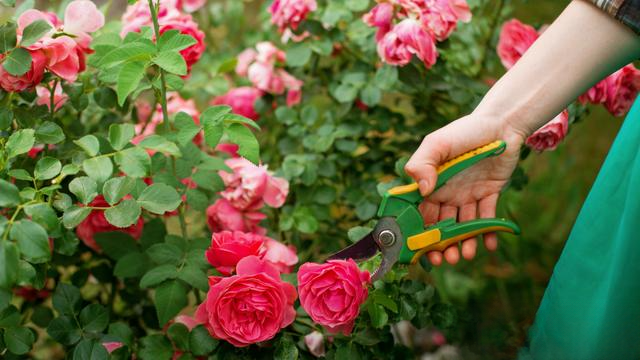
Except for the Guangdong and Guangxi regions, most rose bushes are still in the early stages of budding and leaf unfolding, so if you want to prune heavily, it's not too late. Although the risks of heavy pruning increase and the pruning cannot be as extensive as in winter, it's never too late to mend the fence after the sheep have escaped, and it can still make up for the shortcomings of winter pruning.
PS: Specific methods
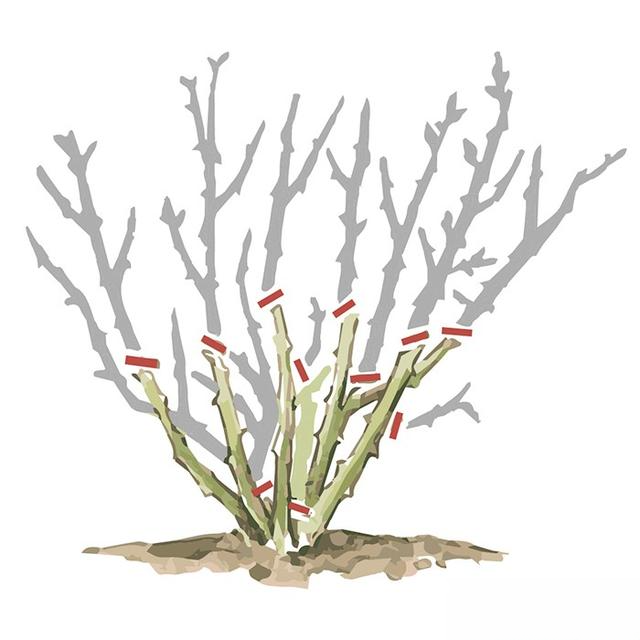
The plant is still significantly shortened, but unlike winter pruning, the remaining branches must have 2 to 3 pairs of newly sprouted buds. Buds that have not yet sprouted are not very vigorous. If we cut off all the new buds, the plant will need a long period of adjustment to encourage the remaining buds to sprout again, which is not good for the plant's growth.
The risk we mentioned earlier stems from this: now that temperatures are gradually rising, excessive pruning can easily cause undeveloped buds to completely die off, ultimately leading to the death of the entire plant. Retaining some new buds after pruning not only provides a double protection, allowing the new buds to continue growing, but also achieves the effect of a strong winter pruning, causing most of the nutrients to flow back and accumulate within the plant, resulting in simultaneous growth and accumulation – a two-pronged approach that promotes growth while ensuring safety.
2: Medium cut
In warmer regions like Guangdong and Guangxi, the plant's leaves have already opened and it is growing normally. By this time, most of the sheep have already fled, and it's too late to try to salvage the situation. The only option is to manage the remaining sheep carefully in order to achieve good growth and flowering results.
So, does that mean we can just stop pruning and give it more fertilizer to keep it healthy and prevent disease? The answer is no. Pruning is still very important. If you don't prune in winter and don't do the necessary pruning in spring, the result will be as we mentioned before: the rose plant will have lush foliage but weak branches and a poor shape, ultimately leading to small and few flowers.
PS: Specific methods
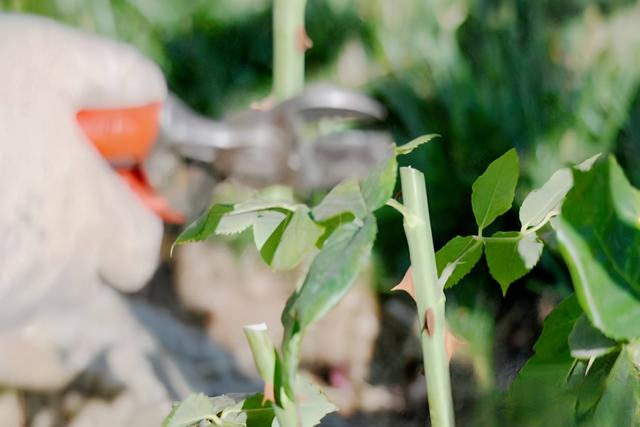
Roses in the Guangdong and Guangxi regions are currently sprouting a lot of new branches, and the overall shape of the plant is no different from usual. There are still many new buds and leaves. If we prune them more heavily at this time, there will not be much of a problem.
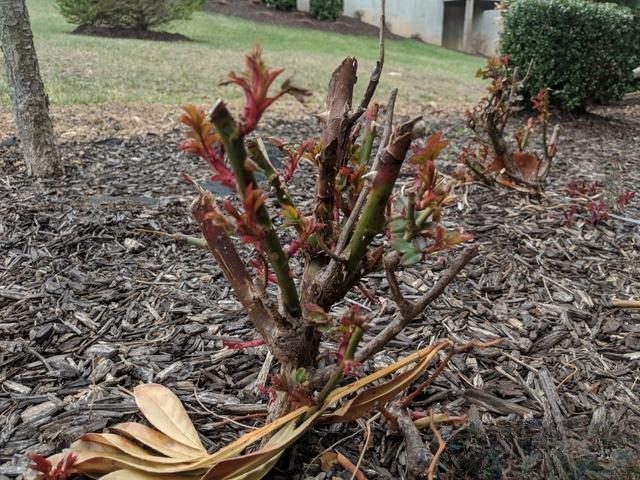
If the plant was not pruned in winter, we can cut off half of the entire plant, which is called a medium pruning. Then, we can cut off all the weak branches that are too thin or weak on the remaining plant to avoid wasting nutrients. Doing so can redistribute the nutrients in the entire plant, pruning the weak branches and promoting the growth of new, strong branches.
(Remember to spray fungicide after pruning. The half of the plant mentioned above refers to the half with new buds and leaves. The part of some old seedlings near the root buds that have not yet sprouted does not count.)
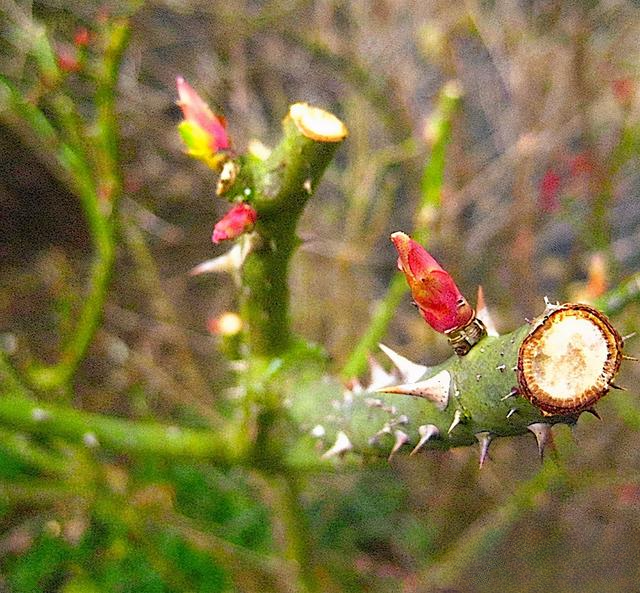
Second: Bud removal should be done with caution.
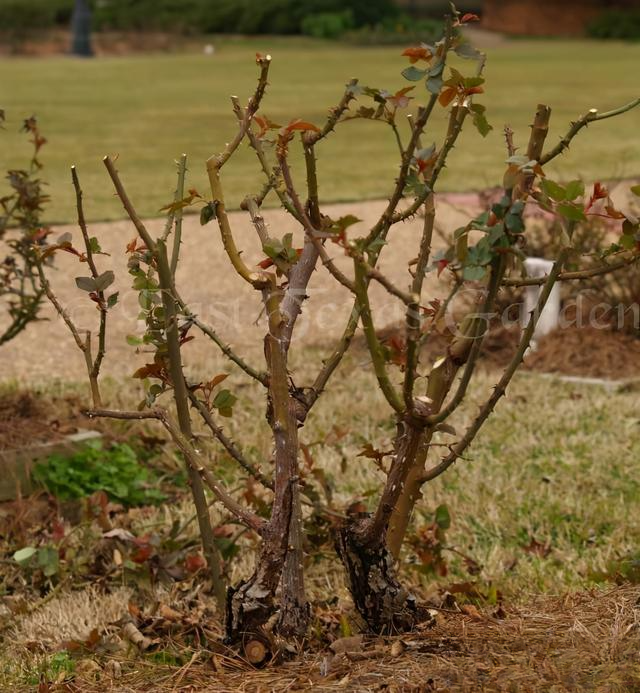
Many flower enthusiasts see too many buds sprouting on their rose bushes at the beginning of spring and ask me if they need to remove some of them. So what is this about? Let me first explain why there is such a thing as removing buds.
Based on feedback from flower enthusiasts and analysis of treatment methods, it was found that some flower enthusiasts wanted to remove buds because they were worried that too many buds would sprout at the same time in spring, resulting in too many branches and leaves later on, causing the plant to become too dense, leading to poor ventilation and increasing the chance of disease infection. At the same time, it could also prevent the leaves inside from being blocked from getting enough light and having low photosynthesis.
On the other hand, doing this can also reduce some of the buds in the early stages, avoid excessive consumption of nutrients, and concentrate nutrients on the remaining branches and leaves, making them grow stronger.
So, is bud removal necessary or even a must-do? This needs to be discussed from two perspectives, as Mumu analyzes in detail.
PS: Mumu's suggestion
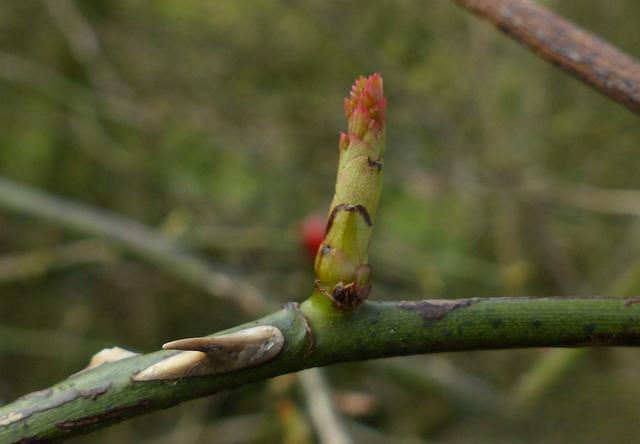
Mumu has always advised against removing buds, because most of the flower enthusiasts she encounters are beginners, and removing buds rashly can easily lead to problems for the plant. However, each case should be analyzed individually.
1: Bud-killing party
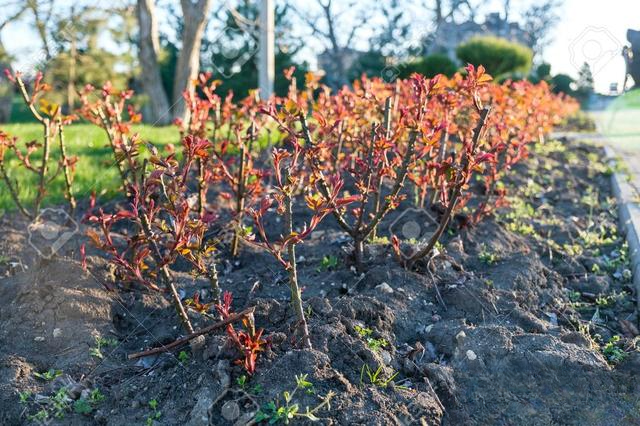
If the plant is already very robust with many branches and is in good condition, then during the rapid growth period of roses in spring, numerous buds will sprout simultaneously on the branches. After a period of growth, these dense buds will inevitably result in overly dense foliage and overlapping leaves, greatly increasing the probability of disease infection.
Therefore, at this time, we can remove some of the buds when they sprout to solve the problem for later. The method of removing buds does not need to be too strict or have any big rules. For example, if there are 3 or even 4 buds within 5 centimeters, we can remove two or three. The general principle is to reduce the density of buds and prevent the branches and leaves from becoming too dense later.
When removing buds, we can also prioritize removing buds that grow inwards, because these buds will continue to grow inwards and are more likely to become dense and overlap.
Remember this: the principle of bud removal is to reduce the density of buds, and you don't need to follow a particular rule or tutorial rigidly.
2: Do not remove buds
Conversely, if the plant has few branches and the branches are relatively weak, then any bud represents and signifies new growth and a new branch. In this case, I do not recommend removing the buds. Even if there are a few buds, I suggest that you prune some new branches after these new buds have grown for a period of time, according to the actual situation of the plant, to ensure that the branches and leaves are not too dense.
This is similar to raising poultry. If you are raising a few ducklings at home, you will definitely treat them all equally and raise them well, regardless of whether they are strong or weak. But if you are raising them in large quantities on a farm, you will definitely get rid of the sick ducklings beforehand.
Three: For diseases, first prune the leaves.
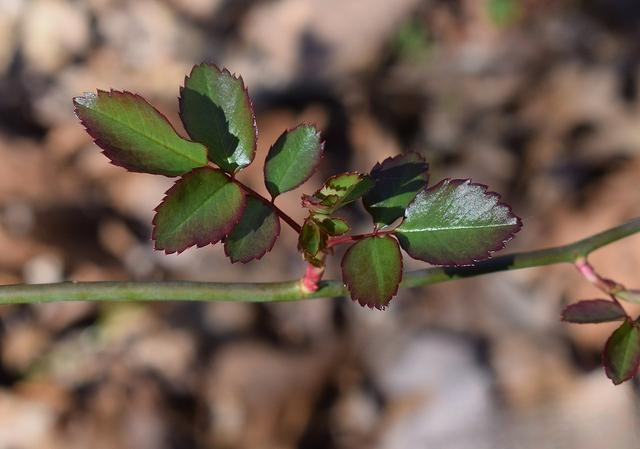
Having discussed the necessary pruning in early spring, let's now talk about what pruning is needed when roses are affected by diseases. The reason for mentioning this here is that roses are susceptible to many diseases, and spring is a peak season for rose diseases, so we need to emphasize this point.
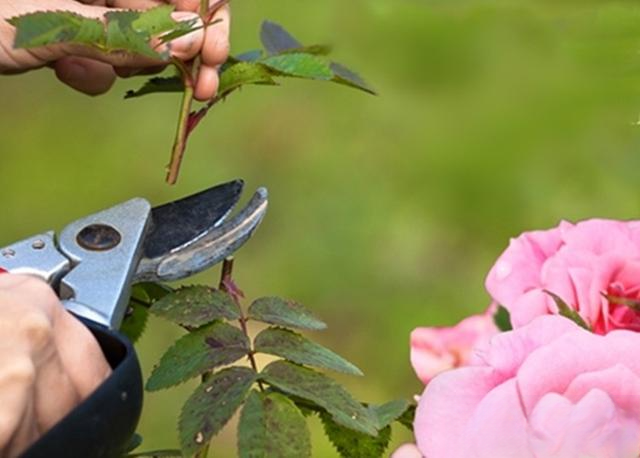
When a rose is infected with a disease, the first thing we should do is not to spray pesticides, but to cut off some of the severely infected leaves. If the plant has many leaves, all the infected leaves can be cut off to help treat the disease.
PS: To add something
When roses are infested with pests such as aphids, caterpillars, and thrips, they can be easily killed by spraying insecticides such as imidacloprid. However, if you don't want to spray pesticides so frequently, you can simply cut off the parts infested with insects. In particular, aphids and thrips almost exclusively inhabit and harm the tender shoots and buds of roses. Cutting them off not only avoids the need for pesticides but also serves as a way to top the rose, offering many benefits.
In addition, when roses are infected with fungal diseases such as powdery mildew, black spot, and downy mildew, if we spray the medicine directly, the treatment effect will be very limited because fungal diseases are slow to treat and the lesions on the infected leaves have not been removed at this time, which will prolong the entire treatment cycle.
When there are many branches and leaves, if we cut off the infected leaves before spraying the pesticide, the remaining leaves may also be infected. However, applying the pesticide at this time will definitely achieve twice the result with half the effort, and the treatment will be much simpler.
4. Routine leaf thinning to prevent disease
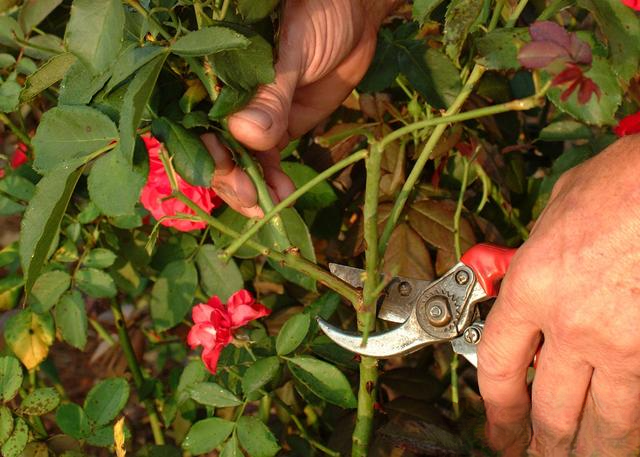
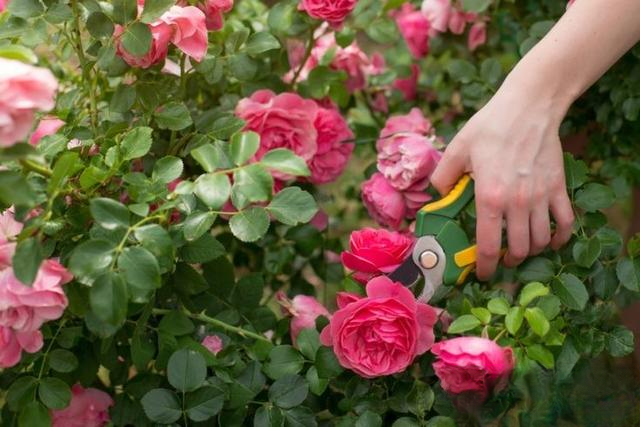
Spring is the rapid growth period for roses. At this time, the branches and leaves are dense and overlapping, which can easily cause poor ventilation in the plant and lead to disease outbreaks. If we can solve this problem in advance, we will definitely reduce the chance of disease outbreaks and greatly reduce the difficulty of disease prevention and control.
In addition to the bud removal method that Mumu mentioned before, we also prune some overly dense branches and leaves, thin out the leaves, increase ventilation inside the plant, and reduce the outbreak of diseases.
PS: Specific methods
Climbing and shrub roses don't usually have very dense foliage, but if the plant isn't pruned, there's a possibility that the leaves will overlap too much. In this case, we just need to remove some of the overlapping leaves.
In addition, miniature roses are small plants, and due to the influence of the variety itself, they have a lot of leaves that are particularly dense. We need to pay extra attention to them. Sometimes the leaves look very healthy on the outside, but if you gently peel them open, you will find that there are actually a lot of yellow leaves inside. When growing miniature roses, you need to check the inside of the plant regularly to check the health of the leaves and thin out the leaves in time to maintain the health of the plant.
5. Don't forget to prune after flowering.
Finally, let's talk about the last pruning in spring, which is the post-flowering pruning. Don't think that you can relax and ignore it after the roses have finished blooming. After all, roses are not one-time plants. Good post-flowering care can ensure that the next flowering period will come on time and that the roses will bloom with perfect and larger flowers next time.
Spring pruning after flowering not only allows nutrients to flow back and prevents newly emerging weak branches from consuming nutrients, but also encourages roses to bloom again as soon as possible, producing a second batch of flowers in spring, while also shaping a good plant shape.
PS: Specific methods
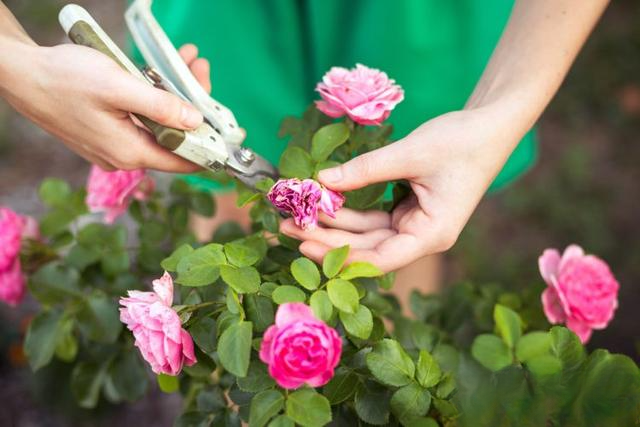
In practice, we don't need to prune each flower after it blooms. Instead, we wait until most of the flowers have withered before pruning. After the flowers have withered, we can cut off about two-thirds of the flowering branch.
After pruning, control the entire plant to a suitable height, which means cutting off any branches that grow too tall to the same height as the plant.