Spring pruning of flowers and trees: do it right!
Previously, I published an article titled: "These Pitfalls to Avoid When Planting Trees in Spring!" The article mentioned that when planting new trees in spring, it's crucial to prune them to improve their survival rate and facilitate later shaping. It also emphasized the importance of avoiding damage to trees due to improper pruning, ensuring clean and neat cuts at the base. After the article was published, some readers left comments offering different opinions:
Not all tree species should be pruned at the base. Some species, such as maple trees and magnolias, which lose water quickly, should have a 1 to 2 cm stub left. This way, when they dry and fall off, they will be level with the base. If no stub is left, the excessive sap will cause damage to the branches, and in severe cases, the tree may die.
Here, I would like to express my special thanks to the netizen named "Youhui Wuhuan" for their helpful supplement. It's clear that pruning seedlings is a complex subject, and even the most experienced nursery workers should not speak recklessly; only through continuous learning can one improve and grow. Below, using potted plants as an example, I will continue to share some practical knowledge about spring pruning of flowers and trees, hoping it will be helpful to everyone.
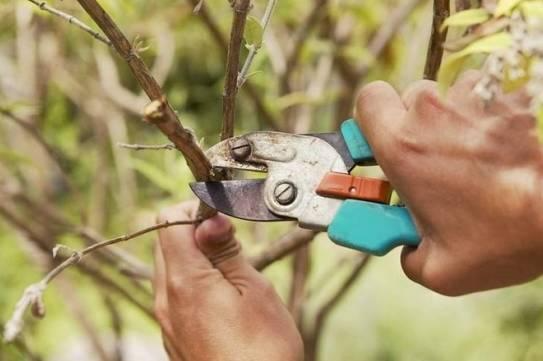
Before pruning, you need to understand your plants, including their physiological habits and flowering locations. For example, roses, pomegranates, hibiscus, and jasmine bloom on the current year's branches, and these types of flowers can be heavily pruned to encourage more branching.
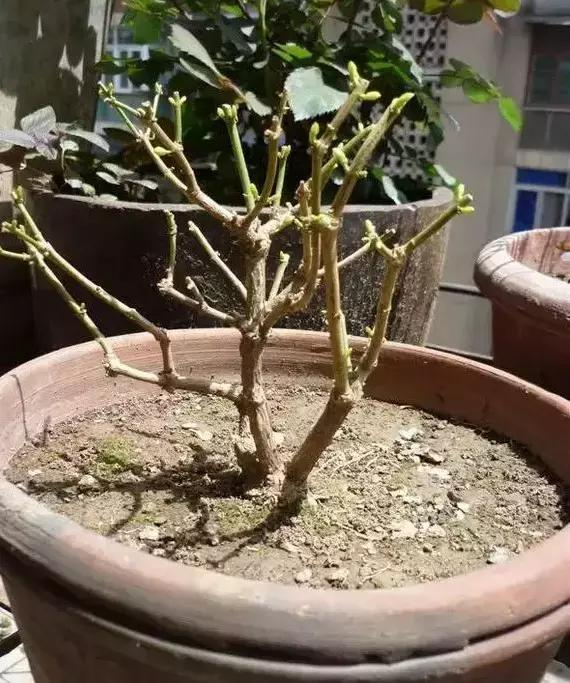
For plants that bloom on two-year-old branches, such as winter jasmine, plum blossom, azalea, and peach blossom, pruning is usually done in winter or after flowering to encourage new shoots. Pruning should not be done in early spring before budding to avoid affecting flowering.
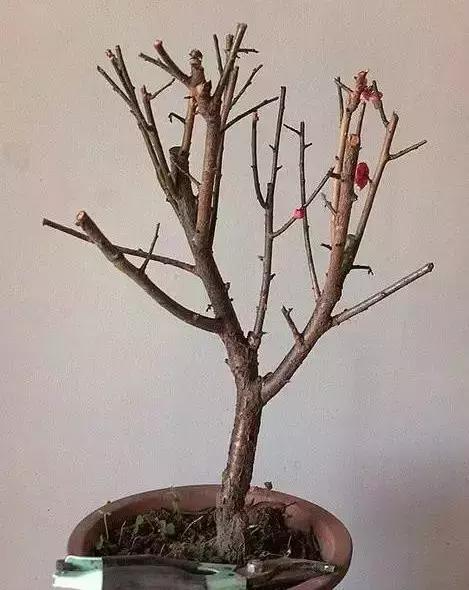
1. What are the principles of pruning?
Keep the inside, not the outside; keep the straight lines, not the horizontal lines.
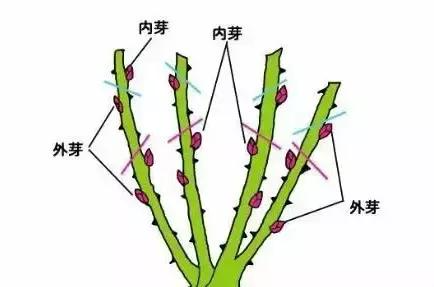
Buds pointing towards the center of the plant are called inner buds, and buds pointing outwards are called outer buds. Pruning is primarily done at the outer bud locations. Pruning at the locations marked with blue lines encourages outward growth, ensuring good ventilation and light exposure for the plant. Pruning at the locations marked with red lines encourages inward growth, which can lead to overcrowding and negatively impact ventilation and light penetration.
2. Which branches need to be pruned?
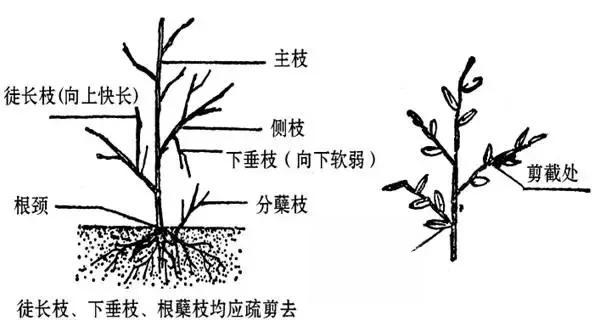
Diseased branches, dead branches, weak branches, overly vigorous branches, crossing branches, overly dense branches...
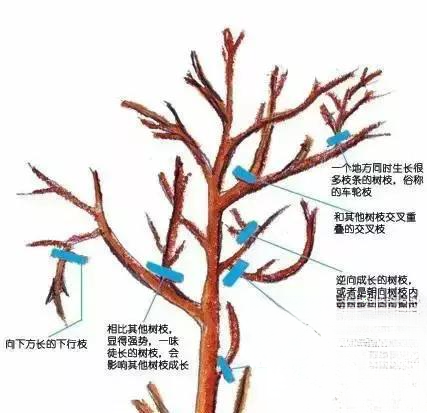
3. What are some tips for pruning?
The cut should not be too close to the bud to avoid the cut drying out or becoming infected, which could affect the growth of the bud.
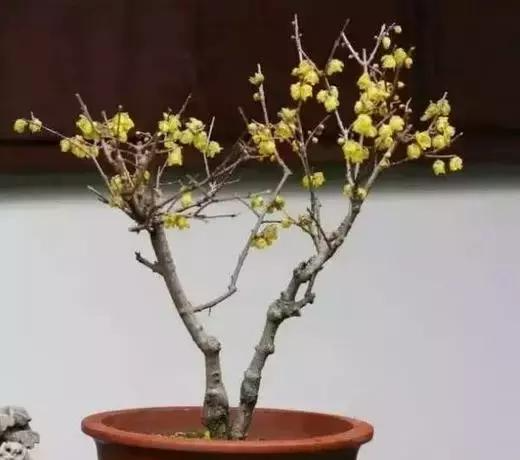
Plants that readily produce new branches, such as wintersweet and winter coral, can be pruned to encourage new growth and make the plant fuller.
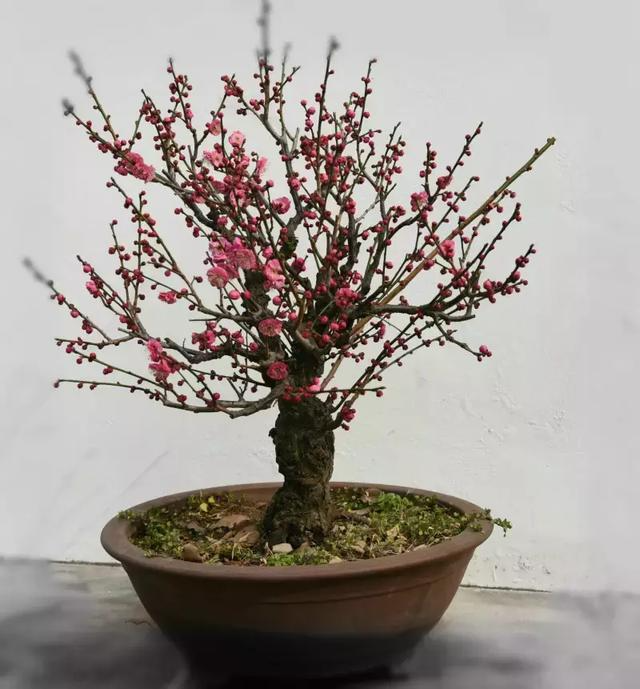
For plants that don't readily branch, such as camellias and magnolias, only light pruning is needed. Simply remove diseased, dead, and unruly branches. Excessive pruning is unnecessary.
For vines with soft branches, such as winter jasmine and honeysuckle, it is necessary to prune dead and diseased branches in a timely manner to ensure ventilation and light penetration for the plant, and at the same time to ensure that the plant is evenly distributed.
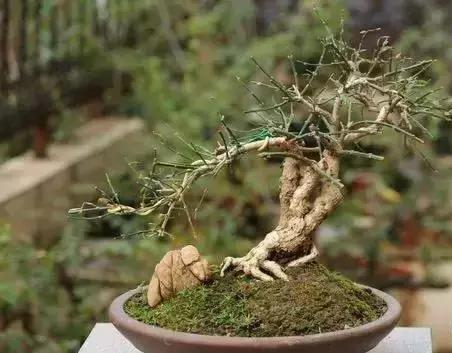
Have you learned how to prune trees in spring?