Some suggestions for fruit tree pruning, fertilization, and preflowering disease and pest control
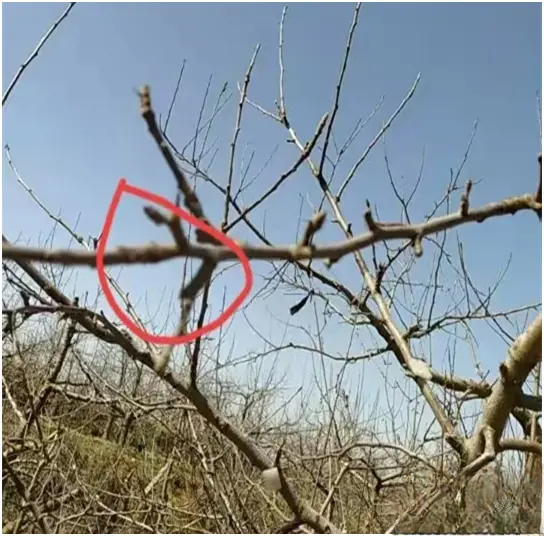
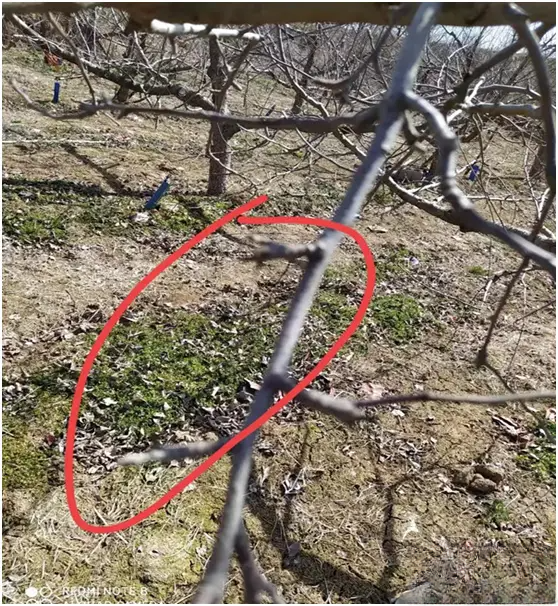
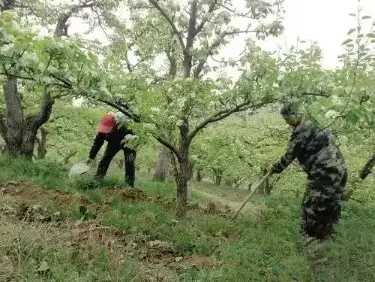
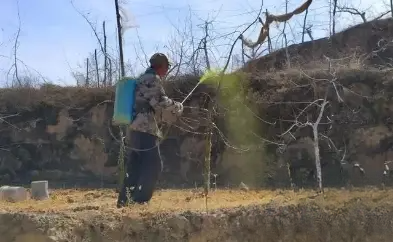
The pruning of apple trees has now been completed. During the pruning process, we often saw some fruit stalks left over from previous years.Should you keep or remove these fruit-bearing branches? Most people would choose to keep them, but I suggest you remove them right now.Why do we do this? Because even if these fruit stalks can produce flowers, they will be weak and won't grow into large apples. If these fruit stalks are left, they are very susceptible to dry rot and canker.After these fruit-bearing branches are pruned, a new short fruit-bearing branch with a flower will sprout this year. This is called "flowering this year" and "growing a big apple next year". This is called "exchanging flowers for flowers".However, it is important to note that it is best to avoid pruning these small fruit-bearing branches in winter, otherwise they are prone to frost damage.This morning, my neighbor Lao Cheng sprayed the tree trunks with a dry fertilizer solution. The cost of fertilizing the two acres of land was less than 400 yuan, which solved the problem of spring fertilization.Over the past few years, dry fertilizer has seen a wide variety of applications, including spraying it as a substitute for fertilization, applying it to prevent rot, and spraying it to replace scraping bark.To be honest, I don't know much about these fertilizers. Last spring, I used a dry fertilizer that could both prevent rot and replace scraping the bark.This year, I couldn't prevent the fruit trees from getting rotten. As for the old bark that keeps peeling off, I still have to scrape it off. I guess I'll just have to keep scraping the bark properly.Do fruit trees need to be fertilized in spring?As temperatures rise and the weather warms in early spring, fruit trees break dormancy, their root systems grow, sap flows, and they begin to bud, branch, flower, develop panicles, set fruit, and enlarge. Nutrient requirements gradually increase. Therefore, many people apply fertilizer before bud break to ensure a sufficient supply of nutrients.
However, as temperatures rise, the nutrients stored in the roots and branches are transported to the buds. From bud break to flowering, the fruit trees primarily utilize their stored nutrients and absorb soil nutrients effectively. Excessive topdressing can easily lead to excessive shoot growth, flower and fruit drop. It is still recommended to apply base fertilizer in autumn, which not only benefits the recovery of the fruit tree's root system but also enhances the tree's nutrient reserves, providing ample nutrient supply for bud break and flowering in the following year.Therefore, orchards where base fertilizer has been applied in autumn and the fruit trees are growing vigorously do not need to be fertilized before bud break in spring. Nitrogen fertilizer should be applied later, after the fruit trees have finished flowering and before the new shoots begin to grow.As the saying goes, "A year's plan starts in spring," and spring pest control in apple orchards requires careful attention. After a long winter, various pests and diseases in apple orchards are less resistant in spring, and their occurrence is relatively concentrated, making it very advantageous to wage a decisive battle against pests and diseases, minimizing their population and achieving twice the result with half the effort.Having worked in export orchard technical management for over twenty years, I have some insights into pre-flowering pest and disease control techniques in apple orchards, which I offer for reference only to orchard technicians and growers.Recommendations on pesticide types for spraying during the dry branch stage and the red bud stage.1. Spray Bordeaux mixture during the dry period, with a ratio of copper sulfate: quicklime: water = 1:2:80-100. This effectively protects pruning cuts and branches from infection by ring rot and canker pathogens in April, May, and June, while also eliminating pathogens on the surface of branches.
2. During the red bud stage, broad-spectrum fungicides are preferred, such as thiophanate-methyl, carbendazim, propineb, and cymoxanil. For orchards severely affected by powdery mildew and rust, imported triazole systemic fungicides, such as Fuxing or Haolike, are recommended. For orchards with severe core rot, Baolian can be added.Insecticides should primarily be highly effective, low-toxicity, and harmless to bees, such as fenvalerate and diflubenzuron. In orchards with high mite populations, abamectin or avermectin should be added. Because young leaves are delicate during the flowering period, all the above pesticides must be applied safely according to the product instructions and the recommended application rate; do not arbitrarily change the dosage to avoid phytotoxicity.