Small courtyard design—the maintenance of flower borders is also a pleasure in gardening.
To maintain the best visual appeal of a flower border, regular maintenance is necessary. If the flower border is carefully prepared from the beginning, maintenance becomes much easier; however, flower border maintenance can also be a very enjoyable task. Maintenance isn't difficult, provided you have a considerable understanding of plants.
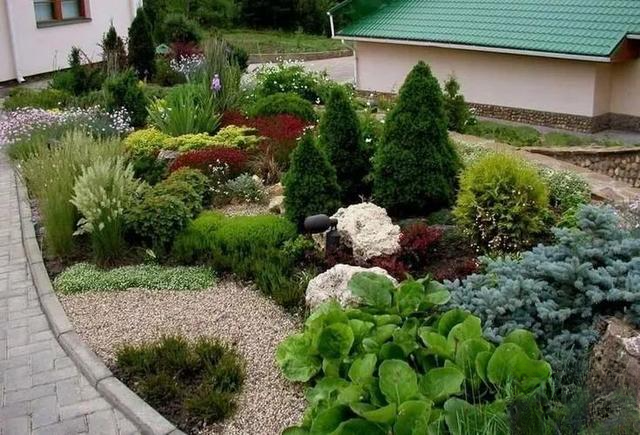
After the flower border is planted, the maintenance and management of the flower border begins. Some tasks need to be done immediately after planting, such as watering, covering, and supporting; others are carried out gradually as the plants grow, such as weeding and pruning.
1. Watering
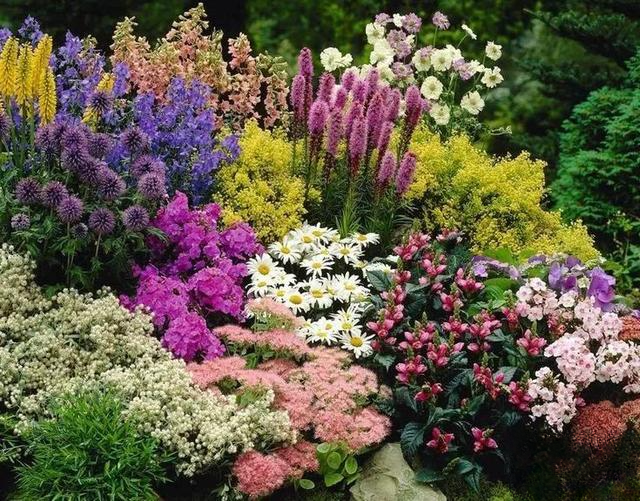
After planting, the initial watering is crucial for plant survival. Generally, three thorough waterings should be done: water once immediately after planting; water a second time 2-3 days later; and water a third time 5 days later. Each time, the water must be thoroughly soaked.
2. Support
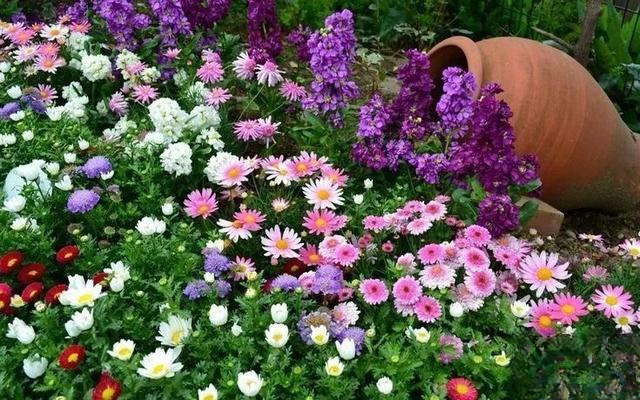
Supporting plants is an effective way to prevent them from falling over, especially for plants exposed to strong winds or those that are prone to lodging after flowering. Supporting plants protects them and prolongs their aesthetic appeal. This method is used in flower borders abroad, but less so in my country.
3. Mulching and weeding
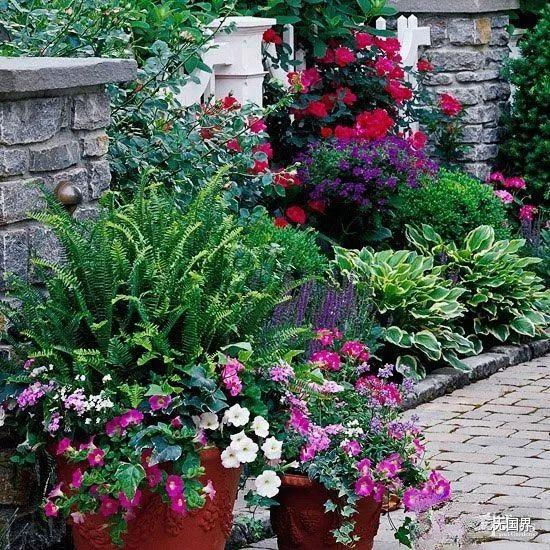
After the flower border is planted, the exposed soil between the plants can be covered with bark, grass clippings, gravel, etc. This can effectively prevent weed growth and reduce water loss.
4. Pruning
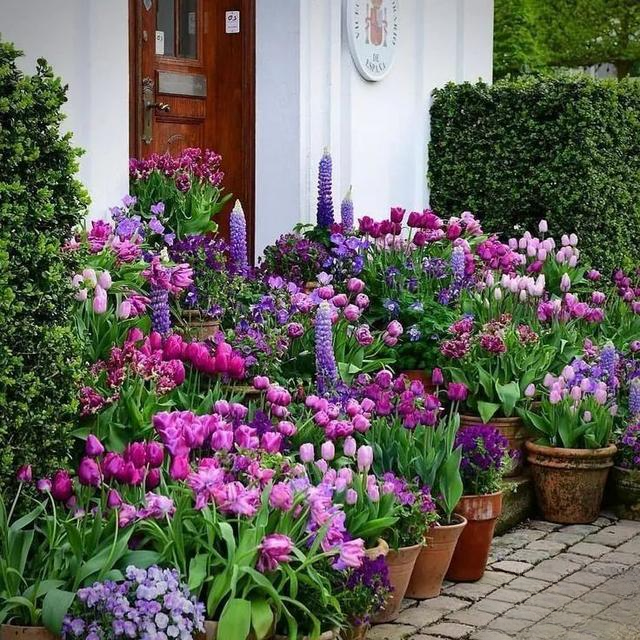
Pruning helps maintain the ideal height and shape of woody plants in flower borders. It is generally done during the dormant period, but in some northern regions, winter pruning can be carried out between November and March of the following year.
5. Fertilizing
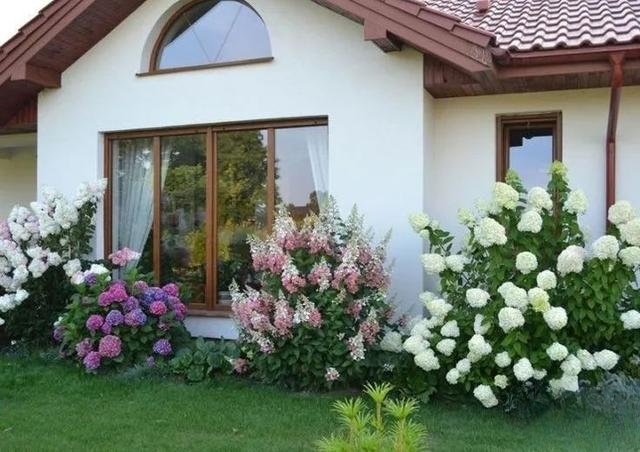
When preparing the land, sufficient base fertilizer should be added to the soil. After the flower border is planted, before the plants sprout each spring, cover the soil with a thin layer of organic fertilizer. If conditions permit, a layer of organic fertilizer can be applied after the above-ground parts wither in autumn and winter.
6. Pest and disease control
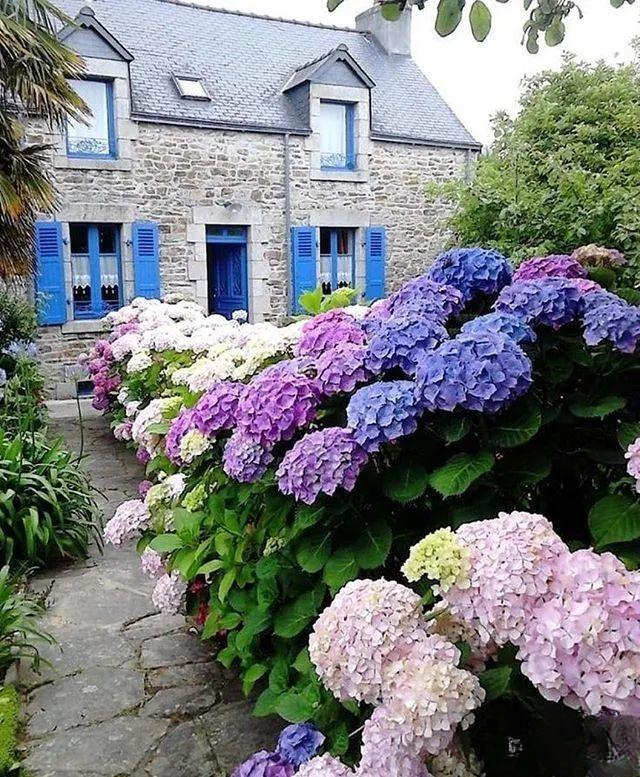
For pest and disease control in flower borders, prevention is paramount. Before planting, the soil must be disinfected to eliminate pathogens, pests, and insect eggs, reducing the source of infection. Provide plants with suitable soil conditions, water, air circulation, and nutrients. Select resilient plant species, maintain a reasonable planting density, keep the flower border planting bed clean, and promptly remove withered flowers, dead branches, fallen leaves, and other debris to minimize the breeding and spread of pests and diseases.
END