Six types of flowers that tolerate pruning well; a spring pruning will encourage lush foliage and more blooms.
Spring breezes awaken the earth, all things sprout from the soil, and various flowers and plants enter their vigorous growth period. The potted plants at home are also vying to sprout new shoots and enter their flowering season. Before they bloom, some flowers need pruning to encourage lush growth and more abundant blooms, especially long-flowering plants. Pruning messy, weak, and overgrown branches will create a fuller shape with abundant flowers, making them more visually appealing! I'd like to introduce six types of flowers that tolerate spring pruning; I hope my flower-loving friends will enjoy them.
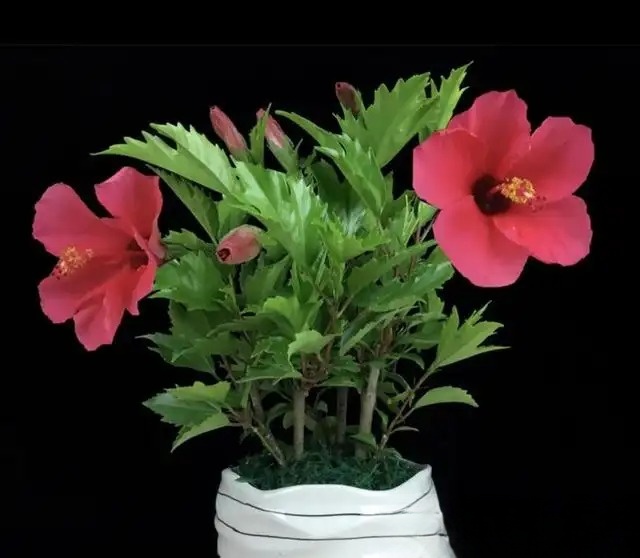
Six types of flowers that tolerate pruning well: a spring pruning will encourage lush growth and more blooms.
① Hibiscus
Hibiscus is also a flower that tolerates pruning in spring. Simply trim any messy, thin, or crowded branches, and the hibiscus will sprout many new shoots. This flower produces a large number of flowers, has a long flowering period, and thrives in sunny environments, producing large and colorful blooms.
When cultivating hibiscus in spring, prune it when it sprouts new shoots. Remove the old branches that have survived the winter and unnecessary new branches, leaving the healthy branches to maintain its shape. This will make it bloom more beautifully.
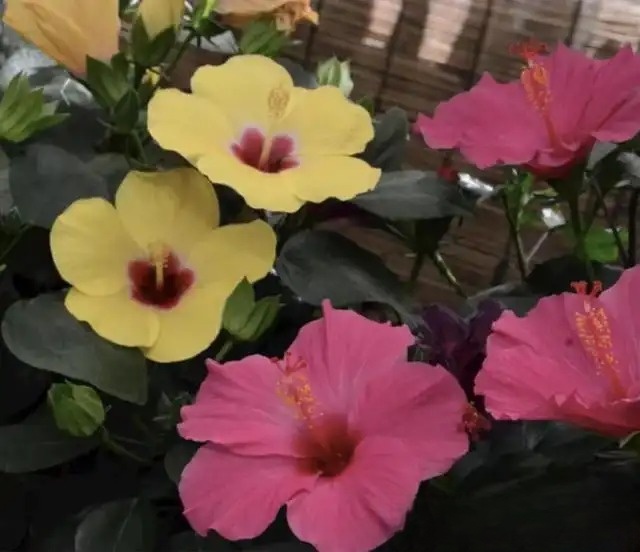
After pruning, hibiscus should be fertilized with organic fertilizer or a balanced NPK fertilizer. Raw fertilizer should never be applied. This will help the hibiscus grow lush and abundantly in spring, producing more flowers. However, it also needs plenty of sunlight; otherwise, it will produce fewer and less vibrant blooms. Placing it in a sunny location is ideal for hibiscus growth and flowering.
② Bougainvillea
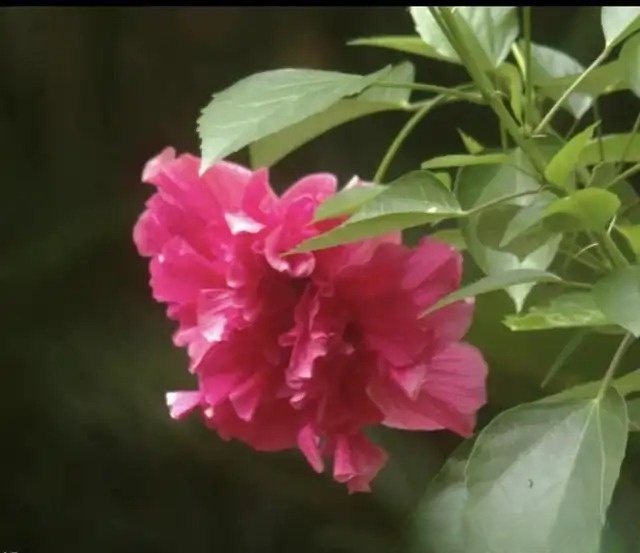
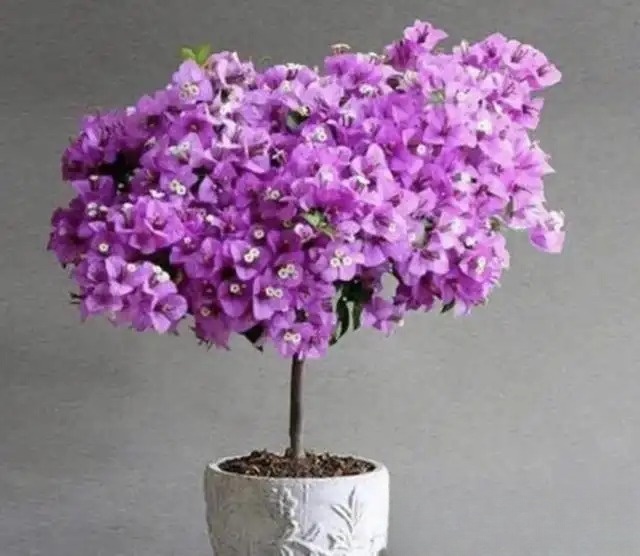
Bougainvillea flowers are very attractive. This flower can be planted in the ground or in pots, and is often seen in green belts in the south, while in the north it needs to be potted and kept indoors during the winter. Bougainvillea is the kind of flower that blooms profusely, covering the entire branch with flowers, making the leaves almost invisible. The flowers come in single and double petals, and in a variety of colors.
With the arrival of spring, it's best to prune your bougainvillea to encourage it to sprout more branches. The more new branches, the more flowers the bougainvillea will produce. Especially for bougainvillea purchased last year, pinching off the top will dwarf the potted plant and promote abundant branching. Bougainvillea is a very tolerant plant for pruning and has strong sprouting ability. However, after pruning, it's important to promptly replenish its nutrients with compound fertilizer and ensure it receives ample sunlight.
In spring, prune your bougainvillea and provide proper watering and fertilization. This will encourage it to produce more side branches, and with plenty of sunshine, you'll soon see it blooming beautifully.
③ Rose
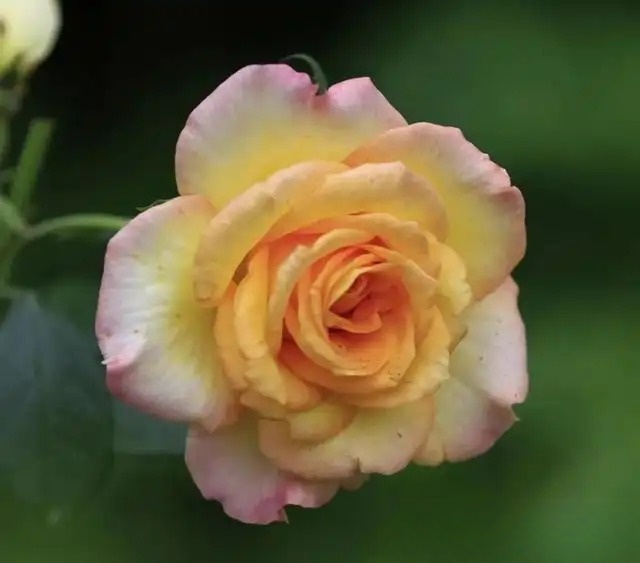
When cultivating roses in spring, it's important to prune away any overgrown, weak, or old branches to encourage new growth. Roses are not only sun-loving plants but also tolerate pruning well and have a strong ability to produce new shoots. Generally, after pruning, roses will easily develop flower buds on their new shoots.
Roses tolerate pruning but also thrive in fertile soil. Insufficient soil fertility will cause yellowing leaves and affect flowering quality. Therefore, after pruning in spring, roses must be fertilized with liquid fertilizer or well-rotted organic fertilizer, such as cake fertilizer or sheep manure, to promote vigorous growth of new branches. Remember, sunlight is a prerequisite for rose flowering; provide plenty of sunshine and apply more phosphorus fertilizer before flowering to promote larger and more vibrant blooms.
④ Jasmine
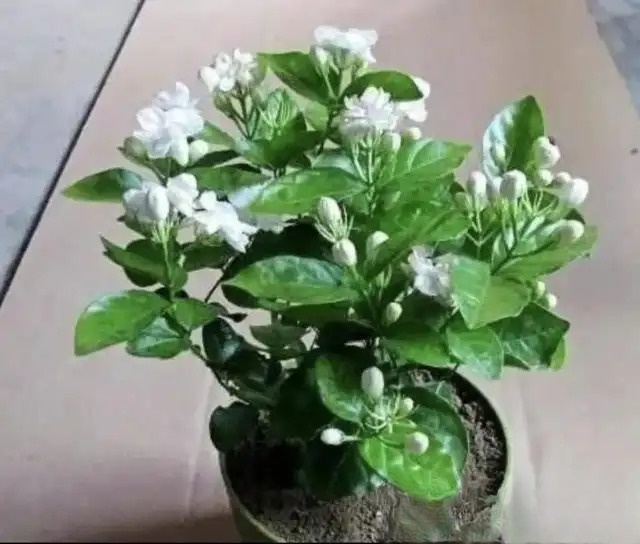
Jasmine is a favorite among many flower enthusiasts because of its fragrant blooms. With the arrival of spring, jasmine enters its vigorous growth phase, exhibiting strong sprouting ability, although its branches tend to be thin and prone to excessive growth, especially in low light conditions. In spring, we can prune diseased and old branches to encourage new growth. Simultaneously, providing ample sunlight and sufficient water and fertilizer, with a proper application of nitrogen, phosphorus, and potassium fertilizers, will result in numerous new side branches. When jasmine has many side branches, it will produce a profusion of flowers during its peak bloom. Remember, the more sunlight, the better!
⑤ Petunia
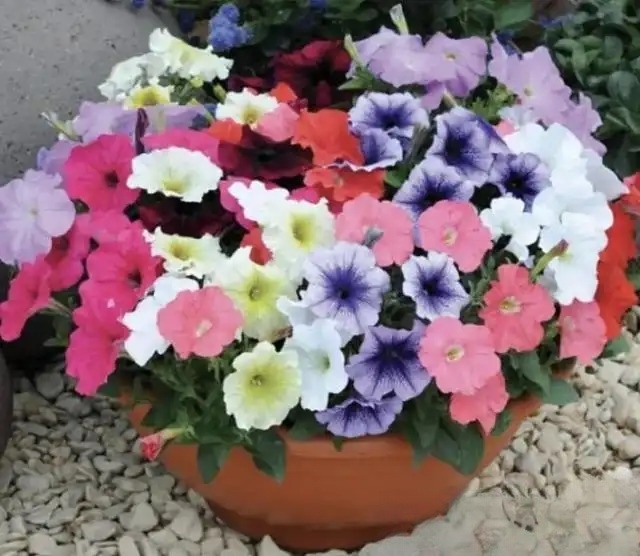
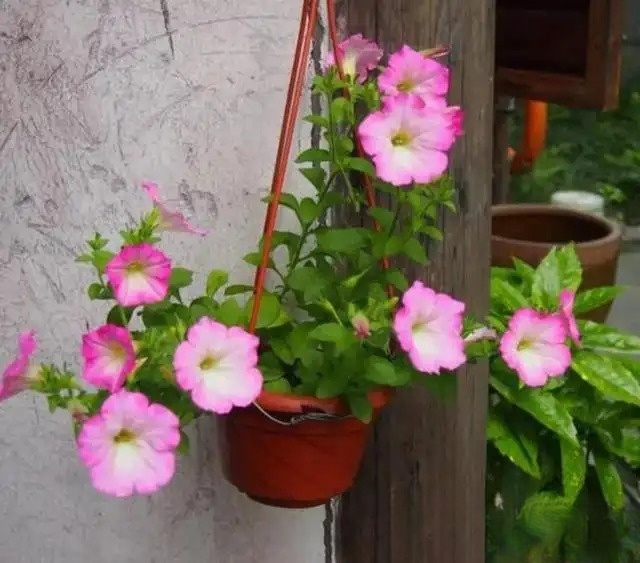
Petunias are prettier than morning glories, and their flowering period is much longer; they can bloom year-round as long as they have a suitable growing environment. Furthermore, petunias love sunlight and tolerate pruning. In spring, prune all the branches off and place them in a sunny spot, then apply some slow-release compound fertilizer.
After pruning, keep petunias in a sunny location, and avoid overly concentrated water and fertilizer. Keep the soil moist but not waterlogged. After a while, the petunias will sprout many branches and fill the pot. Petunias with many branches will easily bloom profusely.
⑥ Milan
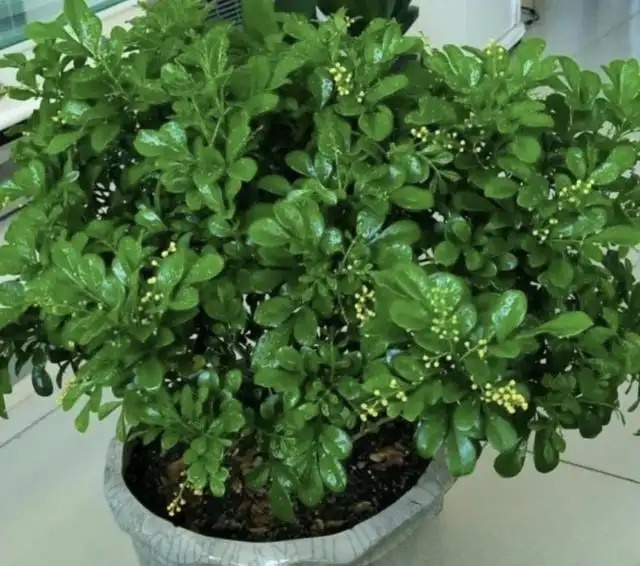
Although the flowers of the Milan flower are small, it produces many blooms. In spring, it's good to prune it, especially if some gardeners find their Milan flowers insufficient. A heavy pruning will encourage vigorous lateral branching. Then, provide plenty of sunshine, as this is the growing season for all plants. Also, fertilize it to promote growth. We know that flowering plants need sunlight and phosphorus and potassium fertilizers, and the Milan flower is no exception. With ample water, fertilizer, and sunlight in spring, the Milan flower will continuously produce buds and bloom after a period of time. Moreover, the Milan flower has a rich fragrance!
Today I'm introducing a few flowers to flower lovers. If you prune them in the spring, they will grow quickly and bloom profusely. Actually, there are many other flowers, such as marguerites and periwinkles, which are also very prolific bloomers if pruned in the spring.
The above are just my personal opinions; please leave a comment if you have different views! Images are from the internet; please inform me if there is any copyright infringement so I can remove them.