Six key tips for preventing and controlling pests and diseases; beginners should take note.
Pests and diseases can only be prevented through control, and it cannot be guaranteed that they will not occur 100%. However, if there is already a clear infection, there is no need to panic. Just prune the infected branches and leaves immediately to prevent the spread of infection and reduce the plant's nutrient consumption.
After using pruning shears to trim diseased or pest-infested branches and leaves, remember to wipe them with alcohol or sterilize them by burning to prevent them from infecting other fruits and vegetables next time. There are also 6 key tips for preventing and controlling pests and diseases; let's see how to deal with these troublesome pests and diseases!
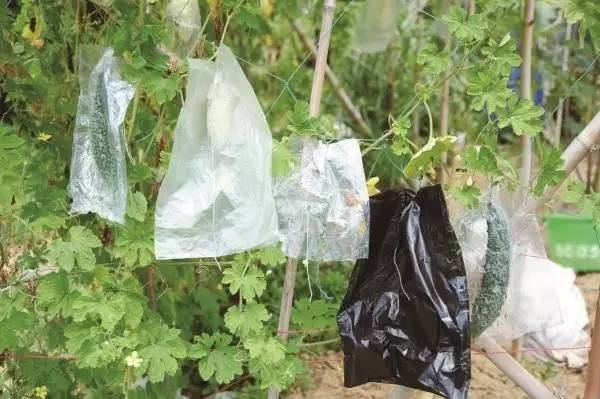
( Bagging is a basic protective measure for fruit)
●Step 1. Choose seasonal vegetables
Choosing seasonal vegetables for planting ensures better crop growth and greater resistance to pests and diseases. Therefore, selecting vegetables before planting is actually the first step in disease prevention.
●Step 2. Select a variety of types and rotate them.
By selecting a variety of vegetables and adopting a garden plan that involves intercropping or rotating different crops, ecological diversity can be maintained, preventing large-scale invasions of the same type of pests and diseases. If such invasions do occur, they can be controlled in designated areas to prevent rapid spread.
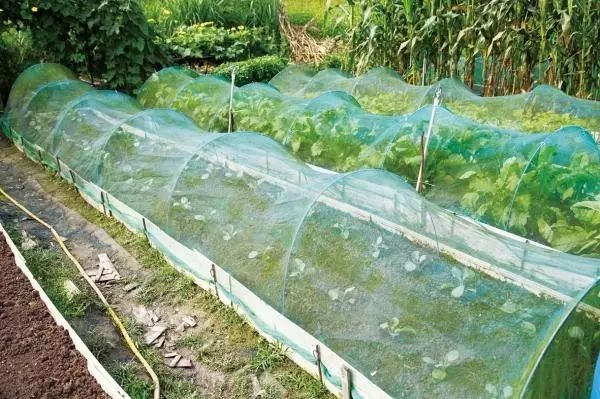
( Leafy vegetables can be covered with netting for protection, reducing the risk of them being eaten by insects.)
●Step 3. Maintain good ventilation
Maintaining a well-ventilated field environment is the first priority in preventing pests and diseases during planting. This is especially important for vine-type fruits or legumes, as the climbing stems can easily lead to overcrowding. Timely pruning can reduce the likelihood of pests and diseases and also maintain good air circulation and light penetration.
●Step 4. Cultivating repellent plants
Generally, insects avoid strongly scented spices, herbs, or wild vegetables. Planting these repellent plants in the vegetable garden at the right time can help control insects in other crops.
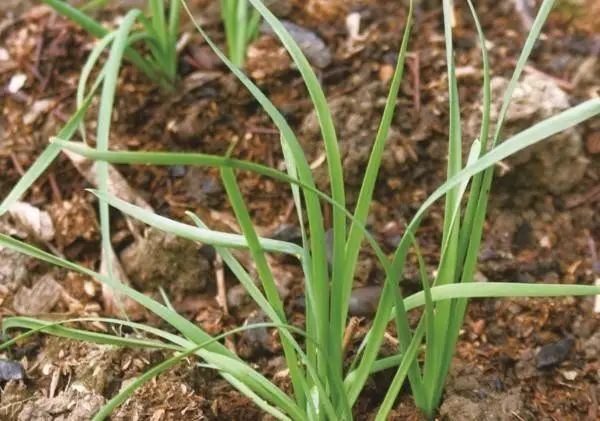
( Onions are the best crops to avoid in a vegetable garden)
●Step 5. Simple Insect Control Facilities
For fruiting melons or cauliflower vegetables, the fruiting period is also the peak period for pest infestation. Usually, insect-proof nets can be installed or the fruits can be bagged when the young fruits are sprouting to reduce the chance of insect invasion.
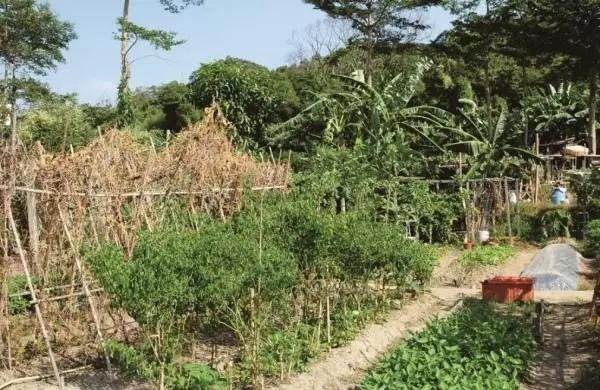
( Diversifying crop planting can also help avoid serious pests and diseases)
●Step 6. Natural Insect Repellent Method
Even with vigorous prevention and control efforts, some pests and diseases can still cause significant harm. You can make your own insect repellent using readily available natural ingredients at home, which is a harmless method for both people and the environment.