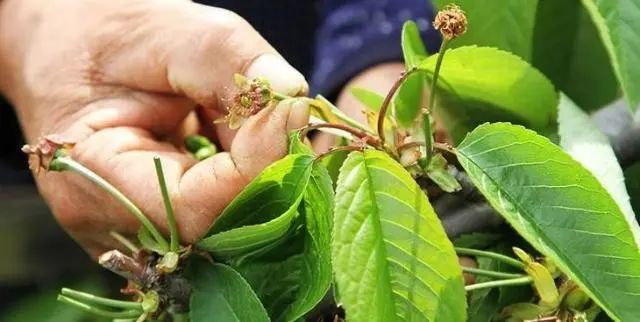
Six essential pruning techniques for common flowering plants that every nursery worker should know.
Pruning is one of the important methods for cultivating flowers and trees. If all flowers and trees are left to grow naturally, they will lose their ornamental value. Pruning can not only create a good plant shape, but also regulate the rational distribution and supply of nutrients in the plant, prevent excessive growth of branches and leaves, and promote flower bud differentiation and bud formation. It can also create good ventilation and light conditions, reducing the occurrence of pests and diseases.
Youmiao Easy Buy has compiled six common methods for pruning flowers and trees for your reference.
01
Short
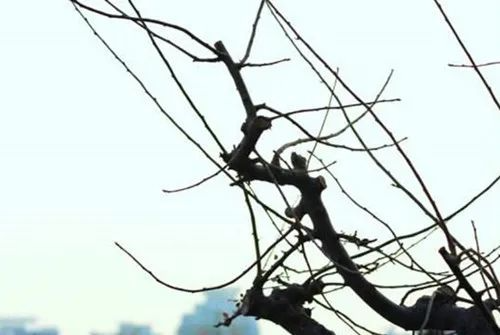
Cutting off 1/3 to 3/4 of the tip of a branch is called heading back, and its purpose is to stop the endless extension of the branch. At the same time, it encourages the axillary buds below the cut to sprout, thereby growing more lateral branches, increasing the number of flowering sites, and making the plant fuller and rounder. In order to extend and expand the outer edge of the crown and make the branches of each level distinct, the cut should be made above an axillary bud growing outward.
02
Thinning
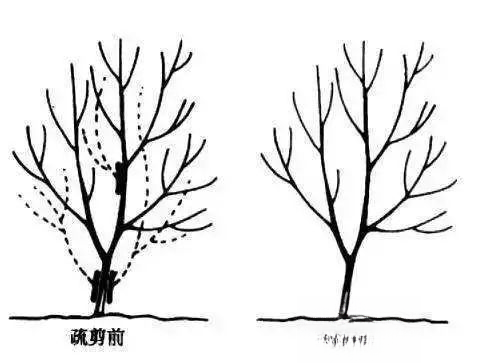
When the branches inside the plant are too dense, some of them should be thinned out from the base. Thinning should target crossing branches, inward-growing branches, diseased or insect-infested branches, overly vigorous shoots, and old branches. Thinning prevents the tree from becoming disordered, creating distinct layers and promoting ventilation, light penetration, and flowering. Thinning should be done close to the base, leaving no stubble.
03
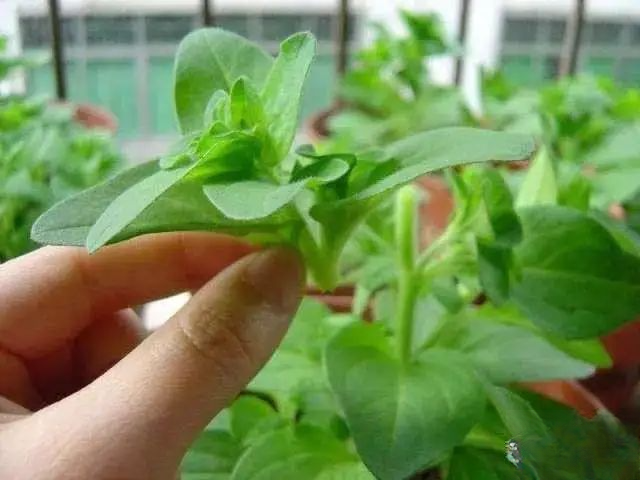
Heart removal
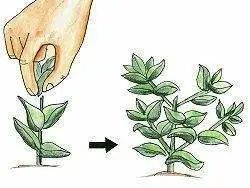
Pinching is done by removing the terminal buds of branches to eliminate apical dominance, promote the growth of axillary buds, form a fuller, more branched plant, and encourage more flowers. Plants such as begonias, salvia splendens, and lotus flowers all require pinching.
04
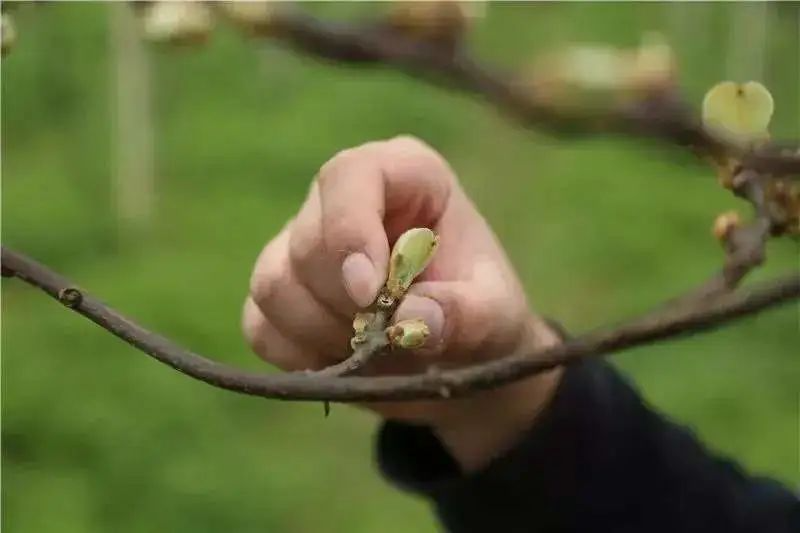
bud removal
Removing the axillary buds and tender branches of flowers can save nutrients and promote the growth of a strong main stem.
05
Remove leaves
This is to make the plant look better. The main steps are to remove yellow leaves, leaves affected by pests or diseases, and leaves that are obscuring flowers or fruit.
06
Flower and fruit thinning
For most ornamental fruit-bearing flowers, the number of flowers often exceeds the number of fruits. If the flowers are not thinned out and allowed to develop into young fruits, these young fruits will naturally fall off, wasting a lot of nutrients, and the quality of the remaining fruits cannot be guaranteed. Therefore, overly dense flowers should be thinned out during the flowering period. However, the number of fruits left on each branch should not be equal to the number of flowers left, because not all of the left flowers will set. Therefore, the number of flowers left should be 2-3 times the expected number of fruits. After the fruits have set, the excess young fruits can be thinned out.