Six common diseases and pests to prevent when growing potted azaleas
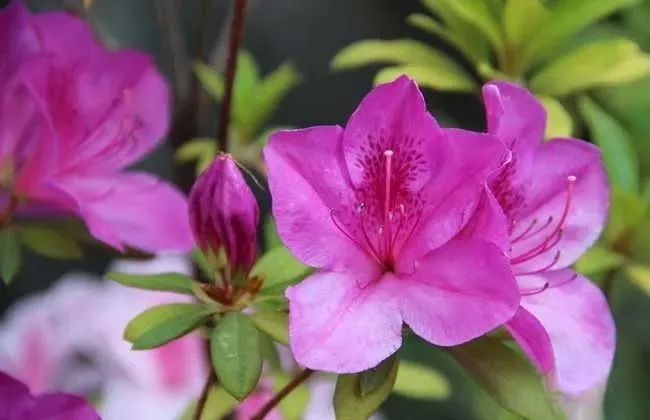
[Symptoms] Brown spot disease is a major disease of azaleas.Initially, small brown spots appear on the leaves, gradually developing into large, irregular spots. Numerous small black or grayish-brown dots appear on these spots, causing the affected leaves to turn yellow and fall off, affecting flowering that year and the development of flower buds for the following year.This disease often occurs during the rainy season when humidity is high.
[Prevention and Control] Ensure good ventilation and light penetration for the plant, avoid excessive humidity, and increase the application of organic fertilizer and NPK compound fertilizer to enhance the plant's resistance to infection and its growth ability. Remove and burn any diseased leaves promptly. In the early stages of disease, spray with 0.5% Bordeaux mixture or 0.4 Baume lime-sulfur mixture, adding 4% flour to increase adhesion. Leaf spot and black spot diseases can also be treated using the same method.
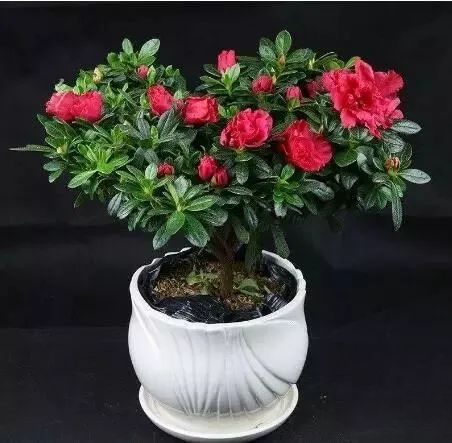
[Symptoms] Iron deficiency chlorosis often occurs in areas with alkaline soil. In mild cases, only delayed greening of the plant is observed. In severe cases, the entire leaf tissue can turn yellow, and the leaf edges may wither and scorch. The symptoms are most obvious on the leaves at the top of the plant, and it is generally caused by internal iron deficiency.
[Prevention and Control] Modify the iron-deficient properties of the soil and reduce soil alkalinity. Increase the application of organic fertilizer to improve clay soil. For iron-deficient plants, spray directly with 0.2-0.3% ferrous sulfate solution. Alternatively, use chopsticks to poke several holes about 15 cm deep in the soil around the plant, and slowly pour in a 1:30 ferrous sulfate solution until the holes are full to increase soil acidity and reduce alkalinity.
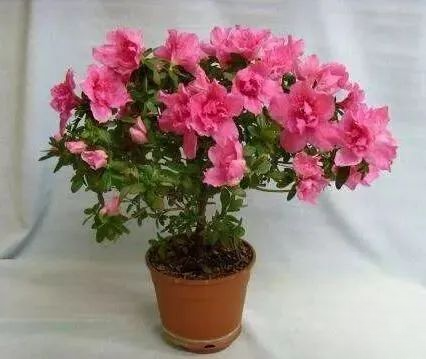
[Symptoms] The adult lace bug is small and flat, about 4 mm long, and black. It is one of the most serious pests of evergreen azaleas . It usually pierces the back of the leaves and sucks sap, causing yellow-white spots to appear on the upper surface of the leaves where it is damaged. This leads to leaf drop, weakens the tree, and affects growth and flowering. Azaleas in greenhouses are very susceptible to this pest.
[Prevention and Control] Spray with 1000 times dilution of 90% trichlorfon technical, 1500 times dilution of 40% dimethoate EC, or 1000-1500 times dilution of 50% fenitrothion EC.

[Symptoms] Aphids mainly damage the young branches and leaves of azaleas. In mild cases, the leaves may lose their green color, while in severe cases, the leaves may curl, harden, and become brittle, making them unable to absorb nutrients and affecting flowering.
[Prevention and Control] Pay special attention to aphids during the overwintering period. After winter sets in, spray the plants once with a 5° lime sulfur solution to kill overwintering eggs. Remove weeds near the flowers to eliminate the source of infestation. During the aphid infestation period, spray continuously with a solution of 40% dimethoate or oxydemeton-methyl diluted 1200 times with water. 3-4 applications should be effective.
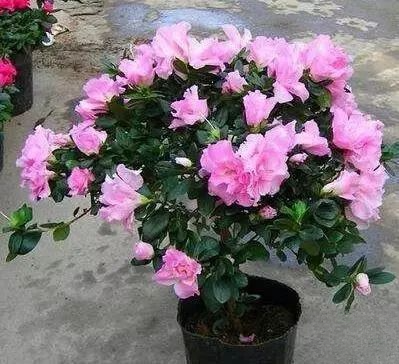
[Symptoms] The short-haired moth is one of the important pests of azaleas. It often pierces and sucks sap near the main vein on the back of the leaves, causing many oily patches to form on the back of the leaves, eventually leading to leaf drop.
[Prevention and Control] Spray lime sulfur mixture (0.5 Baume) once in mid-to-late October and once in early spring (March) and spray 25% insecticide aqueous solution (500 times dilution).
[Symptoms] Red spider mites are tiny, but they cause serious damage to azaleas. Azaleas grown in high-rise buildings are most susceptible to this pest.
[Prevention and Control] Manual removal is recommended. Forchemical control, spray with 5% lime sulfur solution. Alternatively, crush equal parts of walnut leaves, oleander leaves, and artemisia leaves, soak them to extract the juice, dilute with water, and then spray. Spraying with a 1000-fold diluted solution of dichlorvos is also a good method.