Seventeen types of fruit trees that can be grown in pots! Remember them and create your own delicious private orchard.
Those interested in organic gardening often like to grow edible plants, including fruit trees, in their yards or on their terraces. However, due to space limitations, towering trees are usually not our first choice. Instead, we generally prefer smaller varieties that can be grown in planting boxes or large flower pots.
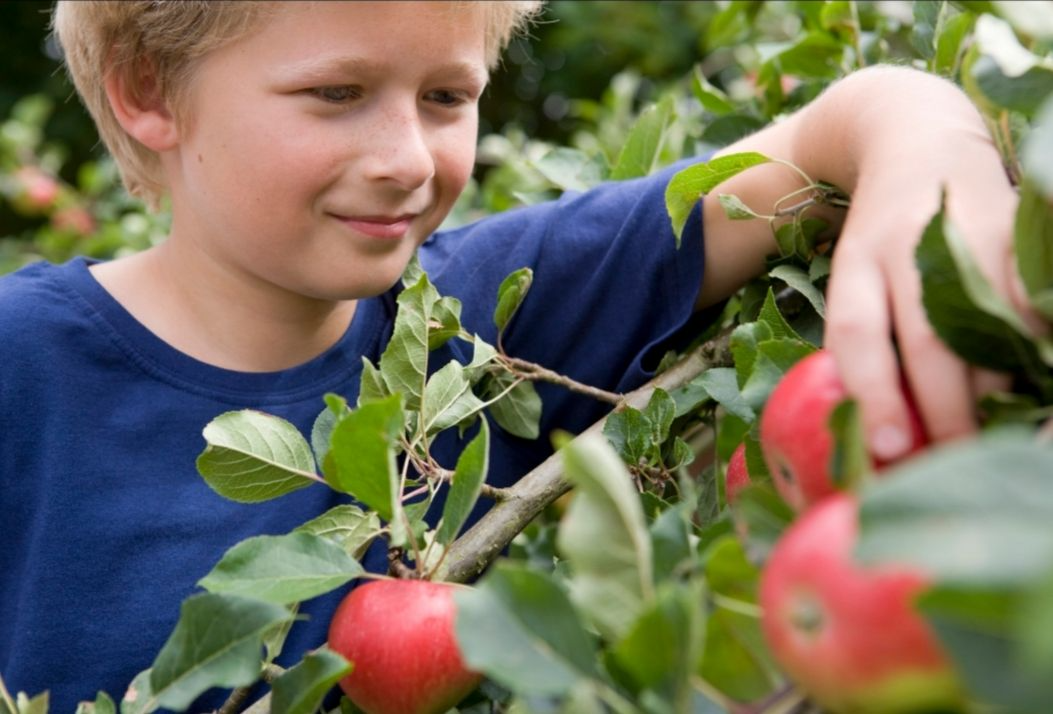
Therefore, in this post, the Flower Growing Bee has specifically compiled a list of fruit trees suitable for container cultivation (excluding vines and creeping varieties) for gardening enthusiasts who wish to build their own small orchards. The list is summarized below:
1. Crispy Kumquat
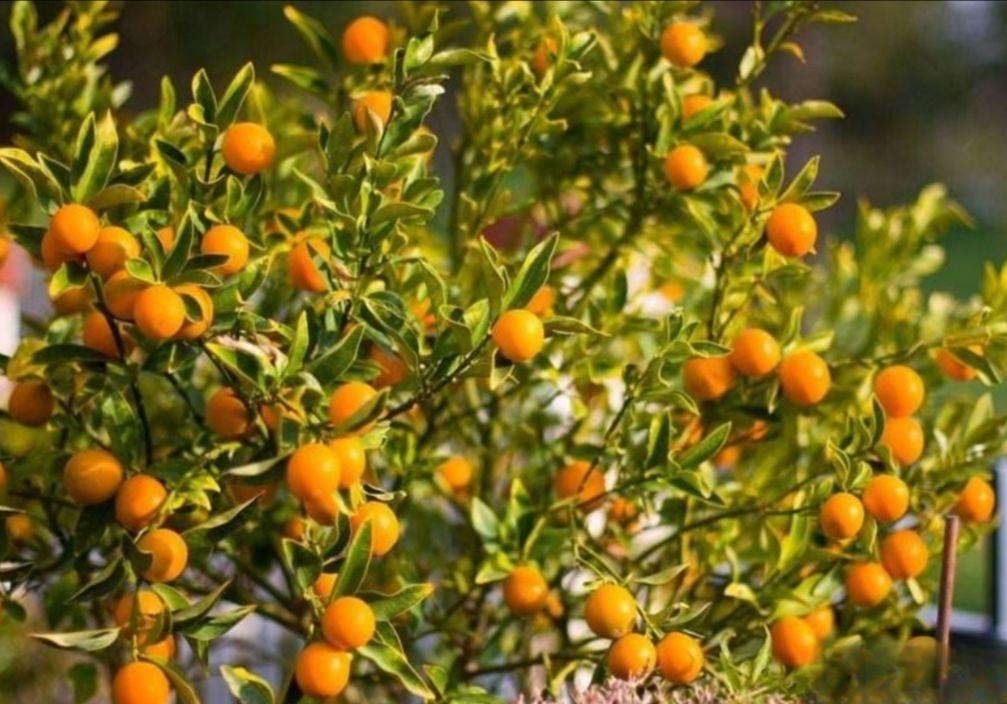
Crispy-skinned kumquats are the finest variety of kumquats, with thin skin, juicy flesh, and a sweet and delicious taste. They are also the preferred potted fruit tree in central and southern my country.
This fruit tree is easy to manage, highly productive, and can bear fruit repeatedly throughout the year. It prefers acidic soil, fertile soil, and plenty of sunlight.
II. Lemon
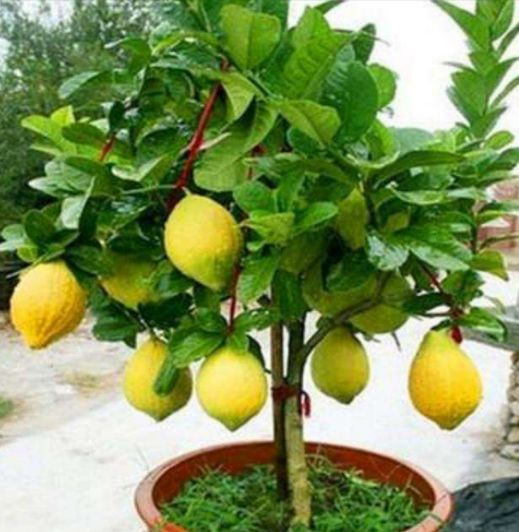
Lemon trees can also be grown in pots. It's best to buy saplings so they can grow from a young age in a pot, making it easier to control their shape. Lemons have a fragrant aroma, beautiful color, and can last a long time, making them good for both ornamental and edible purposes.
It also prefers acidic soil, and its habits are not much different from kumquats. However, to ensure the quality of fruit production, buds can be pruned appropriately, and artificial pollination can be carried out. Because it is not very resistant to cold and heat, it is best to provide some shade at midday in summer and keep it warm and protected from frost in winter.
III. Small figs
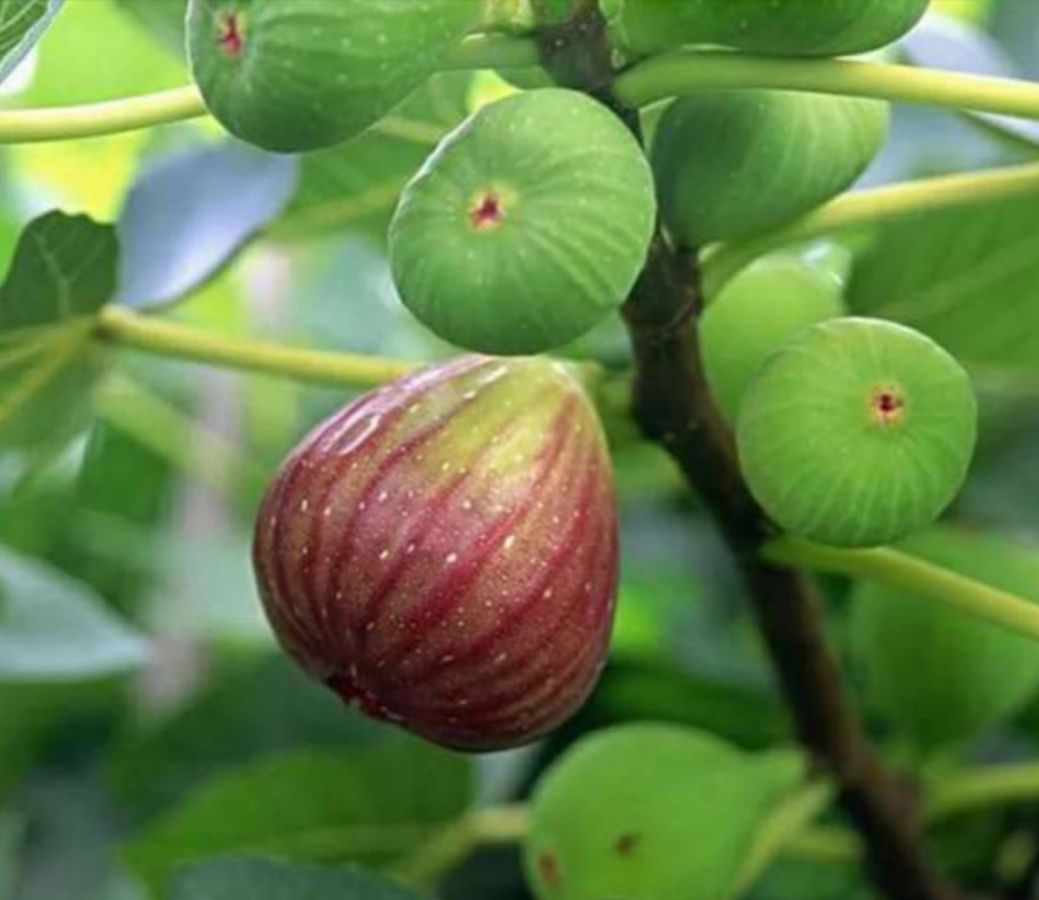
Some small varieties of fig trees can also be controlled in larger pots through pruning.
Fig trees are not prone to pests and are relatively productive. They prefer alkaline soil, fertile soil, and sunlight, and are relatively drought-tolerant but susceptible to waterlogging. In areas where winter temperatures drop below -15 degrees Celsius, they need to be overwintered indoors or protected with other measures. Adding some wood ash to the soil mix helps to adjust the alkalinity.
IV. Chicken Heart Fruit
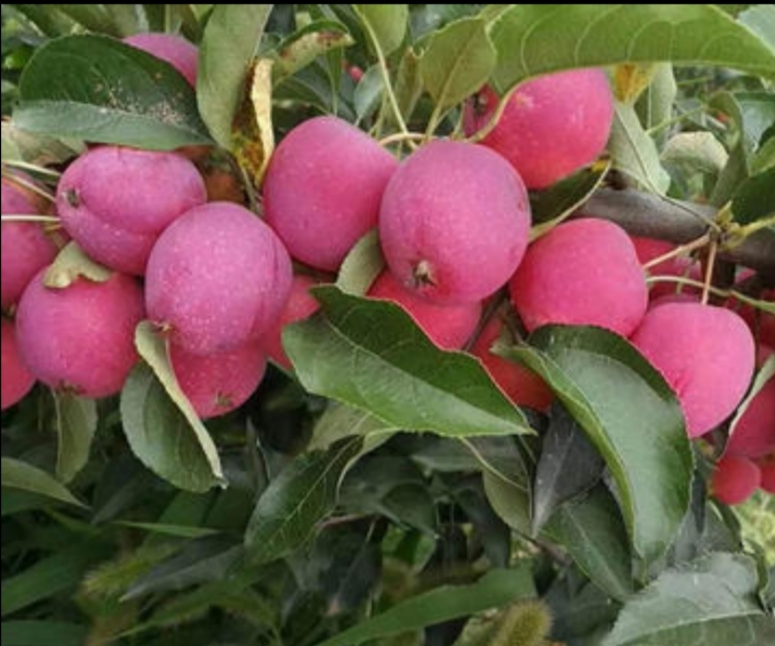
Chicken heart fruit, scientifically known as Malus spectabilis, is actually a type of crabapple. The fruit resembles a small, heart-shaped apple, is bright red, extremely productive, and has a sweet and sour taste.
The chicken heart fruit tree itself is not small, but it can be shaped and grown in pots. It is robust, not too picky about soil, relatively cold-resistant, drought-resistant, and likes light and fertilizer, making it easy to manage. In areas with large temperature differences, the fruit tastes even better.
V. Calcium Fruit
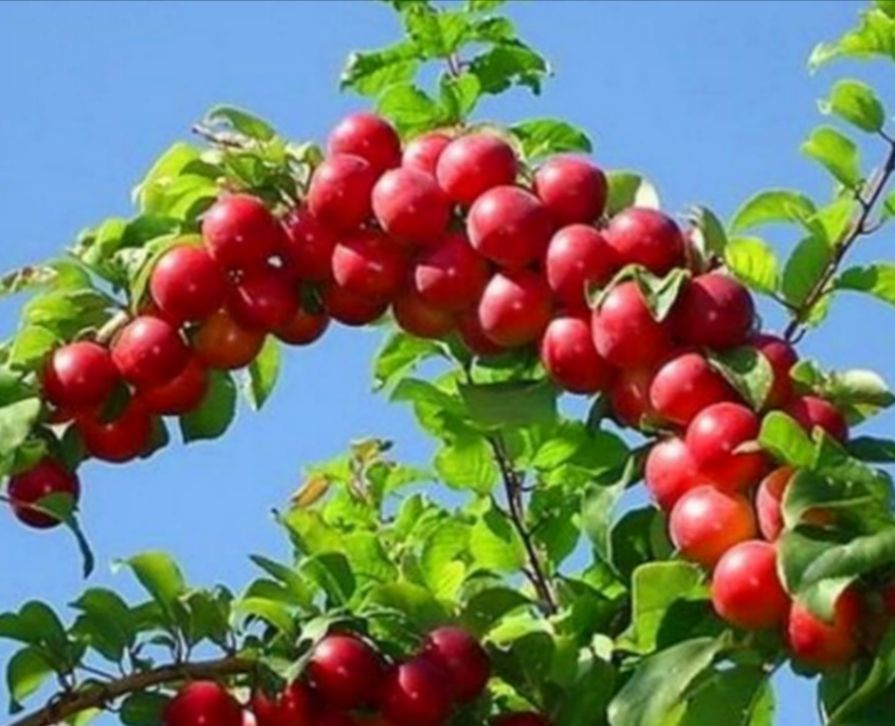
Prunus cerasifera, also known as European plum, is a fruit tree belonging to the genus Prunus in the family Rosaceae. The tree typically grows as a shrub or small tree. It is highly productive, and its fruit is rich in nutrients, with an extremely high calcium content.
The calcium fruit tree prefers sunny locations, tolerates some shade, and thrives in fertile, well-drained, and moist soil. It is also drought-tolerant and extremely cold-hardy. It prefers fertile soil but can also tolerate relatively poor conditions.
VI. Pomegranate
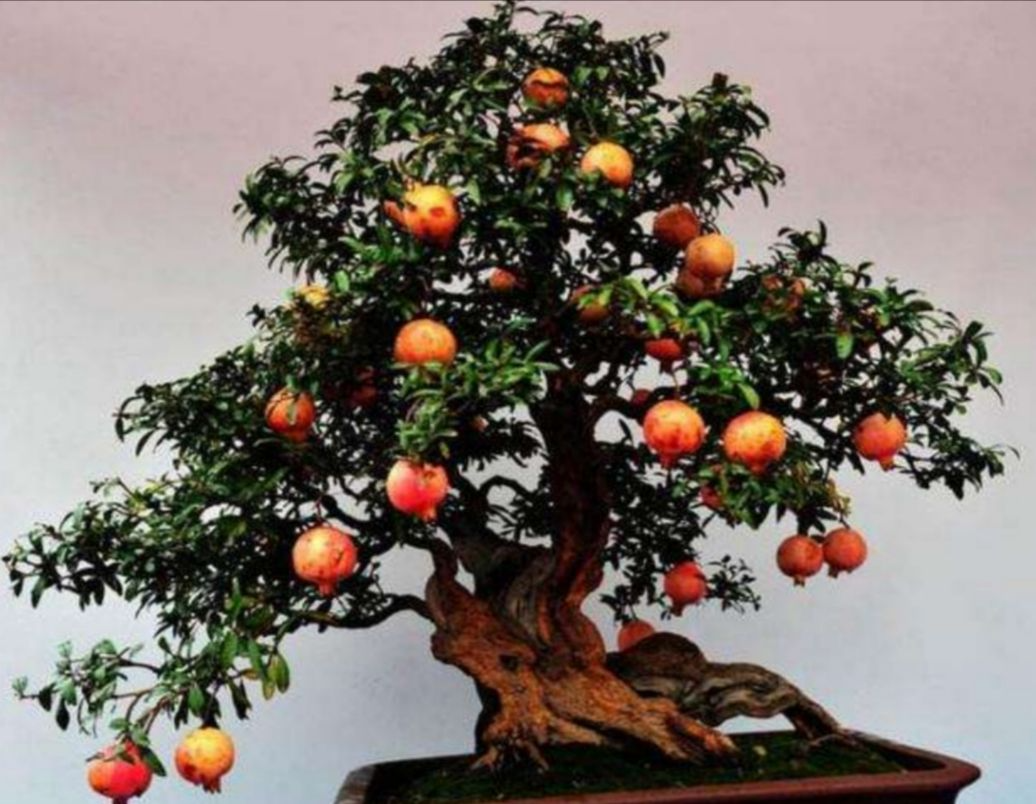
Most pomegranate varieties bloom in summer, creating a beautiful expanse of bright red flowers. With proper shaping and pruning from a young age, they can thrive in pots and are excellent materials for bonsai.
Potted pomegranates prefer sunlight, fertile soil, and alkaline conditions. They are relatively cold-hardy but susceptible to waterlogging. In northern regions, they become deciduous and dormant, while in southern regions they can remain evergreen.
7. Blueberries
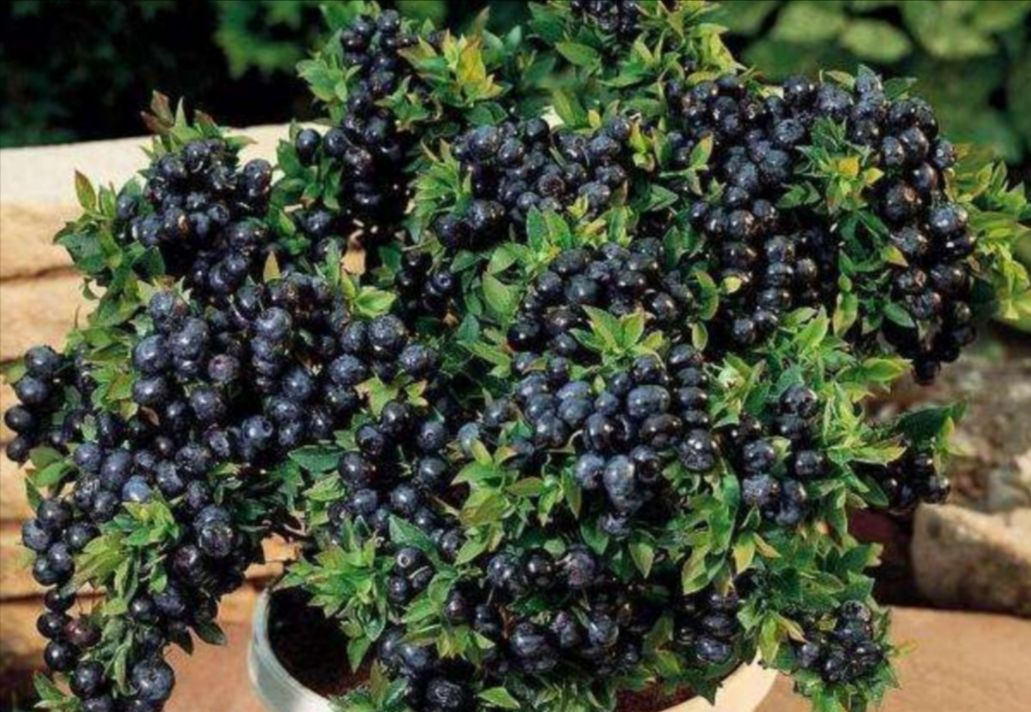
Blueberries are a relatively expensive fruit and can improve eyesight. There are varieties suitable for both northern and southern climates.
Blueberries prefer well-drained, acidic humus soil, like sunlight, and do not tolerate heavy fertilization. You can alternate between acid-loving and fruit and vegetable-type liquid fertilizers, and spray potassium dihydrogen phosphate during the bud formation period.
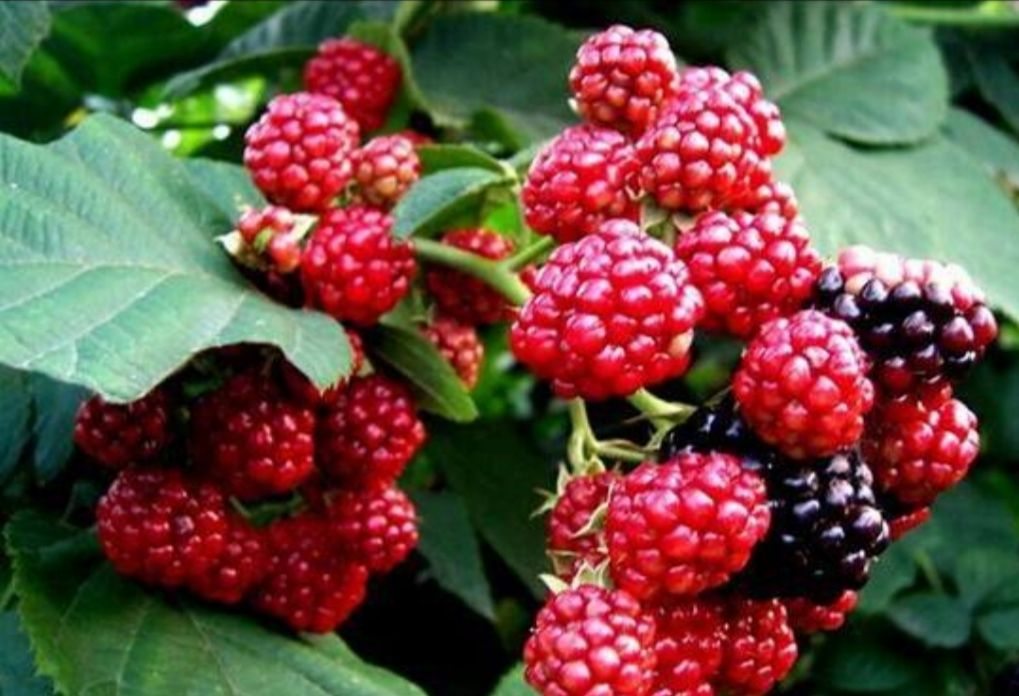
8. Raspberries
Raspberries are small shrubs belonging to the genus Rubus in the family Rosaceae. Their aggregate fruit is somewhat similar in shape to strawberries and is very delicious.
Raspberry varieties can be single- or double-cropping. They grow quickly and prefer slightly acidic or neutral soil. They thrive in fertile soil but are also relatively tolerant of poor soil. They prefer sunlight but do not tolerate direct, intense sun. They perform well in northern and central my country but poorly in the hot and rainy southern regions.
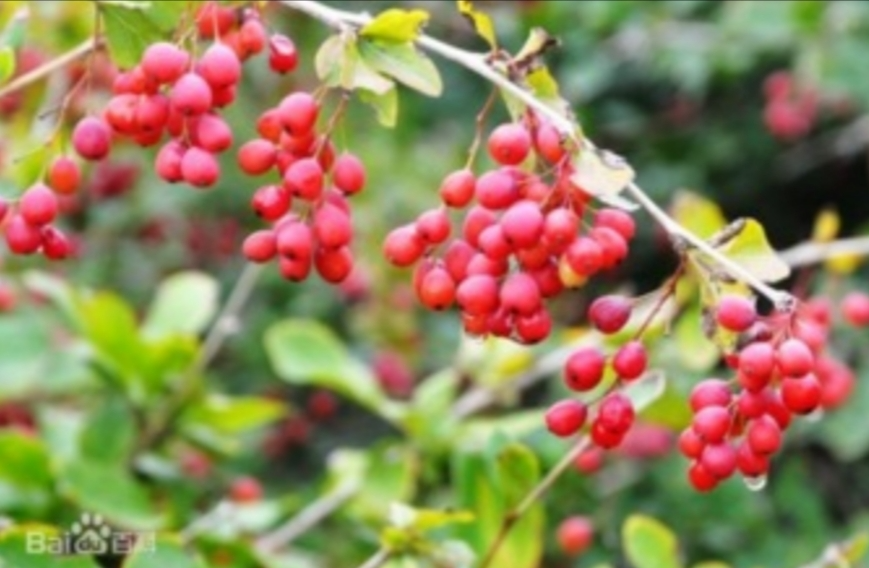
9. Gooseberries
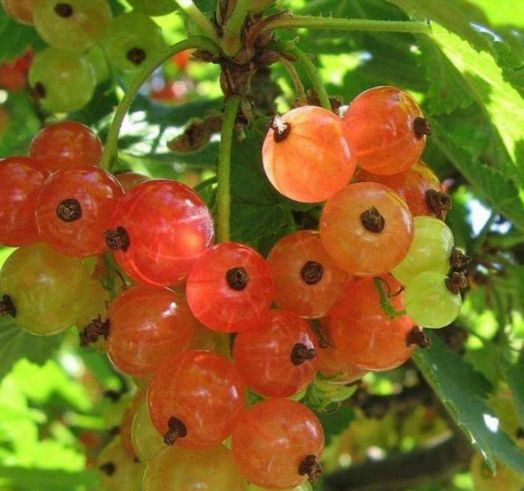
Gooseberries are a small berry bush with very pretty, translucent fruits that resemble strings of tiny lanterns. Although not very sweet, they are highly nutritious and are one of the best ingredients for making jams, preserves, and wine.
Gooseberries are relatively cold-resistant, prefer sunlight and fertile soil, and thrive in slightly acidic or neutral, well-drained soil, making them especially suitable for planting in northern regions.
10. Feijoa
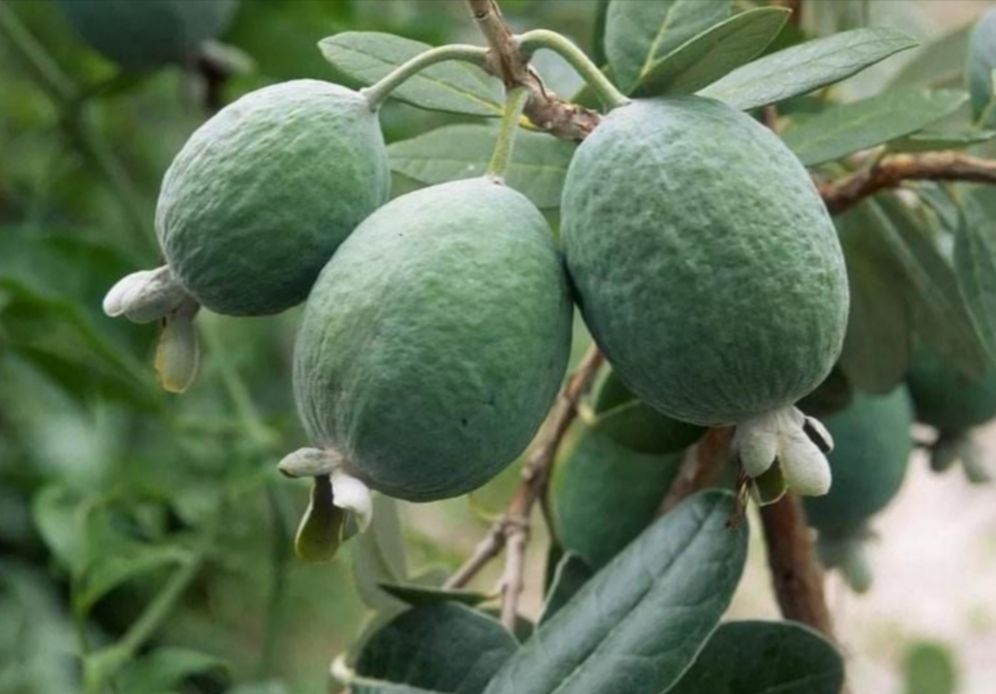
Feijoa is a newly introduced fruit tree in recent years, a shrub or small tree of the Myrtaceae family, also known as feijoa. The fruit has a unique taste, similar to a mixture of various fruits, and can be prepared in many ways. The flowers are also beautiful, with white flowers and red stamens.
The feijoa tree prefers sunlight, moist and well-drained acidic soil, high air humidity, and light fertilization, but it is also tolerant of alkaline soil. It likes a warm environment and has moderate cold hardiness; temperatures should not drop below -10 degrees Celsius in winter. Due to its rapid growth, potted plants require regular pruning.
11. Cherries
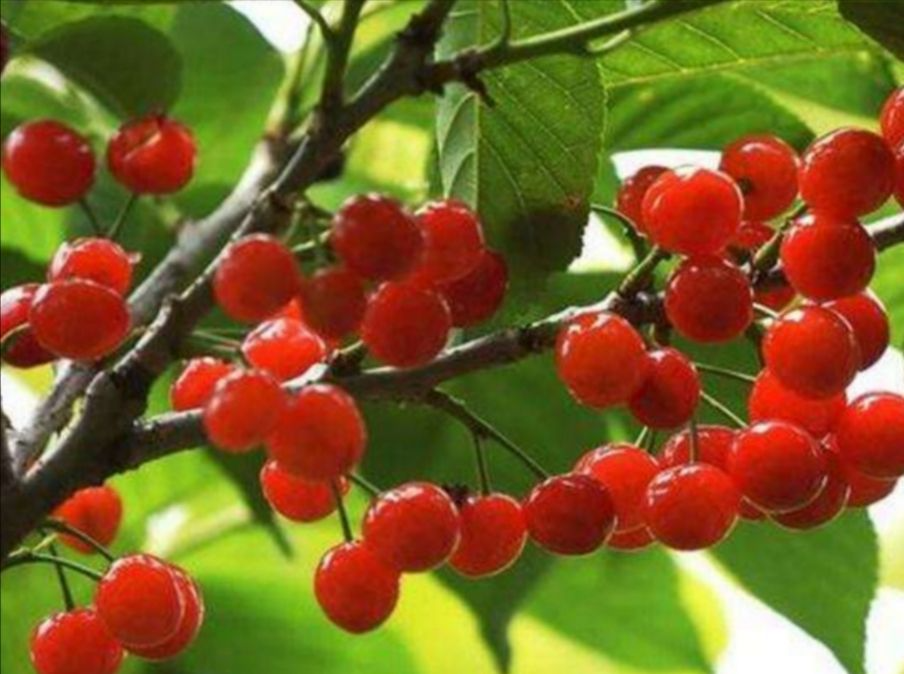
Everyone knows that cherries are delicious and have blood-nourishing and beauty-enhancing effects. The cherry tree is a shrub or small tree belonging to the genus *Prunus* in the family Rosaceae. Currently, China has both traditional small-fruited, high-yield native cherry varieties and large-fruited imported cherry varieties.
Cherry trees are best suited for bonsai in deep, wide-diameter pots. They prefer sandy loam or other loose, well-draining soil and are not particular about pH levels. The soil should be well-drained. They thrive in sunlight, require fertile soil, and need moderate moisture. Most varieties have some cold tolerance, and some native northern varieties are extremely cold-hardy. Care should be taken to prevent fungal and pest infestations.
12. Acerola cherry
Acerola cherry, also known as West Indian cherry, is actually a plant in the Malvaceae family and is not related to the cherry in the Rosaceae family. They only resemble each other in appearance and are edible. The pink flowers are beautiful and, from a distance, resemble crape myrtle flowers. Acerola cherry fruit is recognized worldwide as the king of Vitamin C, and pharmacies often sell health supplements made from its extracts.
Acerola cherry trees are tropical species that prefer sunlight, are heat-tolerant, and are not particularly picky about soil type, but thrive in high humidity. My friend keeps one of these trees, and as long as the local climate is suitable, its resistance to fungi and pests is quite good. However, it is very sensitive to cold and the temperature needs to be kept above 10 degrees Celsius.
This tree makes an excellent material for bonsai.
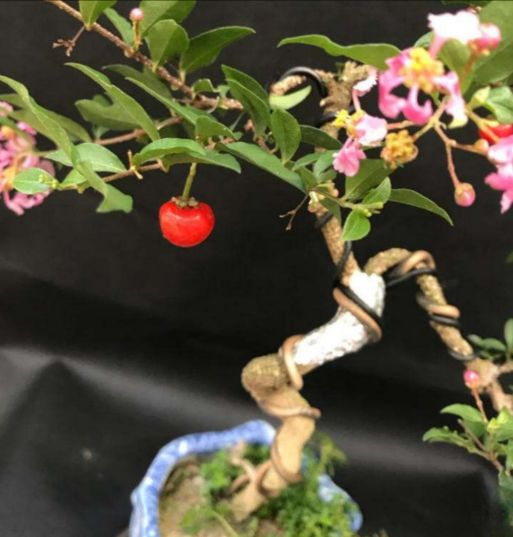
Thirteen, Elaeagnus angustifolia
Elaeagnus angustifolia, also known as goat's milk berry, is an erect shrub belonging to the Elaeagnaceae family. It is native to my country. Originally a popular wild fruit, many new foreign varieties have been introduced in recent years. Besides being edible, the fruit also has medicinal value.
Elaeagnus angustifolia prefers sunlight but tolerates moderate shade. It is not particularly particular about soil type, but prefers well-drained soil and high air humidity. It is relatively heat-tolerant and can usually withstand temperatures below -8 degrees Celsius. It is tolerant of saline-alkali soil and drought-prone conditions, but dislikes waterlogging and prefers light fertilization.
Some smaller Elaeagnus angustifolia plants are also good materials for bonsai.
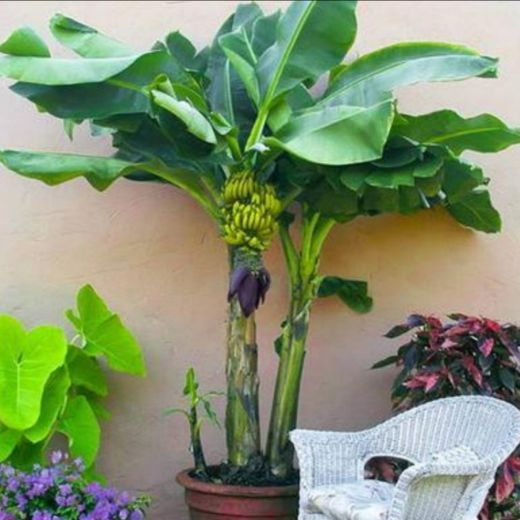
14. Dwarf Bananas
Banana trees belong to the Musaceae family. Dwarf bananas, as the name suggests, are a smaller variety of banana tree, suitable for potted cultivation.
Banana trees are tropical plants that prefer hot and humid climates, but dislike waterlogging and direct sunlight. They thrive in sandy loam or loose, well-drained humus soil, in partial shade with short periods of direct sunlight, and require frequent applications of diluted fertilizer. The ideal temperature is above 10 degrees Celsius. Protection against leaf rollers and some fungal diseases is necessary. Potted banana trees can be shaped using growth regulators.
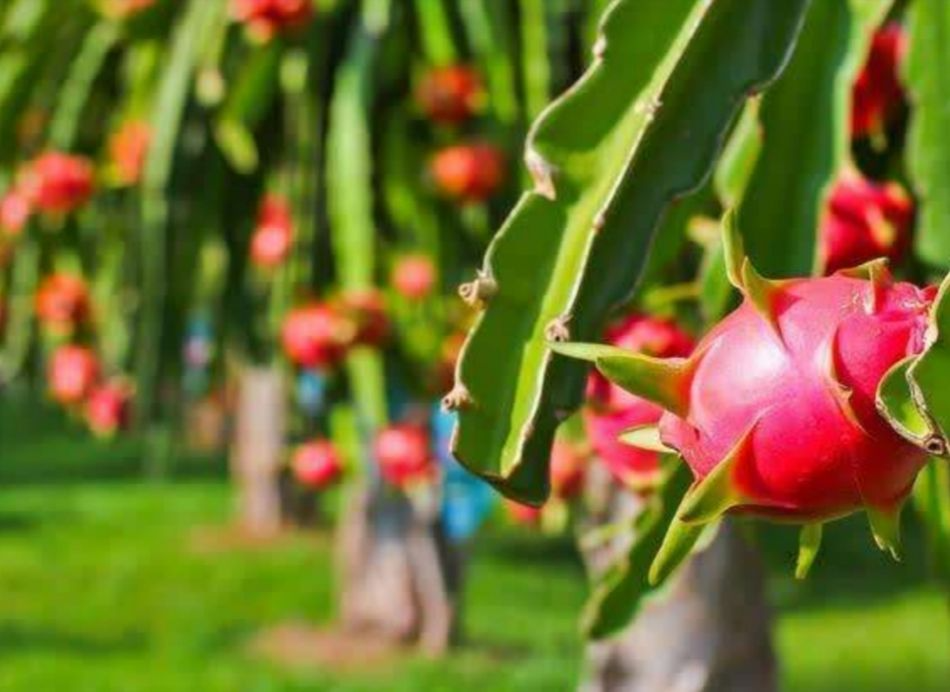
15. Dragon fruit
Dragon fruit is a plant belonging to the genus *Hylocereus* in the cactus family, and is a type of large succulent. Its fruit has a sweet taste, high nutritional value, and is believed to have cooling properties. It has a unique plant shape, and both its flowers and fruits are highly decorative.
Native to the tropics, it is extremely heat-tolerant, with a minimum temperature not falling below zero degrees Celsius. It prefers sunlight, is drought-tolerant, somewhat shade-tolerant, and tolerant of poor soil. It is not particularly picky about soil type, but is susceptible to waterlogging; well-drained soil is essential to prevent root rot and soft rot. It requires more water and fertilizer than typical small ornamental succulents. A small amount of manure mixed with a little bone meal can be used as base fertilizer, and succulent-specific liquid fertilizer should be applied frequently in diluted solutions. Growth retardants can be used to control its shape.
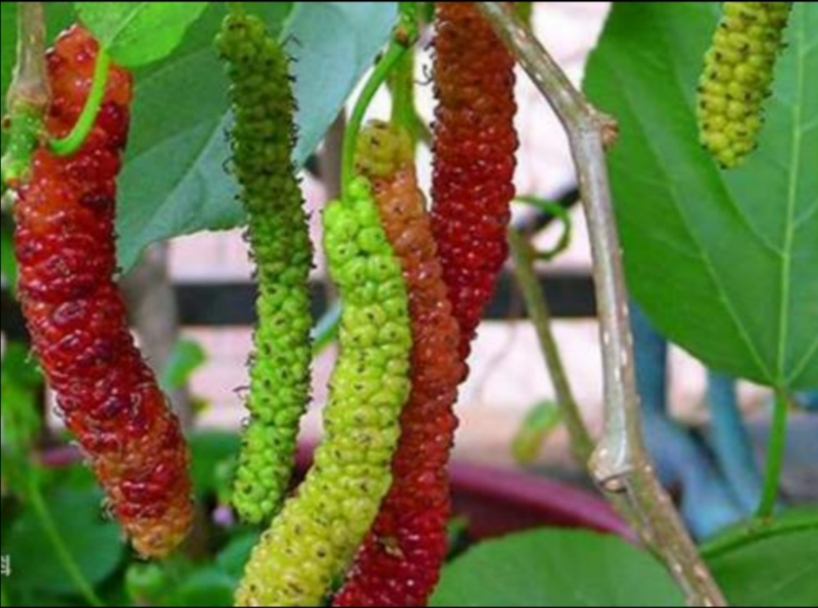
16. Mulberry
If you're not superstitious and don't mind the pronunciation of the word "mulberry," these specially cultivated mulberry varieties are also an ideal choice for potted fruit trees. Mulberries are extremely nutritious, a great food supplement, and can also be made into candied fruit, tea, or wine. Mulberry leaves also have medicinal and edible value, and can be used to raise silkworms.
The mulberry tree is a deciduous tree or shrub belonging to the Moraceae family. For potted plants, choose a smaller variety or one with controlled growth. It prefers a warm and humid climate, is not particularly picky about soil type, and has some cold and drought tolerance. It likes sunlight and fertile soil, is relatively rain-tolerant, but needs protection against pests and diseases.
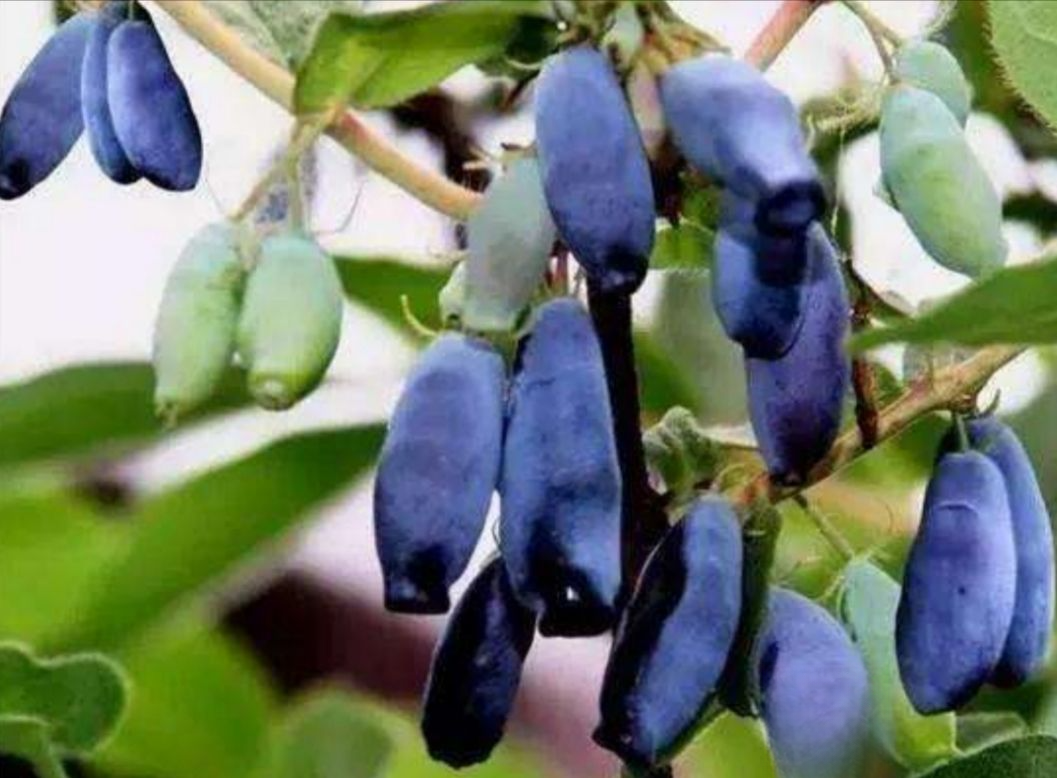
17. Honeysuckle berries
Blue honeysuckle berries, also known as mountain eggplant, are a type of honeysuckle belonging to the Caprifoliaceae family. The fruit is oblong-shaped and a striking blue color. It has a sour taste but is extremely high in vitamins and anthocyanins, and can be used to make jams, beverages, and wine.
Honeysuckle berries are a specialty of the honeybee's northern homeland. A deciduous shrub, it prefers sunlight but cannot tolerate direct sunlight or intense heat. It is cold-hardy, likes water and fertilizer, but is susceptible to waterlogging. Cultivation should be done in well-drained, loose, humus-rich soil, making it suitable for northern climates.
The above-mentioned fruit trees come in a wide variety, enough to meet the needs of home-grown potted fruit cultivation. However, this doesn't mean you can own them all. Each variety has its own characteristics, requiring different temperatures, humidity levels, soil types, and sunlight. It is recommended that anyone interested carefully read these attributes before making a purchase and choose prudently based on your location and environment.