Seven common pests and diseases that every flower grower should be aware of, as they are frequent and their treatments are essential.
More and more people are growing flowers these days, but after a while, they'll find that their plants often suffer from pests and diseases. If left untreated, these can lead to the death of the entire plant. Just like people, plants can get sick. So, if you want to grow flowers, you need to recognize these seven common pests and diseases so you can quickly treat and save your plants when you spot them.
1. Powdery mildew
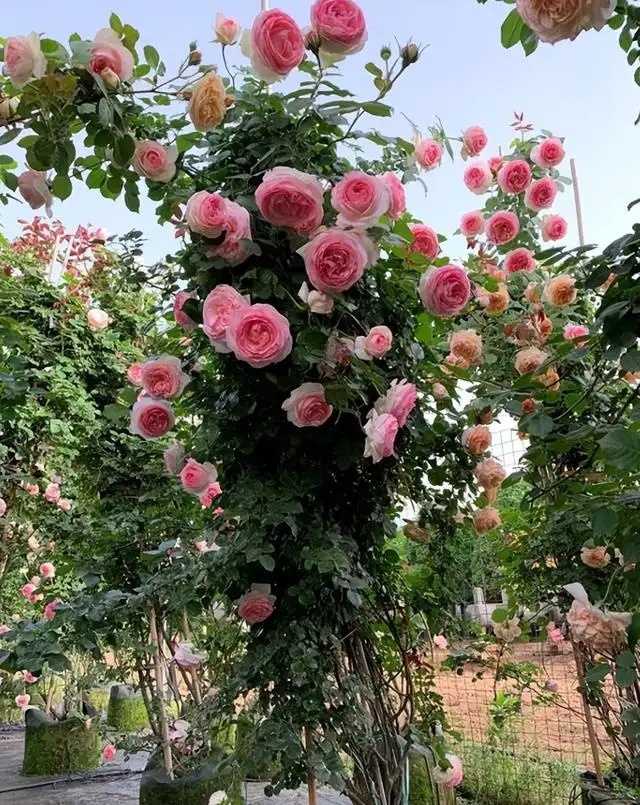
Powdery mildew is very common in home gardening, such as when growing roses or bougainvillea. These green-leaved plants are most susceptible to it during their vigorous growth season. Its obvious symptom is a layer of white powder on the leaves. If you ignore it after discovering it, it will quickly spread to all the leaves and infect other plants, eventually causing all the leaves to wither and die, or even the entire plant to die. Therefore, it is essential to treat powdery mildew promptly upon discovery.
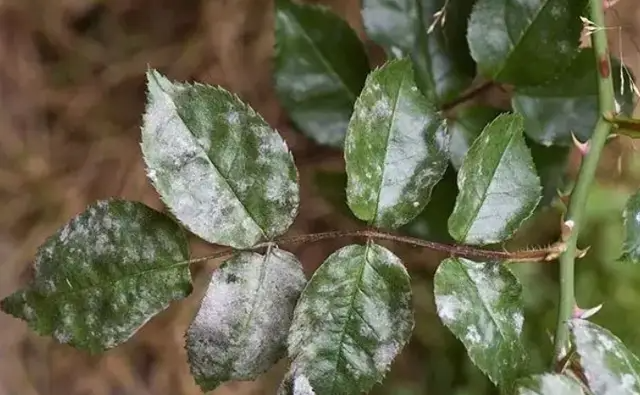
There are many medications available now specifically for treating powdery mildew; you can easily find them online and purchase them directly. Xiao Qi often uses cymoxanil, which is quite effective at treating powdery mildew. Powdery mildew is mainly caused by poor ventilation. If your home has poor ventilation, it is recommended that you spray it once a month for effective prevention.
2. Leaf spot disease
Leaf spot disease also frequently occurs on plants such as roses. The main symptom is that the leaves are covered with brown spots, and there may be slight yellowing around the spots. Some spots are very large and spread throughout the entire plant. They spread very quickly. Generally, roses will develop this disease when they encounter continuous cloudy and rainy weather, or when we spray water on them frequently in poorly ventilated indoor environments.
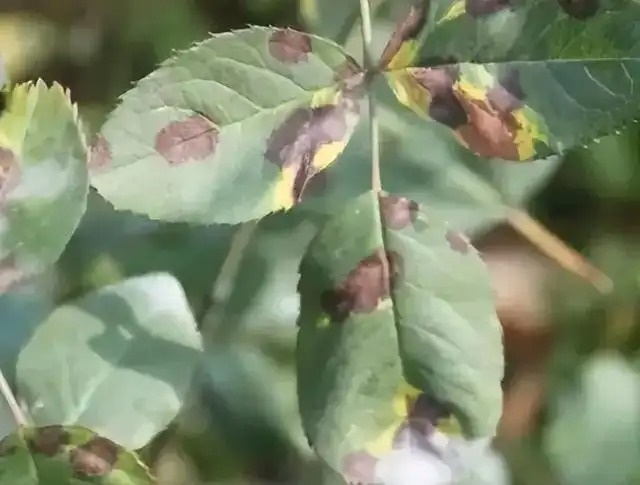
Therefore, leaf spot disease should be treated promptly upon discovery. Generally, ordinary mancozeb is sufficient. Spray three times, with an interval of three to five days between applications, to effectively stop the disease. It is recommended to spray the fungicide beforehand if there are consecutive cloudy days during maintenance to prevent leaf spot disease from occurring. If the indoor environment is poorly ventilated and is a closed space, it is also necessary to spray the fungicide once a month.
3. Leaf rot
Leaf rot is the most common disease in home gardening, and it can occur on any plant. We find that the leaves look like they've been soaked in water, with large patches, sometimes even in the middle of the leaf. However, in most cases, it starts from the top or edge of the leaf and spreads to the entire plant. Sometimes it appears very suddenly, and the patches are yellow or brown water-stained patches that eventually cover the entire leaf and the surrounding branches, causing the branches to die back.
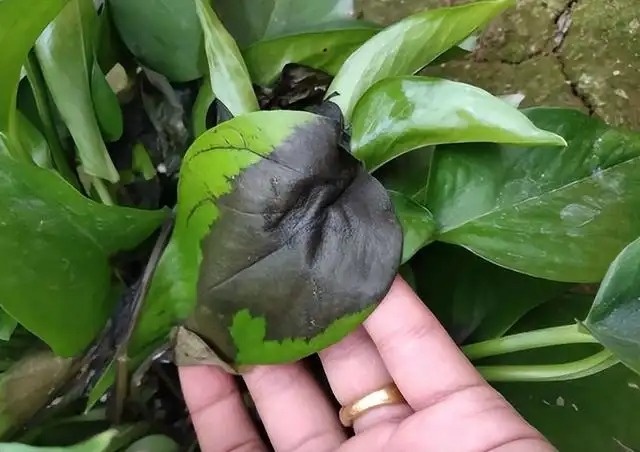
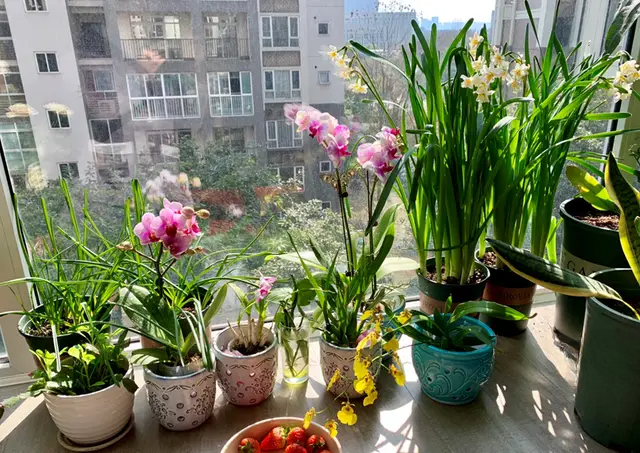
This leaf rot disease is caused by poor ventilation and high humidity. For example, if you're growing plants on an enclosed balcony with many plants, the humidity will be very high after watering, and there's no ventilation, especially during consecutive cloudy days. Overwatering can also cause root rot, leading to water-stained patches on the leaves. Treatment is simple: improve ventilation and sunlight, and avoid overwatering. This will effectively improve the condition. If you notice any leaf rot, simply place the plant in a well-ventilated area and trim off the affected leaves.
4. Sooty mold
Sooty mold, also known as black mold, appears on the leaves of plants and feels sticky to the touch. This is mainly caused by pests such as aphids and whiteflies. When these insects infest the plant, their secretions fall onto the leaves, causing sooty mold. If you discover it, treat the pests with pesticides promptly. If you still see sooty mold on the leaves, simply wipe it off with a damp cloth soaked in alcohol. Once the pest infestation is stopped, the sooty mold will stop on its own.
5. Whiteflies
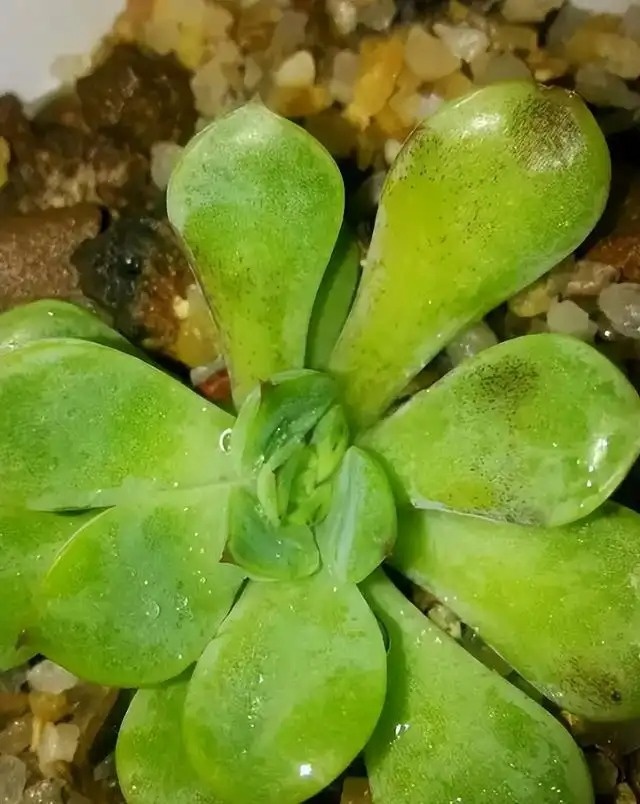
Whiteflies are a pest. If you touch your plants and see white, powdery insects flying around, that's definitely a whitefly. Whiteflies usually hide on the underside of leaves and are invisible unless you touch them. When you spray pesticides, they fly everywhere. So, it's recommended that you spray the entire plant with water before spraying pesticides. Wait about half an hour after spraying before spraying pesticides. This will effectively kill the whiteflies.
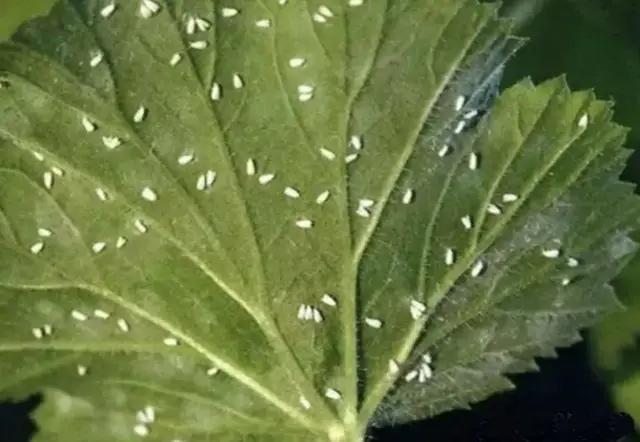
Because whiteflies have wings, if you spray pesticides, they will fly away when you spray, leaving the pesticide on the leaves. Since they won't feed on the leaves, you can't completely kill them. If you spray water beforehand, the water droplets on the underside of the leaves will wet the whiteflies' wings when they fly away and land on the leaves again. Then, when you spray, they won't be able to fly away, allowing the pesticide to penetrate and kill them. If the plants are grown outdoors in an open environment and have whiteflies, you can choose to spray in the morning. There's usually dew overnight, which will wet their wings, and spraying in the morning will kill them completely.
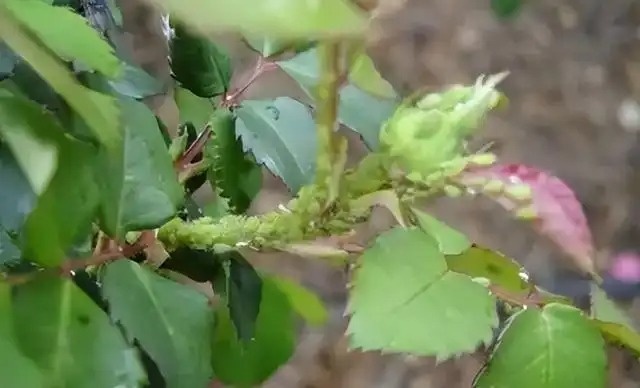
6. Aphids
Aphids are generally green or brown and commonly infest the tips of tender branches or flower buds of plants, appearing in dense swarms. They reproduce very quickly, so it's crucial to treat them promptly upon discovery. If only a few are found on branches or leaves initially, you can crush them by hand. Once a large number appear, spraying is necessary. Most pesticides are suitable. Like whiteflies, abamectin is particularly effective because it adheres well to the skin and is low in toxicity, effectively killing them after spraying. If left untreated, the entire plant will become infested, and the aphids will feed on tender branches and leaves, causing yellowing and stunted growth.
7. Red and white spiders
Red spider mites and white spider mites are very tiny insects, almost like powder. They cling to the back of plant leaves. If you pinch a red spider mite, it will release a blood-like red color. When red spider mites and white spider mites multiply, they will form spider webs. If you find spider webs on your plant leaves, these are red spider mites or white spider mites, and you must spray pesticides in time.
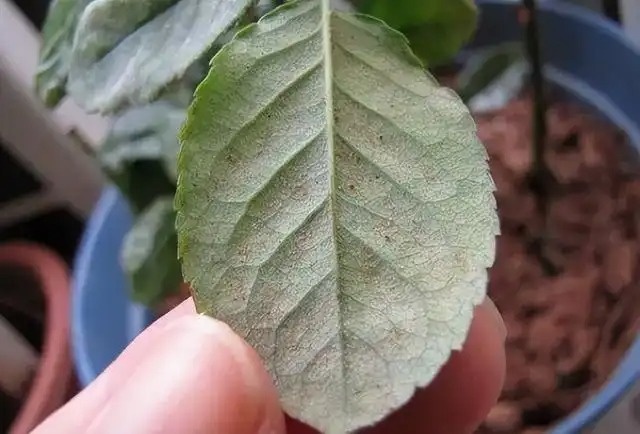
Killing them is relatively simple. Just rinse them thoroughly with water, making sure not to get any on the soil surface. This will eliminate them, as they are very sensitive to water. Alternatively, you can spray them directly with pesticide. When spraying, make sure to spray the upper surface of the leaves, the branches, and the surface of the soil to completely kill them. General pesticides will suffice; I recommend using abamectin or imidacloprid.
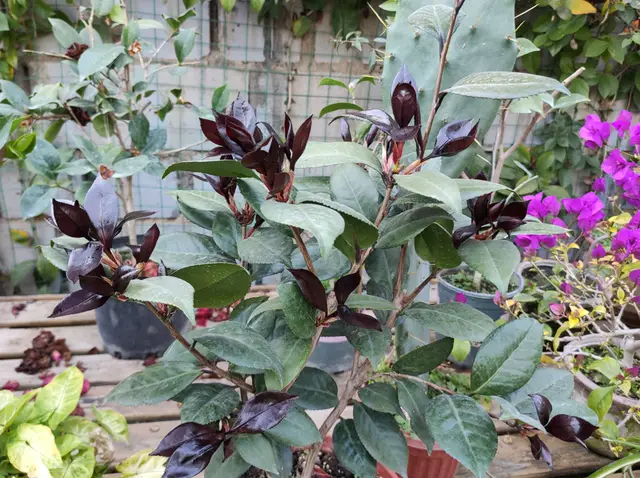
These are the seven most common pests and diseases we encounter when growing flowers at home. Whether it's a disease or a pest, you must spray pesticides promptly upon discovery. One spray isn't enough; you need at least two to three sprays, spaced three to five days apart, to completely kill them and stop the disease. These pests and diseases are usually caused by poor ventilation, so it's crucial to ensure adequate ventilation when growing flowers at home to prevent problems.
To prevent pests and diseases, it's best to spray pesticides every two weeks to a month, applying both a fungicide and an insecticide. For fungicides, I recommend mancozeb or thiophanate-methyl. For insecticides, abamectin is very effective; I've been using it.