Seven common pests and diseases during the rainy season and their control methods
It's that time of year again—the humid, hot, and rainy season, a favorite time for pests and diseases. The rain nourishes everything, but it also feeds the restless pests and diseases.
After heavy rains, to prevent the spread of pests and diseases, preventative measures should be taken promptly. The entire nursery area should be disinfected by spraying with a 0.5%–1% Bordeaux mixture, repeating this process approximately every 5 days. For existing seedling diseases and pests, targeted pesticide treatments should be used.
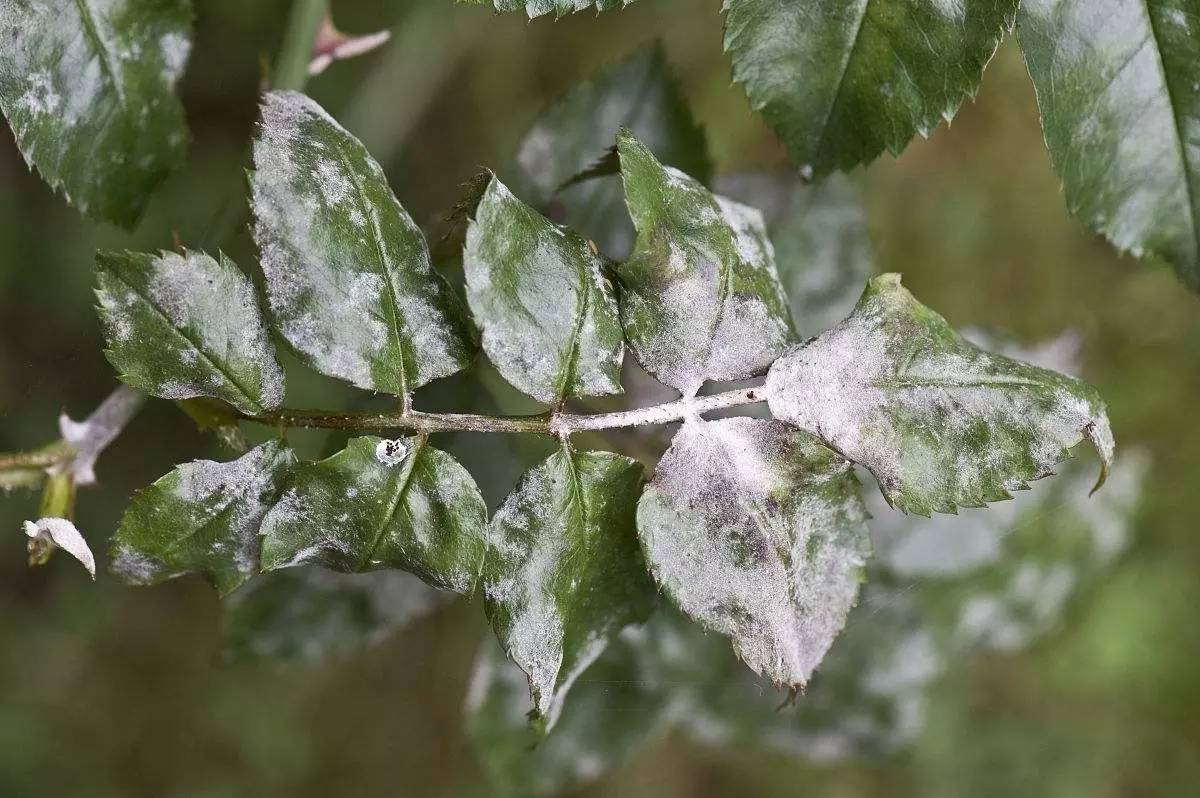
Powdery mildew is a very common garden disease. After plants are infected, their branches and leaves are densely covered with a dirty white powdery fungus. It spreads rapidly and is susceptible to many tree species, mainly affecting crape myrtle, large-leaved boxwood, hibiscus, rose, and azalea. The peak season for the disease is from April to June. The humid and rainy plum rain season is the season when powdery mildew thrives, so it is necessary to strengthen prevention.
Prevention and control methods: Maintain good ventilation and sunlight exposure. At the initial stage of infection, spray with a 500-fold dilution of baking soda every 3 days for 5-6 consecutive applications. During the disease period in seedlings, alternately spray the plant leaves with 15% wettable powder of triadimefon at 1500-2000 times dilution, 70% thiophanate-methyl at 1000 times dilution, or 50% carbendazim, once every 7-10 days. Generally, 2-3 applications are sufficient in summer.
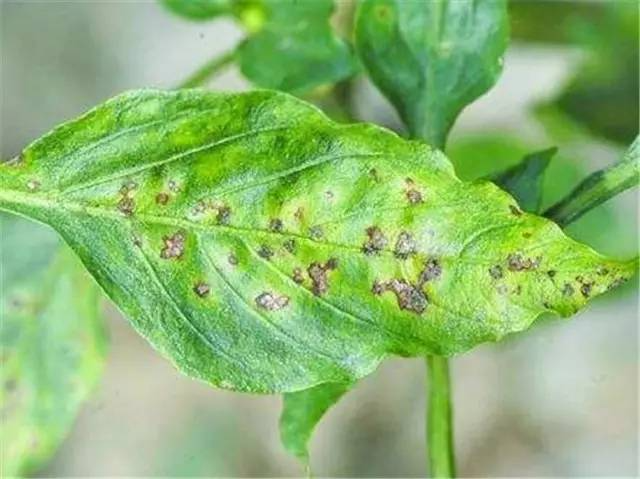
The leaves of affected plants develop various spots, which gradually expand into large, nearly circular or polygonal spots, eventually causing the entire plant to wither. It primarily damages peonies, red osier dogwood, hostas, wolfberries, pomegranates, roses, hibiscus, crape myrtles, honeysuckle, peach blossoms, azaleas, over a hundred species of flowering shrubs, as well as ash trees, ailanthus, bamboo, lawns, and many other plants.
Control methods: In the early stages of disease occurrence, 50% thiophanate-methyl diluted 800 times or Bordeaux mixture diluted 1:100 can be used for control, spraying 2-3 times consecutively, with an interval of 7-10 days. After the disease occurs, a leaf spot control agent diluted 1000-1500 times can be sprayed specifically.
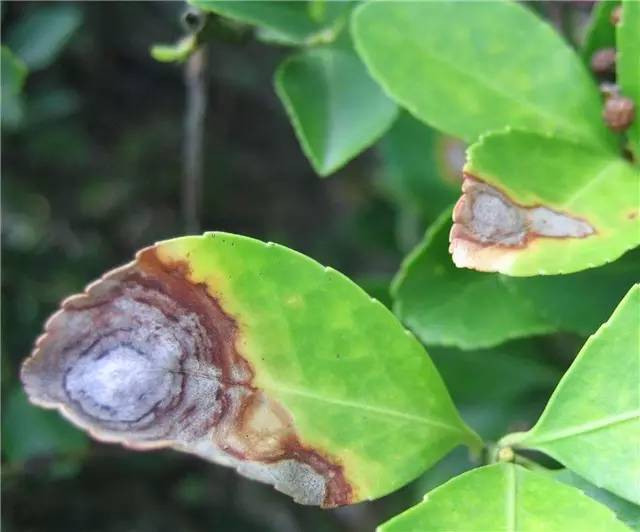
It mainly occurs at the leaf tips and edges. Initially, small reddish-brown, water-soaked spots appear on the leaves. Later, the lesions enlarge, forming large black spots, brown, or gray concentric rings with distinct boundaries. It mainly affects walnuts, plum trees, Michelia figo, Hosta, Buxus macrocarpa, Buxus chinensis, Ilex cornuta, Platanus orientalis, and Prunus cerasifera.
Prevention and control methods: Remove fallen leaves and prune diseased leaves in a timely manner to reduce the source of infection, and spray with 1000-1500 times diluted leaf spot control solution, 500 times diluted 50% carbendazim arsenic solution, or 2000 times diluted 3% thiophanate-methyl solution.
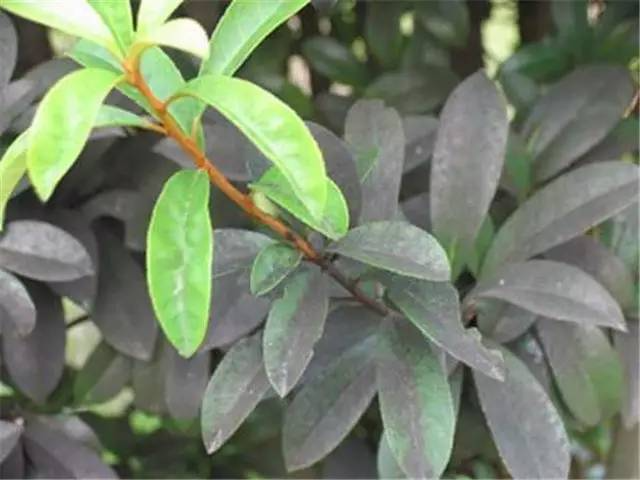
Sooty mold, also known as blister beetle, commonly affects flowering plants and seedlings. After infection, black mold spots appear on the leaves and shoots, which then expand into patches, eventually covering the entire leaf and young shoot with a black mold layer. This affects photosynthesis, reduces ornamental and economic value, and can even cause death. It primarily harms crape myrtle, peony, camellia, milan, osmanthus, chrysanthemum, and many other flowering plants and seedlings.
Prevention and control methods: Sooty mold is mostly caused by aphids. Maintain good ventilation and spray with 1000-2000 times diluted aphid-killing spray or insect-free spray.
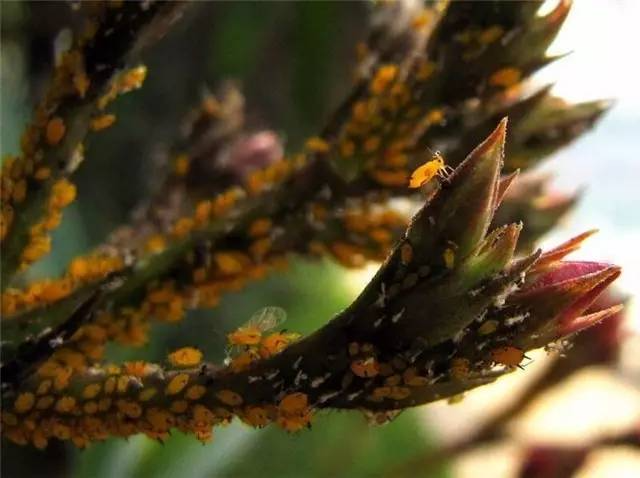
Aphids are very common on seedlings, and their main hosts include large-leaved boxwood, red-leaved plum, peach, crabapple, firethorn, crape myrtle, rose, oleander, and so on. They congregate on tender branches, buds, and the undersides of leaves, feeding on them and causing the leaves to curl inwards. They also secrete oily excrement that can lead to sooty mold and viral diseases. Aphids reproduce rapidly, and their range of occurrence expands quickly, with the peak incidence occurring in May and June.
Control methods: Spray with 1000-2000 times diluted aphid-killing or insect-free solution, or 1.2% nicotine emulsifiable concentrate at 1000 times dilution, or 10% imidacloprid at 1500 times dilution.
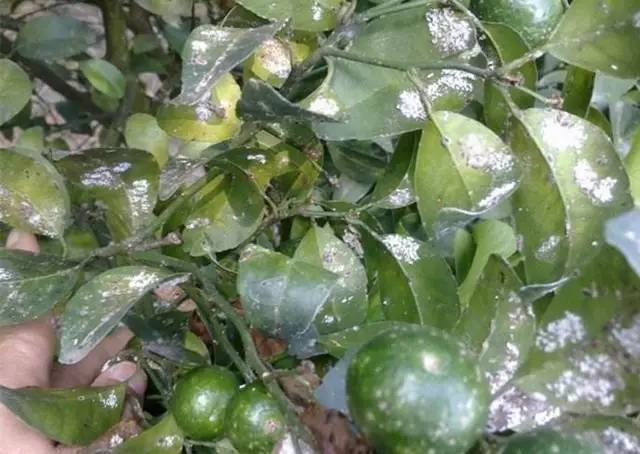
Common types include the red round scale, brown round scale, scaly scale, arrowhead scale, and cottony cushion scale. Scale insects damage leaves, branches, and fruits. They cause yellowing leaves, wilting branches, and weakened tree growth, and easily induce sooty mold. They mainly infest crape myrtle, roses, Michelia figo, osmanthus, and camellias. Because scale insects are covered with a thick waxy layer, they are very difficult to control and are considered the number one of the "five small pests" of gardens.
Control methods: If damaged seedlings are found, spray with 28% chlorpyrifos EC at 1200 times dilution, 40% chlorpyrifos EC at 800 times dilution, plus 10% imidacloprid at 1000 times dilution.
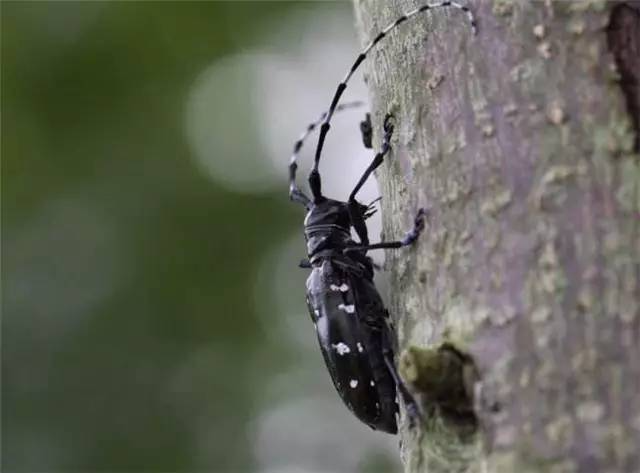
Longhorn beetles are elusive pests that overwinter as larvae in the trunks of host trees. They begin to rise and feed after April. They cause significant damage and are difficult to control. Common species include the Asian longhorn beetle, the mulberry longhorn beetle, and the peach longhorn beetle, which primarily infest poplar, willow, elm, soapberry, goldenrain tree, peach, and plum trees.
Prevention and control methods: When discovered, use wire hooks to kill the borers and inject insecticide, such as 56% aluminum phosphide tablets or 50 times diluted Bacillus subtilis No. 6 solution. Alternatively, cotton can be used to absorb the undiluted drug, and cotton balls can be stuffed into the borer holes with wire.