Rose pruning techniques perfect for beginners – you'll learn it in no time, and achieving abundant blooms is that simple!
How to prune roses
Mumu says: Now that I've finished writing, let me reiterate that today's article was poorly written. The problem isn't technical, but rather the lack of sufficient explanation. The topic of rose pruning is incredibly broad. While I wanted to provide a simpler method, my perspective as a beginner doesn't fully capture the understanding many novice gardeners have of pruning, so my explanation might not be clear. If you didn't understand, you can contact me for consultation: 18671858676
When it comes to pruning roses, it's a huge topic. Pruning roses not only affects their flowering but also their normal growth. Different types of roses require different pruning methods.
Due to space limitations, and because expanding too much might discourage readers, today I'll only discuss common rose pruning methods. Mastering these will allow you to prune your roses properly.
Recently, many flower enthusiasts have told me they hope I'll create some videos instead of text-based posts, as this would be easier to read. I've carefully considered this, as it would not only be more convenient but also help increase followers and traffic. However, after careful consideration, I've decided against it. Making videos myself doesn't allow for post-production editing, and I don't have the time or energy for reshooting. I've also watched other planting videos, and they often just jump around from one idea to another, which easily leads to omissions. Text, on the other hand, allows for repeated revisions and refinements. My goal isn't simply to increase traffic and followers; I just want to share my knowledge and experience with everyone so that you can grow roses better.
However, Mumu will also post some short videos of her daily life on "Toutiao" and "Douyin" later. Welcome to follow her.
Please enter a title abcdefg
Fujimoto
Rose pruning ~ climbing roses

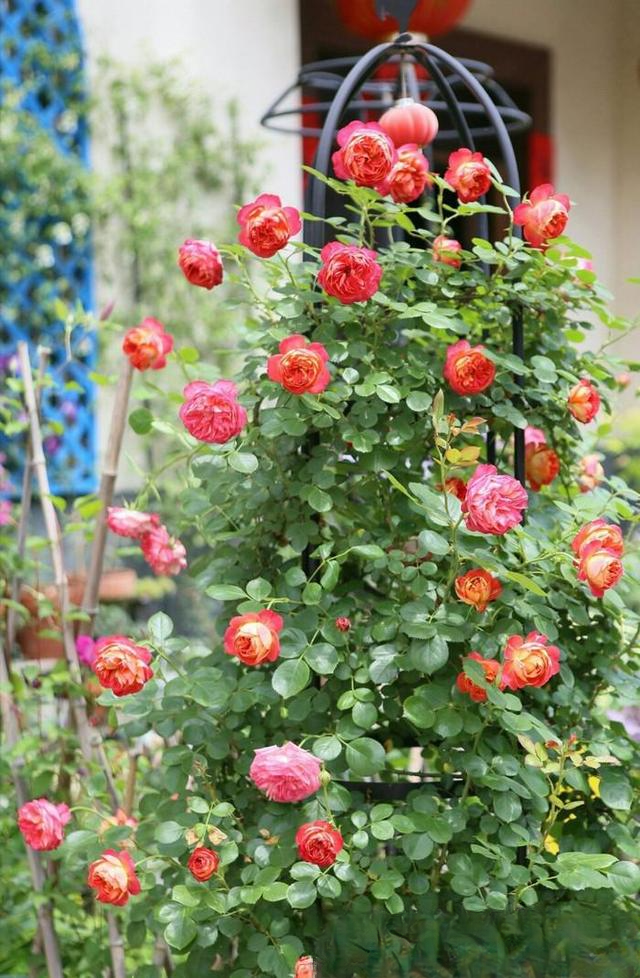
Climbing roses - pruning after flowering
Compared to shrubs and miniature roses, pruning climbing roses is much more labor-intensive, but also much simpler, as they do not require topping or pinching like other types.
After the spring and autumn flowers, prune once, mainly to remove the spent flowers to prevent fruit formation and the growth of pathogens from the spent flowers.
The specific method is simply to cut off half of the flowering branches; other than that, no major pruning or trimming is needed.
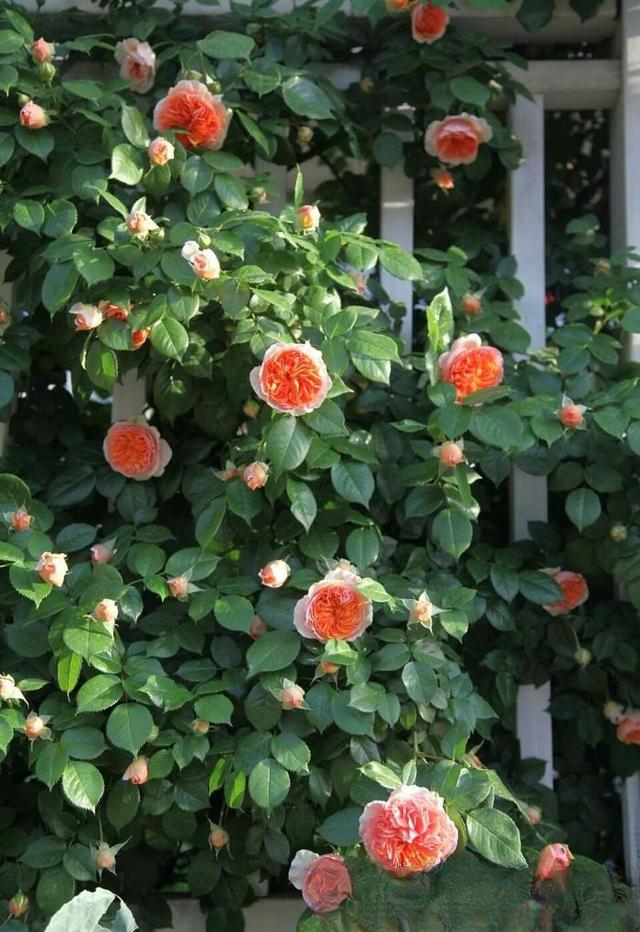
Climbing Roses - Winter Pruning
Because climbing roses require numerous branches to support their abundant blooms, and due to their rapid growth, they do not require excessive pruning during heavy winter pruning.
The main task is to prune away dead, weak, diseased, and overgrown branches. The shaping of climbing roses is mainly achieved through training rather than pruning.

Climbing Roses - Routine Pruning
In daily life, just pay attention to dead, weak, and diseased branches. In addition, because climbing roses grow quickly and have dense foliage, you need to be careful that if the plants are too dense, it will affect the ventilation of the roses. At this time, you need to prune them appropriately to avoid diseases caused by poor ventilation.
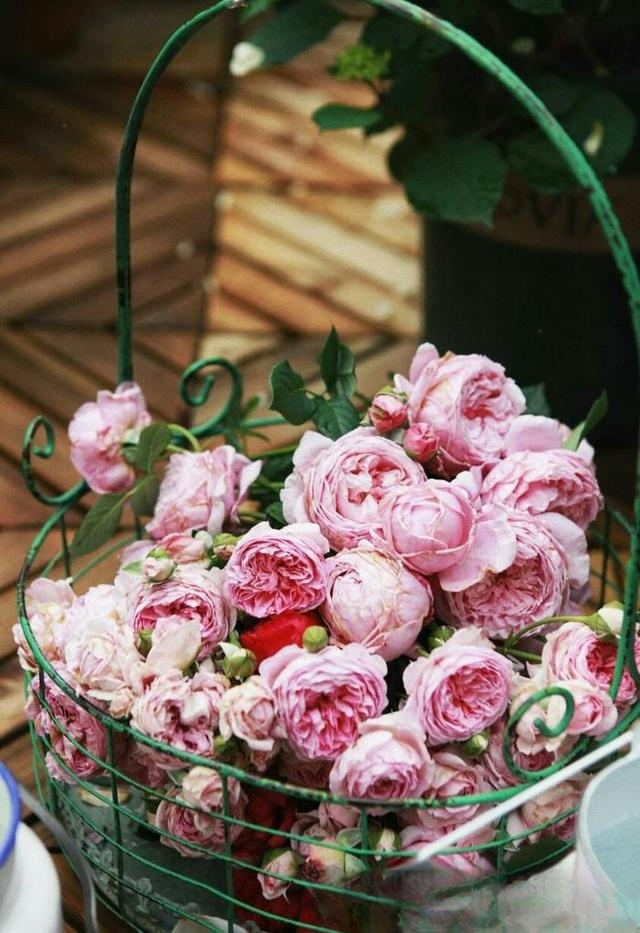
◎Content Source: Xu Mumu Roses - Crafted with Ingenuity - New European Roses Released in September
shrub
Rose pruning - shrubs
■ Compared to climbing roses, pruning shrubs is relatively more complicated. We often know about topping, pinching, post-flowering pruning, and heavy winter pruning, etc. However, to avoid complexity, I will only give you a simple explanation here. By following this method, you can at least grow your roses well and avoid major problems in pruning. This is only for beginners. After getting started, you can gradually advance.
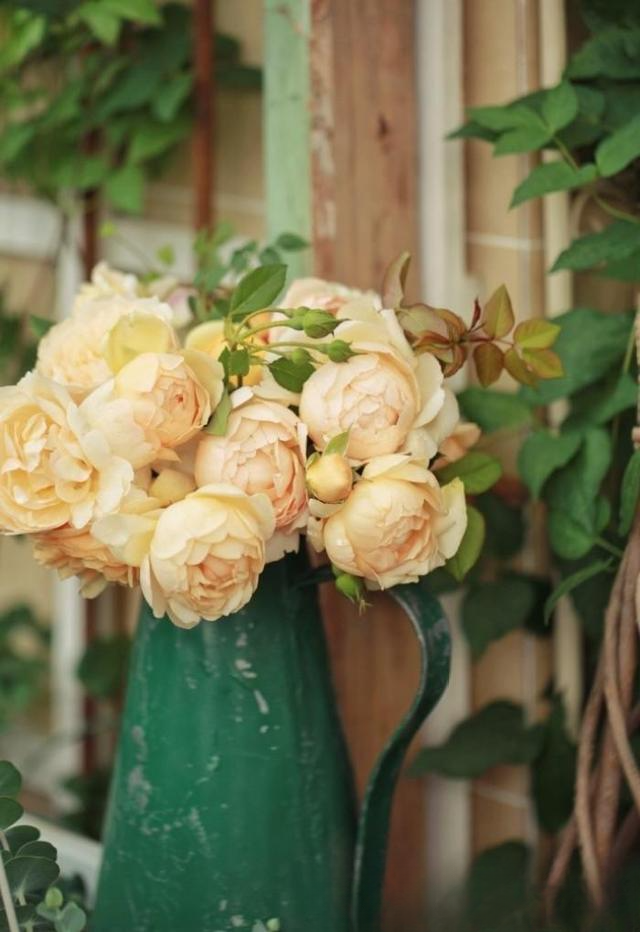
Shrub pruning - Post-flowering pruning
Like climbing roses, shrub roses bloom profusely in spring and autumn. After flowering, the flowering branches also need to be pruned. I won't go into too much detail here. Just remember one sentence.
Cut off two-thirds of the strong branches that are flowering, and cut off half of the relatively weak ones.
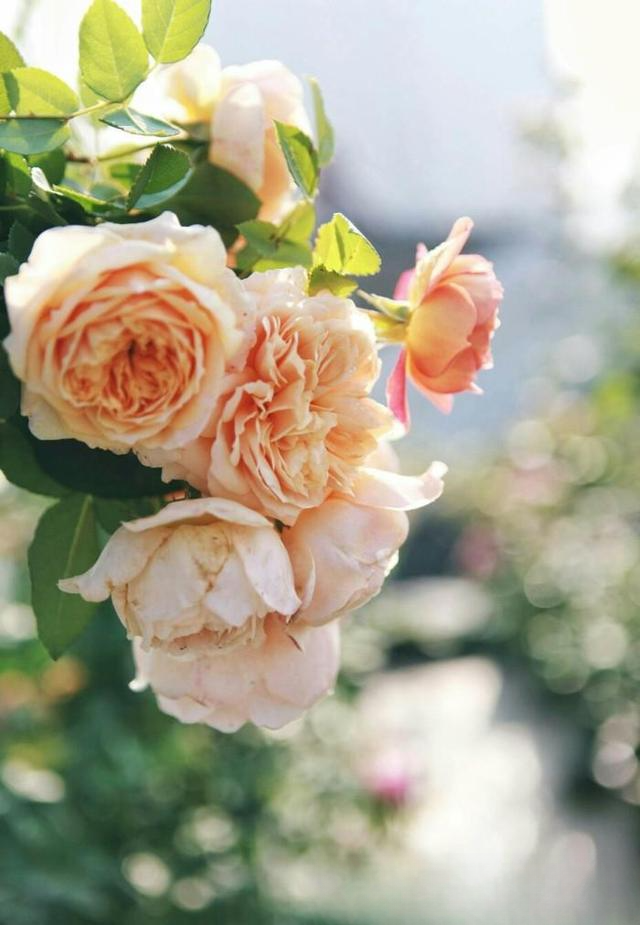
Shrub pruning - heavy winter pruning
Heavy pruning of shrubs in winter not only reshapes them into a better shape for the following year, but also promotes the sprouting of new shoots. It also serves as a garden cleanup process, reducing pests and diseases in the coming year.
Winter pruning is important, so I won't go into detail here. Just remember to cut weak seedlings and young plants to half their current height. For strong, mature seedlings, leave 20 to 30 centimeters after pruning.
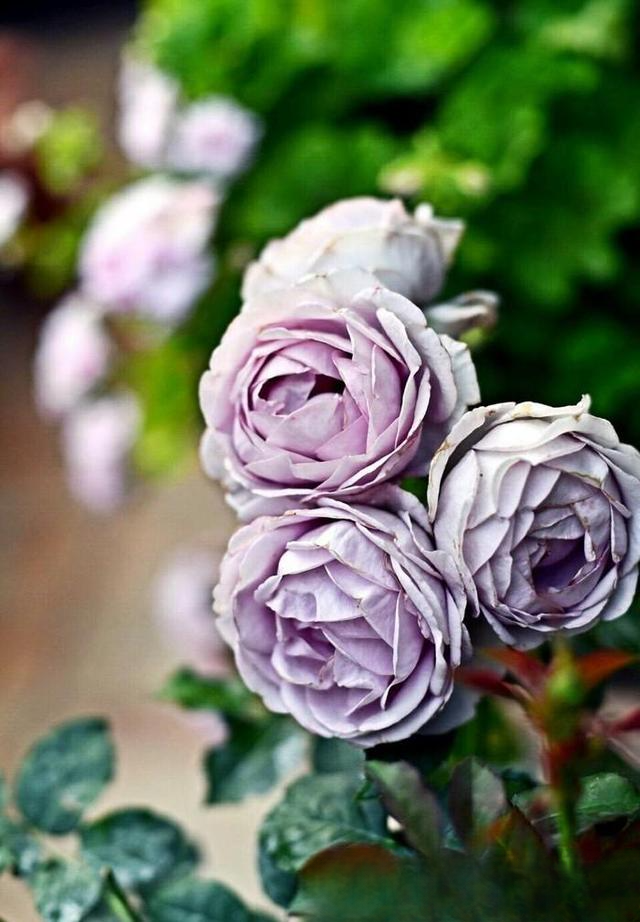
Shrub pruning - topping and pinching
Pinching and topping are only a supplementary pruning method for shrubs. There is no fixed time for pruning. For example, if there has been a lot of rainy weather recently and the branches of the plant are relatively weak but continue to grow rapidly upwards, then you can pinch off the top or topping.
Therefore, Mumu suggests that everyone include pinching and topping in the effective pruning after flowering, and that there is no need to prune them separately at other times.
When diseases such as black spot and spider mites cause a large number of bottom leaves to fall off, appropriate topping and pruning should be carried out to prevent the emergence of tall, leggy seedlings.
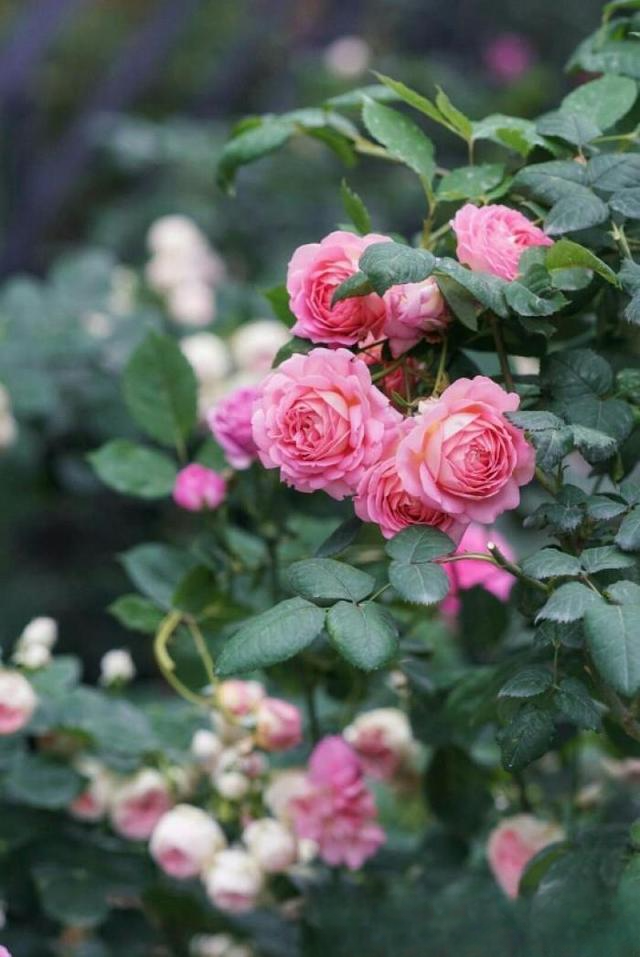
◎Content Source: Xu Mumu Roses - Crafted with Ingenuity - New European Roses Released in September
Miniature Moon
Rose pruning - Miniature rose
■ Pruning miniature roses is relatively complicated. To be honest, I've tried methods like post-flowering pruning, topping, and heavy winter pruning, but I couldn't handle it. So, I've found a simpler method for everyone.
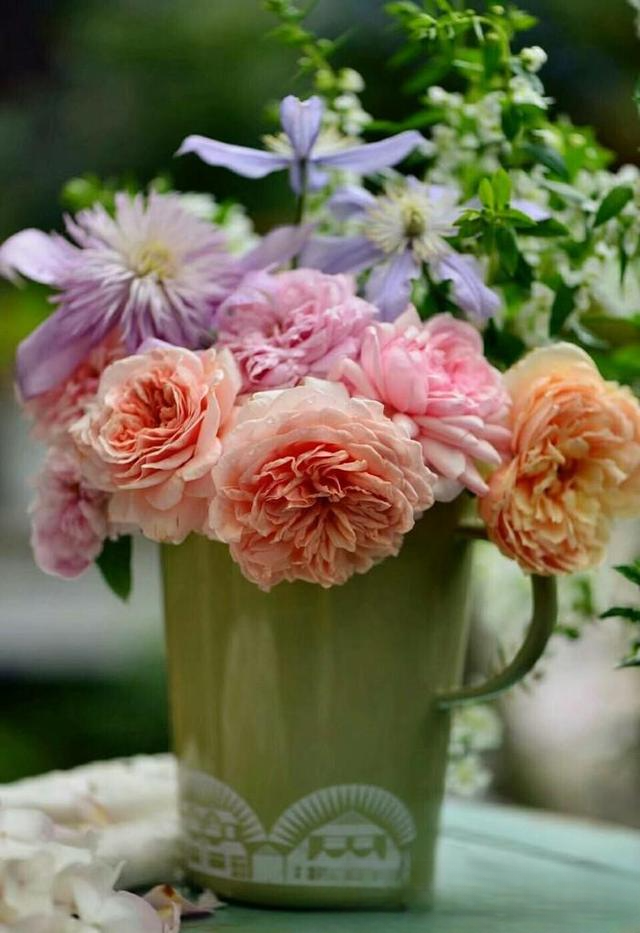
Pruning miniature roses - one cut
Before Mumu explains this simple method, I must first talk about routine supplementary pruning.
That means that when you encounter diseased or dead branches, you still need to prune them separately. In addition, you also need to check whether the plant is too dense and affects ventilation. If it does, you need to prune some of it appropriately.
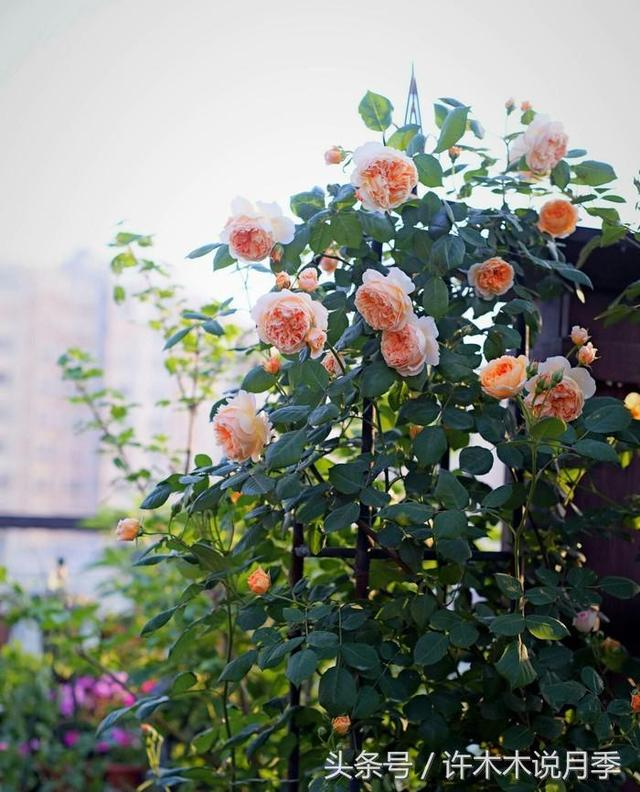
Because miniature roses grow quickly, are short and dense, have many branches and leaves, and most of their branches are quite thin, it is troublesome and a headache to prune each branch individually. Therefore, we can simply prune the miniature rose plants to a uniform height after the spring and autumn blooms.
The usual practice is to prune the plant uniformly to half its height after flowering, using scissors to cut evenly. This makes the process much easier. During the heavy pruning in winter, the plant height can be shortened appropriately.