Rose downy mildew—a devastating disease and pest (control manual)
When it comes to diseases that can cause roses to lose all their leaves and become "bare stems," black spot disease will surely come to mind. When black spot disease occurs on roses, large areas of leaves fall off, and it is very difficult to treat.
However, rose black spot disease generally occurs during the rainy summer and late summer/early autumn. Now it's spring, so today we'll talk about rose downy mildew, which is prone to outbreaks in early spring. Once a rose is infected with downy mildew, its leaves will fall off completely in a very short time, even more severely than black spot disease!
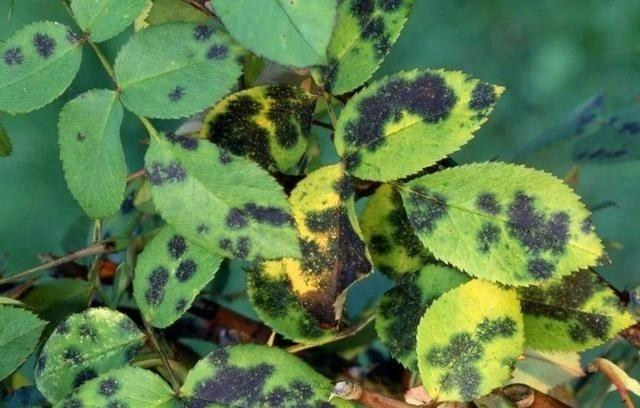
Many rose enthusiasts may not have heard of downy mildew. This rose disease often occurs in roses grown in greenhouses or on balconies. The chances of downy mildew outbreaks in roses grown outdoors by individuals are relatively low. However, it is still worthwhile to talk about the prevention and treatment of downy mildew in roses. Being prepared is the best way to avoid problems.

Downy mildew is more prevalent in seasons with low temperatures and high humidity, and early spring is its peak season. Some flower enthusiasts have had the painful experience of their roses losing all their leaves due to downy mildew, leaving them with no flowers to enjoy in the spring. Everyone should pay attention to this.
Next, we'll introduce you to downy mildew.
I. Symptoms of downy mildew in roses
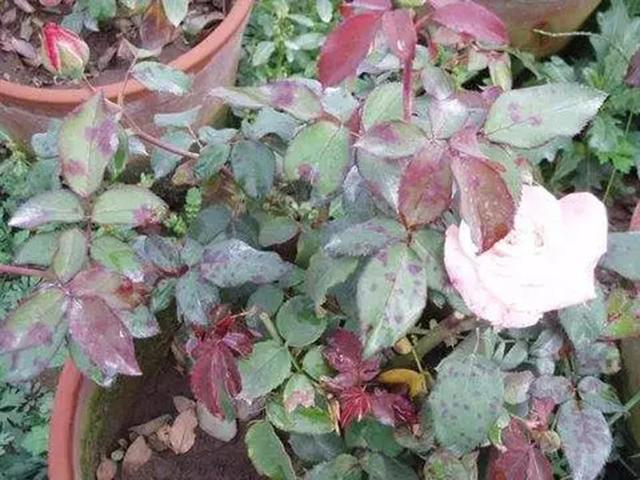
In the early stages of the disease, irregular reddish-brown or dirty purple patches will appear on the leaves. Then the patches will expand and ulcer-like lesions will appear. The leaves will fall off when touched. In severe cases, all the leaves will fall off, and the rose stem will become bare.
II. Conditions for the occurrence of downy mildew
As mentioned earlier, downy mildew is more prevalent in seasons with low temperatures and high humidity, with early spring being its peak season. Additionally, in autumn, due to the temperature difference between day and night, leaves become covered in dew at night, and temperatures are lower, making it an ideal time for downy mildew to thrive and cause severe leaf drop in roses.
III. Prevention and Control of Downy Mildew in Roses
1. Physical prevention
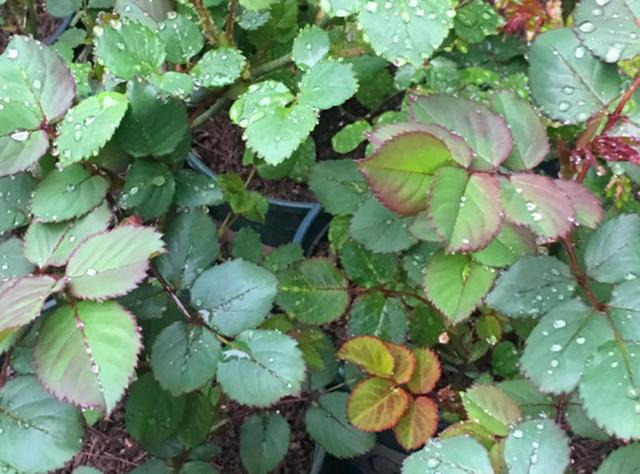
Remove fallen leaves, dead branches, diseased branches, and weak branches from rose bushes to increase ventilation and light penetration for the rose plants and avoid the formation of low temperature and high humidity environments. This can effectively reduce the occurrence of downy mildew in rose bushes.
2. Chemical control
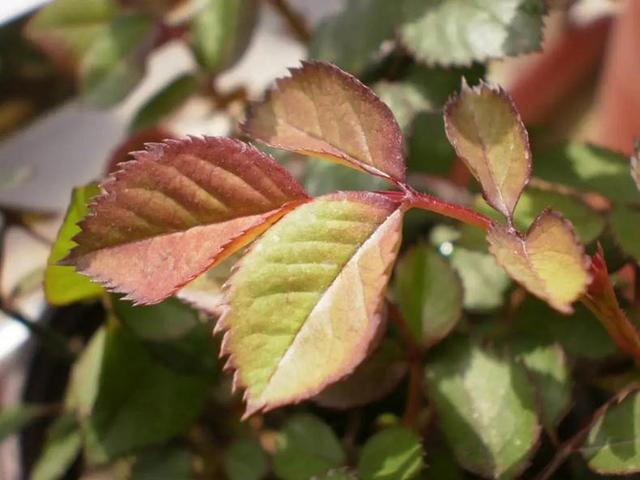
We need to regularly observe the growth of our roses for early detection and treatment (the treatment methods for downy mildew and black spot are somewhat similar). For preventative measures, we currently recommend two broad-spectrum fungicides: chlorothalonil and mancozeb, which can control both downy mildew and black spot/powdery mildew simultaneously. When spraying, make sure to cover both the upper and lower surfaces of the leaves, approximately every 10-15 days.
In addition, once disease spots are found on the leaves, a therapeutic pesticide should be sprayed immediately. It is recommended to use cymoxanil or dimethomorph for treatment. Generally, if the disease is not too severe, two sprays will solve the problem.
In addition, bacteria may remain on the pot and soil. If you want to prevent newly emerging leaves from being infected with downy mildew, you must not miss these areas when spraying the pesticide. Finally, we should choose to spray the pesticide on a sunny day, as this will be more effective.

Although downy mildew is very harmful, its incidence is far less than that of powdery mildew and black spot. Therefore, as long as we do a good job of regular sterilization management, downy mildew can be controlled and prevented.