Renovation Tips: A Complete Guide to Cleaning and Maintaining Solid Wood Doors, SteelWood Doors, and Stainless Steel Doors and Windows
There are many types of doors. Based on material, the main types are solid wood doors, steel-wood doors, and stainless steel doors. Below are the cleaning and maintenance methods for each type.
Nowadays, most families use solid wood security doors. How do you clean solid wood doors? Here are a few tips.
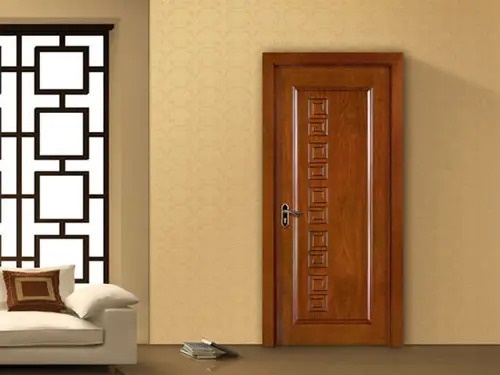
When cleaning stains on wooden doors, use a soft cotton cloth to wipe them. Using a hard cloth can easily scratch the surface. If the stains are very stubborn, you can use a neutral detergent, toothpaste, or furniture cleaner to remove them, and then wipe dry. Do not leave cloths soaked in neutral detergent or water on the wooden door surface for extended periods, as this can damage the surface, causing discoloration or peeling of the finish.
Avoid excessive rubbing of the edges and corners of wooden doors, as this can cause the paint to peel off. Hinges and locks, which are frequently moved parts, should be tightened immediately if they become loose. Hinges that make noise should be lubricated promptly. If a lock is difficult to open, a small amount of pencil lead shavings can be added to the keyhole; do not use oil indiscriminately.
Do not frequently open wooden doors with hands that are wet or have other solutions on them, as this may cause the door lock to discolor. When using solid wood doors, do not hang excessively heavy items on the door leaf or avoid bumping or scratching them with sharp objects. When opening or closing the door leaf, do not use excessive force or open it at too wide an angle, as this may damage the wooden door.
II. Cleaning Steel-Wood Doors
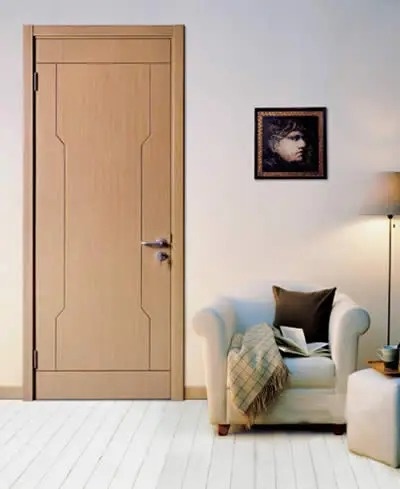
The door panel is the face of the entire steel-wood interior door. When cleaning stains on the surface of a steel-wood door, use a soft cotton cloth to wipe it; a hard cloth can easily scratch the surface. Avoid leaving cloths soaked in neutral detergent or water on the surface of the steel-wood door for extended periods, as this can damage the surface, causing discoloration or peeling of the finish. The maintenance of steel-wood doors is basically the same as that of solid wood doors; you can refer to the maintenance methods for solid wood doors.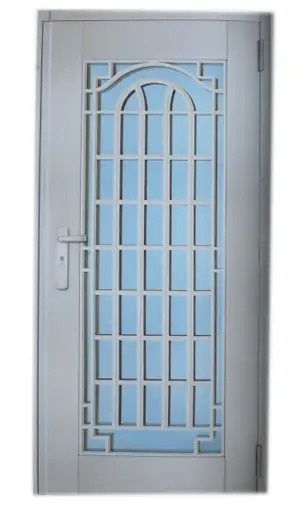
Cleaning methods include using soap, mild detergent, or warm water to remove surface dust and easily removable dirt.
For surface trademarks and stickers, wash with warm water and a mild detergent. For adhesive components, wipe with alcohol or organic solvents (ether, benzene).
For surface contamination such as grease, oil, and lubricant, wipe clean with a soft cloth, then wash with a neutral detergent, ammonia solution, or a special detergent.
Rust caused by surface dirt can be washed with 10% nitric acid or abrasive detergent, or with special cleaning chemicals.
Maintenance Tips: When cleaning stainless steel surfaces, care must be taken to avoid scratching the surface. Avoid using detergents containing bleach or abrasives, steel wool, or abrasive tools. To remove detergent residue, rinse the surface with clean water after washing.
After cleaning the doors, cleaning the windows is the next concern. Windows are the "eyes" of our homes, and over time, dust and stains accumulate on the glass. A thorough cleaning before the New Year is essential, and windows should definitely be included. Let's learn how to clean windows.
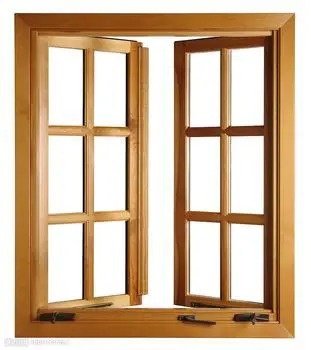
I. Cleaning Tips for Wooden Windows : Wooden windows are very common in modern home decoration. When cleaning wooden windows, wipe them with a clean, soft cloth to remove dust; do not use a dry cloth. If there are stains, you can wipe them with a damp, soft cloth dipped in diluted neutral detergent or erase them with a drawing eraser. Do not use alkaline water to wash them. After cleaning, it is best to use a special furniture wax for maintenance.
II. Cleaning Tips for PVC Windows : PVC windows are resistant to acids and alkalis and can be cleaned with soapy water or other ordinary detergents.
Note : The surface of PVC windows is not resistant to abrasion; be especially careful not to scratch them or allow them to come into contact with solvents such as gasoline or banana oil. Also, prevent them from being splashed with boiling water or exposed to high temperatures to avoid deformation. During the cleaning process, do not step on the bottom frame of sliding doors and windows or strike it with hard objects such as knives or hammers.
III. Cleaning Tips for Aluminum Alloy Windows
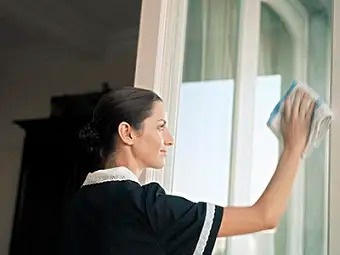
Aluminum alloy windows can be wiped with a soft cloth dampened with water.
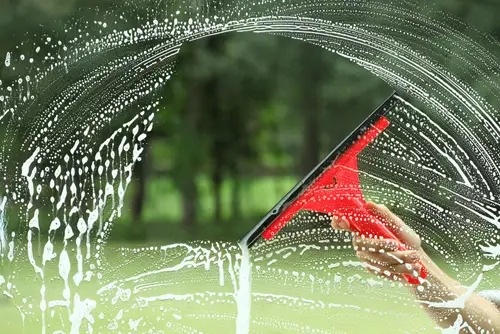
Alternatively, wipe it with a neutral detergent.
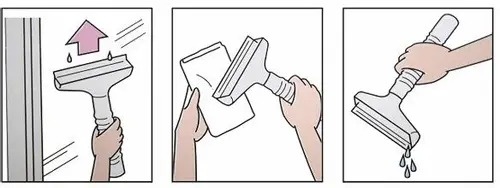
Note : Ordinary soap and laundry detergent should not be used on aluminum alloy windows, and strong acid or alkaline cleaners such as scouring powder and toilet cleaner should not be used.
Tips for cleaning window hardware: Wipe away dust with a soft cloth. For hard-to-reach corners, use a small brush or toothpick to clean them.