Pruning techniques for osmanthus and camellias will encourage lush growth and abundant blooms.
Many flowers need proper pruning. Pruning not only promotes vigorous growth and abundant blooms, but also reduces the spread of pests and diseases and prevents the death of flowers.
So today, I'll give you some suggestions on pruning osmanthus and camellias.
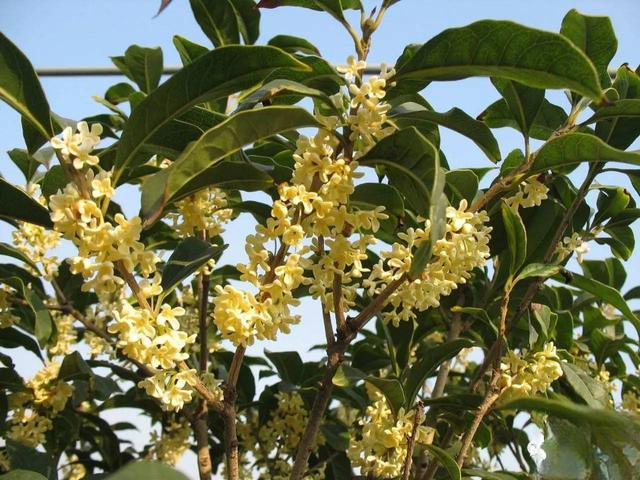
Osmanthus fragrans
1. Osmanthus trees are generally pruned in autumn after flowering.
2. We can perform minor pruning. This involves pinching off the very tip of the branch, removing the tender shoot with 3-4 small leaves. Pinching off encourages branching and more flowers.
3. For one-year-old branches, we can perform short pruning, which means cutting off part of the one-year-old branch to reduce the number of buds on the branch, concentrate nutrients, promote the thickening and branching of the branch, and stimulate the buds at the cut to grow strong branches.
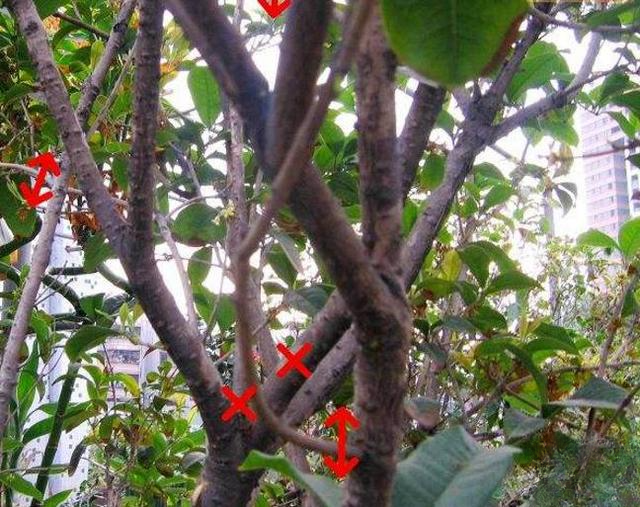
The degree of pruning is between topping and heavy pruning. After pruning, retain more than 1/2 of the branch, which can activate the growth of some buds in the upper part of the branch and also have the effect of making it branch more.
4. To ensure that osmanthus flowers bloom profusely and leaves flourish, it is necessary to maintain a physiological balance between reproductive growth and vegetative growth.
Generally, pruning removes overgrown branches, weak branches, and diseased or insect-infested branches to improve ventilation and light penetration, concentrate nutrients, and encourage the osmanthus to develop more and fuller flower buds, resulting in abundant flowering.
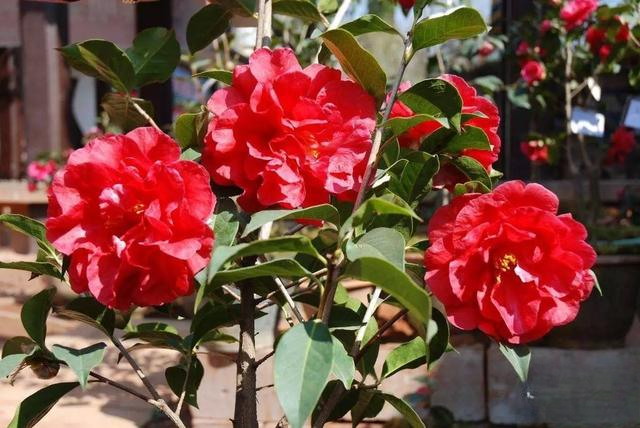
camellia
1. Prune diseased and overgrown branches. For pruned branches, remove buds appropriately to promote branching. This pruning helps camellias grow better, resulting in larger and more vibrant flowers.
2. Perform light pruning annually, simply removing any excessively long branches.
3. Camellias should not be pruned too early in winter. If pruned too early, the cold weather will damage the camellias and affect their growth. The best time for pruning is from mid to late January.
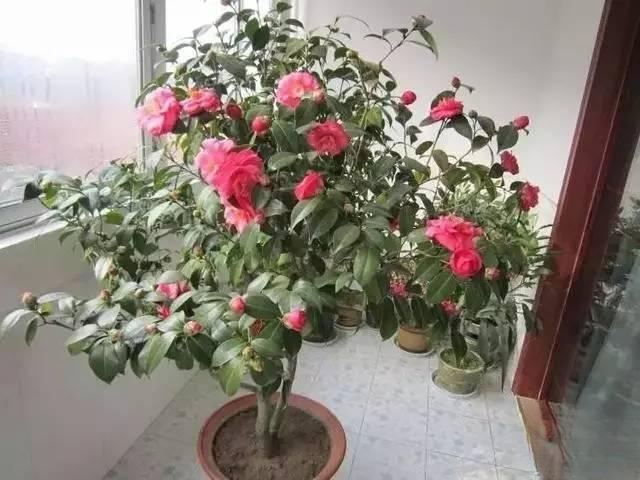
4. After pruning and before new buds sprout, it is best to apply a compound fertilizer with nitrogen as the main component, and spray a foliar fertilizer when the new buds sprout. This will make the spring sprouting more vigorous.
5. If the camellia is planted in the ground and the winter temperature is relatively warm, pruning can be done before (November).
Using a diameter approximately 12 times the ground diameter of the camellia's main stem, cut off the lateral roots around the main stem to encourage the growth of more new roots and lay the foundation for better growth next year.