Pruning Techniques for Flower Branches — [Fa Cai Agriculture Network]
Pruning can be done during the growing season and dormancy period. During the growing season, prune the top of the main stem or lateral branches to promote the growth of lateral branches and inhibit excessive growth. During dormancy, remove dead leaves and other debris from the branches. If there are thin or weak branches, prune them as well, so that nutrients are concentrated on the healthy branches.
I. Pruning Time
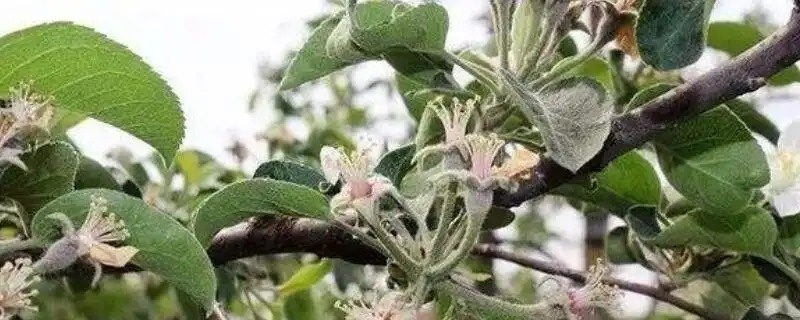
Since each plant has a different growth period, pruning is generally carried out during the growing season and dormancy period. Growing season pruning can include pruning shoots, pinching, and topping, while dormancy pruning is carried out in early spring when the sap begins to flow and the buds are about to sprout.
II. Pinching and topping
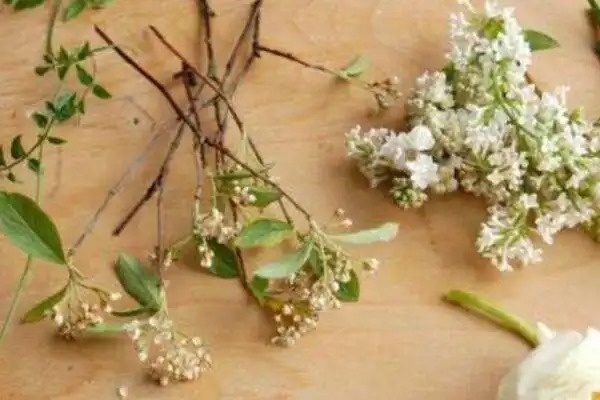
During the plant's growth period, pinching can be done by pruning the tips of the main stem or lateral branches. This will encourage the growth of numerous lateral branches and inhibit excessive vegetative growth. During the seedling stage, topping can be done to promote more branching and thus increase flowering.
III. Pruning branches
In addition to pruning the flowering branches, it is also necessary to remove overgrown branches, diseased branches, dead branches, and old branches, as well as remove yellow, diseased, and withered leaves. This will maintain the overall air circulation and light penetration of the plant, promote healthier and more vigorous plant growth, and effectively reduce the occurrence of pests and diseases.
IV. Heading-out
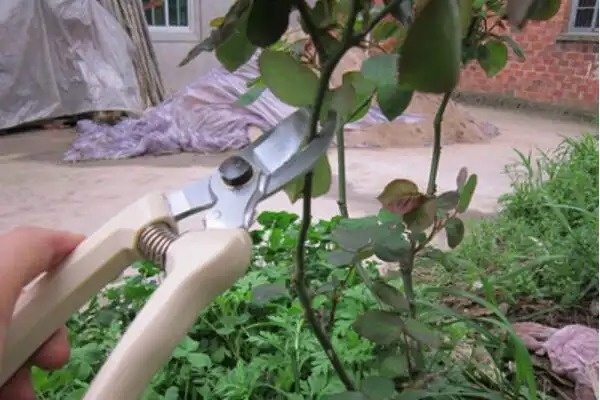
We can prune the plant short, for example, by cutting off part of the branches while retaining some, which can effectively stimulate the branches to sprout and form lateral branches. Short pruning can make the plant grow shorter and thicker branches, making it look more vigorous and majestic overall.