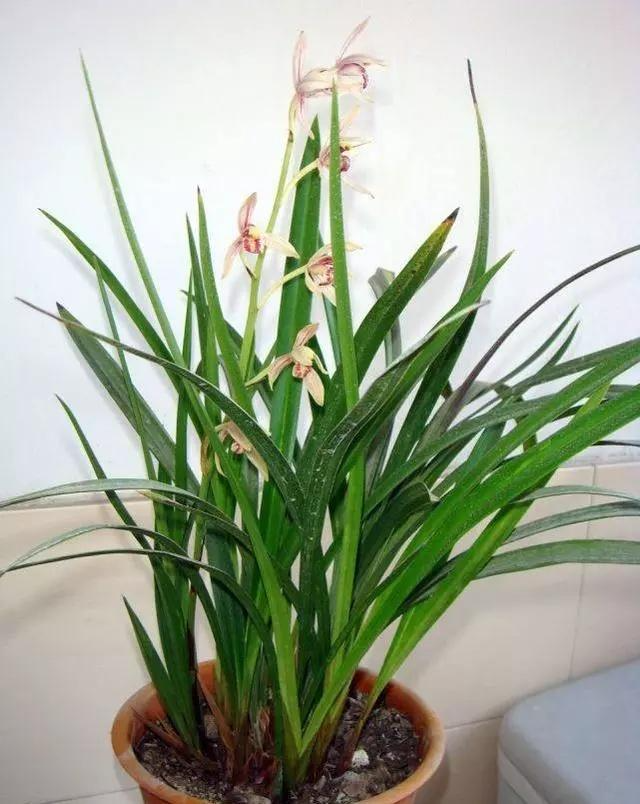
Pruning orchids after flowering is a crucial step; it ensures rapid flower stalk growth year after year.
After orchids finish blooming, should the flower stalks be pruned? And if so, how should they be pruned? Today, we'll discuss this question, using Cymbidium ensifolium as an example.
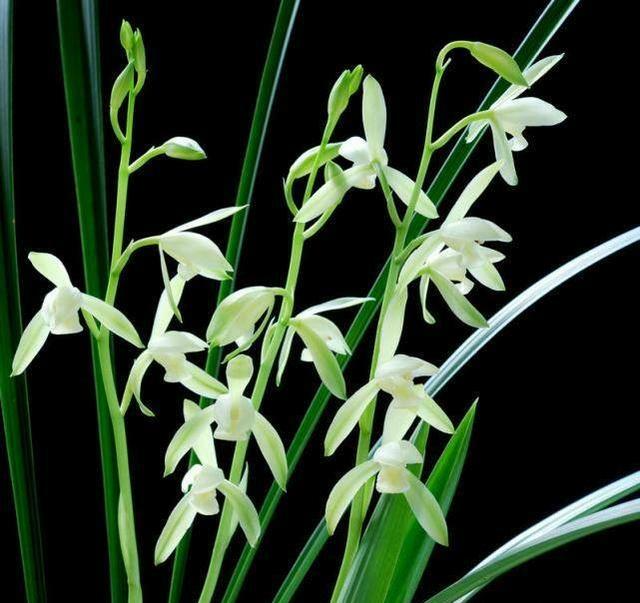
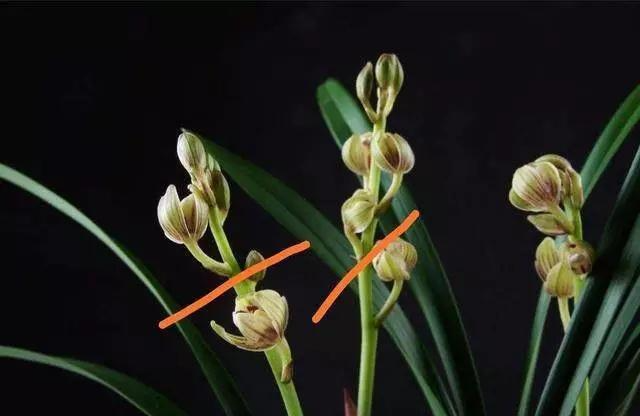
The flower stalk of Cymbidium ensifolium after flowering is
Not only should they be cut off, but they should be cut off earlier. Of course, this applies not only to Cymbidium ensifolium, but to all orchid varieties; the spent flower stalks (flower spikes) should be cut off as soon as possible after flowering.
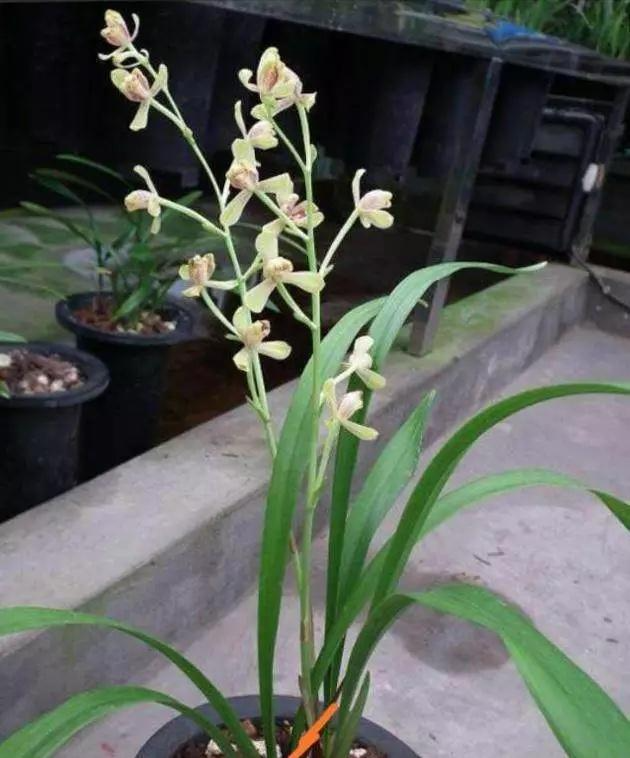
Why? The main reason is to conserve more nutrients within the plant to supply the normal growth of other seedlings and the next flowering. Therefore, to reduce excessive nutrient consumption within the plant, promote the early maturation of the current year's seedlings, and lay a good foundation for flowering the following year, it is crucial to cut off the flower stalk shortly after flowering. Not only should it be completely removed, but it should be cut off shortly after the last flower opens.
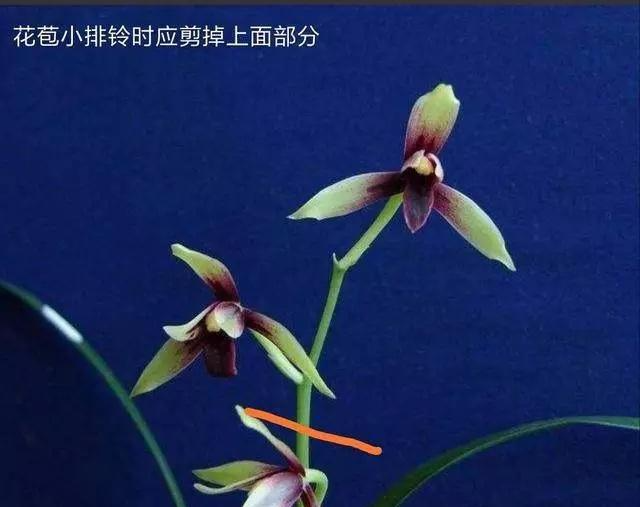
If left to bloom unchecked, under suitable temperature conditions, it can take over a month from the first flower to the last, and sometimes even longer, inevitably leading to excessive nutrient consumption within the plant. Therefore, to encourage abundant and healthy seedlings and better flowering the following year, don't hesitate to prune. When pruning, the cut should be 1.5cm to 2cm away from the pseudobulb or soil surface to prevent harmful pathogens from entering through the wound.
In orchid nurseries or gardens of a certain size, what are the management practices during the flowering period? When it's known what a particular variety looks like when it blooms, flowering is generally not allowed (for example, the Cymbidium ensifolium 'Xiao Tao Hong' variety). The flower stalks of these seedlings are cut off shortly after emerging from the soil. The purpose is to reduce the plant's nutrient consumption, encouraging more and better-growing seedlings. If a batch of seedlings is ready for sale, the flower stalks are generally not cut.
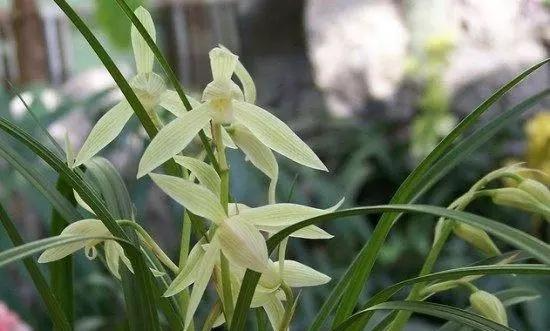
In addition, some rare and precious varieties, and some varieties whose flowers have never been seen before, are typically managed by thinning out excess flower stalks and buds, leaving only one flower stalk and one or two buds per plant. After flowering, the color, shape, and fragrance are observed. This is primarily to observe the quality of the orchid's bloom. The greater purpose is to reduce nutrient consumption within the plant, facilitating the normal nutrient supply for new shoots. Therefore, it is essential to prune all spent flowers and branches as early as possible after flowering to promote the normal development and growth of the orchid seedlings.