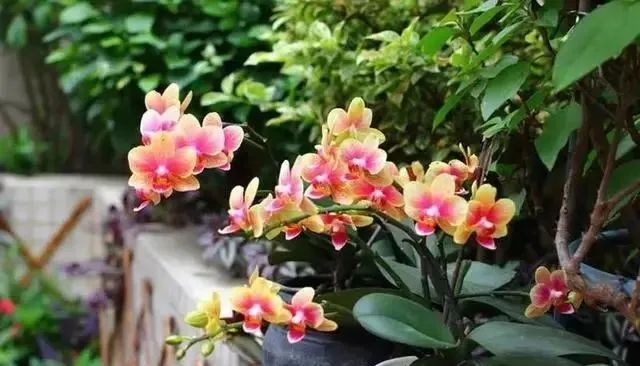
Pruning methods for 10 common potted flowers: prune them and they'll bloom! More effective than fertilizing!
Growing flowers requires proper pruning. Correct pruning not only encourages larger and more abundant blooms but also helps cultivate high-quality flowers and reduces yellowing leaves and pests/diseases. Especially in spring and summer, mastering the timing and methods of pruning is crucial for timely and vibrant flowering. Here are some pruning techniques for 10 common flowers; let's learn together!
I. Rose
Pruning method:
1. Bloom every year. Prune before the roses sprout. Shrub roses can be pruned to 20cm above the ground, and climbing roses can be pruned to retain only the strong main stems.
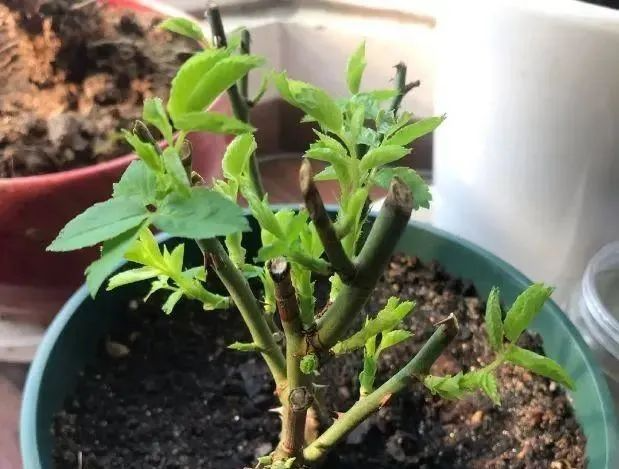
2. Before the flowers bloom and fade, prune 10-20cm of the stem along with the flowers. Blind branches and buds can be pruned at any time to save nutrients and ensure rapid re-blooming.
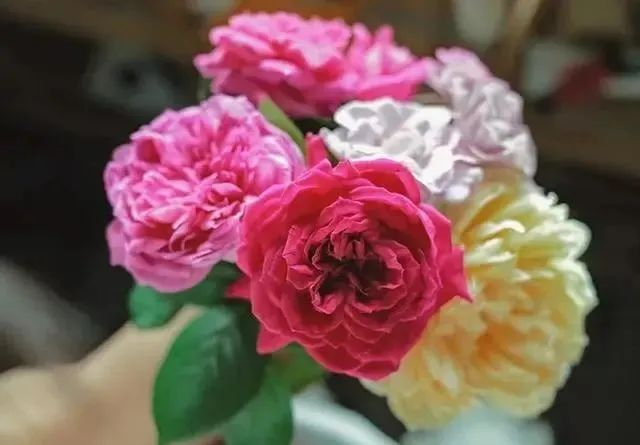
3. Prune in winter, generally around the beginning of winter. Prune thin and weak branches, branches with pests and diseases, and try to cut off flower buds in frosty or snowy weather to avoid frost damage.
II. Asparagus fern
Pruning method:
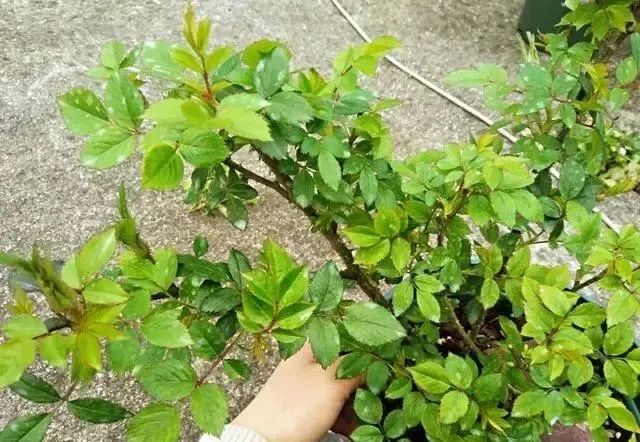
1. Asparagus ferns grow and recover quickly in spring and autumn, making them ideal for pruning. Asparagus ferns are considered seedlings for the first 1-2 years, and need to be topped in spring and autumn to shorten them and prevent them from growing too long and becoming unsightly.
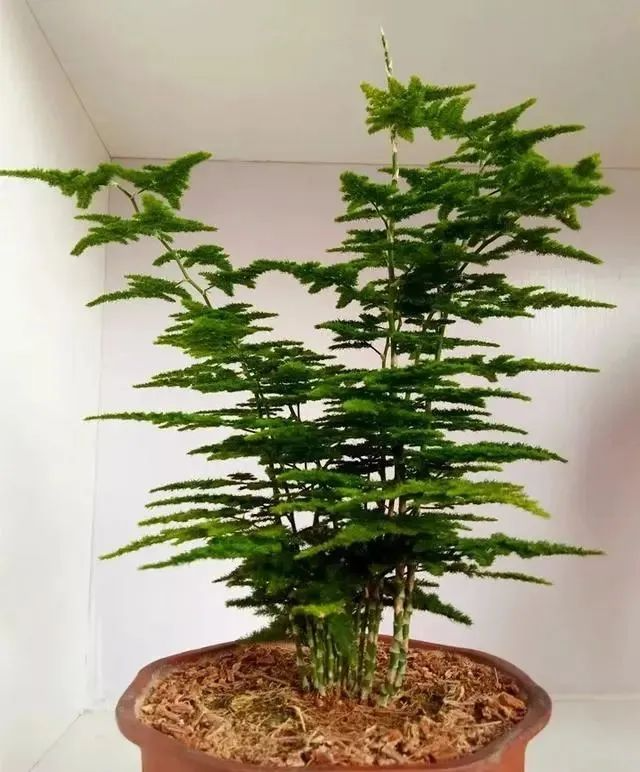
2. For asparagus ferns that are 2 years or older, you can shape them by pruning yellow and diseased leaves, as well as unwanted branches, to maintain their aesthetic shape.
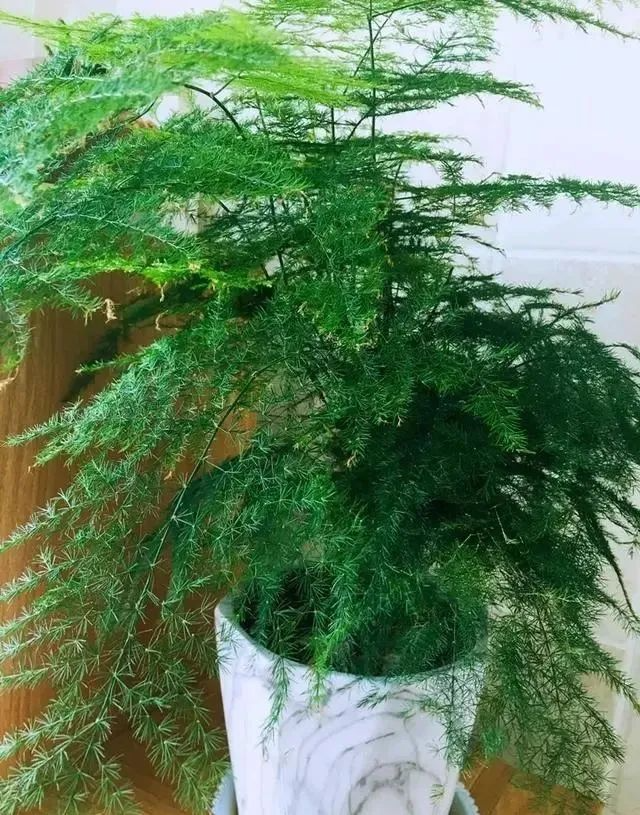
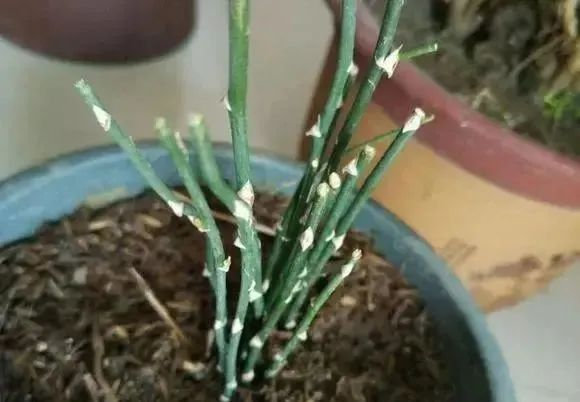
3. If the asparagus fern has a large area of yellow leaves or is not growing well, you can cut off all the leaves and leave only the thicker stems to allow it to grow again.
III. Rose
Pruning method:
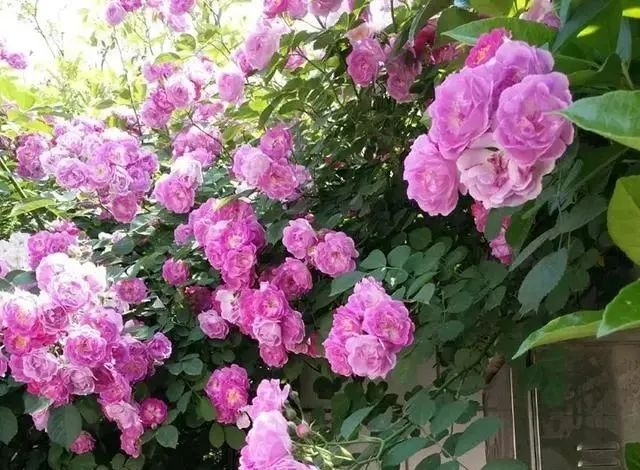
1. Prune in January or February before the buds sprout, keeping only the main branches. The growth will be faster than if not pruned, ensuring accelerated growth in the new year.

2. Pruning after flowering can help control the shape, prevent growth in an undesirable direction, conserve energy for new branches and leaves, and increase the coverage area.
IV. Camellia
Pruning method:
1. Prune in the middle and late January in the south and in February in the north. Only prune diseased and weak branches that have survived the winter, as well as branches that are growing crosswise, to ensure the quality of flowering this year.
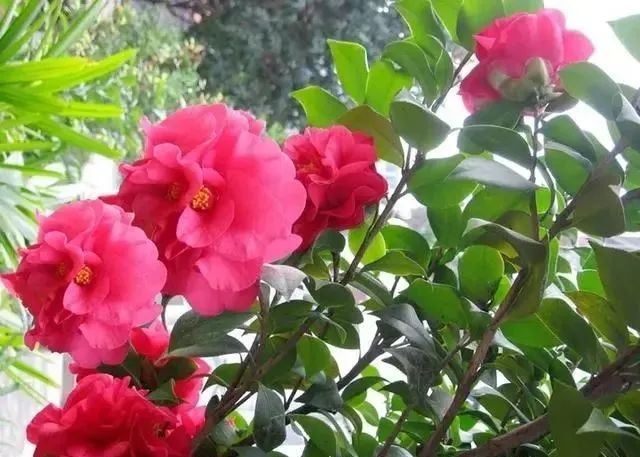
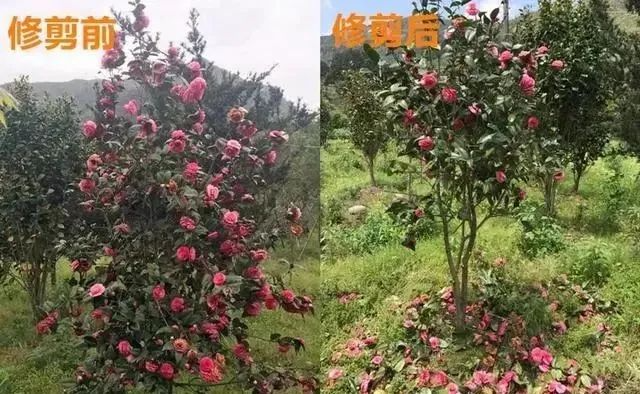
2. Prune the tree around April after flowering. When the flowers are about to fall, prune off 10-20cm of the branches along with the flowers, and remove the lower branches to maintain an upward-growing tree shape.
V. Azalea
Pruning method:
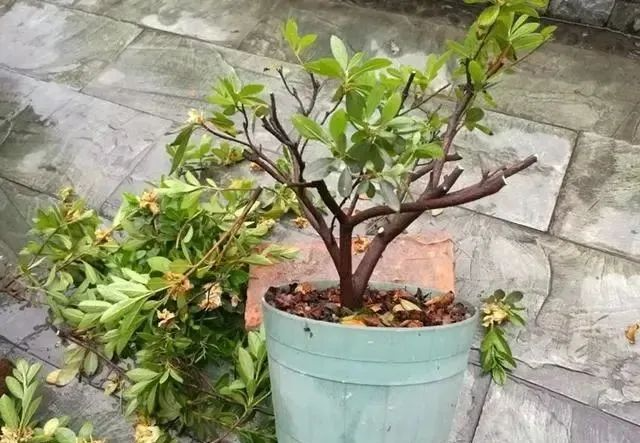
1. Pruning can be done after the flowering period each year. After the petals wilt, cut them off along with the flower stalk below the flower to conserve nutrients for continued growth and prevent yellowing leaves.

2. After pruning the spent flowers, the azalea will grow vigorously with new branches and leaves. You can prune away the overgrown, tender branches. If the azalea grows too tall, remember to top it off to encourage it to spread out. This is generally done in late spring and early autumn; do not prune it in summer or winter.
VI. Peony
Pruning method:
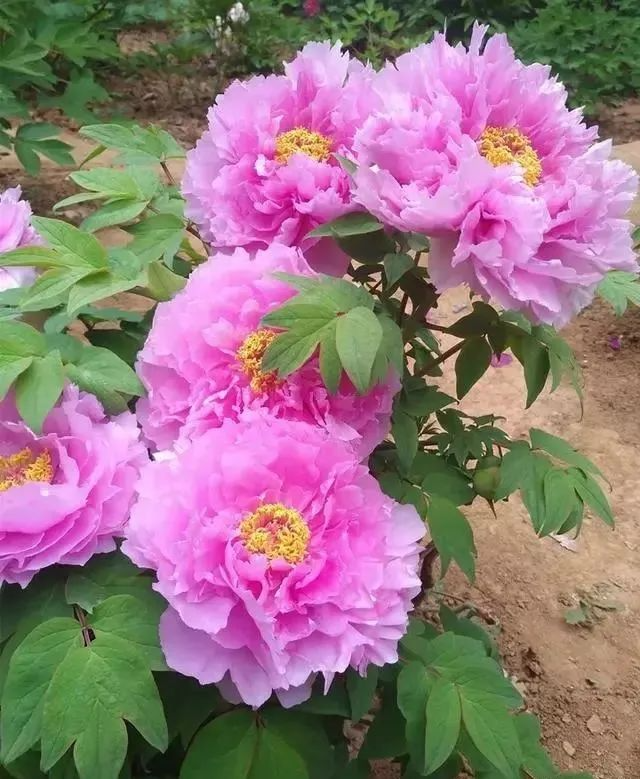
1. Prune after flowering. When the flowers are almost finished, cut off the withered flowers. You can cut them quite hard, leaving about 20cm above the ground. This will encourage more basal buds to grow, resulting in larger and more abundant flowers the following year. Do not prune branches that have not yet flowered.
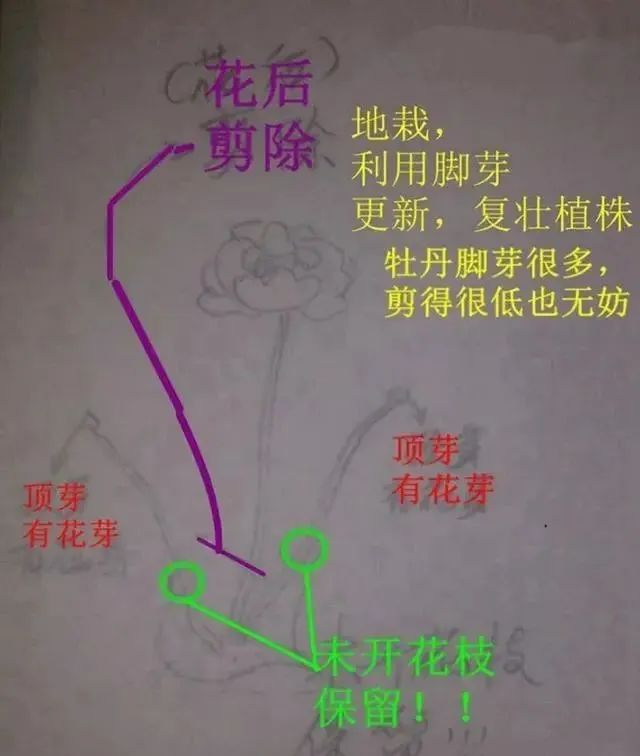
2. Prune in the spring of the second year. In the south, prune in mid-to-late January, and in the north, prune to 20cm above the ground (retain 2 buds on each branch). Pruning will promote growth and result in larger and more abundant flowers.
VII. Hydrangea
Pruning method:
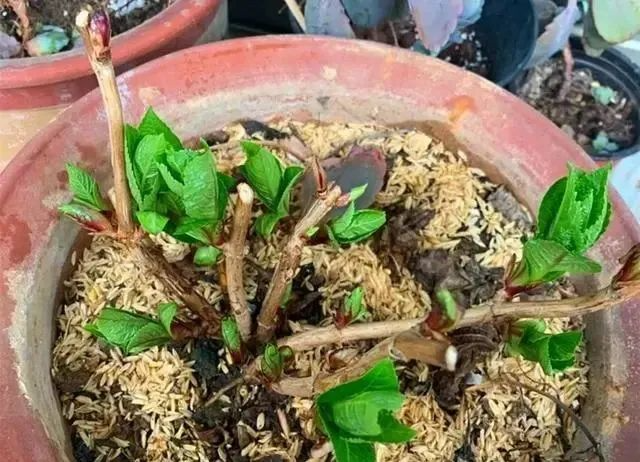
1. Perform normal post-flowering pruning in July and August. After flowering, cut off the spent flowers, including 10-20cm of the branch. Do not cut off branches that have not yet flowered. If you have purchased hydrangeas that have already flowered, you can lightly prune them after flowering, and then prune them again in July and August.
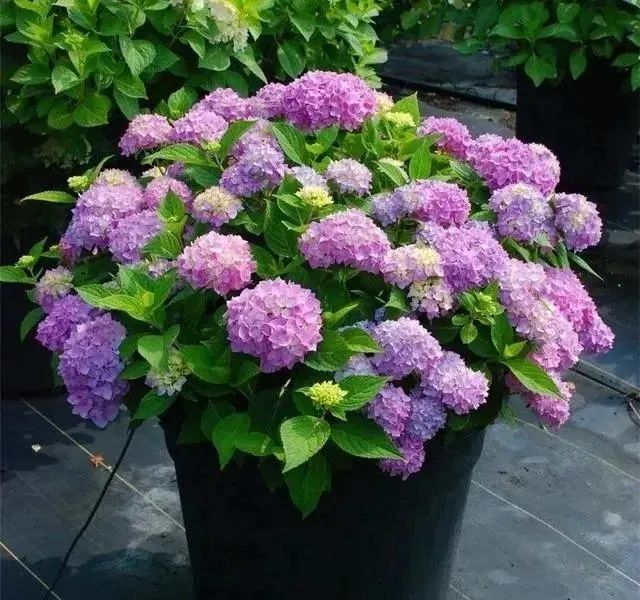
2. Hydrangeas that can bloom on new shoots, such as Endless Summer, can be heavily pruned in January or February to stimulate growth and flowering. It is not recommended to prune other hydrangeas.
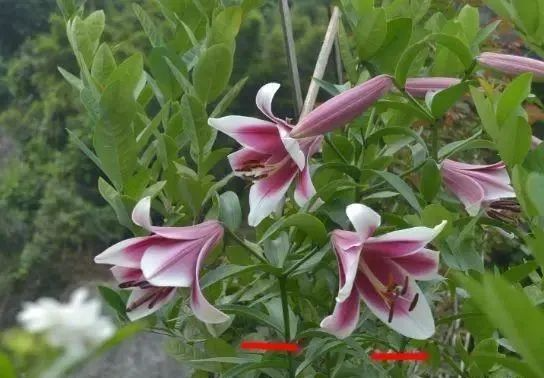
8. Lilies
Pruning method:
1. Lily bulbs can be planted for many years. Generally, they are planted in spring or autumn. It is recommended to bury them in the soil at a depth of about 5 cm. After flowering in spring or autumn, prune them and continue to care for them. Let them wither and go dormant naturally in winter (at this time, control watering). They will bloom again in the following spring or autumn.
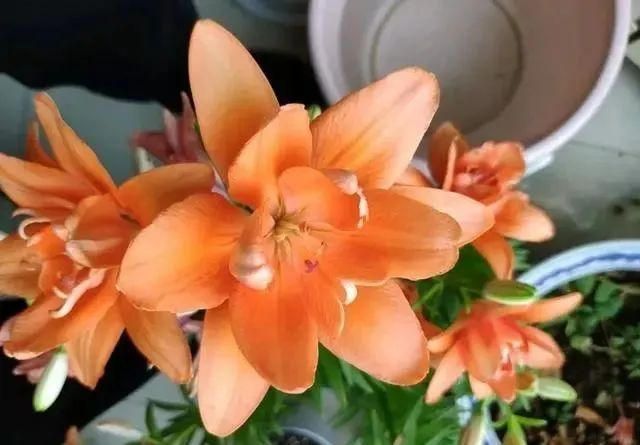
2. When the flowers are about to fade, prune them 10-20cm, including the flowers and leaves, to control the growth height of the lily and prevent it from growing too tall. Continue to care for it normally and let it wither and go dormant naturally. Do not prune it after it sprouts new buds in the following spring. Just let it bloom naturally.
9. Spider Plant
Pruning method:
1. It is best to concentrate the pruning during the spring and autumn growing seasons, specifically March-April in spring and September-October in autumn. Pruning is very simple; just trim it like chives, giving it a short, flat top. After pruning, place it in a shady place, water it sparingly, and then water it normally again after a week.
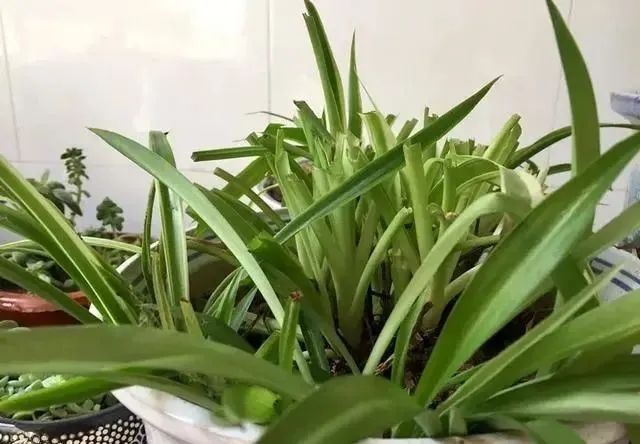
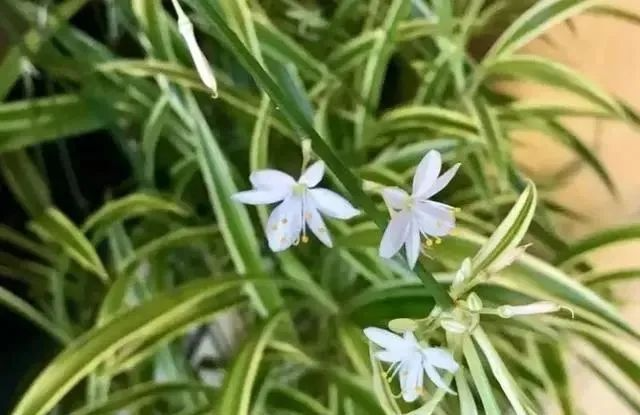
2. After the new shoots emerge, place it in a location with indirect light and water it appropriately. The new leaves will grow more beautifully than before, and with concentrated nutrients, it may even bloom.
10. Phalaenopsis orchid
Pruning method:
1. After the flowers have almost faded, simply cut off the withered flowers along with the flower stems to conserve nutrients. You can water them with nutrient solution a week after pruning, and they may bloom again.
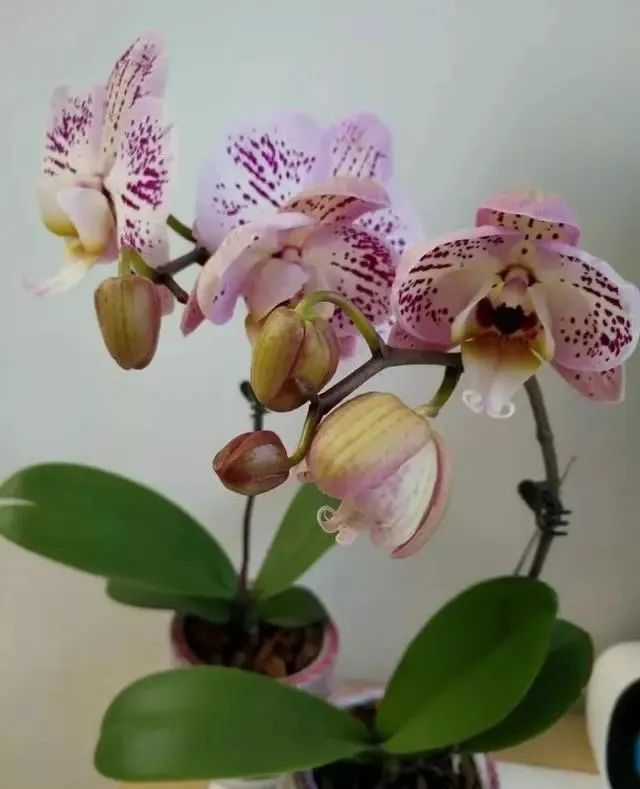
2. When pests or diseases occur, thoroughly prune away the affected leaves to prevent the spread of infection.